Twizel Viaduct, Berwickshire Travel Guide
Historic 19th-century six-arch railway viaduct near Cornhill-on-Tweed, blending Victorian engineering with scenic Northumberland countryside.
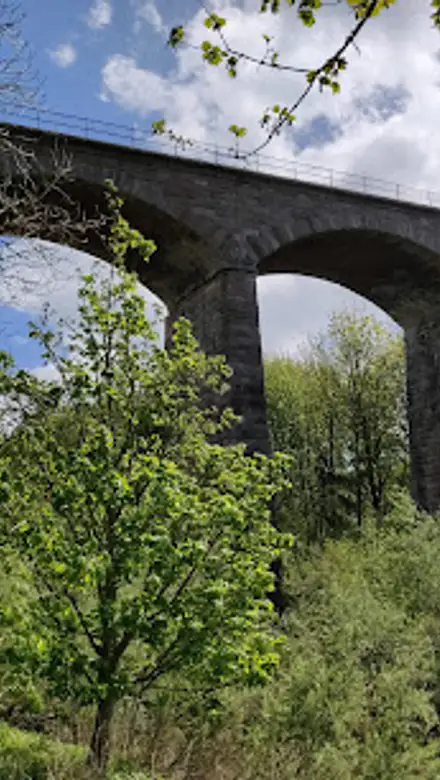
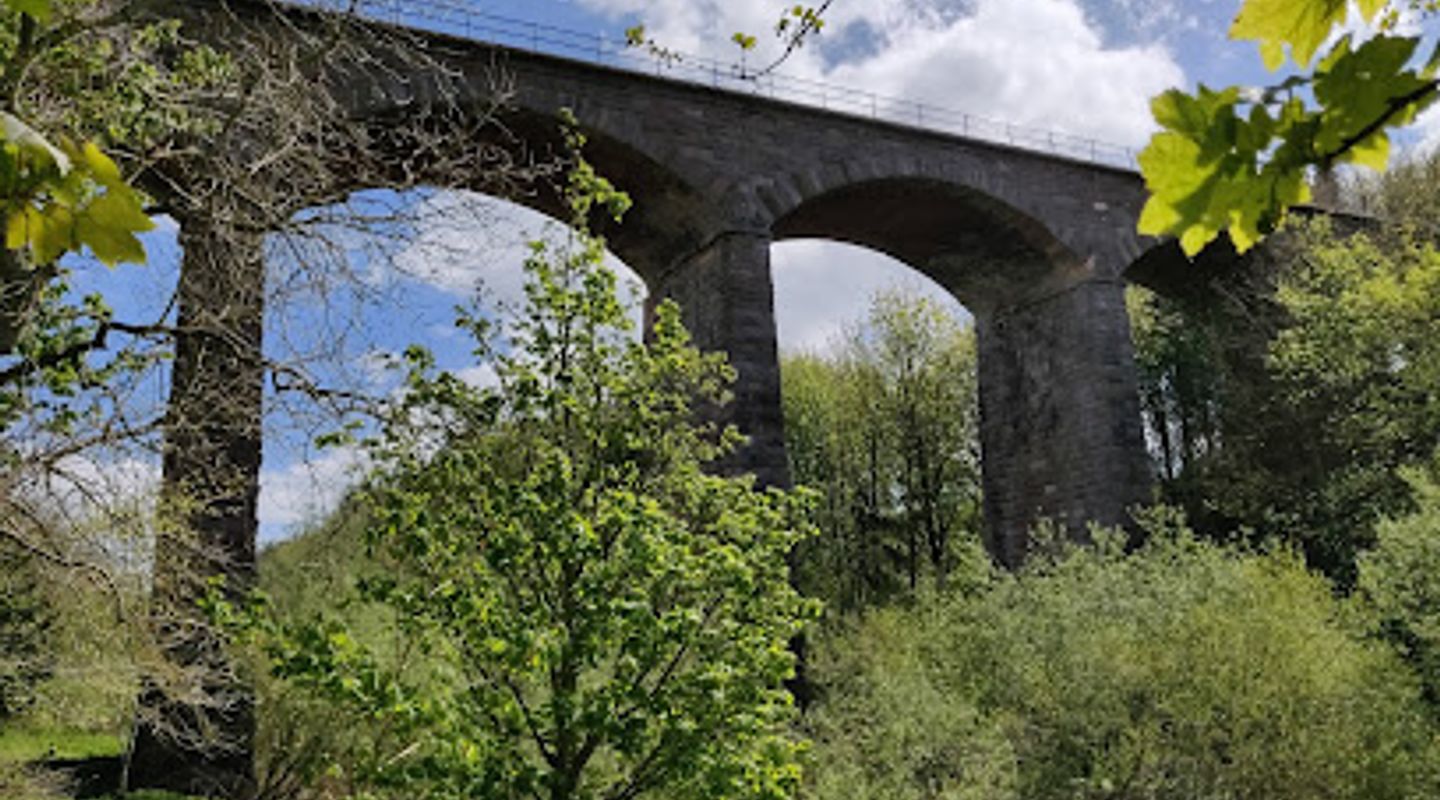
The Twizel Viaduct, near Cornhill-on-Tweed in Northumberland, is a striking six-arch railway viaduct built between 1846 and 1849. Originally part of the Newcastle & Berwick Railway, it spans the River Till and now serves as a scenic footpath. This Grade II listed structure is undergoing restoration to preserve its historic brickwork and architectural integrity, offering visitors a glimpse into Victorian railway engineering amid tranquil countryside surroundings.
A brief summary to Twizel Viaduct
- Unnamed Road, Cornhill-on-Tweed, TD12 4UZ, GB
- Click to display
- Duration: 0.5 to 2 hours
- Free
-
 Outdoor
- Mobile reception: 3 out of 5

Know before you go
Hi, I'm Eve. Here are a few practical things to know before exploring Twizel Viaduct.
- Wear sturdy walking shoes to comfortably explore the footpath across the viaduct and surrounding trails.
- Visit during clear weather for the best views of the River Till and the viaduct’s brick arches.
- Bring a camera to capture the architectural details and scenic vistas from the elevated path.
- Check local conservation updates as restoration work may occasionally limit access.
Do you manage this location?
Take control to get all the benefits, like improved information, better appearance, and stronger visibility across AI-powered discovery. Learn more about listing your business on Evendo
Activate your presenceOther nearby places you may find interesting
The closest places of the same kind, if this one is not quite what you had in mind.

Explore Twizel Viaduct on the Map
A handpicked selection of must-see spots near Twizel Viaduct, mapped for you.
Getting There
-
Bus and Walking
Take the local bus service from Berwick-upon-Tweed to Cornhill-on-Tweed, which takes approximately 40 to 50 minutes. From Cornhill-on-Tweed, enjoy a 20-minute walk along rural footpaths to reach the viaduct. The walking terrain is mostly flat but unpaved, suitable for moderate fitness levels. Bus fares range from £5 to £8 one way.
-
Car
Driving from Berwick-upon-Tweed to the Twizel Viaduct takes about 25 minutes via minor roads. Limited parking is available near the footpath access points. Note that the access roads are narrow and rural, so cautious driving is advised. There is no parking directly at the viaduct.
-
Cycling
Cyclists can reach the viaduct from Cornhill-on-Tweed within 15 minutes on quiet country lanes. The route is scenic but includes some gentle hills. Bicycle parking is available near the start of the footpath leading to the viaduct.
For the on-the-go comforts that matter to you
-
 Information Boards
-
 Seating Areas
-
 Trash Bins
Discover more about Twizel Viaduct
Architectural Heritage and Engineering Feat
The Twizel Viaduct is a remarkable example of mid-19th-century railway architecture, constructed between 1846 and 1849 by the Newcastle & Berwick Railway. This six-arched brick viaduct was designed to carry the Tweedmouth to Kelso branch line over the River Till near Cornhill-on-Tweed. Its robust masonry arches and piers showcase Victorian engineering prowess, combining functionality with aesthetic appeal. The structure’s design includes spandrel walls and carefully laid brickwork that have endured for over 170 years, reflecting the industrial ambitions of the era.Historical Significance and Railway Legacy
The viaduct played a vital role in regional transport, with the first train crossing on 27 July 1849. It served both passenger and goods trains until the line’s closure in 1964 for passengers and shortly after for freight. The railway track was subsequently removed, but the viaduct remains a cherished landmark. Its historical importance is underscored by its Grade II listing, recognizing its architectural and cultural value within the Northumberland landscape.Current Use and Conservation Efforts
Today, the Twizel Viaduct carries a permissive footpath, allowing walkers to cross the River Till while enjoying scenic views of the surrounding countryside. Restoration work is underway to repair spalled brickwork, fractures in spandrel walls, and mortar loss, ensuring the viaduct’s structural integrity for future generations. Due to its height and location, specialized techniques such as rope access and cradles are employed during repairs. A waterproofing system installed in 2005 protects the deck, enhancing durability.Setting and Visitor Experience
Nestled in a tranquil rural setting, the viaduct offers a peaceful atmosphere for walkers and history enthusiasts alike. The surrounding landscape features the gentle flow of the River Till and open Northumberland countryside, creating a scenic backdrop for photography and quiet reflection. The viaduct’s elevated path provides unique vantage points over the river and fields, making it a favored spot for nature lovers and those interested in industrial heritage.Community and Cultural Importance
The viaduct is an iconic local landmark, symbolizing the region’s railway heritage and engineering achievements. Its preservation is a collaborative effort between Highways England and Northumberland County Council, reflecting community pride and commitment to maintaining historic infrastructure. The structure’s presence enriches the cultural landscape, connecting present-day visitors with the industrial past of Northumberland.Access and Surroundings
Located on an unnamed road near Cornhill-on-Tweed, the viaduct is accessible via public footpaths and is part of a network of walking routes that explore the area's natural and historic sites. While no direct amenities are on the viaduct itself, nearby villages provide basic services. The quiet rural environment enhances the experience, offering a blend of heritage and nature in a serene setting.












Your all‑in‑one travel companion app
Explore expert travel guides, compare and book tours, experiences, hotels, and more—all from the palm of your hand. Download now for seamless trip planning wherever your wanderlust takes you.


Explore More of Berwickshire
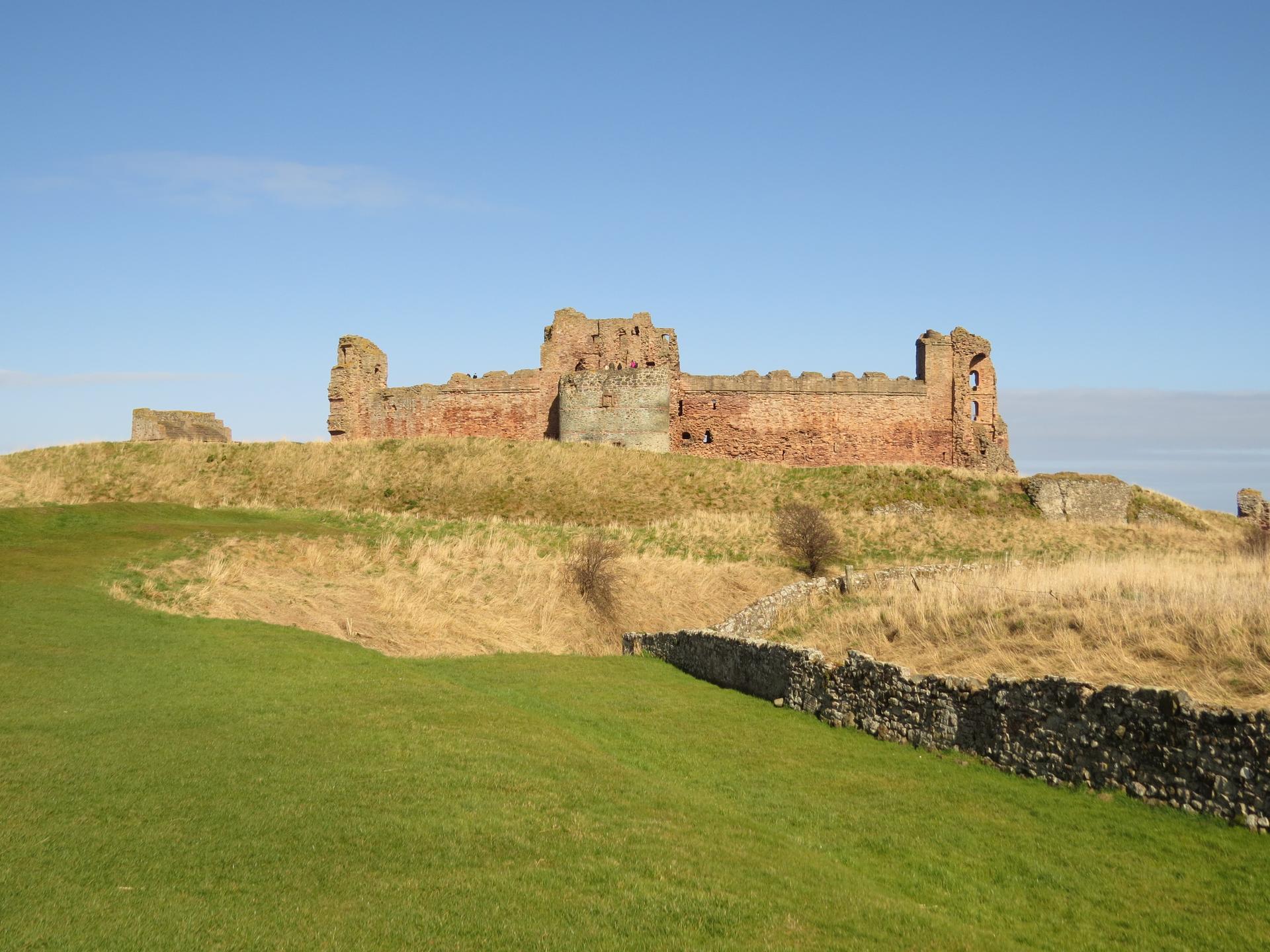
Looking beyond Twizel Viaduct? Discover Berwickshire for broader travel guides, local hot-spots, and regional highlights.
Explore Berwickshire