
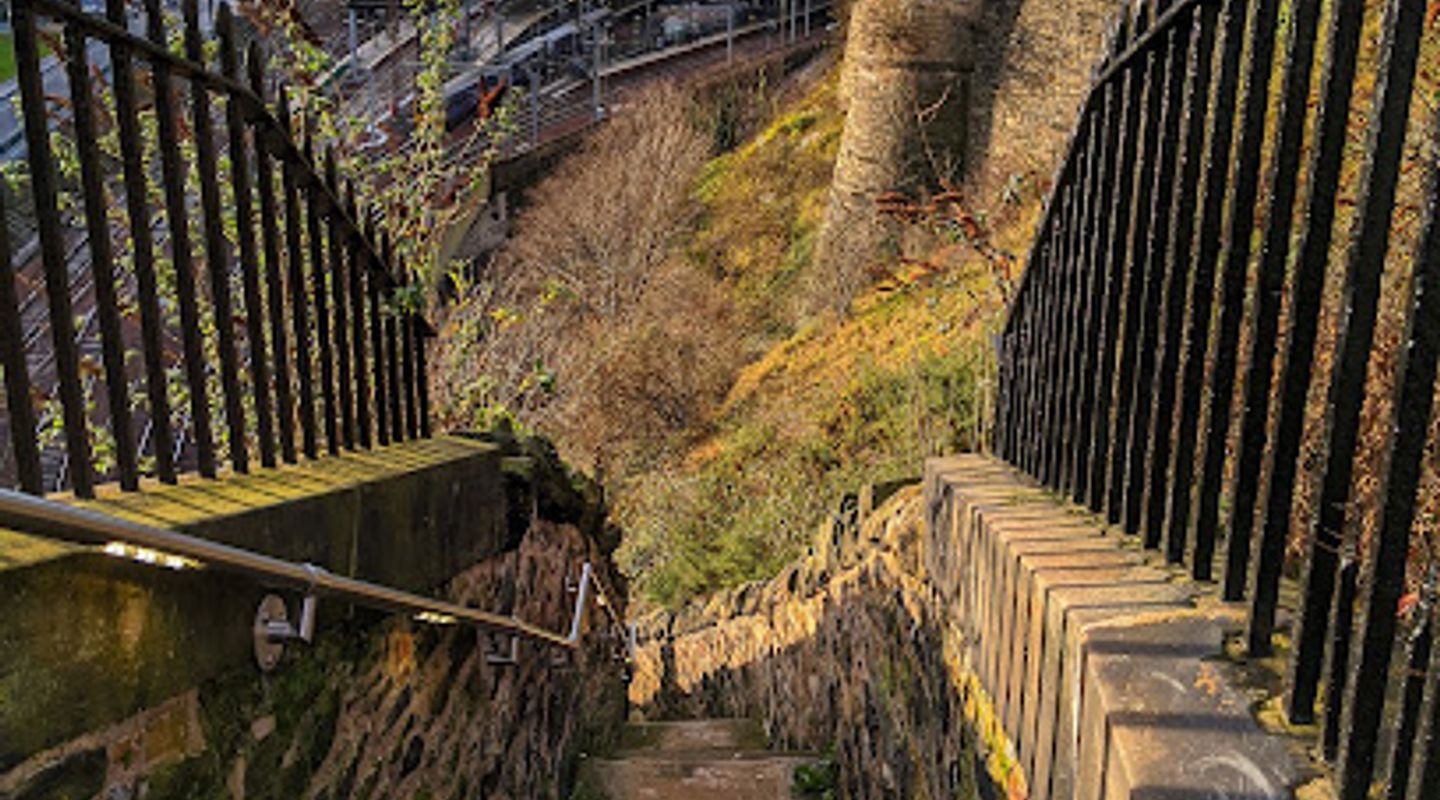
Jacob's Ladder, Down Travel Guide
A historic and steep stone staircase linking Edinburgh’s Old and New Towns, offering panoramic city views and a challenging climb.
Jacob's Ladder is a steep, historic staircase carved into the volcanic rock of Calton Hill in Edinburgh, connecting Calton Road and Regent Road. Dating back to at least 1784, it served as a vital shortcut between the city’s Old and New Towns and was once used for funeral processions to the Old Calton Burial Ground. After a significant refurbishment, it now features improved lighting and restored stonework, offering visitors a challenging climb rewarded with spectacular city views.
A brief summary to Jacob's Ladder
- Jacob's Ladder, Edinburgh, Edinburgh, GB
- Duration: 0.25 to 1.5 hours
- Free
-
 Outdoor
- Mobile reception: 4 out of 5

Know before you go
Hi, I'm Eve. Here are a few practical things to know before exploring Jacob's Ladder.
- Start your journey from the top at Regent Road if you want an easier descent rather than the strenuous climb up.
- Wear sturdy footwear and be cautious on wet or icy days, as the stone steps can be slippery.
- Visit at dusk or night to enjoy the atmospheric LED lighting that illuminates the handrails along the path.
- Carry water and take breaks if needed; the climb is steep and can be physically demanding.
Do you manage this location?
Take control to get all the benefits, like improved information, better appearance, and stronger visibility across AI-powered discovery. Learn more about listing your business on Evendo
Activate your presenceOther nearby places you may find interesting
The closest places of the same kind, if this one is not quite what you had in mind.

Explore Jacob's Ladder on the Map
A handpicked selection of must-see spots near Jacob's Ladder, mapped for you.
Getting There
-
Public Bus
Take Lothian Buses routes 30 or 33 to Calton Road near Waverley Station. From there, it is a 5-10 minute walk to the base of Jacob's Ladder. Bus fares typically range from £1.80 to £2.00 per single journey.
-
Walking
From Edinburgh Waverley Station, walk approximately 15 minutes on paved urban terrain to reach Jacob’s Ladder at Calton Road. The route is accessible but involves some uphill sections.
-
Taxi or Rideshare
A taxi or rideshare from central Edinburgh locations to Jacob’s Ladder usually takes 5-10 minutes depending on traffic, with fares around £5-£10.
For the on-the-go comforts that matter to you
-
 Seating Areas
-
 Information Boards
-
 Trash Bins
Discover more about Jacob's Ladder
Origins and Historical Significance
Jacob's Ladder first appeared on maps in 1784, though its existence likely predates this. The staircase was carved from the volcanic rock of Calton Hill and historically functioned as a crucial pedestrian link between Edinburgh’s Old Town and New Town. It provided an essential shortcut before the construction of bridges that connected these parts of the city more directly. Notably, the path was used as a funeral procession route to the Old Calton Burial Ground, reflecting its cultural and practical importance in the city’s past.Physical Challenge and Architectural Features
The stairway consists of approximately 140 steep steps, making it a physically demanding climb. The stone steps wind sharply up the hill, flanked by sturdy stone walls that have been carefully restored. The pathway’s steepness has earned it a reputation as a challenging ascent, often described as a 'stairway to heaven' due to its biblical namesake. Recent refurbishments included repointing the stonework, replacing damaged sections, and installing LED-lit handrails that illuminate the path at night, enhancing safety and aesthetics.Modern Restoration and Safety Enhancements
In 2018-2019, a £150,000 regeneration project led by Edinburgh World Heritage and the City Council revitalized Jacob's Ladder. The refurbishment cleared overgrown vegetation, removed graffiti with environmentally friendly methods, and added 120 metres of LED lighting along the handrails. These improvements transformed the staircase into a safer, more inviting route for pedestrians, reducing the area's historic reputation for illicit activities after dark.Scenic Views and Visitor Experience
At the top of Jacob's Ladder, visitors are rewarded with panoramic views of Edinburgh’s iconic skyline, including the Castle, North Bridge, Old Town, and Waverley Station. The route offers a unique vantage point over the city’s architectural and natural landmarks. While the climb is steep, the pathway remains a popular shortcut and a favored spot for those seeking both exercise and scenic urban perspectives.Local Context and Cultural Connections
Jacob's Ladder sits adjacent to notable Edinburgh landmarks such as the Burns Monument and the National Monument on Calton Hill. The staircase’s biblical name references the Old Testament story of Jacob’s dream of a ladder to heaven, symbolizing the steep ascent and spiritual significance historically attributed to the path. It also connects to Regent Road, near the former Royal High School and the Old Calton Burial Ground, embedding it deeply within Edinburgh’s cultural and historical fabric.Practical Considerations for Visitors
Due to its steepness, the climb requires a reasonable level of fitness, and caution is advised during wet or icy conditions as the stone steps can become slippery. The pathway is open year-round and is well-lit at night, though some locals recommend avoiding it after dark. The staircase serves as a pedestrian thoroughfare and a scenic route for both locals and tourists exploring Calton Hill and the surrounding city areas.












Your all‑in‑one travel companion app
Explore expert travel guides, compare and book tours, experiences, hotels, and more—all from the palm of your hand. Download now for seamless trip planning wherever your wanderlust takes you.


Explore More of Down
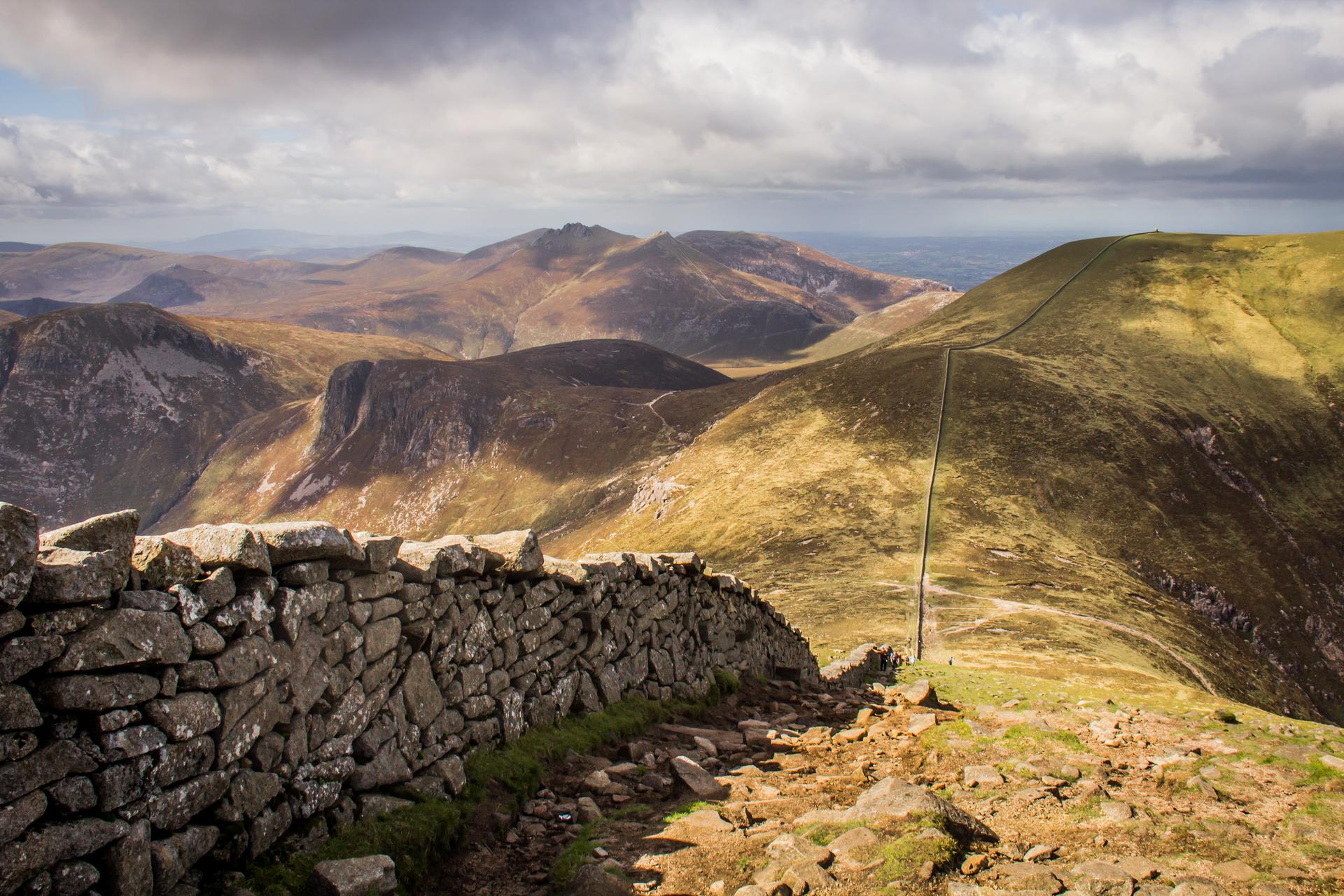
Looking beyond Jacob's Ladder? Discover Down for broader travel guides, local hot-spots, and regional highlights.
Explore Down
Discover Scotland’s heart of democracy in Edinburgh’s iconic modern Parliament building, blending striking architecture with rich political heritage.
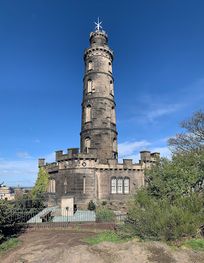
Historic naval monument atop Calton Hill offering panoramic Edinburgh views and a daily time ball ritual.
