Background

Dunkeld Cathedral: Scotland’s Historic Spiritual Heart

A majestic blend of medieval architecture and sacred history set beside the River Tay, embodying centuries of Scottish faith and resilience.

4.5

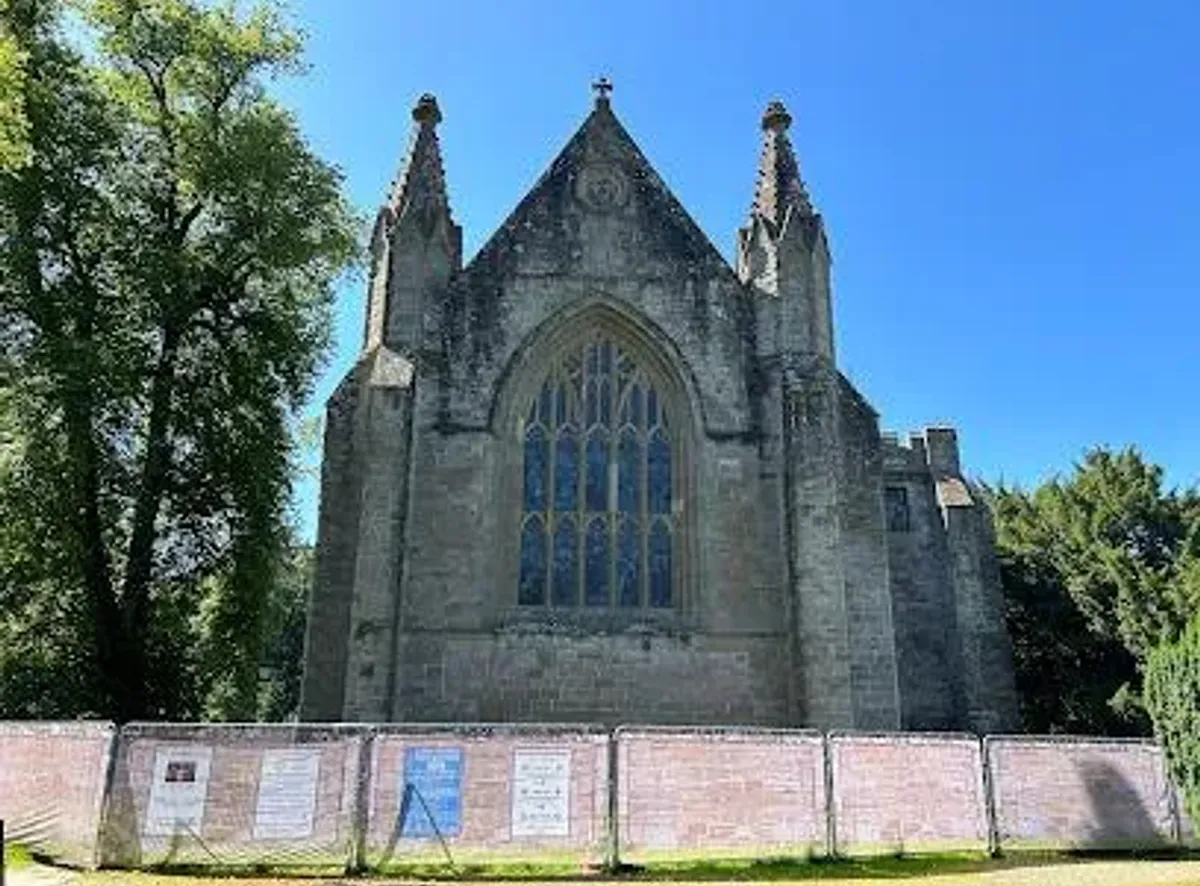
Dunkeld Cathedral in Perth and Kinross stands as a remarkable blend of Gothic and Norman architecture, with origins tracing back to a 7th-century Culdee monastery. Built predominantly between the 13th and 15th centuries, it has witnessed pivotal moments in Scottish history, including Viking relic relocations and the Jacobite uprising. Today, its restored choir serves as an active parish church, while the nave remains a captivating ruin, set within a beautifully landscaped historic site.

A brief summary to Dunkeld Cathedral

  • 10 Cathedral St, Dunkeld, PH8 0AW, GB
  • +441350727249
  • Visit website
  • Duration: 1 to 2.5 hours
  • Free
  • Environment icon Outdoor
  • Mobile reception: 4 out of 5
  • Monday 9:30 am-4:30 pm
  • Tuesday 9:30 am-4:30 pm
  • Wednesday 9:30 am-4:30 pm
  • Thursday 9:30 am-4:30 pm
  • Friday 9:30 am-4:30 pm
  • Saturday 9:30 am-4:30 pm
  • Sunday 9:30 am-4:30 pm

Local tips

  • Visit the chapter house museum to explore Pictish stones and learn about the cathedral’s rich history.
  • Attend a Sunday service in the restored choir to experience the cathedral’s living heritage.
  • Explore the surrounding designed landscape for scenic views of the River Tay and historic Dunkeld.
  • Photograph the contrast between the roofless nave ruins and the intact choir for a striking visual story.
widget icon

Getting There

  • Train and Walking

    Take a train to Dunkeld & Birnam station from Perth or Inverness, with journeys typically lasting 30–60 minutes. From the station, enjoy a 15-minute walk through the charming town to the cathedral. The walk is mostly flat and suitable for most visitors.

  • Car

    Drive to Dunkeld Cathedral via the A9 road, with parking available nearby. Travel times vary from 30 minutes from Perth and about 1.5 hours from Edinburgh. Note that parking can be limited during peak times.

  • Bus

    Local bus services connect Dunkeld to Perth and surrounding towns, with journey times around 45 minutes. Buses stop within walking distance of the cathedral; check schedules for frequency and seasonal variations.

Dunkeld Cathedral location weather suitability

  • Weather icon Any Weather
  • Weather icon Rain / Wet Weather
  • Weather icon Clear Skies
  • Weather icon Mild Temperatures

Unlock the Best of Dunkeld Cathedral

Buy tickets

    No tickets available

Book tours with entry

    No tours available

Book tours without entry

    No tours available

Discover more about Dunkeld Cathedral

Ancient Roots and Religious Significance

Dunkeld Cathedral occupies a site steeped in sacred history dating back to the 7th century when Celtic missionaries, including Saint Columba, established an early monastic community. By the 9th century, under King Kenneth MacAlpin, Dunkeld became the religious center of Scotland, housing relics of St Columba transferred from Iona amid Viking threats. This early ecclesiastical prominence laid the foundation for the cathedral’s enduring spiritual importance.

Architectural Evolution Over Centuries

Construction of the present cathedral began in the mid-13th century, with the choir—now the parish church—completed by the early 14th century. The building showcases a unique fusion of Gothic and Norman styles, reflecting over two centuries of development. The nave, begun in 1406, features architectural influences from the Low Countries, notable in its cylindrical pillars and curvilinear window tracery, marking a departure from English ecclesiastical design. The western tower and off-center window, completed in the late 15th century, dominate the cathedral’s silhouette.

Trials, Turmoil, and Restoration

Dunkeld Cathedral endured significant damage during the Scottish Reformation in 1560, when much of its medieval fabric was destroyed. The choir was re-roofed in 1600 to serve as the parish church, maintaining continuous worship. The 1689 Battle of Dunkeld, part of the Jacobite uprisings, inflicted further destruction, leaving the nave and tower in ruin. Restoration efforts in the early 20th century, including the addition of the Great East Window, have preserved the cathedral’s historical and architectural legacy.

Artistic and Cultural Treasures

Within the cathedral grounds, visitors can find the chapter house museum, housing artifacts such as the Apostles Stone—a rare Pictish carved stone from the 9th century—and other relics tracing the site’s ecclesiastical heritage. The Great East Window, installed during the 1908 restoration, artistically depicts Christian virtues and shepherds gazing at an angelic host, enhancing the cathedral’s spiritual ambiance.

The Cathedral and Its Landscape Setting

The cathedral is set within an early 19th-century designed landscape, part of the historic policies of Dunkeld House, enhanced by the Dukes of Atholl. This tranquil riverside location on the north bank of the River Tay complements the cathedral’s solemn beauty, offering visitors scenic views and a peaceful atmosphere that echoes centuries of faith and community.

Continuing Legacy and Worship

Today, Dunkeld Cathedral remains an active place of worship within the Church of Scotland. The choir continues to host regular services, preserving a continuous thread of spiritual life spanning over 700 years. The site’s blend of ruin and restoration invites reflection on Scotland’s religious history and the resilience of its communities through centuries of change.

Busiest months of the year

Busiest hours of the day

Popular Experiences near Dunkeld Cathedral

Popular Hotels near Dunkeld Cathedral

Select Currency