

Angel of the North
A colossal steel angel rising from a former coal mine, welcoming travellers and symbolising the spirit of the North East.
Rising from a former coal-mining hillside near Gateshead, the Angel of the North is a colossal steel sculpture by Antony Gormley. Standing 20 meters tall with a 54-meter wingspan, it has become a powerful symbol of the North East of England. The sculpture is free to visit at any time, with a car park and paths allowing close access. Its outstretched wings frame dramatic skies and sweeping views across the surrounding landscape, making it a deeply atmospheric place for reflection, photography, and quiet contemplation.
A brief summary to Angel of the North
- Durham Rd, Gateshead, Low Eighton, NE9 7TY, GB
- Visit website
- Duration: 0.5 to 2 hours
- Free
-
 Outdoor
- Mobile reception: 5 out of 5
Local tips
- Visit early in the morning or at golden hour for the best light and fewer crowds, ideal for photography.
- Wear sturdy shoes and a windproof jacket; the hilltop site is open and can be very exposed, even on mild days.
- Take time to explore the small memorial garden below the sculpture, a quiet and moving space often overlooked by casual visitors.
- There are no toilets on site, so plan to use facilities in Gateshead or Newcastle before arriving.
- Combine your visit with a walk along the nearby paths or a stop at the National Glass Centre or Baltic in Gateshead for a full day out.

For the on-the-go comforts that matter to you
- Restrooms
- Seating Areas
- Picnic Areas
- Trash Bins
- Information Boards
Getting There
-
Car
Drive from central Newcastle or Gateshead along the A167; the Angel of the North is clearly visible from the road and well signposted. There is free, informal car parking adjacent to the sculpture, with a short, paved path leading up to the viewing area. Parking is usually available, but can fill up on weekends and in good weather.
-
Bus
Take the Go North East bus number 21 (the Angel 21) from Newcastle Eldon Square or Gateshead Interchange. The bus stops on Durham Road near the sculpture, with a short walk across the road to the viewing area. The journey takes about 20 minutes from Newcastle and 10 minutes from Gateshead Interchange; fares are around £2.10 single and £3.90 return, payable on board.
-
Walking
From Gateshead town centre or nearby residential areas, it is possible to walk to the Angel of the North along local roads and footpaths. The route takes around 45–60 minutes from central Gateshead and offers changing views of the sculpture as you approach, but the final stretch is alongside busy roads and can be exposed to wind and rain.
-
Cycling
Cyclists can reach the Angel of the North via local roads and cycle routes from Newcastle and Gateshead. There is no dedicated cycle parking at the site, but bikes can be left near the car park. The ride offers a good vantage of the sculpture from a distance, but the approach is on roads with traffic, so caution is needed.
Angel of the North location weather suitability
-
 Any Weather
-
 Clear Skies
-
 Windy Conditions
-
 Mild Temperatures
Discover more about Angel of the North
A Monument of Steel and Sky
Perched on a grassy mound just off the A167 near Gateshead, the Angel of the North is an arresting presence in the North East landscape. Designed by sculptor Sir Antony Gormley and unveiled in 1998, this 20-meter-tall steel figure with a 54-meter wingspan dominates the skyline, visible to thousands of drivers and rail passengers every day. Its rust-red weathering steel gives it a rugged, industrial character, yet its outstretched wings convey a sense of welcome and protection. The angel is not a religious figure in the traditional sense, but a modern monument to human endurance, transition, and the region’s shift from heavy industry to a more creative future.Standing on a Legacy of Coal
The sculpture stands on the site of the former Low Eighton Colliery, once a working coal mine whose pithead baths occupied the very spot where the angel now rises. This location is deeply symbolic: the angel emerges from the earth that once powered the region’s industry, transforming a place of toil into one of art and reflection. Gormley intended the work to evoke a megalithic presence, like ancient standing stones, connecting the present with the past. The hill itself, shaped by mining and reclamation, frames the angel against open skies, reinforcing its role as a guardian of the landscape and a marker of change.Experiencing the Angel Up Close
Approaching the sculpture on foot, its scale becomes overwhelming. From a distance it appears graceful and serene, but up close its massive steel plates and rivets reveal a raw, industrial strength. Visitors can walk right up to the base, touch the weathered metal, and stand beneath the wings, looking up at the sky framed by the outstretched arms. The surrounding parkland offers gentle paths, grassy slopes, and benches, making it easy to linger and absorb the atmosphere. On clear days, the views stretch across the Tyne Valley and beyond, while in overcast or stormy weather, the angel takes on a more dramatic, almost brooding presence.A Place of Memory and Reflection
Below the main sculpture lies a quieter, more intimate space: a small memorial garden where people leave notes, ribbons, and tokens in memory of loved ones. This area adds a deeply human dimension to the site, turning the angel into more than just a landmark—it becomes a place of personal connection and remembrance. Many visitors come not only to see the sculpture but to pause, reflect, and leave their own mark. The combination of monumental art and quiet contemplation makes the Angel of the North a rare public space that feels both grand and profoundly personal.Photography and the Changing Light
The Angel of the North is a photographer’s dream, constantly transformed by the weather and time of day. At sunrise and sunset, the steel glows in warm light, casting long shadows across the hillside. On stormy days, the dark sky and rain-slicked ground heighten the sculpture’s drama, while in winter, frost or snow can soften its edges. The surrounding parkland offers multiple vantage points, from close-up shots of the wings to wide-angle views that include the motorway and distant hills. Drone photography is popular here, capturing the angel’s full scale and its relationship to the landscape, though care must be taken to respect local regulations and other visitors.Iconic landmarks you can’t miss

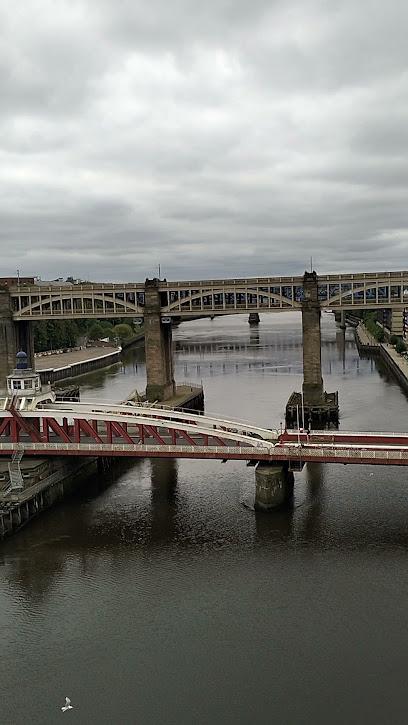
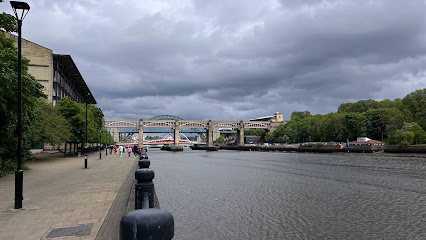
The High Level Bridge
6.1 km
A pioneering double-deck Victorian bridge uniting rail and road across the River Tyne, symbolizing Newcastle’s industrial heritage.
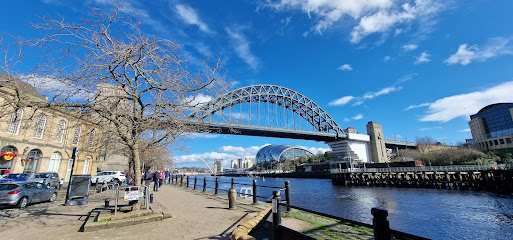
Quayside
6.1 km
Quayside is a dynamic riverside district where iconic bridges meet vibrant culture, blending industrial heritage with modern art and lively waterfront life.
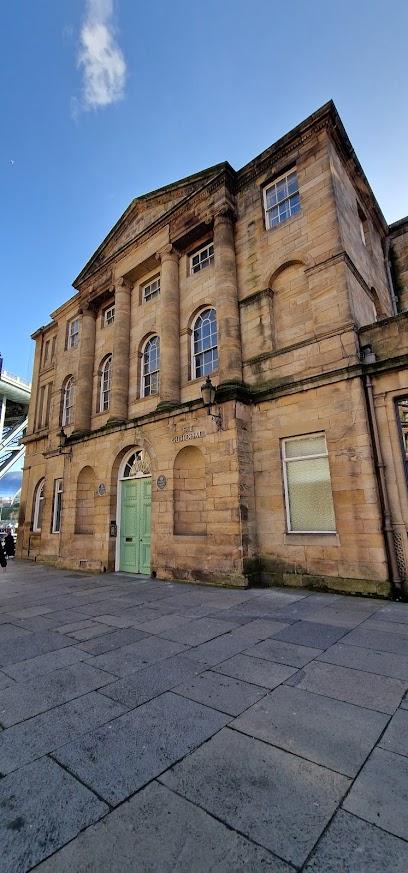
The Guildhall
6.2 km
Discover Newcastle’s historic Guildhall, a stunning 17th-century civic landmark rich in architecture and medieval heritage.
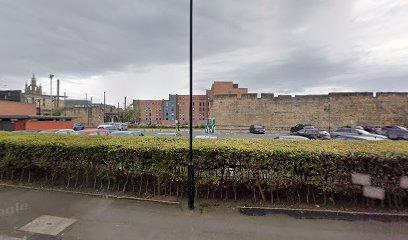
Newcastle city walls
6.2 km
Medieval stone fortifications protecting a border town from Scottish invasion, now a historic monument woven into Newcastle's urban landscape.
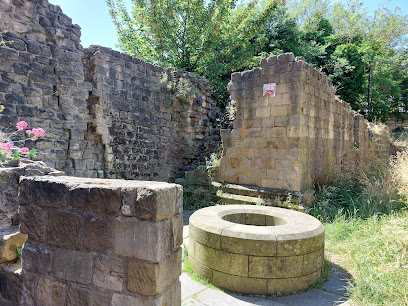
Castle Wall Well
6.2 km
A medieval well marking Newcastle's 13th-century defensive walls and urban heritage.
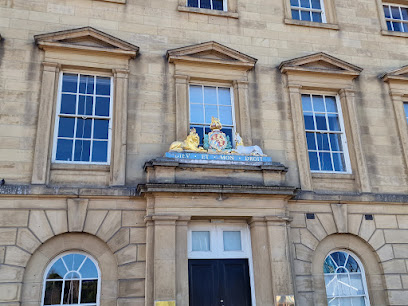
The Custom House Plaque
6.2 km
A historic marker on Newcastle’s Quayside commemorating the 1766 Custom House and the city’s maritime trade heritage.
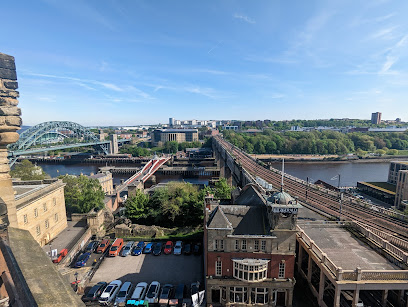
Newcastle Keep
6.2 km
Climb 99 steps through four centuries of medieval power and emerge onto rooftop views that define Newcastle.
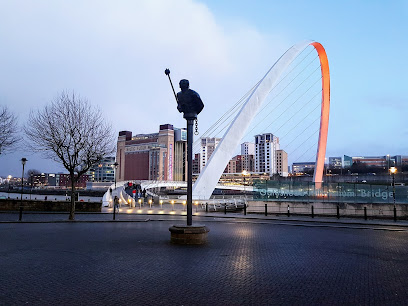
River God
6.3 km
An iconic statue on Newcastle’s Quayside embodying the city’s deep connection to the River Tyne and its maritime heritage.
The Black Gate
6.3 km
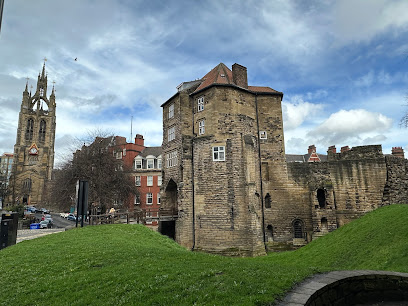
Medieval fortress gateway where Newcastle's story began, now fully accessible with rich exhibitions.
Mermaid
6.3 km
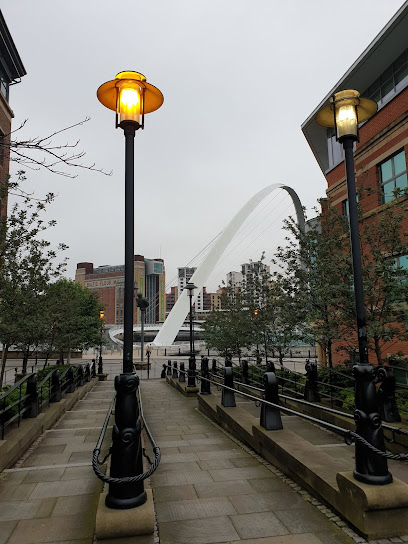
Discover the Mermaid, a historic symbol of Newcastle’s maritime heritage, set amidst the vibrant and scenic Quayside waterfront.
Blacksmiths Needle
6.3 km
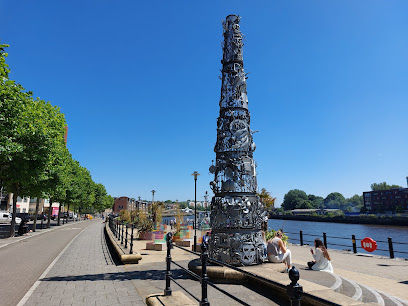
A captivating 7.6m steel sculpture on Newcastle Quayside, blending maritime themes with the five senses and a mysterious sixth sense.
William Coulson Monument
6.4 km
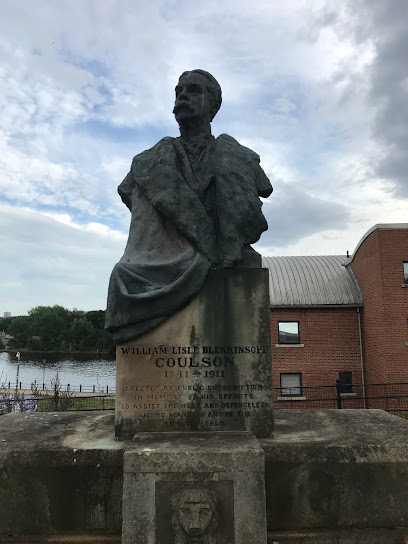
A historic bronze tribute to William Coulson, Newcastle’s pioneering humanitarian and animal welfare advocate, with unique drinking troughs for animals.
New Bridge Street, Newcastle-upon-Tyne
6.4 km
Experience the vibrant culture and rich history of New Bridge Street, Newcastle-upon-Tyne, home to captivating museums and lively local attractions.
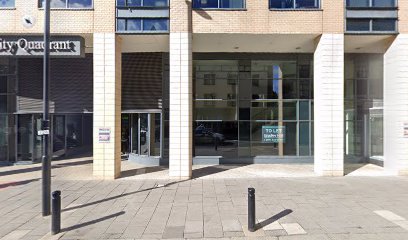
11 Waterloo St
6.4 km
Historic industrial heritage meets contemporary urban design on Newcastle's transforming Waterloo Street.
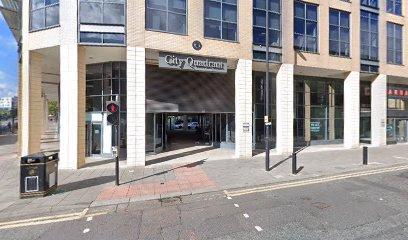
Richard Grainger Memorial Fountain
6.4 km
Historic granite fountain honoring Richard Grainger’s transformative 19th-century urban vision in Newcastle’s iconic Grainger Town.
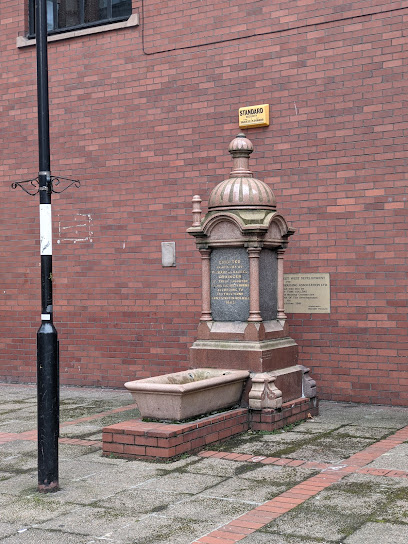
Unmissable attractions to see

The Engine Room
1.6 km
A modern gastro pub in Gateshead blending local flavours, hearty meals, craft drinks, and lively community events in a welcoming setting.
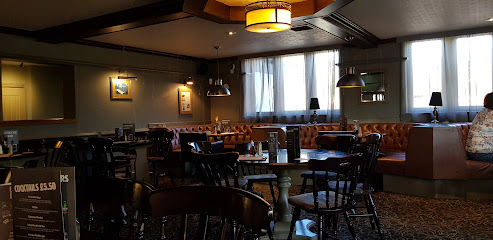
Shadens Hill
1.8 km
Discover the tranquil natural beauty and panoramic views of Shadens Hill, a peaceful green haven in the heart of Gateshead.
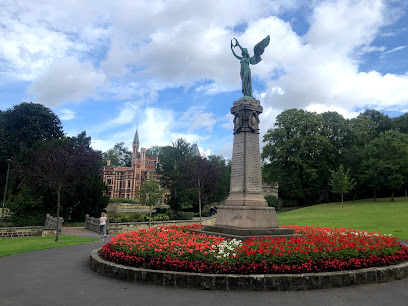
Saltwell Park
3.3 km
Explore Saltwell Park’s Victorian charm, scenic gardens, and family-friendly attractions in the heart of Gateshead’s green oasis.
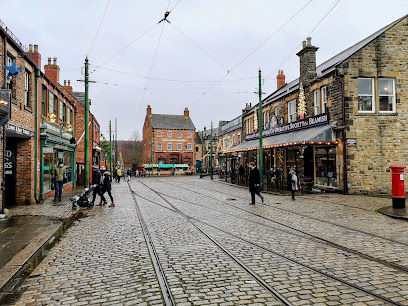
Beamish, the Living Museum of the North
5.5 km
Step back in time at Beamish, the immersive open-air museum bringing North East England’s rich heritage to life across three historic eras.
The Mound
6.0 km
Discover The Mound in Newcastle upon Tyne, a tranquil garden oasis perfect for relaxation and enjoying nature amidst the city's vibrant atmosphere.
The Glasshouse International Centre for Music
6.0 km
A world-class music venue and education centre on Gateshead Quayside where music lives, grows, and inspires all ages.
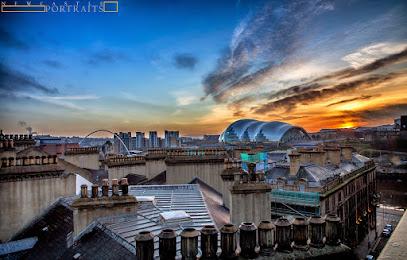
Tyne Bridge
6.1 km
Discover the iconic Tyne Bridge, a stunning feat of engineering and a symbol of Newcastle's rich heritage, offering breathtaking views and historical significance.

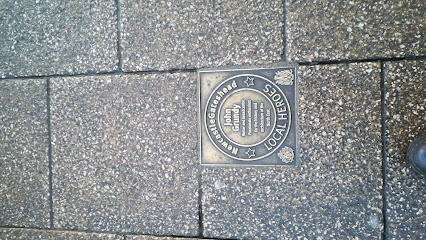
John Grundy Local Heroes Plaque
6.1 km
Celebrate Newcastle’s rich heritage with the John Grundy Local Heroes Plaque along Hadrian’s Wall Path, honoring a beloved TV historian and cultural advocate.
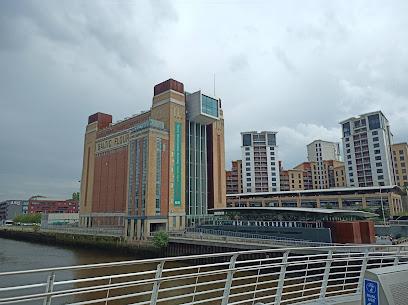
Baltic Centre for Contemporary Art
6.1 km
A striking riverside hub for cutting-edge contemporary art in a converted flour mill with panoramic Tyne views.
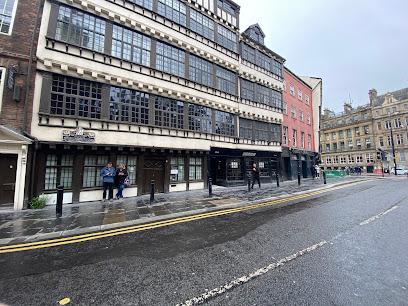
Long Stairs
6.1 km
Historic medieval stairway linking Newcastle’s Quayside to the city centre, rich in legends and scenic views.

Historic England North East & Yorkshire
6.2 km
Explore Newcastle’s finest Jacobean merchants’ houses, famed for Bessie Surtees’ romantic 1772 elopement and richly preserved period interiors.
Quayside Sunday Market
6.2 km
A lively riverside market blending historic charm, artisan crafts, and vibrant street food every Sunday along Newcastle’s iconic Quayside.
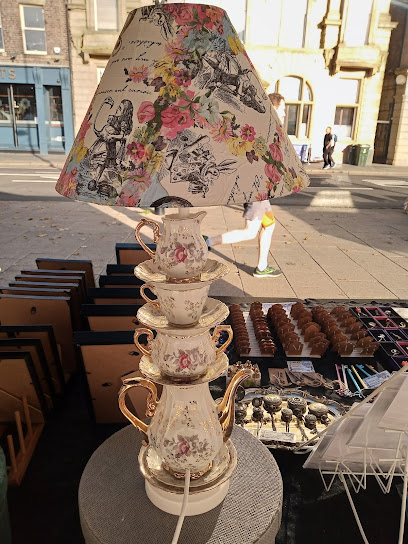
Bonkers About Alice
6.2 km
A vibrant Sunday market along the River Tyne showcasing local crafts, food, and culture in Newcastle’s iconic Quayside setting.
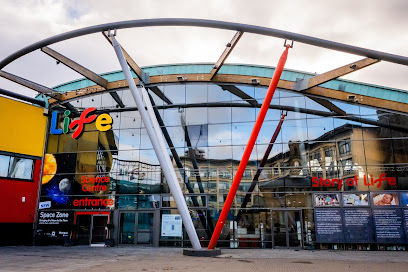
Life Science Centre
6.2 km
Explore hands-on science, immersive planetarium shows, and family-friendly fun at Newcastle’s interactive Life Science Centre.
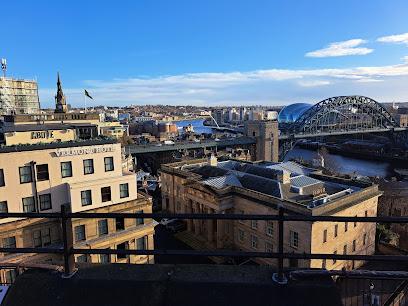
Castle Garth
6.2 km
Explore the medieval heart of Newcastle with panoramic views from the iconic Castle Keep and historic Black Gate at Castle Garth.
Essential places to dine

Quay 7 Restaurant & Bar
6.0 km
Classic British dining with stunning river views on Newcastle’s vibrant Quayside, perfect for relaxed meals and scenic drinks.
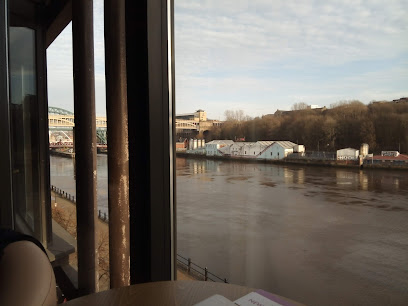
Gino D'Acampo Restaurant Quayside Newcastle
6.1 km
Authentic Italian dining with stunning River Tyne views in a bright, stylish riverside setting on Newcastle’s vibrant Quayside.
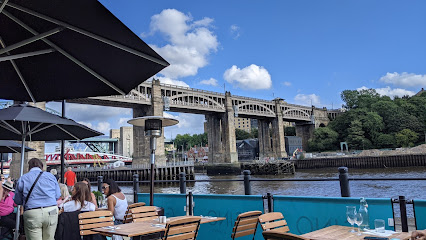
The Quayside - JD Wetherspoon
6.1 km
Historic riverside pub in Dove’s Warehouse serving good-value breakfasts, meals and a broad drinks list in a roomy, accessible setting on Newcastle’s Quayside.
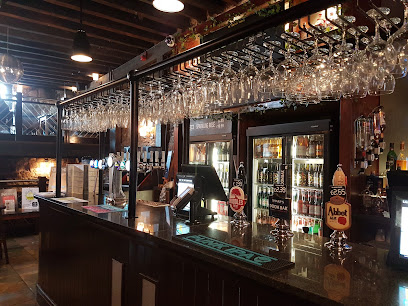
House of Tides
6.1 km
Michelin-starred fine dining in a historic 16th-century merchant’s house on Newcastle’s scenic quayside, blending rustic charm with modern British cuisine.
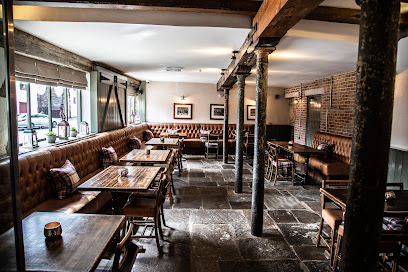
SIX Rooftop at BALTIC
6.1 km
Elegant rooftop dining atop the BALTIC Centre with stunning views, seasonal British cuisine, and a stylish bar in Gateshead’s cultural heart.
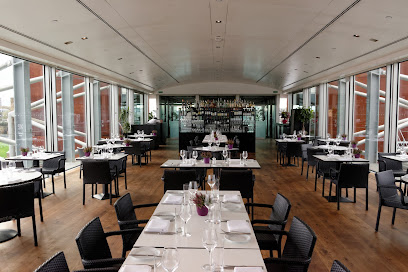
Aveika
6.2 km
Innovative Japanese cuisine and vibrant nightlife converge at Aveika, Newcastle's stylish Quayside hotspot for dining and entertainment.
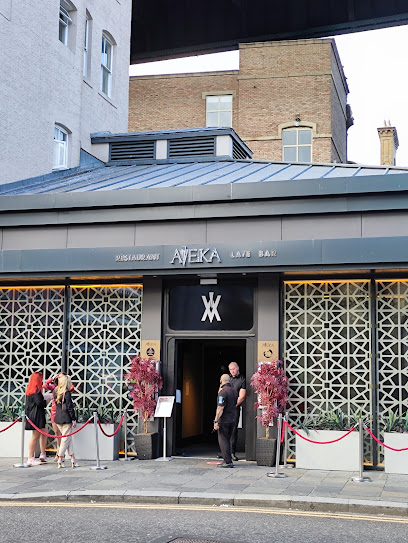
Uno's Trattoria
6.2 km
Discover authentic Italian flavors and generous portions in a lively, welcoming setting at Uno's Trattoria in Newcastle.
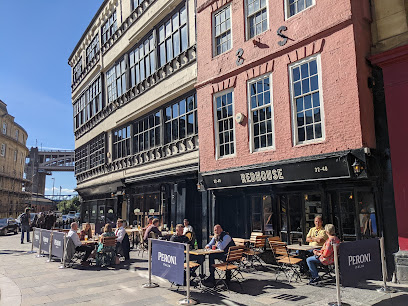
Dobson and Parnell
6.2 km
Elegant fine dining in Newcastle’s historic Victorian setting, blending classic charm with modern British cuisine and attentive service.
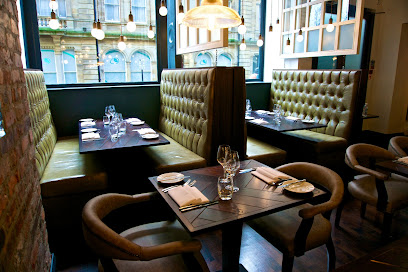
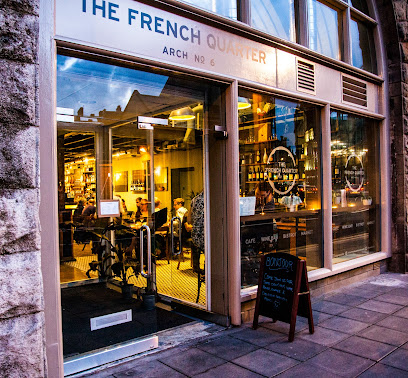
The French Quarter
6.3 km
Experience authentic French cuisine and an exceptional wine selection in a chic bistro nestled within Newcastle’s historic Westgate Road arches.
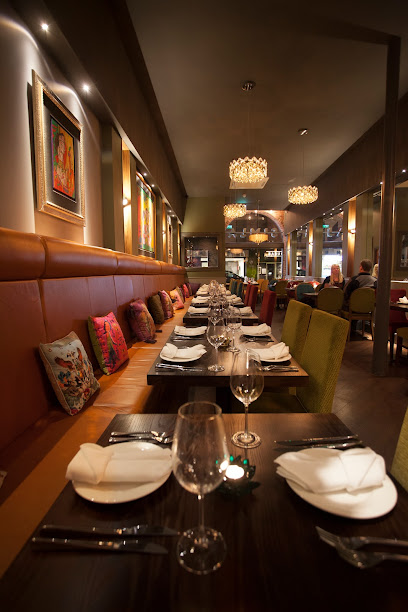
Simla Restaurant
6.3 km
Experience authentic Indian flavors with a modern touch in Newcastle’s warm and elegant Simla Restaurant, perfect for romantic and lively dining.
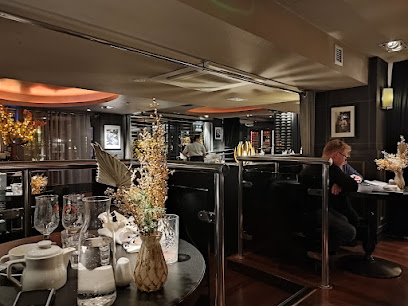
Babucho
6.3 km
Stylish Italian brasserie in Newcastle offering classic dishes, a lively atmosphere, and attentive service in a chic city-center setting.
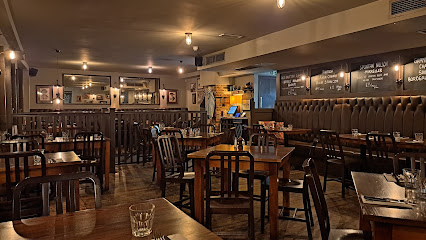
The Broad Chare
6.3 km
A lively gastropub on Newcastle’s Quayside blending traditional British fare with seasonal, locally sourced excellence.
Prima Restaurant
6.3 km
Experience authentic Italian flavors and warm hospitality beneath Newcastle’s historic High Level Bridge at Prima Restaurant.
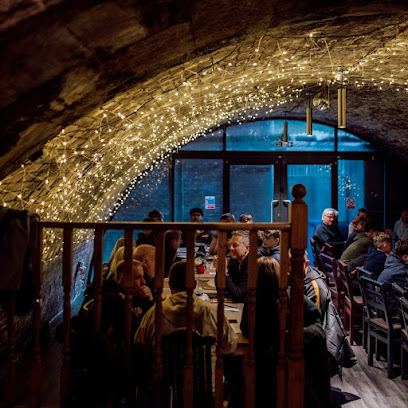
Tomahawk Steakhouse - Newcastle
6.3 km
Premium steakhouse on Newcastle’s Quayside offering expertly cooked tomahawk steaks and a vibrant riverside dining experience.
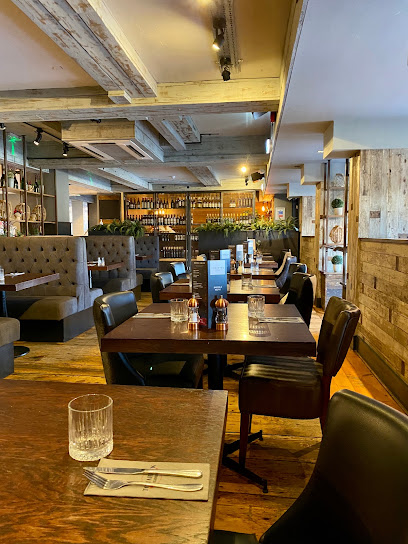
Rumba Restaurant
6.3 km
Experience authentic Peruvian cuisine and vibrant Latin nightlife in the heart of Newcastle at Rumba Casa Latina.
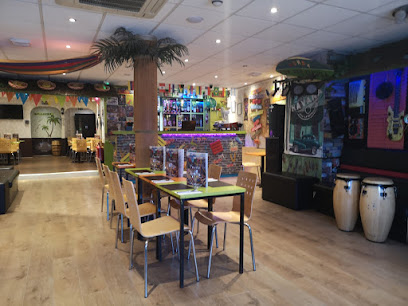
Markets, malls and hidden boutiques

Quayside News
6.2 km
Discover Quayside News, your charming convenience store in Newcastle, perfect for grabbing snacks, drinks, and local treats while exploring the Quayside.
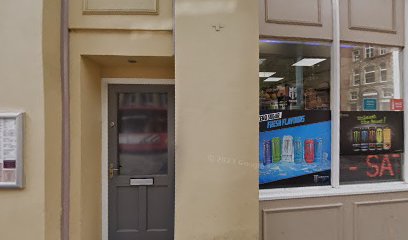
What About This
6.3 km
Explore Byker's vibrant ladies' clothing shop, 'What About This', where unique styles and local charm meet in Newcastle upon Tyne.

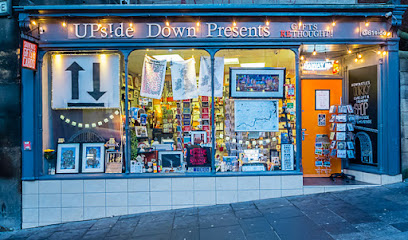
UpSide Down Presents
6.3 km
A vibrant, independent gift shop under Newcastle’s railway arch, packed with Geordie souvenirs, original cards, and quirky presents for every occasion.
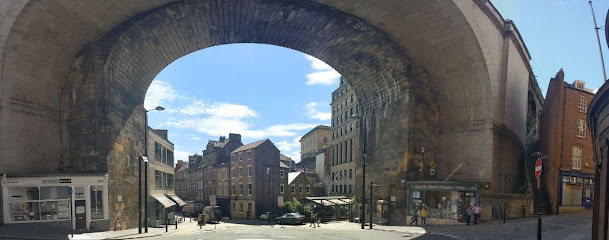
Souvenirs upon Tyne
6.3 km
Discover authentic Geordie treasures in Newcastle’s smallest independent souvenir shop nestled under a historic railway arch.
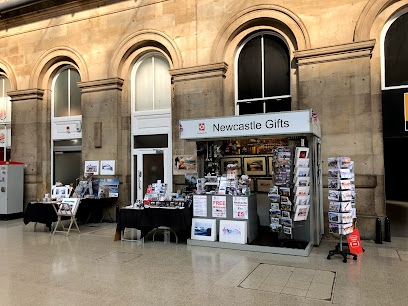
Newcastle Gifts
6.3 km
Discover authentic Geordie souvenirs, local art, and NUFC treasures at this charming Neville Street gem opposite Central Station—your perfect Toon memento stop.
37 Studios
6.4 km
Stylish accessories by the Tyne: Discover unique jewelry and bags at this Quayside boutique in Newcastle's creative heart.
Living Essential
6.5 km
Grainger Street's go-to for stylish, affordable homewares that make city living cozy and practical in Newcastle's heart.

Earl and Coco
6.6 km
Quirky treasures and artisan delights await in this hidden gem of Newcastle's Grainger Town, where every find tells a story.
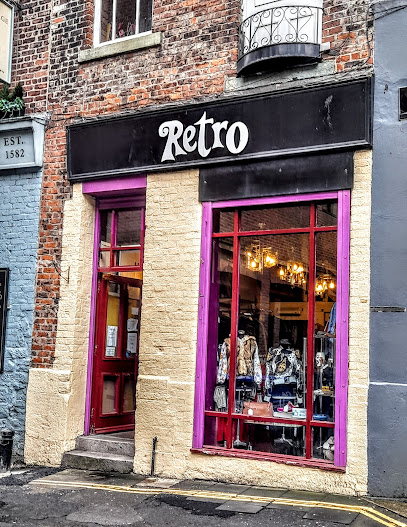
Retro , Vintage Clothing Newcastle.
6.6 km
Discover timeless style and unique vintage finds at Retro Newcastle, your go-to boutique for retro clothing in the heart of the city.
Flip Vintage American Clothing
6.6 km
Newcastle’s premier vintage store since 1978, offering authentic American vintage clothing with quality, character, and style.
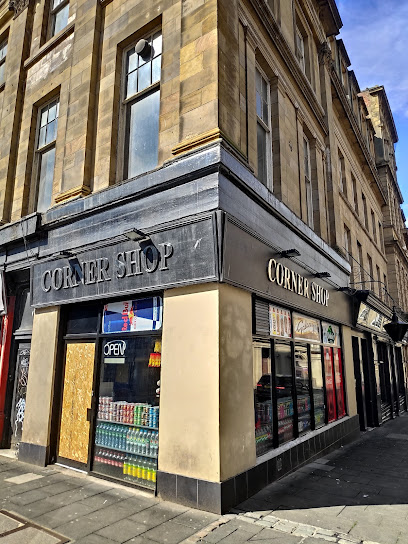
Corner Shop
6.7 km
Independent city-centre shop offering curated everyday essentials and gifts on historic Pilgrim Street.
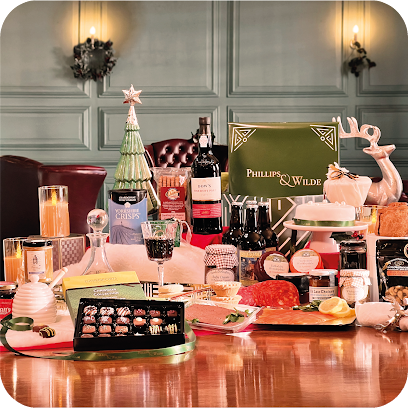
Phillips & Wilde
6.7 km
Discover exquisite gift baskets and gourmet hampers in Newcastle's iconic Grainger Market – perfect for festive cheer, corporate gifts, or personal indulgences amid vibrant market buzz.
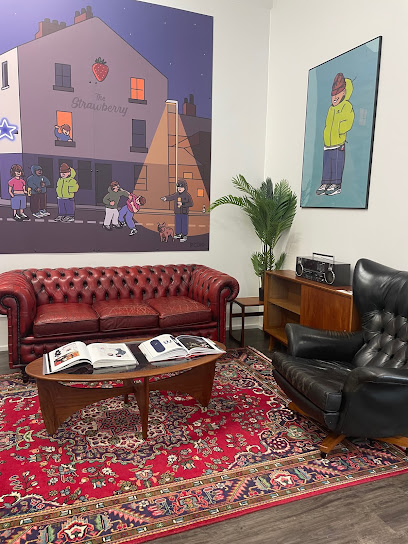
Garms Newcastle
6.7 km
Small, curated vintage clothing shop on Grainger Street, blending durable classics with street-ready retro finds.
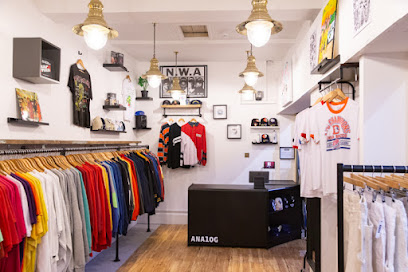
Analog
6.7 km
Curated vintage and second‑hand clothing tucked into Alley 3 of Newcastle’s Grainger Market — small stall, big finds.
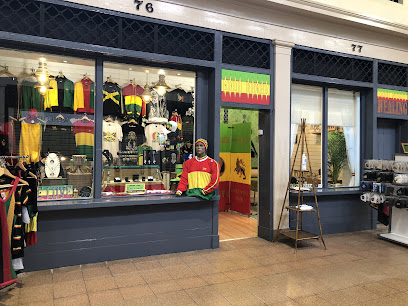
Soul Rebel (Newcastle)
6.7 km
Discover a unique fusion of stylish apparel and holistic wellness at Soul Rebel, Newcastle's premier destination for fashion and self-care.
Essential bars & hidden hideouts

Ravensworth Arms
1.3 km
Traditional countryside pub and hotel in Lamesley offering warm hospitality, scenic views, and classic British fare in a peaceful setting.
Sutherlands
3.2 km
Modern boutique comfort meets lively social charm in the heart of Gateshead’s Windy Nook neighborhood.
The Fiddlers Three
3.5 km
A lively, family-friendly pub in Gateshead offering great food, drinks, and a welcoming atmosphere with soft play and live sports.
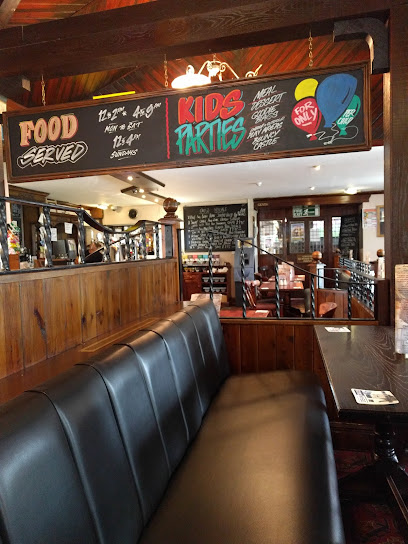
The Head of Steam Quayside
6.2 km
Riverside pub haven pouring world-class craft beers, vegan feasts, and games beside Newcastle's Tyne Bridge and cultural gems.
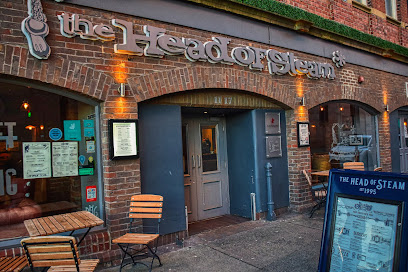
Urban Garden Newcastle
6.2 km
A relaxed container-style beer garden on Newcastle’s Quayside—festoon lights, craft taps and riverside atmosphere for groups and sunset drinks.
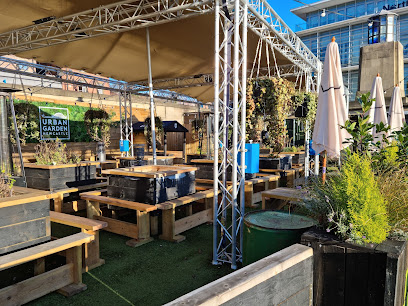
Pitcher & Piano Newcastle
6.3 km
A stylish riverside bar on Newcastle’s Quayside, blending modern design with classic pub charm and vibrant social energy.
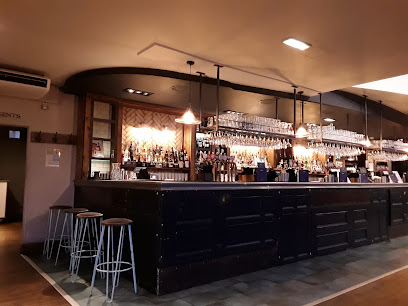
Colonel Porter's Emporium
6.3 km
Newcastle's 1920s explorer's paradise: botanical gardens, vintage cocktails, live music, and hidden discos in historic Milburn House.
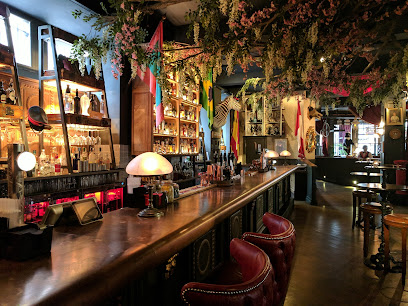
Free Trade Inn
6.3 km
A historic riverside pub in Newcastle offering craft beers, stunning Tyne views, and a warm, lively atmosphere all day long.
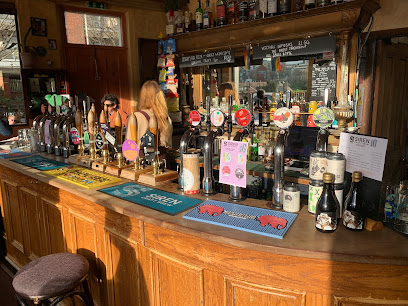
Jalou
6.4 km
Experience Newcastle’s chic cocktail haven where Parisian glamour meets hip hop beats and creative mixology.
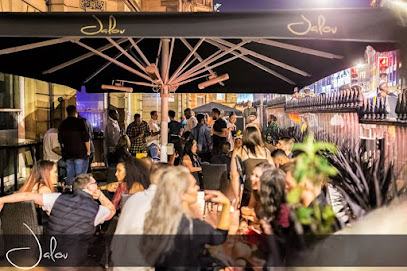
The Dog & Parrot
6.4 km
A vibrant Newcastle pub where live music, punk vibes, and friendly faces create an unforgettable night out.
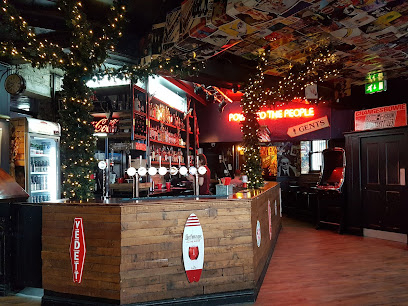
Revolution Newcastle Upon Tyne
6.4 km
Experience vibrant nightlife and handcrafted cocktails in Newcastle’s stunning former bank with soaring ceilings and marble pillars.
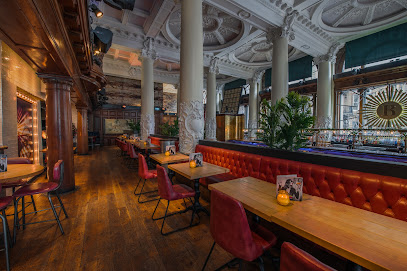
The Tyne Bar
6.4 km
A vibrant hub for craft beer, live music, and community spirit nestled in Newcastle’s creative Ouseburn Valley.
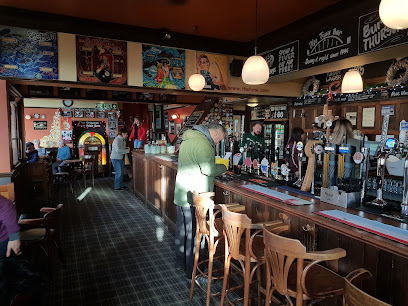
ChachaBuchi
6.4 km
Rustic glamour meets vibrant nightlife in Newcastle’s chic cocktail bar with alpine-inspired cuisine and lively entertainment.
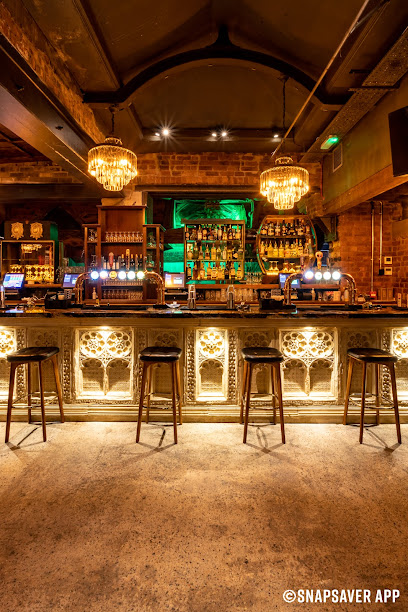
All Seeing Eye.
6.4 km
Discover Newcastle's speakeasy secret: art deco cocktails behind a hidden door on Groat Market, blending historic intrigue with masterful mixology.
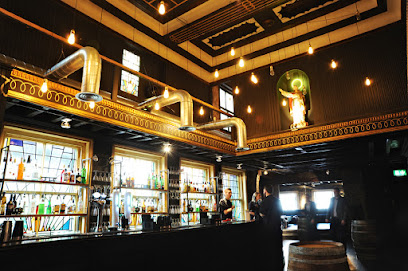
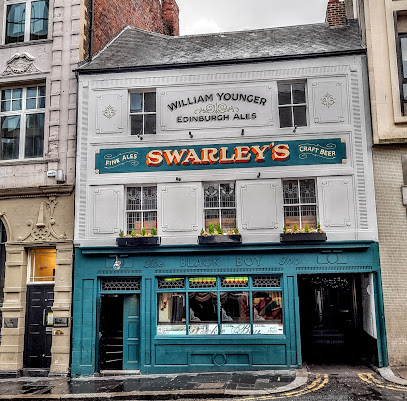
Blackie Boy
6.4 km
Historic Newcastle bar with cosy vibes, free jukebox anthems, cheap drinks deals, and late-night energy in Groat Market's lively heart.
Nightclubs & after hour spots

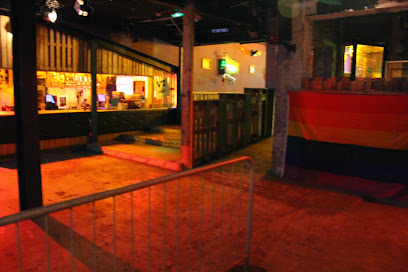
Warehouse Night Club(SR44)
6.2 km
Experience Newcastle’s vibrant underground gay nightclub scene at Warehouse Night Club (SR44), where eclectic music and lively parties come alive.
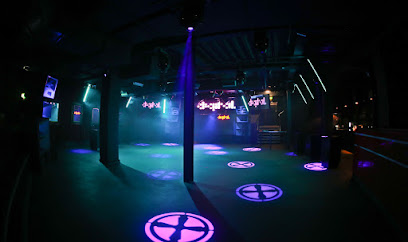
Digital
6.3 km
Experience cutting-edge nightlife with superior sound and vibrant energy at Digital, Newcastle’s premier clubbing destination in Times Square.
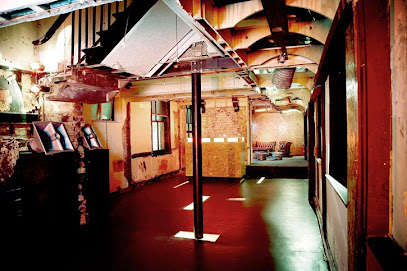
TheCUT Newcastle
6.4 km
Discover Newcastle’s vibrant alternative nightclub with themed indie, rock, and disco nights in a cozy, unpretentious setting.
Tup Tup Palace
6.4 km
Experience Newcastle’s vibrant nightlife in style at Tup Tup Palace, a luxurious club blending exotic décor with pulsating beats until the early hours.
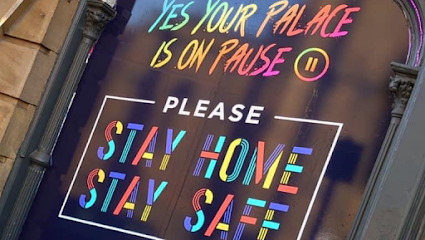
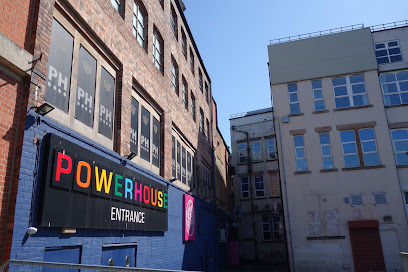
Powerhouse
6.4 km
Newcastle’s iconic four-floor nightclub blending rich LGBTQ+ history with vibrant, inclusive nightlife and dynamic music scenes.
The Social Club
6.4 km
Experience Newcastle’s vibrant nightlife at The Social Club, where music, cocktails, and dancing come alive until the early hours.
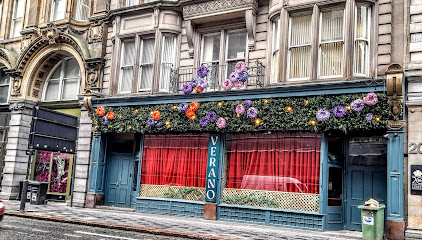
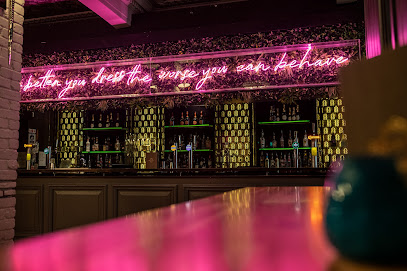
Bohemia Newcastle
6.4 km
Neon-lit cocktail bar and compact club with graffiti murals, a mezzanine dance space and a sheltered courtyard terrace for late-night socialising.
TROPICANA NEWCASTLE
6.4 km
Experience Newcastle’s vibrant nightlife at Tropicana, a lively nightclub blending cocktail sophistication with energetic club beats in the city’s heart.
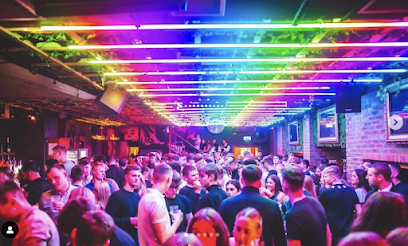
Loca Loca | Newcastle
6.4 km
A compact, neon-lit nightclub on Groat Market serving late-night dance, chart and urban sets in an intimate city-centre setting.
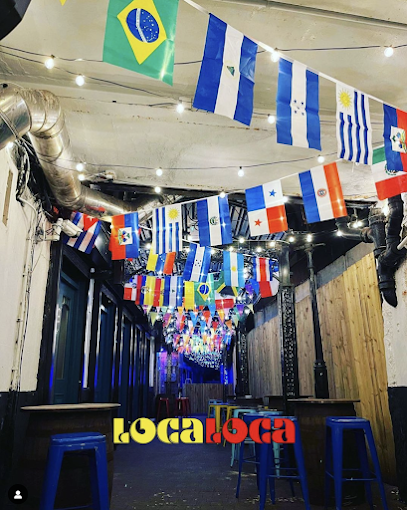
Flares - Newcastle
6.4 km
Newcastle's ultimate retro disco den: neon grooves, cheesy anthems, and non-stop dancing from 70s to 00s in the heart of the nightlife scene.
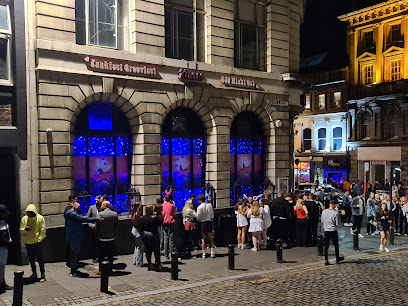
SOHO ROOMS | Newcastle
6.5 km
Four floors of late‑night music and cocktails in the heart of Newcastle’s city‑centre party district, favoured by students and night owls.
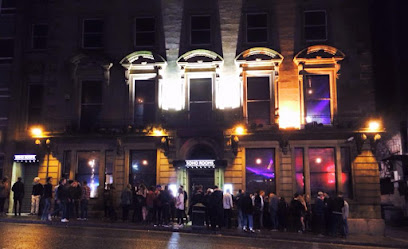
Greys Club
6.5 km
Experience Newcastle’s iconic nightlife at Greys Club, where vibrant music, a stylish terrace, and lively crowds create unforgettable late-night memories.
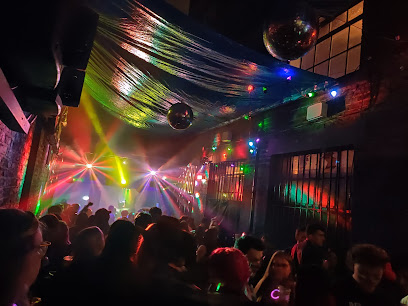
Popworld - Newcastle
6.6 km
A neon-soaked pop party on Newcastle’s Bigg Market—cheap drinks, nostalgic anthems and a packed dancefloor for late-night revelry.
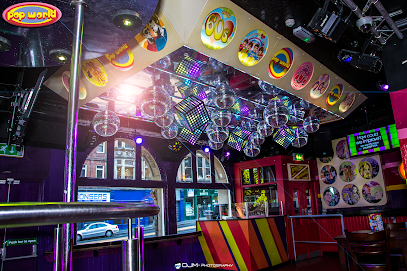
World HQ
6.6 km
A multi‑level warehouse club and arts hub in Curtis Mayfield House with a heavy sound, creative studios above and a grassroots nightlife spirit.
Sinners
6.7 km
Dive into sinfully themed nights at this affordable Newcastle nightclub, where red lights, bold art, and cheap drinks fuel the city's unbeatable party spirit.
For the vibe & atmosphere seeker
- Scenic
- Unique
- Tranquil
- Relaxing
For the design and aesthetic lover
- Industrial Designs
- Modern Designs
For the architecture buff
- Landmarks
- Art & Design
- Viewpoints
- Parks & Gardens
For the view chaser and sunset hunter
- Iconic Views
- Panoramas
- Skyline
For the social media creator & influencer
- Instagrammable
- Photo Spots
- Selfie Spots
- Architectural Shots
For the eco-conscious traveler
- Public-Transport Accessible
- Low Impact
For the kind of experience you’re after
- Cultural Heritage
- Photowalk
- Mindfulness
- Meditation Spot
For how adventurous you want the journey to be
- Easy Access
Location Audience
- Family Friendly
- Child Friendly
- Teen Friendly
- Senior Friendly
- Wheelchair Access
- Solo Friendly
- Couple Friendly
- Pet Friendly
- Vegetarian Friendly
- Vegan Friendly


