The Black Gate, Newcastle upon Tyne Travel Guide
Free Guide: Medieval fortress gateway where Newcastle's story began, now fully accessible with rich exhibitions.


A brief summary of The Black Gate
Medieval fortress gateway where Newcastle's story began, now fully accessible with rich exhibitions.
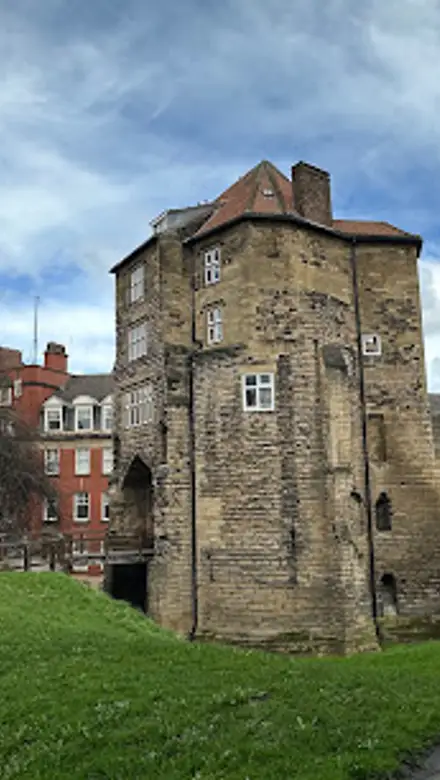
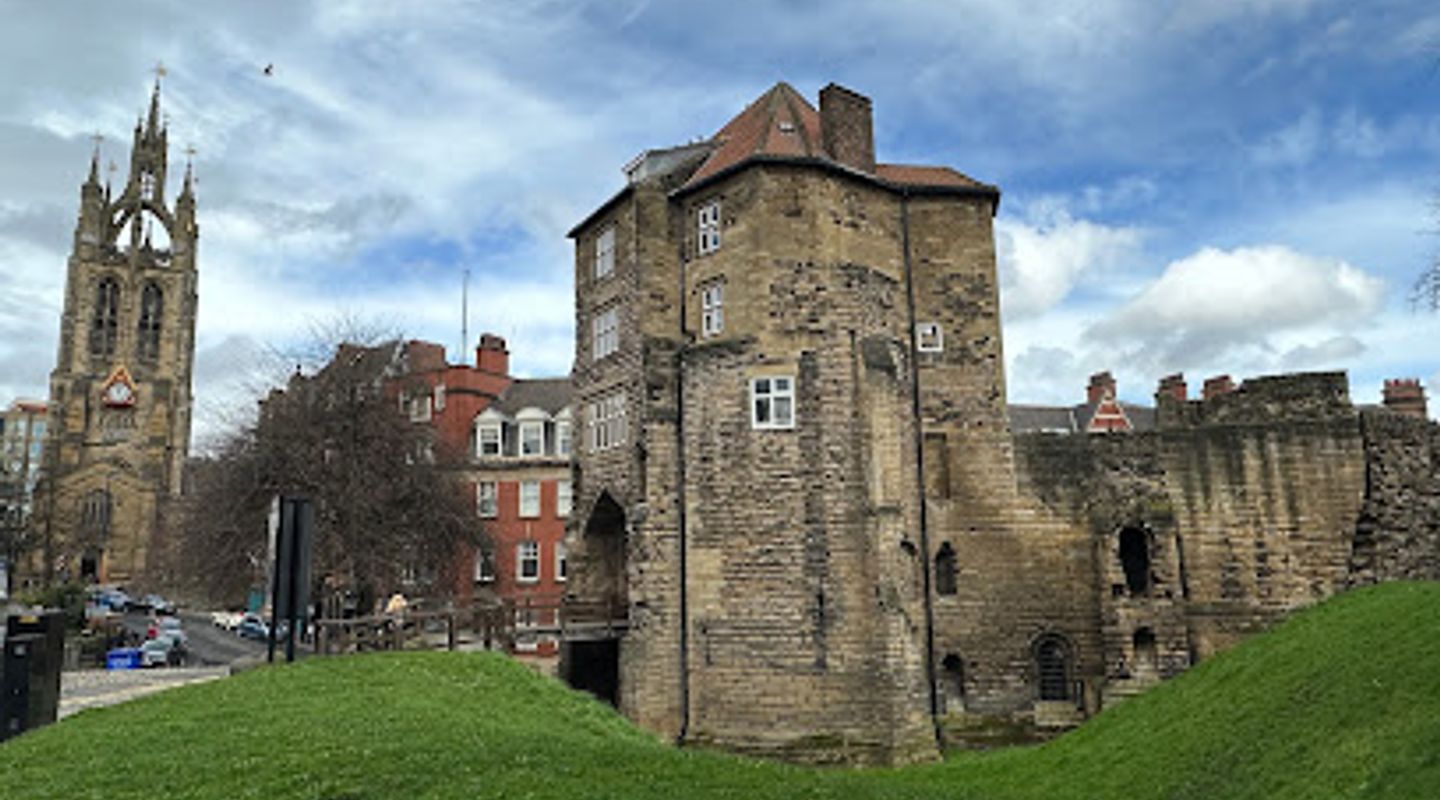
The Black Gate is a formidable medieval gatehouse built between 1247 and 1250 under King Henry III, forming a fortified barbican entrance to Newcastle Castle. This Grade I-listed structure features original architectural elements including portcullis grooves, guardrooms, and vaulted chambers. Now fully accessible with modern facilities, it houses exhibitions on Newcastle's rich history, a gift shop, and serves as the main entry point to the castle complex. The building showcases centuries of adaptation, from its medieval defensive role to its 19th-century use as residential housing.
On-site amenities
 Restrooms
 Food options
 Seating areas
 Information boards
 Visitor centre
- Address
- The Black Gate, Newcastle upon Tyne NE1 1RQ
- Phone
- Website
Getting there
Train
Local Bus
Walking from Quayside
Parking
Discover more about The Black Gate
A Medieval Fortress Guarding the North
The Black Gate stands as one of Newcastle's most iconic medieval structures, constructed between 1247 and 1250 during the reign of King Henry III. Built as a fortified barbican—a sophisticated defensive gatehouse—it was designed to provide additional protection to Newcastle Castle's northern entrance. The structure consists of two towers connected by a vaulted passage, creating a formidable barrier against potential attackers. Its strategic position overlooking the approach to the castle made it a critical component of the medieval defensive system that protected this important northern fortress.The gatehouse's name carries an intriguing historical tale. Rather than deriving from dark medieval deeds, it was named after Patrick Black, a London-based coal merchant and tailor to King Charles I. When a Newcastle gentleman defaulted on a loan from Black after purchasing several pubs and the gatehouse itself, Black became the owner of the structure. Though he never visited the site, his name became permanently associated with the building, creating an unexpected link between a London merchant and one of England's most significant medieval monuments.
Engineering and Defence Mechanisms
The Black Gate's design reflects sophisticated medieval military engineering. The entrance passage was protected by multiple defensive features that would have made any assault extraordinarily difficult. A drawbridge—more accurately described as a turning bridge—could be raised to isolate the castle completely from the outside world. Beyond this lay a portcullis, a heavy grille that could be lowered to seal the passage, with the original grooves still visible today. Murder holes in the ceiling allowed defenders to rain projectiles or boiling sand down upon trapped attackers. Two vaulted guardrooms flanked the passage, where the garrison would have stationed themselves to provide constant defence. These architectural elements combined to create a nearly impenetrable barrier that exemplified medieval castle design at its most sophisticated.
Centuries of Transformation and Adaptation
The Black Gate's history extends far beyond its original military purpose. Over the centuries, the structure underwent significant transformations to meet changing needs. Houses were built along both sides of the passageway, and one section eventually became a public house. By the early 19th century, the gatehouse had deteriorated into slum tenement housing, with reports indicating that up to sixty people lived within its walls in cramped, overcrowded conditions. This dramatic shift from fortress to residential space reflects the broader changes in Newcastle's urban development and the castle's declining military importance.The building's fabric itself tells the story of these adaptations. While the lower sections retain authentic medieval stonework, Victorian-era brickwork is visible on the interior, demonstrating how successive generations modified the structure to suit contemporary purposes. The Black Gate became a palimpsest of architectural styles, each layer representing a different chapter in Newcastle's evolving history.
Modern Restoration and Public Access
In 2015, the Black Gate underwent comprehensive refurbishment as part of a larger restoration project that unified it with the adjacent Castle Keep to create Newcastle Castle as a single visitor attraction. This modern intervention has been carefully managed to preserve historical authenticity while dramatically improving accessibility and visitor experience. An external lift now provides access to upper levels, making the building fully wheelchair accessible—a significant achievement for a medieval structure. The ground floor features an adapted accessible toilet, reception area, and gift shop.Inside, the Black Gate now houses engaging exhibitions that explore Newcastle's multifaceted history, from its Roman origins through its medieval period to its industrial heritage. Information boards throughout the building provide context about the structure's defensive features and historical significance. A small museum contains fascinating artifacts and historical narratives, including peculiar anecdotes such as the 18th-century showman who attempted to fly from the castle keep with homemade wings, ultimately strapping them to a donkey for a trial run—the unfortunate animal plummeted but survived, landing on an unsuspecting onlooker below.
Architectural Significance and Heritage Status
The Black Gate holds Grade I listed status and forms part of a Scheduled Ancient Monument, recognizing its exceptional historical and architectural importance. It represents a crucial phase in Newcastle's medieval development, constructed after the famous Castle Keep (built 1172–1177) to strengthen the fortress's defences. The building predates Newcastle's town walls, which began construction around 1265, and occupies a prominent position in the city centre overlooking the River Tyne. Today, it remains a tangible connection to the turbulent medieval period when Newcastle served as a vital defensive stronghold for the English Crown in the north.
Evendo Review Centre
 Google
Guest reviews
Best time to go
Quietest: Jan, Feb & Dec · before 9am or from 6pm
Busy times are Evendo estimates for a typical year, to help you plan. Actual crowds vary with events, school holidays and the weather.
Explore The Black Gate on the map
A handpicked selection of must-see spots near The Black Gate, mapped for you.
Get your free copy of our complete guide to The Black Gate, delivered straight to you.
Everything on this page, from opening hours and how to get there to Eve’s tips and the best time to go, in one PDF you can read offline, print or share.
Already have an account? Sign in
Your The Black Gate guide is ready.
We'll send it to · Not you? Sign out

Getting your guide ready…
We are putting together a fresh copy of the The Black Gate guide. This can take up to a minute.
This can take a few moments. If your browser asks, choose Allow so the download can start. You'll find the guide in your Downloads folder.
Nothing happened? Download it again
Sorry, the guide is taking longer than usual. Please try again in a minute, or get it by email instead.
Other nearby places you may find interesting
The closest places of the same kind, if this one is not quite what you had in mind.
-
-
-
-
-


Swipe for more places
More to explore near The Black Gate

 Best experiences near The Black Gate
 Best hotels near The Black Gate
 Best landmarks near The Black Gate
 Best attractions near The Black Gate
 Best shops near The Black Gate
 Best restaurants near The Black Gate
 Best bars near The Black Gate
Do you manage this location?
Take control to get all the benefits, like improved information, better appearance, and stronger visibility across AI-powered discovery.
Explore more
Explore more of Newcastle upon Tyne
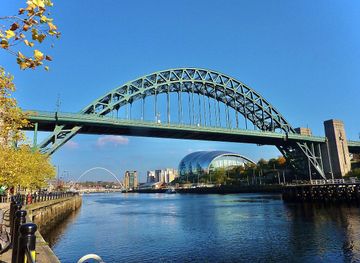
Discover Newcastle upon Tyne: A dynamic city where history meets modernity, known for its iconic bridges, vibrant culture, and lively nightlife in the northeast of England.
Explore Newcastle upon Tyne
Explore more of United Kingdom
Discover the United Kingdom: A blend of rich history, stunning landscapes, and vibrant cities, offering a unique travel experience for every visitor.
Explore United Kingdom