
St John the Baptist Church
Medieval sanctuary with eight centuries of history, treasured stained glass, and architectural gems hidden in Newcastle's city centre.
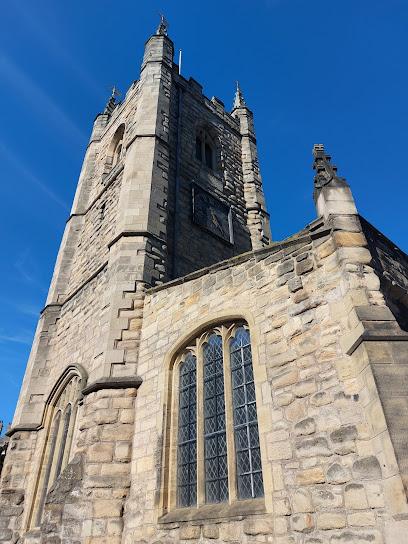
A Grade I listed medieval parish church dating from around 1130, St John the Baptist stands at the corner of Grainger Street and Westgate Road in Newcastle's city centre. This Anglo-Catholic church features a striking low square tower, cruciform layout with aisles, and remarkable interior treasures including 15th-century woodwork, medieval stained glass depicting Newcastle's oldest coat of arms, and carvings by renowned furniture maker Robert 'Mousey' Thompson. Surrounded by modern buildings yet retaining its quiet simplicity, it remains one of three surviving medieval churches in central Newcastle.
A brief summary to St John the Baptist Church
- Grainger St, Newcastle upon Tyne, NE1 5JG, GB
- +441912320483
- Visit website
- Duration: 0.5 to 2 hours
- Free
-
 Indoor
- Mobile reception: 4 out of 5
Local tips
- Visit during Sunday Solemn Mass at 10:30 a.m. to experience the church's Anglo-Catholic liturgy with traditional choral music, which brings the interior to life and showcases the acoustic qualities of the medieval space.
- Look carefully at the stained glass windows, particularly the medieval examples from 1375–1400 showing Newcastle's coat of arms—the oldest known depiction of the city's heraldic symbol.
- Search for the four small mouse carvings added by Robert 'Mousey' Thompson in 1937 to the choir stall pews—a charming signature of this celebrated furniture maker.
- Examine the stone commemorating Robert Rhodes above the south transept window; this copy marks the generosity of Newcastle's most significant medieval benefactor.
- Arrive early on weekdays to enjoy the quiet simplicity of the interior without crowds, allowing time to appreciate the 15th-century font cover and Jacobean pulpit in detail.

For the on-the-go comforts that matter to you
- Restrooms
- Seating Areas
- Information Boards
Getting There
-
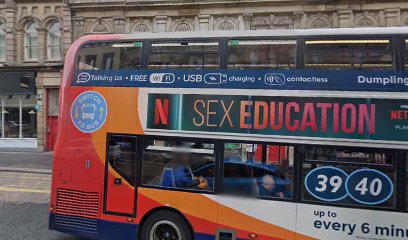
Bus
Multiple bus routes serve Grainger Street and the surrounding city centre, including services 1, 2, 3, 4, 5, 6, 7, 8, 9, 10, 11, 12, 13, 14, 15, 16, 17, 18, 19, 20, 21, 22, 23, 24, 25, 26, 27, 28, 29, 30, 31, 32, 33, 34, 35, 36, 37, 38, 39, 40, 41, 42, 43, 44, 45, 46, 47, 48, 49, 50 and many others. Journey times from Newcastle Central Station area are typically 5–10 minutes. Fares are approximately £1.50–£2.50 per single journey depending on distance. Services run frequently throughout the day, with reduced frequency in evenings and Sundays.
-
Walking
From Newcastle Central Station, the church is approximately 10–15 minutes on foot heading northwest through the city centre. The route is straightforward and entirely on level, well-maintained pavements through busy shopping and commercial streets. From the Haymarket area or Grey's Monument, the walk takes 5–8 minutes. The church's location at the corner of Grainger Street and Westgate Road is clearly signposted and easily identifiable by its distinctive tower.
-
Metro (Light Rail)
Newcastle's Metro light rail system serves the city centre with stations including Monument, Haymarket, and Central Station. From Monument Station, the church is approximately 5–7 minutes' walk. From Central Station, allow 10–15 minutes. Metro fares are approximately £1.50–£2.50 for a single journey within the city centre zone. Services run frequently from early morning until late evening, with reduced frequency on Sundays.
-
Taxi or Ride-Share
Taxis and ride-share services are readily available throughout Newcastle city centre. Journey times from Central Station are typically 5–10 minutes depending on traffic. Estimated fares range from £6–£12 for short journeys within the city centre. The church's address (Grainger Street, Newcastle upon Tyne NE1 5JG) is well-known to local drivers. Parking nearby is limited but available in multi-storey car parks on Grainger Street and surrounding streets, typically costing £2–£4 per hour.
St John the Baptist Church location weather suitability
-
 Any Weather
Discover more about St John the Baptist Church
Medieval Foundations and Early History
St John the Baptist Church stands as one of Newcastle's most historically significant religious buildings, with origins tracing back to around 1130 when the first church was constructed using stone salvaged from Hadrian's Wall. The earliest surviving architectural element from this Norman period is a window arch visible in the current chancel. By the late 13th century, around 1287, the church had evolved into the structure recognisable today. A tower was added in 1230, establishing the distinctive silhouette that has defined the site for nearly eight centuries. The church's cruciform design with clasping aisles and west tower reflects the architectural preferences of the 14th and 15th centuries, periods during which the building achieved much of its present form.Notable Patrons and Architectural Development
The church's evolution was shaped by significant benefactors, most notably Robert Rhodes, a prominent Newcastle lawyer and philanthropist. Rhodes funded renovation work at St John's in 1451 and is commemorated through heraldic stones and carvings within the building. His generosity extended to other Newcastle churches, including the Cathedral's Lantern Tower. The chancel underwent substantial rebuilding in 1848 as part of Victorian restoration efforts. An intriguing feature from the medieval period is the anchorite's cell, added during the 1200s. This small chamber housed a religious recluse, and the only surviving evidence is a cross-shaped squint that allowed the anchorite to view the altar during Mass. Christina Umfred became an anchoress in this cell in 1260, dedicating her life to prayer and contemplation within these walls.Artistic Treasures and Craftsmanship
The interior of St John's showcases exceptional examples of local woodcraft and artistry. The 15th-century font cover and Jacobean pulpit represent outstanding achievements in ecclesiastical carpentry. During the church's restoration, a new sanctuary was created at the Crossing, featuring a stone altar slab donated in 1712 as a symbol of the church's revival during Queen Anne's reign. The windows contain a remarkable collection of stained glass spanning centuries. Most glass dates from the 19th and 20th centuries, but two exceptional medieval examples survive: one from between 1375 and 1400 depicts the oldest known representation of Newcastle's coat of arms—three silver castles on a red shield—making it an invaluable record of the city's heraldic heritage. In 1937, renowned furniture maker Robert 'Mousey' Thompson added new pews to the choir stalls, and four of his characteristic mouse carvings can be discovered throughout the church, a playful signature he incorporated into his celebrated works.Connections to Notable Figures
St John's has attracted the attention and participation of many distinguished individuals throughout its history. Composer Charles Avison was baptised here in 1709 and later served as the church's organist between 1735 and 1736. Engraver and writer Thomas Bewick, celebrated for his wood engravings and natural history illustrations, married Isabella Elliot at St John's in 1786. Richard Grainger, the visionary architect and developer who designed and built Grainger Town between 1834 and 1842, lived nearby on Clayton Street West from 1846 until his death in 1861 and is believed to have worshipped within these walls. The church's proximity to Grainger Street, one of Newcastle's most elegant thoroughfares, reflects its central position in the city's cultural and architectural landscape.Dark History and Modern Mysteries
Beyond its spiritual and artistic significance, St John's holds a darker chapter in its history. In 1787, workmen excavating in the churchyard discovered the headless body of a 15-year-old buried in a shallow grave. The coroner recorded a verdict of wilful murder, and a substantial reward of 20 guineas was offered for information leading to the perpetrator. Despite these efforts, the victim was never identified and no arrests were made, leaving this tragic mystery unsolved for over two centuries. This incident stands as a sobering reminder of the church's deep roots in Newcastle's social history.Contemporary Worship and Heritage Status
Today, St John the Baptist continues its religious mission as an active Anglican parish church worshipping within the Anglo-Catholic tradition. The church hosts Solemn Mass every Sunday at 10:30 a.m., maintaining traditional liturgical practices and choral music. Its Grade I listing on the National Heritage List for England reflects its architectural and historical importance. The building's modest exterior—described by 16th-century writer William Gray as resembling a cross and commended for its pretty simplicity—belies the richness of its interior and the profound layers of history contained within its sandstone walls.Iconic landmarks you can’t miss

St John the Baptist Church
0.0 km
Medieval sanctuary with eight centuries of history, treasured stained glass, and architectural gems hidden in Newcastle's city centre.
Newcastle city walls
0.3 km
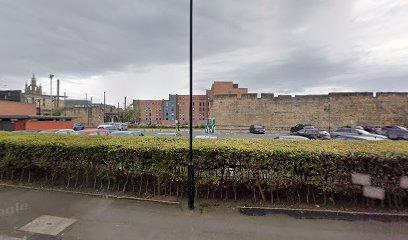
Medieval stone fortifications protecting a border town from Scottish invasion, now a historic monument woven into Newcastle's urban landscape.
Blackfriars Medieval Friary
0.3 km
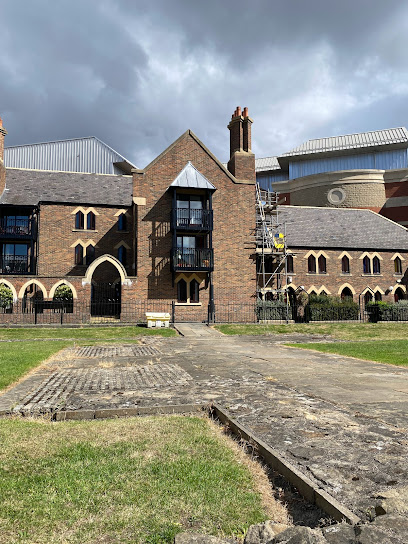
Medieval Dominican friary where kings once stayed, now a living centre of craft, culture, and cuisine.
Durham Tower
0.3 km
Medieval stone sentinel guarding Newcastle's ancient western walls since the 13th century.
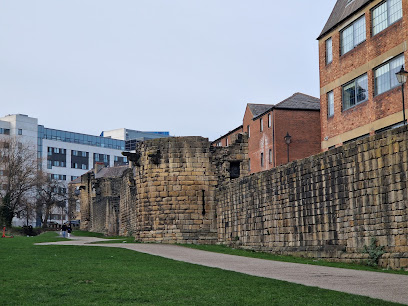
The Black Gate
0.3 km
Medieval fortress gateway where Newcastle's story began, now fully accessible with rich exhibitions.
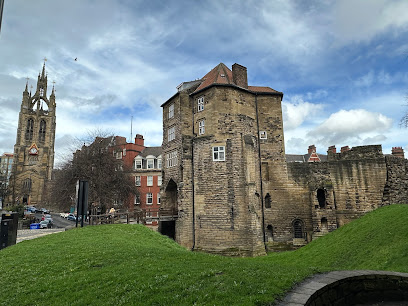
Grey St
0.4 km
Newcastle's finest street—a sweeping curve of neoclassical elegance and cultural heritage.
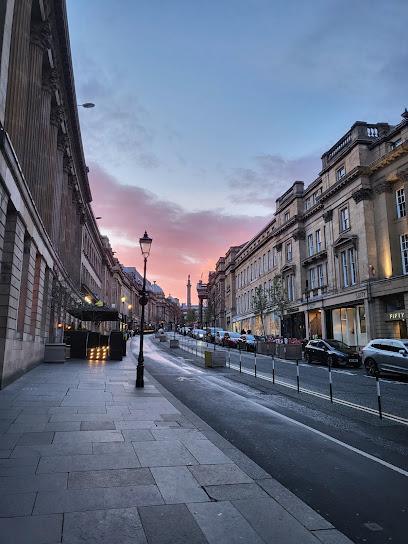
Richard Grainger Memorial Fountain
0.4 km
Historic granite fountain honoring Richard Grainger’s transformative 19th-century urban vision in Newcastle’s iconic Grainger Town.
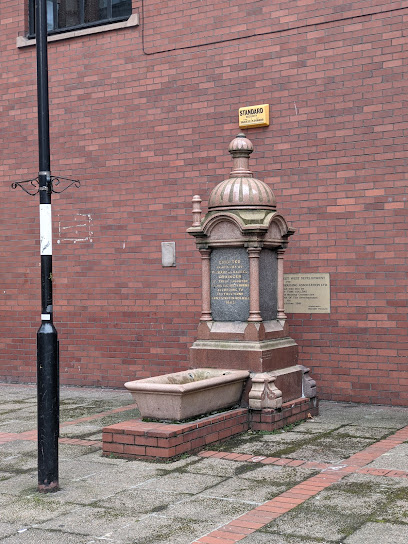
Oriental Garden
0.4 km
Experience the serene beauty of the Oriental Garden in Newcastle upon Tyne, a peaceful escape filled with lush greenery and vibrant flora.
Herber Tower
0.4 km
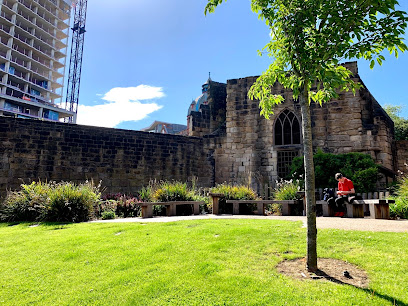
A well-preserved 13th-century drum tower from Newcastle’s medieval town walls, once a guild meeting place and now a quiet monument in the city centre.
Newcastle Keep
0.4 km
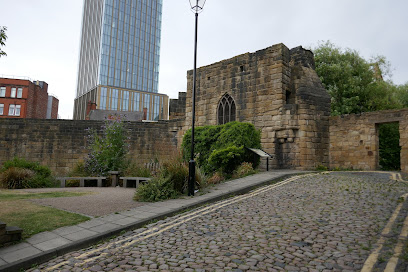
Climb 99 steps through four centuries of medieval power and emerge onto rooftop views that define Newcastle.
Morden Tower
0.4 km
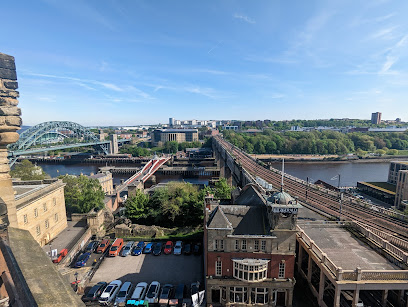
A medieval drum tower turned iconic poetry venue, Morden Tower blends Newcastle’s rich history with vibrant cultural legacy.
New Bridge Street, Newcastle-upon-Tyne
0.4 km
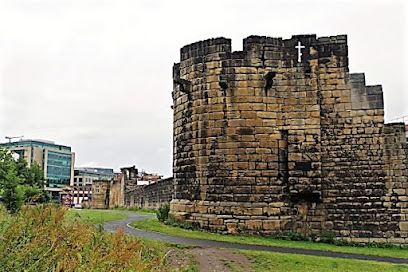
Experience the vibrant culture and rich history of New Bridge Street, Newcastle-upon-Tyne, home to captivating museums and lively local attractions.
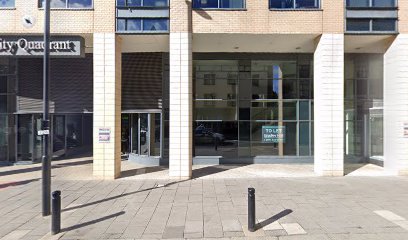
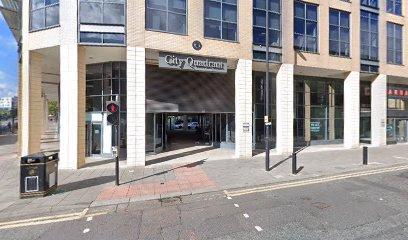
11 Waterloo St
0.4 km
Historic industrial heritage meets contemporary urban design on Newcastle's transforming Waterloo Street.
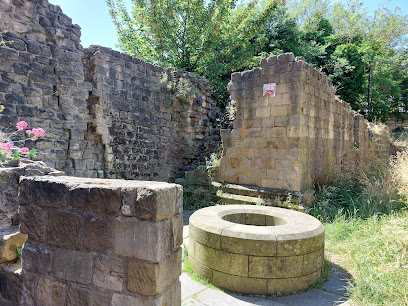
Castle Wall Well
0.4 km
A medieval well marking Newcastle's 13th-century defensive walls and urban heritage.
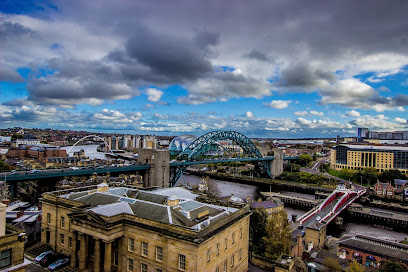
Iles Tours (Iles Group Ltd)
0.5 km
Explore Newcastle upon Tyne with Iles Tours, where expert guides unveil the city's rich history and culture through unforgettable experiences.
Unmissable attractions to see

Lit & Phil Library
0.1 km
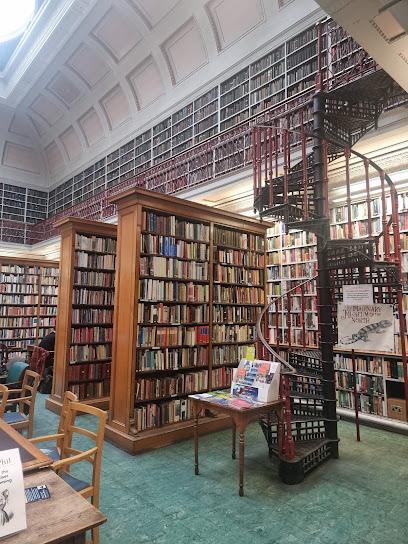
Discover Newcastle’s historic Lit & Phil Library, a grand neoclassical haven with over 200,000 books and a vibrant cultural scene.
Bigg Market
0.2 km
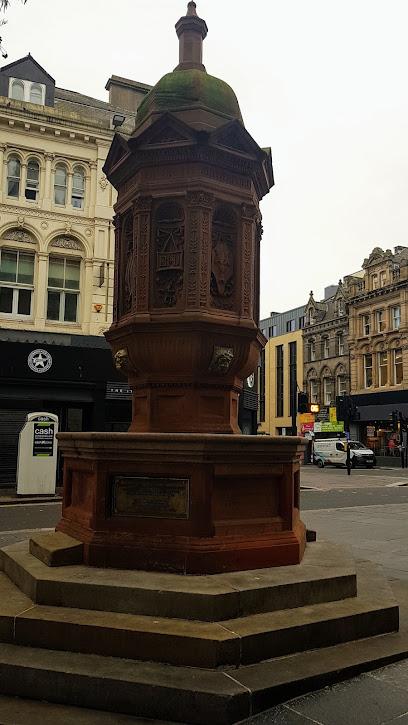
Historic medieval market turned vibrant nightlife hub with over 30 listed buildings in the heart of Newcastle upon Tyne.
Grainger St
0.2 km
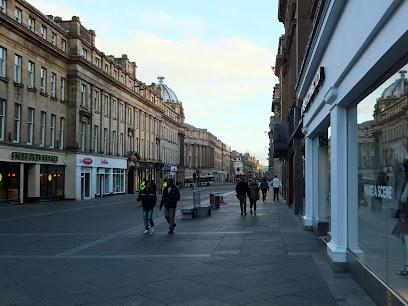
Historic heart of Newcastle with elegant architecture, bustling markets, and vibrant urban culture.
St Aidan and St Cuthbert Stonework
0.2 km
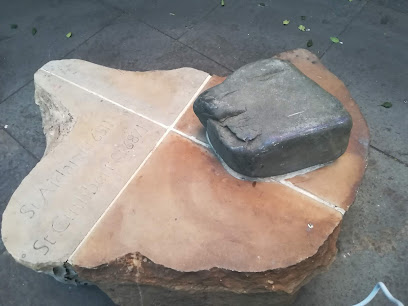
Intricate stone carvings celebrating St Aidan and St Cuthbert’s enduring legacy in Newcastle’s rich Christian heritage.
St. Mary's Cathedral
0.2 km
A majestic neo-Gothic cathedral crowned by a soaring spire, embodying Newcastle’s rich Catholic heritage and architectural splendor.
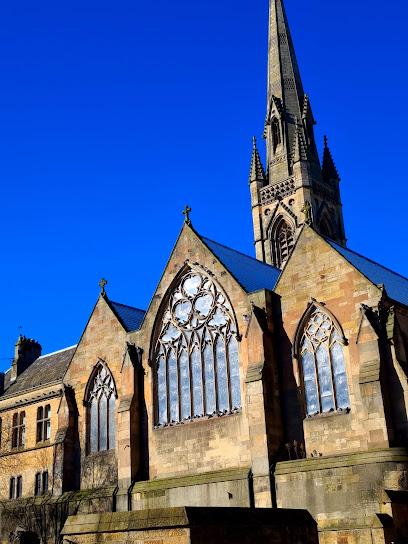
The Glamorous Owl
0.3 km
Discover Newcastle’s artisan jewellery boutique and creative workshop hub nestled in the historic Old George Yard.
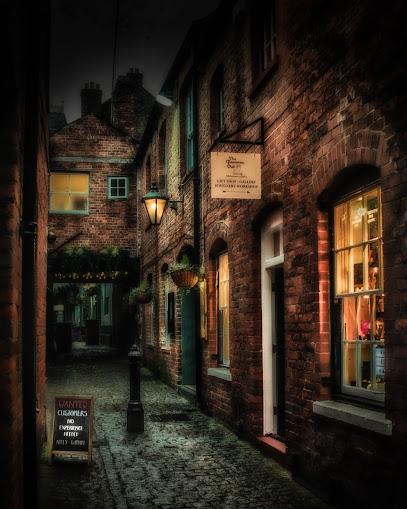
The Stand Comedy Club
0.3 km
Experience Newcastle’s premier comedy venue with sharp wit, lively performances, and a welcoming bar atmosphere at The Stand Comedy Club.
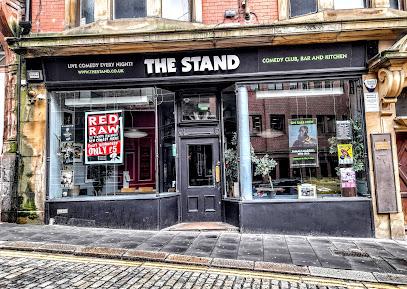
High Bridge
0.3 km
Walk Newcastle’s oldest route from the Castle Keep to the River Tyne along High Bridge, a historic street at the heart of the city’s medieval core.
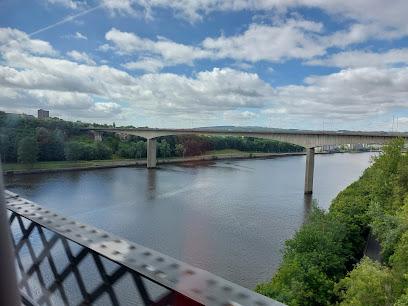
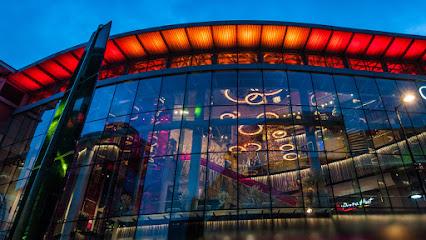
The Gate
0.3 km
Newcastle’s vibrant leisure complex blending dining, nightlife, cinema, and gaming under one roof in the city centre.
Newcastle Cathedral
0.3 km
Discover over 900 years of history, stunning stained glass, and the iconic Lantern Tower at Newcastle Cathedral, a spiritual and cultural beacon in the city center.
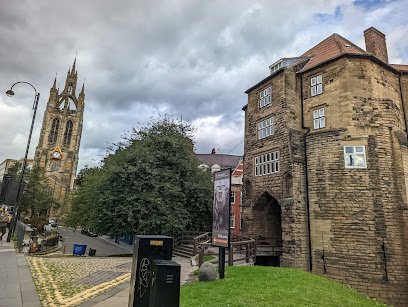
W Walls
0.3 km
Explore the enduring medieval West Walls of Newcastle, a stone fortress section that reveals the city’s historic defenses and rich heritage.

Grainger Market
0.3 km
Discover Newcastle’s historic Grainger Market, a vibrant indoor hub of fresh produce, unique shops, and rich Victorian heritage since 1835.
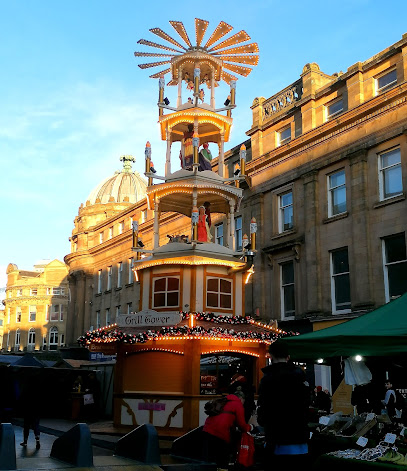
Newcastle City Centre (High Street)
0.3 km
Explore Grainger Street, the historic heart of Newcastle City Centre, where 19th-century neo-classical architecture meets vibrant market life.
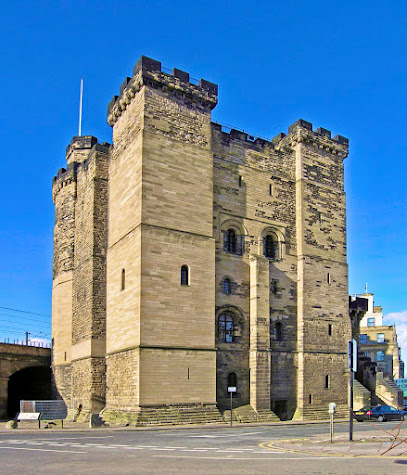
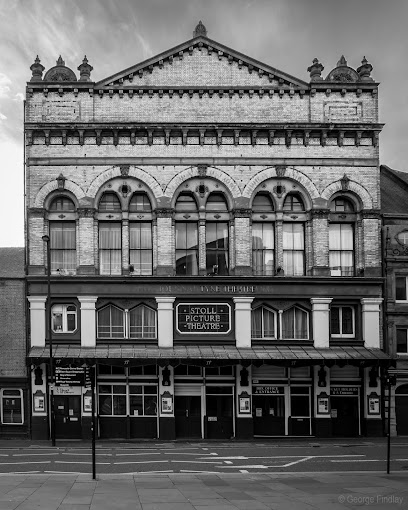
Tyne Theatre & Opera House
0.3 km
Discover Newcastle’s Victorian treasure with rare stage machinery and vibrant performances in a beautifully preserved Grade I listed theatre.
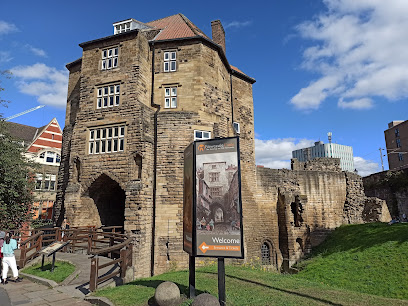
Site of Anglo-Saxon Church
0.3 km
Explore Newcastle’s ancient heart where Roman roots, Anglo-Saxon heritage, and medieval stone keep converge in Castle Garth’s historic site.
Essential places to dine

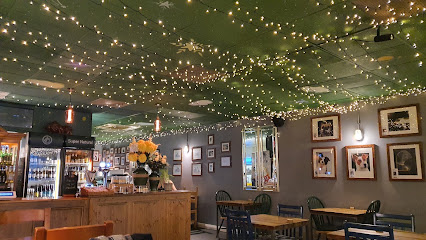
Super Natural Newcastle
0.0 km
Discover vibrant vegan dining and creative cocktails in the heart of Newcastle’s historic Grainger Street at Super Natural Newcastle.
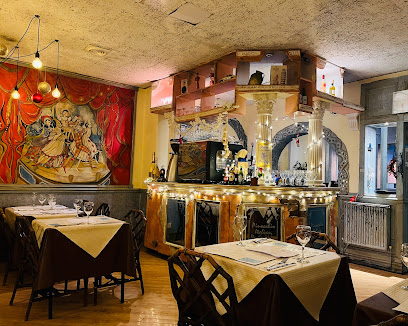
Pinocchio Ristorante
0.1 km
Experience authentic Italian flavors with handmade pasta and stone-baked pizzas in a lively, welcoming Newcastle setting.
Kafeneon
0.2 km
Experience authentic Greek cuisine and warm Mediterranean hospitality in the vibrant heart of Newcastle’s Bigg Market.
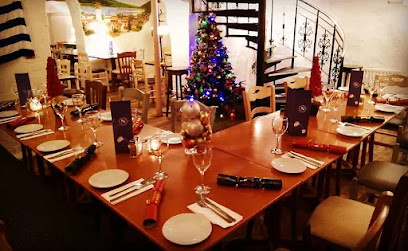
Hibou Blanc
0.2 km
Elegant French-British cuisine and refined hospitality in Newcastle's historic Bigg Market.
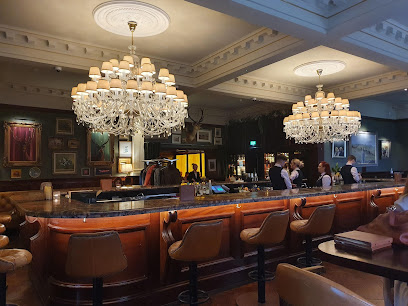
Kaltur Wine Bar & Restaurant High Bridge
0.2 km
Experience authentic Spanish tapas and fine wines in a cozy, lively wine bar setting at Newcastle’s historic High Bridge.
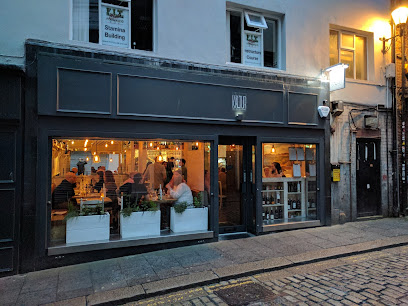
The French Quarter
0.3 km
Experience authentic French cuisine and an exceptional wine selection in a chic bistro nestled within Newcastle’s historic Westgate Road arches.
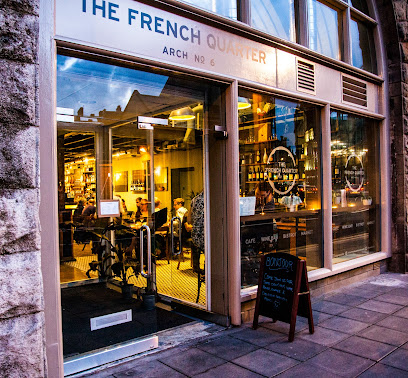
Blackfriars Restaurant
0.3 km
Dine in a 13th-century friary refectory with modern British food, local brews, and a warm, bustling atmosphere in the heart of Newcastle.
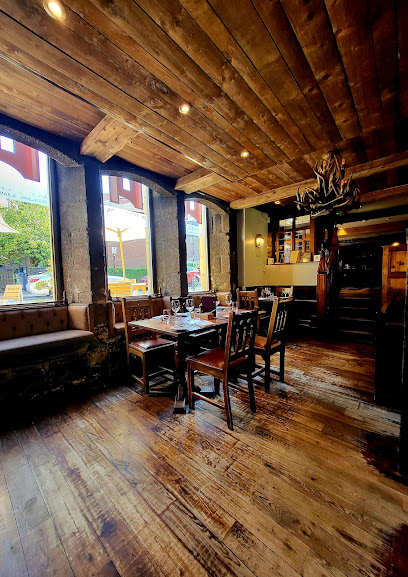
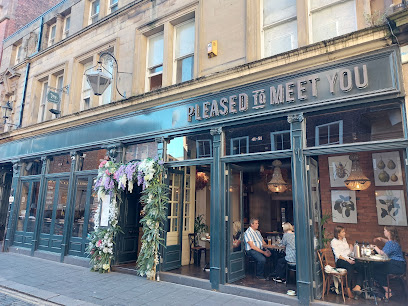
Pleased To Meet You
0.3 km
A stylish, late-night bar and restaurant in Newcastle’s city centre, blending rustic charm with vibrant cocktails and seasonal British cuisine.
Barluga
0.3 km
A vibrant gastropub on Newcastle’s historic Grey Street, blending modern British cuisine with a welcoming atmosphere and stylish setting.
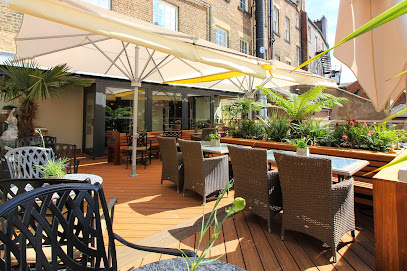
Turtle Bay Newcastle
0.3 km
Experience bold Caribbean flavours, reggae vibes, and 2-for-1 cocktails in the heart of Newcastle’s vibrant city centre.
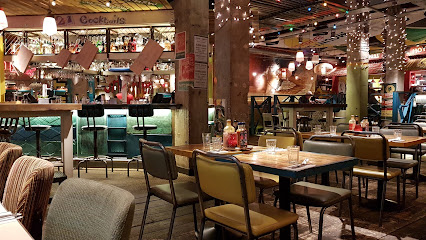
The Muddler
0.3 km
Stylish Pan-Asian small plates and inventive cocktails in the heart of Newcastle’s vibrant Grey Street.
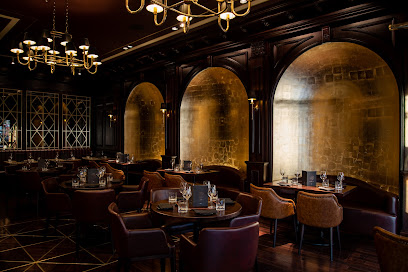
Miller & Carter Newcastle
0.3 km
Savor expertly aged British steaks in a stylish, welcoming setting at Miller & Carter Newcastle on Mosley Street.
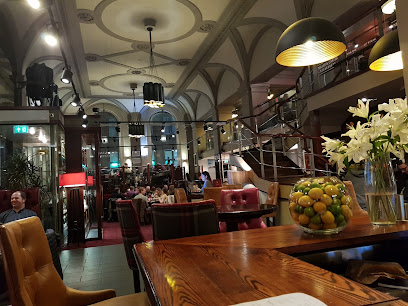
Côte Newcastle
0.3 km
Experience refined French cuisine and charming brasserie vibes in Newcastle’s vibrant city centre on historic Grainger Street.
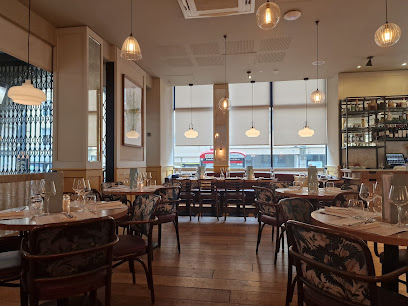
Zaap Thai Street Food Newcastle
0.3 km
Experience the vibrant flavors and lively atmosphere of Thai street food right in the heart of Newcastle’s city center.
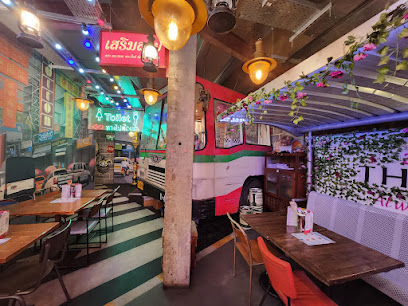
Las Iguanas - Newcastle
0.4 km
Vibrant South American cuisine, legendary bottomless brunch, and killer cocktails in Newcastle's city centre.
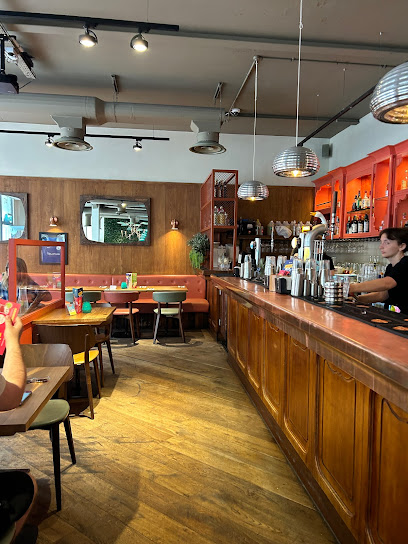
Markets, malls and hidden boutiques

Living Essential
0.1 km
Grainger Street's go-to for stylish, affordable homewares that make city living cozy and practical in Newcastle's heart.
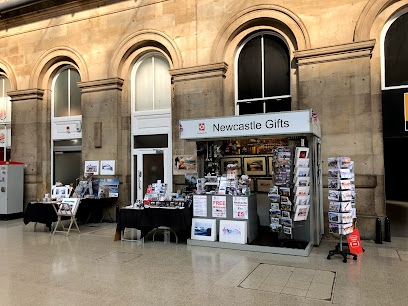
Newcastle Gifts
0.1 km
Discover authentic Geordie souvenirs, local art, and NUFC treasures at this charming Neville Street gem opposite Central Station—your perfect Toon memento stop.
Earl and Coco
0.2 km
Quirky treasures and artisan delights await in this hidden gem of Newcastle's Grainger Town, where every find tells a story.
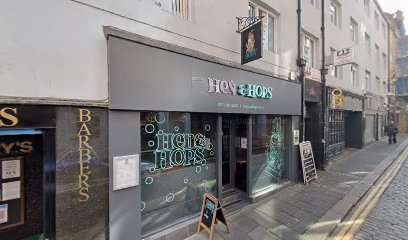
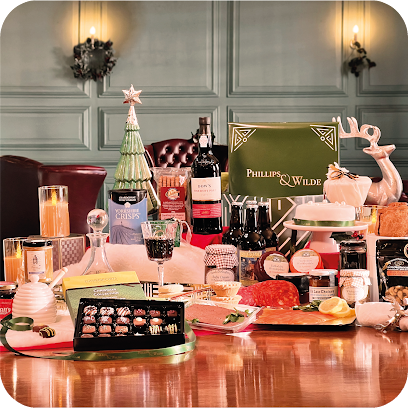
Phillips & Wilde
0.3 km
Discover exquisite gift baskets and gourmet hampers in Newcastle's iconic Grainger Market – perfect for festive cheer, corporate gifts, or personal indulgences amid vibrant market buzz.
Garms Newcastle
0.3 km
Small, curated vintage clothing shop on Grainger Street, blending durable classics with street-ready retro finds.
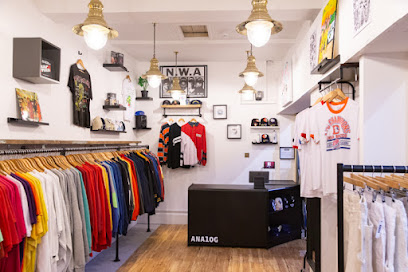
Analog
0.3 km
Curated vintage and second‑hand clothing tucked into Alley 3 of Newcastle’s Grainger Market — small stall, big finds.
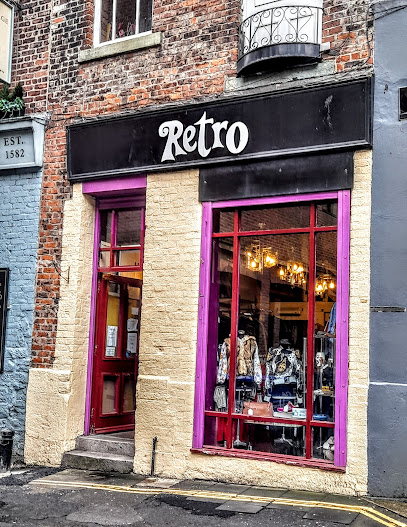
Retro , Vintage Clothing Newcastle.
0.3 km
Discover timeless style and unique vintage finds at Retro Newcastle, your go-to boutique for retro clothing in the heart of the city.
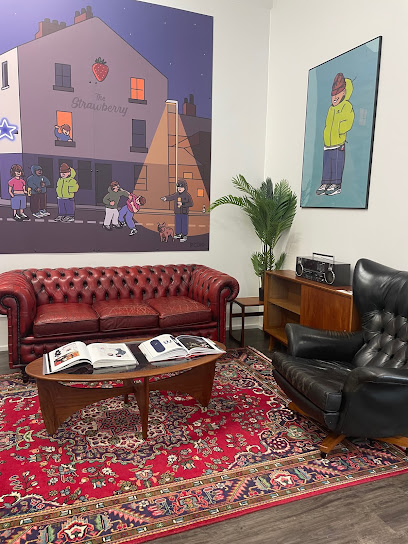
Flip Vintage American Clothing
0.3 km
Newcastle’s premier vintage store since 1978, offering authentic American vintage clothing with quality, character, and style.
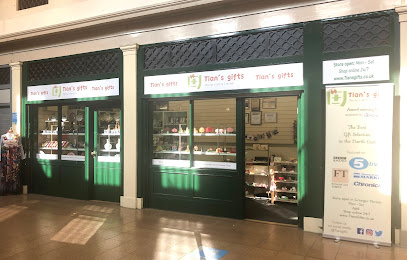
Tian's Gifts
0.3 km
Discover unique handcrafted gifts and charming treasures at Tian's Gifts, nestled in Newcastle’s historic Grainger Market.
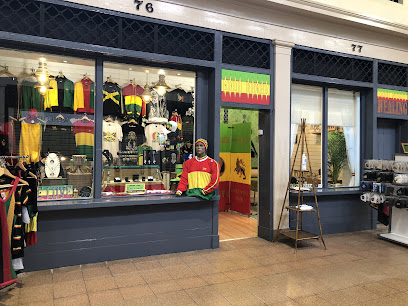
Soul Rebel (Newcastle)
0.3 km
Discover a unique fusion of stylish apparel and holistic wellness at Soul Rebel, Newcastle's premier destination for fashion and self-care.
Vintagera.co.uk
0.3 km
Discover exquisite handcrafted jewelry, pottery, and bespoke framing in the heart of Newcastle’s vibrant Grainger Market.
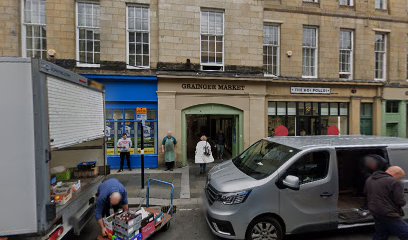
Box it up gifts
0.3 km
Discover unique souvenirs and locally crafted gifts at Box It Up Gifts in Newcastle upon Tyne, a must-visit for every traveler.
Little Bazaar
0.3 km
A cosy, hand-curated gift stall in Grainger Market for crystals, dreamcatchers and small bohemian keepsakes.
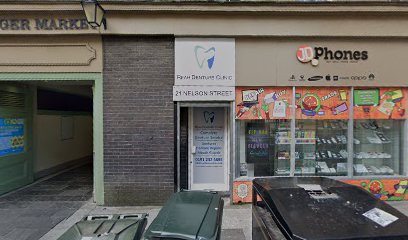
The Yesterday Society Vintage Boutique
0.3 km
Discover vintage treasures and retro style at The Yesterday Society, a charming boutique nestled in Newcastle’s historic Grainger Market.
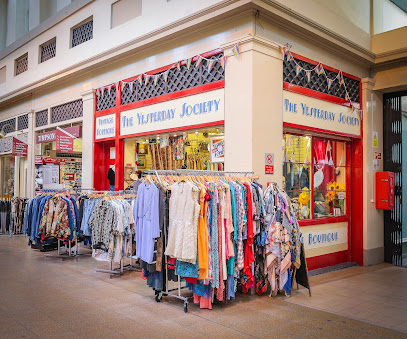
Geordie Gifts
0.3 km
Discover authentic Geordie culture through unique gifts in the heart of Newcastle’s historic Grainger Market.
Essential bars & hidden hideouts

Slug & Lettuce - Central Newcastle
0.1 km
Newcastle's go-to for endless cocktails, bottomless brunches, and non-stop party vibes on Grainger Street – where every hour is happy hour.
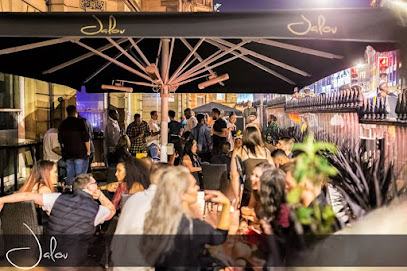
Jalou
0.1 km
Experience Newcastle’s chic cocktail haven where Parisian glamour meets hip hop beats and creative mixology.
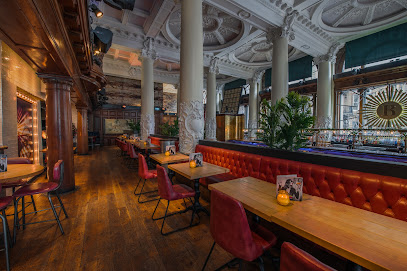
Revolution Newcastle Upon Tyne
0.1 km
Experience vibrant nightlife and handcrafted cocktails in Newcastle’s stunning former bank with soaring ceilings and marble pillars.
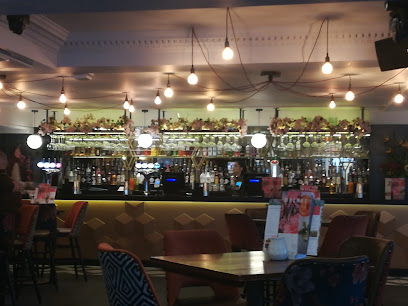
ChachaBuchi
0.2 km
Rustic glamour meets vibrant nightlife in Newcastle’s chic cocktail bar with alpine-inspired cuisine and lively entertainment.
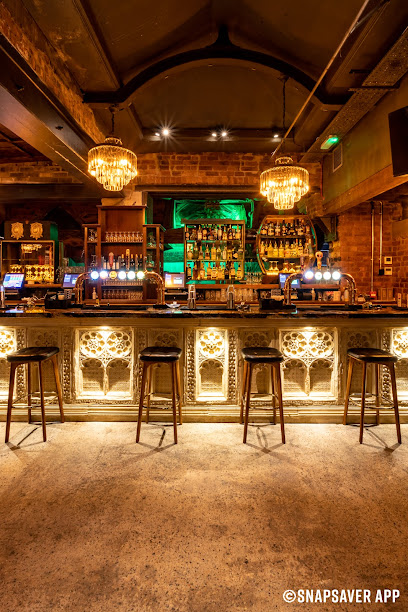
All Seeing Eye.
0.2 km
Discover Newcastle's speakeasy secret: art deco cocktails behind a hidden door on Groat Market, blending historic intrigue with masterful mixology.
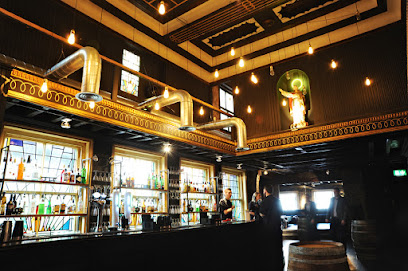
The Mad House
0.2 km
Dive into Newcastle’s quirkiest cocktail bar where mad creativity meets bold flavors and unforgettable fun at The Mad House.
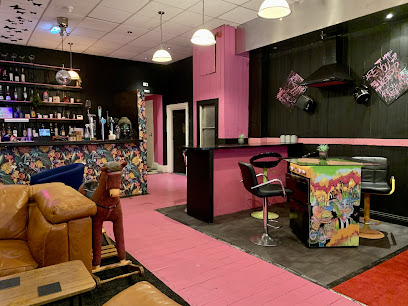
Blackie Boy
0.2 km
Historic Newcastle bar with cosy vibes, free jukebox anthems, cheap drinks deals, and late-night energy in Groat Market's lively heart.
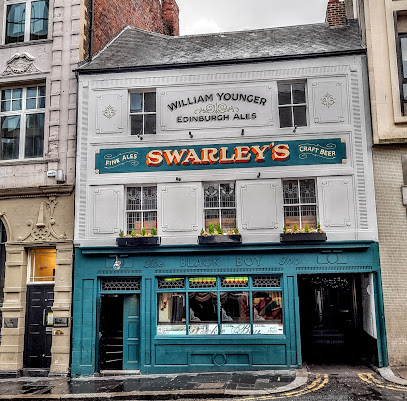
The Mushroom Bar
0.2 km
A compact, budget-friendly club-bar on Grainger Street that keeps late-night DJs, drink deals and a party crowd at its heart.
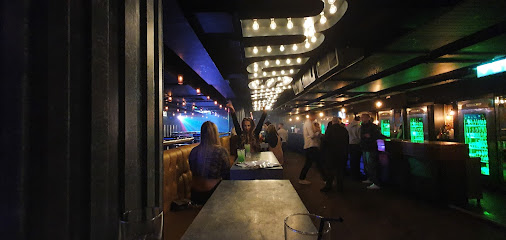
Mother Mercy
0.2 km
Newcastle's speakeasy secret: inventive cocktails via roulette wheel in a historic Cloth Market hideaway, blending mixology mastery with intimate Mediterranean chic.
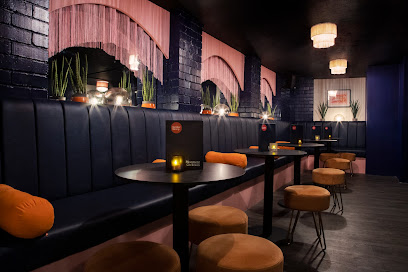
Duke Of Northumberland (The Clock)
0.3 km
A welcoming Geordie pub in Newcastle city center, offering traditional fare, seasonal ales, and lively weekend music nights in a cozy setting.
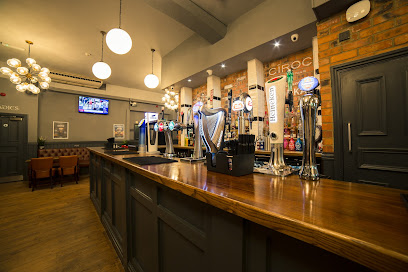
MOJO
0.3 km
MOJO Newcastle: Rock 'n' roll cocktails, American comfort food, and lively entertainment in The Gate’s vibrant nightlife hub.
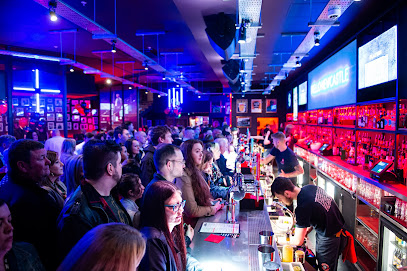
The WonderBar
0.3 km
A lively Newcastle venue combining interactive darts, live music, great food, and sports viewing under one vibrant roof.
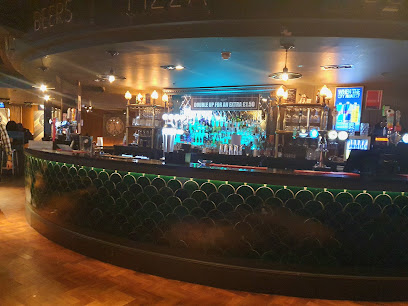
All Bar One Newcastle
0.3 km
Stylish Grey Street bar serving coffee by day and cocktails by night, with tapas and wines in Newcastle's buzzing heart.
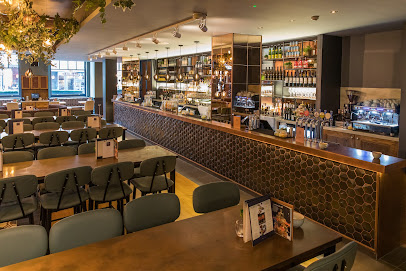
The Dog & Parrot
0.3 km
A vibrant Newcastle pub where live music, punk vibes, and friendly faces create an unforgettable night out.
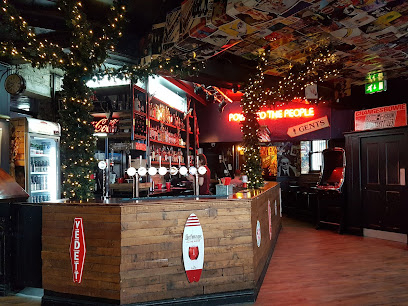
Colonel Porter's Emporium
0.4 km
Newcastle's 1920s explorer's paradise: botanical gardens, vintage cocktails, live music, and hidden discos in historic Milburn House.
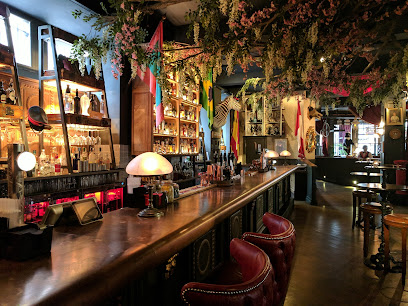
Nightclubs & after hour spots

The Social Club
0.2 km
Experience Newcastle’s vibrant nightlife at The Social Club, where music, cocktails, and dancing come alive until the early hours.
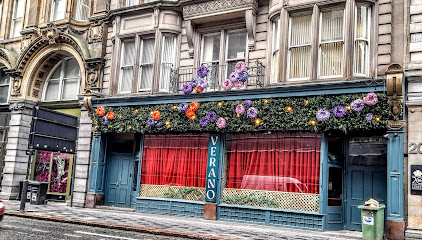
Bohemia Newcastle
0.2 km
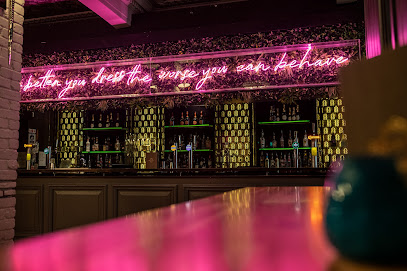
Neon-lit cocktail bar and compact club with graffiti murals, a mezzanine dance space and a sheltered courtyard terrace for late-night socialising.
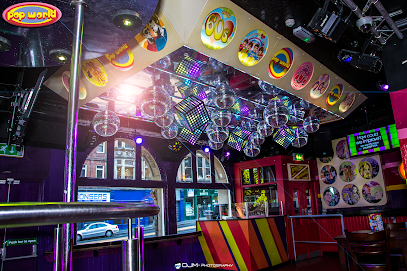
Popworld - Newcastle
0.2 km
A neon-soaked pop party on Newcastle’s Bigg Market—cheap drinks, nostalgic anthems and a packed dancefloor for late-night revelry.
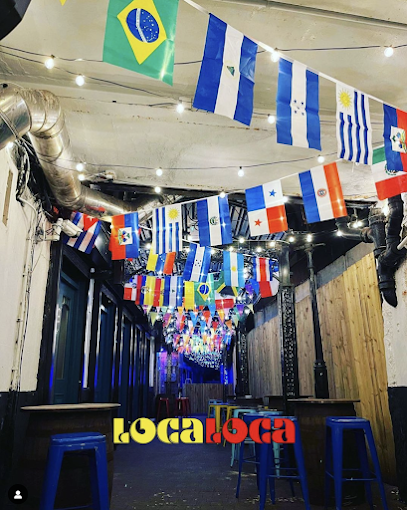
Loca Loca | Newcastle
0.2 km
A compact, neon-lit nightclub on Groat Market serving late-night dance, chart and urban sets in an intimate city-centre setting.
TROPICANA NEWCASTLE
0.2 km
Experience Newcastle’s vibrant nightlife at Tropicana, a lively nightclub blending cocktail sophistication with energetic club beats in the city’s heart.
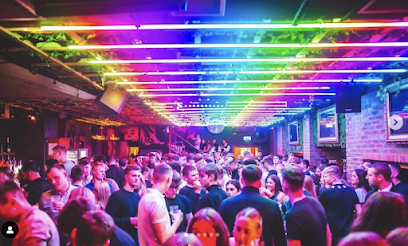
Sinners
0.2 km
Dive into sinfully themed nights at this affordable Newcastle nightclub, where red lights, bold art, and cheap drinks fuel the city's unbeatable party spirit.
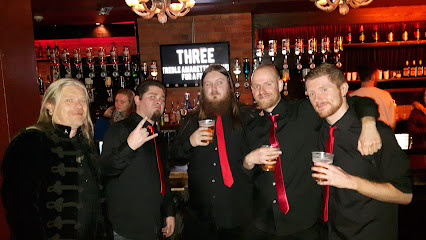
TheCUT Newcastle
0.2 km
Discover Newcastle’s vibrant alternative nightclub with themed indie, rock, and disco nights in a cozy, unpretentious setting.
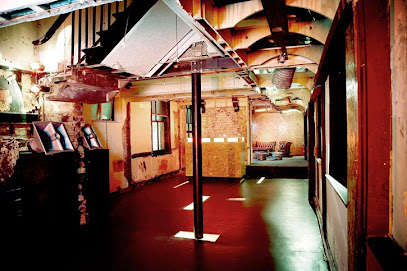
Tup Tup Palace
0.2 km
Experience Newcastle’s vibrant nightlife in style at Tup Tup Palace, a luxurious club blending exotic décor with pulsating beats until the early hours.
Flares - Newcastle
0.3 km
Newcastle's ultimate retro disco den: neon grooves, cheesy anthems, and non-stop dancing from 70s to 00s in the heart of the nightlife scene.
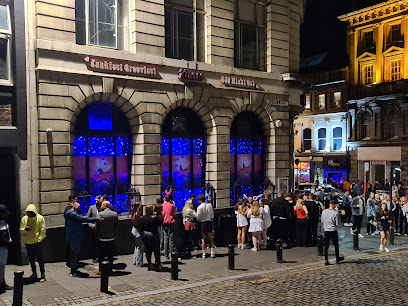
Greys Club
0.3 km
Experience Newcastle’s iconic nightlife at Greys Club, where vibrant music, a stylish terrace, and lively crowds create unforgettable late-night memories.
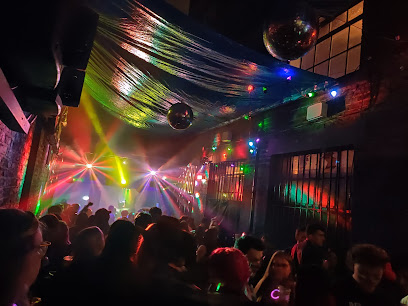
SOHO ROOMS | Newcastle
0.3 km
Four floors of late‑night music and cocktails in the heart of Newcastle’s city‑centre party district, favoured by students and night owls.
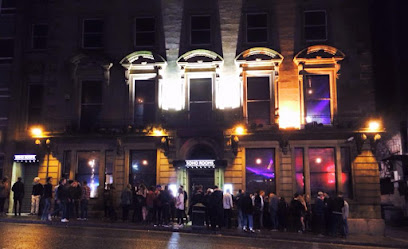
Cosmic Ballroom
0.4 km
Newcastle's longest-running underground club: two floors of electronic beats, guest DJs, and non-stop dancing till dawn in an intimate Stowell Street hideaway.
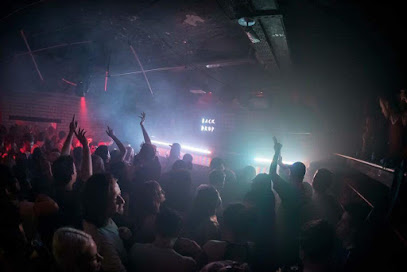
Digital
0.4 km
Experience cutting-edge nightlife with superior sound and vibrant energy at Digital, Newcastle’s premier clubbing destination in Times Square.
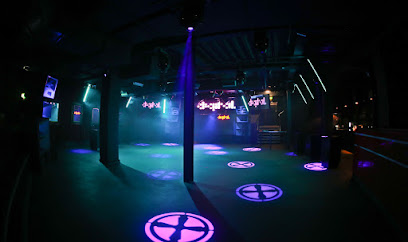
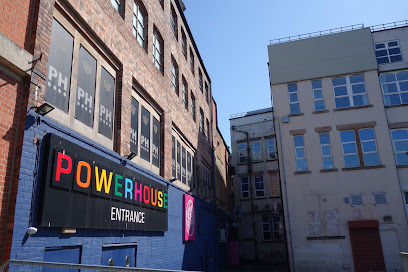
Powerhouse
0.5 km
Newcastle’s iconic four-floor nightclub blending rich LGBTQ+ history with vibrant, inclusive nightlife and dynamic music scenes.
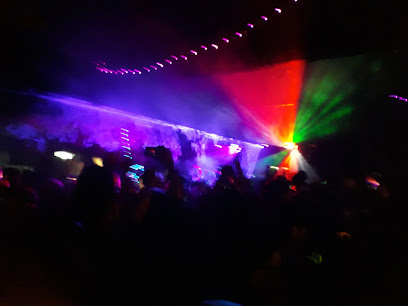
World HQ
0.6 km
A multi‑level warehouse club and arts hub in Curtis Mayfield House with a heavy sound, creative studios above and a grassroots nightlife spirit.
For the vibe & atmosphere seeker
- Tranquil
- Romantic
- Spiritual / Energy Spot
- Unique
- Scenic
For the design and aesthetic lover
- Historic
- Vintage Styles
For the architecture buff
- Historic
- Landmarks
- Sacred Sites
- Heritage Neighborhoods
For the view chaser and sunset hunter
- Iconic Views
For the social media creator & influencer
- Instagrammable
- Photo Spots
- Architectural Shots
For the eco-conscious traveler
- Protected Area
- Locally Managed
For the kind of experience you’re after
- Spiritual / Energy Spot
- Myth & Legends
- Cultural Heritage
- Photowalk
For how adventurous you want the journey to be
- Easy Access
Location Audience
- Family Friendly
- Senior Friendly
- Wheelchair Access
- Solo Friendly
- Couple Friendly


