

St. Mary's Cathedral, Newcastle upon Tyne
A majestic neo-Gothic cathedral crowned by a soaring spire, embodying Newcastle’s rich Catholic heritage and architectural splendor.
St. Mary's Cathedral in Newcastle upon Tyne is a striking neo-Gothic Catholic cathedral designed by Augustus Welby Pugin and completed in 1844. Renowned for its soaring 222-foot needle spire, intricate tile work, stained glass windows, and richly carved altars, it serves as the mother church of the Diocese of Hexham and Newcastle. The cathedral is a Grade I listed building and a prominent landmark on the city skyline, blending spiritual heritage with architectural grandeur.
A brief summary to St. Mary's Cathedral
- Clayton St W, Newcastle upon Tyne, NE1 5HH, GB
- +441912326953
- Visit website
- Duration: 0.5 to 2 hours
- Free
-
 Outdoor
- Mobile reception: 4 out of 5
- Tuesday 10 am-4:30 pm
- Thursday 10 am-4:30 pm
- Friday 10 am-4:30 pm
- Saturday 10 am-4 pm
- Sunday 8:30 am-1 pm
Local tips
- Visit during weekday mornings to enjoy a quieter atmosphere and better opportunities for reflection and photography.
- Explore the Cardinal Hume Memorial Garden adjacent to the cathedral for a peaceful outdoor space with historical significance.
- Check the cathedral’s schedule for special services or concerts featuring the magnificent organ and choir gallery.
- Take time to appreciate the detailed neo-Gothic tile work and stained glass windows, which have been carefully restored and enhanced.

For the on-the-go comforts that matter to you
- Restrooms
- Drink Options
- Food Options
- Seating Areas
- Information Boards
- Visitor Center
Getting There
-
Metro and Bus
Take the Tyne and Wear Metro to Central Station, approximately a 10-minute walk from the cathedral. Numerous bus routes also serve nearby stops on Clayton Street West, with frequent services running throughout the day. Tickets cost around £2-£3 for a single journey.
-
Taxi or Rideshare
Taxis and rideshare services such as Uber offer direct access to St. Mary’s Cathedral from anywhere in Newcastle. Typical travel times from the city center are 5–10 minutes, with fares generally between £5 and £10 depending on traffic.
-
Walking
If staying in central Newcastle, the cathedral is easily reached on foot within 10–20 minutes. The route is flat and accessible, passing through the vibrant city center with plenty of shops and cafes en route.
St. Mary's Cathedral location weather suitability
-
 Any Weather
-
 Rain / Wet Weather
-
 Clear Skies
-
 Mild Temperatures
Discover more about St. Mary's Cathedral
Architectural Vision and Origins
St. Mary's Cathedral was conceived in 1838 to serve the rapidly growing Catholic population of Newcastle, driven by industrial expansion and Irish immigration. The project was led by Fr James Worswick and funded largely by donations from the local community, many of whom were poor immigrants. The cathedral was designed by Augustus Welby Northmore Pugin, a leading Victorian architect famous for his neo-Gothic style and work on the Houses of Parliament. Opened on 21 August 1844, the building originally lacked its tower and spire due to budget constraints but was still a grand expression of Gothic Revival architecture.Evolution and Enhancements
In 1872, thanks to a generous bequest, architects Dunn and Hansom completed the cathedral’s tower and added the iconic 222-foot spire, which became a defining feature of Newcastle’s skyline and was the tallest structure in the city for many years. The interior was enriched over time with stencil decorations, tiled friezes bearing the names of Northumbrian saints, and a baptistery designed by Dunn, Hansom & Fenwicke. The cathedral was consecrated in 1860 and elevated to cathedral status in 1850 as the mother church of the Diocese of Hexham (later Hexham and Newcastle).Artistic and Spiritual Highlights
St. Mary’s is celebrated for its richly carved altars, a statue of Our Lady by E. W. Pugin, and a series of beautiful stained-glass windows, several of which were installed in recent decades. The cathedral also houses a magnificent organ and choir gallery, completed in 2013, enhancing its musical tradition. The Cardinal Hume Memorial Garden, opened by Queen Elizabeth II in 2002, honors the Newcastle-born Cardinal Basil Hume with a bronze sculpture by Nigel Boonham, adding a contemplative outdoor space adjacent to the cathedral.Community and Historical Significance
The cathedral has long been a spiritual and cultural hub for Newcastle’s Catholic community. Its first resident priest, Rev. William Riddell, is remembered as a martyr to charity after succumbing to typhus contracted while ministering to the sick. Over the years, St. Mary’s has hosted notable visitors, including the President of Ireland and Her Majesty the Queen. It remains a symbol of faith, resilience, and the city’s rich religious heritage.Visitor Experience and Atmosphere
Visitors to St. Mary’s Cathedral can admire the neo-Gothic architectural details, the intricate tile and floor work, and the serene ambience fostered by its sacred art and stained glass. The cathedral also features modern amenities such as the Cloister Café and Pauline Book Shop, blending tradition with contemporary hospitality. Its prominent spire and historic presence make it a must-see landmark for those interested in religious architecture and Newcastle’s history.Preservation and Legacy
As a Grade I listed building, St. Mary’s Cathedral is protected for its outstanding architectural and historic interest. Ongoing conservation efforts ensure that its neo-Gothic features and artistic treasures are preserved for future generations. The cathedral’s role as a living place of worship and community gathering continues to enrich Newcastle’s cultural landscape.Iconic landmarks you can’t miss

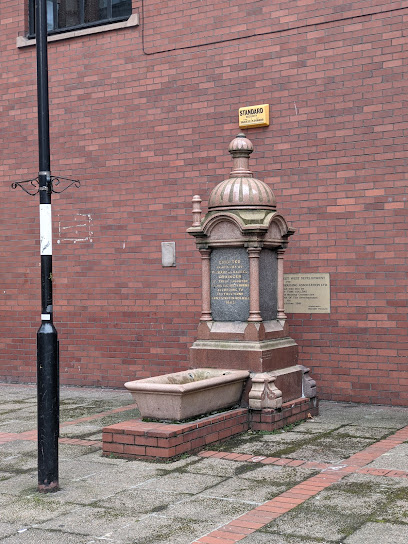
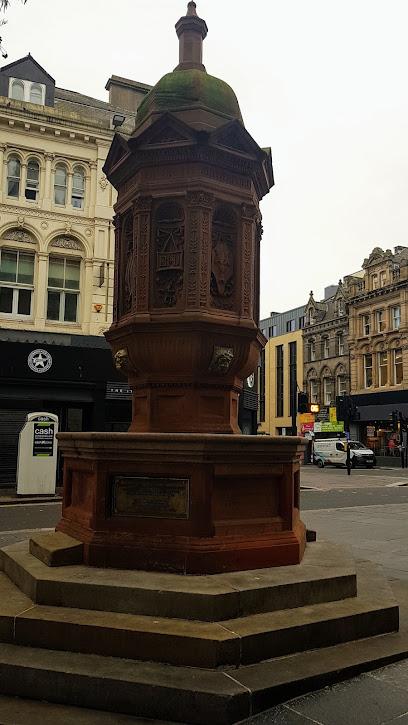
Richard Grainger Memorial Fountain
0.1 km
Historic granite fountain honoring Richard Grainger’s transformative 19th-century urban vision in Newcastle’s iconic Grainger Town.
New Bridge Street, Newcastle-upon-Tyne
0.2 km
Experience the vibrant culture and rich history of New Bridge Street, Newcastle-upon-Tyne, home to captivating museums and lively local attractions.

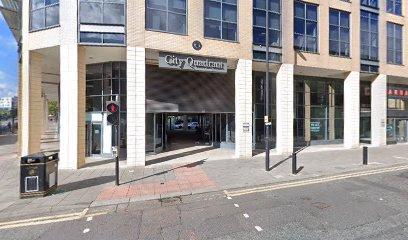
11 Waterloo St
0.2 km
Historic industrial heritage meets contemporary urban design on Newcastle's transforming Waterloo Street.
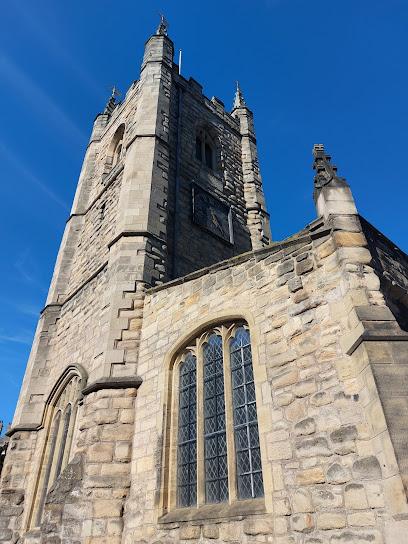
St John the Baptist Church
0.2 km
Medieval sanctuary with eight centuries of history, treasured stained glass, and architectural gems hidden in Newcastle's city centre.
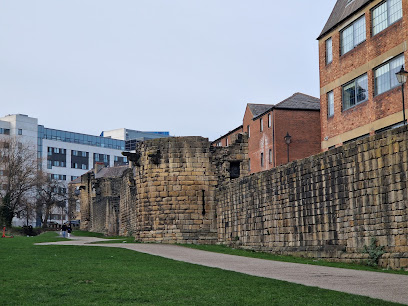
Durham Tower
0.2 km
Medieval stone sentinel guarding Newcastle's ancient western walls since the 13th century.
Oriental Garden
0.3 km
Experience the serene beauty of the Oriental Garden in Newcastle upon Tyne, a peaceful escape filled with lush greenery and vibrant flora.
Herber Tower
0.3 km
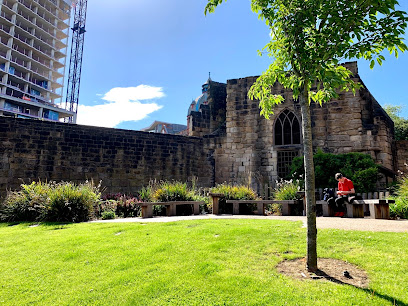
A well-preserved 13th-century drum tower from Newcastle’s medieval town walls, once a guild meeting place and now a quiet monument in the city centre.
Blackfriars Medieval Friary
0.3 km
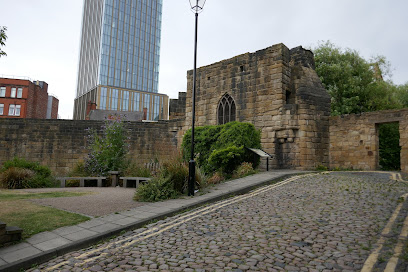
Medieval Dominican friary where kings once stayed, now a living centre of craft, culture, and cuisine.
Morden Tower
0.4 km
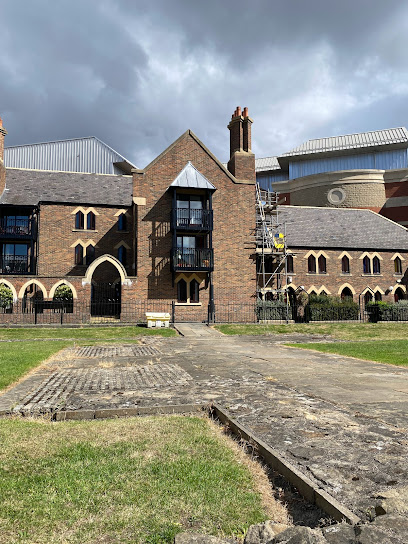
A medieval drum tower turned iconic poetry venue, Morden Tower blends Newcastle’s rich history with vibrant cultural legacy.
Newcastle city walls
0.4 km
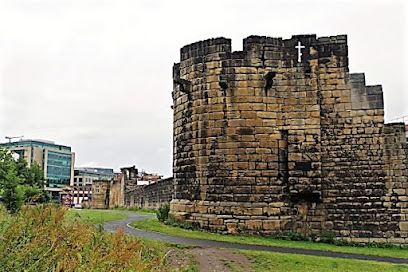
Medieval stone fortifications protecting a border town from Scottish invasion, now a historic monument woven into Newcastle's urban landscape.
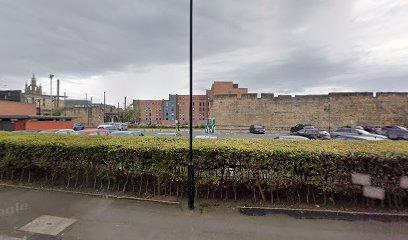
The Black Gate
0.5 km
Medieval fortress gateway where Newcastle's story began, now fully accessible with rich exhibitions.
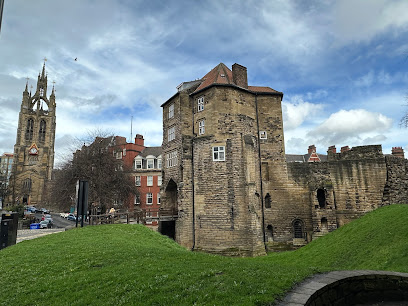
Grey St
0.6 km
Newcastle's finest street—a sweeping curve of neoclassical elegance and cultural heritage.
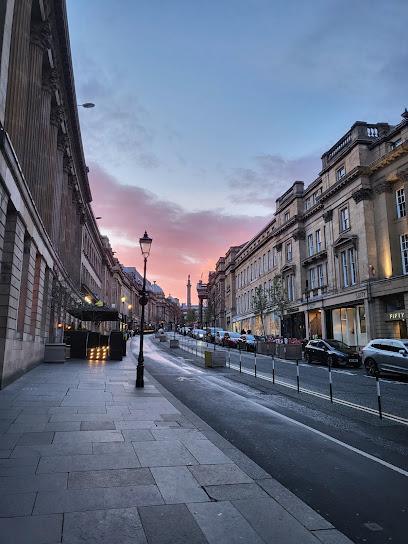
Newcastle Keep
0.6 km
Climb 99 steps through four centuries of medieval power and emerge onto rooftop views that define Newcastle.
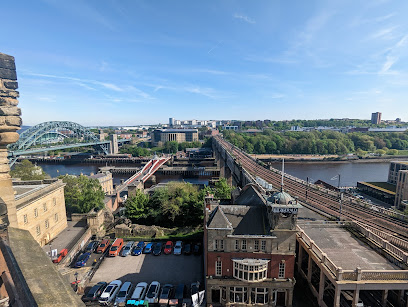
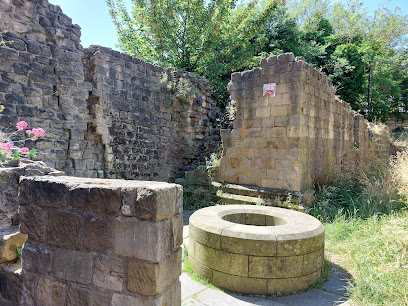
Castle Wall Well
0.6 km
A medieval well marking Newcastle's 13th-century defensive walls and urban heritage.
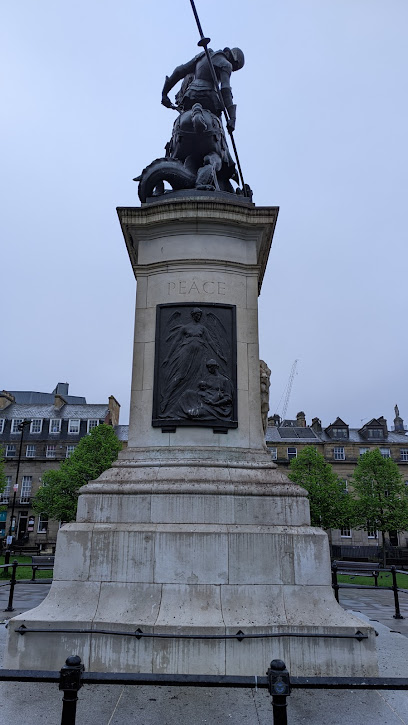
Newcastle and District War Memorial
0.6 km
A Portland stone tribute to courage, unveiled in 1923 and crowned by a bronze Saint George.
Unmissable attractions to see

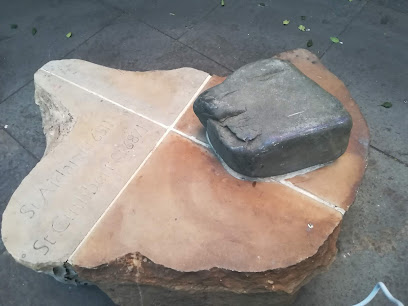
St Aidan and St Cuthbert Stonework
0.0 km
Intricate stone carvings celebrating St Aidan and St Cuthbert’s enduring legacy in Newcastle’s rich Christian heritage.
A Hadrian's Wall Milecastle Plaque
0.1 km
Discover the Roman frontier’s footprint in Newcastle at the Hadrian's Wall Milecastle Plaque on historic Westgate Road.
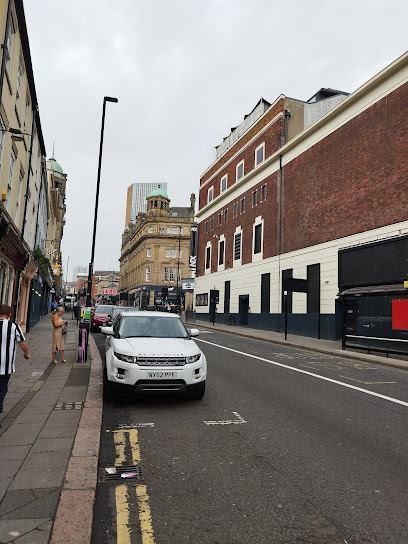
Tyne Theatre & Opera House
0.2 km
Discover Newcastle’s Victorian treasure with rare stage machinery and vibrant performances in a beautifully preserved Grade I listed theatre.
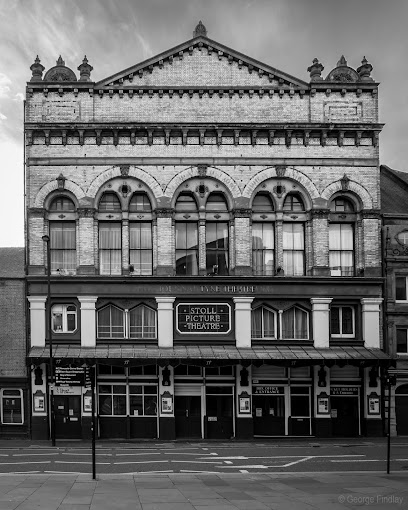
W Walls
0.2 km
Explore the enduring medieval West Walls of Newcastle, a stone fortress section that reveals the city’s historic defenses and rich heritage.

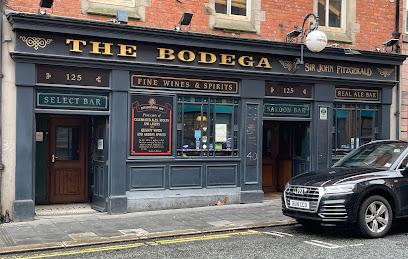
The Bodega
0.2 km
Discover The Bodega in Newcastle upon Tyne, where lively ambiance, great food, and a wide selection of drinks create the ultimate pub experience.
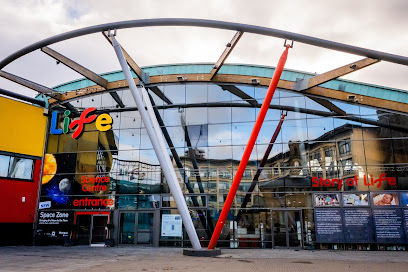
Life Science Centre
0.3 km
Explore hands-on science, immersive planetarium shows, and family-friendly fun at Newcastle’s interactive Life Science Centre.
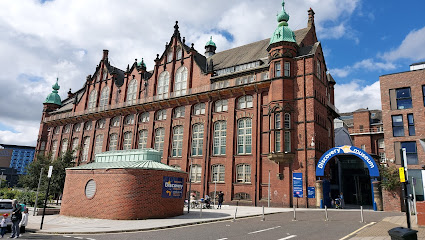
Discovery Museum
0.3 km
Explore Tyneside’s rich heritage and innovation at Newcastle’s interactive Discovery Museum, home to the iconic Turbinia steam ship.
Lit & Phil Library
0.3 km
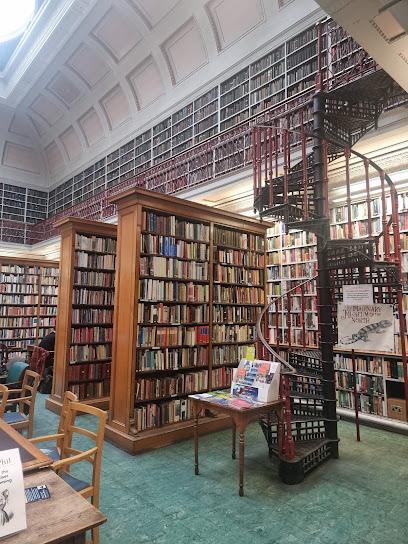
Discover Newcastle’s historic Lit & Phil Library, a grand neoclassical haven with over 200,000 books and a vibrant cultural scene.
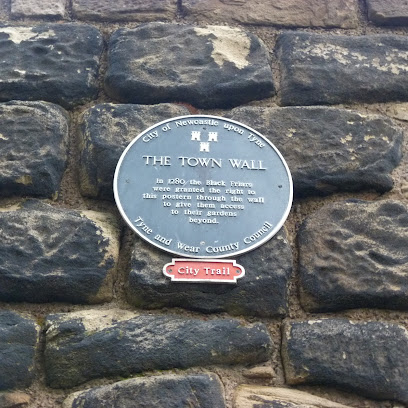
Black Friars Postern Gate Plaque
0.3 km
Explore the Black Friars Postern Gate Plaque in Newcastle upon Tyne, a historical landmark reflecting the city's rich medieval heritage and architectural beauty.
The Gate
0.4 km
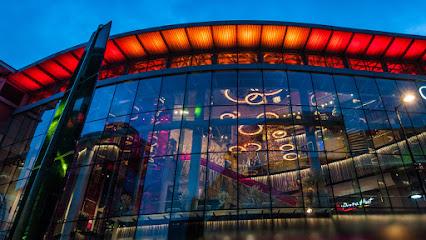
Newcastle’s vibrant leisure complex blending dining, nightlife, cinema, and gaming under one roof in the city centre.
Bigg Market
0.4 km
Historic medieval market turned vibrant nightlife hub with over 30 listed buildings in the heart of Newcastle upon Tyne.
Grainger St
0.4 km
Historic heart of Newcastle with elegant architecture, bustling markets, and vibrant urban culture.
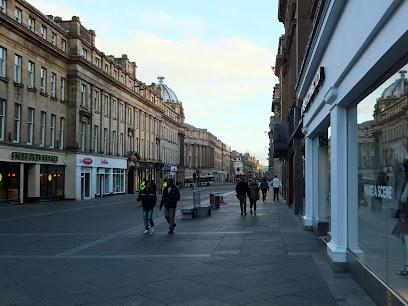
YuMe World
0.4 km
Step into a high-energy arcade world in Newcastle’s city centre, where cutting-edge games, VR thrills and prize challenges await players of all ages.

Ever Tower
0.4 km
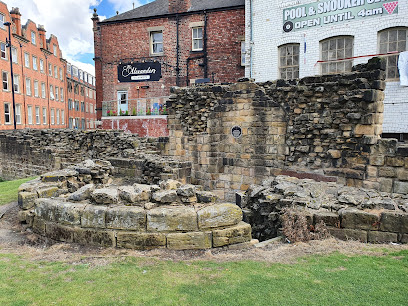
Explore Ever Tower, a captivating medieval relic of Newcastle’s historic town walls, blending heritage and urban charm.
My freedom Tours
0.5 km
Discover Newcastle’s history and culture at your own pace with My Freedom Tours’ innovative self-guided video experiences.
Essential places to dine

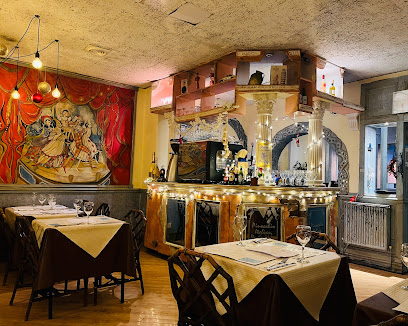
Pinocchio Ristorante
0.1 km
Experience authentic Italian flavors with handmade pasta and stone-baked pizzas in a lively, welcoming Newcastle setting.
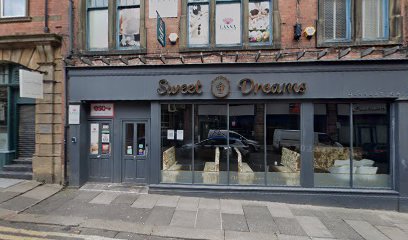
Super Natural Newcastle
0.2 km
Discover vibrant vegan dining and creative cocktails in the heart of Newcastle’s historic Grainger Street at Super Natural Newcastle.
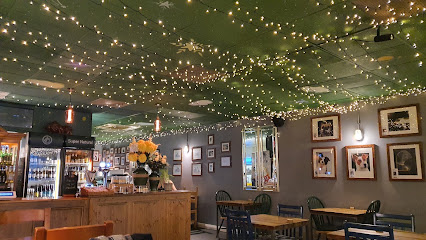
Blackfriars Restaurant
0.3 km
Dine in a 13th-century friary refectory with modern British food, local brews, and a warm, bustling atmosphere in the heart of Newcastle.
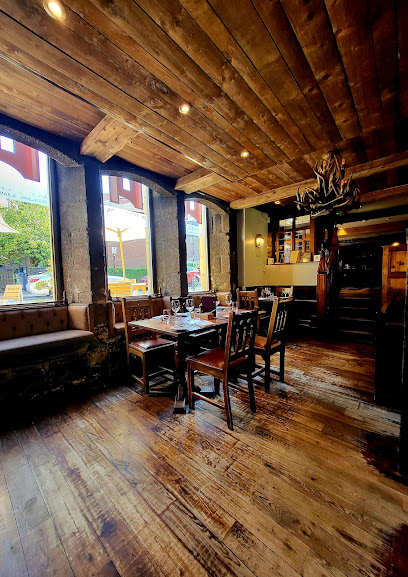
Rumba Restaurant
0.3 km
Experience authentic Peruvian cuisine and vibrant Latin nightlife in the heart of Newcastle at Rumba Casa Latina.
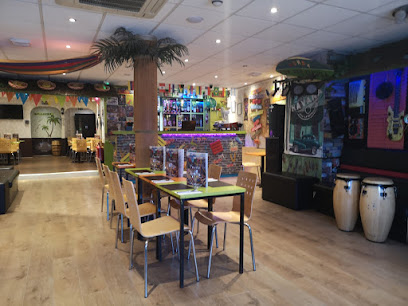
Fujiyama Teppanyaki Japanese Restaurant
0.3 km
Experience fresh Japanese teppanyaki cooked live with flair and flavor in the heart of Newcastle upon Tyne.

Turtle Bay Newcastle
0.4 km
Experience bold Caribbean flavours, reggae vibes, and 2-for-1 cocktails in the heart of Newcastle’s vibrant city centre.
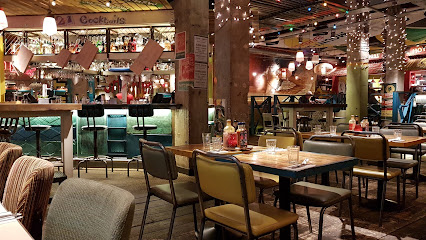
Kafeneon
0.4 km
Experience authentic Greek cuisine and warm Mediterranean hospitality in the vibrant heart of Newcastle’s Bigg Market.
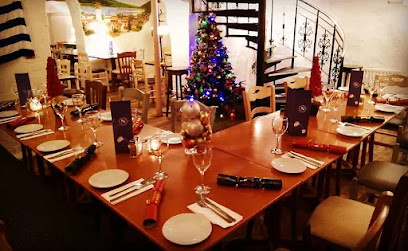
Zaap Thai Street Food Newcastle
0.4 km
Experience the vibrant flavors and lively atmosphere of Thai street food right in the heart of Newcastle’s city center.
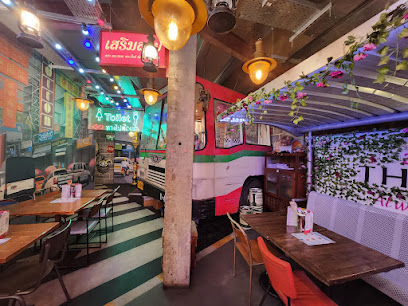
Hibou Blanc
0.4 km
Elegant French-British cuisine and refined hospitality in Newcastle's historic Bigg Market.
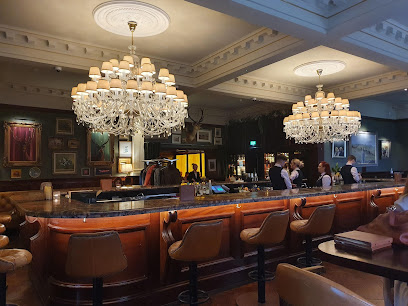
Kaltur Wine Bar & Restaurant High Bridge
0.5 km
Experience authentic Spanish tapas and fine wines in a cozy, lively wine bar setting at Newcastle’s historic High Bridge.
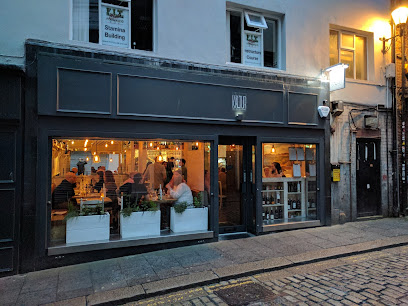
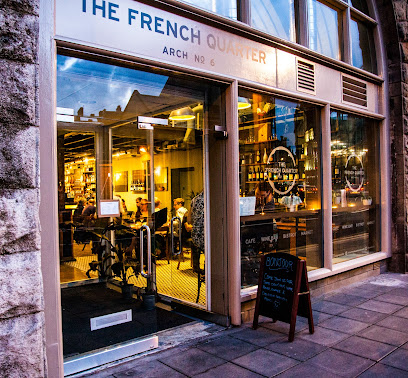
The French Quarter
0.5 km
Experience authentic French cuisine and an exceptional wine selection in a chic bistro nestled within Newcastle’s historic Westgate Road arches.
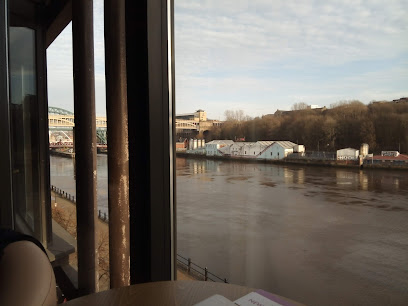
Quay 7 Restaurant & Bar
0.5 km
Classic British dining with stunning river views on Newcastle’s vibrant Quayside, perfect for relaxed meals and scenic drinks.
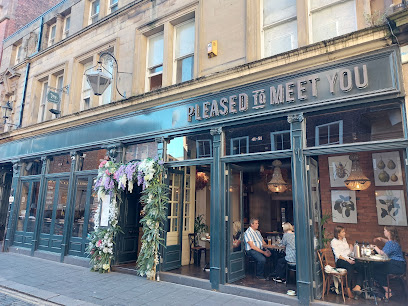
Pleased To Meet You
0.5 km
A stylish, late-night bar and restaurant in Newcastle’s city centre, blending rustic charm with vibrant cocktails and seasonal British cuisine.
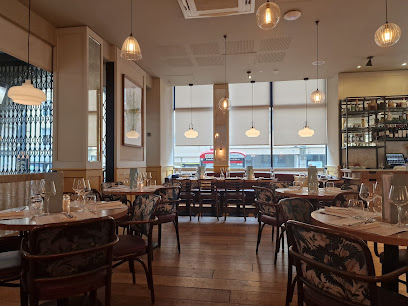
Côte Newcastle
0.5 km
Experience refined French cuisine and charming brasserie vibes in Newcastle’s vibrant city centre on historic Grainger Street.
No28
0.5 km
Discover the vibrant nightlife at No28 in Newcastle – where tapas meets cocktails in an unforgettable bar and nightclub experience.
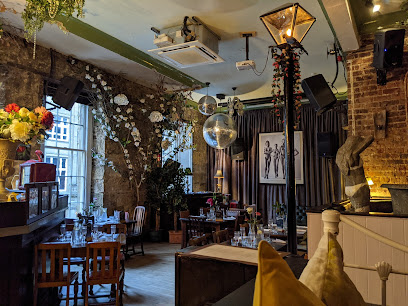
Markets, malls and hidden boutiques

Newcastle Gifts
0.2 km
Discover authentic Geordie souvenirs, local art, and NUFC treasures at this charming Neville Street gem opposite Central Station—your perfect Toon memento stop.
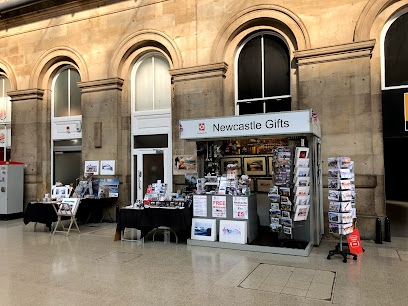
Flip Vintage American Clothing
0.2 km
Newcastle’s premier vintage store since 1978, offering authentic American vintage clothing with quality, character, and style.
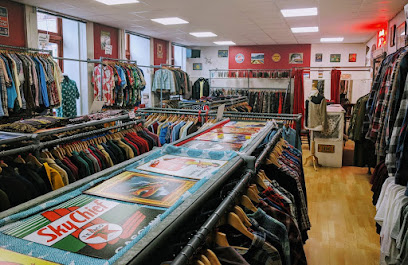
Living Essential
0.3 km
Grainger Street's go-to for stylish, affordable homewares that make city living cozy and practical in Newcastle's heart.

Phillips & Wilde
0.4 km
Discover exquisite gift baskets and gourmet hampers in Newcastle's iconic Grainger Market – perfect for festive cheer, corporate gifts, or personal indulgences amid vibrant market buzz.
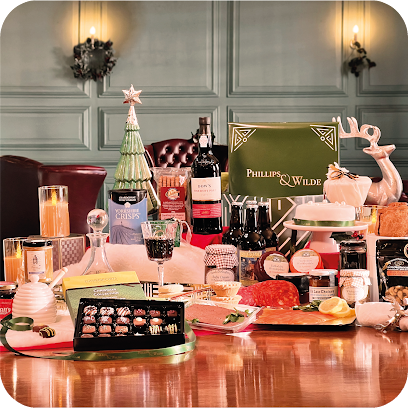
Tian's Gifts
0.4 km
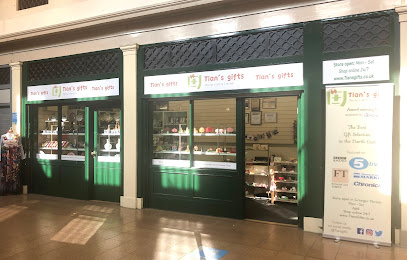
Discover unique handcrafted gifts and charming treasures at Tian's Gifts, nestled in Newcastle’s historic Grainger Market.
Analog
0.4 km
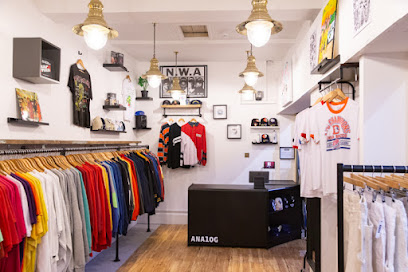
Curated vintage and second‑hand clothing tucked into Alley 3 of Newcastle’s Grainger Market — small stall, big finds.
Garms Newcastle
0.5 km
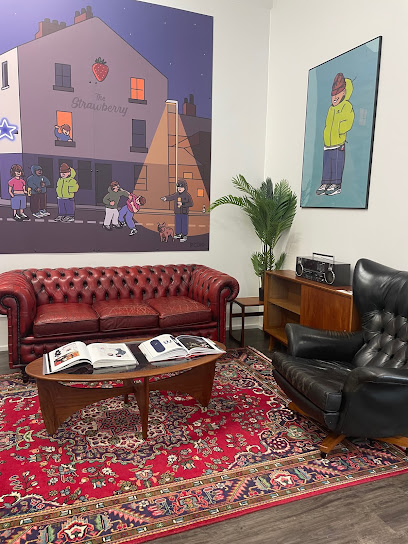
Small, curated vintage clothing shop on Grainger Street, blending durable classics with street-ready retro finds.
Earl and Coco
0.5 km
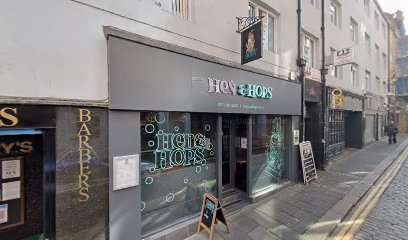
Quirky treasures and artisan delights await in this hidden gem of Newcastle's Grainger Town, where every find tells a story.
Vintagera.co.uk
0.5 km
Discover exquisite handcrafted jewelry, pottery, and bespoke framing in the heart of Newcastle’s vibrant Grainger Market.
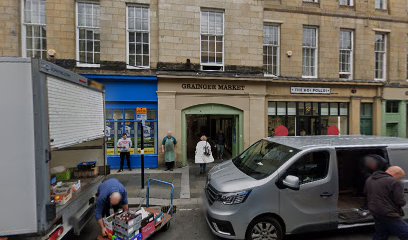
Box it up gifts
0.5 km
Discover unique souvenirs and locally crafted gifts at Box It Up Gifts in Newcastle upon Tyne, a must-visit for every traveler.

Little Bazaar
0.5 km
A cosy, hand-curated gift stall in Grainger Market for crystals, dreamcatchers and small bohemian keepsakes.

Geordie Gifts
0.5 km
Discover authentic Geordie culture through unique gifts in the heart of Newcastle’s historic Grainger Market.
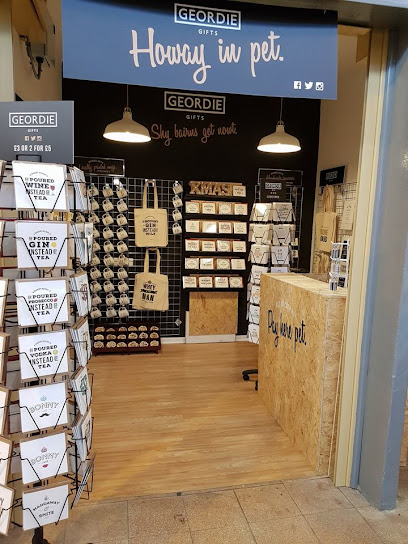
Soul Rebel (Newcastle)
0.5 km
Discover a unique fusion of stylish apparel and holistic wellness at Soul Rebel, Newcastle's premier destination for fashion and self-care.
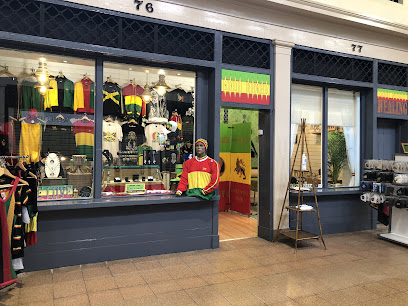
The Yesterday Society Vintage Boutique
0.5 km
Discover vintage treasures and retro style at The Yesterday Society, a charming boutique nestled in Newcastle’s historic Grainger Market.
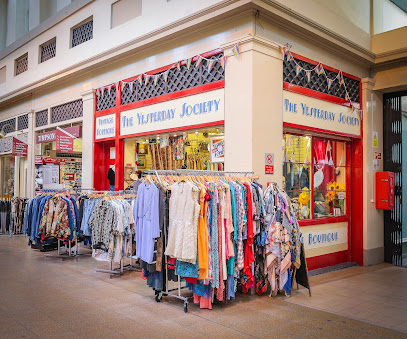
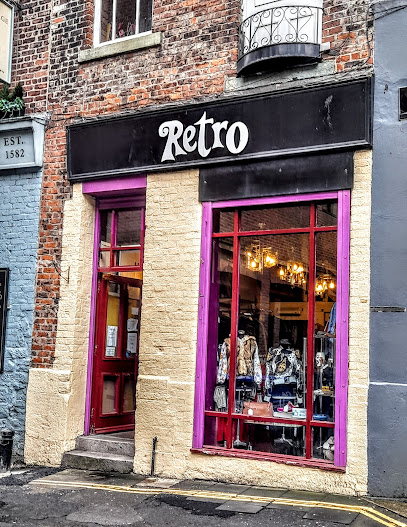
Retro , Vintage Clothing Newcastle.
0.5 km
Discover timeless style and unique vintage finds at Retro Newcastle, your go-to boutique for retro clothing in the heart of the city.
Essential bars & hidden hideouts

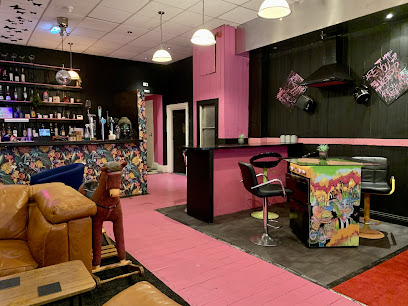
The Mad House
0.1 km
Dive into Newcastle’s quirkiest cocktail bar where mad creativity meets bold flavors and unforgettable fun at The Mad House.
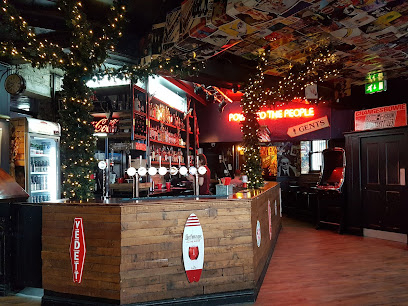
The Dog & Parrot
0.1 km
A vibrant Newcastle pub where live music, punk vibes, and friendly faces create an unforgettable night out.
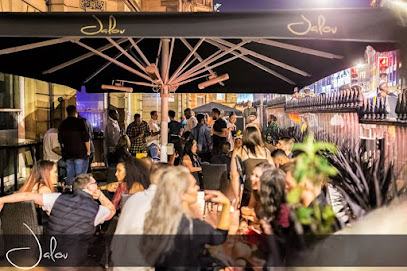
Jalou
0.3 km
Experience Newcastle’s chic cocktail haven where Parisian glamour meets hip hop beats and creative mixology.
Slug & Lettuce - Central Newcastle
0.3 km
Newcastle's go-to for endless cocktails, bottomless brunches, and non-stop party vibes on Grainger Street – where every hour is happy hour.
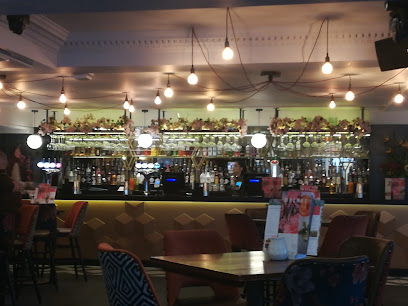
Revolution Newcastle Upon Tyne
0.3 km
Experience vibrant nightlife and handcrafted cocktails in Newcastle’s stunning former bank with soaring ceilings and marble pillars.
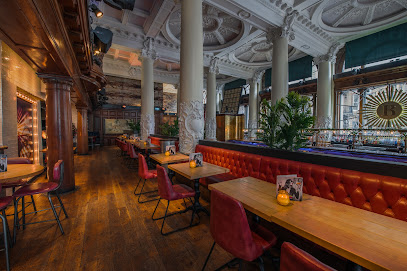
MOJO
0.3 km
MOJO Newcastle: Rock 'n' roll cocktails, American comfort food, and lively entertainment in The Gate’s vibrant nightlife hub.
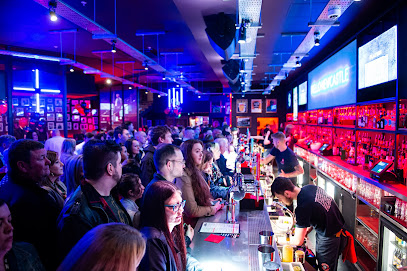
ChachaBuchi
0.4 km
Rustic glamour meets vibrant nightlife in Newcastle’s chic cocktail bar with alpine-inspired cuisine and lively entertainment.
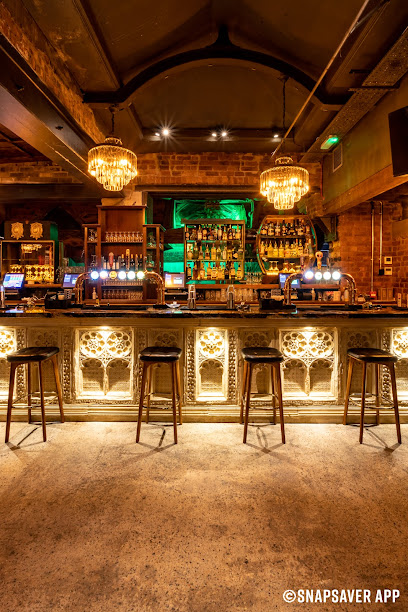
The WonderBar
0.4 km
A lively Newcastle venue combining interactive darts, live music, great food, and sports viewing under one vibrant roof.
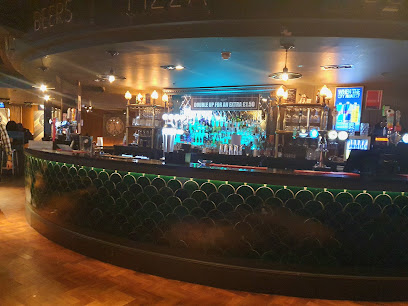
Duke Of Northumberland (The Clock)
0.4 km
A welcoming Geordie pub in Newcastle city center, offering traditional fare, seasonal ales, and lively weekend music nights in a cozy setting.
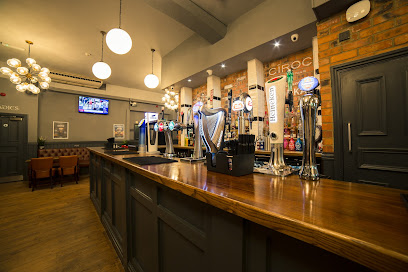
The Mushroom Bar
0.4 km
A compact, budget-friendly club-bar on Grainger Street that keeps late-night DJs, drink deals and a party crowd at its heart.
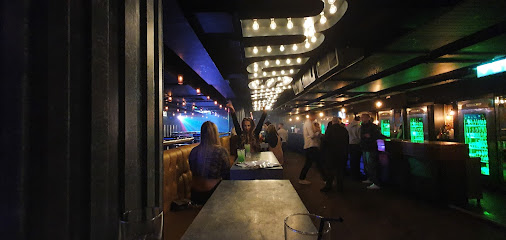
All Seeing Eye.
0.4 km
Discover Newcastle's speakeasy secret: art deco cocktails behind a hidden door on Groat Market, blending historic intrigue with masterful mixology.
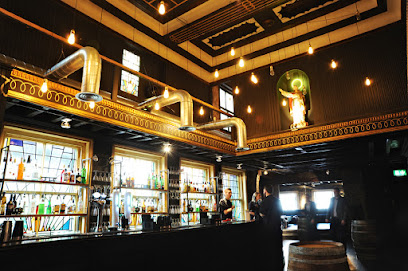
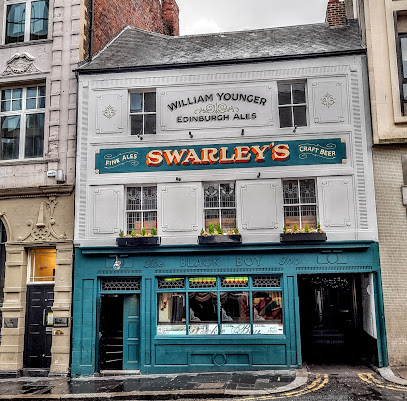
Blackie Boy
0.4 km
Historic Newcastle bar with cosy vibes, free jukebox anthems, cheap drinks deals, and late-night energy in Groat Market's lively heart.
Mother Mercy
0.5 km
Newcastle's speakeasy secret: inventive cocktails via roulette wheel in a historic Cloth Market hideaway, blending mixology mastery with intimate Mediterranean chic.
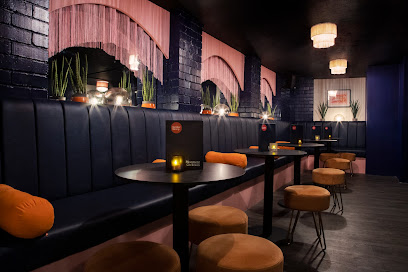
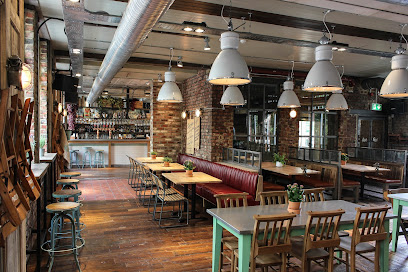
Bealim House
0.5 km
Newcastle’s unique gin distillery, bar, and eatery blending industrial heritage with vibrant social dining and exceptional gin experiences.
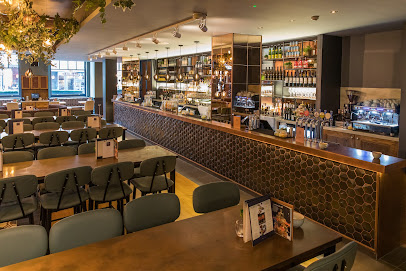
All Bar One Newcastle
0.5 km
Stylish Grey Street bar serving coffee by day and cocktails by night, with tapas and wines in Newcastle's buzzing heart.
Nightclubs & after hour spots

Digital
0.2 km
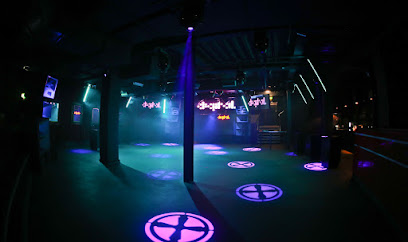
Experience cutting-edge nightlife with superior sound and vibrant energy at Digital, Newcastle’s premier clubbing destination in Times Square.
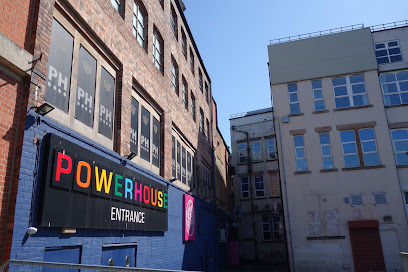
Powerhouse
0.2 km
Newcastle’s iconic four-floor nightclub blending rich LGBTQ+ history with vibrant, inclusive nightlife and dynamic music scenes.
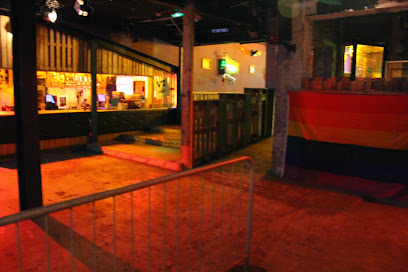
Sinners
0.3 km
Dive into sinfully themed nights at this affordable Newcastle nightclub, where red lights, bold art, and cheap drinks fuel the city's unbeatable party spirit.

Warehouse Night Club(SR44)
0.4 km
Experience Newcastle’s vibrant underground gay nightclub scene at Warehouse Night Club (SR44), where eclectic music and lively parties come alive.
The Social Club
0.4 km
Experience Newcastle’s vibrant nightlife at The Social Club, where music, cocktails, and dancing come alive until the early hours.
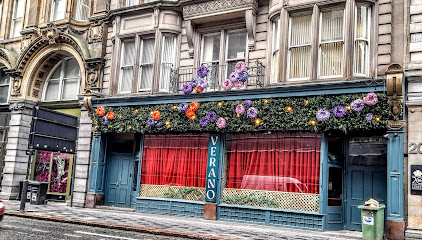
Cosmic Ballroom
0.4 km
Newcastle's longest-running underground club: two floors of electronic beats, guest DJs, and non-stop dancing till dawn in an intimate Stowell Street hideaway.
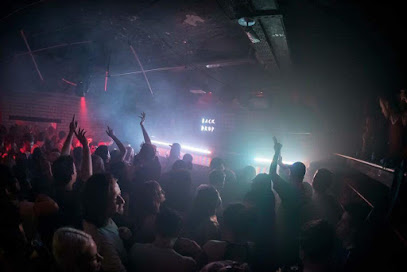
Bohemia Newcastle
0.4 km
Neon-lit cocktail bar and compact club with graffiti murals, a mezzanine dance space and a sheltered courtyard terrace for late-night socialising.
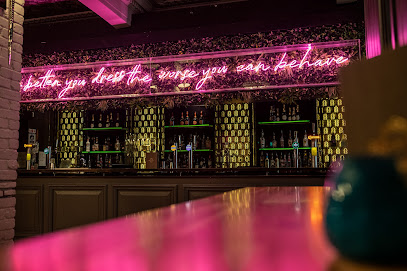
Popworld - Newcastle
0.4 km
A neon-soaked pop party on Newcastle’s Bigg Market—cheap drinks, nostalgic anthems and a packed dancefloor for late-night revelry.
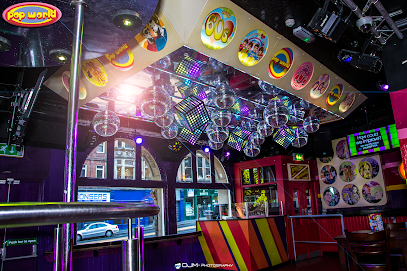
Loca Loca | Newcastle
0.4 km
A compact, neon-lit nightclub on Groat Market serving late-night dance, chart and urban sets in an intimate city-centre setting.
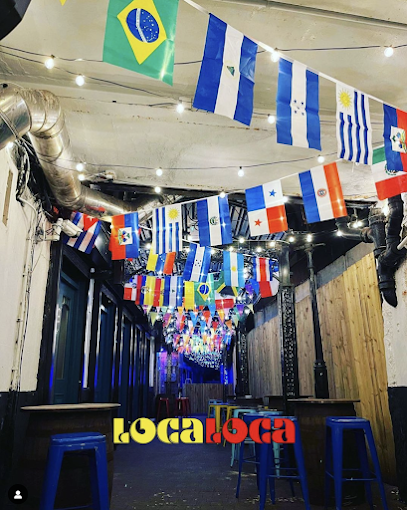
TROPICANA NEWCASTLE
0.4 km
Experience Newcastle’s vibrant nightlife at Tropicana, a lively nightclub blending cocktail sophistication with energetic club beats in the city’s heart.
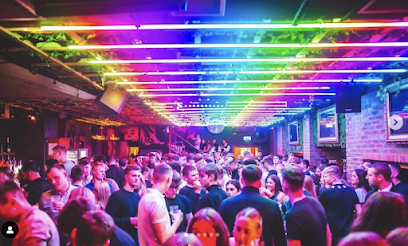
TheCUT Newcastle
0.5 km
Discover Newcastle’s vibrant alternative nightclub with themed indie, rock, and disco nights in a cozy, unpretentious setting.
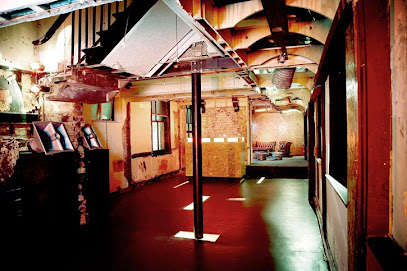
Tup Tup Palace
0.5 km
Experience Newcastle’s vibrant nightlife in style at Tup Tup Palace, a luxurious club blending exotic décor with pulsating beats until the early hours.
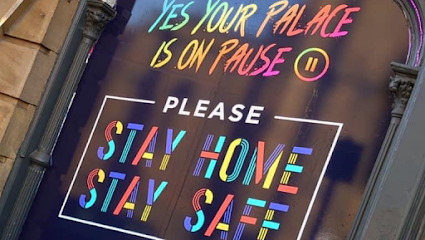
Flares - Newcastle
0.5 km
Newcastle's ultimate retro disco den: neon grooves, cheesy anthems, and non-stop dancing from 70s to 00s in the heart of the nightlife scene.
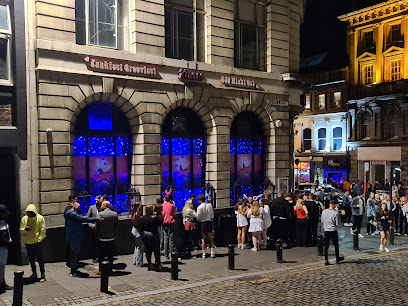
Greys Club
0.5 km
Experience Newcastle’s iconic nightlife at Greys Club, where vibrant music, a stylish terrace, and lively crowds create unforgettable late-night memories.
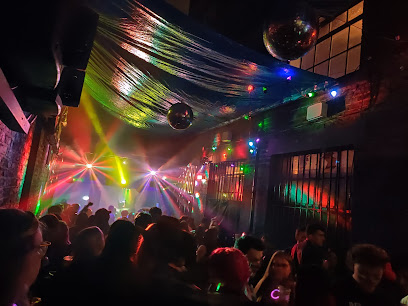
SOHO ROOMS | Newcastle
0.6 km
Four floors of late‑night music and cocktails in the heart of Newcastle’s city‑centre party district, favoured by students and night owls.
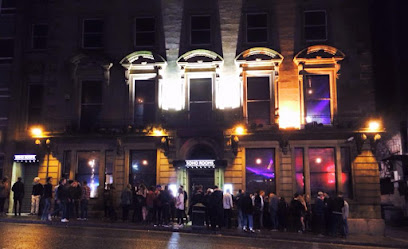
For the vibe & atmosphere seeker
- Tranquil
- Scenic
- Unique
- Relaxing
For the design and aesthetic lover
- Vintage Styles
- Art Deco Styles
For the architecture buff
- Historic
- Landmarks
- Sacred Sites
For the view chaser and sunset hunter
- Iconic Views
- Skyline
- Sunrise Spots
- Sunset Spots
For the social media creator & influencer
- Instagrammable
- Photo Spots
- Selfie Spots
- Architectural Shots
For the eco-conscious traveler
- Public-Transport Accessible
- Locally Managed
For the kind of experience you’re after
- Cultural Heritage
- Spiritual / Energy Spot
- Photowalk
- Day Trip
- Weekend Getaway
For how adventurous you want the journey to be
- Easy Access
Location Audience
- Family Friendly
- LGBT Friendly
- Senior Friendly
- Child Friendly
- Teen Friendly
- Wheelchair Access
- Pet Friendly
- Solo Friendly
- Couple Friendly
- Solo Female Friendly
- Vegetarian Friendly
- Vegan Friendly


