
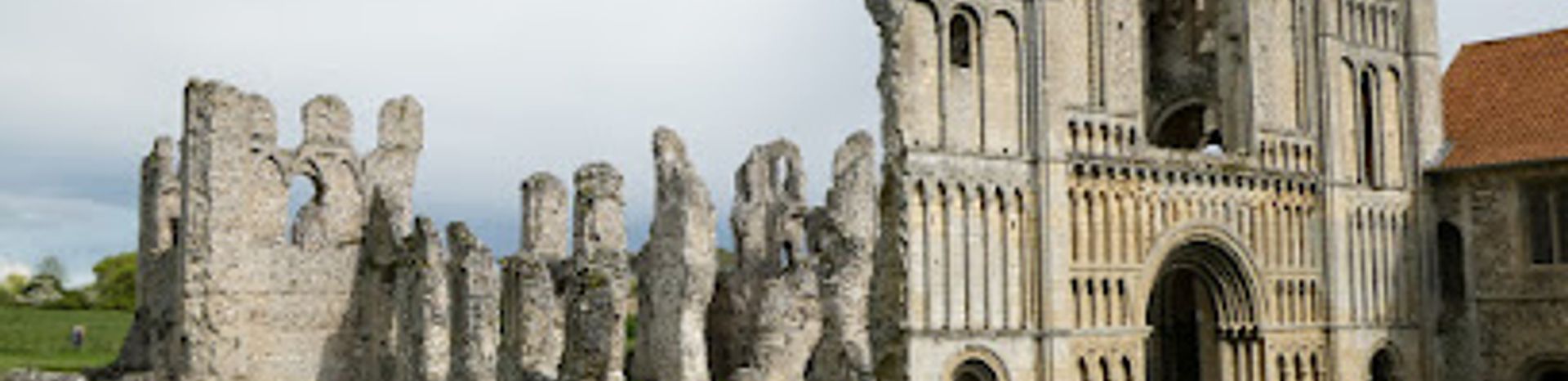
Castle Acre Priory: Majestic Ruins of Norman Monastic Power
Explore one of England’s largest and best-preserved Norman monastic ruins, where medieval history and tranquil beauty meet in Norfolk’s Castle Acre.
Castle Acre Priory, located in Norfolk, England, is one of the largest and best-preserved Cluniac monastic sites in the country. Founded in the late 11th century by William de Warenne, a Norman noble rewarded after the Battle of Hastings, the priory showcases impressive medieval architecture, including a grand priory church, cloisters, and the prior’s lodgings. Visitors can explore atmospheric ruins set in tranquil grounds with a recreated herb garden, gaining insight into monastic life and Norman influence in medieval England.
A brief summary to Castle Acre Priory
- Priory Rd, King's Lynn, Castle Acre, GB
- +443703331181
- Visit website
- Duration: 1 to 3 hours
- Mid ranged
-
 Outdoor
- Mobile reception: 4 out of 5
- Monday 10 am-5 pm
- Tuesday 10 am-5 pm
- Wednesday 10 am-5 pm
- Thursday 10 am-5 pm
- Friday 10 am-5 pm
- Saturday 10 am-5 pm
- Sunday 10 am-5 pm
Local tips
- Use the audio guide or pick up a guidebook to fully appreciate the priory’s history and architectural details.
- Wear sturdy footwear as some paths and stairs can be uneven or slippery, especially in wet weather.
- Visit the recreated herb garden to see plants historically used by the monks for medicine and cooking.
- Bring a hat and water during sunny days as much of the site is exposed to the elements.
- Dogs on a leash are welcome, making it a great spot for pet owners seeking a historical walk.

For the on-the-go comforts that matter to you
- Restrooms
- Drink Options
- Food Options
- Seating Areas
- Trash Bins
- Information Boards
- Visitor Center
Getting There
-
Car
Driving from King's Lynn takes approximately 25 to 35 minutes via the A148 and B1145. Free parking is available at the site, but spaces are limited, so early arrival is recommended. The roads are generally well-maintained but can be narrow near the village.
-
Bus
Local bus services connect King's Lynn to Castle Acre with travel times around 40 to 50 minutes. Services run several times daily but check schedules in advance as frequency varies, especially on weekends. The priory is a short walk from the bus stop.
-
Train + Taxi
The nearest train station is in King's Lynn, about 15 miles away. From there, taxis take approximately 30 minutes to reach Castle Acre Priory. Taxi fares range from £30 to £40. This option is suitable if you prefer rail travel combined with a direct transfer.
-
Walking
For active visitors, walking from the village center to the priory takes about 10 to 15 minutes over mostly flat terrain with some uneven paths. The route is accessible but may be muddy in wet weather, so appropriate footwear is advised.
Castle Acre Priory location weather suitability
-
 Any Weather
-
 Rain / Wet Weather
-
 Clear Skies
-
 Mild Temperatures
-
 Windy Conditions
Discover more about Castle Acre Priory
Foundations of Norman Devotion and Power
Castle Acre Priory was established around 1089 by William de Warenne, 2nd Earl of Surrey, a Norman knight who fought alongside William the Conqueror at the Battle of Hastings. Inspired by the great French monastery of Cluny, the priory was founded as part of the Cluniac order, known for its elaborate liturgy and architectural grandeur. Initially sited within the castle walls, the monks relocated to a larger site within the castle grounds to accommodate their growing community. The priory was dedicated to St Mary, St Peter, and St Paul, reflecting its religious significance and the Warenne family’s devotion.Architectural Grandeur and Monastic Life
The priory church, consecrated between 1146 and 1148, stands as a testament to Norman and medieval craftsmanship, with its imposing west front still largely intact. The extensive ruins include the cloister, chapter house, dormitory, refectory, and a brewery, illustrating the self-sufficient life of the monks. The prior’s lodging is among the best-preserved examples of medieval domestic architecture in England, offering a glimpse into the living quarters of the monastic leadership. The site’s flamboyant decoration and stonework reflect the wealth and influence of the Cluniac order and the patronage of the Warenne family.Historical Challenges and Revival
During the late 13th and 14th centuries, the priory faced punitive taxation and restrictions due to its French connections amidst wars between England and France. However, in 1325, it secured English status, allowing the community to flourish again. Subsequent improvements included rebuilding the priors’ lodging and enhancing the gatehouse. The priory also benefited from royal grants and exemptions from tolls, underscoring its importance in medieval society. Nobles, merchants, and royalty such as King Henry III and King Edward I stayed at the priory, highlighting its role as a religious and social hub.Dissolution and Preservation
The priory was dissolved in 1537 under Henry VIII’s suppression of monasteries. Much of the church was demolished, and the monastic buildings dismantled, though the prior’s lodging survived and remained in use into the 17th century. The property eventually passed to Sir Edward Coke in 1615, whose descendants still own the land. Restoration efforts by the State and English Heritage have preserved the ruins, making Castle Acre Priory one of England’s most impressive and atmospheric monastic sites.Visitor Experience and Surroundings
Today, Castle Acre Priory is managed by English Heritage and open to the public. Visitors can explore the ruins at their own pace, supported by informative panels, exhibitions, and audio guides. The recreated herb garden next to the visitor center grows plants used by the monks for medicinal and culinary purposes. The tranquil grounds and peaceful atmosphere invite quiet reflection, while the nearby village of Castle Acre offers additional historical attractions, including the castle and Bailey Gate. The site is dog-friendly and equipped with amenities such as restrooms, a gift shop, and picnic areas.Legacy of a Norman Landmark
Castle Acre Priory remains a powerful symbol of Norman influence in England, showcasing the religious, architectural, and social ambitions of its founders. Its extensive ruins provide a tangible connection to medieval monastic life and the complex history of England’s religious institutions. As one of the largest Cluniac priories in the country, it holds a unique place in Norfolk’s heritage and offers a richly rewarding experience for history enthusiasts, architecture lovers, and visitors seeking a serene cultural escape.Iconic landmarks you can’t miss

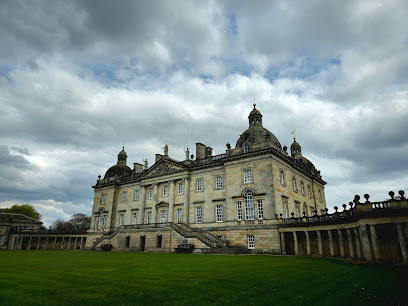
Houghton Hall & Gardens Norfolk
14.2 km
Experience the beauty and history of Houghton Hall & Gardens in Norfolk, where stunning architecture meets exquisite gardens and delightful café experiences.
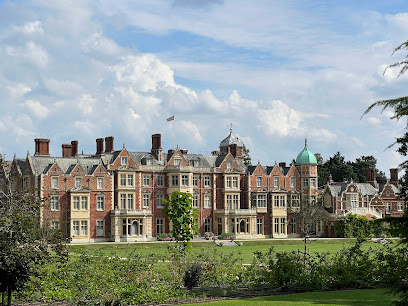
Sandringham Estate
18.4 km
Explore Sandringham Estate, a historical landmark in Norfolk, featuring exquisite gardens and rich royal history, perfect for all visitors.
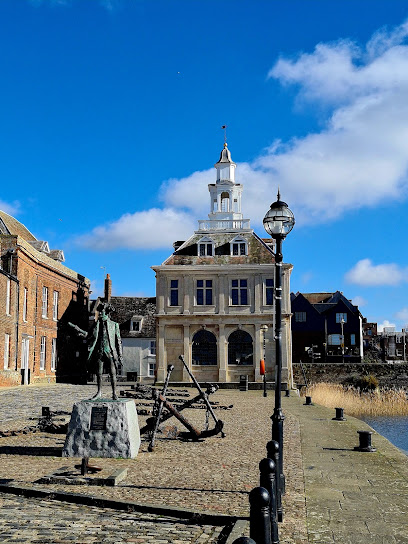
Customs House
20.4 km
Explore Customs House in King's Lynn, a historical gem revealing the rich maritime heritage and stunning architecture of this charming coastal town.
Visit The Broads
32.4 km
Your gateway to exploring the enchanting waterways, wildlife, and heritage of the Norfolk Broads National Park.
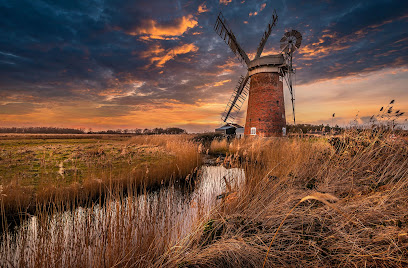
Baconsthorpe Castle
38.5 km
Explore the atmospheric ruins of a 15th-century fortified manor, once home to the powerful Heydon family of Norfolk.
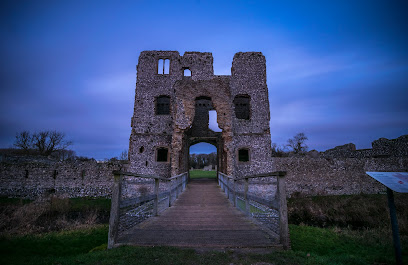
VisitNorwich
41.2 km
Discover Norwich Cathedral’s soaring Norman spire, medieval carvings, and tranquil cloisters nestled in a vast historic sanctuary.
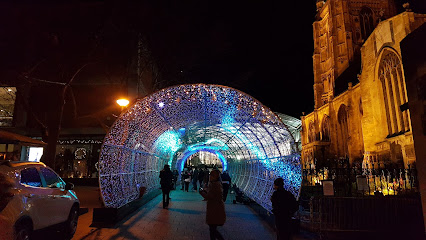
Pull's Ferry
42.8 km
A tranquil 15th-century watergate and ferry house on Norwich’s River Wensum, blending rich medieval history with scenic riverside charm.
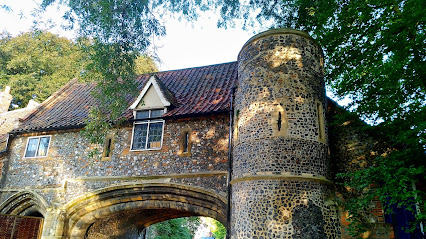
Faircraft Loynes
48.7 km
Discover the beauty of the Broads with Faircraft Loynes, your premier boat tour agency and rental service in Wroxham, offering unforgettable waterway experiences.
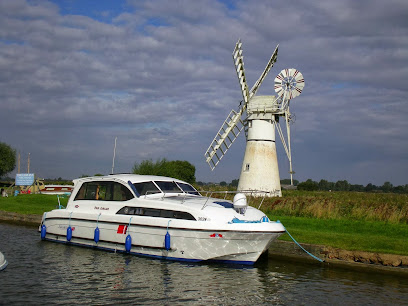
Wroxham Bridge
48.8 km
Historic 17th-century bridge and vibrant boating hub connecting Wroxham and Hoveton on the scenic Norfolk Broads.
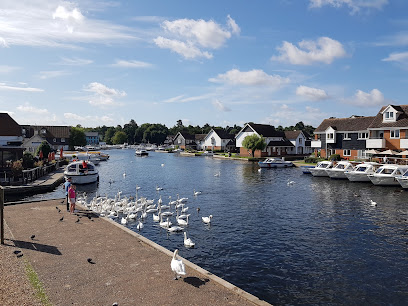
Eye Castle
52.8 km
Discover the historic Eye Castle, a medieval gem in Eye, England, offering stunning architecture and rich history for curious travelers.
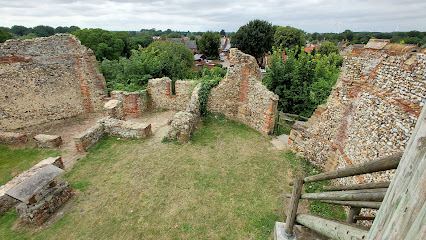
The Jubilee Clock Tower
54.1 km
A striking Victorian landmark in Skegness, the Jubilee Clock Tower commemorates Queen Victoria’s Diamond Jubilee and anchors the town’s historic seaside charm.
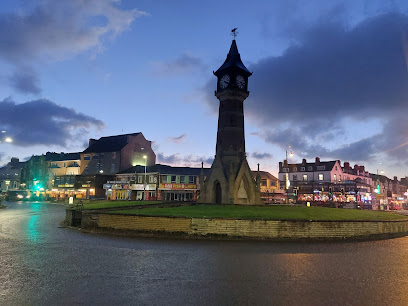
Tower Gardens
54.3 km
Discover the beauty of Tower Gardens in Skegness, a peaceful park ideal for families, nature lovers, and anyone seeking a relaxing retreat.
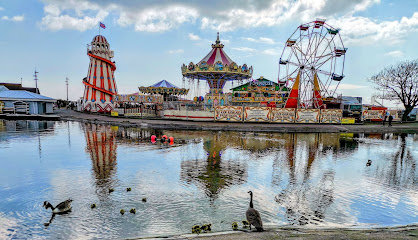
Skegness Pier
54.3 km
Experience endless fun, delicious food, and stunning views at Skegness Pier, the ultimate seaside amusement destination in the UK.
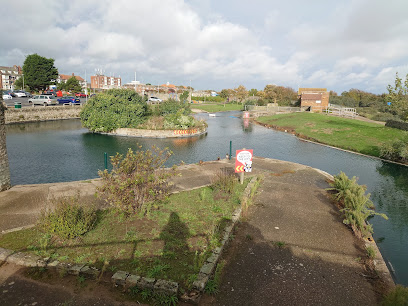
Jolly Fisherman Statue
54.5 km
Explore the charm of Skegness at the Jolly Fisherman Statue, a beloved landmark celebrating the town's fishing heritage and coastal beauty.
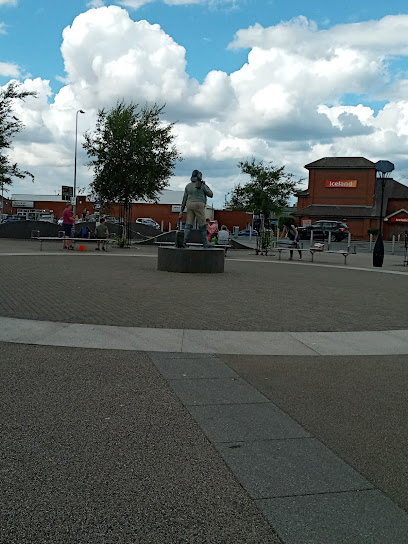
TourNorfolk
54.5 km
Discover the essential internet marketing services at TourNorfolk, where local charm meets digital expertise in the heart of Barton Turf.
Unmissable attractions to see

Castle Acre
0.4 km
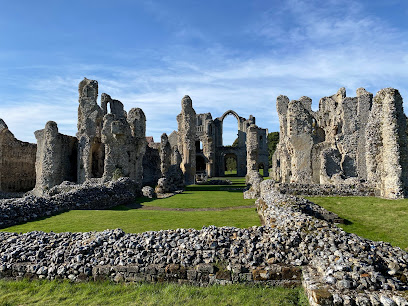
Explore the evocative ruins of a Norman motte-and-bailey castle and medieval village nestled in tranquil Norfolk countryside.
Shabbytatt
5.9 km
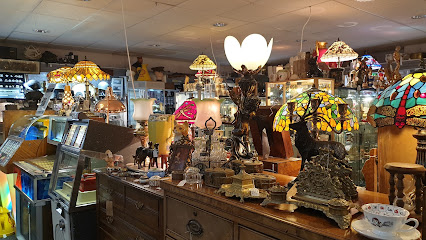
Discover unique antiques and army surplus treasures in a warm, welcoming shop nestled in the heart of Swaffham.
Oxburgh Estate
15.3 km
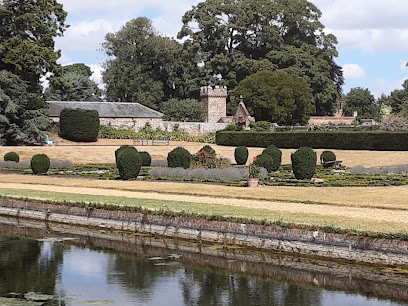
Discover Oxburgh Estate, a moated medieval manor where Catholic history, royal legacy, and Gothic revival architecture intertwine in tranquil Norfolk parkland.
Gressenhall Farm & Workhouse
16.1 km
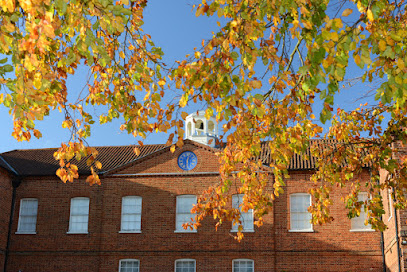
Explore Norfolk’s rich rural heritage and Victorian workhouse history at Gressenhall Farm & Workhouse, a living museum on a sprawling 50-acre site.
Castle Rising
17.6 km
Explore one of England’s finest Norman castles, a royal residence and hunting lodge steeped in medieval history and surrounded by majestic earthworks.
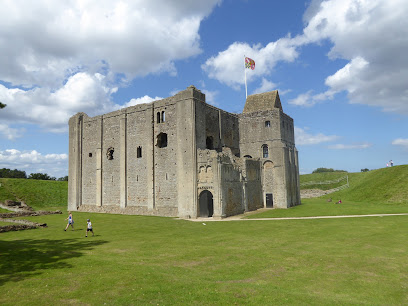
Bircham Windmill
18.7 km
Explore a fully restored 19th-century working tower mill in Norfolk with bakery, tearoom, panoramic views, and unique countryside stays.
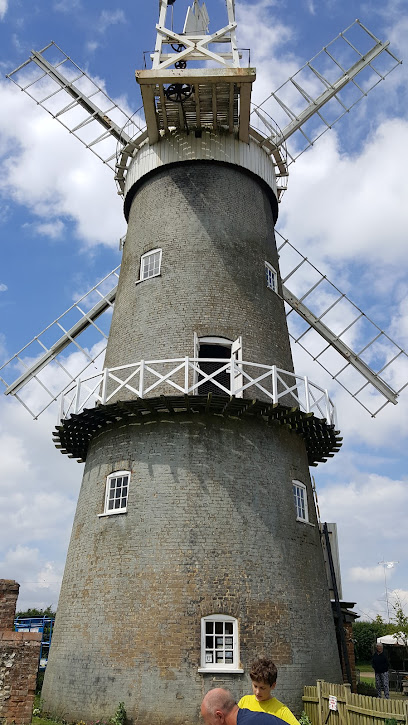
RSPB Snettisham
24.3 km
Experience breathtaking bird spectacles and tranquil coastal beauty at RSPB Snettisham, Norfolk’s premier nature reserve for wildlife lovers.
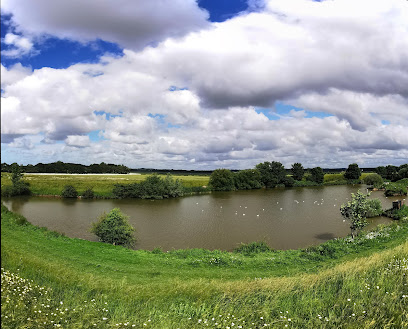
Denver Windmill
24.9 km
Historic 1835 Norfolk tower mill restored to life, blending heritage tours with vibrant craft fairs and local hospitality.
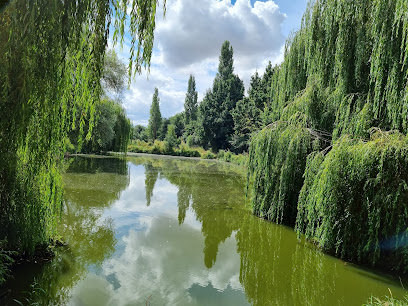
Creake Abbey ruins
25.0 km
Explore the atmospheric 13th-century Creake Abbey ruins nestled in tranquil Norfolk meadows, where history, nature, and local culture intertwine.
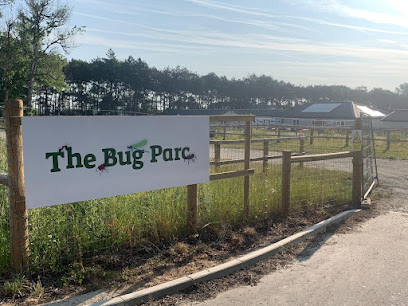
The Bug Parc
27.2 km
Explore England’s only all-invertebrate zoo with over 200 species, interactive bug handling, and family-friendly fun in the Norfolk countryside.
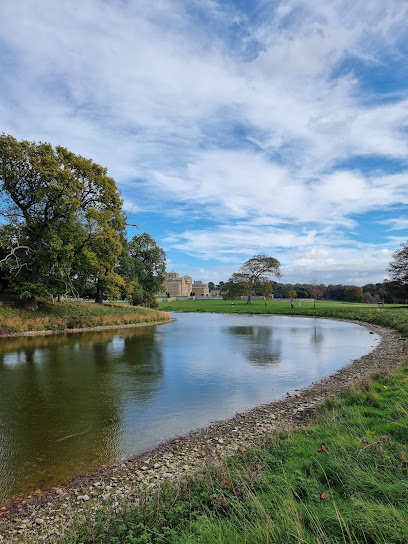
Holkham Hall
28.9 km
Discover Holkham Hall, a stunning 18th-century Palladian estate blending classical elegance, rich heritage, and expansive Norfolk coastal landscapes.
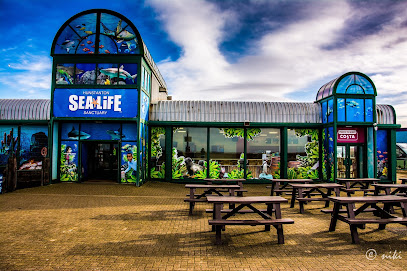
SEA LIFE Hunstanton
29.3 km
Explore Norfolk’s only seal sanctuary and vibrant marine aquarium with over 2,000 creatures, immersive exhibits, and inspiring conservation efforts.
RSPB Titchwell Marsh
29.6 km
Discover diverse habitats and spectacular birdlife at Norfolk’s coastal gem, RSPB Titchwell Marsh Nature Reserve.
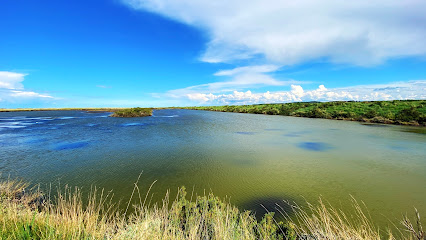
National Trust - Brancaster Estate
29.6 km
Explore Norfolk’s stunning Brancaster Estate with its golden sands, historic Roman fort, vibrant harbour, and rich wildlife habitats.
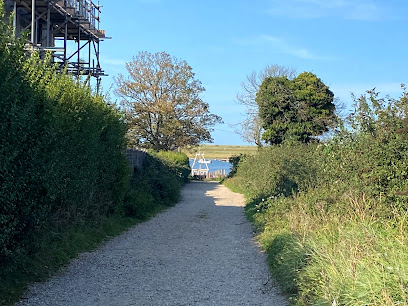
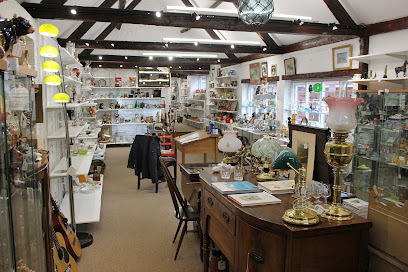
Old Hunstanton Barns
30.6 km
Discover handcrafted treasures and antiques in charming converted barns just minutes from Old Hunstanton’s scenic beach.
Essential places to dine

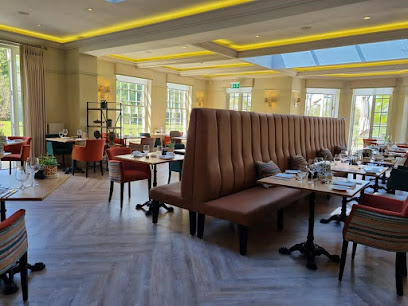
The Samphire Kitchen
13.1 km
Refined modern British dining with fresh, locally sourced ingredients in a stylish Norfolk manor setting.
The Old Bank
23.3 km
An intimate former bank turned acclaimed bistro, offering expertly crafted tasting menus and warm hospitality in Snettisham.
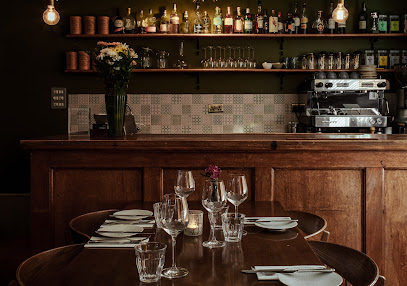
The White Horse Brancaster Staithe
29.5 km
A stylish coastal gastropub and hotel offering award-winning seafood, stunning tidal marsh views, and a tranquil Norfolk retreat.
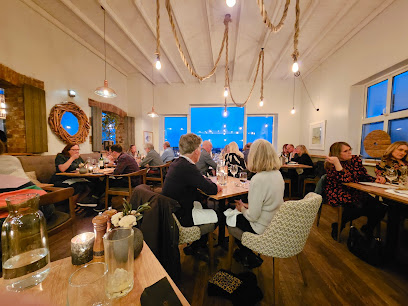
The Mulberry
32.3 km
Savor a refined blend of British and Italian cuisine in a warm, inviting atmosphere at The Mulberry, Thetford’s acclaimed dining gem.
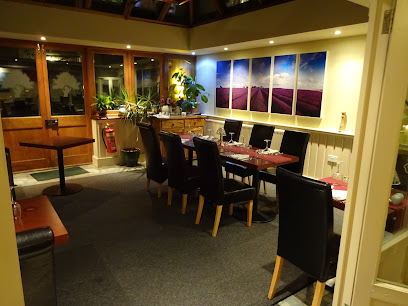
The Kings Head
34.5 km
A charming 4-star gastropub and inn in Bawburgh blending historic character with exceptional seasonal dining and cozy accommodation.
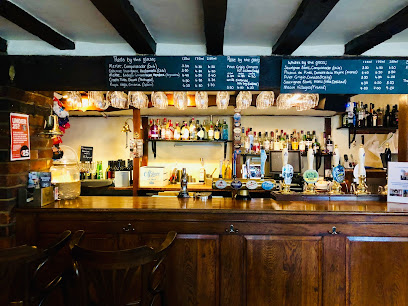
Meadowsweet Restaurant with Rooms
35.4 km
Michelin-starred modern British fine dining with boutique rooms in historic Holt, blending exquisite flavors with warm hospitality.
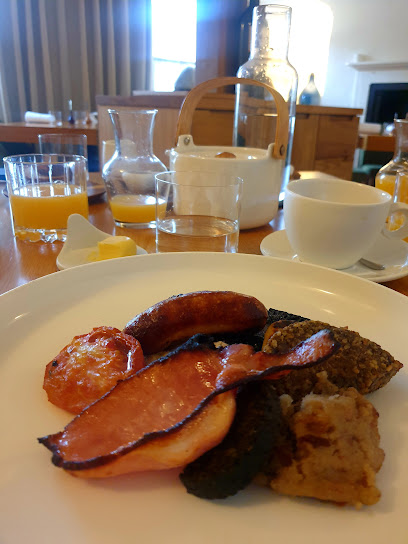
The Cellar House
39.7 km
A charming family-run pub in Norwich’s Eaton district, blending traditional British hospitality with beautifully crafted modern cuisine.
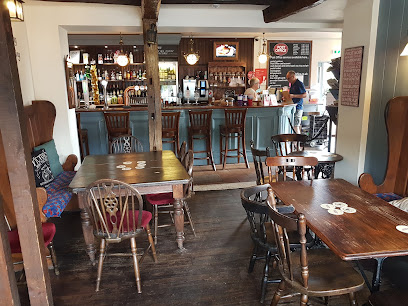
Roger Hickman's Restaurant
41.4 km
Elegant modern British fine dining with French flair in the heart of Norwich’s historic district.
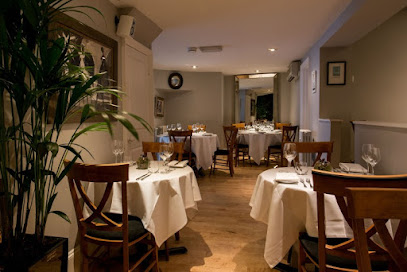
Mark Poynton at Caistor Hall
43.4 km
Experience Michelin-starred modern British cuisine in the elegant, historic Caistor Hall near Norwich.
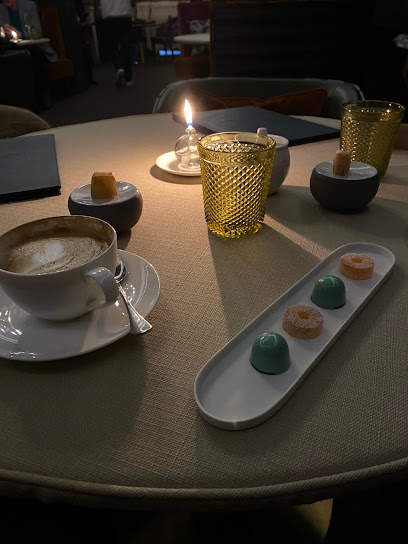
Stoke Mill STORE
43.7 km
Experience Michelin-starred contemporary dining in a historic 700-year-old watermill on the scenic River Tas near Norwich.

Stoke Mill Restaurant
43.7 km
Historic riverside mill turned elegant fine dining restaurant blending British tradition with contemporary culinary artistry.
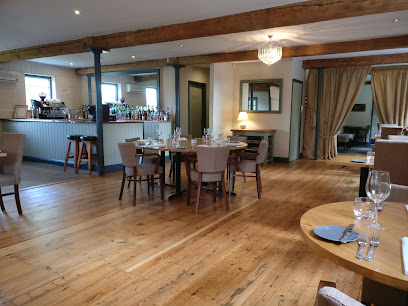
The Wildebeest
43.9 km
Michelin Bib Gourmand fine dining near Norwich, blending seasonal Norfolk produce with modern British culinary artistry in a relaxed, elegant setting.
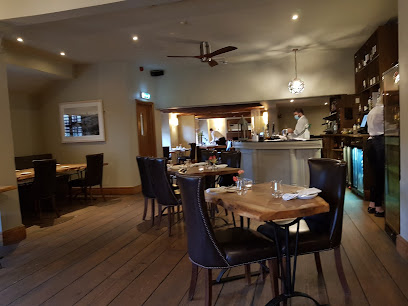
The Prince Albert
44.2 km
A charming traditional pub in Ely offering expertly crafted ales, fresh local food, and a welcoming atmosphere with a lively social calendar.
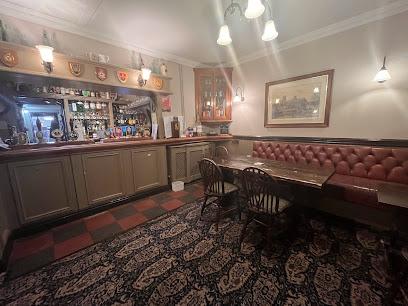
King's Head Coltishall
46.4 km
Historic Norfolk gastropub blending award-winning British cuisine, cozy B&B stays, and scenic Broads views in charming Coltishall village.
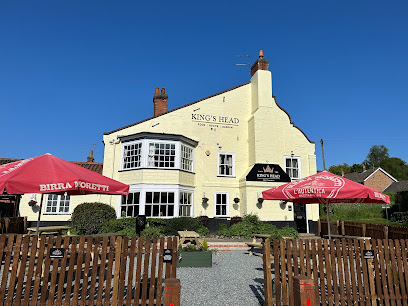
Rising Sun Coltishall
46.4 km
Charming riverside pub and inn in Coltishall serving hearty British fare with warm hospitality and scenic Norfolk Broads views.
Markets, malls and hidden boutiques

Norfolk Boutique
12.1 km
Discover elegant ladies' fashion and personalized service in the charming village setting of Norfolk Boutique, East Winch.

Unique Gifts & Interiors
29.7 km
Boutique gift and interiors shop in Hunstanton offering luxury home styling, bespoke furniture, and expert design services.
Very Nice Things Gift Shop
30.0 km
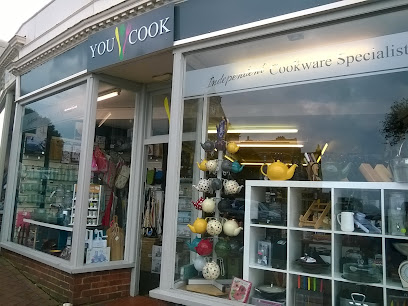
Discover quirky gifts and seasonal treasures in the heart of Reepham’s charming market town.
Flints Finds
30.0 km
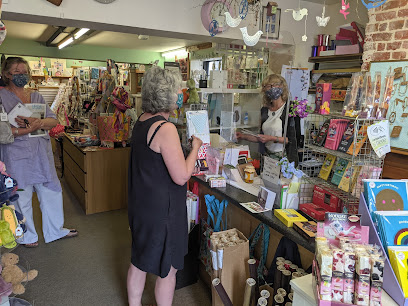
Discover authentic, sustainably sourced vintage clothing at Flints Finds, Hunstanton's premier destination for timeless style and eco-conscious fashion.

Natural East
30.7 km
Discover unique gifts and stylish home furniture in a charming coastal shop on The Quay at Wells-next-the-Sea.
Shop With A View
30.7 km
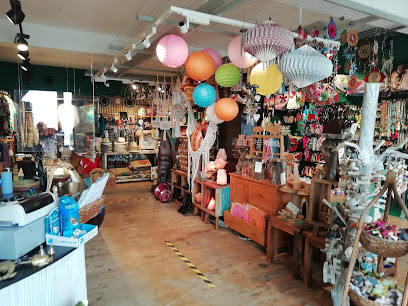
Charming gift shop on Wells-next-the-Sea’s picturesque quay, blending unique shopping with stunning harbour views and local maritime spirit.
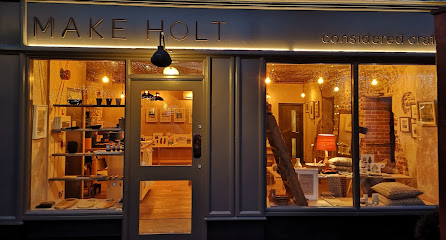
Make Holt
35.6 km
Discover unique handicrafts and homewares at Make Holt, a charming shop in the heart of Holt, showcasing local artistry and creativity.
Anglia Square
41.9 km
Eclectic shopping and vibrant local character converge in Norwich’s distinctive Anglia Square urban centre.
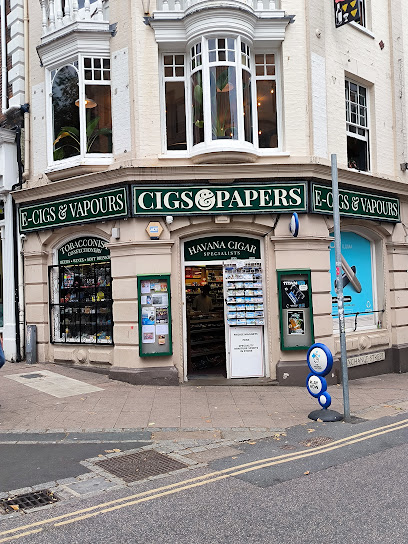
Norwich Lanes
42.0 km
Discover Norwich Lanes, a vibrant maze of independent shops, artisan cafes, and historic charm in the heart of Norwich city centre.
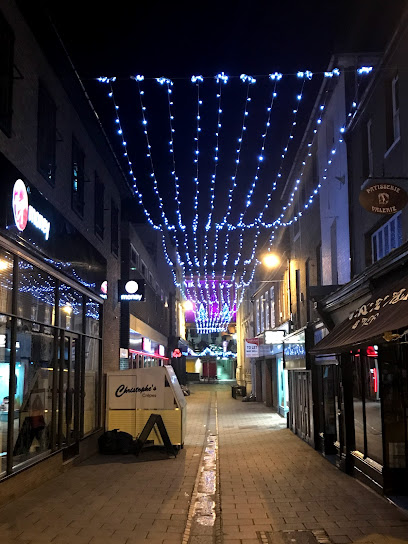
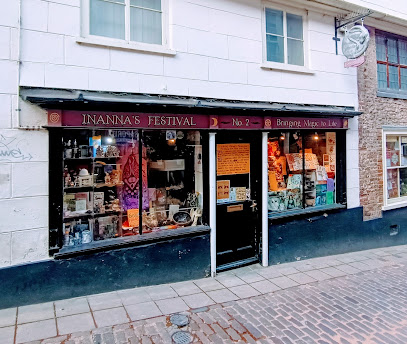
Inanna's Magical Gifts
42.0 km
Discover mystical treasures and handcrafted artistry at Inanna's Magical Gifts, Norwich’s premier metaphysical boutique.
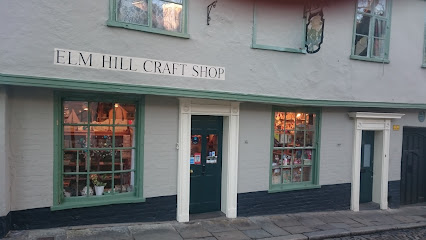
Elm Hill Craft Shop
42.1 km
Discover handcrafted gifts and nostalgic treasures in the heart of Norwich’s historic Elm Hill at Elm Hill Craft Shop.
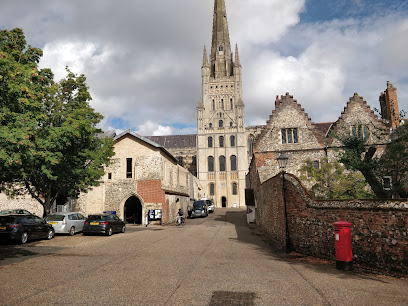
Cathedral Shop
42.3 km
Discover unique Norfolk crafts and Cathedral treasures at Norwich Cathedral’s charming Gift Shop in the historic Cathedral Close.
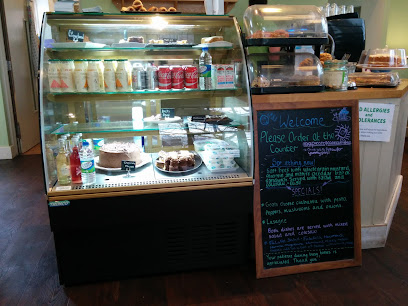
A Piece Of Cake
45.5 km
Cozy tea room and bakery in Coltishall, serving fresh cakes, hearty breakfasts, and traditional British fare in a charming riverside village setting.
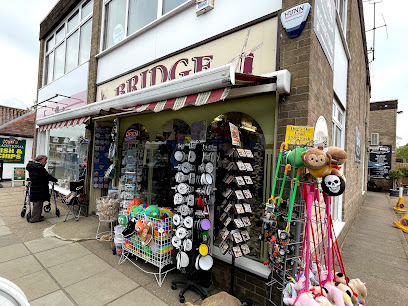
The Bridge Gift Shop
48.9 km
Discover unique local crafts and authentic souvenirs at The Bridge Gift Shop, a charming stop in the heart of Norfolk’s Broads.
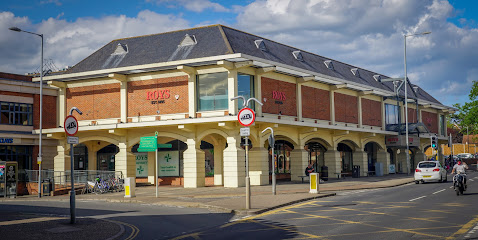
Roys of Wroxham Department store
49.0 km
Discover traditional British charm and a vast array of goods at Roys of Wroxham, Norfolk’s iconic department store and festive shopping haven.
Essential bars & hidden hideouts

The Brisley Bell
15.5 km
Historic 17th-century Norfolk pub with award-winning food, boutique rooms, and expansive gardens blending tradition and modern comfort.
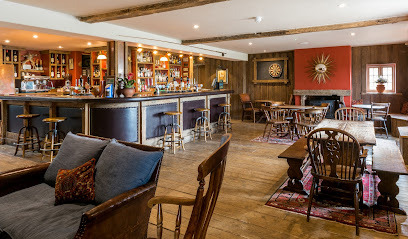
The Rose & Crown
23.3 km
A quintessential Norfolk village inn blending historic charm with modern dining, cozy rooms, and a welcoming pub atmosphere.

The Gin Trap Inn
27.7 km
A cozy Norfolk country pub and inn blending traditional charm with fine dining and comfortable, thoughtful accommodation.
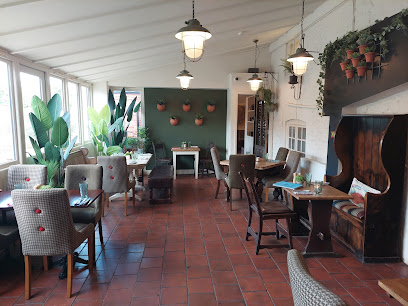
The White Horse Blakeney
36.2 km
Cosy, characterful gastropub and inn perched above Blakeney Quay, blending historic charm with coastal comfort on the Norfolk coast.
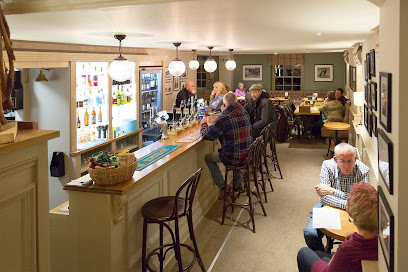
The Wallow | Self Service Wine Bar
41.9 km
Discover Norwich’s pioneering self-service wine bar offering over 50 wines, delicious sharing platters, and a relaxed, stylish atmosphere.
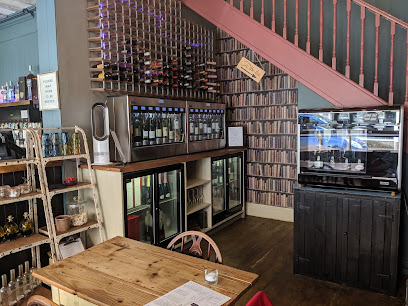
Coldham Hall
51.4 km
Charming riverside pub and bespoke wedding venue on the scenic Norfolk Broads, blending rustic warmth with stunning natural views.
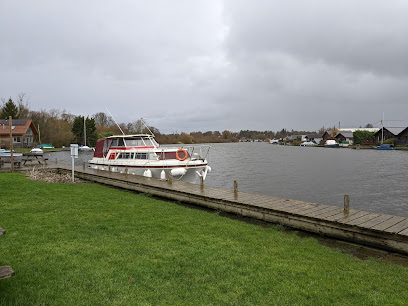
The Swan Inn
52.5 km
Charming riverside pub and inn in Horning offering cozy rooms, hearty British fare, and scenic views along the Norfolk Broads.
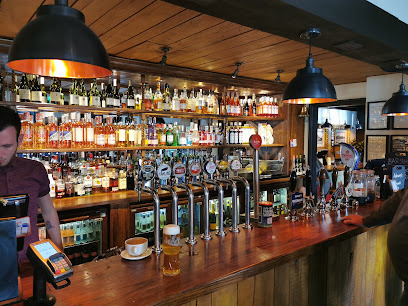
Innkeeper's Collection Norfolk Broads, Horning
52.5 km
Charming riverside inn on the Norfolk Broads offering cozy rooms, classic pub dining, and scenic waterway views in the heart of Horning village.
The Ferry Inn of Horning
52.9 km
A lively traditional pub on the Norfolk Broads offering hearty fare, riverside charm, and a family-friendly atmosphere.
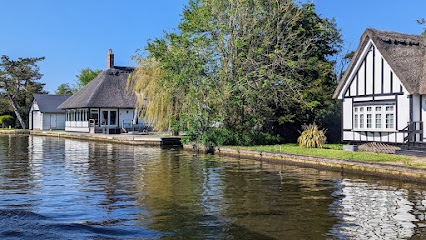
White Horse Inn Neatishead
52.9 km
Charming historic pub with award-winning ales, seasonal menus, and a welcoming atmosphere on the Norfolk Broads.
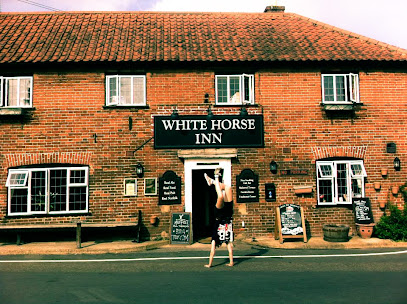
The WaterHole
54.1 km
A friendly and classic Skegness pub offering real ales, hearty food, and a relaxed, dog-friendly atmosphere in the heart of town.
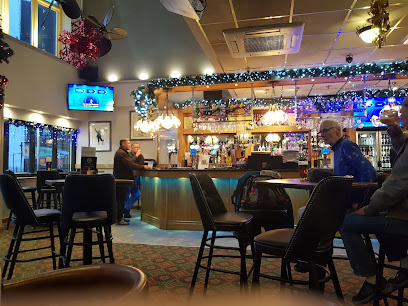
Marine Boat House Bar
54.1 km
A lively traditional pub in Skegness serving hearty British carvery and classic seaside dishes in a casual, family-friendly atmosphere.
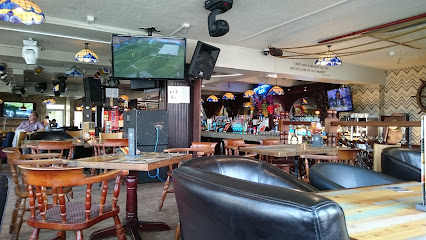
Unique Bar Newmarket
54.2 km
Experience the lively vibes and weekend dance nights at Unique Bar, Newmarket’s hotspot for great drinks and energetic fun.
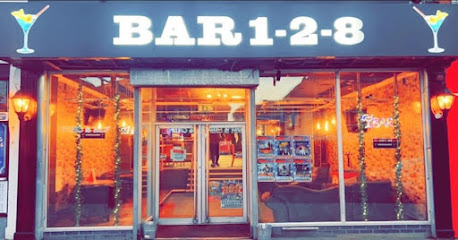
BAR 1-2-8
54.2 km
Experience Skegness nightlife at BAR 1-2-8, a lively bar with great drinks, live entertainment, and a welcoming atmosphere in the town center.
The Stumble Inn Skegness
54.2 km
A lively and friendly seaside pub in Skegness known for live music, casual dining, and a welcoming local atmosphere.
Nightclubs & after hour spots

Ice Nightclub
32.2 km
Thetford’s vibrant nightlife hotspot with nostalgic tunes, lively parties, and a welcoming atmosphere for over-18s.
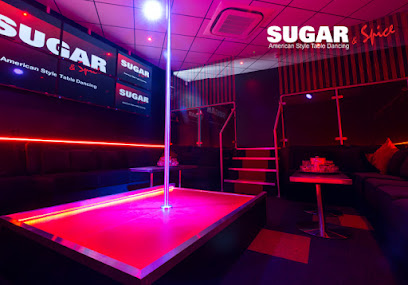
Sugar & Spice - Strip Club and Lap Dancing Norwich
42.4 km
Norwich’s premier American-style strip club offering vibrant entertainment, VIP experiences, and a welcoming atmosphere for all guests.
Mantra
42.4 km
Experience vibrant nightlife and great music at Mantra Nightclub, Norwich’s energetic weekend party destination with friendly staff and affordable drinks.

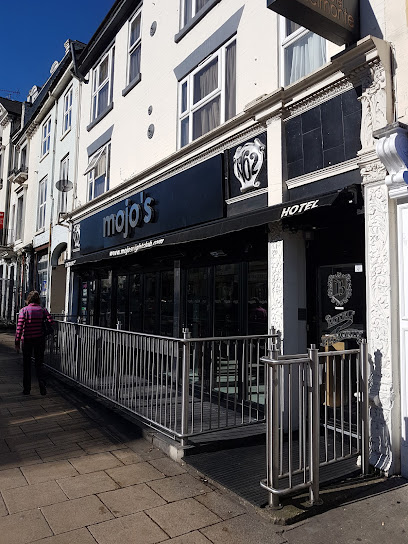
Mojo's
42.5 km
Mojo's: Norwich's gritty, no-frills nightclub pulsing with late-night beats and authentic urban energy.
Fluke
42.5 km
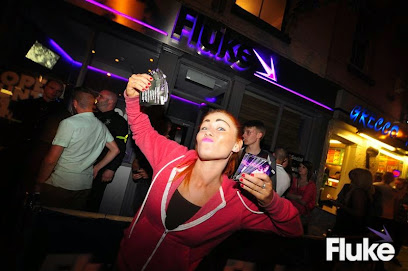
Experience Norwich’s vibrant nightlife at Fluke, where great music, affordable drinks, and a lively crowd come together for unforgettable nights.
Popworld - Norwich
42.5 km
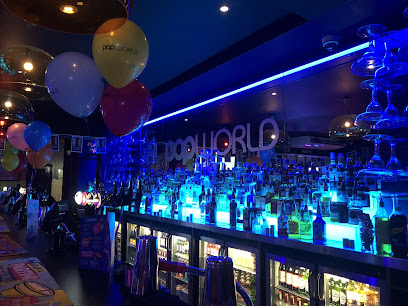
Norwich’s vibrant late-night hotspot for pop hits, friendly vibes, and unforgettable party nights on Prince of Wales Road.
Loft Nightclub
42.5 km
Norwich’s vibrant gay nightclub with over 30 years of inclusive nightlife, music, and community spirit in the heart of the city.
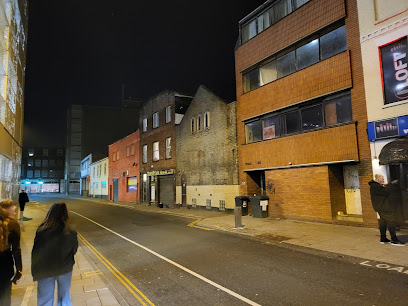
ClubKA
49.1 km
Traditional charm meets lively nightlife at The Kings Arms Hotel and ClubKA in North Walsham, offering comfort, great food, and late-night fun.
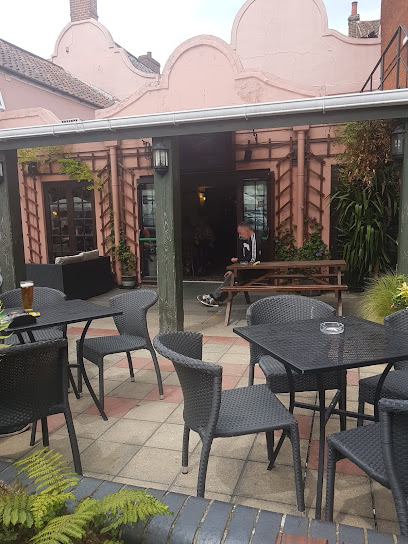
Flex Nightclub
50.7 km
Lively late-night nightclub in Bury St. Edmunds offering dance music, bar service, and a bustling atmosphere with a local crowd.
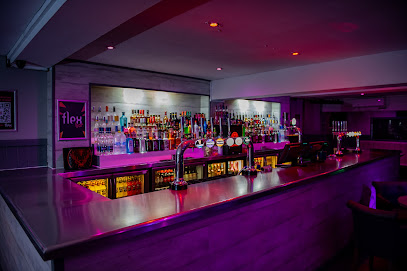
Kush Nightclub
54.2 km
Experience Skegness’ premier nightclub with luxury vibes, cutting-edge sound, and a vibrant dance floor at Kush within The Hive complex.
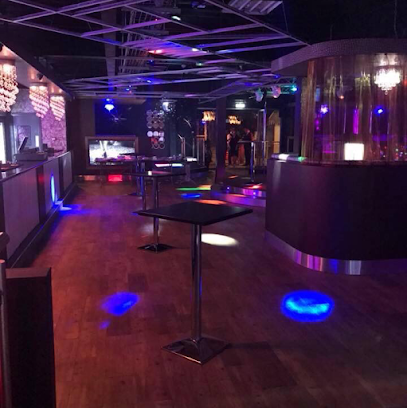
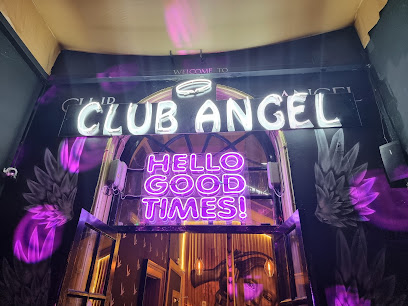
Club Angel
56.6 km
Experience stylish nightlife and vibrant weekend parties at Club Angel, Boston’s elegant hotspot for late-night entertainment.
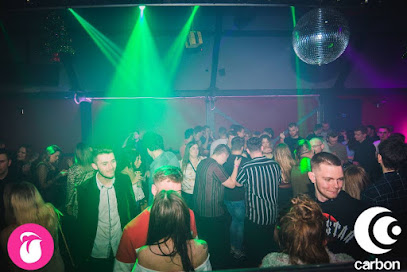
Carbon Nightclub
60.7 km
Experience Stowmarket’s lively nightlife at Carbon Nightclub, a modern venue pulsing with music and weekend energy.
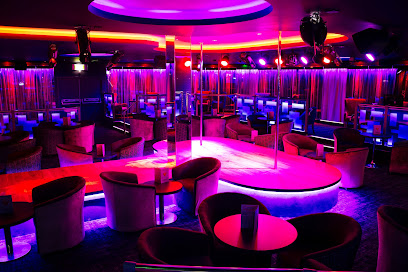
Angels Peterborough
63.8 km
Experience lively nightlife and captivating stage performances at Angels Peterborough, the city’s vibrant nightclub and bar on Brook Street.
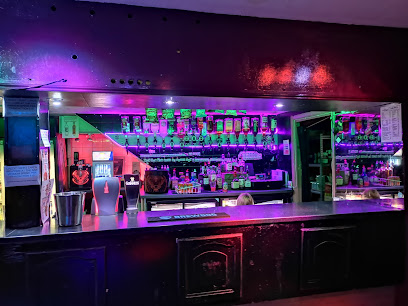
The Met Lounge
64.1 km
Peterborough’s vibrant live music venue and nightclub blending nostalgic charm with lively club nights and diverse musical acts.
EBC Shop
65.9 km
Discover the electrifying nightlife at EBC Shop in Cambridge, where the music keeps you dancing and the atmosphere is always electric.
For the vibe & atmosphere seeker
- Tranquil
- Scenic
- Unique
- Relaxing
For the design and aesthetic lover
- Rustic Designs
- Vintage Styles
For the architecture buff
- Historic
- Landmarks
- Sacred Sites
For the view chaser and sunset hunter
- Iconic Views
- Panoramas
- Sunset Spots
For the social media creator & influencer
- Instagrammable
- Photo Spots
- Selfie Spots
For the eco-conscious traveler
- Protected Area
- Public-Transport Accessible
- Locally Managed
For the kind of experience you’re after
- Cultural Heritage
- Photowalk
- Nature Escape
- Day Trip
- Weekend Getaway
- Myth & Legends
For how adventurous you want the journey to be
- Easy Access
Location Audience
- Family Friendly
- Senior Friendly
- Child Friendly
- Teen Friendly
- Wheelchair Access
- Pet Friendly
- Solo Friendly
- Couple Friendly
- Vegetarian Friendly
- Vegan Friendly


