

The Parish Church of St Cuthbert, Edinburgh
Edinburgh’s oldest Christian worship site, the Parish Church of St Cuthbert blends ancient heritage with stunning architecture and vibrant community life.
The Parish Church of St Cuthbert, located at 5 Lothian Road in Edinburgh, is one of the oldest Christian worship sites in the city, with origins dating back to around 670 AD. The current building, designed by Hippolyte Blanc and completed in 1894, stands on a site that has hosted at least six earlier churches. Known as the 'Kirk below the Castle,' it features notable stained glass, including a famous Tiffany window, and a rich history intertwined with Edinburgh’s development and religious heritage.
A brief summary to The Parish Church of St Cuthbert
- 5 Lothian Rd, Edinburgh, EH1 2EP, GB
- +441312291142
- Visit website
- Duration: 0.5 to 2 hours
- Free
-
 Outdoor
- Mobile reception: 4 out of 5
Local tips
- Visit the churchyard to see the graves of notable historical figures like Thomas De Quincey and John Napier.
- Admire the famous Tiffany stained glass window depicting David and Goliath inside the church.
- Explore the Memorial Chapel, known for hosting Agatha Christie’s wedding in 1930.
- Check the church’s opening hours before visiting, as times vary throughout the week.
- Take time to appreciate the intricate ceiling paintings and alabaster pulpit reflecting Byzantine influences.

For the on-the-go comforts that matter to you
- Restrooms
- Seating Areas
- Information Boards
Getting There
-
Bus
Take Lothian Buses routes 3, 11, or 16, which stop near Lothian Road. The journey from Edinburgh city centre takes approximately 10-15 minutes. Services run frequently throughout the day with fares around £1.80-£2.00.
-
Train
From Edinburgh Waverley Station, the church is a 10-minute walk west along Princes Street and Lothian Road. The station is well connected to regional and national rail services.
-
Taxi
A taxi ride from Edinburgh city centre to St Cuthbert’s Church usually takes 5-10 minutes depending on traffic. Expect to pay approximately £5-£8.
-
Walking
From Princes Street Gardens or the West End, walking to the church takes about 10-15 minutes on mostly flat, paved paths accessible to wheelchairs and strollers.
The Parish Church of St Cuthbert location weather suitability
-
 Any Weather
-
 Rain / Wet Weather
-
 Clear Skies
-
 Mild Temperatures
Discover more about The Parish Church of St Cuthbert
An Ancient Spiritual Legacy Rooted in Edinburgh’s History
The Parish Church of St Cuthbert is believed to be the oldest Christian site in Edinburgh, with its origins tracing back to around 670 AD when St Cuthbert himself is said to have founded the first chapel here. Situated at the foot of Edinburgh Castle, the site has witnessed over thirteen centuries of religious practice and community life. The parish was historically extensive, once encompassing vast areas around Edinburgh, and has undergone numerous transformations in its boundaries and status since the 12th century. It has been a focal point for faith, education, and social welfare throughout its long history.Architectural Evolution and the Present Church
The current church building was designed by architect Hippolyte Blanc and completed in 1894, incorporating the 1775 tower and the 1789 steeple from earlier structures. This iteration is the seventh church on the site, reflecting a layered architectural history. The church’s basilica layout, with its apse and rounded vault, is enhanced by rich coloured stonework that creates a warm, inviting interior. Notable features include the marble and alabaster pulpit (1897), a Byzantine-inspired ceiling painted by Hope and Moira, and the Communion Table from 1894. The church’s stained glass windows are a highlight, especially the Tiffany window depicting David heading off to face Goliath.Historical Significance and Community Role
St Cuthbert’s has played a significant role in Edinburgh’s religious and social history. It was once known as the West Kirk and the Little Kirk, reflecting its evolving identity. The churchyard is one of the largest in Edinburgh and contains graves of notable figures such as Thomas De Quincey and John Napier. The church has endured damage and reconstruction through centuries of conflict, including attacks in the 14th and 16th centuries and during Oliver Cromwell’s 1650 invasion. It also served as a community hub, with historical records noting the establishment of workhouses and schools within the parish.Memorials and Cultural Highlights
Within the church, a small marble-lined chapel at the base of the tower commemorates congregational members who died in the First World War, their names inscribed with equal honour regardless of rank. The Memorial Chapel is also known as the site where Agatha Christie was remarried in 1930. The church’s interior art, including two large wall tapestries illustrating the Old and New Covenants, was created by Archie Brennan and the Edinburgh Tapestry Company, adding to its cultural richness.Setting and Atmosphere in Edinburgh’s Urban Fabric
Nestled at the western end of Princes Street Gardens, St Cuthbert’s feels somewhat removed from the bustle of Edinburgh’s West End, despite its central location. The church’s solid and imposing presence is visible from various vantage points, including Princes Street and the nearby train station. The surrounding landscape has changed dramatically over the centuries, from marshland and rural outskirts to the vibrant urban environment of today. The church remains a vibrant, active congregation and a key part of Edinburgh’s spiritual and cultural life.Ongoing Legacy and Visitor Experience
Today, St Cuthbert’s Parish Church continues to nurture a lively community, engaging in social welfare and arts projects. Visitors can explore its rich history, stunning stained glass, and architectural beauty. The church’s website and virtual tours offer insights into its heritage, while the graveyard invites reflection on the many lives connected to this enduring spiritual site. As the 'Mother Kirk of Edinburgh,' it stands as a testament to faith, resilience, and the evolving story of the city itself.Iconic landmarks you can’t miss

Robert Louis Stevenson Memorial
0.2 km
A modest stone tribute nestled in Edinburgh’s Princes Street Gardens celebrating the enduring legacy of Robert Louis Stevenson.
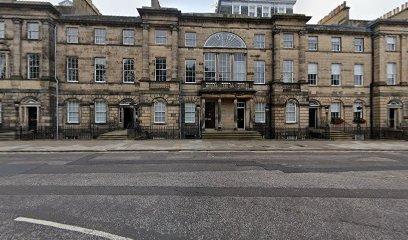
15 Charlotte Square
0.4 km
Elegant Georgian townhouse in Edinburgh’s historic Charlotte Square, blending architectural grandeur with rich cultural heritage.
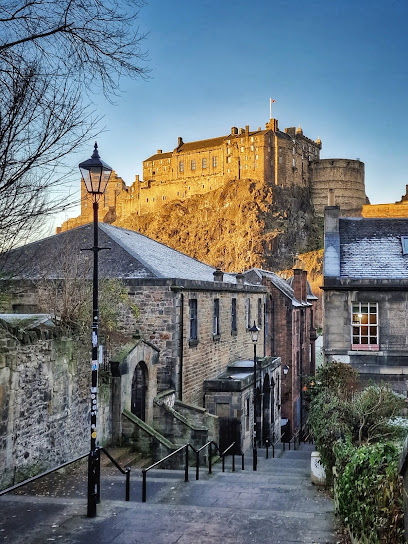
The Vennel Viewpoint Edinburgh Castle
0.6 km
Discover stunning views of Edinburgh Castle at The Vennel Viewpoint, a must-visit scenic spot that showcases the beauty of Scotland's capital.
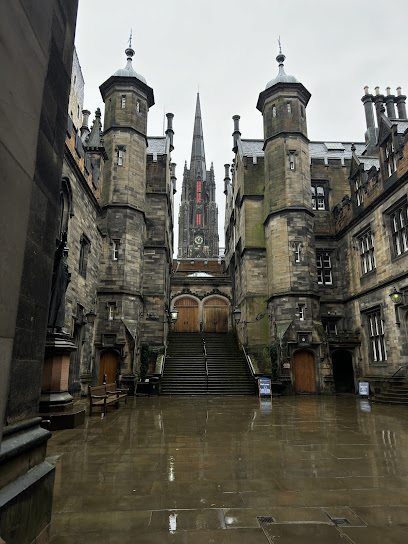
John Knox Monument
0.6 km
Explore the historic John Knox Monument, a stunning tribute to the Scottish Reformer, offering breathtaking views and a glimpse into Scotland's rich religious history.
Flodden Wall
0.6 km
Explore Edinburgh’s medieval Flodden Wall, a historic sandstone fortification built after 1513 to protect the city and shape its iconic Old Town skyline.
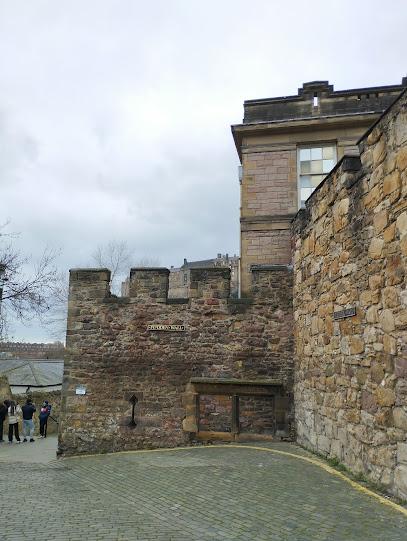
The Mound & Mound Place
0.6 km
Historic artificial slope linking Edinburgh’s Old and New Towns, home to iconic galleries, grand architecture, and vibrant cultural life.
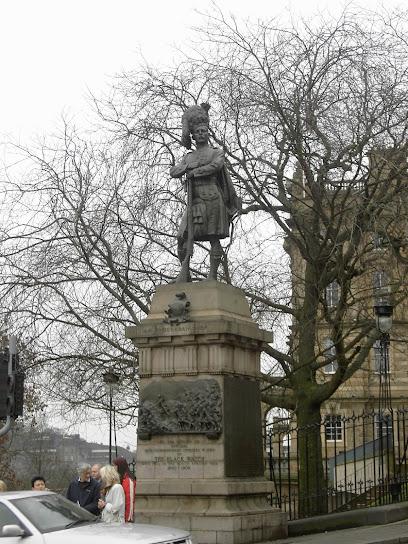
Statue of King George Ⅳ
0.7 km
A regal bronze tribute to King George IV’s historic 1822 visit, standing proudly at Edinburgh’s vibrant Hanover and George Street intersection.
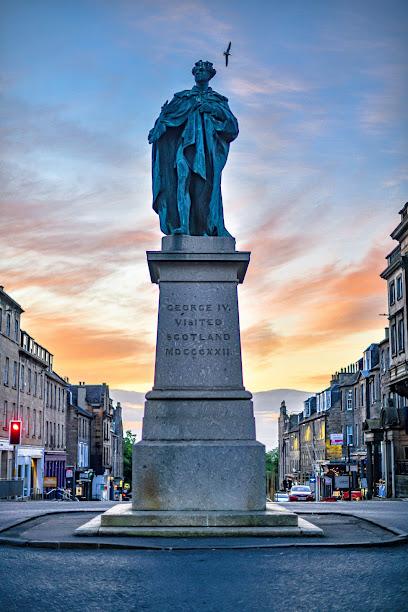
Heriot Row
0.7 km
Discover the architectural beauty and historical significance of Heriot Row in Edinburgh, a must-visit destination for every traveler.
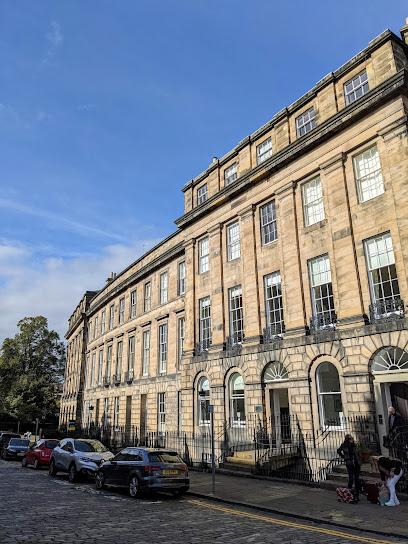
Milne's Court
0.7 km
Discover Milne's Court, a captivating historical landmark in Edinburgh, where the past meets the present in a picturesque setting.

The Dean Bridge
0.7 km
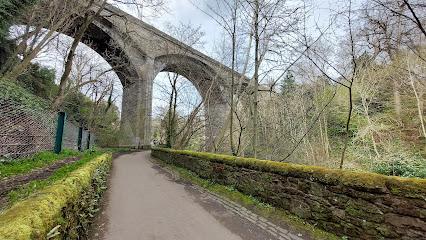
A soaring 19th-century stone bridge by Thomas Telford, linking Edinburgh’s New Town with the scenic Water of Leith valley.
The Writers' Museum
0.7 km
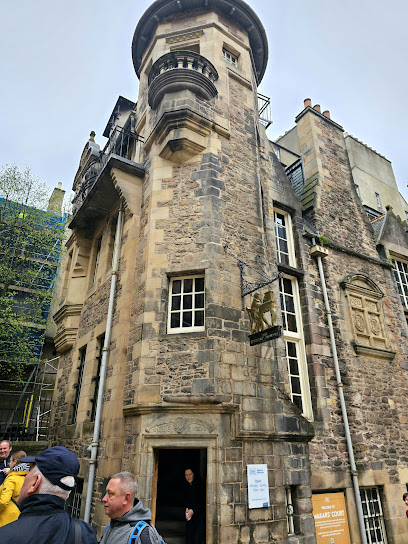
Explore The Writers' Museum in Edinburgh, a tribute to Scotland's literary greats and a treasure trove for literature lovers seeking inspiration.
Lady Stair's Close
0.7 km
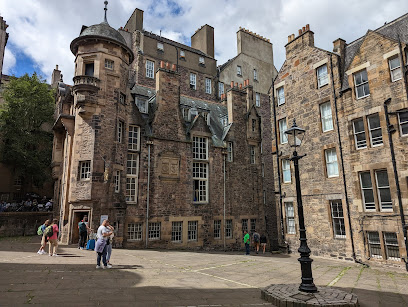
Discover Lady Stair's Close, a serene historic courtyard in Edinburgh's Old Town, home to the Writers' Museum and Scotland’s literary heritage.
Lady Stair's House
0.7 km
Explore Lady Stair's House: A historic 17th-century building in Edinburgh celebrating Scotland's rich literary heritage and home to the Scottish Poetry Library.
Gladstone's Land
0.7 km
Explore the historic charm of Gladstone's Land in Edinburgh, a captivating glimpse into Scotland's rich past with delightful cafes and stunning architecture.
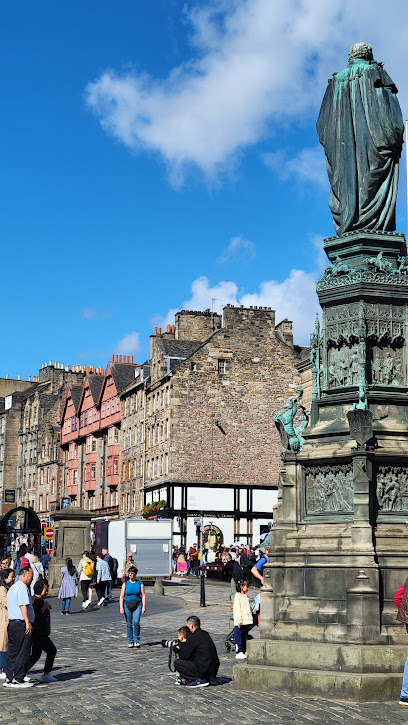
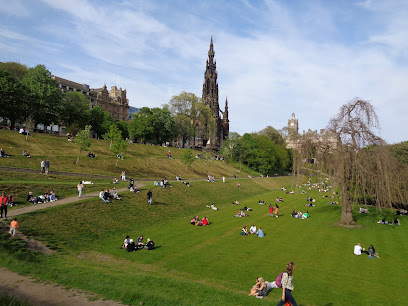
East Princes Street Gardens
0.7 km
Explore the beauty and tranquility of East Princes Street Gardens in Edinburgh, a hidden gem offering stunning views and a peaceful retreat.
Unmissable attractions to see

St. John's Church Hall
0.1 km
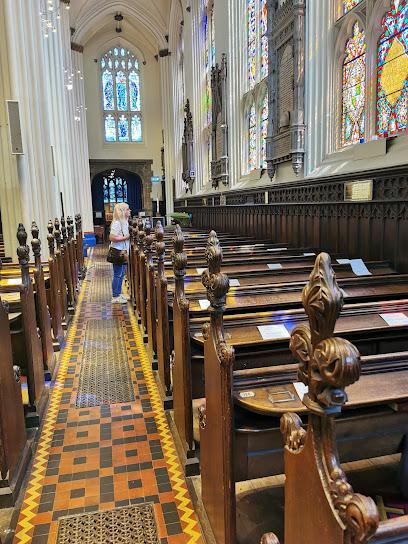
Historic Gothic church hall on Princes Street, blending stunning stained glass artistry with vibrant community events in Edinburgh’s New Town.
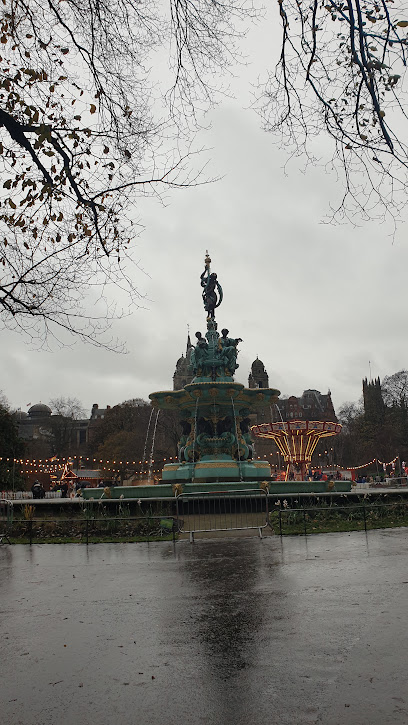
Ross Fountain
0.1 km
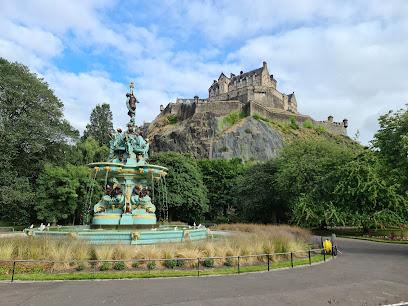
A dazzling Victorian cast-iron fountain beneath Edinburgh Castle, blending French artistry with Scottish heritage in vibrant color.
National War Museum
0.2 km
Explore Scotland’s rich military history through artifacts, personal stories, and art within the iconic Edinburgh Castle.
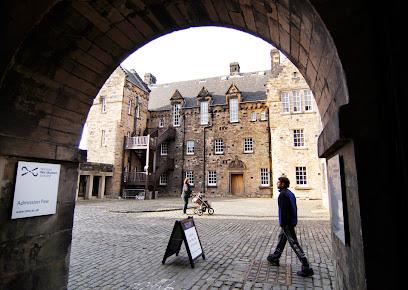
Lothian Rd
0.2 km
Lothian Road pulses with Edinburgh’s cultural heartbeat, blending historic theatres, cinemas, and vibrant urban life beneath the shadow of the castle.
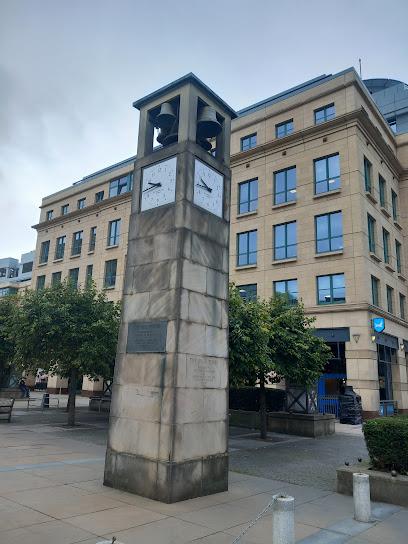
Edinburgh Guided Tour
0.2 km
Discover Edinburgh’s vibrant cultural heart through the iconic Usher Hall and its rich musical heritage on an immersive guided tour.
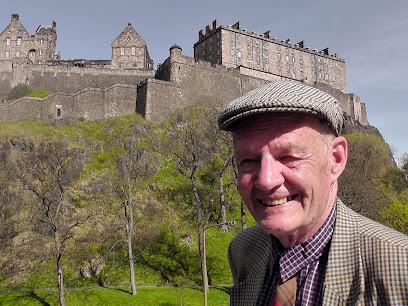
One O’Clock Gun
0.3 km
Experience Edinburgh’s iconic One O’Clock Gun, a historic maritime time signal fired daily from Edinburgh Castle since 1861.
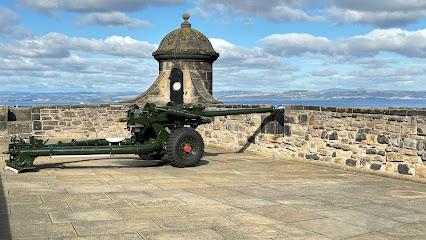
The Usher Hall
0.3 km
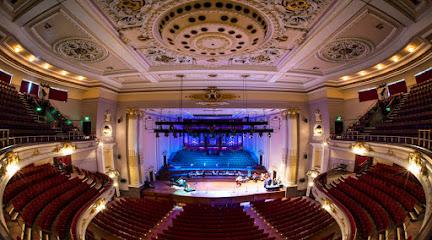
Edinburgh’s iconic Edwardian concert hall renowned for world-class acoustics and diverse performances in a majestic historic setting.
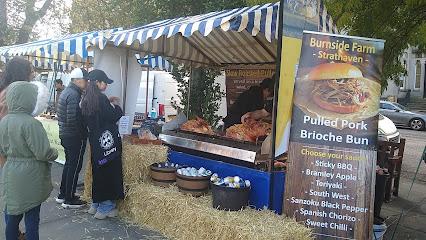
Edinburgh Farmers' Market
0.3 km
Discover fresh Scottish produce and artisanal delights every Saturday with stunning views of Edinburgh Castle at Castle Terrace Farmers' Market.
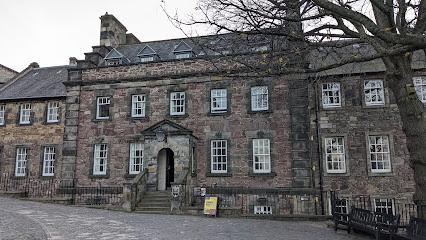
The Royal Scots Dragoon Guards Regimental Museum
0.3 km
Explore over 300 years of Scotland’s only cavalry regiment in the historic New Barracks of Edinburgh Castle.
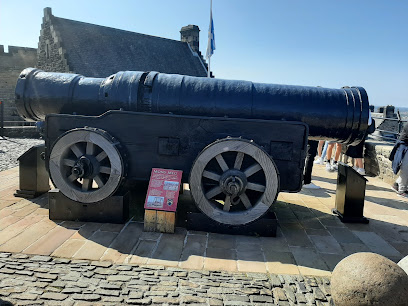
Edinburgh Castle - Mons Meg
0.3 km
Discover Mons Meg, the colossal 15th-century siege cannon at Edinburgh Castle, a symbol of Scotland’s medieval military might and royal heritage.
Edinburgh Castle - Mill's Mount Battery
0.3 km
Historic fortress atop Castle Rock offering iconic views, royal treasures, and rich Scottish military heritage in the heart of Edinburgh.
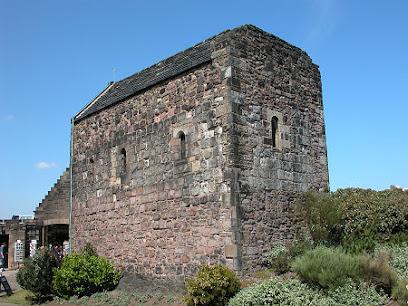
St Margaret's Chapel
0.3 km
Edinburgh’s oldest building, a serene 12th-century chapel atop Castle Rock honoring Queen Margaret’s enduring spiritual legacy.
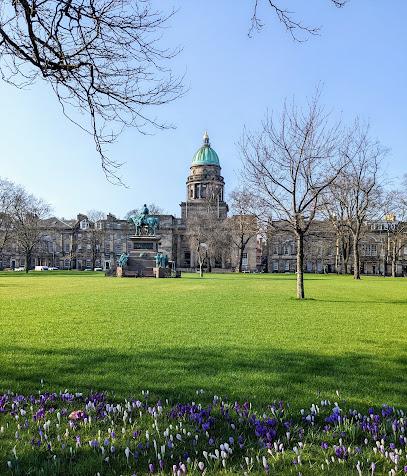
Charlotte Square
0.3 km
Charlotte Square: Edinburgh’s elegant Georgian masterpiece, home to historic architecture, tranquil gardens, and Scotland’s First Minister.
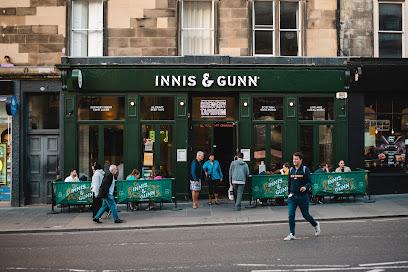
Innis & Gunn Edinburgh City Centre Brewery Taproom
0.3 km
Discover the craft of brewing at Innis & Gunn Brewery Taproom in Edinburgh, where great beer and live music create a unique atmosphere.
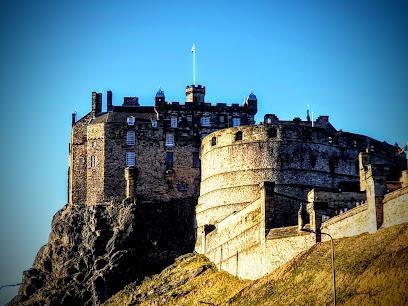
Edinburgh Castle
0.3 km
Explore Edinburgh Castle, a majestic fortress atop Castlehill offering royal history, breathtaking views, and iconic Scottish heritage.
Essential places to dine

The Pompadour
0.1 km
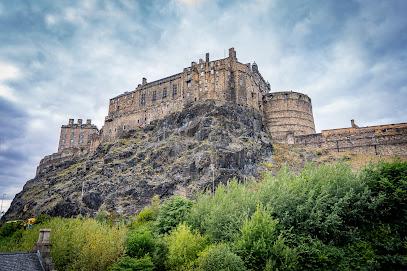
Experience refined modern Scottish cuisine with stunning Edinburgh Castle views in the elegant setting of 1925 at The Pompadour.
Dine Edinburgh
0.2 km
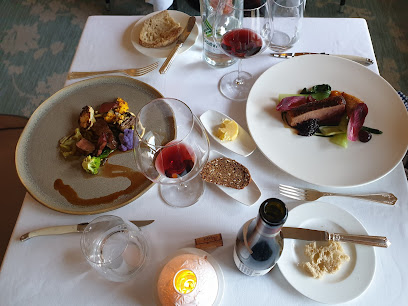
Elegant Scottish brasserie above the Traverse Theatre, blending seasonal local flavors with refined service and a chic cocktail lounge.
Aizle
0.2 km
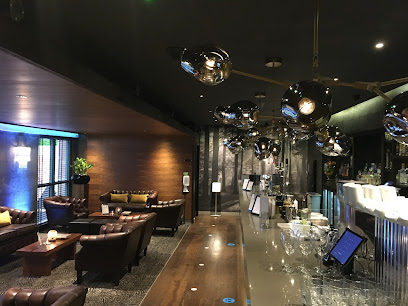
Discover Edinburgh’s acclaimed modern European tasting menu with seasonal Scottish ingredients in a bright, relaxed Garden Room setting.
BABA
0.3 km
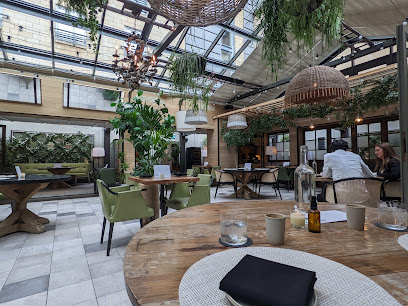
Levantine spices and charcoal-grilled excellence on Edinburgh's George Street.
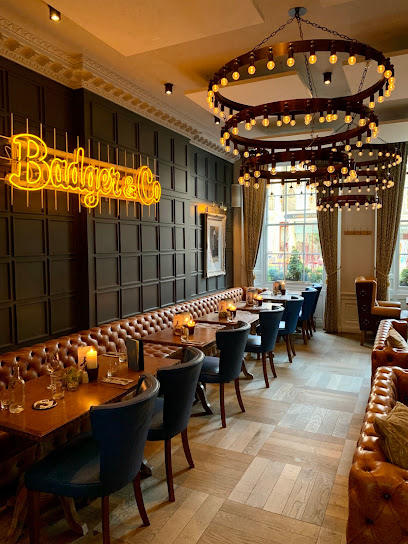
Badger & Co
0.3 km
A charming Wind in the Willows–themed gastropub in Edinburgh serving elevated Scottish pub classics and creative cocktails in a lively, welcoming setting.
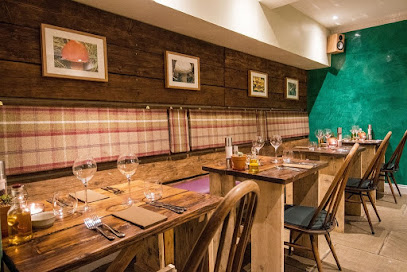
Forage & Chatter
0.3 km
Discover innovative Scottish cuisine crafted from local ingredients in a cozy West End setting at Forage & Chatter, Edinburgh.
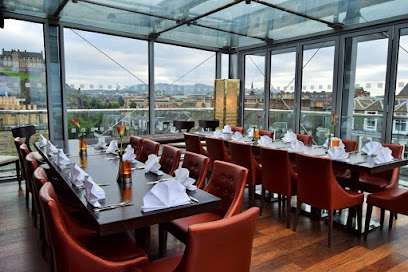
Chaophraya Thai Restaurant
0.3 km
Sophisticated Thai dining with panoramic views of Edinburgh Castle, blending authentic flavors and stylish ambiance in the heart of New Town.
Contini George Street
0.4 km
Elegant Italian dining in a stunning Georgian banking hall, blending authentic flavors with Scottish freshness on Edinburgh’s George Street.
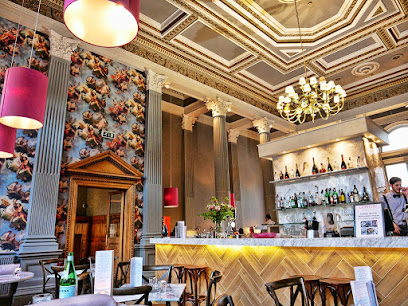
TIMBERYARD
0.4 km
Michelin-starred Modern British dining in a historic Edinburgh warehouse with seasonal, locally sourced cuisine and a celebrated natural wine cellar.
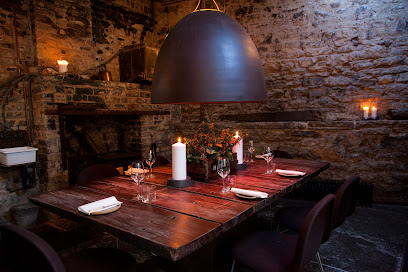
Beehive Inn
0.6 km
Historic pub and vibrant entertainment venue in Edinburgh’s Grassmarket, blending traditional Scottish charm with lively dining and comedy events.
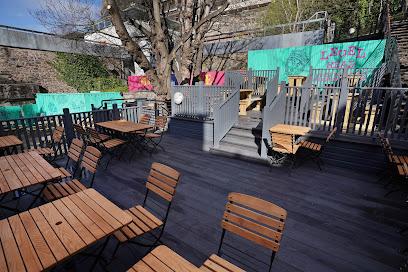
Amber Restaurant
0.6 km
Experience Scotland’s finest seasonal cuisine expertly paired with over 550 whiskies in the warm, amber-lit heart of Edinburgh’s Royal Mile.
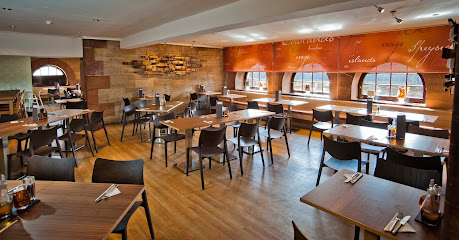
The Witchery by the Castle
0.6 km
A sumptuous gothic retreat on Edinburgh’s Royal Mile, blending historic grandeur with romantic luxury and award-winning Scottish cuisine.
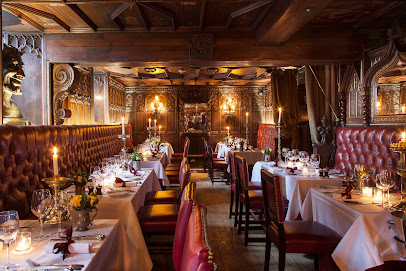
The Palmerston
0.7 km
A stylish West End restaurant serving modern Scottish cuisine in a refined, relaxed setting just steps from Edinburgh’s city centre.
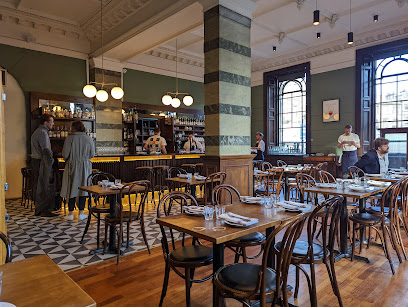
Maison Bleue
0.7 km
French-Moroccan dining in a historic Old Town setting with striking design and exceptional value.
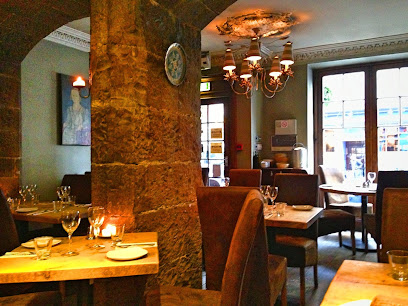
Six by Nico Edinburgh
0.7 km
Discover Edinburgh’s Six by Nico for innovative six-course tasting menus blending playful flavors and stylish ambiance in the city’s vibrant New Town.
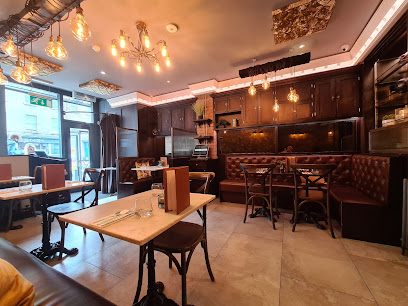
Markets, malls and hidden boutiques

One World Shop
0.1 km
Edinburgh’s oldest fair trade shop offering ethical gifts and vegan treats beneath historic St John's Church on Princes Street.
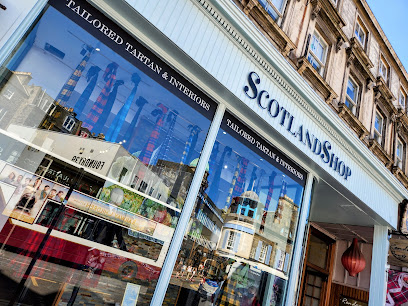
ScotlandShop
0.3 km
Discover bespoke tartans, tailored kilts, and authentic Scottish gifts at Edinburgh’s ScotlandShop on Queensferry Street.
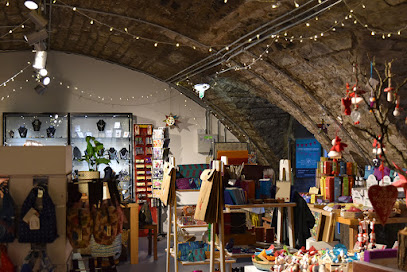
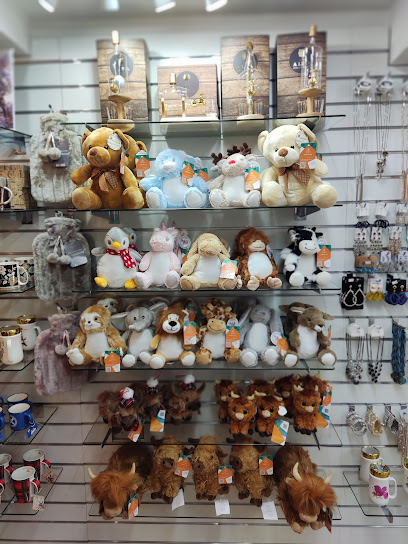
Mangue - The Gift Shop
0.3 km
Discover unique gifts and local treasures in a friendly boutique on Edinburgh’s vibrant Rose Street.
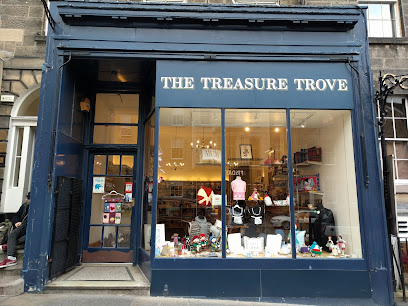
The Treasure Trove
0.3 km
Discover Edinburgh’s charming charity shop with unique handmade gifts that support local artisans and meaningful causes.
Scottish Design Exchange
0.3 km
Discover Edinburgh’s vibrant hub where over 300 local artists showcase unique creations, supporting Scotland’s creative economy with every purchase.
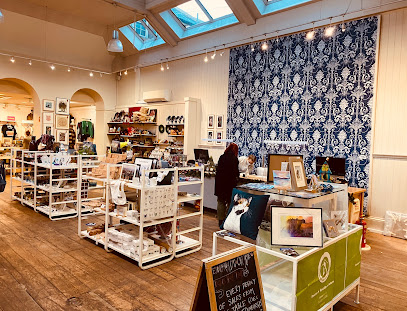
Edinburgh Gifts
0.3 km
Discover authentic Scottish treasures and local craftsmanship in the heart of Edinburgh on iconic Princes Street.
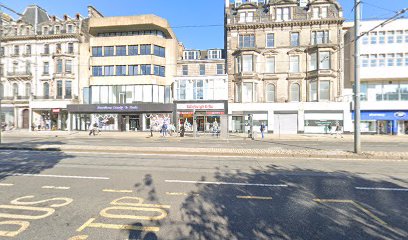
Portcullis Gift Shop
0.4 km
Edinburgh Castle’s largest gift shop, offering exclusive Scottish crafts, clan gifts, and souvenirs in a historic setting.
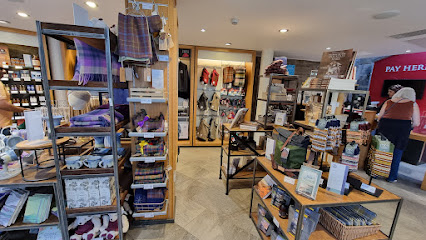
Carnivàle Vintage
0.4 km
Discover unique vintage clothing and timeless treasures in Edinburgh’s charming Carnivàle Vintage boutique.
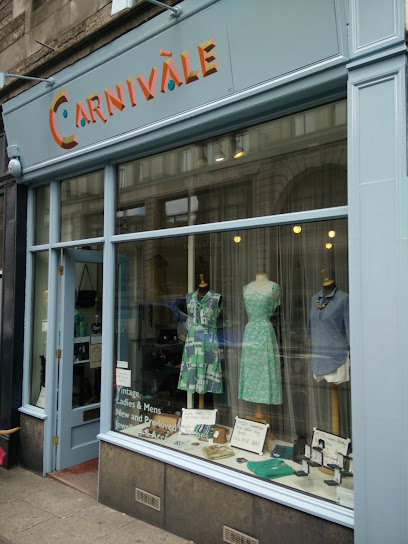
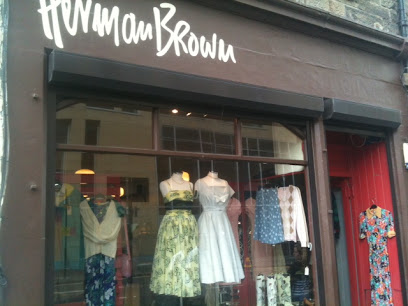
Herman Brown
0.5 km
Discover timeless vintage fashion and sustainable style at Herman Brown, Edinburgh’s iconic vintage clothing shop since 1983.
Poundland
0.5 km
Affordable shopping in Edinburgh’s city centre with a vast range of quality products all priced to save you money.

Godiva
0.5 km
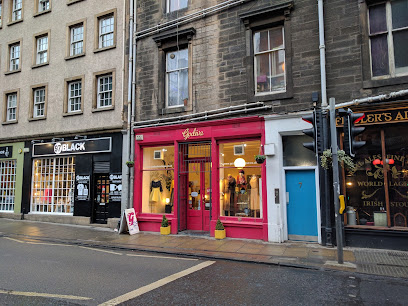
Discover Edinburgh’s premier independent boutique blending vintage treasures with ethical, locally designed fashion in the heart of Grassmarket.
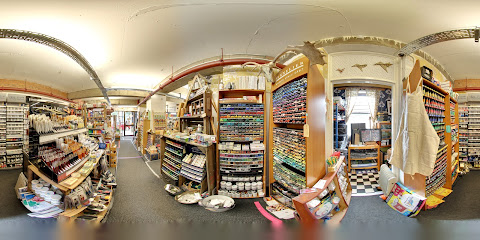
Edinburgh Art Shop
0.6 km
Edinburgh Art Shop offers a warm, expert-led art supply experience with quality materials and a creative community spirit in the heart of Edinburgh.
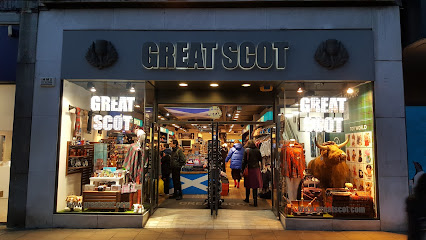
Great Scot
0.7 km
Discover authentic Scottish heritage and craftsmanship at Great Scot, a vibrant gift shop on Edinburgh’s iconic Princes Street.
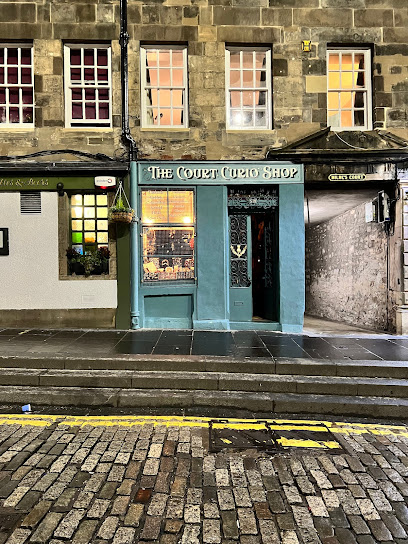
The Court Curio Shop
0.7 km
Discover unique Scottish gifts and artisan jewellery in the heart of Edinburgh’s historic Royal Mile at The Court Curio Shop.
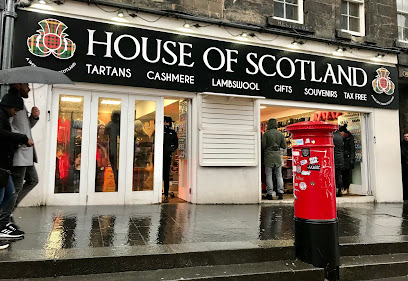
House of Scotland
0.7 km
Explore authentic Scottish gifts and souvenirs at the House of Scotland, located on the historic Royal Mile in Edinburgh.
Essential bars & hidden hideouts

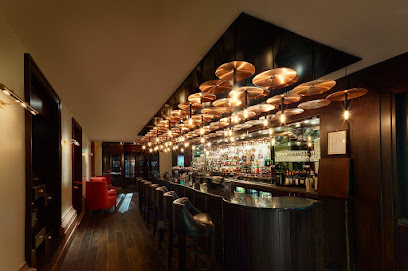
The Caley Bar
0.2 km
Step into The Caley Bar for a refined blend of Victorian railway heritage, bespoke cocktails, and Scotland’s finest whiskies in the heart of Edinburgh.
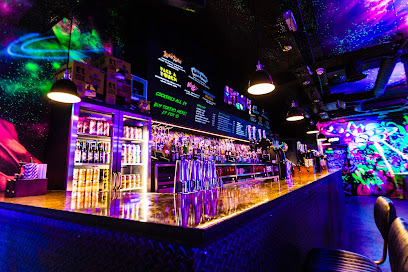
NQ64 Edinburgh
0.2 km
A neon-lit arcade bar in Edinburgh blending retro gaming classics with creative cocktails and a lively, nostalgic atmosphere.
Heads & Tales Gin Bar
0.2 km
Discover Edinburgh’s hidden gin haven where craft distilling meets cozy speakeasy charm in the heart of the West End.
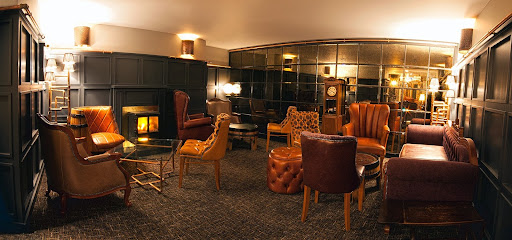
Dirty Dick's Pub
0.2 km
Experience Edinburgh’s quirky and cozy Dirty Dick's Pub, famed for whisky, lively charm, and hearty Scottish classics on vibrant Rose Street.
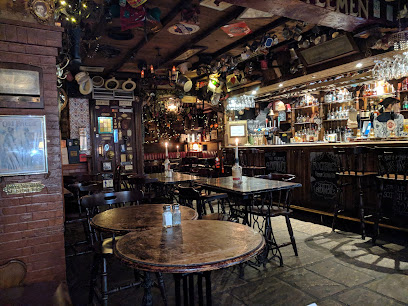
The Rat Pack - Piano & Cocktail Bar
0.2 km
Edinburgh’s iconic American-style piano bar blending live music and classic cocktails in a lively West End setting.
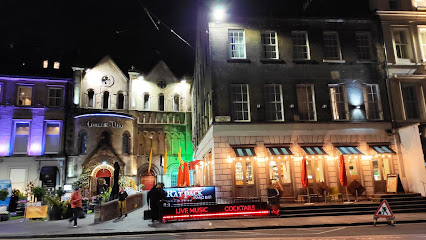
BrewDog Edinburgh Lothian Road
0.3 km
Experience Edinburgh’s craft beer culture in a vibrant, historic setting with legendary wings, 28 taps, and a dog-friendly atmosphere.
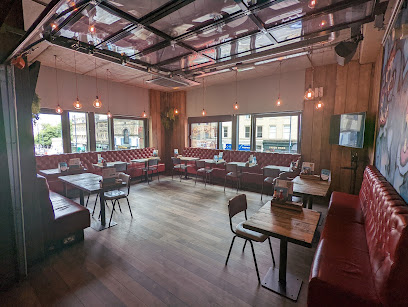
All Bar One Exchange Plaza
0.3 km
Stylish and contemporary wine bar in Edinburgh’s heart, perfect for relaxed socializing and after-work drinks with attentive service.
Never Really Here
0.3 km
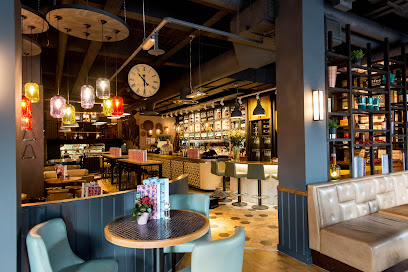
Edinburgh's ultimate speakeasy: knock the graffiti door for bespoke cocktails in an intimate, menu-free den of mixology magic.
Copper Blossom
0.4 km
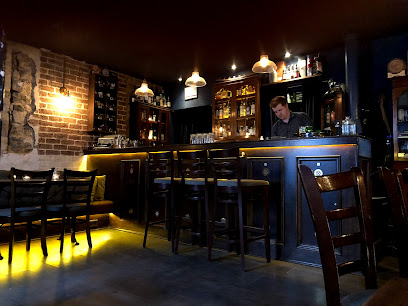
A glamorous cocktail bar and restaurant on George Street, blending stylish decor with inventive drinks and shareable plates in vibrant Edinburgh.
Panda & Sons
0.4 km
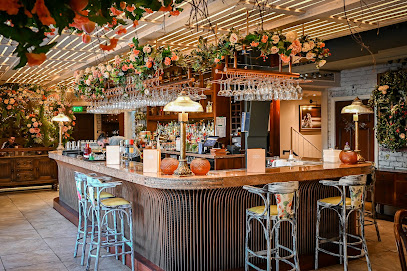
Edinburgh's hidden speakeasy where barbershop secrets unlock theatrical cocktails, smoky spectacles, and a fictional family's boozy tales in cosy, low-lit elegance.
SKYbar Edinburgh
0.4 km
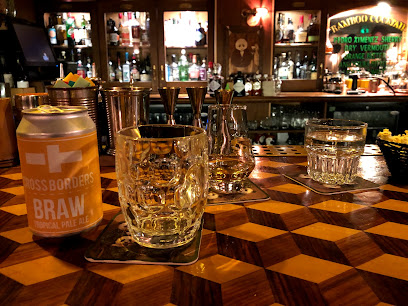
Experience Edinburgh’s skyline with exquisite cocktails and stunning castle views at SKYbar, the city’s premier rooftop destination.
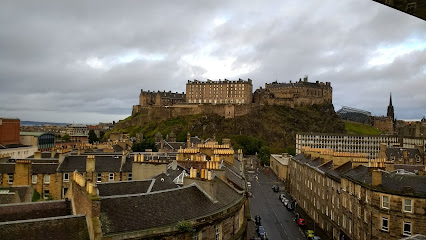
Dragonfly
0.5 km
Edinburgh’s oldest cocktail bar blending historic charm with innovative mixology in a cozy, lively setting.
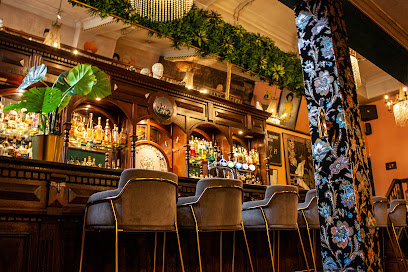
The Raging Bull
0.5 km
Edinburgh’s vibrant cocktail bar famed for its Espresso Martinis, lively ambiance, and engaging cocktail masterclasses.
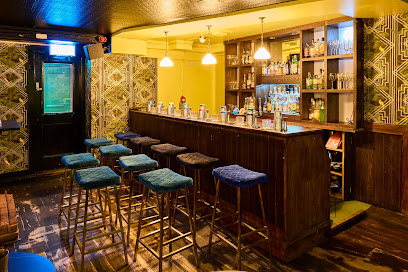
Lucky Liquor Co
0.6 km
Intimate and creative cocktail bar in Edinburgh’s New Town, blending expert mixology with a vinyl soundtrack and a welcoming vibe.
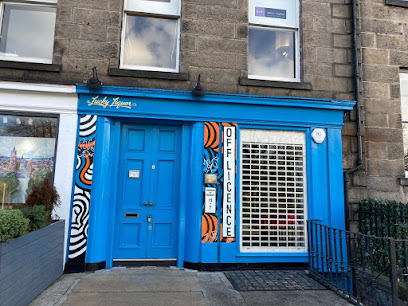
The Bon Vivant
0.6 km
Candlelit bistro haven on Thistle Street, pouring award-winning cocktails and serving local Scottish fare with French finesse since 2008.
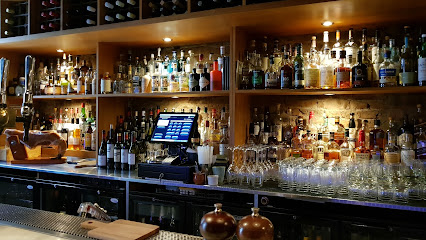
Nightclubs & after hour spots

Club Tropicana
0.2 km
Experience Edinburgh’s vibrant retro nightlife with classic disco hits and lively dance floors at Club Tropicana on Lothian Road.
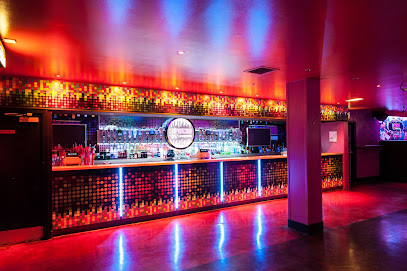
PDT Please Don’t Tell
0.2 km
Edinburgh’s intimate speakeasy-style nightclub offering expertly crafted cocktails and a cozy, conversation-friendly atmosphere.

Lulu Bar and Nightclub
0.3 km
Edinburgh's George Street gem: chic cocktails, thumping beats, and dance floors that ignite the night in upscale style.
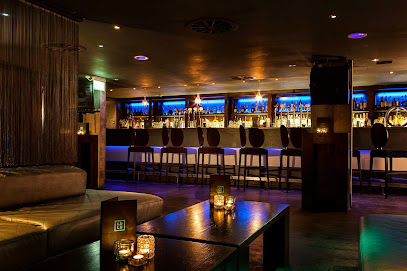
The Shack Retro Bar & Club
0.3 km
Edinburgh's retro dance den blasting 60s-90s hits amid quirky decor and sweaty dance floors—pure nostalgic escapism on Rose Street.

Opal Lounge
0.6 km
A stylish live music bar and nightclub in Edinburgh’s New Town, perfect for celebrations and vibrant nightlife.
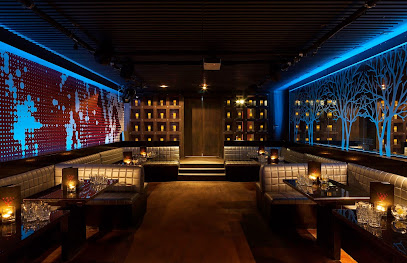
El Barrio Latino
0.6 km
Edinburgh's sizzling Latin nightclub where salsa beats pulse through New Town nights, drawing dancers to its vibrant Hanover Street heart until the early hours.
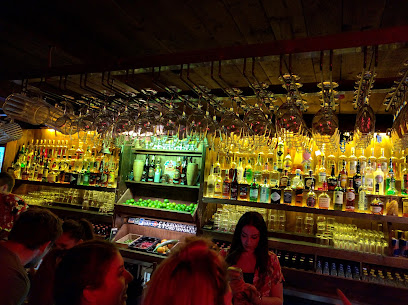
Shanghai Nightclub
0.7 km
Edinburgh's Oriental nightlife den: Asian decor, themed beats, VIP vibes, and non-stop energy on George Street.
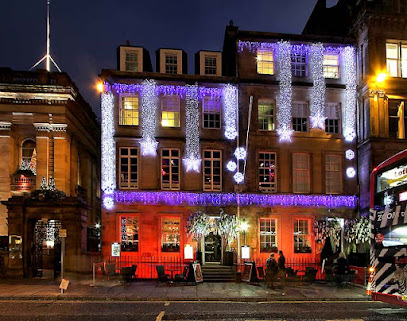
Garibaldi's
0.7 km
Edinburgh's tiniest nightclub packs the biggest late-night punch on Hanover Street, with killer margaritas and a dance floor that never quits till 3am.
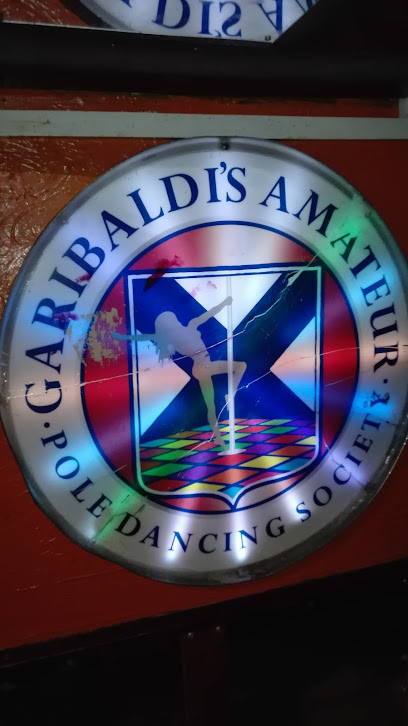
The Liquid Room
0.7 km
Edinburgh's multi-level nightlife gem: techno thumps, live gigs, and warehouse vibes on historic Victoria Street.
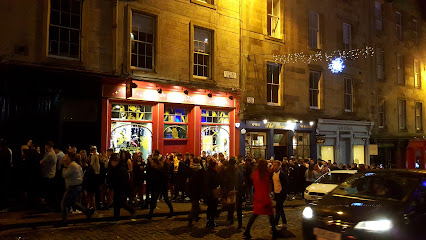
Why Not Nightclub
0.7 km
Edinburgh's multi-award-winning late-night haven with LED immersion, garden vibes, and non-stop beats on George Street.
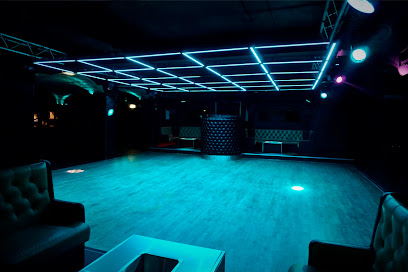
The Bongo Club
0.8 km
Edinburgh’s underground hotspot blending eclectic music, live art, and a vibrant late-night scene in the historic Old Town.

Legends
0.9 km
Edinburgh’s only 24/7 rock nightclub, Legends pulses with raw energy and live alternative music in the heart of Cowgate.
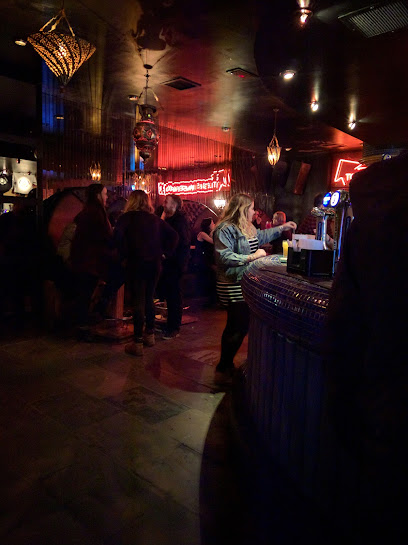
Sneaky Pete's
0.9 km
Intimate live music and club nights in Edinburgh’s Old Town, where emerging talent meets vibrant nightlife.
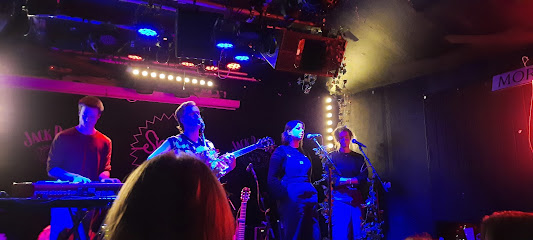
The Mash House
1.1 km
A vibrant Edinburgh nightclub and live music venue blending folk, electronic, and techno in a lively, casual setting.

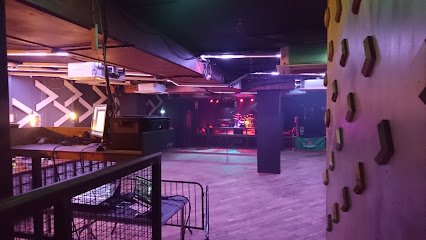
La Belle Angele
1.1 km
Edinburgh’s intimate nightclub and live music venue blending historic charm with vibrant themed nights and diverse performances.
For the vibe & atmosphere seeker
- Tranquil
- Scenic
- Unique
- Casual
For the design and aesthetic lover
- Vintage Styles
- Art Deco Styles
For the architecture buff
- Historic
- Landmarks
- Sacred Sites
For the view chaser and sunset hunter
- Iconic Views
- Sunset Spots
For the social media creator & influencer
- Instagrammable
- Photo Spots
- Architectural Shots
For the eco-conscious traveler
- Public-Transport Accessible
- Locally Managed
For the kind of experience you’re after
- Cultural Heritage
- Photowalk
- Day Trip
- Weekend Getaway
For how adventurous you want the journey to be
- Easy Access
Location Audience
- Family Friendly
- Senior Friendly
- Child Friendly
- Wheelchair Access
- Solo Friendly
- Couple Friendly


