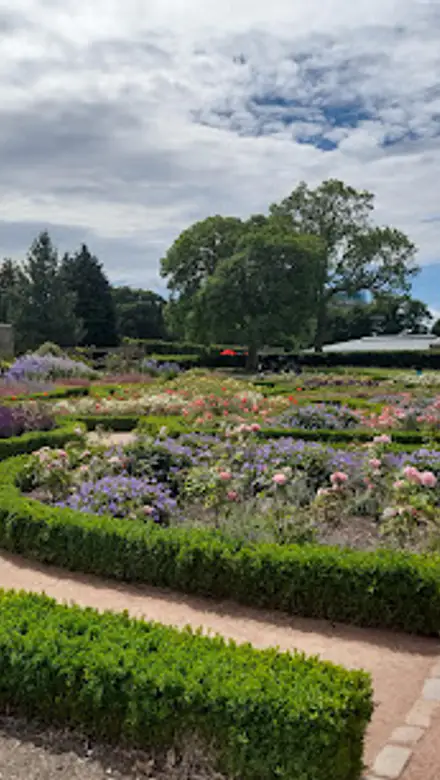
Saughton Park Travel Guide
Free Guide: Historic Edinburgh park blending heritage, horticulture, and tranquil green spaces along the Water of Leith.


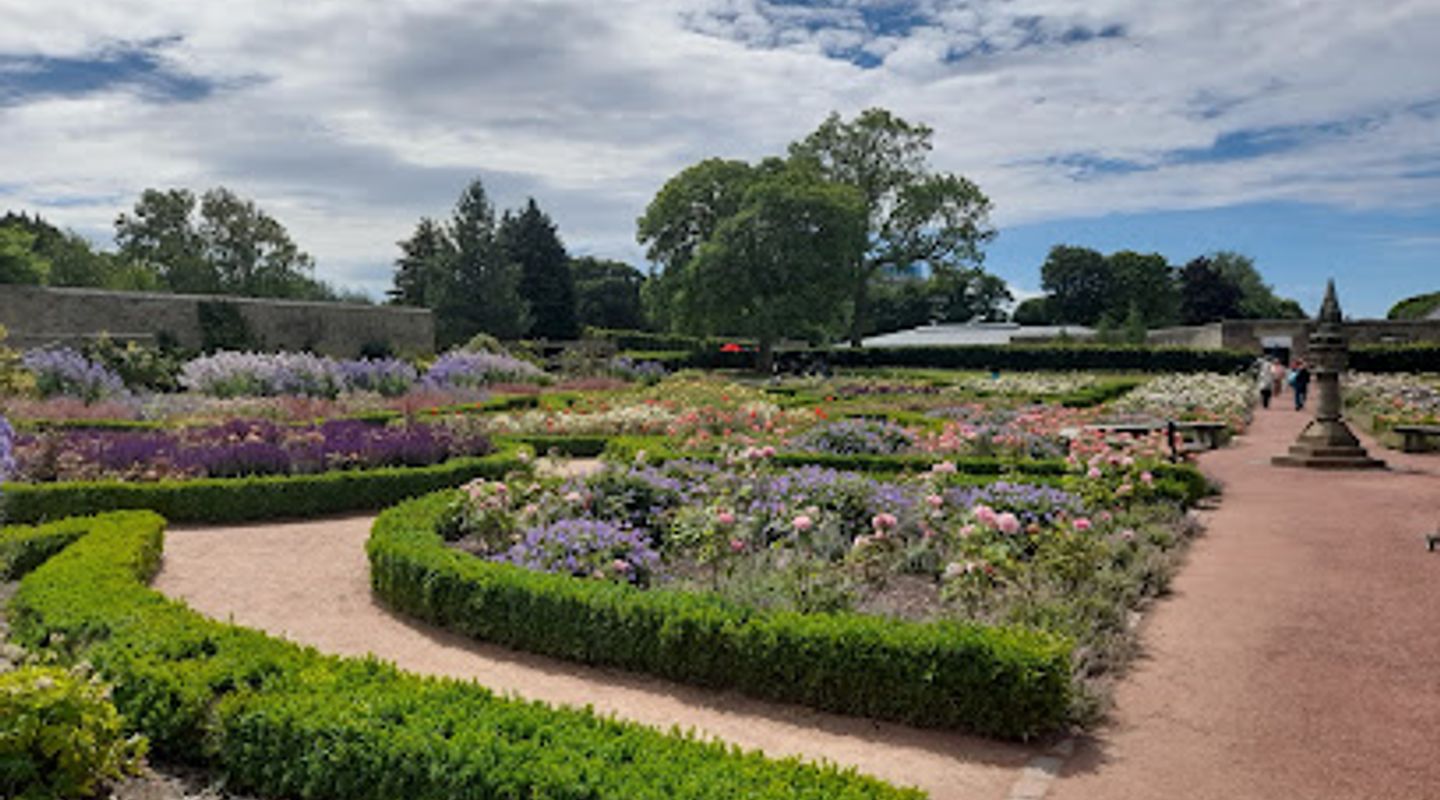
A brief summary of Saughton Park
Historic Edinburgh park blending heritage, horticulture, and tranquil green spaces along the Water of Leith.
Saughton Park, located in Edinburgh, is a historic public park spanning over 14 hectares. Opened to the public in 1910, it features formal gardens, a bandstand, a Winter Garden, and a renowned walled garden. Once the site of Saughtonhall House and a private lunatic asylum, the park blends rich heritage with natural beauty, offering tranquil spaces, diverse wildlife, and community events in a well-restored green oasis.
On-site amenities
 Restrooms
 Drink options
 Food options
 Seating areas
 Trash bins
 Information boards
Opening hours
- Every dayOpen 24 hours
Opening hours as listed on the venue’s Google Business Profile. Hours can change for services and special events, so check with the venue before you go.
- Address
- 6 Ford's Rd, Edinburgh EH11 3HP
- Phone
- Website
Getting there
Bus
Tram and Walk
Car
Discover more about Saughton Park
Legacy of Saughtonhall and Early History
Saughton Park’s origins trace back to the 1100s, initially linked to lands granted to Holyrood Abbey. The estate was home to Saughtonhall House, a substantial mansion built around the mid-1600s and owned by the Baird family from 1669. This mansion later became The Institute for the Recovery of the Insane, a private asylum noted for its humane treatment and pioneering use of horticulture in patient recovery. The asylum operated until the early 1900s when the estate was sold to Edinburgh Corporation, marking the transition from private grounds to a public park.
The Scottish National Exhibition and Park Development
In 1908, Saughton Park hosted the Scottish National Exhibition, attracting over 3.5 million visitors. The event featured diverse attractions including pavilions, gondola rides on the Water of Leith, and cultural exhibits. Following the exhibition, the park was formally opened to the public in 1910, with designs by John William M’Hattie. Key features such as the bandstand—one of two purchased from the Kirkintolloch Lion Foundry—and the Winter Garden became beloved fixtures, alongside the expansive rose gardens and paddling pools.
Restoration and Modern Revival
By the late 20th century, Saughton Park had experienced decline but underwent a major restoration funded by the Heritage Lottery Fund and supported by the Royal Caledonian Horticultural Society and Friends of Saughton Park. The refurbishment revitalized the walled garden, restored the bandstand and Winter Garden, and integrated historic outbuildings into community and horticultural spaces. The park now serves as the Caley’s base and a vibrant social hub, with educational boards highlighting its heritage and a pioneering renewable energy installation powering its facilities.
Natural Environment and Wildlife
Saughton Park boasts a rich natural environment with specimen trees, exotic greenhouses, and the Water of Leith running through it. It is a haven for birdwatchers, hosting species such as the Common Kingfisher, Grey Heron, Goldcrest, Eurasian Treecreeper, and Eurasian Kestrel. The Italian Sunken Garden, enclosed by topiary, offers a magical, tranquil space amid the park’s varied landscapes.
Community and Cultural Engagement
The park remains a cherished community space, hosting events, theatre productions, and social gatherings. Its history as a place of healing and recreation continues through activities and volunteer groups like Friends of Saughton Park. The park’s blend of heritage, horticulture, and natural beauty creates a welcoming environment for relaxation, education, and cultural expression.
Architectural and Horticultural Highlights
Architectural remnants such as the ferro-concrete entrance from the 1908 Exhibition and the bandstand reflect early 20th-century design. The walled garden showcases horticultural excellence with the replanted Royal Boulevard and themed gardens including a garden for the blind with scented plants and braille tablets. Stone statues, urns, and busts add artistic charm, making the park a visual and sensory delight.
Evendo Review Centre
 Google
Guest reviews
Best time to go
Quietest: Jan, Feb & Dec · before 6am or at 9pm
Busy times are Evendo estimates for a typical year, to help you plan. Actual crowds vary with events, school holidays and the weather.
Explore Saughton Park on the map
A handpicked selection of must-see spots near Saughton Park, mapped for you.
Get your free copy of our complete guide to Saughton Park, delivered straight to you.
Everything on this page, from opening hours and how to get there to Eve’s tips and the best time to go, in one PDF you can read offline, print or share.
Already have an account? Sign in
Your Saughton Park guide is ready.
We'll send it to · Not you? Sign out

Getting your guide ready…
We are putting together a fresh copy of the Saughton Park guide. This can take up to a minute.
This can take a few moments. If your browser asks, choose Allow so the download can start. You'll find the guide in your Downloads folder.
Nothing happened? Download it again
Sorry, the guide is taking longer than usual. Please try again in a minute, or get it by email instead.
Other nearby places you may find interesting
The closest places of the same kind, if this one is not quite what you had in mind.
-
-
-
-
-


Swipe for more places
More to explore near Saughton Park

 Best experiences near Saughton Park
 Best hotels near Saughton Park
 Best landmarks near Saughton Park
 Best attractions near Saughton Park
 Best shops near Saughton Park
 Best restaurants near Saughton Park
 Best bars near Saughton Park
Do you manage this location?
Take control to get all the benefits, like improved information, better appearance, and stronger visibility across AI-powered discovery.
Explore more
Explore more of Sutherland
Discover Sutherland, the untamed beauty of the Scottish Highlands, where rugged landscapes, serene lochs, and dramatic coastlines await the adventurous traveler.
Explore Sutherland
Explore more of United Kingdom
Discover the United Kingdom: A blend of rich history, stunning landscapes, and vibrant cities, offering a unique travel experience for every visitor.
Explore United Kingdom