

The John Muir Way (East End) in Dunbar
Walk the inspiring coastal trail where John Muir’s journey begins, blending stunning sea views with rich natural and cultural heritage in Dunbar.
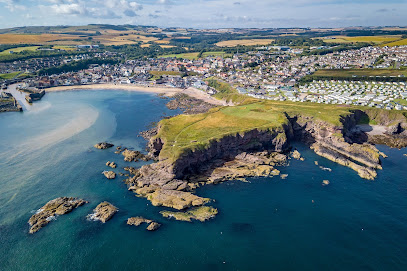
The John Muir Way is a 215-kilometre coast-to-coast trail across southern Scotland, ending in Dunbar, the birthplace of famed conservationist John Muir. The East End section in Dunbar offers spectacular coastal views, rich natural heritage, and a chance to walk in the footsteps of Muir, who inspired the modern conservation movement. This scenic trail blends beaches, cliffs, and historic sites, making it a rewarding destination for walkers and cyclists alike.
A brief summary to The John Muir Way (East end)
- 125 High St, Dunbar, EH42 1ES, GB
- Visit website
- Duration: 1 to 4 hours
- Free
-
 Outdoor
- Mobile reception: 4 out of 5
- Monday 12 am-12 am
- Tuesday 12 am-12 am
- Wednesday 12 am-12 am
- Thursday 12 am-12 am
- Friday 12 am-12 am
- Saturday 12 am-12 am
- Sunday 12 am-12 am
Local tips
- Wear sturdy walking shoes as some cliff-top sections have uneven terrain and steep steps.
- Visit the John Muir’s Birthplace Museum in Dunbar to deepen your understanding of his life and legacy.
- Plan your walk during clear weather to enjoy the best coastal views and photography opportunities.
- Use public transport to reach Dunbar town center, where the trail’s East End section begins and ends.

For the on-the-go comforts that matter to you
- Restrooms
- Drink Options
- Food Options
- Seating Areas
- Trash Bins
- Information Boards
Getting There
-
Train
Take a train from Edinburgh Waverley to Dunbar station; the journey takes approximately 30–40 minutes with frequent daily services. From the station, the East End trailhead is accessible via a 15-minute walk along local streets. Train tickets cost around £10–£15 one way.
-
Bus
Local bus services connect Dunbar with nearby towns such as North Berwick and Haddington. Bus travel times vary between 20 and 45 minutes depending on the route. Tickets typically cost £3–£6. Buses stop near Dunbar High Street, close to the trail access points.
-
Car
Driving to Dunbar is possible via the A1 road, with journey times from Edinburgh around 45 minutes depending on traffic. Parking is available in town at designated car parks, some free and others charging up to £5 per day. Note that parking spaces can be limited during peak season.
The John Muir Way (East end) location weather suitability
-
 Any Weather
-
 Clear Skies
-
 Mild Temperatures
-
 Rain / Wet Weather
-
 Windy Conditions
Discover more about The John Muir Way (East end)
A Tribute to John Muir’s Legacy
The John Muir Way is named after John Muir, born in Dunbar in 1838, who became a pioneering conservationist and founder of the United States National Park Service. The trail honors his legacy by linking his birthplace with the natural landscapes that shaped his early life and later inspired his environmental activism. The East End section in Dunbar marks the eastern terminus of this 215-kilometre route, symbolizing the end of a journey that begins on Scotland’s west coast and passes through diverse terrains and cultural landmarks.Scenic Coastal Landscapes and Natural Beauty
This part of the John Muir Way showcases Dunbar’s dramatic coastline, featuring rugged cliffs, sandy beaches, and panoramic sea views. The trail invites visitors to immerse themselves in the rich biodiversity of the area, including seabirds and coastal flora. The coastal path offers a tranquil yet invigorating experience, with fresh sea air and the sound of waves enhancing the connection to nature that Muir himself cherished.Historic and Cultural Connections Along the Path
Beyond natural beauty, the trail passes through sites of historical significance, including remnants of Dunbar’s maritime heritage and landmarks commemorating Muir’s life. The route’s waymarking and interpretative signage provide insight into the region’s cultural past and its role in Scotland’s broader history. This section also connects with local museums and visitor centers dedicated to John Muir’s story and conservation ideals.Trail Experience and Accessibility
The East End section is suitable for walkers and cyclists of varying abilities, with well-maintained paths and some steeper steps near the cliffs. It is a popular segment for day trips and shorter excursions, offering a manageable yet fulfilling outdoor adventure. The trail integrates well with public transport options and local amenities, making it accessible for both locals and visitors.Community and Conservation Efforts
The John Muir Way is managed collaboratively by local councils and conservation organizations, reflecting a strong community commitment to preserving the trail’s natural and cultural assets. Efforts include maintaining signage, supporting wildlife habitats, and promoting sustainable tourism practices. The route encourages respect for the environment, aligning with John Muir’s enduring message of nature stewardship.Connecting Scotland’s Heartland
Ending in Dunbar, the John Muir Way links Scotland’s west and east coasts, passing through national parks, historic towns, and urban centers like Edinburgh. This continuous route offers a unique perspective on Scotland’s landscapes and heritage, making the East End a fitting and inspiring conclusion to the journey. Visitors can explore Dunbar’s charming town center, enjoy local hospitality, and reflect on the trail’s celebration of nature and history.Iconic landmarks you can’t miss

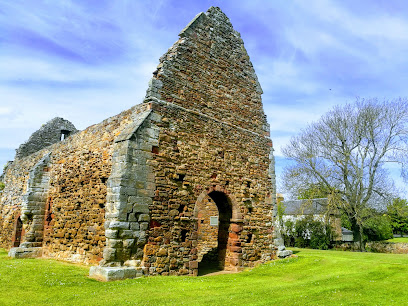
St Martin's Kirk
16.6 km
Explore the evocative 12th-century Romanesque ruins of St Martin's Kirk, a cornerstone of Haddington's medieval spiritual heritage and Reformation history.
Byrecleugh Burn
20.7 km
Experience the serene beauty of Byrecleugh Burn, a tranquil river in the Scottish Borders perfect for nature lovers and outdoor enthusiasts alike.

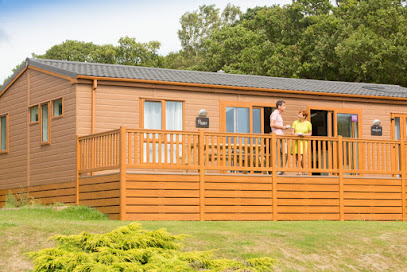
Scoutscroft Leisure Park | Verdant Leisure
26.1 km
Relax by the stunning Berwickshire coast with cozy self-catering lodges, pet-friendly amenities, and seaside adventures at Scoutscroft Leisure Park.
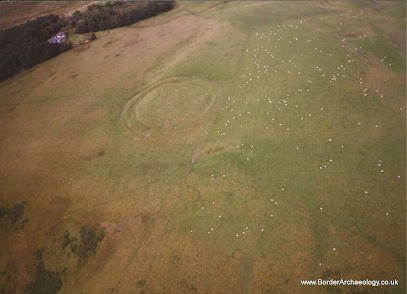
Raecleugh Head Prehistoric Fort
26.7 km
Explore the ancient earthworks and panoramic views of Raecleugh Head Prehistoric Fort, a remarkable hillfort in the heart of Berwickshire's historic landscape.
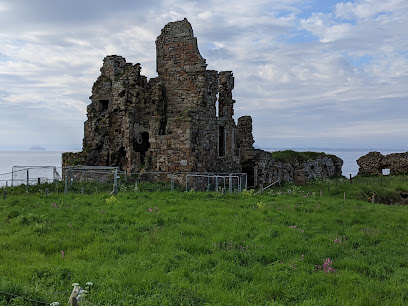
Newark Castle
27.3 km
Discover the rich history and breathtaking views at Newark Castle in Anstruther, Scotland – a perfect blend of adventure and cultural heritage.
Berwickshire High School
27.4 km
Discover Berwickshire High School in Duns, a charming educational institution that reflects the rich culture of the Scottish Borders.

East Peaston
27.7 km
A tranquil historic hamlet in East Lothian offering scenic countryside charm and a glimpse into Scotland’s agricultural heritage.
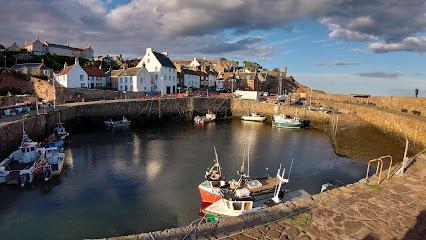
Crail Harbour
29.1 km
Experience the charm of Crail Harbour, a historic landmark with stunning coastal views, local cuisine, and a rich maritime heritage in the heart of Scotland.
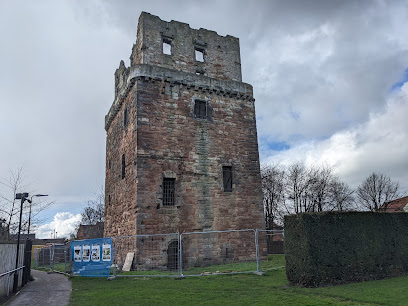
Preston Tower
29.2 km
Discover Preston Tower, a resilient 15th-century Scottish stronghold set within tranquil gardens, rich with history and medieval charm.
Eyemouth Museum
30.4 km
Explore Eyemouth Museum, a captivating attraction showcasing the rich maritime heritage and local culture of Eyemouth, Scotland.
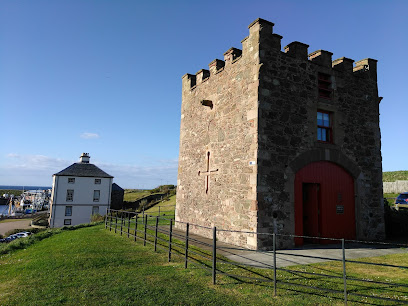
Visit Berwickshire Coast
30.4 km
Explore the Berwickshire Coast: A stunning blend of natural beauty, rich history, and charming coastal towns perfect for a memorable getaway.
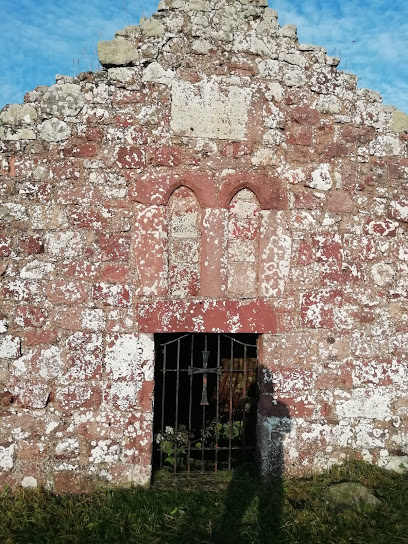
Soutra Aisle
30.6 km
Medieval hospital ruins where 12th-century monks pioneered surgical medicine on Scotland's ancient Royal Road.
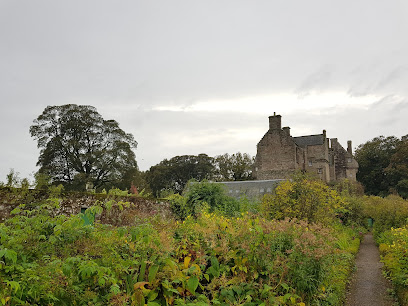
Kellie Castle
30.6 km
Explore the enchanting Kellie Castle, a historical gem in Fife, surrounded by stunning gardens and rich Scottish heritage.
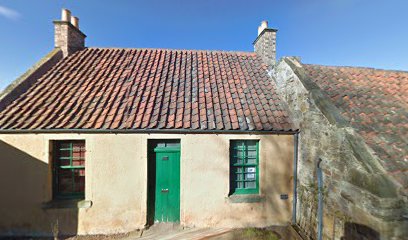
Cousland Smiddy Trust
31.8 km
Explore Scotland's blacksmithing heritage at Cousland Smiddy Trust, a local history museum showcasing traditional craftsmanship and live demonstrations.
Scotland's Secret Bunker
31.8 km
Explore the fascinating history of the Cold War at Scotland's Secret Bunker, a unique museum experience in the heart of Scotland.
Unmissable attractions to see

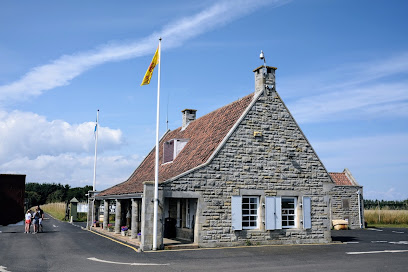
John Muir's Birthplace
0.0 km
The birthplace of a visionary who transformed how the world protects wilderness.
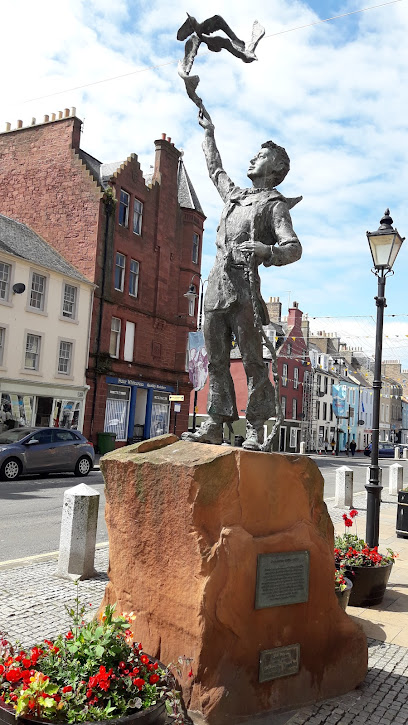
John Muir Country Park
2.8 km
Explore diverse coastal landscapes, rich wildlife, and family-friendly adventures at John Muir Country Park in Dunbar.
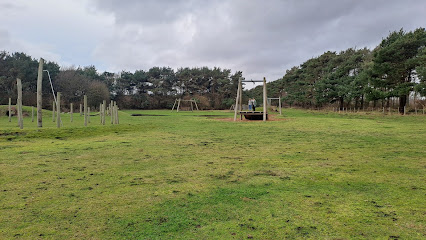
East Links Family Park
3.0 km
A lively 20-acre farm-themed adventure park in Dunbar with animal safaris, play forts, go-karts, and family fun activities for all ages.
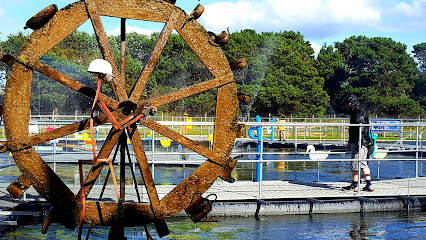
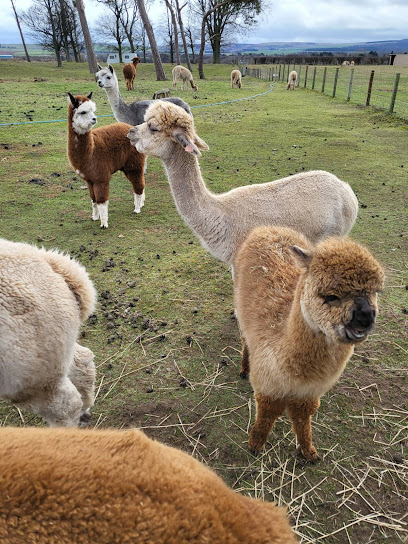
John Muir Alpacas
3.7 km
Experience serene alpaca trekking and nature walks near Dunbar, blending wildlife charm with East Lothian’s stunning landscapes.
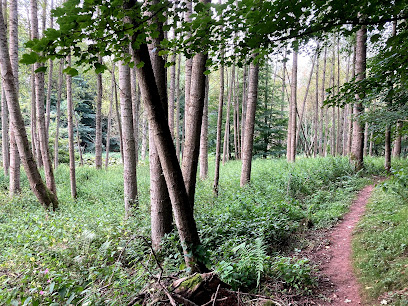
Brock Wood, Scottish Wildlife Trust
4.6 km
A serene mixed woodland reserve near Dunbar, rich in native trees, spring wildflowers, and breeding birds on peaceful circular trails.
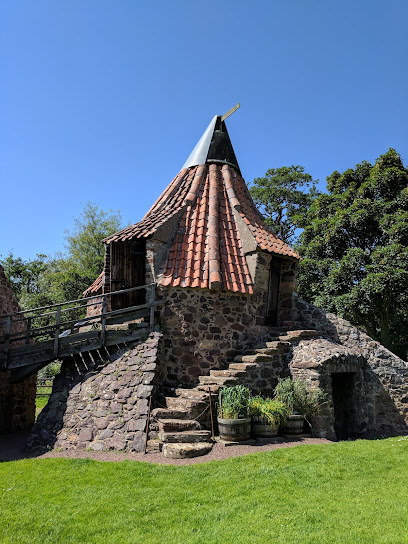
Preston Mill
8.5 km
Step back in time at Preston Mill, East Lothian’s picturesque historic watermill with riverside wildlife and Outlander connections.
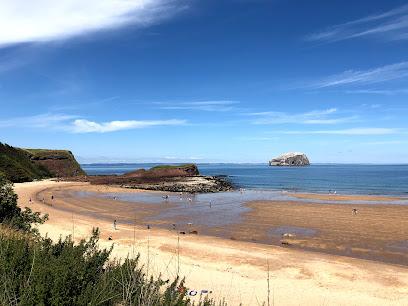
Seacliff
9.3 km
Seacliff Beach offers a tranquil escape with stunning views of Bass Rock and Tantallon Castle, perfect for nature lovers and peaceful coastal walks.
Tantallon Castle
10.2 km
Explore the rugged ruins of Tantallon Castle, a majestic medieval fortress with stunning coastal views and a dramatic history by the sea.
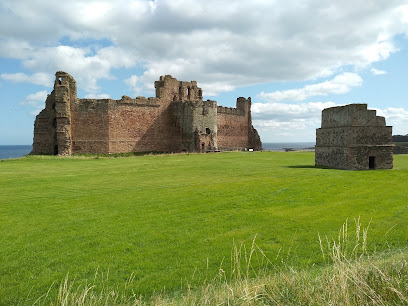
Hailes Castle
10.9 km
Explore the evocative ruins of Hailes Castle, a medieval fortress with deep royal ties and a serene riverside setting in East Lothian.
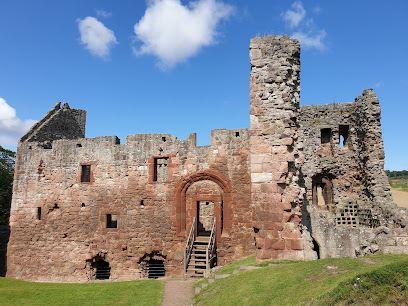
Bass Rock
11.3 km
A dramatic volcanic island home to the world’s largest northern gannet colony and rich Scottish heritage in the Firth of Forth.
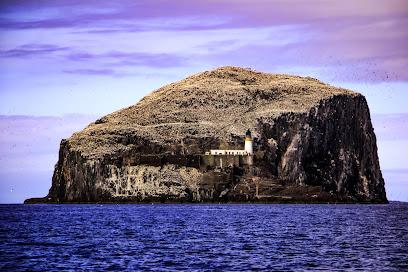
Waughton Castle
11.3 km
Discover the evocative ruins of Waughton Castle, a 14th-century stronghold steeped in Scottish history amidst tranquil East Lothian farmland.
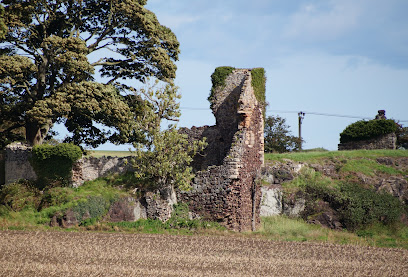
National Museum Of Flight
12.7 km
Explore Scotland’s rich aviation heritage at East Fortune Airfield, home to historic aircraft and the iconic Concorde experience.

Haugh Road Beach
12.8 km
A tranquil, crystal-clear waters beach with stunning Firth of Forth views, perfect for peaceful swims and coastal walks near North Berwick.
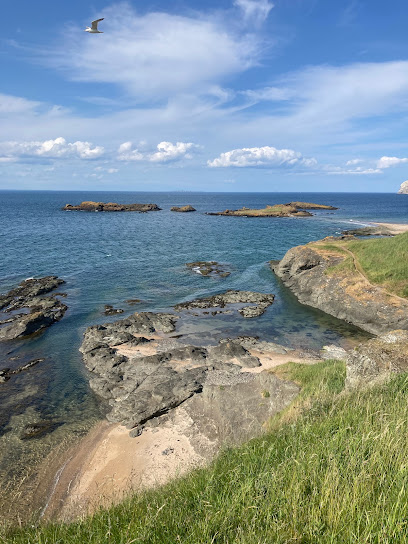
Cove Harbour
12.8 km
Historic fishing harbour with timeless charm, scenic coastal walks, and a unique tunnel leading to a sandy beach in the Scottish Borders.
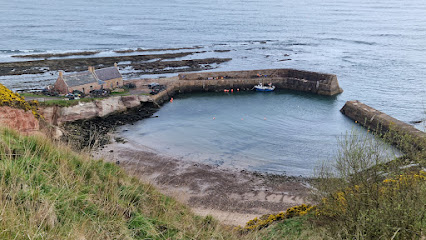
North Berwick Law
13.3 km
Discover the breathtaking views and natural beauty of North Berwick Law, a must-visit peak in East Lothian for nature lovers and adventurers.
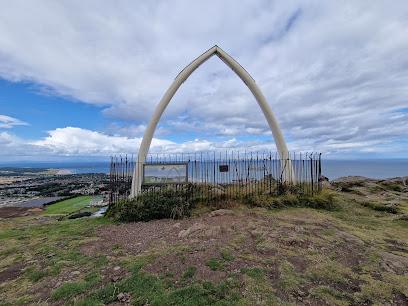
Essential places to dine

The Black Agnes Gastropub
0.1 km
A welcoming Scottish gastropub in Dunbar serving hearty, fresh seafood and classic pub dishes with a modern, friendly atmosphere.
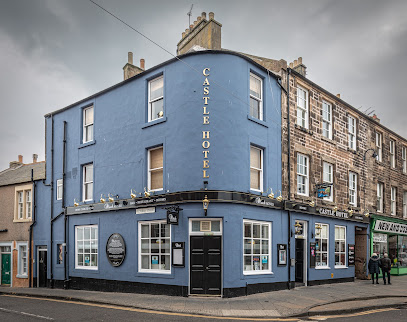
Dunmuir Hotel 1902 Bar & Restaurant - Dunbar
0.8 km
Charming Dunbar hotel blending modern comfort, warm hospitality, and excellent dining in a peaceful seaside setting.
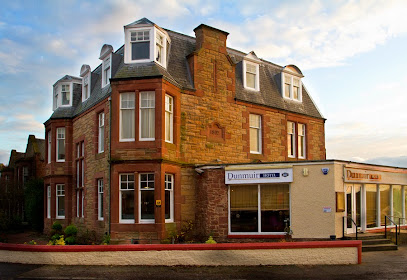
Linton Hotel & Steak House
8.9 km
Charming 4-star village inn with a traditional steakhouse, cosy bar, and locally sourced Scottish cuisine in the heart of East Linton.
The Crown & Kitchen
8.9 km
Historic 18th-century gastropub in East Linton serving seasonal Scottish dishes with boutique rooms and a charming garden bar.
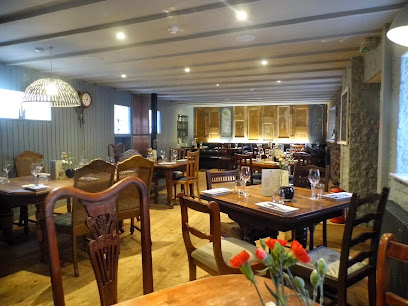
Garvald Inn
12.2 km
A cosy, family-run country pub in East Lothian offering hearty home-cooked meals, warm hospitality, and a welcoming village atmosphere.
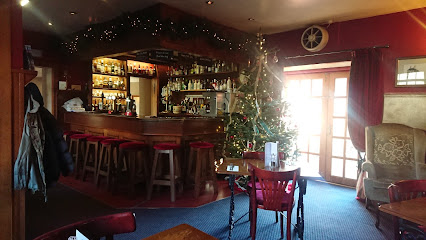
Zitto Italian Winebar & Trattoria
13.9 km
Authentic Italian tapas, wood-fired pizzas, and a curated wine selection in the heart of North Berwick’s vibrant dining scene.
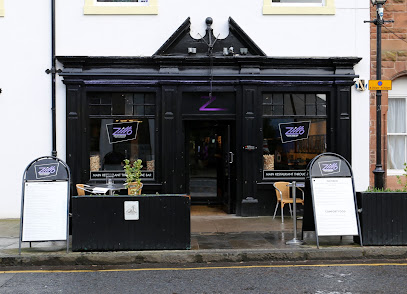
Cucina Amore
14.0 km
Experience authentic Italian warmth and fresh coastal flavours in the heart of North Berwick at Cucina Amore.
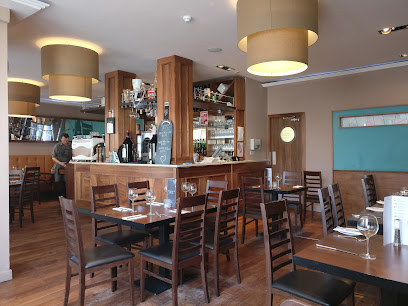
The Grange Restaurant & Steakhouse
14.0 km
A beloved steakhouse on North Berwick’s High Street, serving quality British cuisine in a warm, relaxed atmosphere with attentive service.
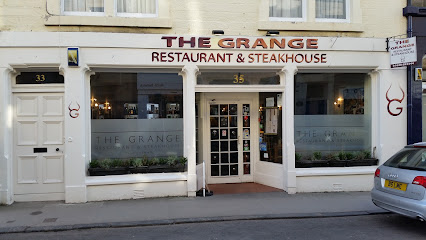
The Rocketeer Restaurant
14.1 km
Fresh seafood and stunning coastal views combine at The Rocketeer, North Berwick’s beloved seaside restaurant.
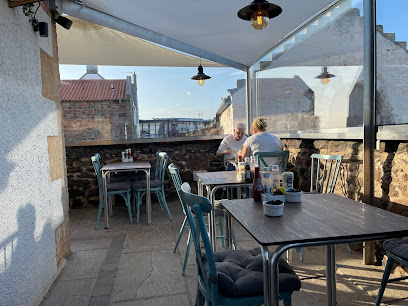
The Puffin
14.1 km
Cozy bistro and wine bar in North Berwick blending Scottish seafood and French flavors in a charming coastal setting.
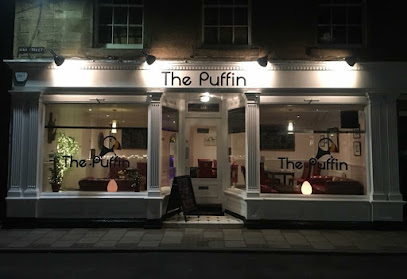
The Lobster Shack
14.2 km
Rustic seafood shack on North Berwick Harbour serving fresh lobster, crab, and fish with stunning sea views in a casual, seasonal setting.
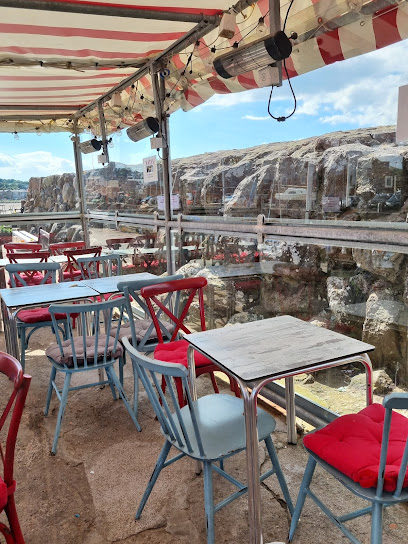
The Golf Tavern
16.7 km
A charming family-run pub and inn in Haddington offering hearty Scottish fare, cozy rooms, and a lively social atmosphere.
The Waterside Bistro in Haddington
16.7 km
Charming riverside bistro in Haddington offering classic dishes, fresh seafood, and warm, professional service in a historic setting.
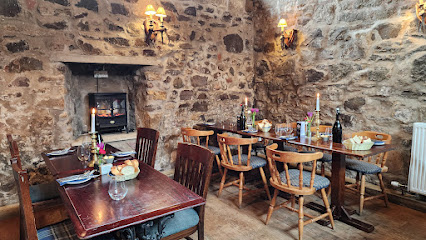
Eastern Eye
16.9 km
Experience authentic Indian cuisine with generous portions and warm service in the historic town of Haddington.
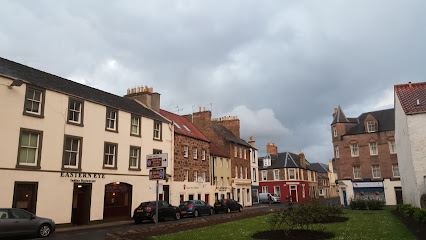
The grain
17.0 km
Savor authentic Italian pizzas and warm hospitality in the heart of historic Haddington’s High Street.

Markets, malls and hidden boutiques

Time & Tide
14.0 km
Discover sophisticated homewares and unique gifts in a charming coastal boutique at Time & Tide, North Berwick’s stylish destination for interior inspiration.
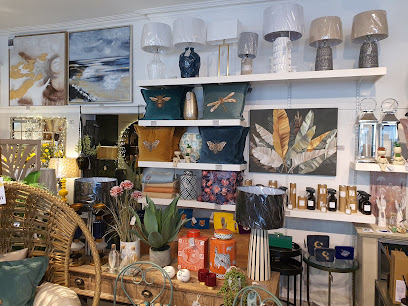
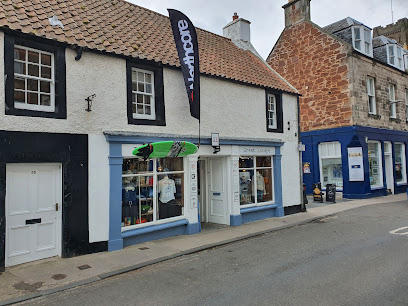
Great Escape
14.0 km
Your go-to outdoor clothing and equipment shop in North Berwick, offering expert advice and quality gear for every adventure.
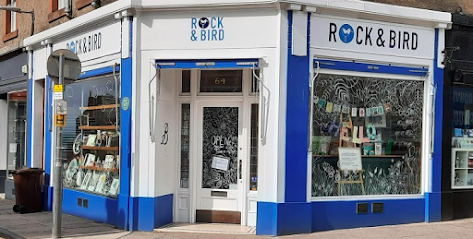
Rock & Bird
14.0 km
Discover unique art supplies, creative gifts, and local craftsmanship in the heart of North Berwick at Rock & Bird.
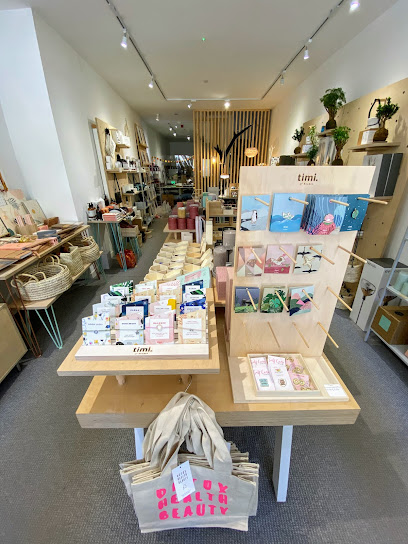
SO & CO Accessories
14.1 km
Discover stylish, contemporary accessories and unique gifts in a charming boutique on North Berwick’s High Street.

NØRDEN
14.1 km
Discover Nordic-inspired homewares and lifestyle treasures in North Berwick’s family-owned concept store, NØRDEN.
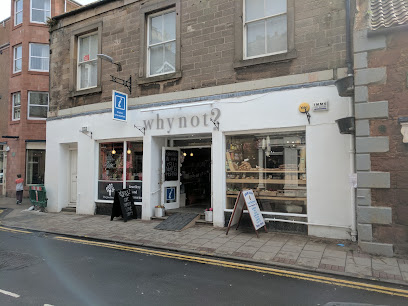
Whynot?
14.1 km
Explore Whynot? in North Berwick, where exquisite delicatessen treats meet a vibrant arts and crafts atmosphere.
Madame Butterfly
14.1 km
Explore Madame Butterfly in North Berwick for unique gifts and local craftsmanship that capture the spirit of Scotland.
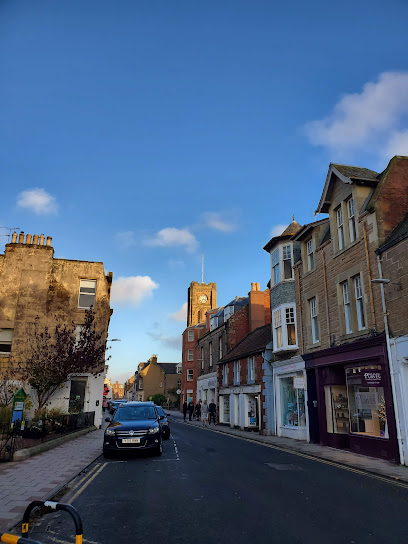
Nungate Minimarket
16.7 km
Discover Nungate Minimarket in Haddington, your go-to convenience store for local snacks and essentials during your Scottish adventure.

The Malt Kiln..
17.0 km
Discover artisan cheeses and unique gifts in the heart of historic Haddington at The Malt Kiln.
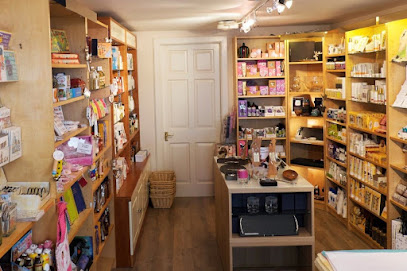
Gibsons Of Haddington
17.1 km
Discover expert watch repairs and unique gifts in the heart of historic Haddington’s Market Street.
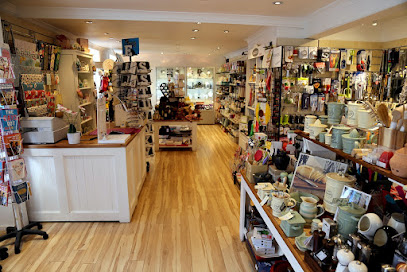
The Original Factory Shop (Haddington)
17.2 km
Affordable quality and variety await at The Original Factory Shop in Haddington, your local destination for unbeatable bargains.

Rosehall Stores
17.8 km
Experience local charm at Rosehall Stores, a cozy supermarket in Haddington offering fresh produce and unique Scottish delicacies.
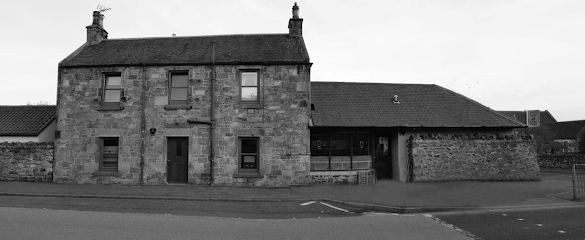
Beech & Birch - Scandinavian and British Homeware
18.1 km
Discover the charm of Scandinavian and British homeware in the heart of Gifford’s picturesque village.
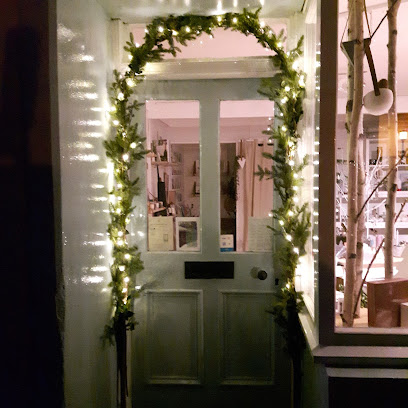
Haddington Retail Park
19.2 km
Modern retail hub in East Lothian offering diverse stores, dining, and sustainable amenities with ample parking and extended hours.

Old Smiddy gift shop
20.0 km
Discover unique Scottish gifts, handmade treasures, and charming souvenirs at Old Smiddy Gift Shop in the heart of Gullane.
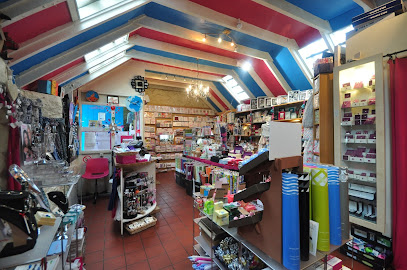
Essential bars & hidden hideouts

The Bear & Bull
0.1 km
A friendly, dog-welcoming bar and café on Dunbar’s High Street, offering quality food, drinks, and a warm local atmosphere.
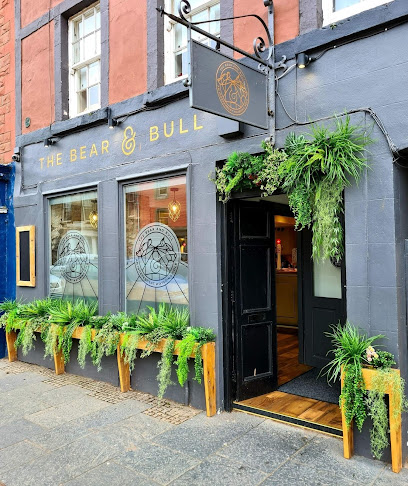
The Ship Inn
13.9 km
A warm, traditional Scottish pub in North Berwick offering hearty fare, lively sports, and friendly vibes by the sea.
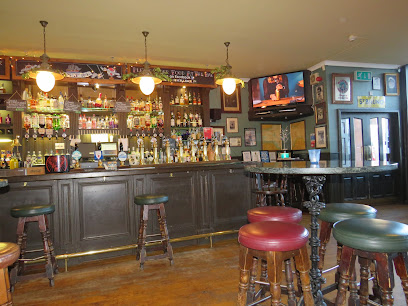
The Auld Hoose
14.0 km
A lively North Berwick pub famed for craft drinks, massive portions, and a welcoming rock ’n’ roll vibe in a cozy, dog-friendly setting.
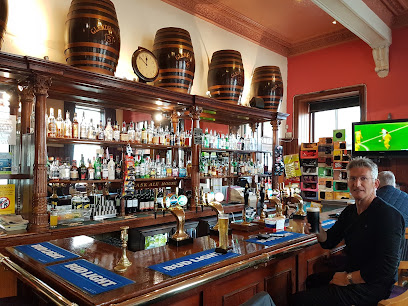
The New Pheasant
17.0 km
Experience warm Scottish hospitality and hearty local fare at The New Pheasant, a cozy pub nestled in the heart of historic Haddington.
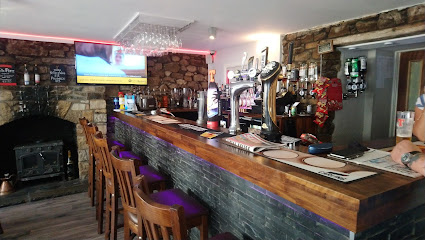
Mercat
17.0 km
Experience authentic Scottish hospitality and lively local charm at Mercat Pub, the heart of Haddington’s social scene.
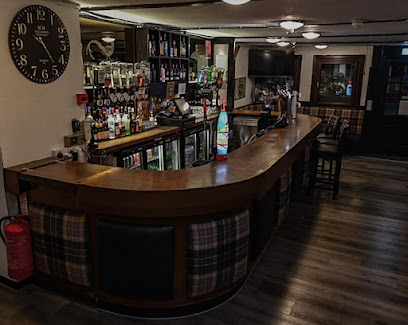
The Plough Tavern
17.2 km
A welcoming Scottish pub and hotel in Haddington offering hearty traditional fare, local ales, and cozy accommodation in a historic setting.
The Craw Inn
25.2 km
Charming country inn in Auchencrow offering hearty food, cozy rooms, real ales, and warm Scottish Borders hospitality.
Thorntree Inn
27.8 km
Coastal charm and warm hospitality meet at Thorntree Inn, Cockenzie’s welcoming local pub with stunning sea views and a relaxed vibe.
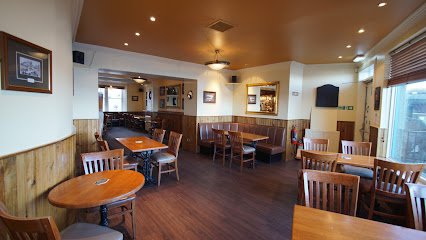
Whispers Lounge Bar
27.8 km
A cozy, family-run pub offering hearty meals and local drinks in the heart of Tranent’s historic High Street.
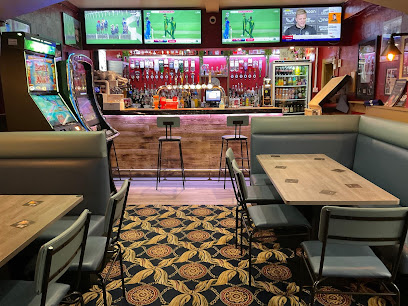
The New Prestoungrange Gothenburg
29.9 km
Historic coastal pub in Prestonpans blending heritage, craft beers, and scenic sea views for a memorable social experience.
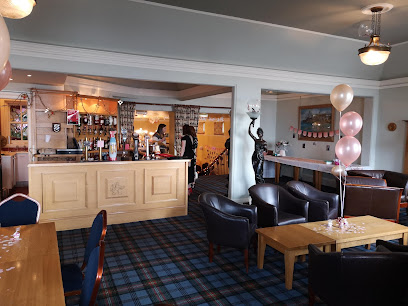
The Contented Sole
30.4 km
A friendly harbour-side pub offering fresh seafood and traditional Scottish fare in the heart of Eyemouth’s fishing community.
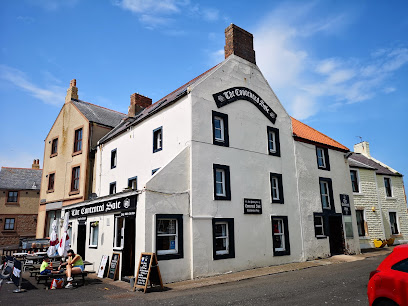
Levenhall Arms
32.4 km
A cozy Musselburgh pub famed for quality real ales, hearty Indian-inspired pub food, and warm local hospitality.
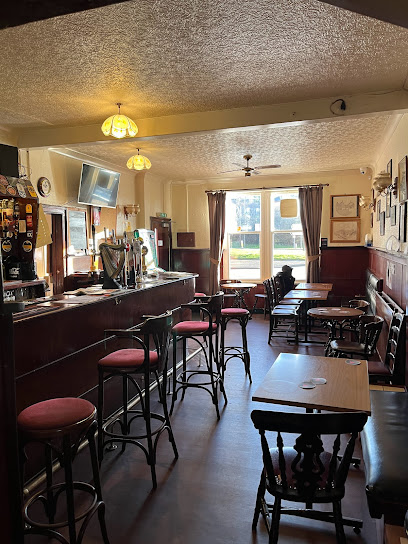
The First & Last Inn
32.8 km
Cozy coastal pub and B&B in Upper Burnmouth offering hearty meals, friendly service, and scenic Scottish Borders charm.
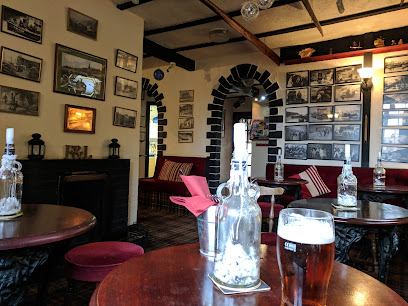
The David MacBeth Moir - JD Wetherspoon
34.3 km
A welcoming JD Wetherspoon pub in Musselburgh offering hearty meals, local ales, and a lively atmosphere from breakfast to late night.
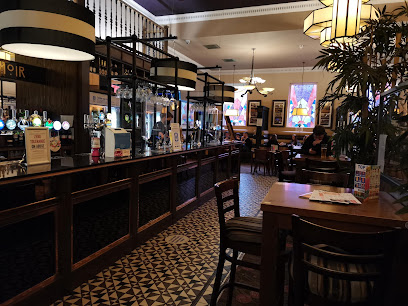
Ship Inn
36.5 km
A welcoming traditional pub on Dalkeith’s High Street offering hearty fare, local ales, and a friendly community atmosphere.
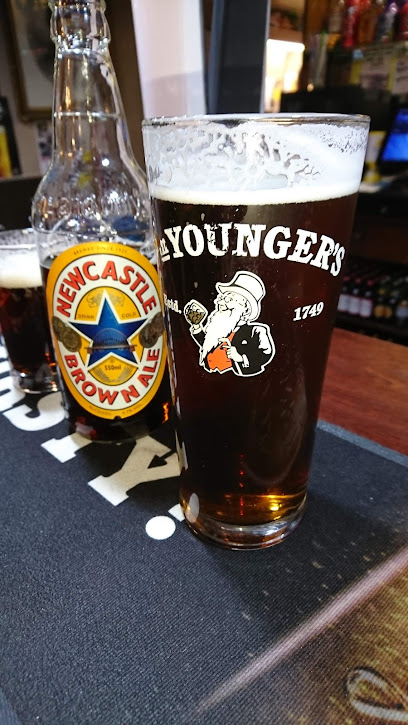
Nightclubs & after hour spots

Truth
36.7 km
Experience vibrant nightlife with great music, friendly service, and a welcoming atmosphere at Truth nightclub in Leven, Fife.

GREEN HOUSE | Berwick Upon Tweed
41.0 km
Berwick-upon-Tweed’s vibrant late-night hotspot offering lively music and dancing in the heart of the historic town.

BedRocks
41.1 km
Discover the vibrant nightlife of Berwick-upon-Tweed at BedRocks, a lively nightclub and bar known for its energetic atmosphere and affordable drinks.
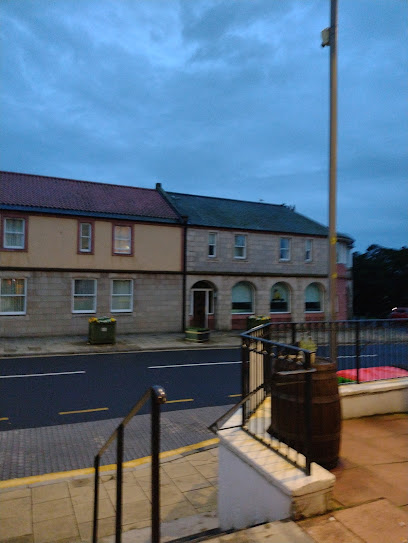
Republic Bar Club
41.6 km
Experience Kirkcaldy’s vibrant nightlife at Republic Bar Club, where great drinks, friendly vibes, and lively weekends come together.
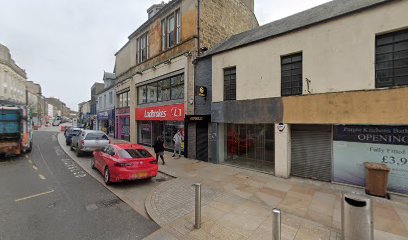
The Hive Nightclub & Venue
42.1 km
Edinburgh's gritty Cowgate nightclub: cheap drinks, multi-room beats, and non-stop energy until 3am in the heart of Old Town.
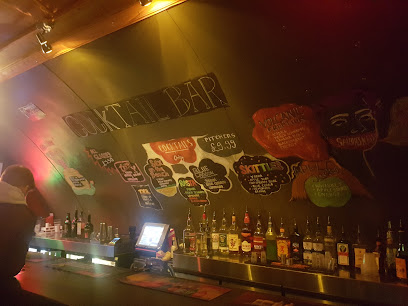
Cabaret Voltaire
42.2 km
Vaulted live-music rooms and a relaxed upstairs bar—Cabaret Voltaire is Edinburgh’s atmospheric hub for alternative gigs and late-night clubbing.
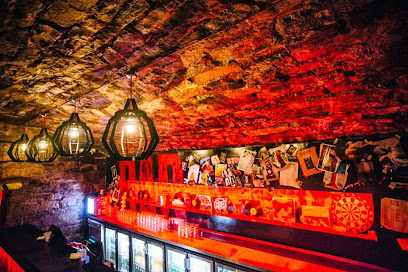
La Belle Angele
42.2 km
Edinburgh’s intimate nightclub and live music venue blending historic charm with vibrant themed nights and diverse performances.
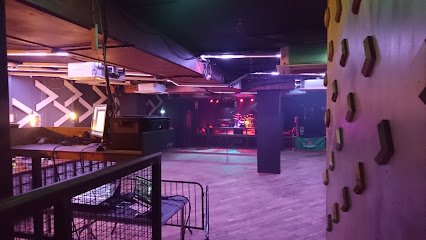
The Mash House
42.2 km
A vibrant Edinburgh nightclub and live music venue blending folk, electronic, and techno in a lively, casual setting.

Sneaky Pete's
42.4 km
Intimate live music and club nights in Edinburgh’s Old Town, where emerging talent meets vibrant nightlife.
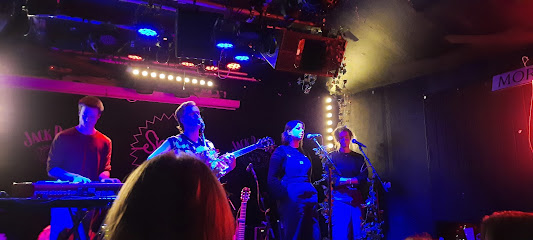
Legends
42.5 km
Edinburgh’s only 24/7 rock nightclub, Legends pulses with raw energy and live alternative music in the heart of Cowgate.

Frankenstein
42.5 km
Electrifying Gothic pub where Frankenstein's monster awakens hourly amid pizzas, chilling cocktails, and Old Town vibes—Edinburgh's spookiest nightlife haunt.
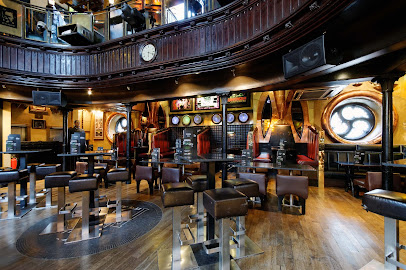
The Bongo Club
42.5 km
Edinburgh’s underground hotspot blending eclectic music, live art, and a vibrant late-night scene in the historic Old Town.

The Liquid Room
42.6 km
Edinburgh's multi-level nightlife gem: techno thumps, live gigs, and warehouse vibes on historic Victoria Street.
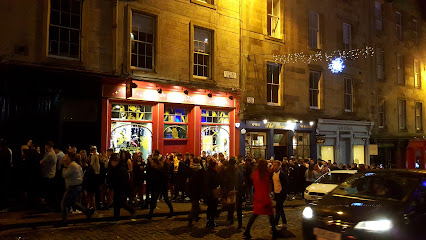
Why Not Nightclub
42.6 km
Edinburgh's multi-award-winning late-night haven with LED immersion, garden vibes, and non-stop beats on George Street.

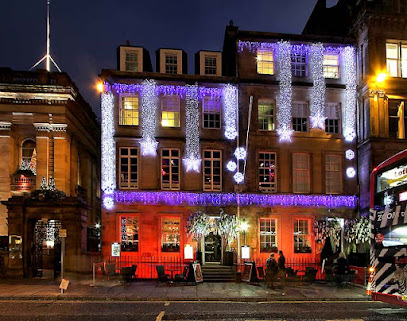
Shanghai Nightclub
42.6 km
Edinburgh's Oriental nightlife den: Asian decor, themed beats, VIP vibes, and non-stop energy on George Street.
For the vibe & atmosphere seeker
- Scenic
- Relaxing
- Tranquil
- Unique
For the architecture buff
- Historic
- Parks & Gardens
- Viewpoints
For the view chaser and sunset hunter
- Iconic Views
- Panoramas
- Waterfront
- Sunrise Spots
- Sunset Spots
For the social media creator & influencer
- Instagrammable
- Photo Spots
- Selfie Spots
- Aesthetic Corners
For the eco-conscious traveler
- Sustainable
- Eco-Friendly
- Low Impact
- Public-Transport Accessible
- Leave-No-Trace Critical
- Locally Managed
- Wildlife Habitat
For the kind of experience you’re after
- Cultural Heritage
- Nature Escape
- Day Trip
- Weekend Getaway
- Photowalk
- Myth & Legends
For how adventurous you want the journey to be
- Easy Access
Location Audience
- Family Friendly
- Senior Friendly
- Child Friendly
- Teen Friendly
- Wheelchair Access
- Pet Friendly
- Solo Friendly
- Couple Friendly
- Solo Female Friendly
- Vegetarian Friendly
- Vegan Friendly


