

Waterloo Pl, Edinburgh Travel Guide
Free Guide: Waterloo Place: historic gateway bridging Edinburgh’s Old and New Towns with Georgian elegance and sweeping city views.


A brief summary of Waterloo Pl
Waterloo Place: historic gateway bridging Edinburgh’s Old and New Towns with Georgian elegance and sweeping city views.
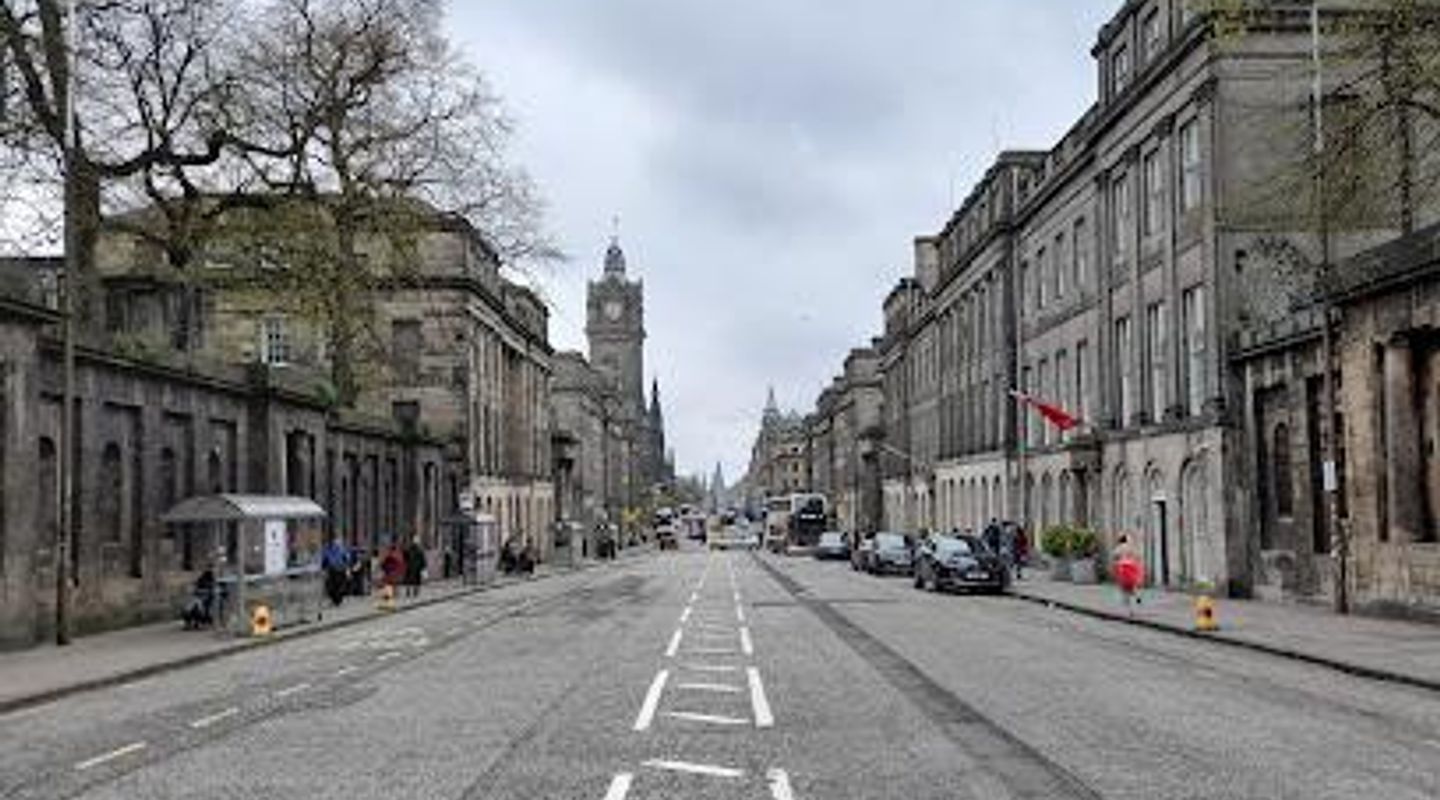
Waterloo Place is a notable street in Edinburgh, located at the eastern end of Princes Street. It serves as a grand entrance to the city, spanning the Low Calton ravine via the elegant Regent Bridge. The area blends historic Georgian architecture with urban vitality, offering views of Calton Hill and Edinburgh Castle. Once the site of Calton Prison, Waterloo Place now stands as a key thoroughfare linking Edinburgh’s Old and New Towns.
On-site amenities
 Restrooms
 Drink options
 Food options
 Seating areas
 Information boards
- Address
- Edinburgh
Getting there
Tram
Bus
Taxi
Walking
Discover more about Waterloo Pl
Architectural and Historical Significance
Waterloo Place is a distinguished street marking the eastern terminus of Princes Street, one of Edinburgh’s principal thoroughfares. It is carried over the Low Calton ravine by the impressive Regent Bridge, a structure built between 1815 and 1819. The bridge’s decorative arches commemorate the Battle of Waterloo and notable civic figures, symbolizing Edinburgh’s Regency-era expansion. The street is lined with elegant Georgian facades, reflecting the architectural style of the early 19th century and the city’s New Town development.
From Calton Prison to Urban Renewal
Historically, Waterloo Place was the location of Calton Prison, designed by Archibald Elliot and opened in 1817 as a replacement for Edinburgh’s Tolbooth. The prison, with its crenellated entrance and tower, stood prominently until its closure in 1925 and subsequent demolition, save for the Governor’s House. This transformation paved the way for the construction of St Andrew’s House government buildings, marking a shift from penal use to administrative functions within the city.
Geographical Context and Cityscape Views
The street offers a unique vantage point where Edinburgh’s Old and New Towns converge. From Waterloo Place, visitors can enjoy panoramic views that include Calton Hill’s historic monuments and the iconic Edinburgh Castle in the distance. The absence of buildings on the southern side of Princes Street enhances these vistas, creating a visual corridor that connects the city’s rich heritage with its urban fabric.
Urban Dynamics and Contemporary Character
Today, Waterloo Place remains a busy urban artery, blending its historic charm with modern city life. It functions as part of the A1 road, historically the Great London Road, and accommodates significant vehicular traffic. Despite this, the street retains an air of Georgian grandeur, with its classical architecture juxtaposed against the bustle of contemporary Edinburgh. The presence of nearby tram stops and bus routes underscores its role as a key transport link.
Local Atmosphere and Cultural Touchstones
Waterloo Place is surrounded by cultural landmarks and green spaces, including proximity to Princes Street Gardens and the Old Town’s labyrinthine streets. The area occasionally hosts street markets, providing a platform for local artisans and businesses. This mix of history, architecture, and urban activity makes Waterloo Place a vibrant part of Edinburgh’s cityscape, inviting exploration and appreciation of the city’s layered identity.
Legacy and Visitor Experience
As a gateway between Edinburgh’s historic core and its elegant New Town, Waterloo Place encapsulates the city’s evolution over two centuries. Visitors can reflect on its past—from its role in penal history to its architectural significance—while enjoying the dynamic energy of a modern capital. The street’s blend of scenic views, historic resonance, and urban vitality offers a multifaceted experience emblematic of Edinburgh itself.
Evendo Review Centre
 Google
Guest reviews
Best time to go
Quietest: Jan, Feb & Dec · before 6am or from 11pm
Busy times are Evendo estimates for a typical year, to help you plan. Actual crowds vary with events, school holidays and the weather.
Explore Waterloo Pl on the map
A handpicked selection of must-see spots near Waterloo Pl, mapped for you.
Get your free copy of our complete guide to Waterloo Pl, delivered straight to you.
Everything on this page, from opening hours and how to get there to Eve’s tips and the best time to go, in one PDF you can read offline, print or share.
Already have an account? Sign in
Your Waterloo Pl guide is ready.
We'll send it to · Not you? Sign out

Getting your guide ready…
We are putting together a fresh copy of the Waterloo Pl guide. This can take up to a minute.
This can take a few moments. If your browser asks, choose Allow so the download can start. You'll find the guide in your Downloads folder.
Nothing happened? Download it again
Sorry, the guide is taking longer than usual. Please try again in a minute, or get it by email instead.
Unlock the best of Waterloo Pl
Skip-the-line tickets, guided tours with entry, and walking tours of the area, booked in a few clicks.


Other nearby places you may find interesting
The closest places of the same kind, if this one is not quite what you had in mind.
-
-
-
-
-


Swipe for more places
More to explore near Waterloo Pl

 Best experiences near Waterloo Pl
 Best hotels near Waterloo Pl
 Best landmarks near Waterloo Pl
 Best attractions near Waterloo Pl
 Best shops near Waterloo Pl
 Best restaurants near Waterloo Pl
 Best bars near Waterloo Pl
Do you manage this location?
Take control to get all the benefits, like improved information, better appearance, and stronger visibility across AI-powered discovery.
Explore more

Explore more of Edinburgh
Discover the enchanting blend of history, culture, and natural beauty in Edinburgh, Scotland's captivating capital city.
Explore Edinburgh
Explore more of United Kingdom
Discover the United Kingdom: A blend of rich history, stunning landscapes, and vibrant cities, offering a unique travel experience for every visitor.
Explore United Kingdom
