

Custom House Leith, Edinburgh Travel Guide
Free Guide: Historic Georgian Custom House in Leith, evolving into Scotland’s first fully digital museum and vibrant cultural hub.


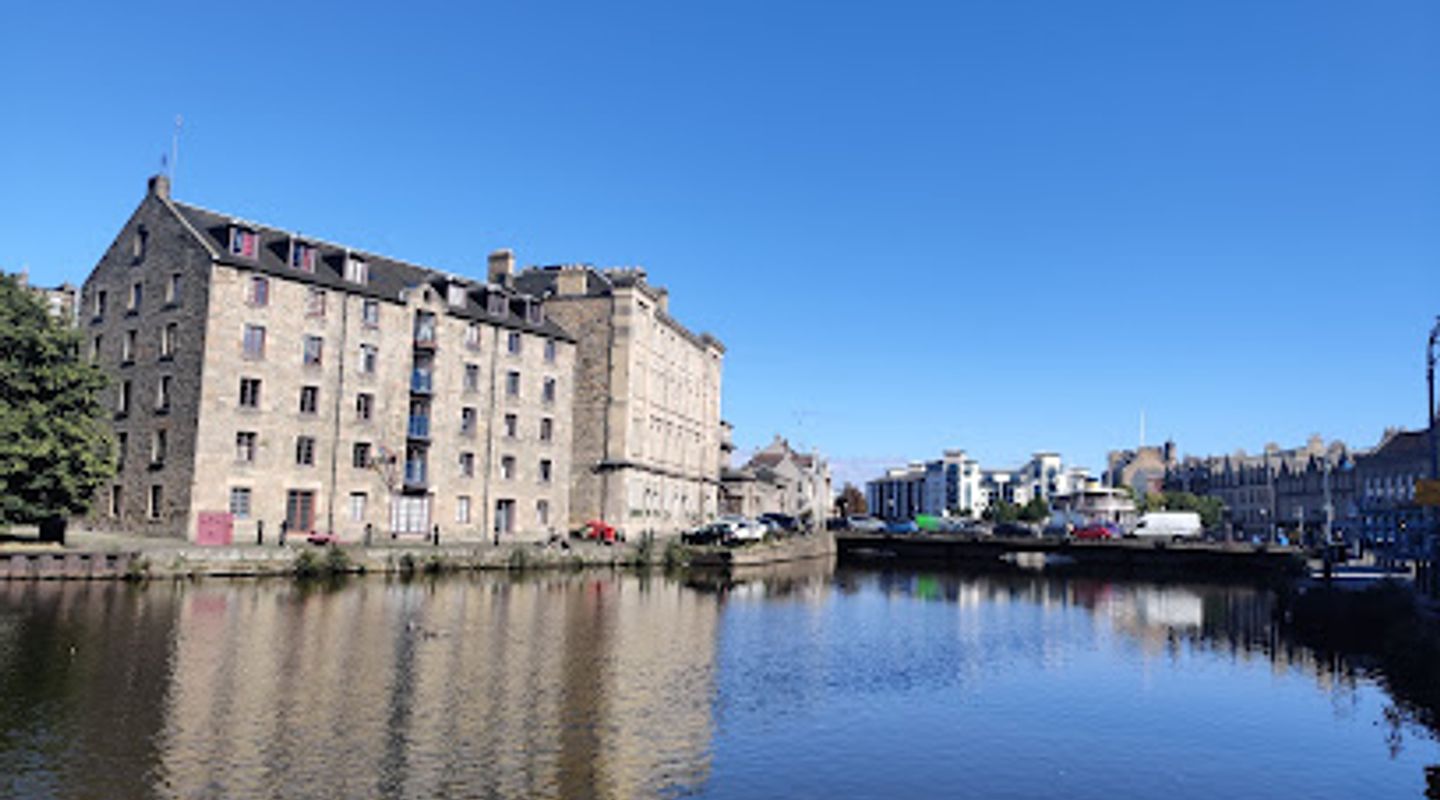
A brief summary of Custom House Leith
Historic Georgian Custom House in Leith, evolving into Scotland’s first fully digital museum and vibrant cultural hub.
Custom House Leith is a distinguished Georgian building located at 65-67 Commercial Street in Edinburgh’s historic port district of Leith. Built between 1810 and 1812 by architect Robert Reid in a commanding Greek Revival style, it served as Scotland’s oldest custom house, overseeing maritime trade for centuries. Now revitalized by the Scottish Historic Buildings Trust, it is transforming into a vibrant cultural and creative hub with plans for Scotland’s first fully digital museum, blending heritage with modern community use.
On-site amenities
 Restrooms
 Drink options
 Food options
 Seating areas
 Information boards
- Address
- 65-67 Commercial St, Leith, Edinburgh EH6 6LH
- Phone
- Website
Getting there
Bus
Tram and Walk
Taxi
Discover more about Custom House Leith
Architectural Grandeur Reflecting Scotland’s Maritime Heritage
Custom House Leith stands as one of the most distinctive Georgian buildings in Scotland, designed by Robert Reid between 1810 and 1812. Its Greek Revival style is epitomized by the imposing Doric columns on the façade, symbolizing governmental authority over the bustling port of Leith. Originally commissioned by the Scottish Boards of Customs and Excise, the building was strategically sited adjacent to the East Dock entrance, visible from the sea, to oversee the movement of ships and goods. The original Royal Arms of King George III remain prominently displayed, underscoring its official function.
Evolution of Use and Preservation Efforts
After serving as a customs office until 1980, the Custom House transitioned to storage for the National Museum of Scotland’s collections. Over time, the building housed various tenants, including a Post Office and the Mercantile Marine Office. In 2015, the City of Edinburgh Council acquired the building and leased it to the Scottish Historic Buildings Trust (SHBT), a charity dedicated to preserving historic structures. SHBT has since opened the building to the public for creative and community events, while developing plans for its long-term regeneration.
Vision for a 21st-Century Cultural Destination
Architect Richard Murphy and his team have proposed an ambitious regeneration plan to transform Custom House into a hybrid-use space. This includes Scotland’s first fully digital museum on the first floor, public amenities such as a café and reception area on the ground floor, and a lively lane of eateries and creative studios at the rear. The design respects the building’s heritage while enhancing accessibility, including the creation of level access and glazed gateways. This vision aims to create a ‘town square for the twenty-first century’—a vibrant cultural and heritage destination at the heart of Leith.
Community Engagement and Creative Reawakening
Currently, Custom House serves as a buzzing creative hub with tenants from various artistic disciplines. SHBT actively encourages pop-up events and innovative uses, making the building a dynamic space for local culture and creativity. Visitors can explore historic features alongside contemporary art and enjoy activities in the adjacent Custom Lane. The building’s reopening to the public includes curated visits that highlight both its architectural significance and ongoing restoration efforts.
Historic Significance in Scotland’s Maritime Narrative
Custom House is the oldest surviving custom house in Scotland, predating similar buildings in Greenock, Glasgow, and Dundee. Its location and design reflect Leith’s importance as Scotland’s premier port for over six centuries. The building’s proximity to the docks allowed customs officials to monitor up to 150 ships entering and leaving the harbour during its peak maritime activity. This rich history is integral to understanding Leith’s economic and social development.
Architectural Features and Surrounding Environment
The building’s original layout included two independent structures combined in 1825 by William Burn, who introduced a central staircase and cupola. The façade’s double-height portico, corner pavilions, and walled lanes contribute to its commanding presence. The rear ‘cruiser store’ faces the Water of Leith, linking the building directly to the waterfront. These architectural elements, combined with the ongoing restoration, preserve the building’s character while adapting it for modern use.
Evendo Review Centre
 Google
Guest reviews
Best time to go
Quietest: Jan, Feb & Dec · before 6am or at 10pm
Busy times are Evendo estimates for a typical year, to help you plan. Actual crowds vary with events, school holidays and the weather.
Explore Custom House Leith on the map
A handpicked selection of must-see spots near Custom House Leith, mapped for you.
Get your free copy of our complete guide to Custom House Leith, delivered straight to you.
Everything on this page, from opening hours and how to get there to Eve’s tips and the best time to go, in one PDF you can read offline, print or share.
Already have an account? Sign in
Your Custom House Leith guide is ready.
We'll send it to · Not you? Sign out

Getting your guide ready…
We are putting together a fresh copy of the Custom House Leith guide. This can take up to a minute.
This can take a few moments. If your browser asks, choose Allow so the download can start. You'll find the guide in your Downloads folder.
Nothing happened? Download it again
Sorry, the guide is taking longer than usual. Please try again in a minute, or get it by email instead.
Other nearby places you may find interesting
The closest places of the same kind, if this one is not quite what you had in mind.
-
-
-
-

-


Swipe for more places
More to explore near Custom House Leith

 Best experiences near Custom House Leith
 Best hotels near Custom House Leith
 Best landmarks near Custom House Leith
 Best attractions near Custom House Leith
 Best shops near Custom House Leith
 Best restaurants near Custom House Leith
 Best bars near Custom House Leith
Do you manage this location?
Take control to get all the benefits, like improved information, better appearance, and stronger visibility across AI-powered discovery.
Explore more
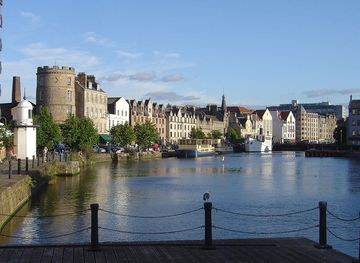
Explore more of Leith
Discover Leith, Edinburgh's vibrant waterfront neighbourhood, known for its rich history, diverse food scene, cultural attractions, and scenic views.
Explore Leith
Explore more of Edinburgh
Discover the enchanting blend of history, culture, and natural beauty in Edinburgh, Scotland's captivating capital city.
Explore Edinburgh
