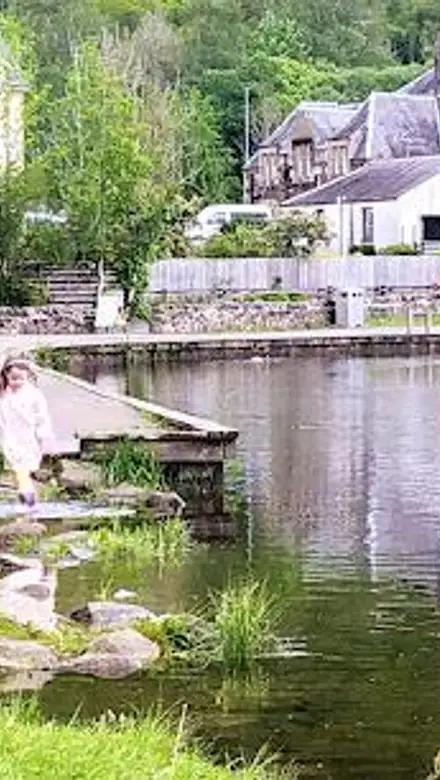
Callander, Stirlingshire Travel Guide
Callander: where the Scottish Lowlands meet the Highlands, with crags, waterfalls, and a warm Highland welcome.
Nestled on the River Teith, Callander is a lively Scottish town often called the 'Gateway to the Highlands'. Set beneath dramatic wooded crags and at the edge of Loch Lomond & The Trossachs National Park, it blends natural beauty with rich history. Explore Roman remains, walk to Bracklinn Falls, climb Callander Crags for sweeping views, or follow the Rob Roy Way. The town’s bustling high street offers cafes, shops, and a warm welcome, making it a perfect base for hiking, cycling, and discovering the Trossachs.
A brief summary to Callander
- Callander, GB
- Duration: 2 to 8 hours
- Mid ranged
-
 Mixed
Mixed
- Mobile reception: 4 out of 5

Know before you go
Hi, I'm Eve. Here are a few practical things to know before exploring Callander.
- Visit Callander Crags early in the day or late afternoon to avoid the busiest times and enjoy the best light for photos and views.
- Pick up a local map or trail leaflet from the visitor information point to make the most of the walking and cycling routes around the town and national park.
- Check the event calendar for festivals like the Highland Games or Jazz & Blues Festival, which add extra atmosphere and entertainment to a visit.
Do you manage this location?
Take control to get all the benefits, like improved information, better appearance, and stronger visibility across AI-powered discovery. Learn more about listing your business on Evendo
Activate your presenceOther nearby places you may find interesting
The closest places of the same kind, if this one is not quite what you had in mind.
Explore Callander on the Map
A handpicked selection of must-see spots near Callander, mapped for you.
Unlock the Best of Callander
Buy tickets
-
No tickets available
Book tours with entry


Getting There
-
Car
From Stirling, follow the A84 northwest for about 16 miles (25 km) to reach Callander. The journey takes roughly 25–35 minutes on a well‑maintained road with clear signage. Parking is available in town car parks and on-street, but spaces can fill quickly in peak season.
-
Bus
Regular bus services connect Stirling and Callander, with a journey time of around 45–60 minutes. Buses stop near the town centre, providing easy access to shops, cafes, and walking trails. Service frequency varies, so checking the current timetable is recommended, especially on weekends and holidays.
-
Train + Bus
The nearest mainline stations are in Stirling and Crianlarich. From Stirling, take a connecting bus to Callander (45–60 minutes). From Crianlarich, a bus or taxi is needed, taking about 30–40 minutes. This option suits those travelling from Glasgow, Edinburgh, or further afield without a car.
-
Cycling
Callander is accessible by bike from Stirling via the National Cycle Network Route 7, a well‑signed path that follows quiet roads and off‑road sections. The ride is about 25 km and moderately hilly, taking 1.5–2.5 hours depending on fitness. Bike hire is available in town for exploring local trails.
For the on-the-go comforts that matter to you
-
 Restrooms
-
 Drink Options
-
 Drinking Water
-
 Food Options
-
 Seating Areas
-
 Information Boards
Discover more about Callander
Where Highlands Begin
Callander sits at a dramatic threshold: the fertile lowlands of central Scotland give way to the rugged Highlands just beyond its northern edge. Perched on the River Teith, formed by the confluence of the Garbh Uisge and Eas Gobhain, the town lies immediately south of the Highland Boundary Fault, a major geological divide. This position has long made Callander a natural stopping point for travellers heading into the mountains, earning it the nickname 'Gateway to the Highlands'. To the north, the Callander Crags rise steeply, while Ben Ledi and other peaks beckon further afield, framing a landscape that has inspired writers and artists for centuries.History Beneath the Crags
The area’s story stretches back to Roman times, when a fort stood near the river, guarding this strategic pass between lowland and highland Scotland. Traces of this Roman presence remain, and the town’s Roman Camp Hotel preserves the memory of that era. In the medieval period, the artificial grassy mound known as Tom na Chisaig (Kessog’s Hill) likely served as a motte for a wooden castle. The 19th century transformed Callander into a tourist destination with the arrival of the Callander & Oban Railway, bringing visitors eager to explore the romantic scenery of the Trossachs. Today, the old railway line has become a popular path for walkers and cyclists, linking the town to the wider national park.Life in the Town Today
Callander’s high street is a lively mix of traditional shops, cafes, and guesthouses, with a distinctly Scottish charm. Independent stores sell outdoor gear, local crafts, and classic Scottish souvenirs, while tearooms and pubs offer hearty meals and a chance to rest after a day in the hills. The town is a hub for outdoor activities, with cycle hire available and well‑maintained paths leading to waterfalls, lochs, and viewpoints. Callander also celebrates its heritage through events like the Callander Highland Games, Summerfest, and the Trossachs Beer Festival, giving visitors a taste of local culture and community spirit.Exploring the Surrounds
From Callander, a wealth of natural attractions are within easy reach. A short walk west leads to Bracklinn Falls, where the Keltie Water plunges through a rocky gorge, while the path up Callander Crags rewards climbers with panoramic views over the town and across to Stirling and the Forth Estuary. The Rob Roy Way passes through the town, connecting it to other historic sites in Rob Roy country. Nearby, Loch Katrine offers boat trips and forest walks, and the wider Loch Lomond & The Trossachs National Park provides endless opportunities for hiking, cycling, and wildlife watching, including along the Trossachs Bird of Prey Trail.












Your all‑in‑one travel companion app
Explore expert travel guides, compare and book tours, experiences, hotels, and more—all from the palm of your hand. Download now for seamless trip planning wherever your wanderlust takes you.


Explore More of Stirlingshire
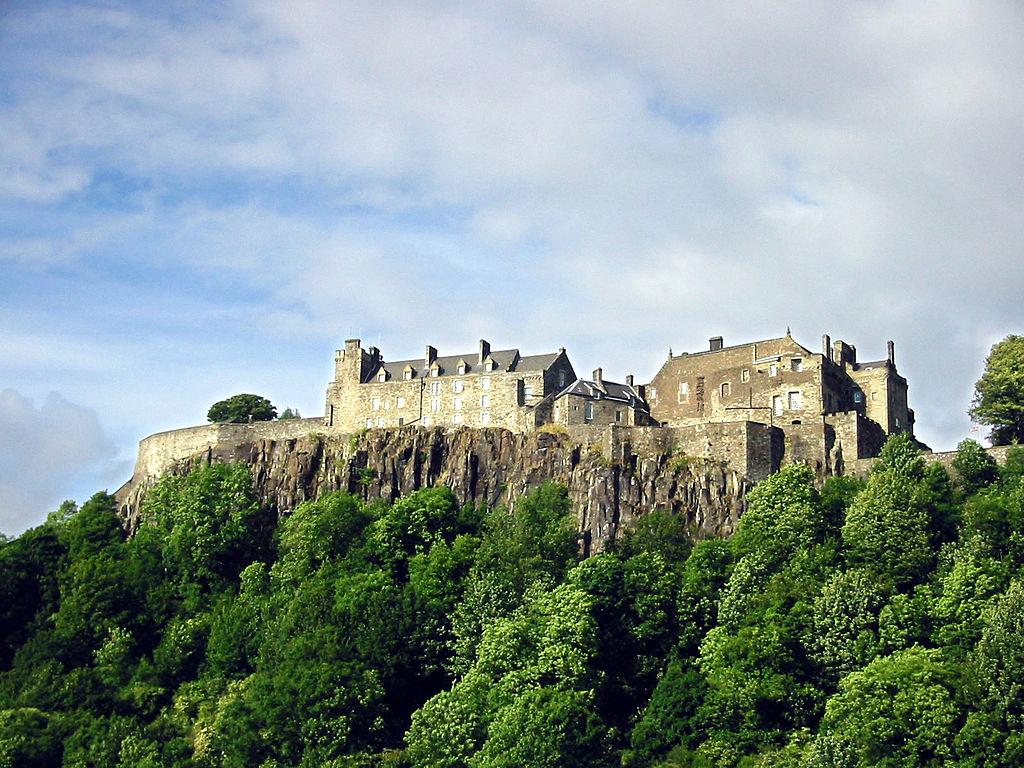
Looking beyond Callander? Discover Stirlingshire for broader travel guides, local hot-spots, and regional highlights.
Explore Stirlingshire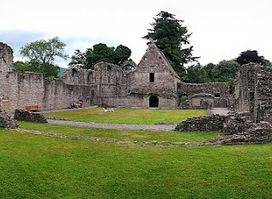
Step onto a secluded island in Scotland’s only lake to explore the atmospheric ruins of a 13th-century Augustinian priory, once a sanctuary for Robert the Bruce and the young Mary Queen of Scots.

Discover Scotland’s finest craft malts, gins, and beers at Macmillan Wine, Callander’s family-owned off-licence on Main Street.