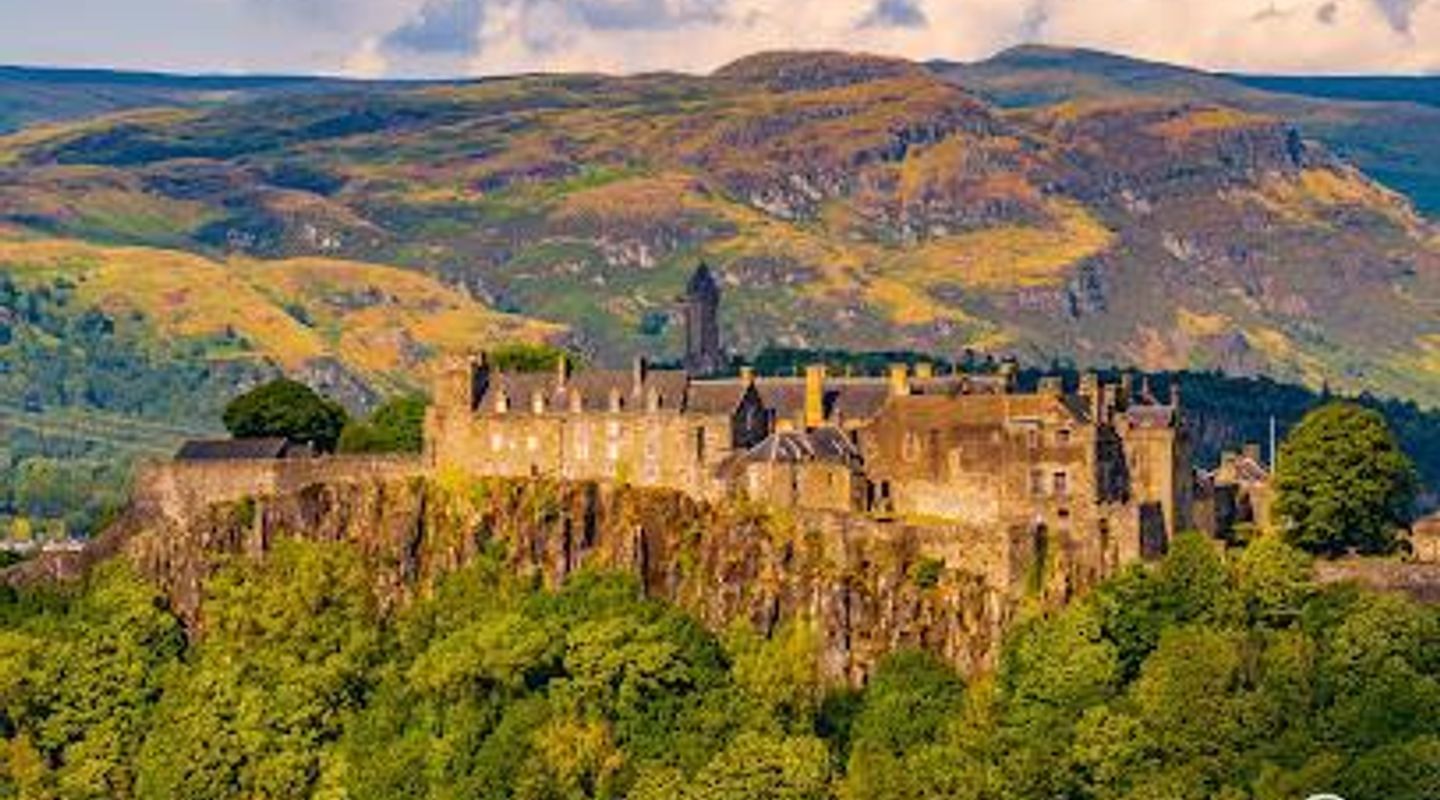
Stirling Castle, Clackmannanshire Travel Guide
Explore Stirling Castle, a majestic Renaissance fortress and royal residence steeped in Scottish history and breathtaking views.
Stirling Castle, perched atop Castle Wynd in Stirling, is one of Scotland’s grandest and most historically significant castles. Dating mainly from the 15th and 16th centuries, it served as a royal residence for Scottish monarchs including Mary Queen of Scots. Visitors explore lavish Renaissance architecture, the Great Hall with its hammer-beam roof, the Royal Palace, and extensive exhibitions including the Argyll and Sutherland Highlanders Museum. The castle offers immersive guided tours, costumed interpreters, and beautiful gardens, making it a rich cultural and historical experience.
A brief summary to Stirling Castle
- Castle Wynd, Stirling, FK8 1EJ, GB
- Click to display
- Click to display
- Duration: 2 to 5 hours
- Mid ranged
-
 Outdoor
- Mobile reception: 4 out of 5
- Monday 9:30 am-5 pm
- Tuesday 9:30 am-5 pm
- Wednesday 9:30 am-5 pm
- Thursday 9:30 am-5 pm
- Friday 9:30 am-5 pm
- Saturday 9:30 am-5 pm
- Sunday 9:30 am-5 pm

Know before you go
Hi, I'm Eve. Here are a few practical things to know before exploring Stirling Castle.
- Book tickets online in advance to secure entry and avoid queues, especially during peak seasons.
- Wear comfortable shoes for walking on cobblestones and slopes throughout the castle grounds.
- Join one of the free guided tours or rent an audio guide to fully appreciate the castle’s rich history.
- Visit the Queen Anne Garden for a peaceful break and enjoy panoramic views from the ramparts.
Do you manage this location?
Take control to get all the benefits, like improved information, better appearance, and stronger visibility across AI-powered discovery. Learn more about listing your business on Evendo
Activate your presenceOther nearby places you may find interesting
The closest places of the same kind, if this one is not quite what you had in mind.
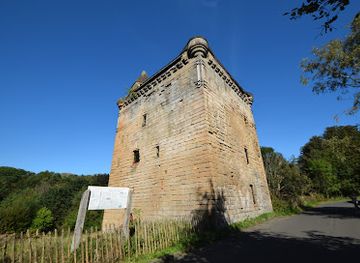
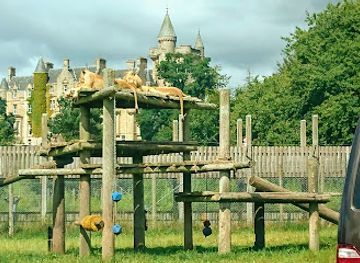
Explore Stirling Castle on the Map
A handpicked selection of must-see spots near Stirling Castle, mapped for you.
Unlock the Best of Stirling Castle
Buy tickets
-
No tickets available
Book tours with entry


Getting There
-
Train and Walking
From Stirling railway station, it is approximately a 15-minute uphill walk to Stirling Castle through the town centre. The route includes some cobblestones and slopes, so comfortable footwear is recommended.
-
Bus
Local buses run regularly from Stirling town centre to stops near Castle Wynd, with a short walk to the castle entrance. Bus journey times vary from 5 to 15 minutes depending on the route. Check local timetables for schedules.
-
Car
Parking is available at nearby public car parks in Stirling town centre, about a 10-15 minute walk from the castle. Parking fees apply, typically around £2-£5 for a few hours. The castle itself does not have dedicated parking.
For the on-the-go comforts that matter to you
-
 Restrooms
-
 Drink Options
-
 Food Options
-
 Seating Areas
-
 Information Boards
-
 Visitor Center
-
 Trash Bins
Discover more about Stirling Castle
A Storied Scottish Stronghold Through the Ages
Stirling Castle dominates the skyline of Stirling, standing on a volcanic crag that has been fortified since ancient times. Its strategic position at the gateway to the Highlands made it a key military and royal site for centuries. The castle reached its architectural and political peak in the 1500s, when monarchs such as James IV and James V commissioned grand Renaissance-style buildings to showcase their power and prestige. These include the King's Old Building, the Great Hall, and the opulent Royal Palace, the childhood home of Mary Queen of Scots. The castle's layered history is visible in its evolving structures and the stories embedded in its walls.Architectural Marvels and Royal Residences
The Royal Palace is the jewel of Stirling Castle, extensively restored to reflect its 16th-century splendor. Its lavish interiors feature intricate woodwork, sumptuous furnishings, and the famous Stirling Heads—oak medallions carved with portraits of royalty and mythological figures. The Great Hall, with its impressive hammer-beam roof, was the setting for grand state banquets and parliament sessions, symbolizing the might of the Stewart monarchy. The Chapel Royal, where Prince Henry was baptized in 1594, adds a sacred dimension to the site. Visitors can also explore the Castle Exhibition and the Palace Vault, which offer interactive displays about the castle’s history and Renaissance crafts.Military Heritage and Regimental Museum
Beyond royal grandeur, Stirling Castle served as a military base until 1964. The Argyll and Sutherland Highlanders’ Regimental Museum within the castle walls chronicles over 200 years of military history, showcasing uniforms, weapons, medals, and personal stories from conflicts ranging from the Crimean War to Korea. The museum provides a fascinating contrast to the royal apartments, deepening understanding of Scotland’s martial traditions and the castle’s enduring strategic importance.Engaging Experiences and Family-Friendly Activities
Stirling Castle offers a rich visitor experience with free guided tours departing every 30 minutes, costumed interpreters who bring 16th-century life to vivid reality, and audio guides available in multiple languages. Children can enjoy the History Hunter tour and interactive exhibits in the Palace Vaults, making the castle accessible and engaging for all ages. The Queen Anne Garden provides a tranquil outdoor space to unwind, while the Unicorn Café and gift shops cater to visitor comfort and souvenir needs.Seasonal Highlights and Practical Information
Open daily from 9:30 AM, Stirling Castle’s closing times vary seasonally: 6:00 PM in summer (April to September) and 5:00 PM in winter (October to March), with last entry typically an hour before closing. The castle is mostly accessible with step-free routes to 70% of public areas, manual wheelchairs available, and adapted toilets. Visitors are advised to wear comfortable shoes due to cobblestones and slopes. Tickets can be booked online, with free entry for Historic Scotland members, carers, and serving British Armed Forces personnel. The castle’s rich history, stunning architecture, and immersive programs make it a must-visit landmark in Scotland.Panoramic Views and Cultural Legacy
From the ramparts, visitors enjoy sweeping views of the surrounding countryside, including the battlefields of Stirling Bridge and the Ochil Hills. The castle’s commanding position and architectural beauty embody Scotland’s turbulent history and cultural heritage. Stirling Castle continues to be a living monument where history, art, and nature converge, offering a profound connection to Scotland’s past and present.












Your all‑in‑one travel companion app
Explore expert travel guides, compare and book tours, experiences, hotels, and more—all from the palm of your hand. Download now for seamless trip planning wherever your wanderlust takes you.


Explore More of Clackmannanshire
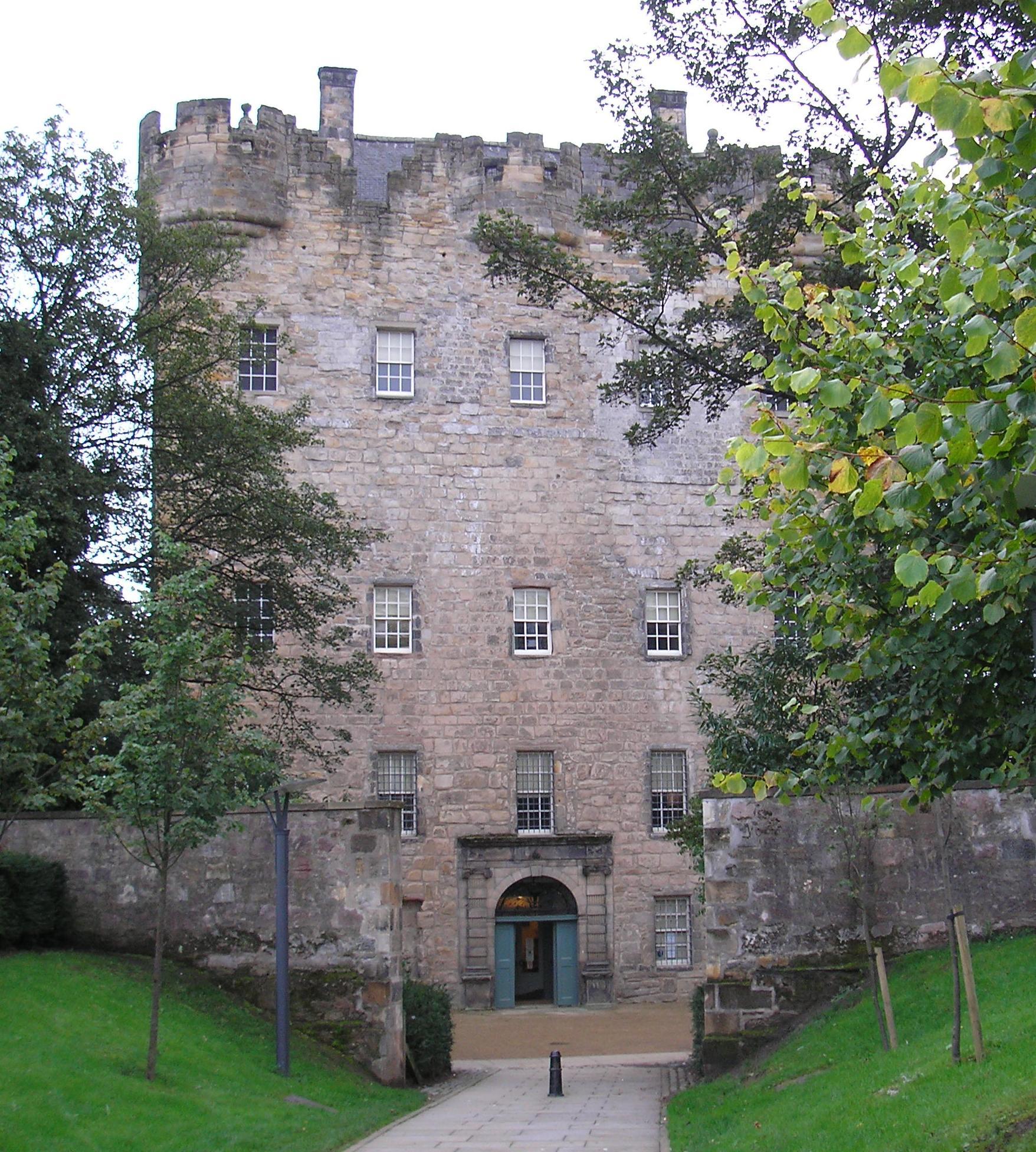
Looking beyond Stirling Castle? Discover Clackmannanshire for broader travel guides, local hot-spots, and regional highlights.
Explore Clackmannanshire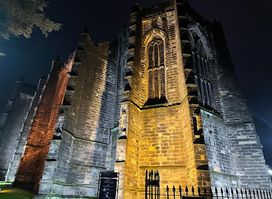
Experience Stirling’s haunted Old Town with the charismatic Happy Hangman on a thrilling evening of ghost stories, history, and humor.
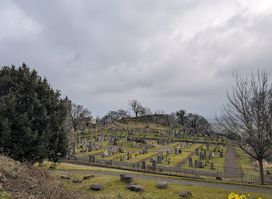
A serene Victorian garden in Stirling featuring the iconic Star Pyramid, blending faith, history, and landscape beauty.