
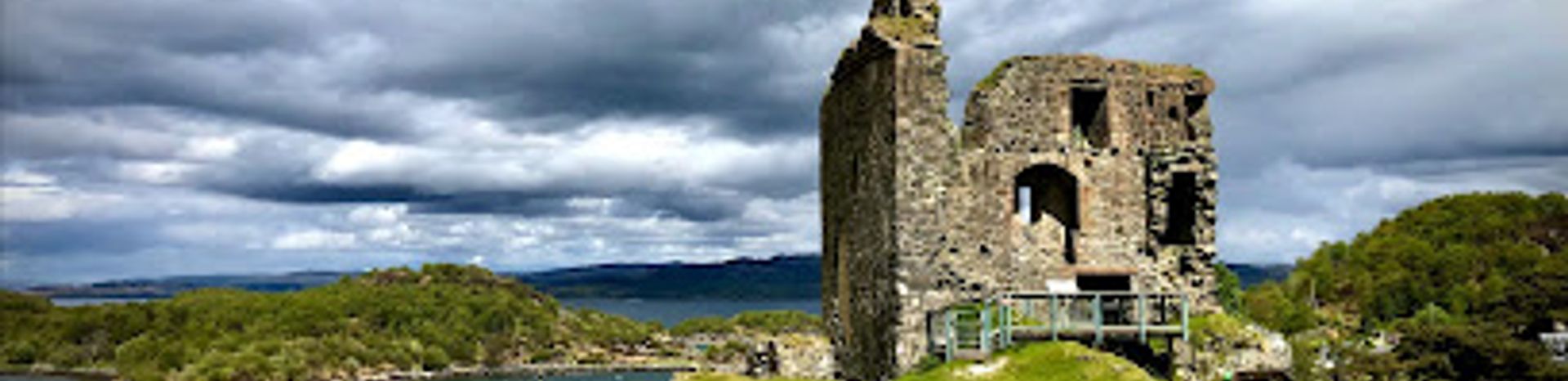
Royal Castle of Tarbert: Scotland’s Historic Coastal Fortress
Explore the dramatic ruins of the 13th-century Royal Castle of Tarbert, a historic sentinel overlooking Loch Fyne and Scotland’s rugged west coast.
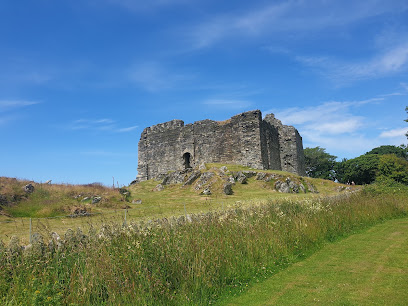
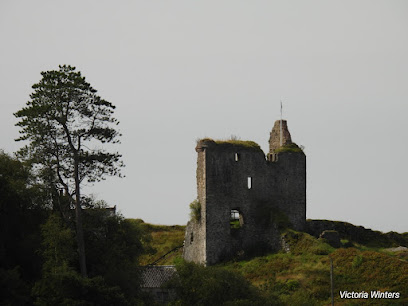
The Royal Castle of Tarbert is a striking 13th-century ruin perched above Tarbert village, Scotland. Originally built under King Alexander II and expanded by Robert the Bruce, this castle guarded a vital isthmus between two lochs and played a key role in Scotland’s medieval power struggles. Visitors can explore extensive curtain walls, drum towers, and a distinctive tower house from the 15th century, all set against panoramic views of Loch Fyne and the harbor below.
A brief summary to Royal Castle of Tarbert
- Tarbert, Tarbert, PA29 6UD, GB
- Visit website
- Duration: 0.5 to 2 hours
- Free
-
 Outdoor
- Mobile reception: 4 out of 5
- Monday 12 am-12 am
- Tuesday 12 am-12 am
- Wednesday 12 am-12 am
- Thursday 12 am-12 am
- Friday 12 am-12 am
- Saturday 12 am-12 am
- Sunday 12 am-12 am
Local tips
- Visit early morning for peaceful surroundings and optimal lighting for photography.
- Wear sturdy shoes to navigate uneven terrain and steps around the castle grounds.
- Bring a picnic to enjoy in the grassy areas with panoramic views of the harbor and loch.
- Look out for grazing sheep nearby, adding a charming pastoral touch to the visit.
- Explore nearby scenic trails and local shops to extend your Tarbert experience.

For the on-the-go comforts that matter to you
- Restrooms
- Seating Areas
- Picnic Areas
- Information Boards
Getting There
-
Bus
Regional buses connect Tarbert with nearby towns such as Campbeltown and Lochgilphead, with journey times ranging from 45 minutes to 1.5 hours. Services run several times daily but check schedules seasonally. Tickets cost approximately £5–£10 one way.
-
Car
Driving to Tarbert via the A83 and A816 roads takes about 1.5 to 2 hours from major hubs like Glasgow. Parking is available near the harbor and castle, but spaces can be limited during peak season. No parking fees apply.
-
Walking
From Tarbert village center, the castle is a 10-15 minute uphill walk along a marked coastal path with steps and uneven surfaces. Suitable for most visitors but may be challenging for those with mobility issues.
Royal Castle of Tarbert location weather suitability
-
 Any Weather
-
 Rain / Wet Weather
-
 Clear Skies
-
 Windy Conditions
-
 Mild Temperatures
Discover more about Royal Castle of Tarbert
Origins and Strategic Importance
The Royal Castle of Tarbert dates back to the early 13th century, with the first stone structures likely commissioned by King Alexander II around 1223. Situated on a commanding hill above the village of Tarbert, the castle was built to guard the anchorage below and to control the narrow land link between Tarbert’s East and West Lochs. This strategic position allowed it to oversee access to Knapdale, Loch Fyne, Kintyre, and the surrounding islands, making it a critical defensive and administrative stronghold in medieval Scotland.Expansion under Robert the Bruce
In 1325, King Robert the Bruce recognized the castle’s importance and undertook significant repairs and expansions. He extended the curtain wall to enclose nearly two acres and added two drum towers on the eastern side. The castle complex grew to include a hall, chapel, dwelling houses, workshops, brewhouse, mill, moat, and lime kiln. These enhancements transformed Tarbert Castle into a formidable fortress that could shelter local populations and livestock during times of conflict, reflecting its role in asserting royal authority over the Western Highlands and Isles.The Tower House and Royal Campaigns
The castle’s most prominent surviving feature, the four-storey tower house, was likely constructed during the reign of James IV in the late 15th century. James IV used Tarbert Castle as a naval supply base during his campaigns to subdue the feuding clans of the Western Isles, notably capturing it from John MacDonald, Lord of the Isles, in 1494. The castle was garrisoned, victualled, and fortified with artillery and gunpowder stores, symbolizing the crown’s effort to dismantle the power of the Lords of the Isles and consolidate control over the region.Decline and Ruin
By the early 18th century, Tarbert Castle had fallen into disrepair. The MacAlister family, tenants under the Campbells, attempted to maintain the castle but ultimately failed, leading to its abandonment. Much of the stone was repurposed for building the harbor and village structures in Tarbert. Despite this, the ruins remain well-preserved as a heritage site, with archaeological digs uncovering medieval pottery, a fortified western entrance, and coins from the era of Mary Queen of Scots.Visitor Experience and Surroundings
Today, visitors can explore the castle ruins freely, enjoying well-marked trails, informative panels, and picnic areas. The elevated position offers breathtaking views over Tarbert harbor, Loch Fyne, and the surrounding hills. The site’s tranquil atmosphere is enhanced by grazing sheep and a small wetland area at the base of the hill. Nearby, scenic coastal walks and local shops provide opportunities to extend your visit with nature and culture.Legacy and Cultural Significance
Tarbert Castle stands as a testament to Scotland’s turbulent medieval history, reflecting centuries of clan conflicts, royal campaigns, and strategic defense. Its association with figures like Robert the Bruce and James IV underscores its importance in shaping the political landscape of the Western Highlands. Now preserved as a heritage park, the castle invites reflection on Scotland’s resilience and rich cultural heritage.Iconic landmarks you can’t miss

Lochranza Youth Hostel
19.5 km
Experience the natural beauty and cultural charm of Lochranza Youth Hostel on the Isle of Arran, the perfect retreat for adventure and relaxation.

Nether Largie Mid Cairn
29.8 km
Bronze Age burial cairn at the heart of Scotland's most significant prehistoric landscape, carved with rare axehead symbols.
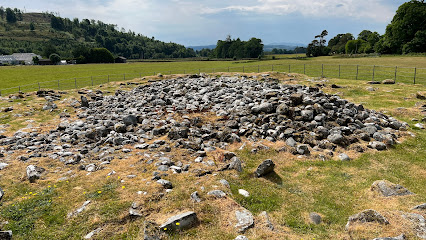
Kilmartin Museum
30.3 km
Discover 12,000 years of history at Kilmartin Museum, where ancient artefacts meet the stunning prehistoric landscape of Kilmartin Glen.
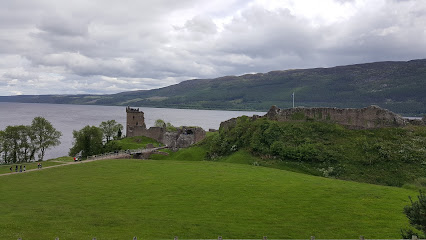
The Whisky Island Gallery & Studio
33.8 km
Explore The Whisky Island Gallery & Studio for breathtaking art and photography that captures the spirit of the stunning Isle of Jura.
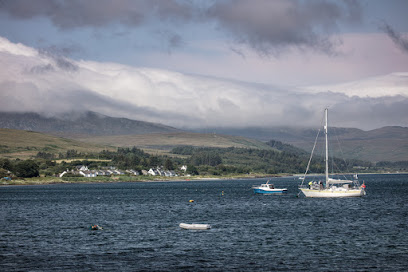
About Argyll Walking Holidays
38.0 km
Explore Argyll’s stunning landscapes with expert guided walking holidays from Cairndow’s trusted outdoor activity organizer.
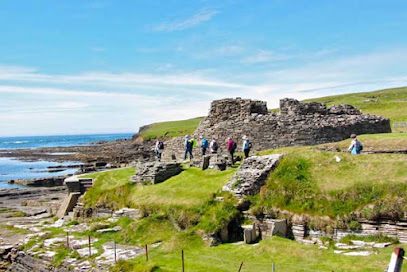
Lamlash Stone Circle
38.3 km
Ancient Neolithic gathering place where stone and sky converge on Arran's moorland.
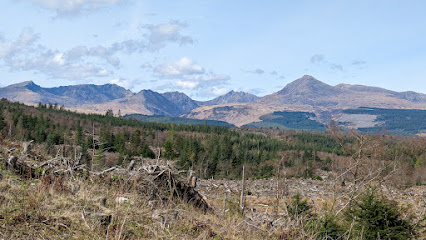
Wee Al's Bench
41.0 km
Breathtaking coastal vantage point where Arran's natural beauty meets centuries of island heritage.
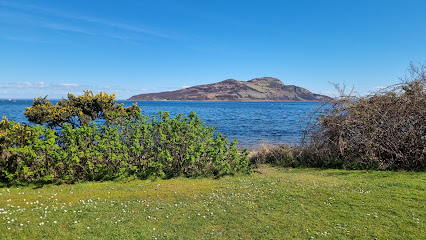
Lyle Fountain
41.7 km
Historic Victorian drinking fountain in Greenock’s Cathcart Square, gifted by Abram Lyle with elegant filigree dome and rich local heritage.
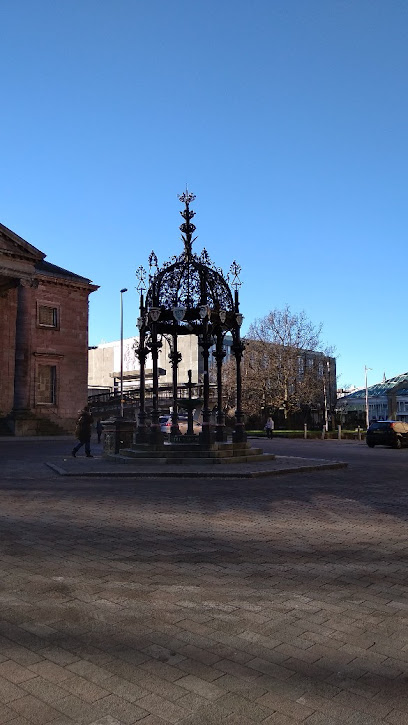
Auchmountain Glen
42.2 km
Explore Auchmountain Glen: A historical gem in Greenock offering stunning landscapes, rich culture, and serene walking trails for every traveler.
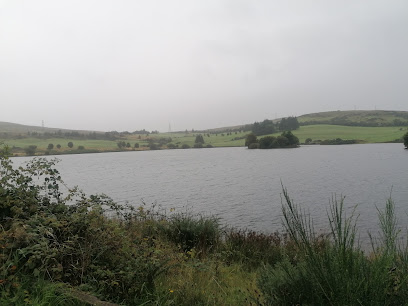
Arduaine Garden
42.3 km
Explore the enchanting Arduaine Garden, a botanical haven on the west coast of Scotland, showcasing diverse flora and stunning coastal views.
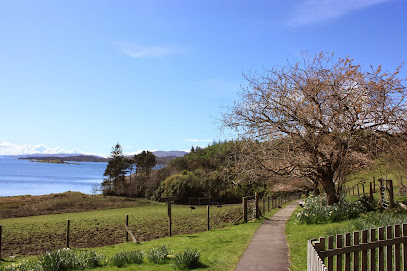
The National Trust for Scotland
42.3 km
Explore the breathtaking beauty of Arduaine Garden, a serene botanical haven on Scotland's west coast, perfect for nature lovers and tranquility seekers.
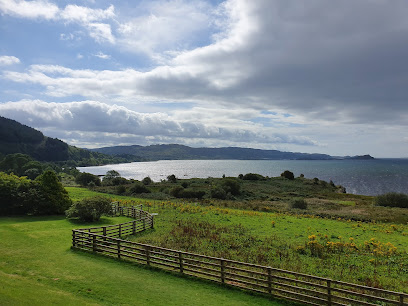
Argyll Adventure
42.6 km
Discover the beauty of Scotland on horseback at Argyll Adventure, an exhilarating horse riding school in Inveraray, perfect for all skill levels.
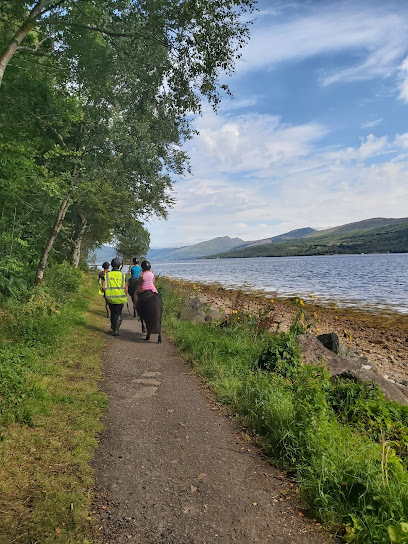
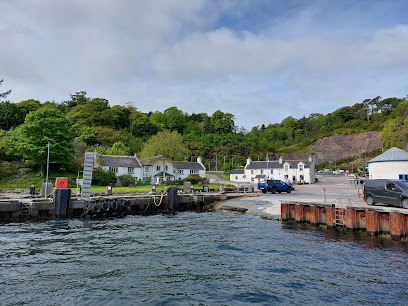
Islay Ferry Terminal
43.5 km
Scenic ferry gateway on Islay connecting to Jura and the Scottish mainland, blending maritime heritage with stunning coastal views.
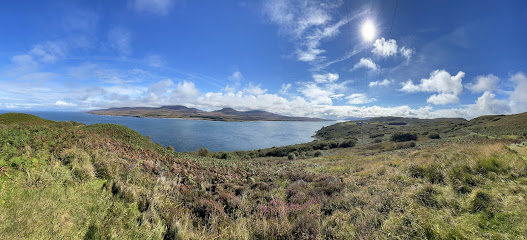
Jura View Point
44.4 km
Discover breathtaking vistas and serene landscapes at Jura View Point on the Isle of Islay, a must-visit for nature lovers and photography enthusiasts.
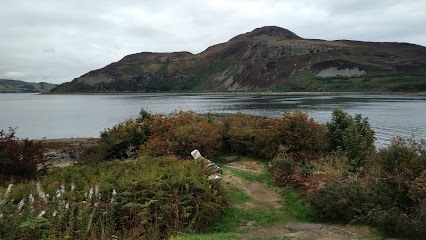
Kingscross Viking Fort
44.5 km
Discover the ancient Viking fort and burial mound at Kingscross Point, where history meets breathtaking coastal vistas on the Isle of Arran.
Unmissable attractions to see

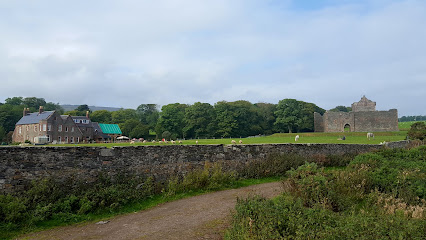
Skipness Castle
11.6 km
Explore Skipness Castle’s rich medieval heritage and breathtaking coastal views on Scotland’s scenic Kintyre Peninsula.
Mac Ewen Castle
11.8 km
Explore the evocative ruins of Mac Ewen Castle, a medieval stronghold of Clan MacEwen overlooking the serene Loch Fyne in Argyll, Scotland.
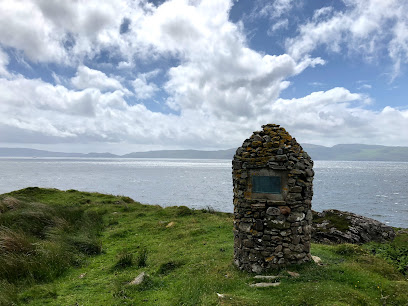
Kilnaish Nature Reserve
12.1 km
Explore Kilnaish Nature Reserve, a 300-acre Highland sanctuary with protected woodlands, hill vistas, and a serene lochan near Tarbert, Scotland.
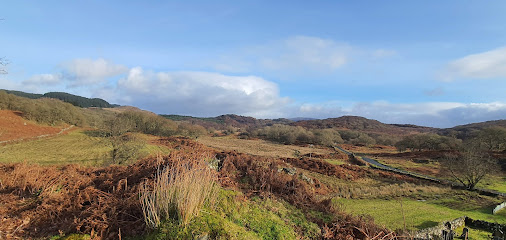
Kyles of Bute Viewpoint
13.9 km
Breathtaking panoramic views over the narrow sea channel separating Isle of Bute from mainland Argyll, rich in maritime life and natural beauty.
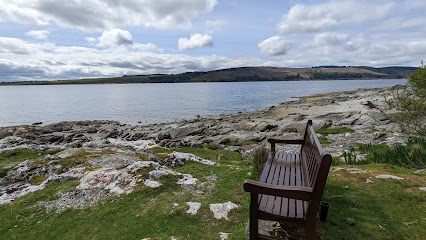
The Kilberry Inn
16.0 km
A remote Scottish gastropub and inn offering award-winning cuisine, warm hospitality, and a tranquil escape from modern life.
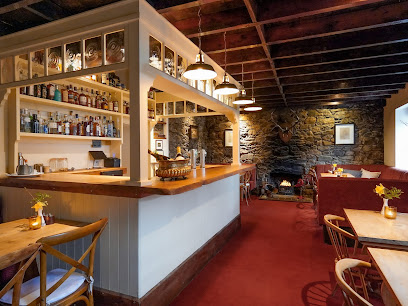
Kilberry Sculptured Stones
16.4 km
Discover Kilberry Sculptured Stones, a captivating collection of early Christian and medieval grave markers nestled in the serene Scottish countryside.
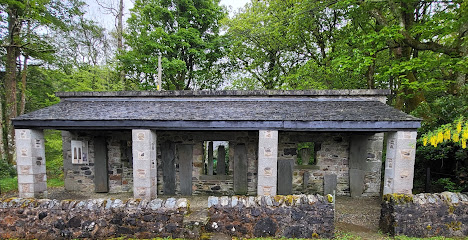
Glas Eilean
17.5 km
Historic lighthouse on Scalpay Island, a beacon of Scotland’s maritime heritage with striking red bands and rugged coastal charm.
Kilmory Knap Chapel
17.7 km
Explore Kilmory Knap Chapel, a 13th-century Highland ruin famed for its medieval West Highland sculptures and iconic MacMillan’s Cross.
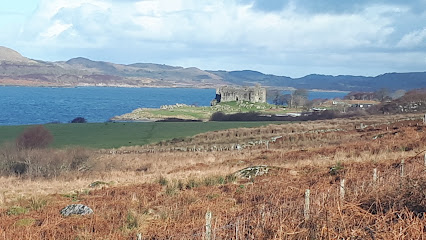
Fairy Dell
18.1 km
Discover Fairy Dell’s enchanting coastal walk on the Isle of Arran, where stunning views, rich wildlife, and geological wonders await.
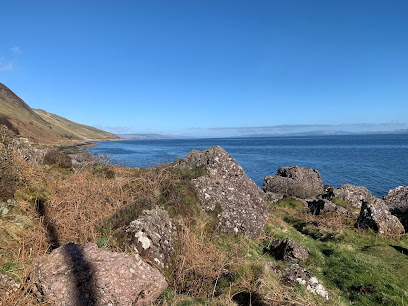
Lochranza - Cloanaig Ferry
18.3 km
Scenic ferry crossing linking Isle of Arran’s northern Lochranza with Kintyre, offering stunning views and access to historic and natural treasures.
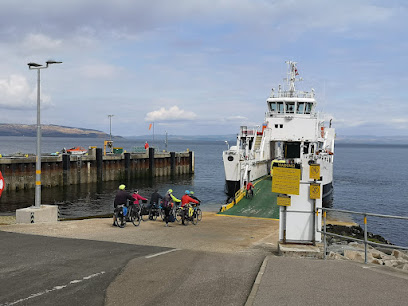
Castle Sween
18.5 km
Explore Castle Sween, an ancient Scottish castle rich in history, surrounded by breathtaking landscapes along the shores of Loch Sween.
Arran Viewpoint
18.5 km
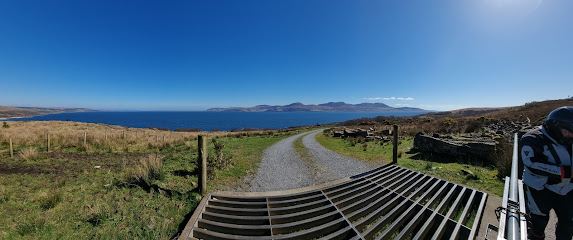
Breathtaking panoramic views over East Loch Tarbert and the Isle of Arran from a serene elevated vantage point near historic Tarbert.
The Sailor's Grave
18.6 km
A quiet, historic sailor’s grave on the scenic Isle of Arran, embodying maritime heritage and local remembrance.
Seal Point
18.8 km
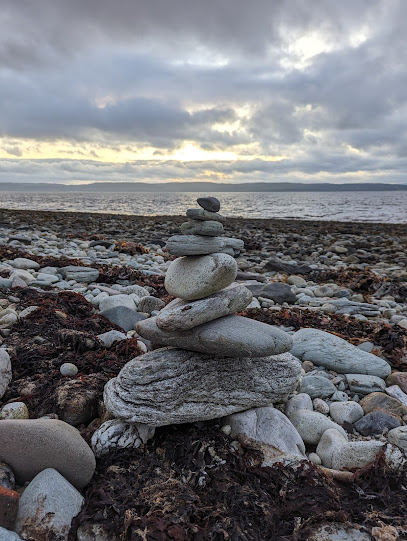
Rugged Scottish coastal viewpoint where seals bask on rocky shores beneath dramatic Jura peaks.
Heart of Argyll Tourism Alliance
19.4 km
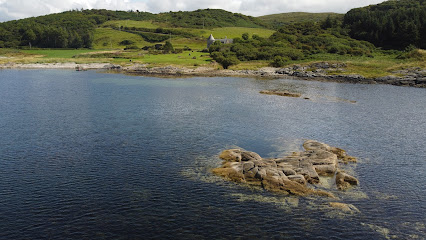
Your essential gateway to exploring the rich heritage, stunning landscapes, and vibrant community of the Heart of Argyll region.
Essential places to dine

The Anchorage Bistro
0.2 km
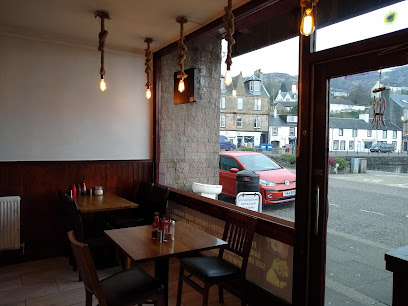
Experience fresh Scottish seafood in a cozy bistro setting on Tarbert’s charming Harbour Street, where local flavors meet modern cuisine.
Marine Bistro
0.4 km
Experience fresh local cuisine with stunning views at Marine Bistro in Tarbert - a must-visit culinary destination.
Skipness Seafood Cabin
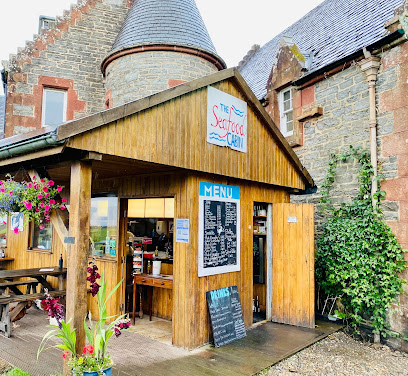
11.6 km
Fresh, locally sourced seafood served in a cozy cabin with stunning views of Skipness Bay and the Isle of Arran.
Ettrick Bay Tea Room
16.8 km
A historic seaside tea room offering stunning bay views, homemade treats, and warm hospitality on the Isle of Bute.
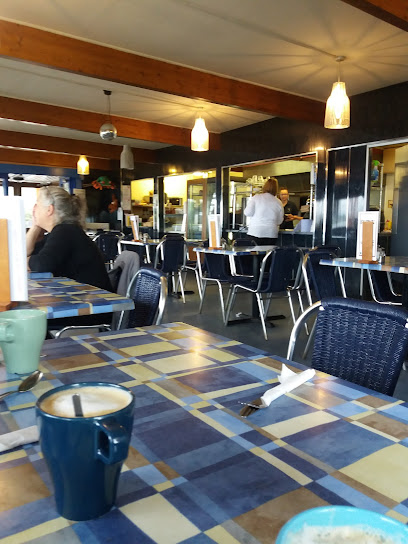
The Oystercatcher
16.9 km
A charming seafood restaurant on Loch Fyne’s shore, serving fresh local catches in a relaxed, scenic setting in Otter Ferry.
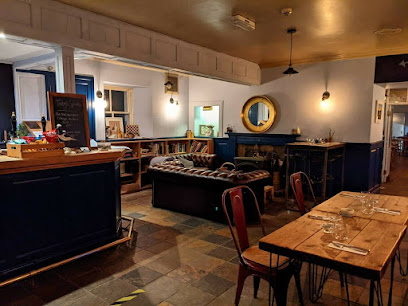
The Smiddy Bistro
19.3 km
A cozy bistro in Lochgilphead serving homemade cakes, hearty lunches, and excellent coffee with vegan and gluten-free options in a friendly atmosphere.
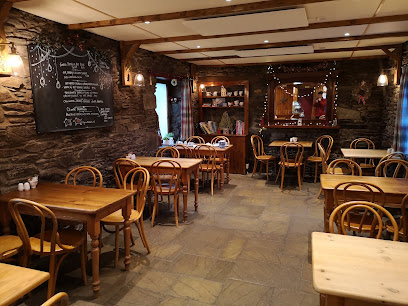
The Stags Pavilion
20.1 km
A cozy, family-run BYOB restaurant in Lochranza serving fresh, local Scottish and Italian-inspired dishes with stunning golf course views.
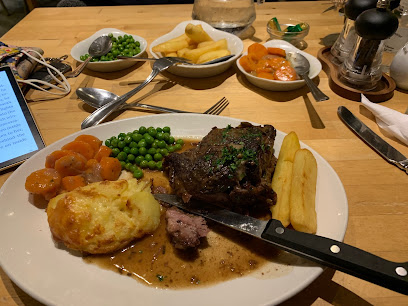
Caledonia Bistro & Deli
20.5 km
A cozy bistro and deli on Isle of Bute’s waterfront, serving fresh local dishes and wines in a warm, inviting atmosphere.
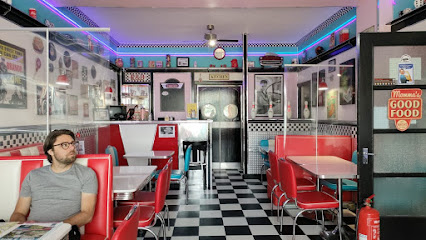
Rockabilly Diner
21.5 km
Step into a vibrant 1950s American diner on the Isle of Bute, where hearty Southern food, rockabilly culture, and a lively atmosphere await.
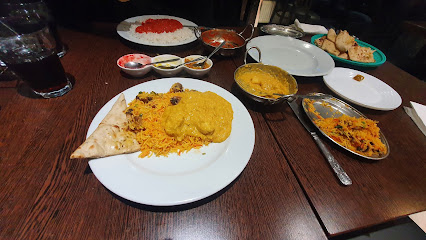
India Pavilion
22.1 km
Experience authentic Indian flavors and warm hospitality in the heart of Rothesay at India Pavilion.
The Bonnie Clyde
22.1 km
Cozy, dog-friendly café in Rothesay serving fresh traditional Scottish breakfasts with warm hospitality on the scenic Isle of Bute.
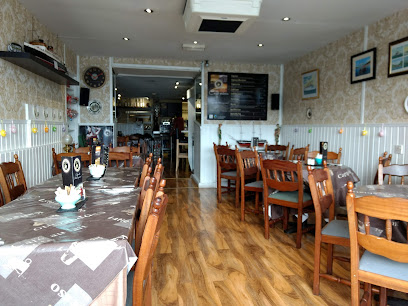
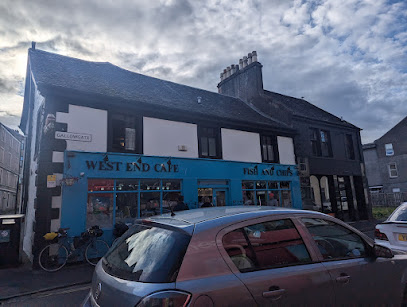
West End Cafe - Bute
22.1 km
Experience authentic British fish and chips at West End Cafe - Bute in Rothesay; a must-visit culinary gem on the Isle of Bute.
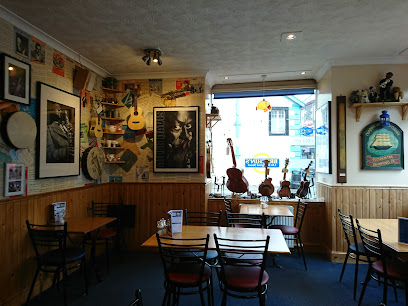
Brechin's on Bridgend Street
22.1 km
A cozy country food restaurant and bar in Rothesay offering hearty lunches, warm hospitality, and a welcoming local atmosphere on the Isle of Bute.
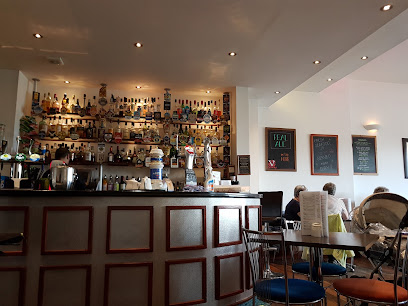
Ghillie's
22.2 km
Charming bistro in Rothesay serving fresh local seafood and hearty Scottish dishes with warm hospitality and scenic Isle of Bute views.
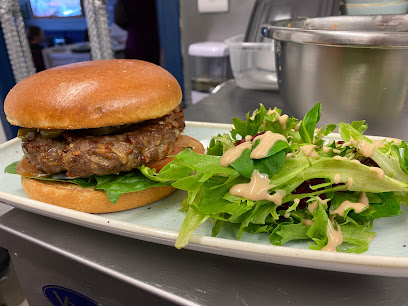
Ambience Café
22.3 km
A family-run café in Rothesay serving fresh, locally sourced meals in a bright, welcoming atmosphere.
Markets, malls and hidden boutiques

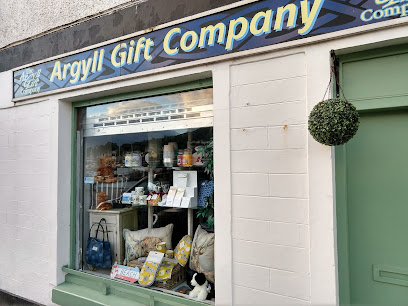
The Argyll Gift Co
0.3 km
Discover authentic Scottish crafts and unique local gifts in the cozy charm of Tarbert’s Argyll Gift Co.
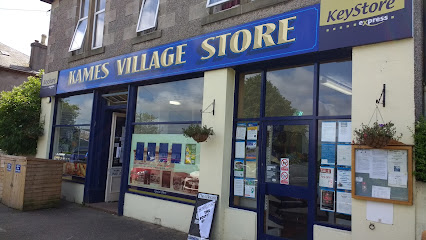
Kames Village Store
10.8 km
A friendly, well-stocked village store in scenic Kames, offering fresh produce and local specialties amid coastal charm.
Argyll Gift Co
19.2 km
Discover authentic Scottish gifts and handmade treasures at Argyll Gift Co in Lochgilphead, your gateway to local culture and craftsmanship.
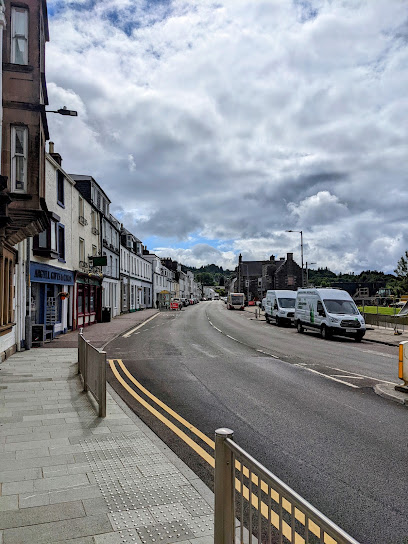
The Square Peg Gift Shops
19.2 km
Discover unique gifts and local Scottish charm at The Square Peg, Lochgilphead’s beloved creative gift shop in Colchester Square.
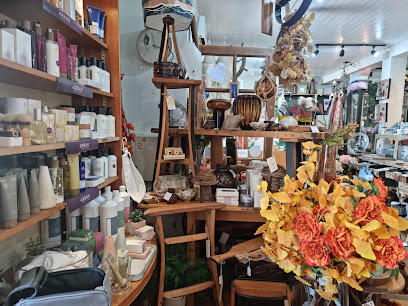
Bluestone Gift Shop
19.4 km
A charming independent gift shop in Lochgilphead, offering Scottish-made cards, jewellery, and souvenirs with a personal touch.

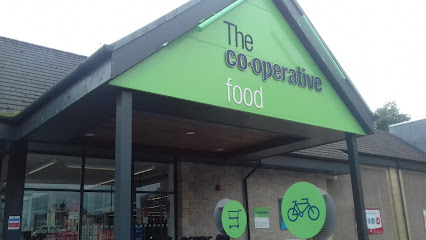
Co-op Food - Rothesay - Bridge Street
22.0 km
Conveniently located in Rothesay, Co-op Food Bridge Street offers daily essentials, local flavors, and modern retail comforts from dawn till late evening.
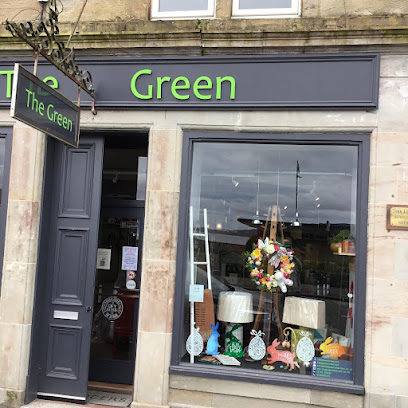
The Green, Interiors
22.0 km
Discover unique Scottish artisan homewares and distinctive interior decor at The Green, Interiors in Rothesay, Isle of Bute.
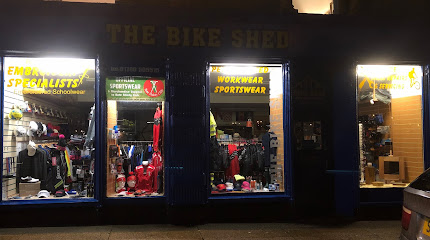
The Bike Shed inc Bute Signs and Graphics
22.1 km
A versatile outdoor sports and signwriting shop in Rothesay offering quality gear and custom signs for the Isle of Bute community.
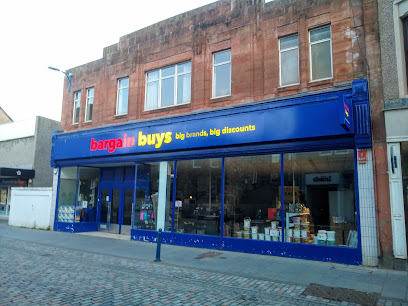
Bargain Buys
22.2 km
Discover unbeatable deals at Bargain Buys in Rothesay, where affordable shopping meets unique finds for every traveler.
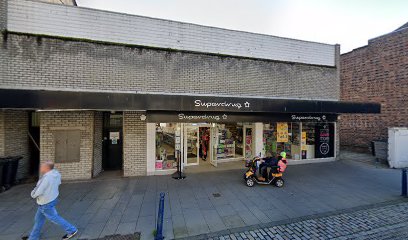
Superdrug
22.2 km
Your trusted health and beauty destination in Rothesay, offering a wide range of products and friendly service on the Isle of Bute.
Mill Cottage Garden Centre, Pet Shop and Feed Store
22.2 km
A charming family-run garden centre and pet shop in Rothesay, offering plants, pet supplies, and local expertise on the Isle of Bute.
Handmade By David
22.2 km
Discover artisanal sweets and bespoke wedding treats crafted with care in the heart of Rothesay, Isle of Bute.
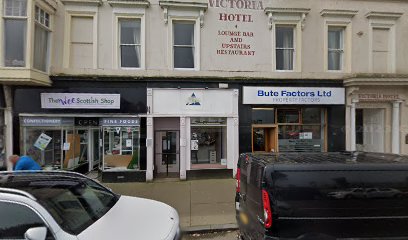
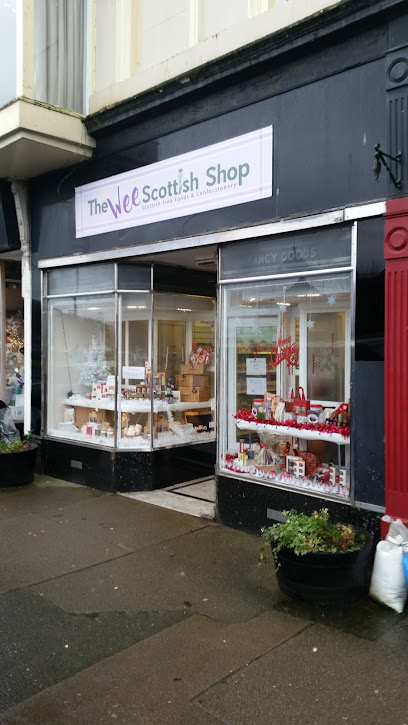
The wee Scottish Shop
22.2 km
Discover authentic Scottish treats and handcrafted gifts at The Wee Scottish Shop in Rothesay, Isle of Bute’s charming local gem.
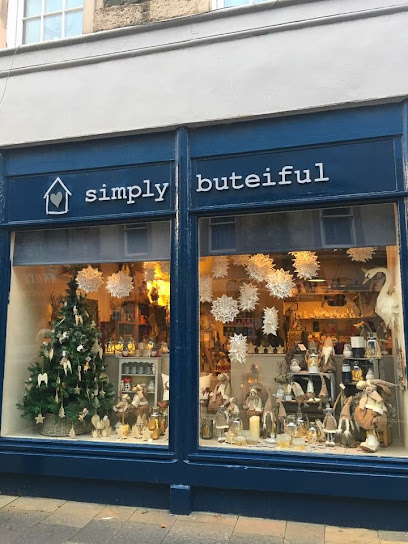
Simply Buteiful
22.2 km
Discover unique handcrafted gifts and local artistry at Simply Buteiful, a charming boutique in the heart of Rothesay, Isle of Bute.
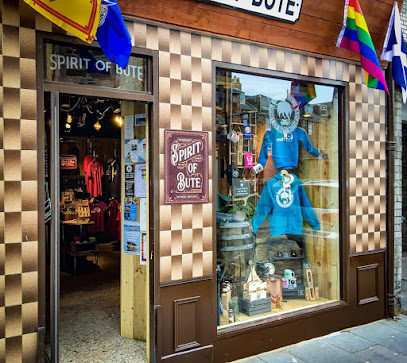
Spirit of Bute - Isle Of Bute Artisan Distillery
22.2 km
Hand-crafted Scottish gin and spirits distilled from island botanicals in the heart of Rothesay.
Essential bars & hidden hideouts

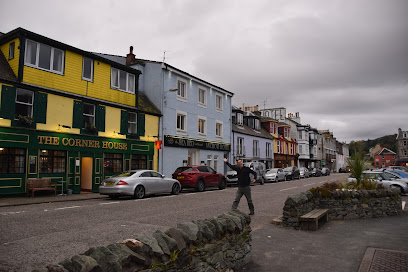
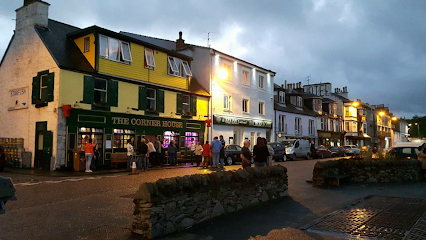
The Corner House
0.3 km
A cozy and lively pub on Tarbert’s Harbour Street, famed for warm welcomes, quality drinks, and a true taste of Scottish coastal life.
Lochranza Country Inn
19.0 km
Community-owned historic inn with stunning loch views, cozy rooms, and hearty dining at the northern tip of Isle of Arran.
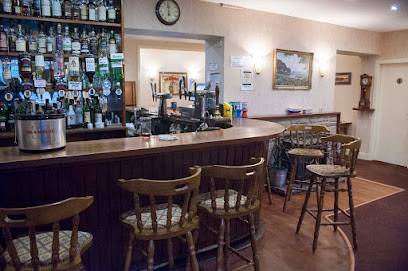
The Argyll Inn
19.1 km
A cozy local bar in Lochgilphead offering traditional Scottish hospitality and a welcoming atmosphere every day from noon to late evening.
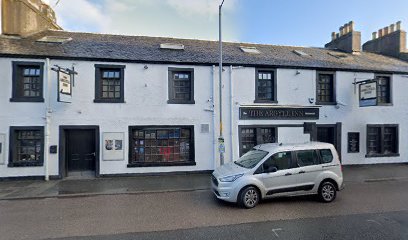
The Anchor Tavern & Hub
20.5 km
A welcoming community-owned pub and social hub with scenic coastal views in the heart of Port Bannatyne, Isle of Bute.
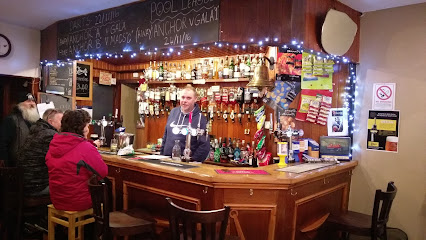
The Islander Bar
22.1 km
Cozy and friendly local pub in Rothesay offering warm hospitality, live entertainment, and a welcoming atmosphere on the Isle of Bute.
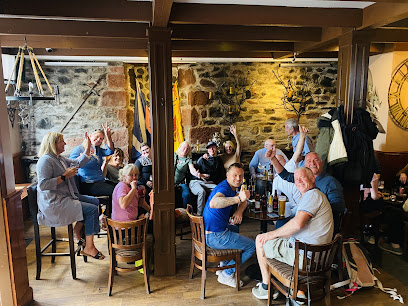
Grapes Bar
22.2 km
A cozy and lively local pub in Rothesay offering great beers, malt whiskies, and a friendly atmosphere with a pool table upstairs.
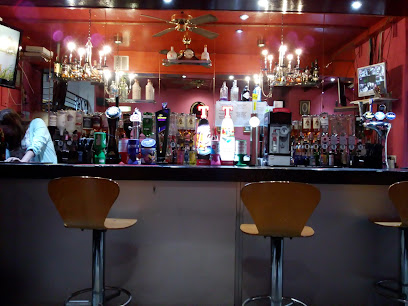
The Anderson Lounge
22.3 km
A cozy, rustic bar in Cairnbaan offering local craft beers and a welcoming atmosphere for travelers exploring the Scottish Highlands.
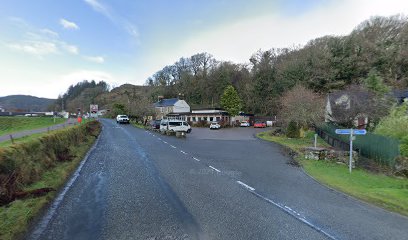
Mac's Bar
22.3 km
Experience authentic Scottish hospitality and local charm at Mac's Bar in Rothesay, a historic pub with a lively atmosphere and rich community spirit.
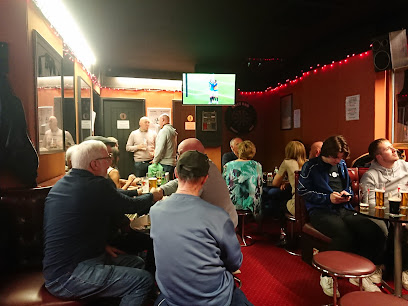
Palace Bar
22.5 km
A vibrant karaoke hub and friendly pub in Rothesay’s heart, welcoming locals and visitors on the beautiful Isle of Bute.
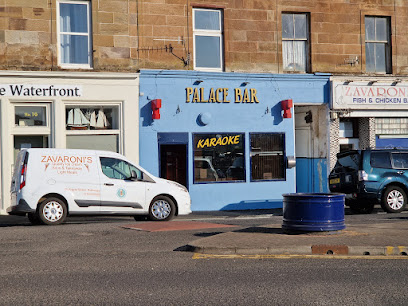
The Royal Bar
28.6 km
Historic coastal pub in Innellan serving hearty Scottish fare with stunning Firth of Clyde views and a welcoming, dog-friendly atmosphere.
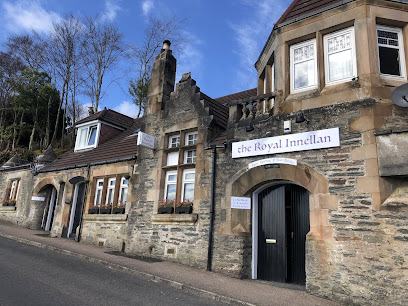
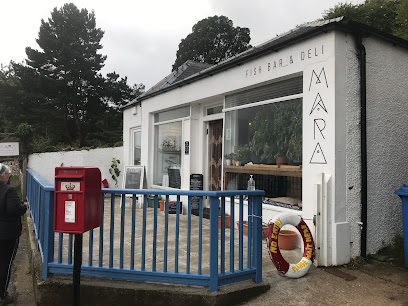
Mara Fish Bar & Deli
29.9 km
Fresh, locally sourced seafood and friendly service combine at Mara Fish Bar & Deli, a charming coastal takeaway in Corrie, Isle of Arran.
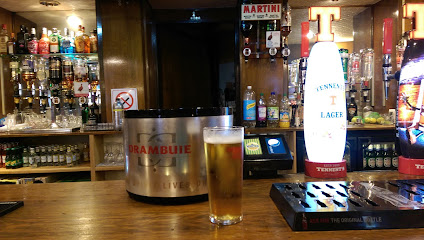
The Victoria Bar
31.4 km
A charming and affordable pub in Dunoon offering warm hospitality and a cozy atmosphere for relaxed evenings.
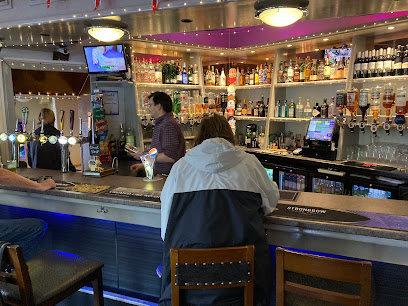
Ingrams Bar
31.5 km
A welcoming Dunoon pub blending traditional charm with lively social vibes and great food by the waterfront.
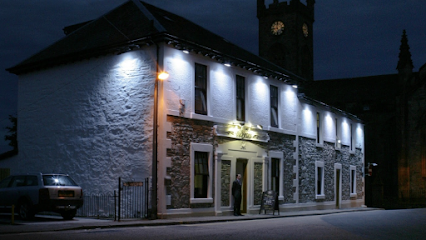
Tryst
31.5 km
Tryst in Dunoon offers a vibrant bar experience with expertly crafted cocktails and hearty meals in a welcoming, modern setting.
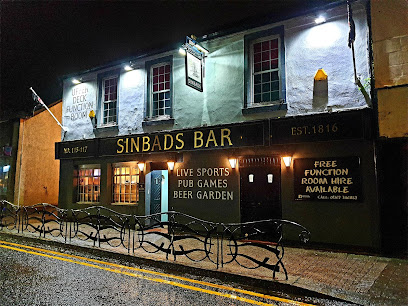
Sinbad's
31.5 km
A lively, affordable pub in Dunoon with music, pool, and friendly locals in a casual, welcoming atmosphere.
Nightclubs & after hour spots

Jura Brewery
34.1 km
Discover Jura Brewery: A Craft Beer Experience in the Heart of the Isle of Jura, Where Tradition Meets Nature's Bounty.
Word Up
41.5 km
Experience Greenock's revitalized nightlife at Word Up, a modern nightclub with vibrant energy and a welcoming atmosphere.
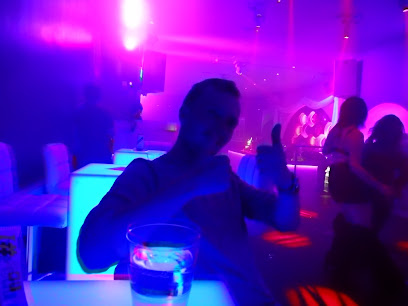
Red
41.8 km
Experience Greenock’s vibrant nightlife at Red Nightclub, where intimate vibes meet lively dance floors and affordable fun every weekend.
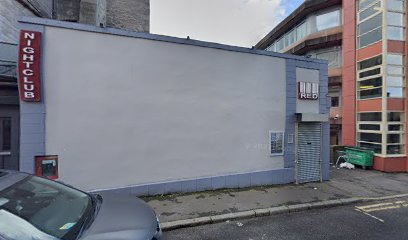
Desire Nightclub
53.6 km
Experience Balloch’s vibrant nightlife at Desire Nightclub, where energetic music and welcoming vibes create unforgettable evenings.
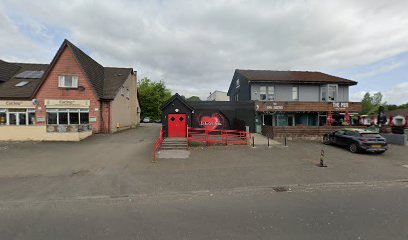
Pitchers Bar and Nightclub
54.1 km
A vibrant and inclusive nightclub in Irvine’s heart, offering lively music, dancing, and a welcoming atmosphere until the early hours.

The Ardview Inn
55.2 km
Experience the warm hospitality and local flavors at The Ardview Inn, a charming pub in Port Ellen, Isle of Islay, perfect for unwinding after your travels.
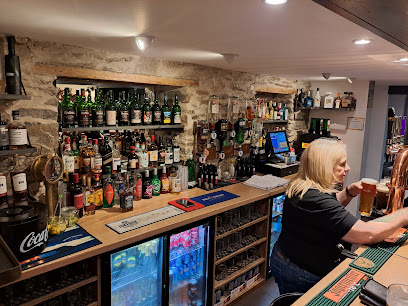
No. 1 Charlotte Street
55.3 km
Discover the cozy charm of No. 1 Charlotte Street, a perfect blend of bar, hotel, and local hospitality in Port Ellen, Isle of Islay.
The Islay Hotel
55.3 km
Experience the charm of The Islay Hotel, where comfort meets local culture on the beautiful Isle of Islay.
DUFFIE'S BAR
56.1 km
Discover the cozy ambiance of Duffie's Bar in Bowmore, Isle of Islay; a perfect spot for whisky lovers and relaxation amidst beautiful surroundings.
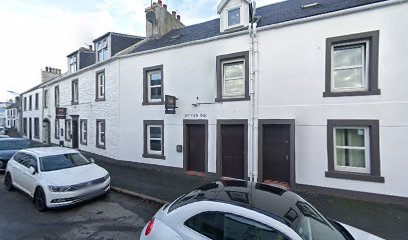
The Lochside Hotel & Restaurant
56.1 km
Discover the beauty and flavors of the Isle of Islay at The Lochside Hotel & Restaurant, where comfort meets local charm in a stunning setting.
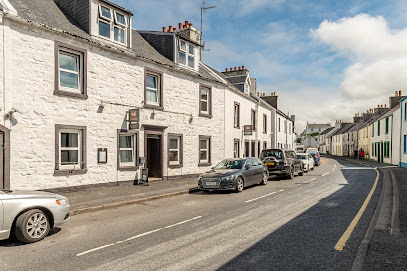
The Machrie
57.2 km
Luxury coastal retreat and world-class golf links on Islay’s wild Atlantic shore, blending modern comfort with Hebridean charm.
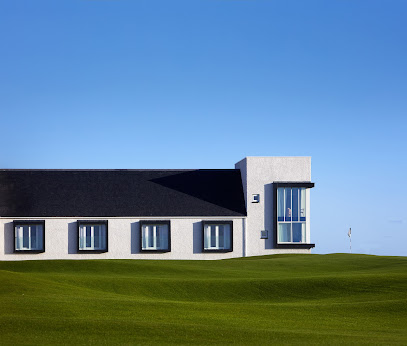
Fantoosh
61.4 km
A lively, intimate nightclub in Paisley’s heart, perfect for energetic nights with friends and local beats.
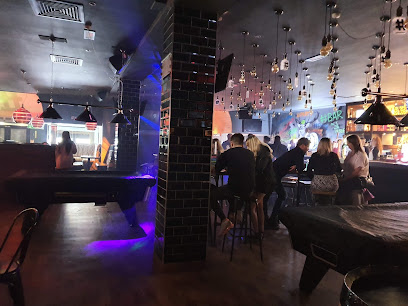
Vienna's Nightclub
61.4 km
Experience Paisley’s vibrant nightlife at Vienna's Nightclub, where energetic music and lively crowds come alive every weekend.
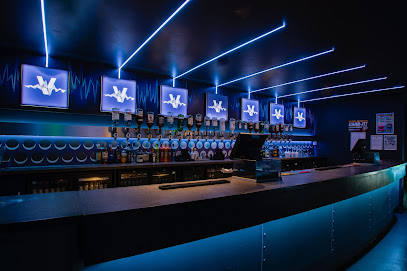
Club 69 Paisley
61.5 km
Dive into Paisley’s legendary underground techno scene at Club 69, where pulsating beats and vibrant vibes keep the night alive.
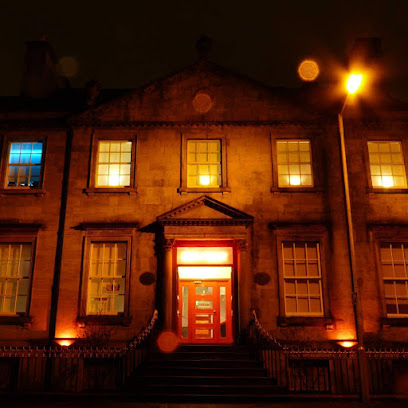
Port Charlotte Hotel
62.2 km
Experience the perfect blend of warmth, comfort, and exquisite local cuisine at Port Charlotte Hotel on the beautiful Isle of Islay.
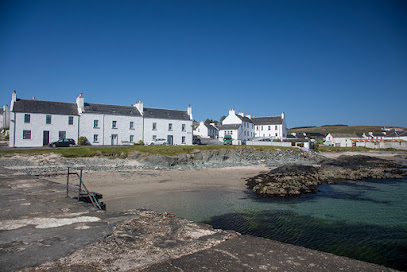
For the vibe & atmosphere seeker
- Scenic
- Tranquil
- Relaxing
- Unique
For the design and aesthetic lover
- Rustic Designs
For the architecture buff
- Historic
- Landmarks
For the view chaser and sunset hunter
- Iconic Views
- Panoramas
- Waterfront
- Sunset Spots
For the social media creator & influencer
- Instagrammable
- Photo Spots
- Selfie Spots
- Architectural Shots
For the eco-conscious traveler
- Public-Transport Accessible
- Leave-No-Trace Critical
- Locally Managed
For the kind of experience you’re after
- Cultural Heritage
- Photowalk
- Nature Escape
- Day Trip
- Weekend Getaway
- Myth & Legends
For how adventurous you want the journey to be
- Easy Access
Location Audience
- Family Friendly
- Senior Friendly
- Child Friendly
- Teen Friendly
- Wheelchair Access
- Pet Friendly
- Solo Friendly
- Couple Friendly
- Solo Female Friendly


