
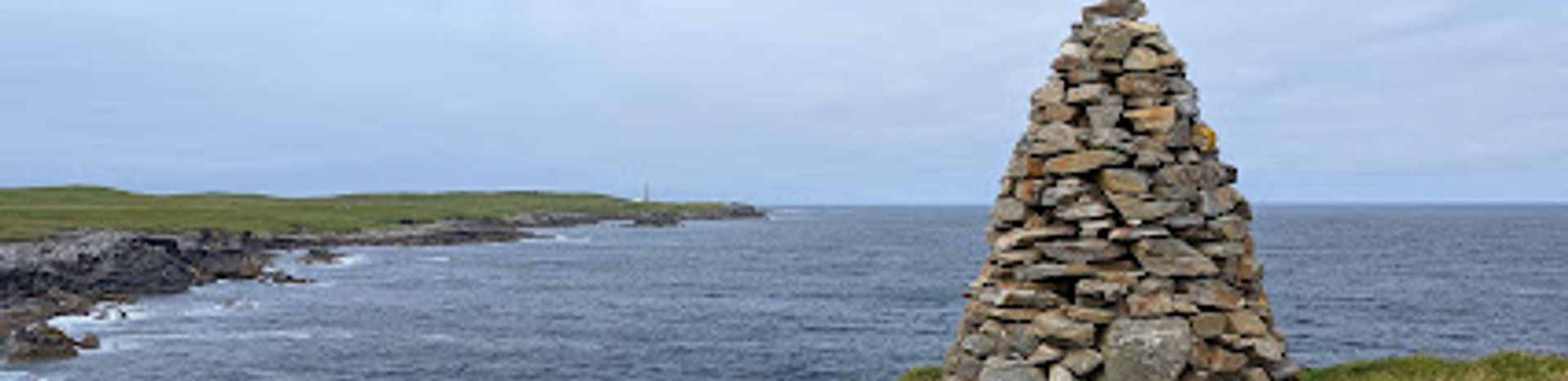
Dùn Èistean: The Historic Clan Morrison Stronghold on Isle of Lewis
Discover Dùn Èistean, the dramatic tidal island fortress and ancestral home of Clan Morrison on the Isle of Lewis, steeped in history and stunning coastal views.
Dùn Èistean is a small tidal sea stack off the northeast coast of the Isle of Lewis, known as the traditional stronghold of Clan Morrison. The site features ruins of fortified buildings, an artificial pond, and a turf wall, reflecting occupation from the 15th to 18th centuries. Accessible by a steel footbridge, it offers dramatic coastal views and a glimpse into the turbulent clan history of the Outer Hebrides.
A brief summary to Dùn Èistean
- Isle of Lewis, GB
- Visit website
- Duration: 1 to 2 hours
- Free
-
 Outdoor
- Mobile reception: 3 out of 5
- Monday 12 am-12 am
- Tuesday 12 am-12 am
- Wednesday 12 am-12 am
- Thursday 12 am-12 am
- Friday 12 am-12 am
- Saturday 12 am-12 am
- Sunday 12 am-12 am
Local tips
- Wear sturdy footwear and be cautious near cliff edges, as the path and island terrain can be rocky and windy.
- Visit during mild weather to fully enjoy the panoramic sea views and explore the ruins safely.
- Read the on-site information plaques to gain insight into the island’s clan history and archaeological findings.
- Allow time for the walk to and from the island, which crosses sheep fields and includes some inclines.

For the on-the-go comforts that matter to you
- Information Boards
- Seating Areas
Getting There
-
Bus and Walk
Take the local bus service from Stornoway to the village of Ness, approximately 1 to 1.5 hours journey. From Ness, a 20-minute walk through rural paths leads to the Dùn Èistean footbridge. Bus services run several times daily but check schedules for seasonal variations. Walking terrain includes uneven ground and some inclines.
-
Car and Walk
Drive from Stornoway to the Ness area, about 40 minutes via the A857 road. Parking is limited near the start of the walking path, so arrive early during peak season. From the parking area, expect a 15 to 20-minute walk across sheep fields and rocky paths to the footbridge. Terrain is uneven; sturdy footwear recommended.
-
Taxi
A taxi from Stornoway to the Dùn Èistean access point takes approximately 40 minutes. This option offers door-to-door convenience but can be costly, typically ranging from £30 to £50 one way. Taxi availability may vary, so pre-booking is advised.
Dùn Èistean location weather suitability
-
 Any Weather
-
 Windy Conditions
-
 Mild Temperatures
Discover more about Dùn Èistean
A Storied Island Fortress in the Outer Hebrides
Dùn Èistean is a remarkable archaeological site situated on a tidal sea stack near the village of Knockaird on the Isle of Lewis. This small, steep-sided island served as a fortified stronghold for Clan Morrison, a powerful family in the Lordship of the Isles during the medieval and early modern periods. The site’s ruins include two large buildings and several interconnected cellular structures, enclosed by a low turf wall. An artificial pond provides fresh water, underscoring the island’s self-sufficiency for its inhabitants.Layers of History from Iron Age to Clan Era
While most visible remains date from the 15th to 18th centuries, archaeological evidence suggests that Dùn Èistean’s occupation may extend back to the Iron Age or earlier. The Western Isles were culturally Scandinavian and politically under Norwegian control from around AD 800 to 1300, and Dùn Èistean shares characteristics with other coastal sites from this era. The site’s strategic location allowed it to monitor sea traffic and assert clan authority during the turbulent 'Era of Strife' following the collapse of Norse power.The Morrison Clan and Their Legacy
Clan Morrison used Dùn Èistean as a defensive refuge and symbol of their territorial control. The clan played a significant role in local governance and law enforcement from the 15th to 17th centuries. The stronghold’s ruins and artifacts, including some of the earliest gun flints found in the British Isles, reveal a community engaged in both conflict and trade. The site’s prominence reflects the clan’s importance within the Gaelic world and their interactions beyond Lewis.Exploring the Site Today
Visitors reach Dùn Èistean via a steel footbridge installed by the Clan Morrison Society, crossing a dramatic 15-meter-wide gap with sheer cliffs. The walk to the island passes through scenic sheep fields and offers stunning views of the surrounding coastline. Though only ruins remain, the atmosphere evokes the island’s rich history. Informational plaques provide context, while the natural setting invites reflection on the island’s past and its role in Hebridean culture.Ongoing Research and Cultural Significance
The Dùn Èistean Archaeology Project, led by the University of Glasgow, has conducted extensive excavations and research since the early 2000s. This multidisciplinary effort has illuminated the site’s development, the clan’s history, and the broader context of Lewis during a period of political upheaval. The project has contributed valuable insights into the Gaelic world and preserved Dùn Èistean as a vital cultural landmark.A Place of Dramatic Views and Quiet Reflection
Perched on a rocky outcrop surrounded by the sea, Dùn Èistean offers breathtaking panoramas and a sense of isolation that transports visitors back in time. The island’s rugged beauty and historical resonance combine to create a unique experience that blends natural splendor with deep cultural heritage. It remains a poignant reminder of the resilience and identity of the people of Lewis.Iconic landmarks you can’t miss

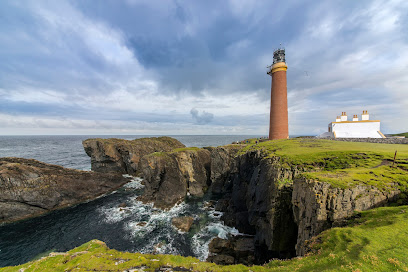
Butt of Lewis Lighthouse
2.2 km
Scotland’s northernmost red-brick lighthouse, a historic beacon amid rugged cliffs and wild Atlantic winds on the Isle of Lewis.
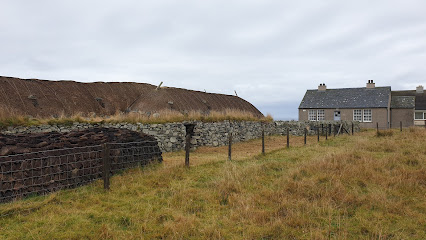
historic scotland
27.4 km
Explore the historical essence of The Blackhouse in Arnol, Isle of Lewis, where traditional Scottish life comes alive amidst stunning landscapes.
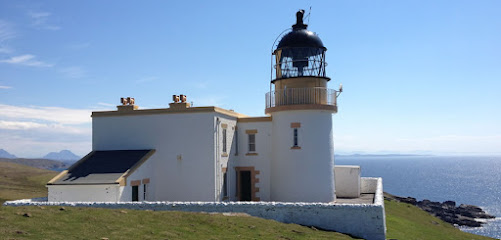
Stoer Lighthouse
56.5 km
Experience a unique self-catering lighthouse stay with panoramic coastal views on Scotland’s remote and rugged Stoer Head.
Harris House
74.9 km
Discover the perfect blend of care and natural beauty at Harris House in the enchanting Isle of Harris.
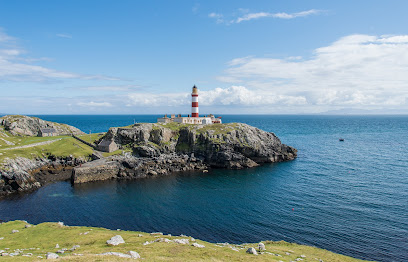
Eilean Glas Lighthouse
75.8 km
A historic white lighthouse on the wild northern tip of the Isle of Scalpay, offering sweeping sea views and a taste of remote Hebridean life.
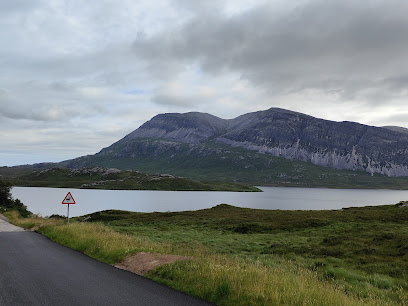
North West Sutherland National Scenic Area
78.7 km
Explore the breathtaking landscapes and rich wildlife of North West Sutherland National Scenic Area, a true Scottish Highlands treasure.
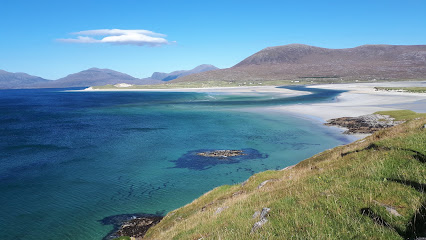
Luskentyre Beach
80.1 km
Experience the breathtaking beauty of Luskentyre Beach, where soft sands meet turquoise waters on the picturesque Isle of Harris.
Ardvreck Castle
81.4 km
Discover Ardvreck Castle, a historical jewel in the Scottish Highlands, surrounded by breathtaking landscapes and steeped in rich heritage.
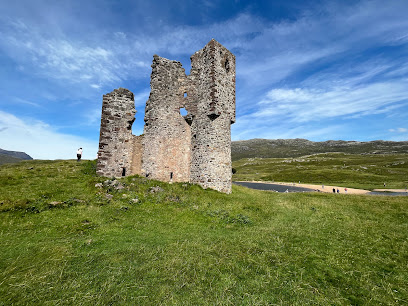
MacLeod´s Stone
83.8 km
A solitary Neolithic standing stone on a white-sand beach in South Harris, steeped in myth and facing the wild Atlantic.
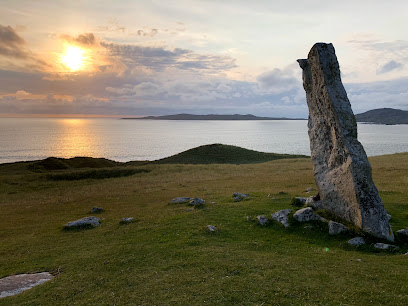
Nisabost Beach
84.1 km
Discover the breathtaking beauty of Nisabost Beach on the Isle of Harris, where white sands meet turquoise waters in a stunning Scottish paradise.
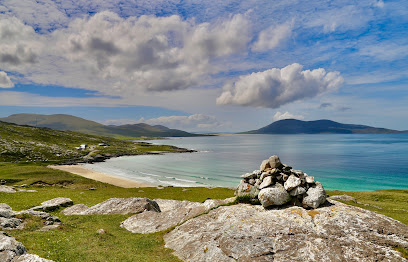
Visit Outer Hebrides
84.4 km
Your essential gateway to exploring the wild beauty and rich Gaelic culture of Scotland’s Outer Hebrides islands.
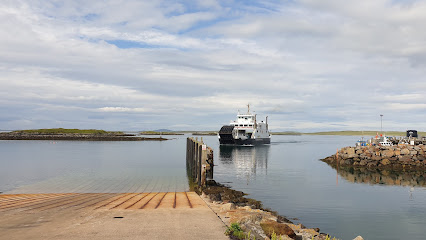
Pairc an t-Srath Guest House
85.5 km
Charming guest house on Isle of Harris with stunning sea views, warm hospitality, and delicious home-cooked meals near beautiful beaches.

Durness Beach
87.0 km
Discover the breathtaking beauty of Durness Beach, a hidden gem on Scotland's rugged north coast, perfect for relaxation and adventure.
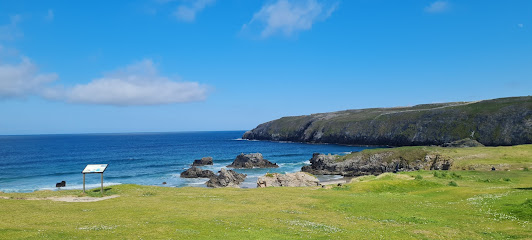
Rubha Hunish
89.5 km
Explore Rubha Hunish, the northern jewel of the Isle of Skye, where breathtaking views and rich history come together in a stunning coastal experience.
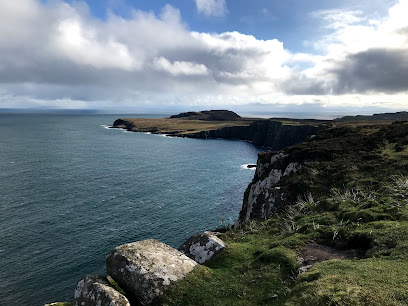
Old Ruins
91.4 km
Discover the haunting Old Ruins near Portree, where ancient history and rugged coastal beauty converge on the Isle of Skye.
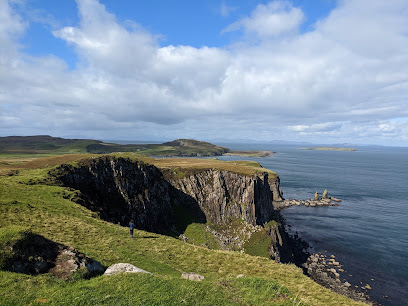
Unmissable attractions to see

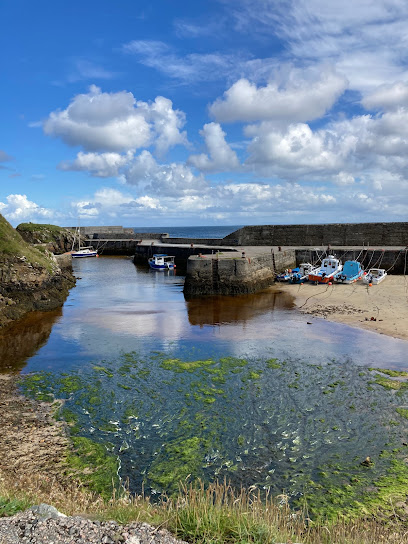
Port of Ness Slipway and Breakwater
1.3 km
Historic harbour and breakwater on the Isle of Lewis, blending maritime heritage with stunning coastal scenery and traditional fishing culture.
Port of Ness Beach
1.4 km
A remote northern beach on the Isle of Lewis blending rugged harbour charm with serene sandy shores and rich maritime heritage.
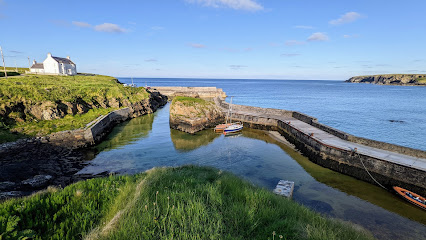
Port Stoth
1.5 km
A serene sheltered inlet steeped in maritime history, nature, and the legacy of the iconic Butt of Lewis Lighthouse.
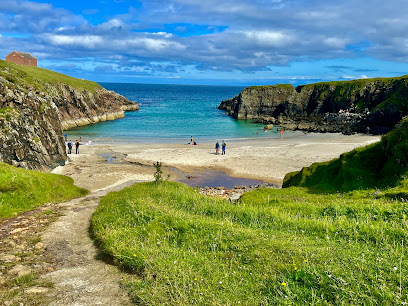
St Moluag's Church [Scottish Episcopalian]
1.6 km
Discover the ancient spiritual sanctuary of St Moluag's Church, a historic healing site nestled in the serene landscapes of the Isle of Lewis.
![St Moluag's Church [Scottish Episcopalian]](https://evendo-location-media.s3.amazonaws.com/AttractionImages/b9cd6a16-15d6-4d85-a8f7-91221078ce96)
Eoropie Beach
2.4 km
Discover the wild, layered rock formations and tranquil Atlantic vistas of Eoropie Beach, a serene coastal gem on the Isle of Lewis.
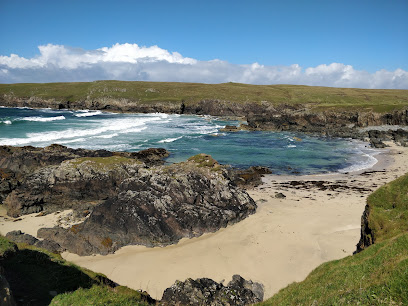
Swainbost Beach
3.2 km
Discover the peaceful sands and scenic west-facing shores of Swainbost Beach, a tranquil retreat on the Isle of Lewis.
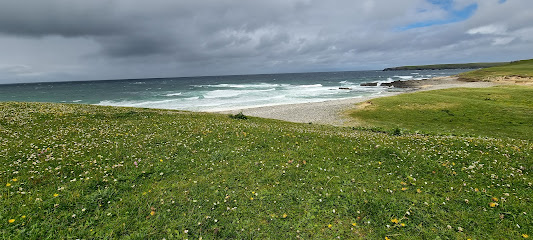
Comunn Eachdraidh Nis
4.9 km
Explore North Lewis heritage through museum exhibits, archives, and local crafts at Comunn Eachdraidh Nis in North Dell.
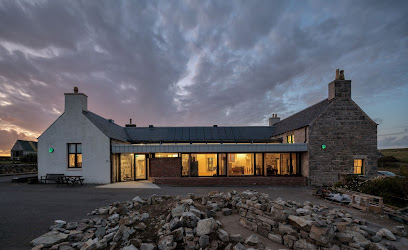
Ness Historical Society
4.9 km
Explore the rich heritage of North Lewis through immersive exhibits, extensive archives, and local culture at the Ness Historical Society.
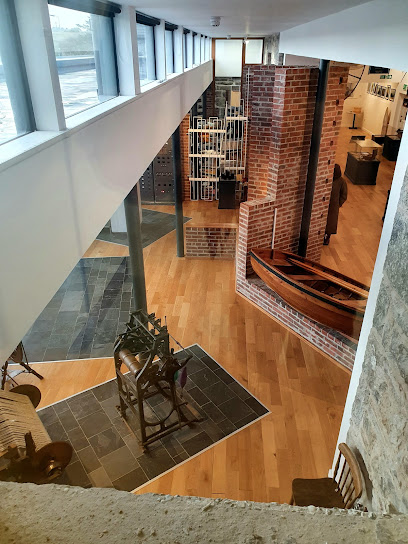
Traigh Ghearadha (Gary Beach)
15.1 km
Discover the serene beauty of Traigh Ghearadha with its golden sands, dramatic sea stacks, and peaceful coastal trails on the Isle of Lewis.
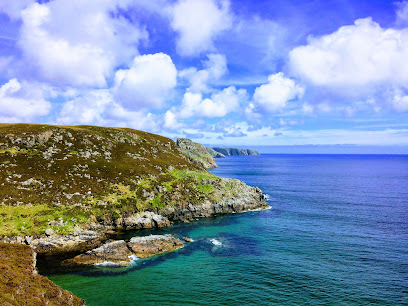
Traigh Mhòr
15.9 km
A breathtaking mile-long beach on the Isle of Lewis, offering powerful waves, historic ruins, and stunning views across the Minch.
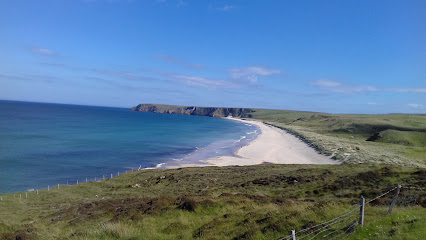
Steinacleit
17.7 km
Explore Steinacleit, a captivating prehistoric site on the Isle of Lewis blending ancient stone structures with early farmstead history.
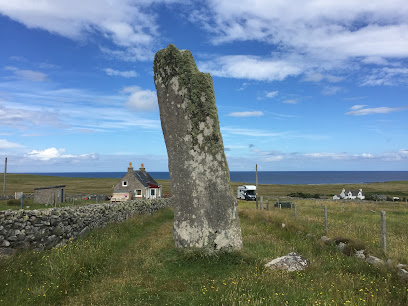
Clach An Truishal Standing Stone
19.5 km
Scotland’s tallest standing stone, Clach An Truishal, towers nearly 6 meters high on the Isle of Lewis, steeped in ancient mystery and legend.
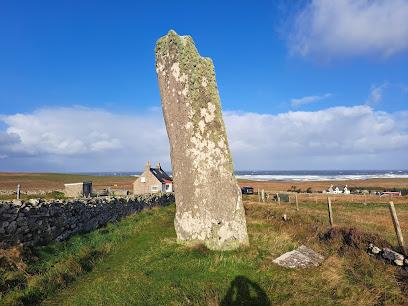
Gress Corn Mill
23.3 km
Discover the historic 19th-century water-powered Gress Corn Mill, a rustic relic of Isle of Lewis’s agricultural heritage and rural life.
Gress beach
23.6 km
Discover the serene golden sands and rich wildlife of Gress Beach, a tranquil coastal gem on the Isle of Lewis.
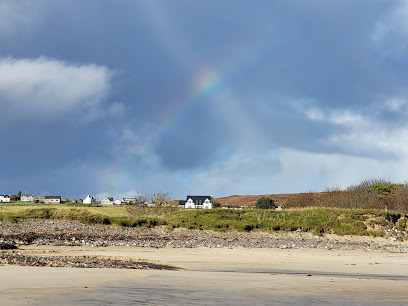
Traditional Shieling
26.3 km
Discover the enduring heritage of the Isle of Lewis through its traditional summer shielings—simple stone huts that echo centuries of pastoral life.
Essential places to dine

The Breakwater
1.2 km
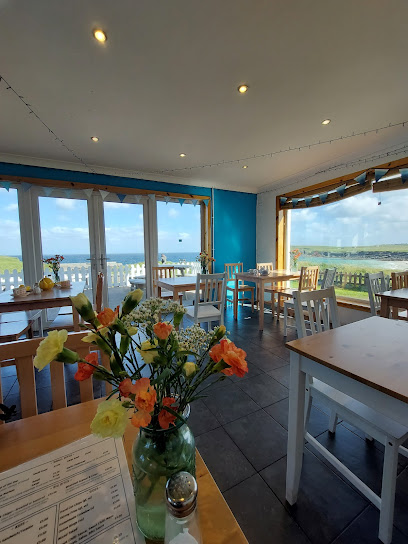
Coastal café with stunning harbour views, fresh homemade fare, and warm hospitality in the heart of Port of Ness, Isle of Lewis.
Wobbly Dog of Lewis
1.8 km
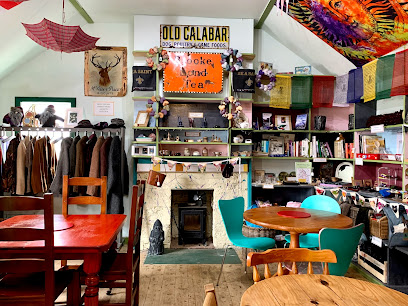
A cozy, dog-friendly tearoom at the Isle of Lewis’ northwestern tip, blending homemade treats with local crafts and warm island hospitality.
Borve Country House Hotel
15.2 km
A welcoming 4-star retreat in Borve blending Hebridean charm, hearty local cuisine, and warm hospitality on the Isle of Lewis.
Cabarfeidh Hotel
32.9 km
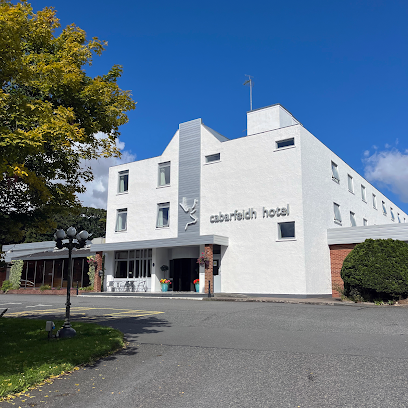
Experience modern comfort and authentic Hebridean hospitality just steps from Stornoway’s historic Lews Castle.
Bridge Centre Cafe
33.5 km
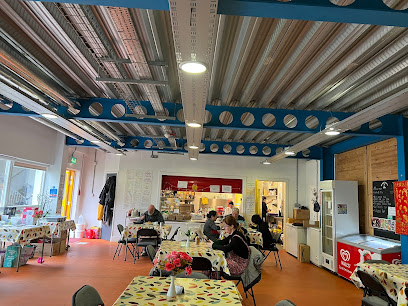
Cozy cafe in Stornoway’s Bayhead serving fresh, hearty meals and local treats daily from 8 AM to 8 PM.
HS-1 Cafe Bar
33.8 km
Lively café-bar in Stornoway serving fresh local dishes with stunning marina and Lews Castle views in a relaxed, friendly setting.
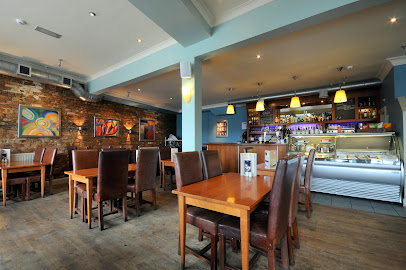
The Boatshed Restaurant
33.8 km
Savor fresh Hebridean seafood with stunning marina views in Stornoway’s acclaimed Boatshed Restaurant.
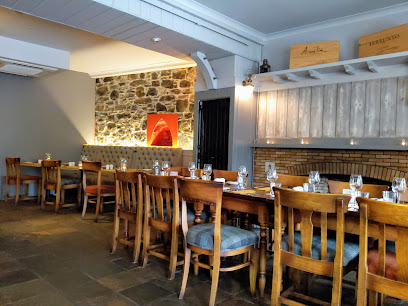
The Park Guest House & Restaurant
33.9 km
Charming central guest house in Stornoway offering cozy rooms, local dining, and easy access to Isle of Lewis attractions.
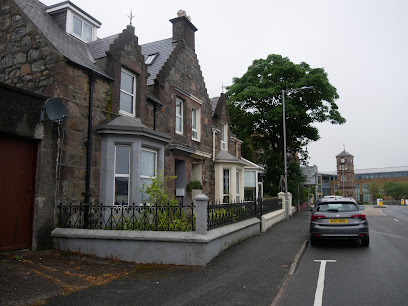
La Balena - Italian Restaurant
34.0 km
Experience authentic Italian cuisine with fresh Hebridean seafood in a warm, family-run setting at La Balena in Stornoway.
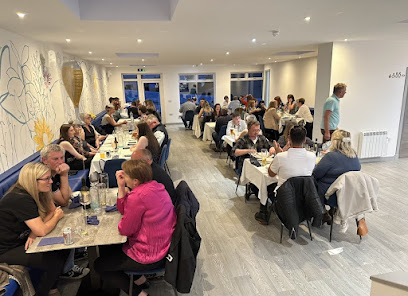
Caladh Inn
34.0 km
Comfortable and welcoming inn in central Stornoway, blending local charm with convenient access to the Isle of Lewis’s highlights.
Eleven Restaurant & Bar
34.0 km
A welcoming bar and grill in Stornoway offering classic dishes, seasonal specials, and a cozy atmosphere from morning till night.
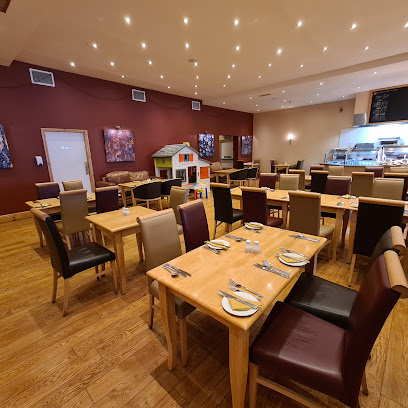
Harbour Kitchen
34.1 km
Experience the freshest Outer Hebrides seafood in a cozy, open-kitchen setting at Harbour Kitchen, Stornoway’s celebrated culinary gem.
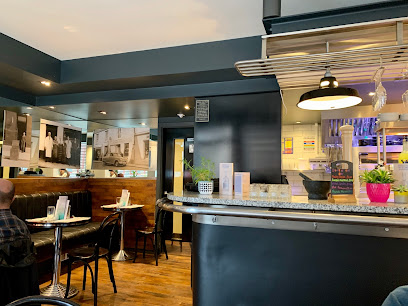
No.9 By The Harbour
34.1 km
A cozy coffee shop and cocktail bar in Stornoway blending great brews, creative drinks, and a welcoming community vibe by the harbor.
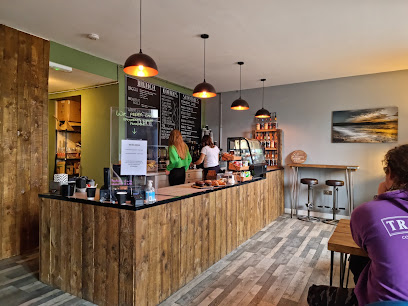
Blake’s Bar & Kitchen
34.1 km
A vibrant blend of local flavors and lively atmosphere in the heart of Stornoway’s dining scene.
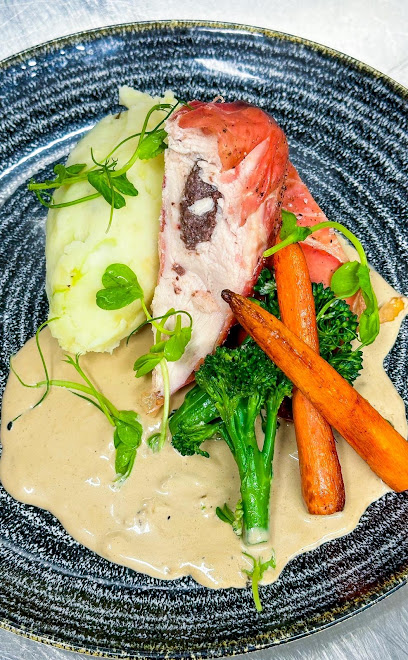
Crown Hotel
34.1 km
A welcoming harbourside inn in Stornoway offering cozy rooms, hearty Scottish fare, and a lively bar with a wide whiskey selection.
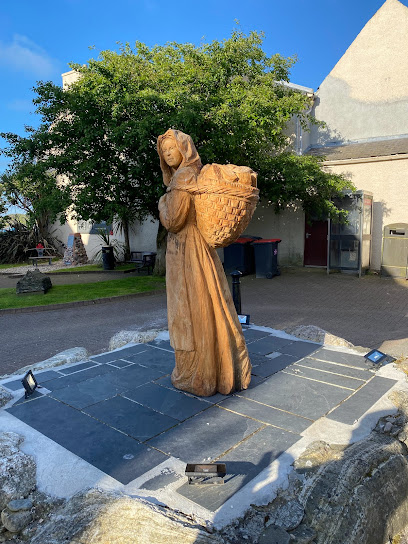
Markets, malls and hidden boutiques

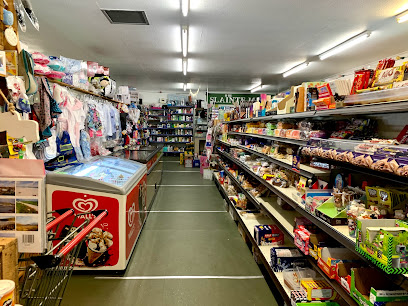
Cross Stores
4.4 km
Island butcher and grocer serving the Hebridean community with fresh provisions and artisanal prepared foods.
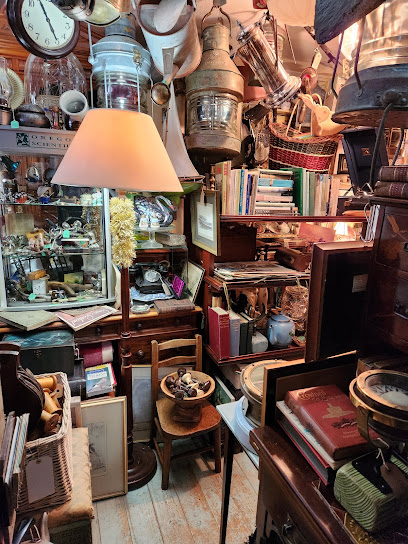
Sea in Design
19.2 km
Discover maritime heritage and vintage treasures at Sea in Design, a unique antique shop celebrating the Isle of Lewis’s seafaring traditions.
West Side Furniture Store
30.9 km
Explore exceptional handcrafted furniture and home decor at West Side Furniture Store in the charming Bragar, Isle of Lewis.
Amor Weavers
32.7 km
Discover authentic handwoven treasures celebrating the rich textile heritage of the Isle of Lewis at Amor Weavers in Shawbost.
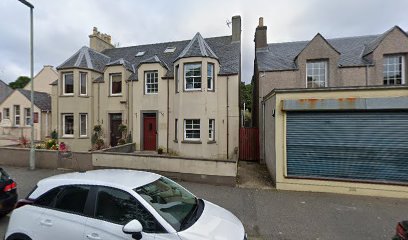
The Original Factory Shop (Co-op Stornoway)
33.1 km
Affordable brand-name fashion, beauty, and homeware all under one roof in Stornoway’s popular department store.

Bayhead Gift House
33.5 km
Explore the charming Bayhead Gift House in Stornoway for unique local crafts and souvenirs that celebrate the rich heritage of the Hebrides.
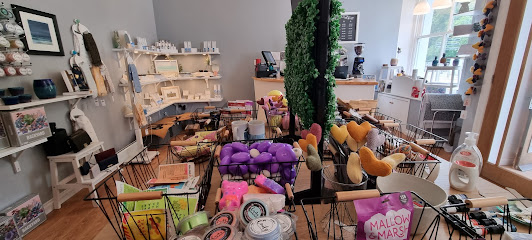
Salka – Gift Shop on the Rock
33.6 km
Discover unique handmade gifts and exquisite SeaGlass jewellery inspired by the Isle of Lewis at Salka – Gift Shop on the Rock.
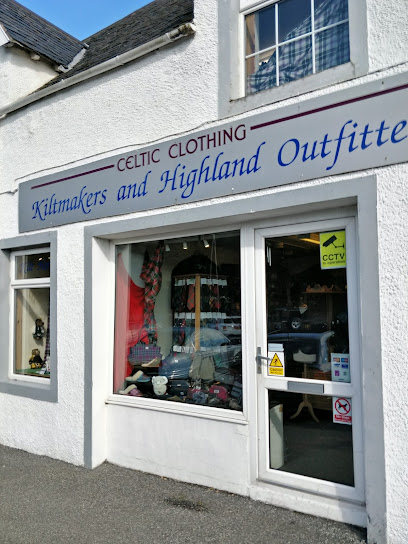
Celtic Clothing
33.7 km
Experience authentic Scottish heritage with bespoke kilts and Harris Tweed craftsmanship at Celtic Clothing in Stornoway.
The Hebridean Hobby Centre
33.8 km
A cozy craft shop in Stornoway showcasing handmade Hebridean crafts, textiles, and local art – perfect for unique island souvenirs and creative inspiration.
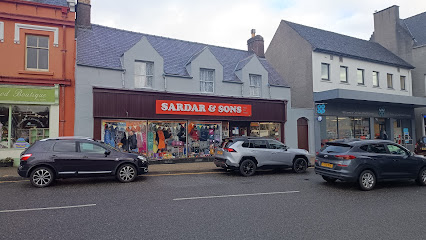
Sardar & Sons
33.9 km
Discover quality clothing and distinctive hats for special occasions at Sardar & Sons, Stornoway’s trusted local fashion destination.
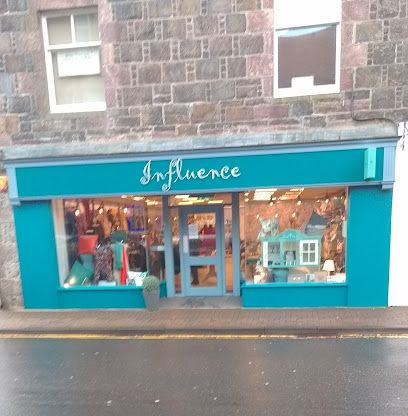
Influence Clothing
34.0 km
A stylish boutique in Stornoway offering curated women’s fashion and elegant homeware in the heart of the Outer Hebrides.
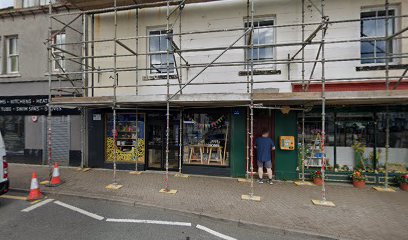
Nicolson & Co Ltd
34.0 km
Stornoway's trusted newsagent serving the Isle of Lewis since 1978.
Bonmarché
34.0 km
Bonmarché Stornoway offers stylish, affordable women's fashion in sizes 10-28, conveniently located on Cromwell Street in the town centre.
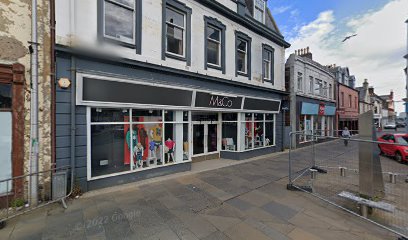
Peacocks
34.0 km
Affordable fashion for the whole family in the heart of Stornoway’s shopping district.
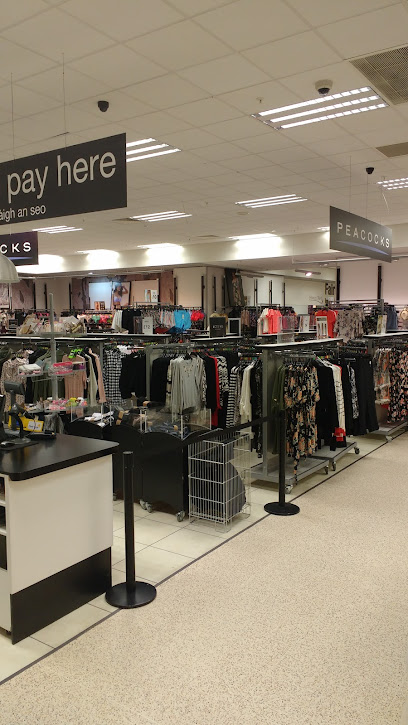
Tweedtastic
34.0 km
Authentic Harris Tweed and wool creations crafted with island heritage and warmth in the heart of Stornoway.
Essential bars & hidden hideouts

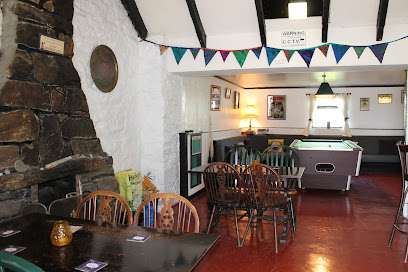
Old Barn Bar
4.5 km
Authentic crofters’ barn pub with rustic charm, local flavors, and warm hospitality on the Isle of Lewis.
Cross Inn
4.5 km
A cozy, characterful inn and pub offering warm hospitality, excellent local food, and comfortable stays on the Isle of Lewis.
The Rip
19.8 km
A cozy bar on the Isle of Lewis where local culture, craft beers, and scenic beauty create a warm retreat for travelers and locals alike.
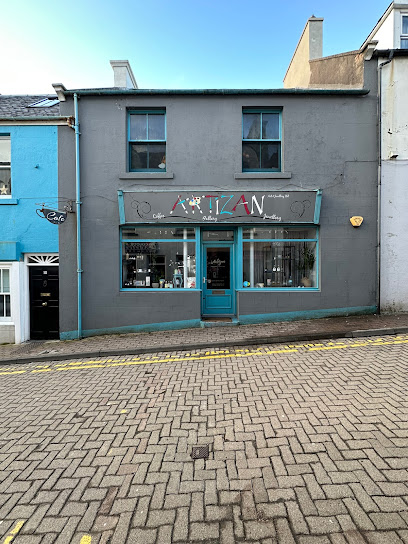
Artizan
33.9 km
Artizan blends local flavors, creative cocktails, and unique crafts in a warm, welcoming café and event space in the heart of Stornoway.
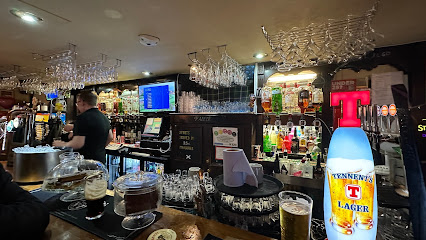
McNeills
34.0 km
Experience Stornoway’s vibrant live music and warm hospitality at McNeills, a historic bar with authentic Hebridean spirit.
Stornoway Distillers @ The Fank
34.1 km
Experience authentic Hebridean flavors and craft gin in the heart of Stornoway’s vibrant culinary scene.
The Criterion Bar
34.1 km
A cozy, traditional Scottish bar in Stornoway known for its friendly service, quality drinks, and authentic Hebridean atmosphere.
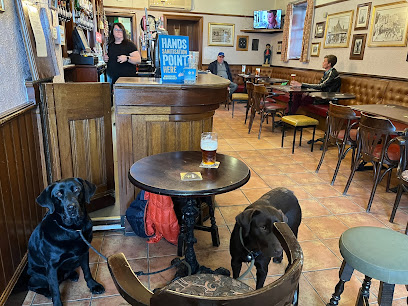
THE HARBOUR BAR
34.1 km
A warm, inviting bar in Stornoway offering local brews, hearty Scottish fare, and live music in the heart of the Isle of Lewis.
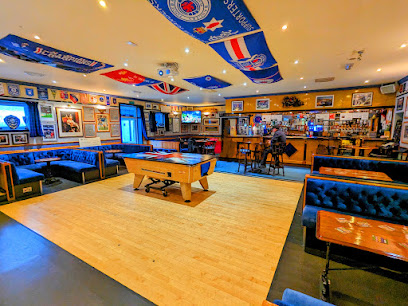
Lewis & Harris Rangers Supporters Club
34.2 km
A spirited social hub and the world’s largest Rangers supporters club, uniting fans in Stornoway with football passion and community warmth.
Ardhasaig House Hotel and Restaurant
73.9 km
A tranquil Hebridean escape offering cozy rooms, exquisite local cuisine, and stunning mountain and sea views on the Isle of Harris.
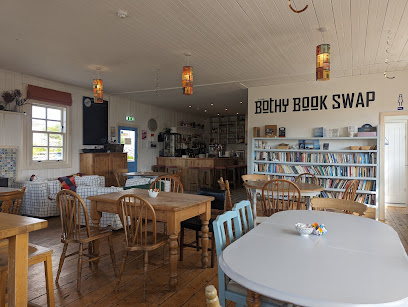
The Bothy
93.5 km
A cozy pub and café in Leverburgh offering local ales, hearty meals, and warm island hospitality on the Isle of Harris.
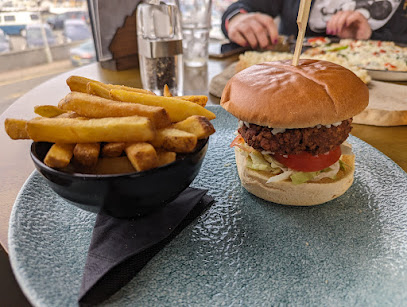
Isle of Harris Brewery
94.2 km
Crafting island-brewed beers and fresh Hebridean fare in a lively waterfront taproom on the Isle of Harris.
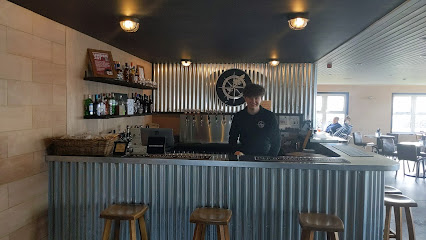
The Badachro Inn
94.4 km
Coastal Highland inn renowned for fresh seafood, stunning bay views, and warm, rustic charm in the heart of Badachro.
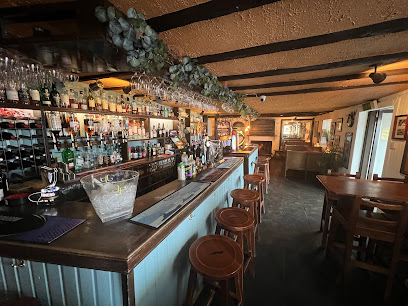
Nightclubs & after hour spots

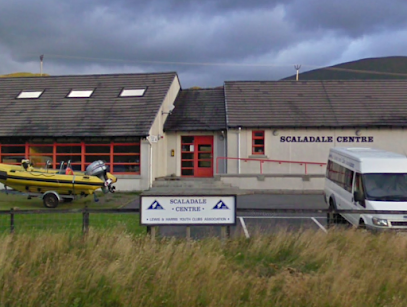
The Scaladale Centre
64.5 km
A premier outdoor adventure centre and hostel on Isle of Harris, offering year-round activities and comfortable group accommodation in stunning Hebridean surroundings.
Number 5
78.9 km
Charming stone cottage hostel with sea views, cozy fires, kayak rentals, and warm hospitality on the scenic Isle of Harris.
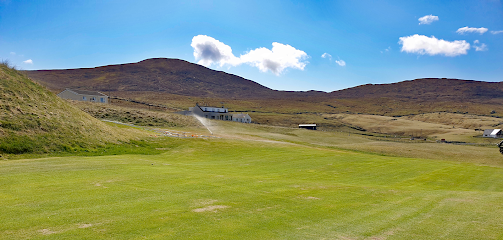
The Isle of Harris Golf Club
88.4 km
Discover the beauty of The Isle of Harris Golf Club, where stunning landscapes meet unforgettable golfing experiences in the heart of the Hebrides.
For the vibe & atmosphere seeker
- Scenic
- Tranquil
- Unique
- Relaxing
For the design and aesthetic lover
- Rustic Designs
For the architecture buff
- Historic
- Landmarks
For the view chaser and sunset hunter
- Iconic Views
- Panoramas
- Waterfront
For the social media creator & influencer
- Photo Spots
- Selfie Spots
- Instagrammable
For the eco-conscious traveler
- Public-Transport Accessible
- Leave-No-Trace Critical
- Locally Managed
For the kind of experience you’re after
- Cultural Heritage
- Photowalk
- Nature Escape
- Day Trip
- Weekend Getaway
For how adventurous you want the journey to be
- Easy Access
Location Audience
- Family Friendly
- Senior Friendly
- Child Friendly
- Teen Friendly
- Solo Friendly
- Couple Friendly


