
Port Stoth: The Historic Sheltered Inlet of the Isle of Lewis
A serene sheltered inlet steeped in maritime history, nature, and the legacy of the iconic Butt of Lewis Lighthouse.
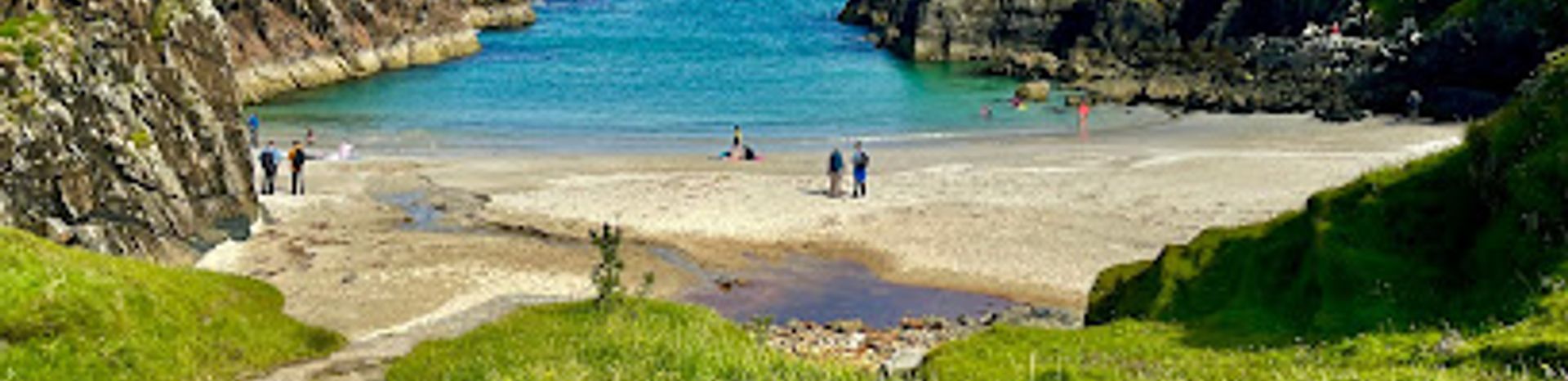
Port Stoth is a sheltered inlet located just southeast of the Butt of Lewis on the Isle of Lewis in Scotland’s Outer Hebrides. Known locally as Stoth (pronounced 'Stow'), this small bay played a crucial role in the construction and supply of the iconic Butt of Lewis Lighthouse. Its white shell beach, calm waters, and scenic surroundings make it a tranquil spot for seal watching, fishing, and quiet coastal walks.
A brief summary to Port Stoth
- Butt of Lewis, Isle of Lewis, GB
- Duration: 0.5 to 2 hours
- Free
-
 Outdoor
- Mobile reception: 3 out of 5
- Monday 12 am-12 am
- Tuesday 12 am-12 am
- Wednesday 12 am-12 am
- Thursday 12 am-12 am
- Friday 12 am-12 am
- Saturday 12 am-12 am
- Sunday 12 am-12 am
Local tips
- Visit early morning or late evening for the best chance to see seals and enjoy peaceful coastal walks.
- Bring fishing gear to try your luck on the rocky outcrops near the inlet.
- Explore the nearby Butt of Lewis Lighthouse and learn about its unique red brick construction.
- Wear sturdy footwear for walking along uneven coastal terrain and rocky areas.
- Check weather conditions before visiting, as the Outer Hebrides can be windy and changeable.

For the on-the-go comforts that matter to you
- Seating Areas
- Information Boards
- Trash Bins
Getting There
-
Car
Driving from Stornoway, the main town on the Isle of Lewis, takes approximately 45 to 60 minutes. The route follows the A857 north towards Ness village, then continues on local roads leading to the Butt of Lewis and Port Stoth. Parking is limited near the inlet, so plan to arrive early during peak seasons. No parking fees apply.
-
Bus
Local bus services operate from Stornoway to Ness village with a journey time of about 1 hour and 15 minutes. From Ness, a 20 to 30-minute walk or taxi ride is needed to reach Port Stoth. Bus frequency is limited, especially on weekends, so check schedules in advance. A single fare costs approximately £4 to £6.
-
Walking
For adventurous walkers, a scenic 1.5 to 2-hour hike from Ness village to Port Stoth follows coastal paths and minor roads. The terrain is uneven in places and may be challenging in wet or windy weather. Suitable footwear and weather-appropriate clothing are recommended.
Port Stoth location weather suitability
-
 Any Weather
-
 Windy Conditions
-
 Rain / Wet Weather
-
 Clear Skies
-
 Mild Temperatures
Discover more about Port Stoth
A Vital Maritime Gateway for the Butt of Lewis Lighthouse
Port Stoth is a small, sheltered inlet lying just southeast of the Butt of Lewis, the northernmost tip of the Isle of Lewis in the Outer Hebrides. This inlet was historically significant as the landing point for all materials used in the construction of the Butt of Lewis Lighthouse between 1859 and 1862. Due to the island’s poor road infrastructure at the time, supplies and fuel for the lighthouse were regularly brought in by small cargo vessels and offloaded here by crane well into the 1960s. Today, remnants such as the concrete base for the crane and a brick storage building still stand as silent witnesses to this maritime heritage.Natural Beauty and Coastal Wildlife
The beach at Port Stoth is a delightful stretch of white shell sand, offering a peaceful retreat framed by the rugged coastline. Its relatively sheltered waters make it ideal for sunrise or sunset swims, and the rocky outcrops nearby serve as excellent fishing spots. Seal sightings are common here, adding to the location’s appeal for wildlife enthusiasts. The surrounding landscape includes low-growing plants with delicate white flowers, contributing to the area's natural charm.Connection to the Wider Hebridean Landscape
Port Stoth’s proximity to the Butt of Lewis Lighthouse places it within a dramatic coastal environment marked by cliffs rising 60 to 80 feet high. The lighthouse itself is a striking red brick structure, unusual in Scotland where white-painted lighthouses are more common. The inlet also lies near other notable Hebridean landmarks, including the natural arch called the "Eye of the Butt" and the ancient ruins of St Moluag’s Church. This area is rich in history and natural heritage, making it a fascinating destination for visitors interested in culture and nature.Visitor Experience and Atmosphere
Visitors to Port Stoth can enjoy tranquil walks along the beach and coastline, with opportunities to spot seals and seabirds that frequent the area. The peaceful ambience is perfect for reflection and quiet enjoyment of the Hebridean seascape. The inlet’s sheltered nature provides a calm contrast to the often wild and windy conditions experienced at the nearby Butt of Lewis headland. This makes Port Stoth a favored spot for those seeking a serene coastal experience.Preservation and Accessibility
While Port Stoth remains a relatively untouched natural spot, its historical significance and ecological value are recognized locally. The area is accessible via the road leading to the Butt of Lewis in the village of Ness, making it a convenient stop for travelers exploring the northern reaches of Lewis. The inlet’s calm waters and beach are ideal for casual visits, nature observation, and photography, with minimal infrastructure to maintain its pristine character.Legacy of the Stevenson Family’s Engineering
The construction of the Butt of Lewis Lighthouse, closely tied to Port Stoth, was overseen by the renowned Stevenson family of lighthouse engineers, David and Thomas Stevenson. Their work here is emblematic of 19th-century maritime engineering challenges, including the logistical feat of transporting all building materials by sea to this remote inlet. The lighthouse’s continued operation, now automated, and the enduring presence of Port Stoth highlight the lasting legacy of their craftsmanship and the importance of this location in Scotland’s navigational history.Iconic landmarks you can’t miss

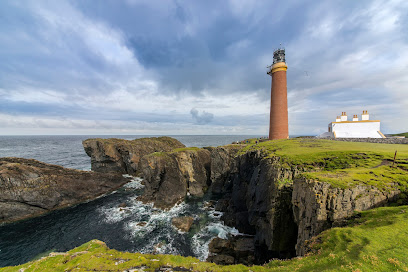
Butt of Lewis Lighthouse
0.7 km
Scotland’s northernmost red-brick lighthouse, a historic beacon amid rugged cliffs and wild Atlantic winds on the Isle of Lewis.
historic scotland
27.0 km
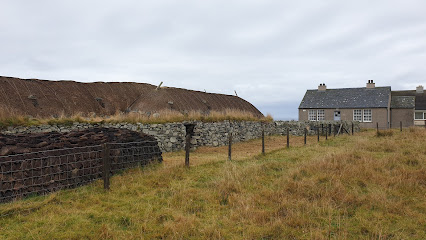
Explore the historical essence of The Blackhouse in Arnol, Isle of Lewis, where traditional Scottish life comes alive amidst stunning landscapes.
Stoer Lighthouse
58.0 km
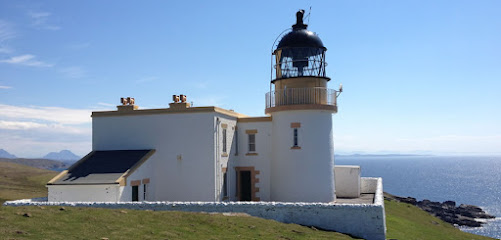
Experience a unique self-catering lighthouse stay with panoramic coastal views on Scotland’s remote and rugged Stoer Head.
Harris House
75.1 km
Discover the perfect blend of care and natural beauty at Harris House in the enchanting Isle of Harris.
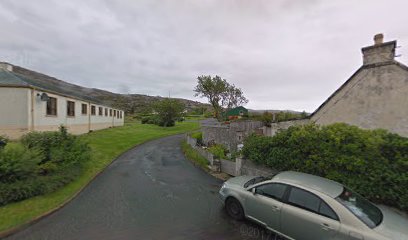
Eilean Glas Lighthouse
76.3 km
A historic white lighthouse on the wild northern tip of the Isle of Scalpay, offering sweeping sea views and a taste of remote Hebridean life.
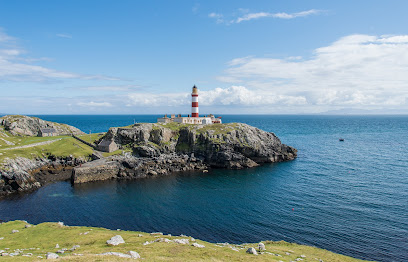
North West Sutherland National Scenic Area
80.1 km
Explore the breathtaking landscapes and rich wildlife of North West Sutherland National Scenic Area, a true Scottish Highlands treasure.
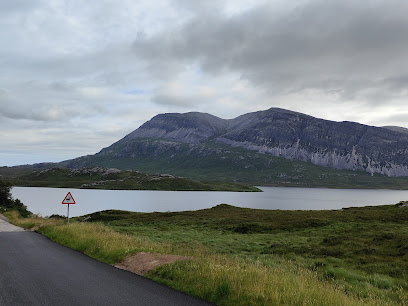
Luskentyre Beach
80.1 km
Experience the breathtaking beauty of Luskentyre Beach, where soft sands meet turquoise waters on the picturesque Isle of Harris.
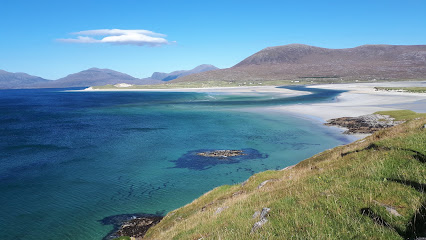
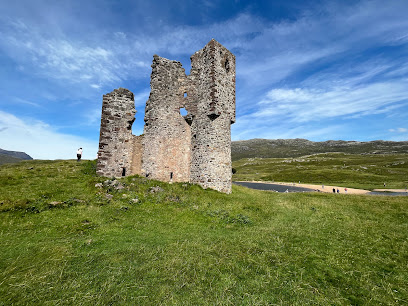
Ardvreck Castle
82.9 km
Discover Ardvreck Castle, a historical jewel in the Scottish Highlands, surrounded by breathtaking landscapes and steeped in rich heritage.
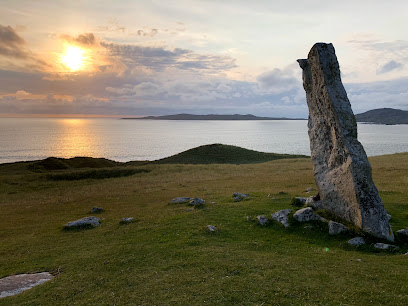
MacLeod´s Stone
83.9 km
A solitary Neolithic standing stone on a white-sand beach in South Harris, steeped in myth and facing the wild Atlantic.
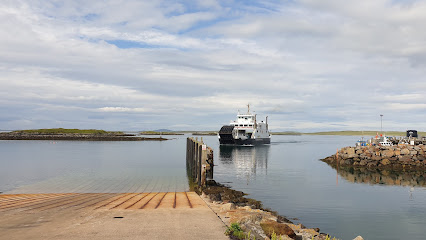
Visit Outer Hebrides
84.1 km
Your essential gateway to exploring the wild beauty and rich Gaelic culture of Scotland’s Outer Hebrides islands.
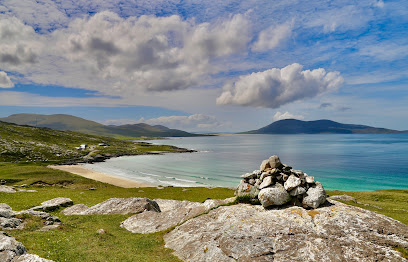
Nisabost Beach
84.1 km
Discover the breathtaking beauty of Nisabost Beach on the Isle of Harris, where white sands meet turquoise waters in a stunning Scottish paradise.
Pairc an t-Srath Guest House
85.6 km
Charming guest house on Isle of Harris with stunning sea views, warm hospitality, and delicious home-cooked meals near beautiful beaches.

Durness Beach
88.1 km
Discover the breathtaking beauty of Durness Beach, a hidden gem on Scotland's rugged north coast, perfect for relaxation and adventure.
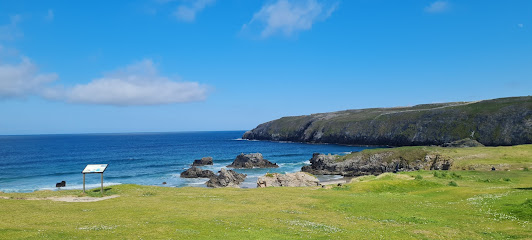
Rubha Hunish
90.2 km
Explore Rubha Hunish, the northern jewel of the Isle of Skye, where breathtaking views and rich history come together in a stunning coastal experience.
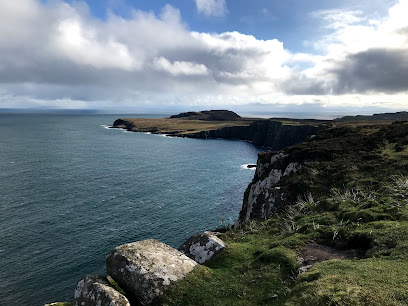
Old Ruins
92.3 km
Discover the haunting Old Ruins near Portree, where ancient history and rugged coastal beauty converge on the Isle of Skye.
Unmissable attractions to see

St Moluag's Church [Scottish Episcopalian]
0.9 km
Discover the ancient spiritual sanctuary of St Moluag's Church, a historic healing site nestled in the serene landscapes of the Isle of Lewis.
![St Moluag's Church [Scottish Episcopalian]](https://evendo-location-media.s3.amazonaws.com/AttractionImages/b9cd6a16-15d6-4d85-a8f7-91221078ce96)
Dùn Èistean
1.5 km
Discover Dùn Èistean, the dramatic tidal island fortress and ancestral home of Clan Morrison on the Isle of Lewis, steeped in history and stunning coastal views.
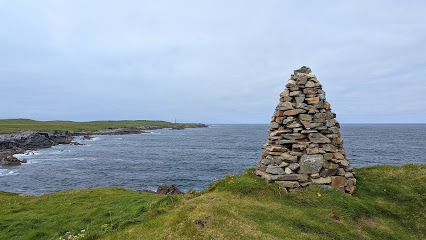
Eoropie Beach
1.8 km
Discover the wild, layered rock formations and tranquil Atlantic vistas of Eoropie Beach, a serene coastal gem on the Isle of Lewis.
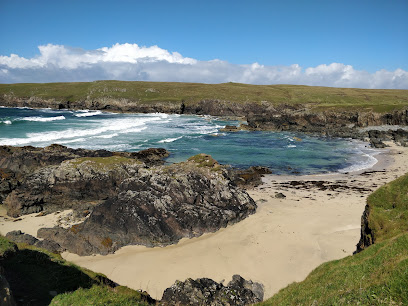
Port of Ness Slipway and Breakwater
2.6 km
Historic harbour and breakwater on the Isle of Lewis, blending maritime heritage with stunning coastal scenery and traditional fishing culture.
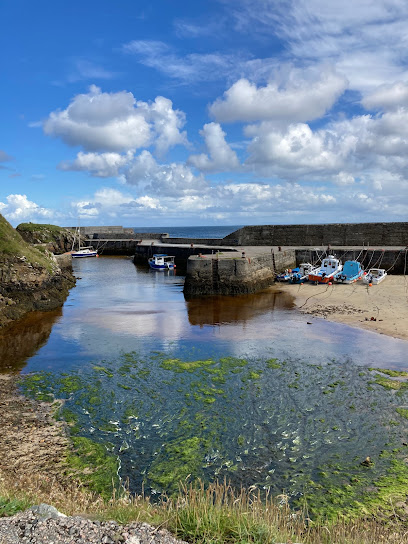
Port of Ness Beach
2.7 km
A remote northern beach on the Isle of Lewis blending rugged harbour charm with serene sandy shores and rich maritime heritage.
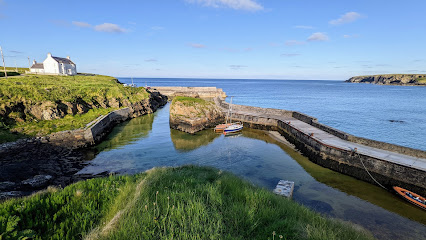
Swainbost Beach
2.8 km
Discover the peaceful sands and scenic west-facing shores of Swainbost Beach, a tranquil retreat on the Isle of Lewis.
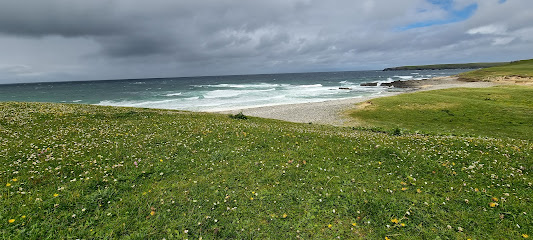
Comunn Eachdraidh Nis
4.9 km
Explore North Lewis heritage through museum exhibits, archives, and local crafts at Comunn Eachdraidh Nis in North Dell.
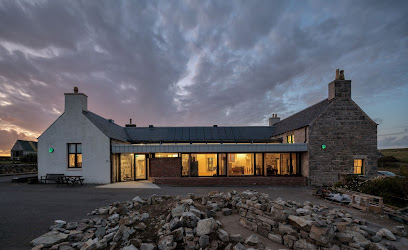
Ness Historical Society
4.9 km
Explore the rich heritage of North Lewis through immersive exhibits, extensive archives, and local culture at the Ness Historical Society.
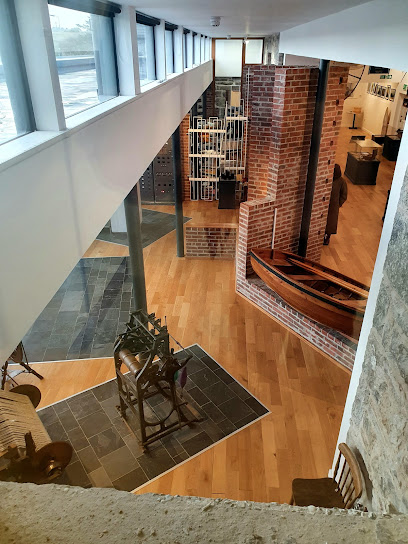
Traigh Ghearadha (Gary Beach)
16.1 km
Discover the serene beauty of Traigh Ghearadha with its golden sands, dramatic sea stacks, and peaceful coastal trails on the Isle of Lewis.
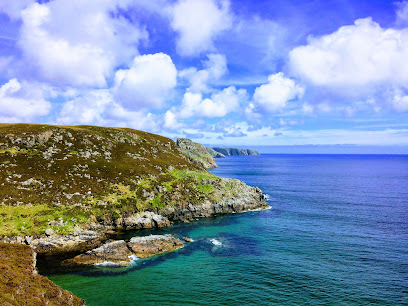
Traigh Mhòr
16.8 km
A breathtaking mile-long beach on the Isle of Lewis, offering powerful waves, historic ruins, and stunning views across the Minch.
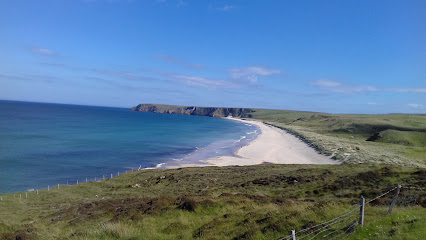
Steinacleit
17.4 km
Explore Steinacleit, a captivating prehistoric site on the Isle of Lewis blending ancient stone structures with early farmstead history.
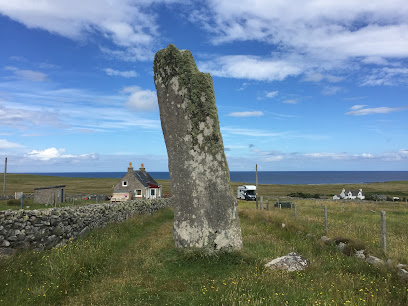
Clach An Truishal Standing Stone
19.1 km
Scotland’s tallest standing stone, Clach An Truishal, towers nearly 6 meters high on the Isle of Lewis, steeped in ancient mystery and legend.
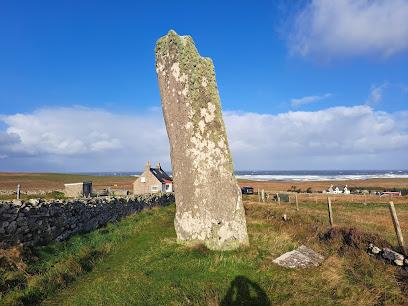
Gress Corn Mill
24.1 km
Discover the historic 19th-century water-powered Gress Corn Mill, a rustic relic of Isle of Lewis’s agricultural heritage and rural life.
Gress beach
24.3 km
Discover the serene golden sands and rich wildlife of Gress Beach, a tranquil coastal gem on the Isle of Lewis.
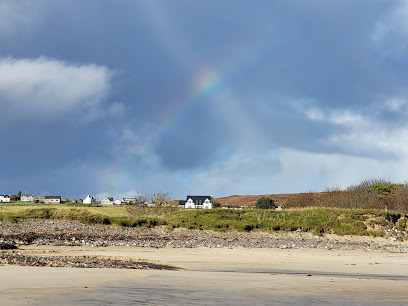
Traditional Shieling
26.0 km
Discover the enduring heritage of the Isle of Lewis through its traditional summer shielings—simple stone huts that echo centuries of pastoral life.
Essential places to dine

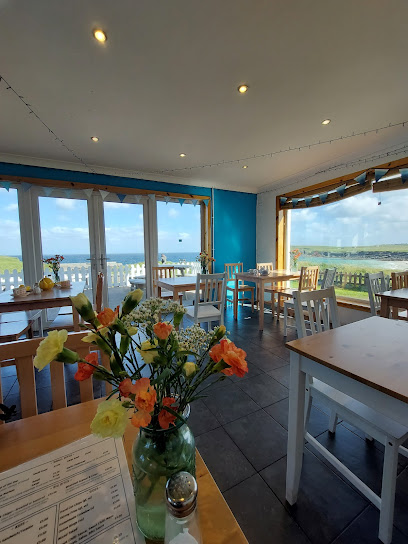
The Breakwater
2.5 km
Coastal café with stunning harbour views, fresh homemade fare, and warm hospitality in the heart of Port of Ness, Isle of Lewis.
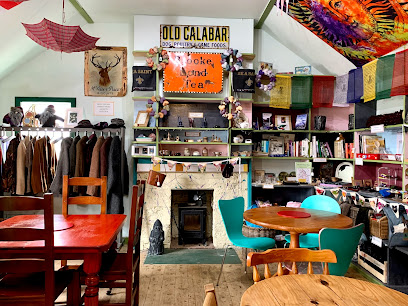
Wobbly Dog of Lewis
2.5 km
A cozy, dog-friendly tearoom at the Isle of Lewis’ northwestern tip, blending homemade treats with local crafts and warm island hospitality.
Borve Country House Hotel
14.9 km
A welcoming 4-star retreat in Borve blending Hebridean charm, hearty local cuisine, and warm hospitality on the Isle of Lewis.
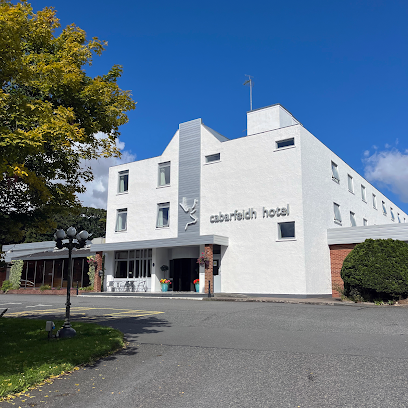
Cabarfeidh Hotel
33.4 km
Experience modern comfort and authentic Hebridean hospitality just steps from Stornoway’s historic Lews Castle.
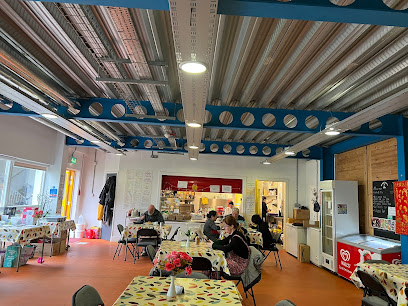
Bridge Centre Cafe
34.0 km
Cozy cafe in Stornoway’s Bayhead serving fresh, hearty meals and local treats daily from 8 AM to 8 PM.
HS-1 Cafe Bar
34.3 km
Lively café-bar in Stornoway serving fresh local dishes with stunning marina and Lews Castle views in a relaxed, friendly setting.
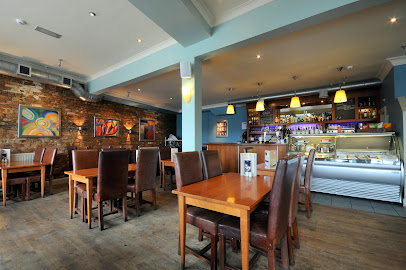
The Boatshed Restaurant
34.3 km
Savor fresh Hebridean seafood with stunning marina views in Stornoway’s acclaimed Boatshed Restaurant.
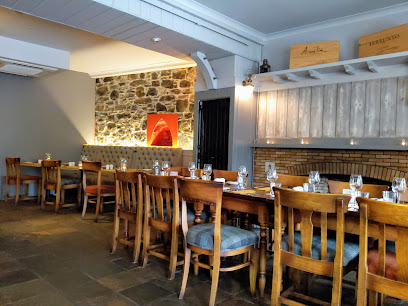
The Park Guest House & Restaurant
34.5 km
Charming central guest house in Stornoway offering cozy rooms, local dining, and easy access to Isle of Lewis attractions.
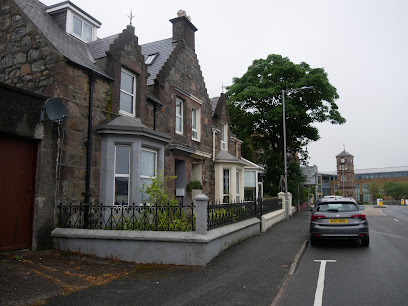
La Balena - Italian Restaurant
34.5 km
Experience authentic Italian cuisine with fresh Hebridean seafood in a warm, family-run setting at La Balena in Stornoway.
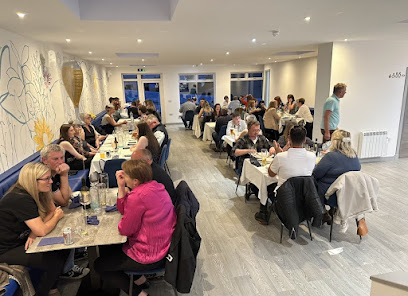
Caladh Inn
34.5 km
Comfortable and welcoming inn in central Stornoway, blending local charm with convenient access to the Isle of Lewis’s highlights.
Eleven Restaurant & Bar
34.5 km
A welcoming bar and grill in Stornoway offering classic dishes, seasonal specials, and a cozy atmosphere from morning till night.
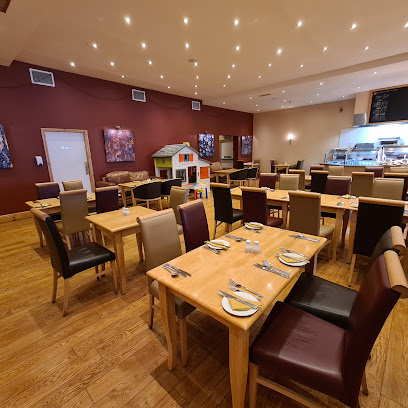
Harbour Kitchen
34.6 km
Experience the freshest Outer Hebrides seafood in a cozy, open-kitchen setting at Harbour Kitchen, Stornoway’s celebrated culinary gem.
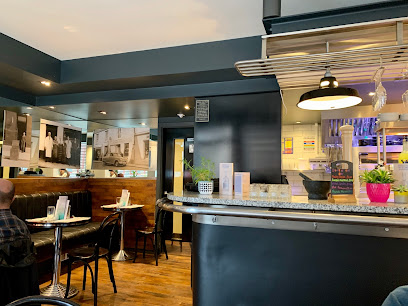
No.9 By The Harbour
34.6 km
A cozy coffee shop and cocktail bar in Stornoway blending great brews, creative drinks, and a welcoming community vibe by the harbor.
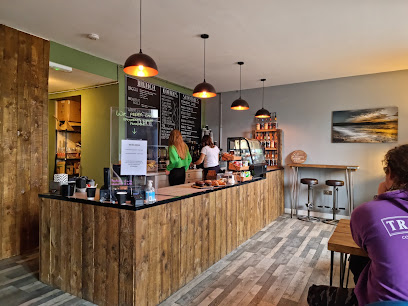
Blake’s Bar & Kitchen
34.6 km
A vibrant blend of local flavors and lively atmosphere in the heart of Stornoway’s dining scene.
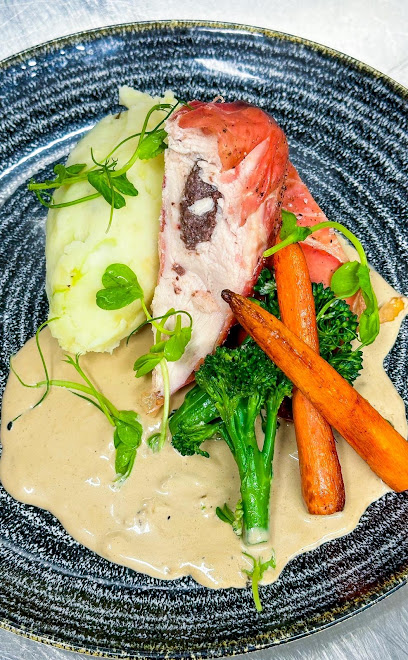
Crown Hotel
34.6 km
A welcoming harbourside inn in Stornoway offering cozy rooms, hearty Scottish fare, and a lively bar with a wide whiskey selection.
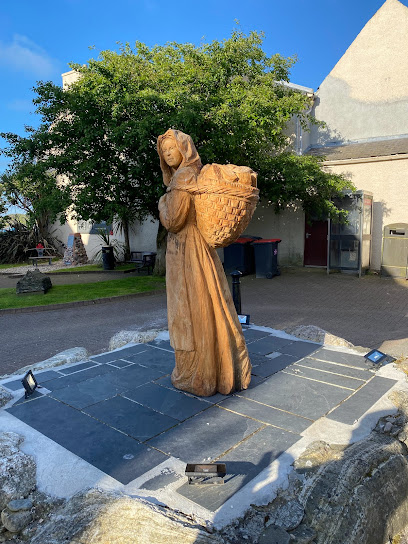
Markets, malls and hidden boutiques

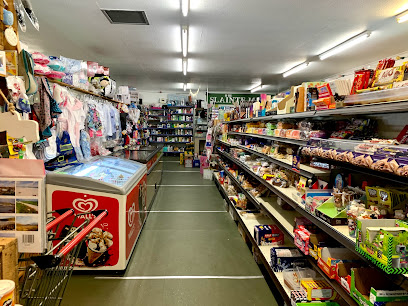
Cross Stores
4.5 km
Island butcher and grocer serving the Hebridean community with fresh provisions and artisanal prepared foods.
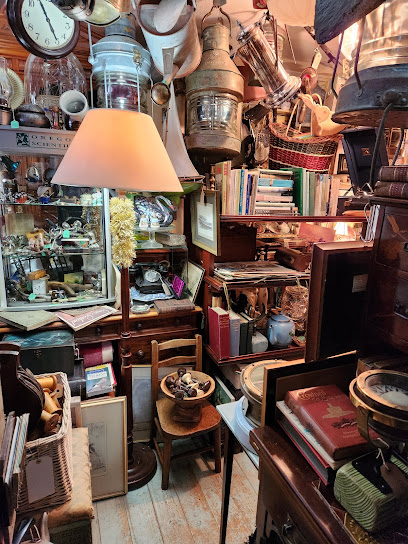
Sea in Design
18.8 km
Discover maritime heritage and vintage treasures at Sea in Design, a unique antique shop celebrating the Isle of Lewis’s seafaring traditions.
West Side Furniture Store
30.4 km
Explore exceptional handcrafted furniture and home decor at West Side Furniture Store in the charming Bragar, Isle of Lewis.
Amor Weavers
32.2 km
Discover authentic handwoven treasures celebrating the rich textile heritage of the Isle of Lewis at Amor Weavers in Shawbost.
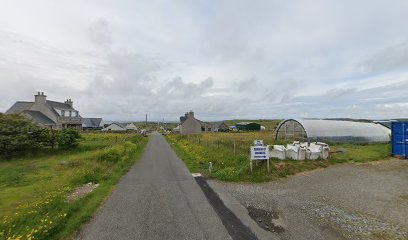
The Original Factory Shop (Co-op Stornoway)
33.6 km
Affordable brand-name fashion, beauty, and homeware all under one roof in Stornoway’s popular department store.

Bayhead Gift House
34.0 km
Explore the charming Bayhead Gift House in Stornoway for unique local crafts and souvenirs that celebrate the rich heritage of the Hebrides.
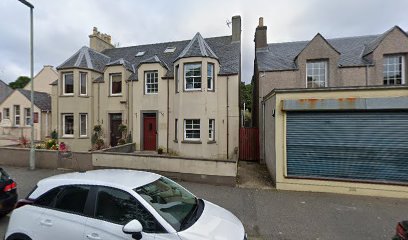
Salka – Gift Shop on the Rock
34.1 km
Discover unique handmade gifts and exquisite SeaGlass jewellery inspired by the Isle of Lewis at Salka – Gift Shop on the Rock.
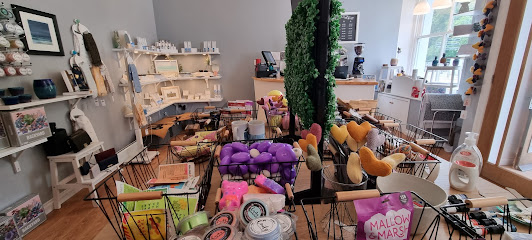
Celtic Clothing
34.2 km
Experience authentic Scottish heritage with bespoke kilts and Harris Tweed craftsmanship at Celtic Clothing in Stornoway.
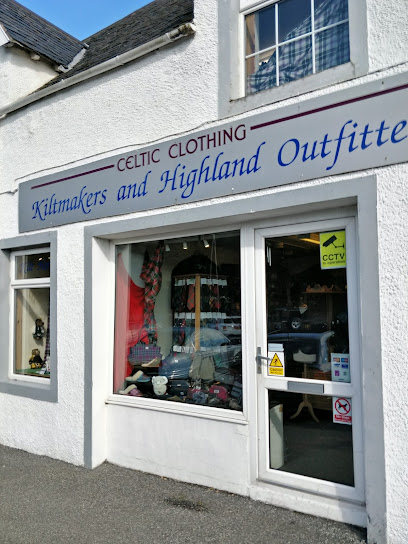
The Hebridean Hobby Centre
34.3 km
A cozy craft shop in Stornoway showcasing handmade Hebridean crafts, textiles, and local art – perfect for unique island souvenirs and creative inspiration.
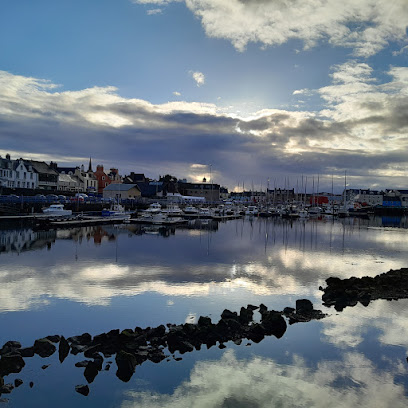
Sardar & Sons
34.4 km
Discover quality clothing and distinctive hats for special occasions at Sardar & Sons, Stornoway’s trusted local fashion destination.

Influence Clothing
34.5 km
A stylish boutique in Stornoway offering curated women’s fashion and elegant homeware in the heart of the Outer Hebrides.
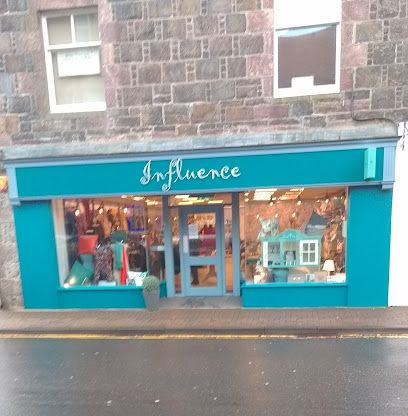
Nicolson & Co Ltd
34.5 km
Stornoway's trusted newsagent serving the Isle of Lewis since 1978.
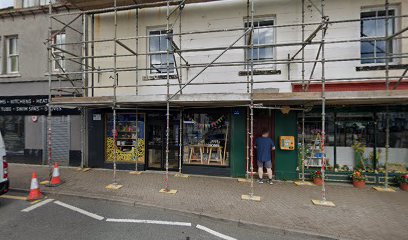
Bonmarché
34.5 km
Bonmarché Stornoway offers stylish, affordable women's fashion in sizes 10-28, conveniently located on Cromwell Street in the town centre.
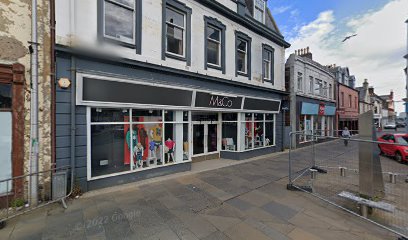
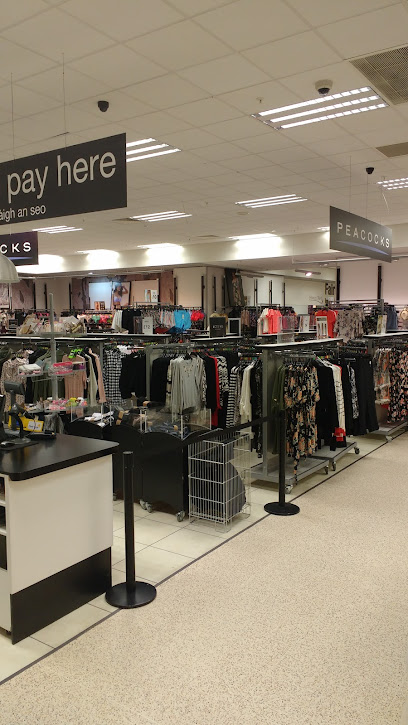
Peacocks
34.5 km
Affordable fashion for the whole family in the heart of Stornoway’s shopping district.
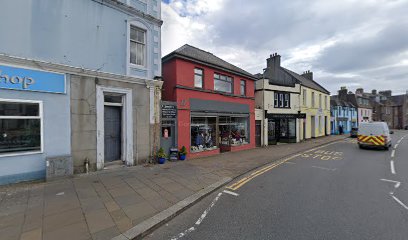
Tweedtastic
34.5 km
Authentic Harris Tweed and wool creations crafted with island heritage and warmth in the heart of Stornoway.
Essential bars & hidden hideouts

Cross Inn
4.6 km
A cozy, characterful inn and pub offering warm hospitality, excellent local food, and comfortable stays on the Isle of Lewis.
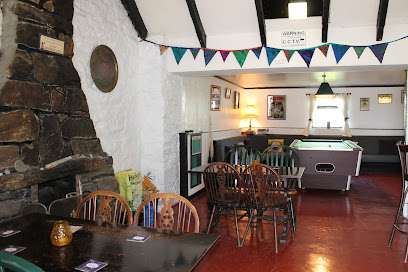
Old Barn Bar
4.6 km
Authentic crofters’ barn pub with rustic charm, local flavors, and warm hospitality on the Isle of Lewis.
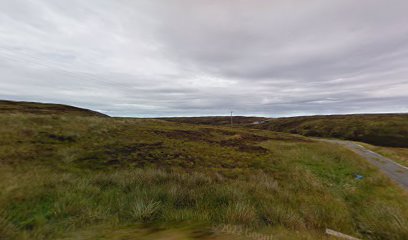
The Rip
20.7 km
A cozy bar on the Isle of Lewis where local culture, craft beers, and scenic beauty create a warm retreat for travelers and locals alike.
Artizan
34.4 km
Artizan blends local flavors, creative cocktails, and unique crafts in a warm, welcoming café and event space in the heart of Stornoway.
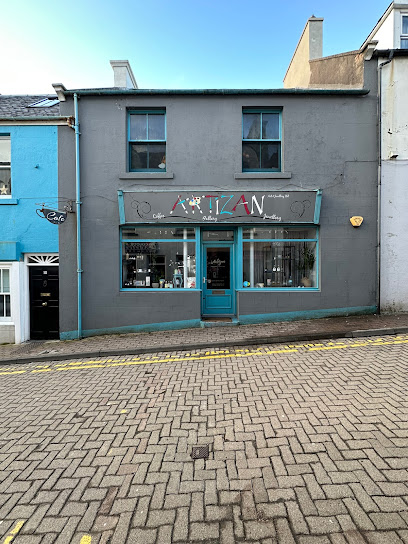
McNeills
34.5 km
Experience Stornoway’s vibrant live music and warm hospitality at McNeills, a historic bar with authentic Hebridean spirit.
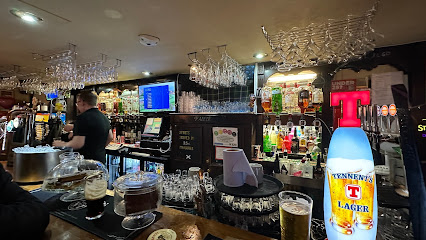
Stornoway Distillers @ The Fank
34.6 km
Experience authentic Hebridean flavors and craft gin in the heart of Stornoway’s vibrant culinary scene.
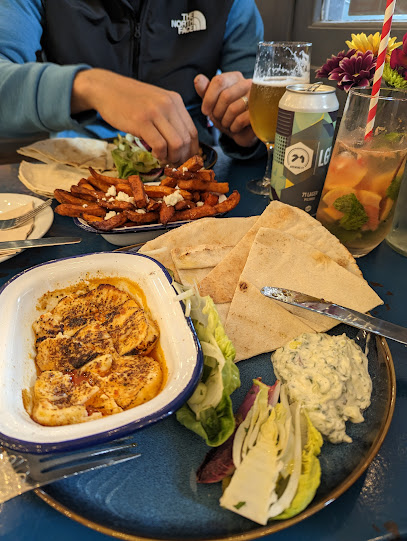
The Criterion Bar
34.6 km
A cozy, traditional Scottish bar in Stornoway known for its friendly service, quality drinks, and authentic Hebridean atmosphere.
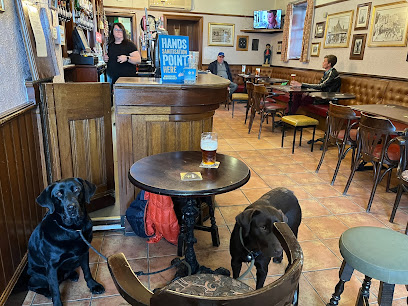
THE HARBOUR BAR
34.6 km
A warm, inviting bar in Stornoway offering local brews, hearty Scottish fare, and live music in the heart of the Isle of Lewis.
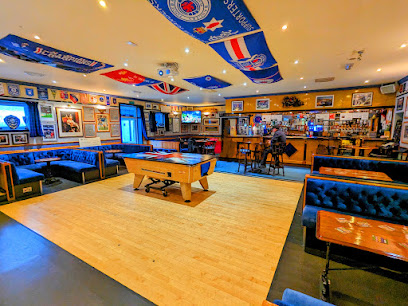
Lewis & Harris Rangers Supporters Club
34.7 km
A spirited social hub and the world’s largest Rangers supporters club, uniting fans in Stornoway with football passion and community warmth.
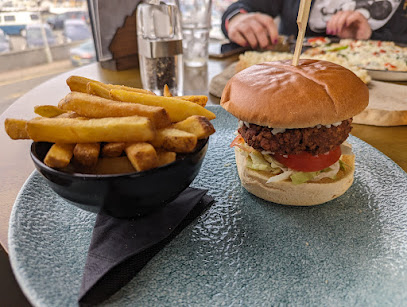
Ardhasaig House Hotel and Restaurant
74.1 km
A tranquil Hebridean escape offering cozy rooms, exquisite local cuisine, and stunning mountain and sea views on the Isle of Harris.
Isle of Harris Distillery
75.5 km
Discover the Isle of Harris Distillery, where tradition meets artistry in every sip of exquisite whisky on Scotland's breathtaking shores.
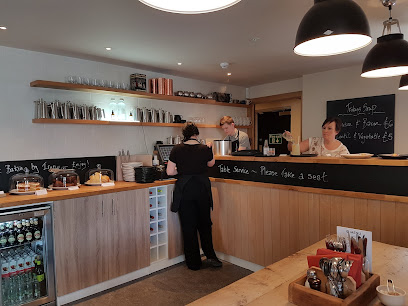
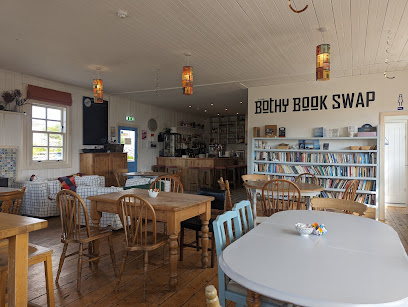
The Bothy
93.6 km
A cozy pub and café in Leverburgh offering local ales, hearty meals, and warm island hospitality on the Isle of Harris.
Isle of Harris Brewery
94.3 km
Crafting island-brewed beers and fresh Hebridean fare in a lively waterfront taproom on the Isle of Harris.
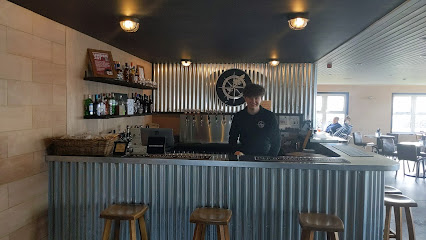
The Badachro Inn
95.6 km
Coastal Highland inn renowned for fresh seafood, stunning bay views, and warm, rustic charm in the heart of Badachro.
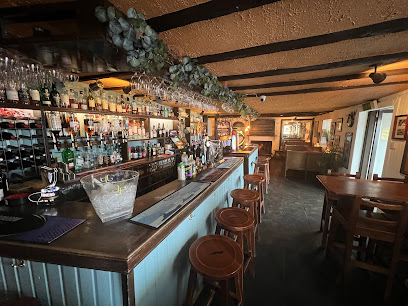
Nightclubs & after hour spots

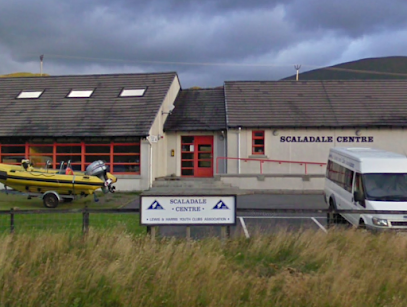
The Scaladale Centre
64.6 km
A premier outdoor adventure centre and hostel on Isle of Harris, offering year-round activities and comfortable group accommodation in stunning Hebridean surroundings.
Number 5
79.2 km
Charming stone cottage hostel with sea views, cozy fires, kayak rentals, and warm hospitality on the scenic Isle of Harris.
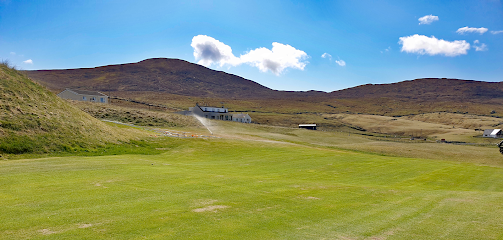
The Isle of Harris Golf Club
88.4 km
Discover the beauty of The Isle of Harris Golf Club, where stunning landscapes meet unforgettable golfing experiences in the heart of the Hebrides.
For the vibe & atmosphere seeker
- Tranquil
- Scenic
- Relaxing
- Unique
For the architecture buff
- Historic
- Landmarks
- Parks & Gardens
For the view chaser and sunset hunter
- Iconic Views
- Sunrise Spots
- Sunset Spots
For the social media creator & influencer
- Instagrammable
- Photo Spots
- Selfie Spots
For the eco-conscious traveler
- Public-Transport Accessible
- Leave-No-Trace Critical
- Locally Managed
For the kind of experience you’re after
- Cultural Heritage
- Nature Escape
- Day Trip
- Photowalk
For how adventurous you want the journey to be
- Easy Access
- Requires Hike
Location Audience
- Family Friendly
- Senior Friendly
- Child Friendly
- Solo Friendly
- Couple Friendly
- Pet Friendly


