
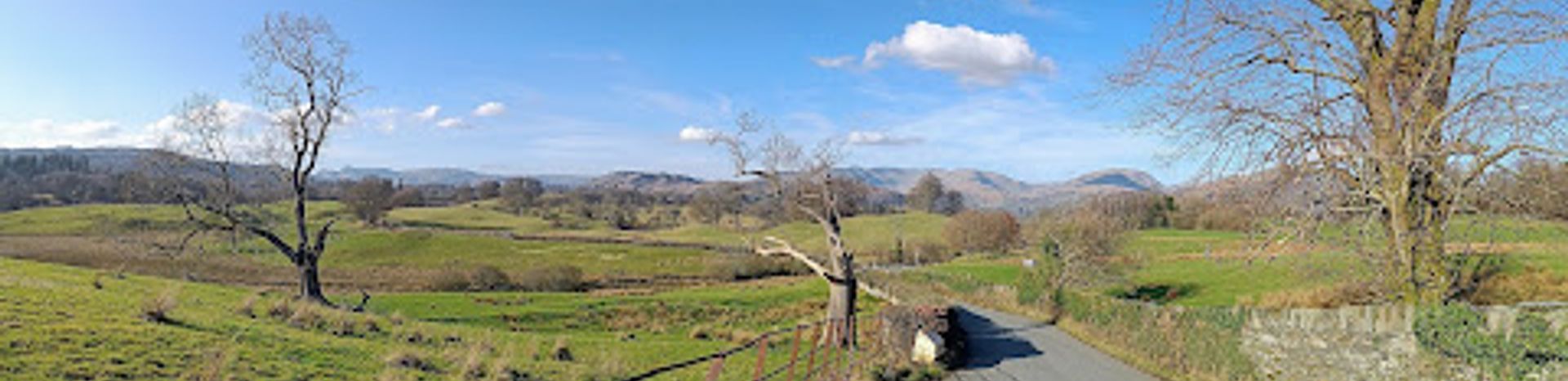
St Catherines Cottage, Windermere
A hidden Victorian estate where formal gardens and woodland pathways reveal the Lake District's refined heritage.
A historic 18th-century Lakeland stone property nestled at the foot of Orrest Head, just half a mile from Windermere village. This National Trust-managed estate encompasses formal gardens, woodland pathways, and parkland that showcase Victorian landscape design. The cottage and its surrounding grounds offer a glimpse into the region's architectural heritage and natural beauty, making it an ideal destination for those seeking a quieter, more intimate Lake District experience away from busier attractions.
A brief summary to Windermere and Troutbeck
- St Catherines Cottage, Patterdale Rd, Windermere, LA23 1NH, GB
- +441539446027
- Visit website
- Duration: 1.5 to 3 hours
- Free
-
 Outdoor
- Mobile reception: 4 out of 5
Local tips
- Visit during spring or early summer when the formal gardens and wilderness areas are in full bloom, revealing the Victorian planting schemes in their intended splendor.
- Allow time to explore the woodland pathways and crossing points over Wynlass Beck; the landscape is designed to reveal different perspectives and focal points as you move through the grounds.
- Combine your visit with a walk up nearby Orrest Head for panoramic views across Windermere and the surrounding fells, accessible from the estate's location at its foot.
- Wear sturdy footwear suitable for woodland terrain, as pathways can be uneven and potentially muddy, particularly after rain or during winter months.
- Check opening times and access conditions in advance, as the property's status as a National Trust estate may involve seasonal variations or special event closures.

For the on-the-go comforts that matter to you
- Information Boards
- Seating Areas
- Picnic Areas
Getting There
-
Car from Windermere Town Centre
Drive north from Windermere town centre along Patterdale Road for approximately 1.5 kilometres. St Catherines Cottage is located on the left side of the road at the foot of Orrest Head. Parking is available on or near the property. Journey time is approximately 5–10 minutes depending on traffic and parking availability.
-
Walking from Windermere Village
From Windermere village centre, follow Patterdale Road northward for approximately 800 metres. The route is relatively flat with good pavement for most of the distance. The cottage entrance is clearly marked on the left side of the road. Walking time is approximately 12–15 minutes. The terrain is accessible for most fitness levels, though the final approach may involve slight elevation.
-
Bus from Windermere Station
Local bus services operate from Windermere town centre along routes that serve Patterdale Road. Services run several times daily, though frequency varies seasonally. Journey time from the town centre is approximately 10–15 minutes. Check local timetables for current schedules and fares, which typically range from £2–£5 per journey.
-
Taxi or Ride-Share from Windermere Station
Taxis and ride-share services are available from Windermere railway station and town centre. The journey to St Catherines Cottage is approximately 2 kilometres and typically costs £8–£15 depending on demand and time of day. Journey time is approximately 8–12 minutes.
Windermere and Troutbeck location weather suitability
-
 Any Weather
-
 Mild Temperatures
-
 Clear Skies
Discover more about Windermere and Troutbeck
A Victorian Estate Steeped in History
St Catherines Cottage stands as a remarkable example of 19th-century Lakeland architecture and landscape design. Originally acquired by the Parker family in 1788, the estate underwent significant transformation around 1810 when a Swiss Cottage Ornée was erected on the site. This distinctive architectural style, popular among the Romantic movement, reflected the era's fascination with picturesque aesthetics and idealized rural living. The property's most substantial development occurred between 1831 and 1857, when the Second Earl of Bradford purchased the estate and commissioned extensive improvements that would define its character for generations to come.Designed Landscapes and Formal Gardens
The estate's landscape represents a carefully orchestrated composition of Victorian garden design principles. By 1856–1857, the property featured multiple designed elements including a formal garden, wilderness garden, walled vegetable garden, and expansive parkland fronting Patterdale Road. The wilderness garden contains particularly noteworthy features: formal pathways wind through the woodland, crossing Wynlass Beck via a series of bridges and stepping stones, including a small waterfall that would have been deliberately framed as a focal point from specific vantage points. The surviving formal elements—including arbors in High Hagg Wood, putative formal planting areas, and a sunken glade in Low Hagg Wood—demonstrate the sophisticated horticultural vision that shaped the grounds. A summer house once graced Gatelands Field, overlooking the wilderness garden, though only its foundations remain today.Evolving Ownership and Changing Uses
The estate's trajectory shifted in 1914 when Lady Mabel Kenyon-Slaney sold the main property to John Robinson, who subsequently built a residence called The Hoo on adjacent land. During the 1920s and 1930s, the cottage served alternately as an artist's studio and rental accommodation, reflecting the changing fortunes of large country estates during the interwar period. The National Trust's stewardship has preserved the property's historical integrity while maintaining public access to its grounds, ensuring that the landscape vision of the Victorian era remains visible and accessible to contemporary visitors.Architectural Character and Setting
The cottage itself exemplifies Lakeland vernacular architecture, constructed from local stone in a style that harmonizes with the surrounding landscape. Its position at the foot of Orrest Head provides natural shelter while offering views toward the fells. The proximity to Windermere village—merely half a mile distant—positions the estate at the intersection of accessibility and seclusion, allowing visitors to experience the quieter aspects of the Lake District without complete isolation from amenities. The property's semi-detached configuration and substantial floor area reflect its original purpose as a substantial country residence rather than a modest rural dwelling.Woodland and Parkland Character
The estate encompasses significant areas of woodland and farmland that contribute to its distinctive character. These spaces were not merely left wild but were deliberately shaped through 19th-century landscape management practices. The formal carriageways that wind through the parkland follow carefully planned routes designed to reveal views and create a sense of discovery as visitors move through the grounds. The integration of water features, including the modified course of Wynlass Beck and its associated waterfall, demonstrates how Victorian landscape architects manipulated natural elements to create romantic, picturesque effects.Iconic landmarks you can’t miss

National Trust - Sizergh
14.9 km
Discover the enchanting Sizergh Manor, a historical gem in the Lake District with beautiful gardens and rich heritage.
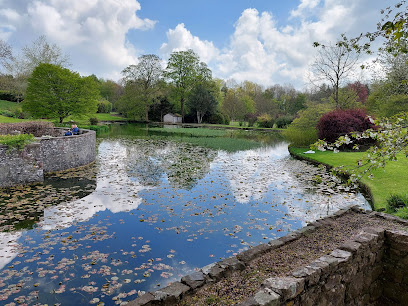
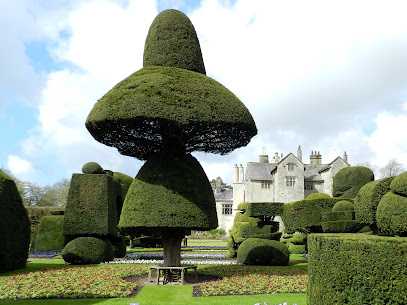
Levens Hall
17.0 km
Explore the enchanting gardens and rich history of Levens Hall, a stunning landmark in Kendal, perfect for nature lovers and history enthusiasts alike.
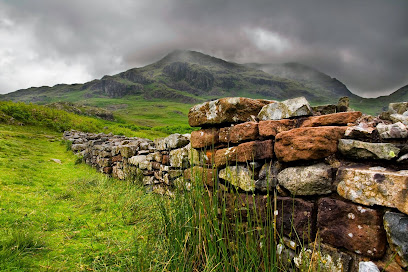
Hardknott Roman Fort & Thermae.
18.9 km
Discover the rich history and stunning landscapes of Hardknott Roman Fort & Thermae, a remarkable fortress in the heart of the Lake District.
Westmorland County Showground
20.1 km
Discover the essence of the Lake District at Westmorland County Showground, a vibrant hub for local culture, food, and crafts.
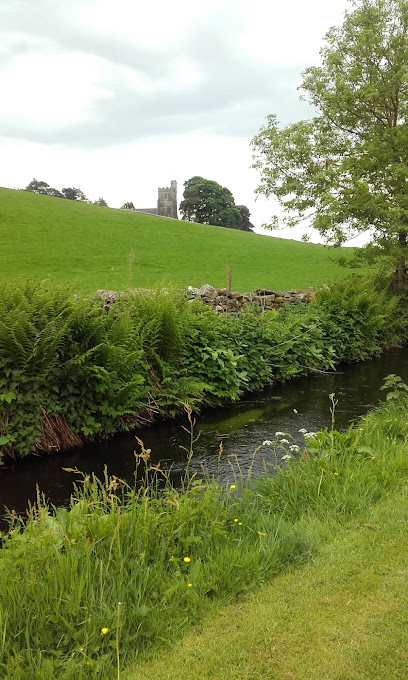
Scafell Pike
20.6 km
England's highest peak: a challenging mountain adventure with war memorial significance and spectacular Lake District views.
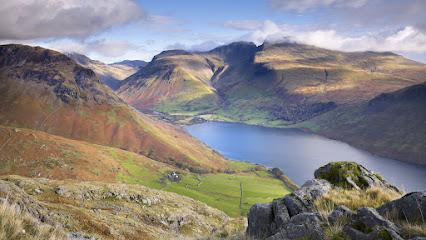
The Westmorland Family
20.8 km
Discover comfort and local flavors at The Westmorland Family, a charming rest stop in Orton, Penrith, perfect for travelers exploring Cumbria.
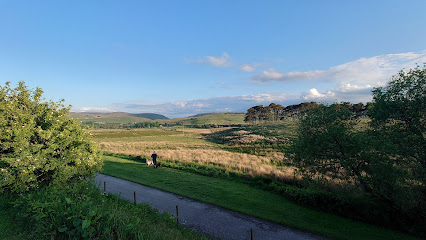
National Trust - Aira Force and Ullswater
20.9 km
Experience breathtaking beauty at Aira Force and Ullswater, the crown jewel of the Lake District, with cascading waterfalls and stunning landscapes.
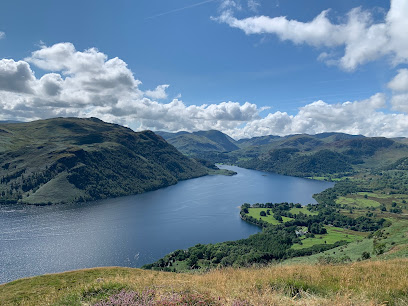
Aira Force Waterfall
20.9 km
Explore Aira Force Waterfall, a breathtaking natural attraction in the Lake District, offering stunning views and exhilarating hiking adventures amidst lush landscapes.
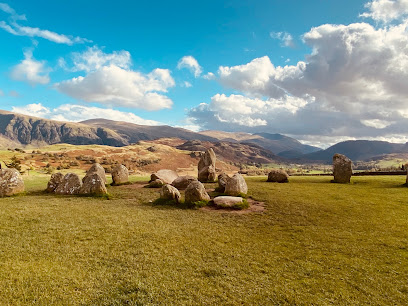
Bowder Stone
22.7 km
Experience the awe-inspiring Bowder Stone in the Lake District, a stunning natural attraction perfect for outdoor enthusiasts and nature lovers alike.
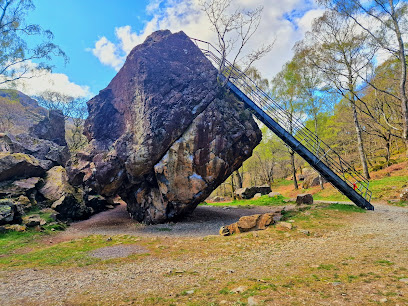
Holker Hall & Gardens
22.8 km
Explore the stunning Holker Hall & Gardens, a perfect blend of nature and history, offering visitors a captivating experience in Grange-over-Sands.
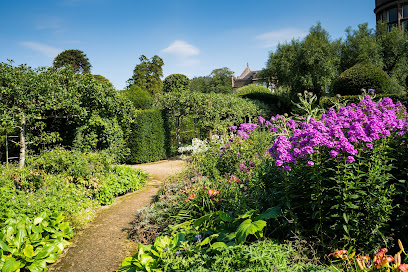
Honister Slate Mine
22.9 km
Explore the thrilling adventures at Honister Slate Mine, where outdoor activities meet rich slate mining heritage in the stunning Lake District.
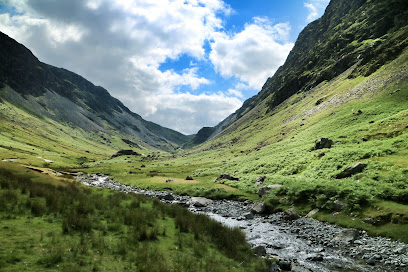
Eskdale Mill
23.1 km
Experience the rich history and stunning landscapes at Eskdale Mill, a heritage museum nestled in the heart of the Lake District.
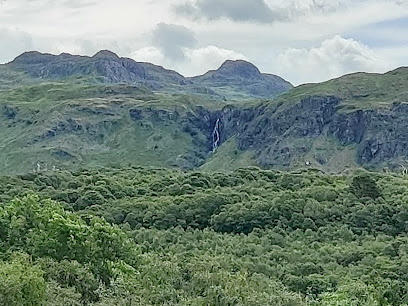
Stanley Ghyll Waterfall
23.2 km
Experience the breathtaking beauty of Stanley Ghyll Waterfall in Eskdale, a must-visit natural wonder in the Lake District National Park.
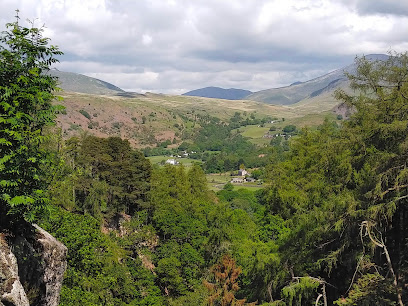
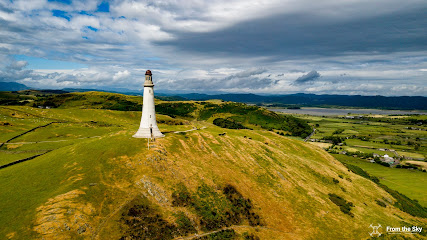
Sir John Barrow Monument
23.4 km
Discover the Sir John Barrow Monument: A stunning lookout point with breathtaking views of the Lake District and a rich historical legacy.
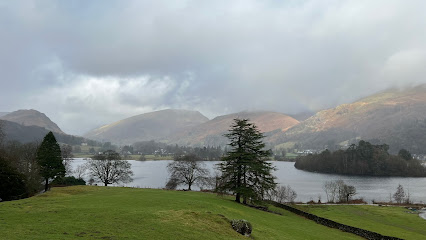
Lodore Falls
23.7 km
Experience the breathtaking beauty of Lodore Falls, a stunning waterfall in Keswick, where nature's splendor awaits every visitor.
Unmissable attractions to see

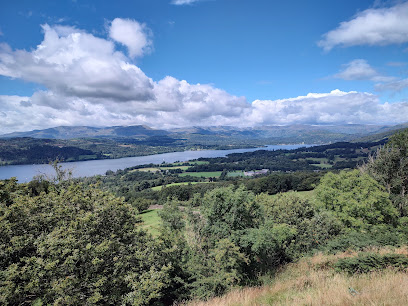
Orrest Head Viewpoint
0.7 km
A short woodland ascent to stunning panoramic views over Lake Windermere and the Lake District’s iconic fells.
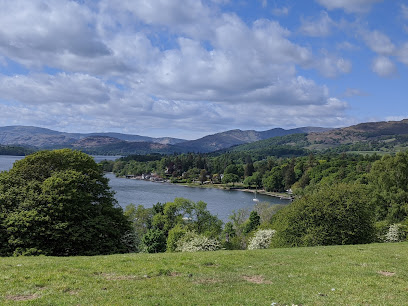
Queen Adelaide's Hill
0.9 km
Easily accessible hilltop with breathtaking 360° views of Lake Windermere, perfect for sunset and picnics in the Lake District.
The Lamplighter Dining Rooms
1.1 km
Cozy Victorian inn with British charm, local cuisine, and a prime Windermere location near the Lake District.

Holehird Gardens
1.1 km
Discover Holehird Gardens, a volunteer-run Lakeland haven with stunning plant collections and breathtaking views over Lake Windermere.
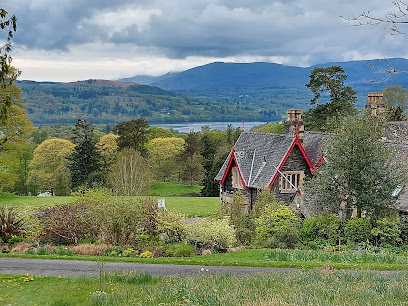
Zip World Windermere
2.2 km
Experience thrilling treetop adventures and breathtaking Lake District views at Zip World Windermere, the ultimate outdoor family activity hub.
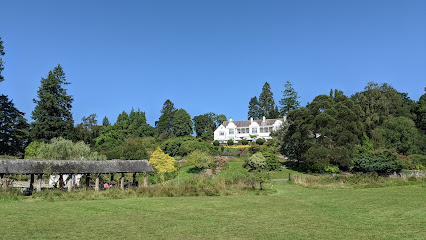
Brockhole on Windermere
2.2 km
Explore 30 acres of lakeside gardens, thrilling activities, and family fun at Brockhole, the Lake District’s flagship visitor centre on Windermere.
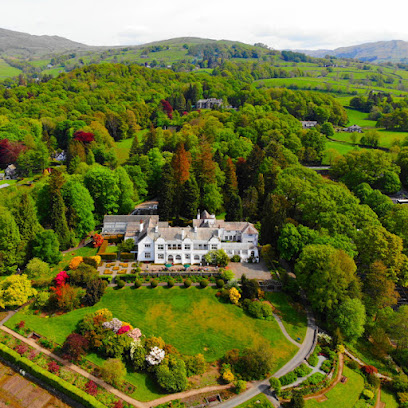
National Trust - Townend
2.6 km
Step back into 400 years of Lake District family life at Townend, a charming farmhouse with unique books, carved furniture, and tranquil gardens.
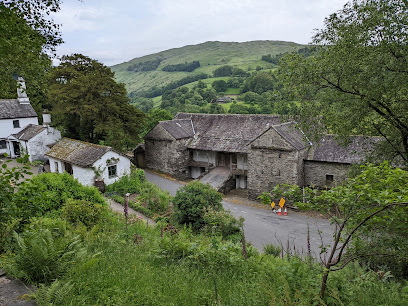
World of Beatrix Potter Attraction Shop
2.7 km
Step into the enchanting world of Beatrix Potter’s timeless tales in the heart of the Lake District with immersive exhibits and a charming garden.
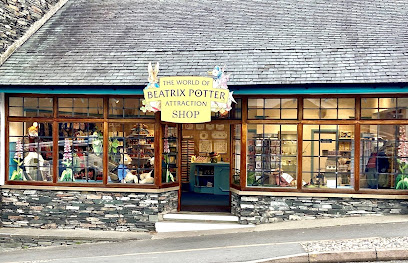
Lake District
3.1 km
Experience England’s largest lake with vibrant watersports, cultural treasures, and scenic beauty in Bowness-on-Windermere.
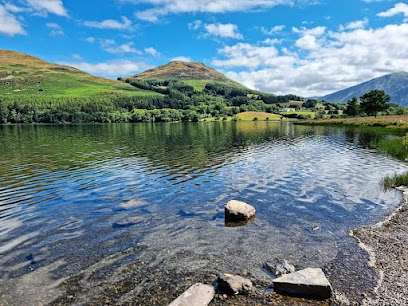
National Trust - Wray
3.5 km
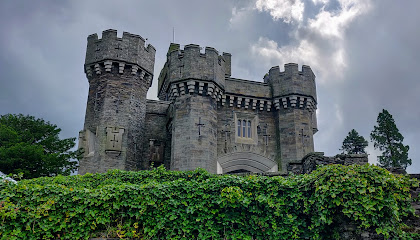
Explore the enchanting Gothic Revival Wray Castle grounds and lakeside trails on Windermere’s west shore, a serene Lake District retreat.
Watermill Inn & Brewery
3.9 km
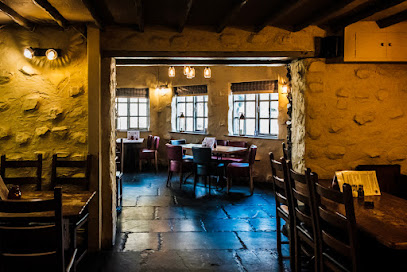
Rustic charm meets craft brewing excellence in this cozy Lake District inn near Kendal and Windermere.
Latterbarrow
4.0 km
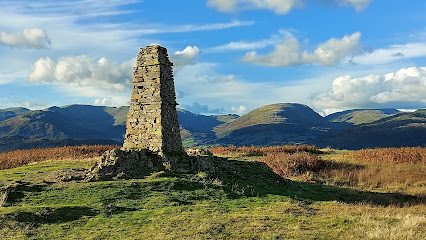
A scenic hill near Ambleside offering family-friendly walks and panoramic views across the Lake District’s iconic landscapes.
National Trust - Stagshaw Gardens
4.2 km
Discover the tranquil woodland beauty of Stagshaw Gardens, where vibrant spring blooms meet stunning views over Windermere.
National Trust - Claife Viewing Station and Windermere West Shore
4.6 km
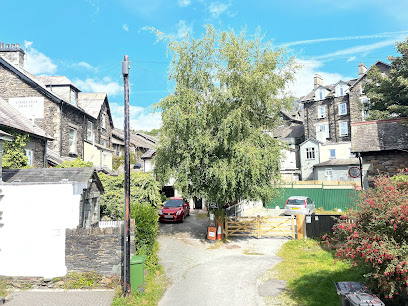
Discover panoramic Victorian views of Windermere from a charming lakeside folly with historic coloured glass and a welcoming café.
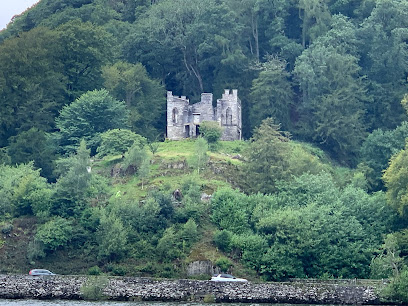
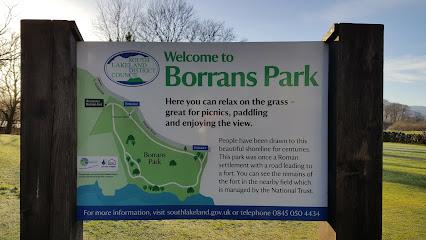
Borrans Park
4.9 km
Discover tranquil lakeside green space with stunning views and explore the ancient Roman fort ruins that reveal Ambleside’s rich heritage.
Essential places to dine

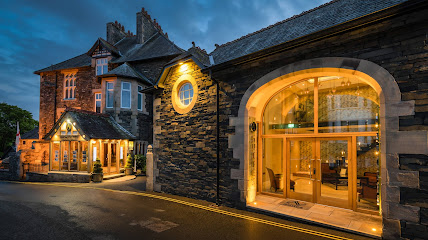
Applegarth Villa & Restaurant
1.2 km
A refined country house hotel and bistro-style restaurant in Windermere, offering elegant rooms, excellent food, and warm family-run hospitality with views of the Lake District fells.
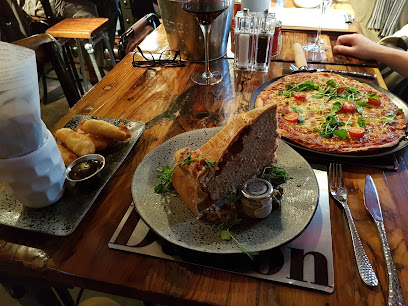
The Tilly Bar and Kitchen
1.3 km
Casual British dining and drinks in the heart of Windermere village, featuring fresh homemade dishes and a welcoming dog-friendly atmosphere.
Hooked Seafood
1.4 km
Fresh, seasonal seafood served with warmth and elegance in the heart of Windermere’s charming Ellerthwaite Square.
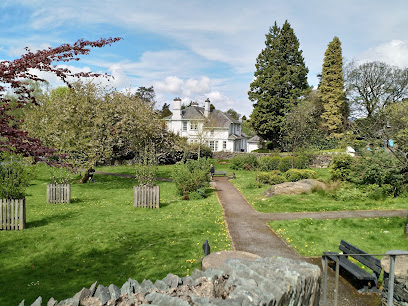
The Gaddum
2.2 km
Elegant dining and refined afternoon tea in a historic Arts and Crafts setting overlooking Brockhole's gardens on Windermere.
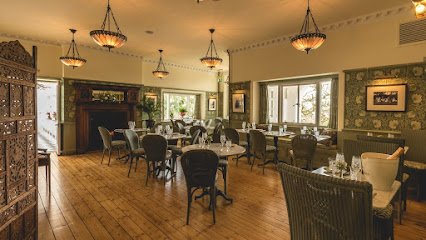
The Westmorland Inn
2.4 km
Rustic charm and hearty dining just steps from Lake Windermere in the heart of Bowness-on-Windermere.
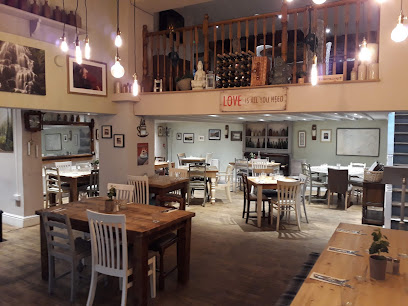
The Flying Pig Pub
2.7 km
Experience hearty Lakeland hospitality and classic English fare in the welcoming atmosphere of The Flying Pig Pub, Bowness-on-Windermere.
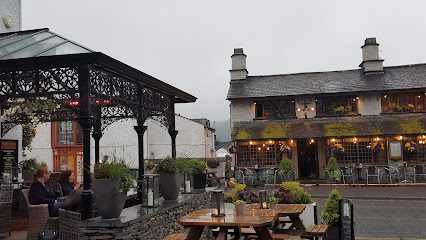
The Magic Roundabout
2.7 km
A vibrant café and bar in Bowness-on-Windermere offering diverse British cuisine, inclusive menus, and a lively atmosphere from morning to late night.
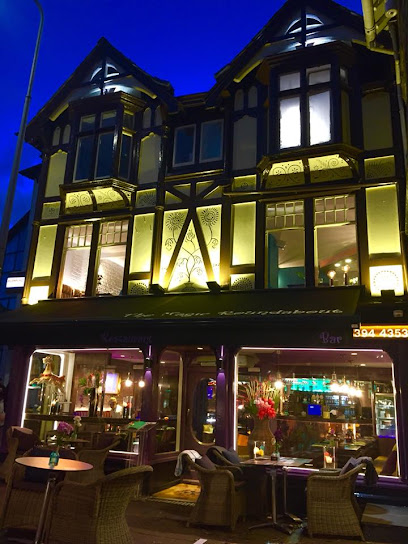
BAHA Bowness - Bar | Restaurant | Live Music
2.7 km
Experience vibrant Asian BBQ, live music, and nightlife across three lively floors in the heart of Bowness-on-Windermere.
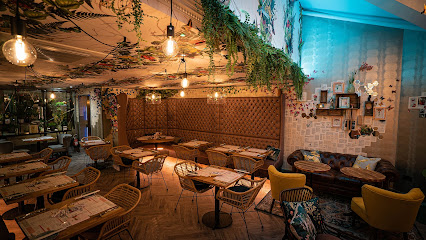
Porto Restaurant
2.7 km
Experience modern British cuisine with locally sourced flavors in a warm, inviting setting just steps from Lake Windermere.
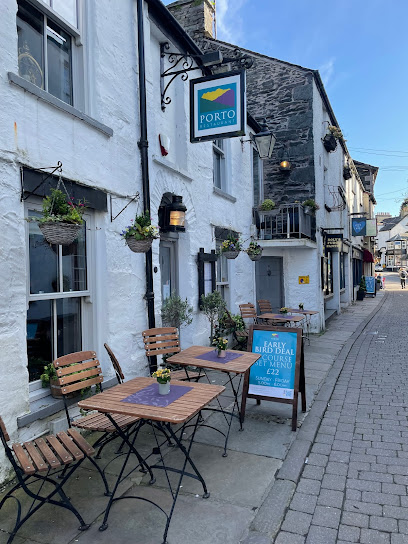
The Lakeview Restaurant at Macdonald Old England Hotel
2.8 km
Modern British fine dining with stunning panoramic views of Lake Windermere and the surrounding fells in a refined lakeside setting.
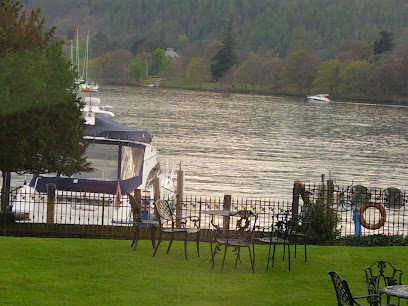
Lake View Garden Bar - Pub | Food | Live Music
2.9 km
Discover Lake View Garden Bar: A scenic pub offering delicious food, refreshing drinks, and live music by beautiful Windermere.
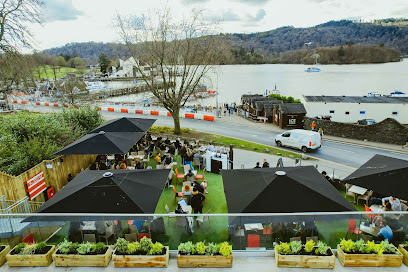
Boardwalk Bar and Grill
3.1 km
Relax by Lake Windermere with delicious grilled dishes and panoramic views at Boardwalk Bar and Grill, Bowness-on-Windermere’s lakeside favorite.
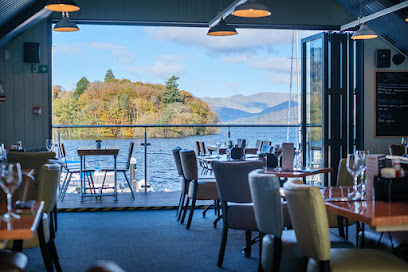
Windermere Restaurant (The W)
3.2 km
Seasonal British and continental cuisine with stunning panoramic views over Lake Windermere at Low Wood Bay Resort & Spa.
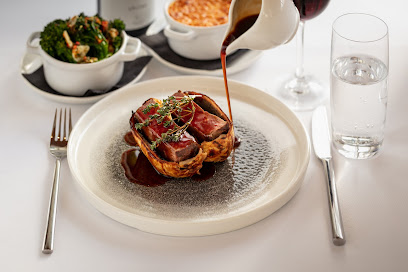
Blue Smoke on the Bay
3.3 km
Experience exquisite wood-fired cuisine with stunning Lake Windermere views at Blue Smoke on the Bay, Low Wood Bay's stylish lakeside restaurant.
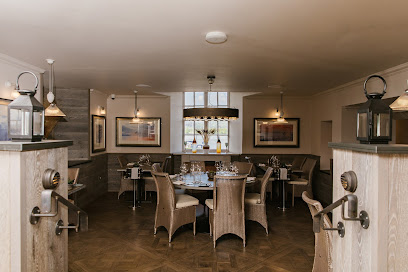
The Samling Hotel
3.7 km
Exclusive boutique hotel perched above Lake Windermere, blending Michelin-star dining, elegant suites, and breathtaking panoramic views.
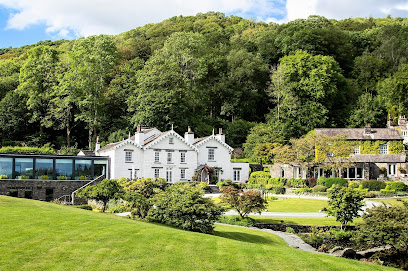
Markets, malls and hidden boutiques

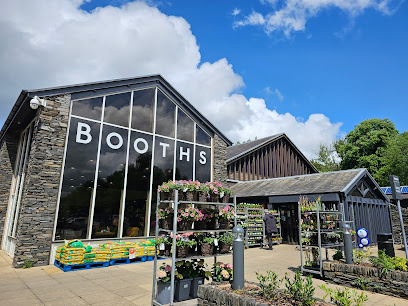
Booths, Windermere
1.2 km
Explore Booths Windermere: a premier supermarket and café blending local flavors, quality produce, and community spirit in a historic setting.
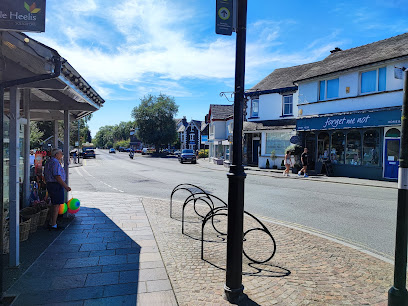
Forget Me Not
1.4 km
Discover unique gifts and local treasures at Forget Me Not, Windermere’s charming boutique in the heart of the Lake District.
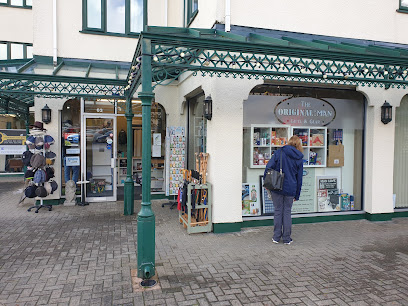
The Original Man Shop
2.5 km
A distinctive men's gift and fashion boutique offering style and charm in the heart of Bowness-on-Windermere.
Pretty Things
2.6 km
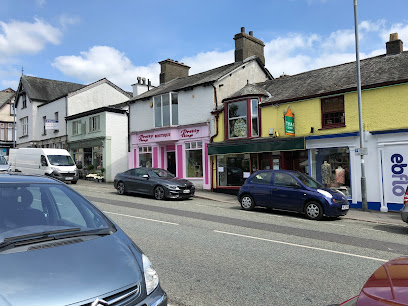
Discover stylish ladies' fashion and warm hospitality at Pretty Things, a charming boutique in the heart of Bowness-on-Windermere.
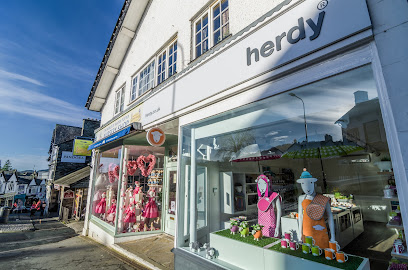
Herdy Bowness
2.6 km
Whimsical Lake District gifts celebrating the beloved Herdwick sheep with quality, character, and charm.
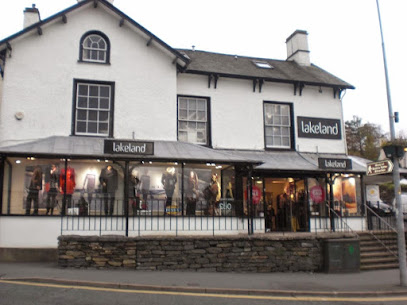
LAKELAND Leather
2.7 km
Discover handcrafted leather elegance and timeless style at Lakeland Leather in Bowness-on-Windermere, where tradition meets the Lake District spirit.
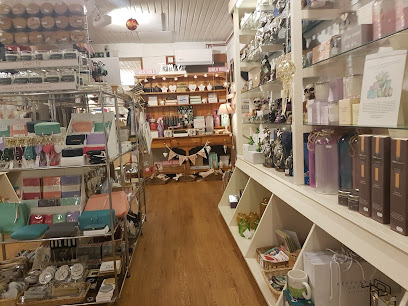
Lonsdale Galleries
2.7 km
Discover unique Lake District gifts and local crafts in a spacious, welcoming gallery at the heart of Bowness-on-Windermere.
Tesco Express
2.7 km
Your convenient, friendly supermarket stop in Bowness-on-Windermere, open daily with fresh local produce and essentials for every visit.
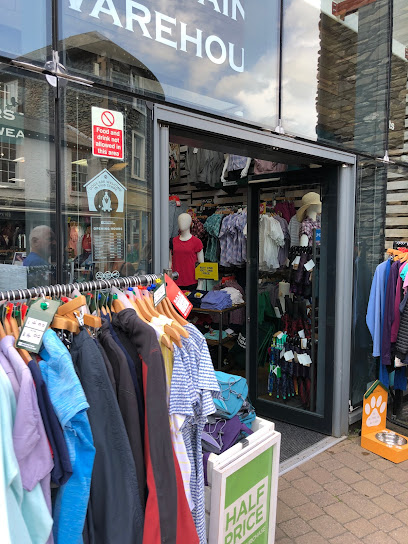
Mountain Warehouse
2.7 km
Your go-to outdoor clothing and equipment store in Bowness, offering quality gear for all your Lake District adventures.
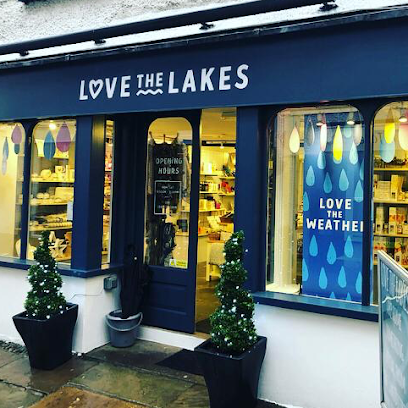
Love the Lakes Bowness
2.8 km
Locally crafted gifts celebrating the spirit and beauty of England's Lake District.
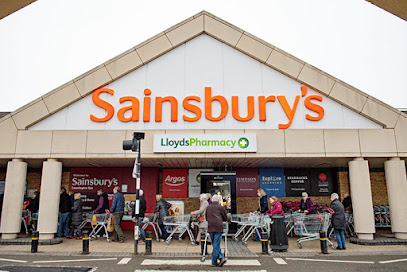
Sainsbury's
12.5 km
Your convenient and comprehensive supermarket destination in Kendal, offering fresh produce, bakery delights, and friendly service daily.
Elephant Yard Shopping
12.7 km
Discover modern style and local charm at Elephant Yard Shopping, Kendal’s vibrant retail and community hub.
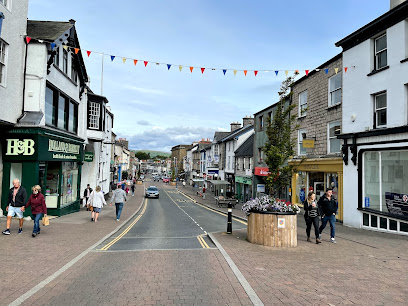
Blackhall Shopping Yard Kendal
12.7 km
Historic artisan shopping yard in Kendal's heart, home to independent specialists and local heritage.
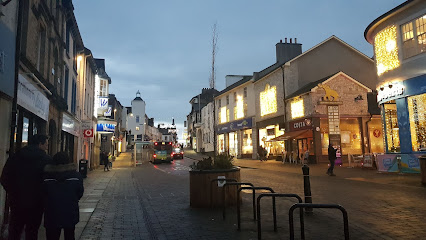
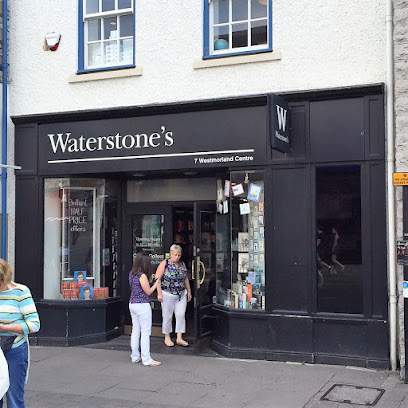
Waterstones
12.7 km
Discover a world of books and culture at Waterstones Kendal, your welcoming literary hub in the Westmorland Centre.
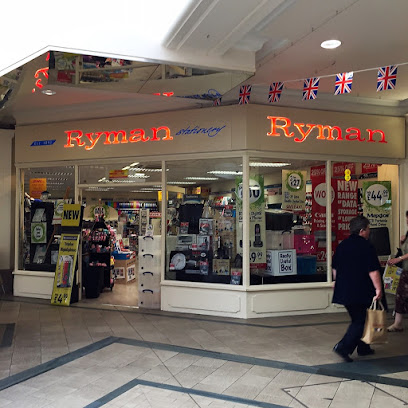
Ryman Stationery
12.8 km
Your reliable source for quality stationery essentials in Kendal’s Westmorland Shopping Centre.
Essential bars & hidden hideouts

The Windermere Speakeasy
1.1 km
A cozy, versatile cocktail bar and eatery in Windermere offering creative drinks, sharing platters, and a welcoming atmosphere for all occasions.
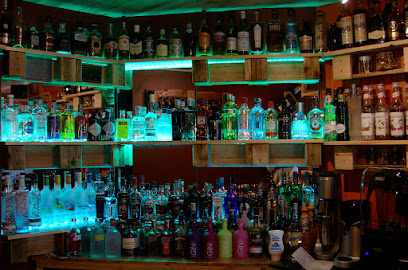
Live Music in The Lake District The Crafty Baa Windermere Every Sun Mon Tue Wed Thu
1.2 km
A lively craft beer bar in Windermere with quirky decor, live music, and a vibrant atmosphere in the heart of the Lake District.
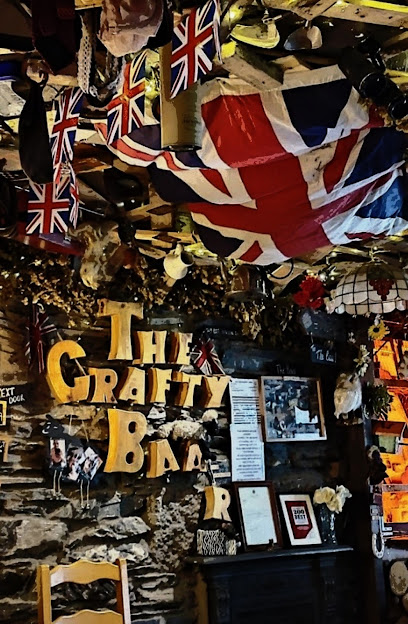
The Crafty Baa Windermere
1.2 km
A vibrant, quirky bar and tapas spot in Windermere, famed for its eclectic décor, craft drinks, and lively, welcoming atmosphere.
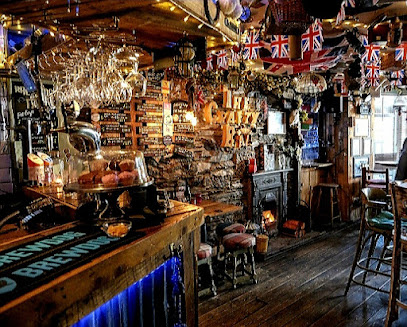
The Smallest Pub in The Lake District The Pie and Pint
1.2 km
Discover the cozy charm of The Smallest Pub in The Lake District, where craft ales meet homemade pies in Windermere’s most intimate setting.
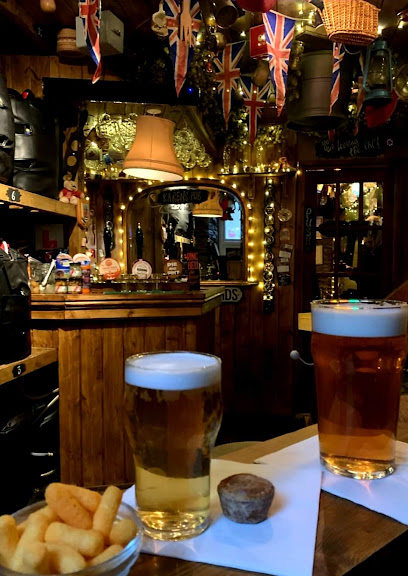
Lake District Cocktail Co.
1.4 km
Experience the art of cocktail crafting in the stunning Lake District with Lake District Cocktail Co., a mobile catering service that brings the bar to you.

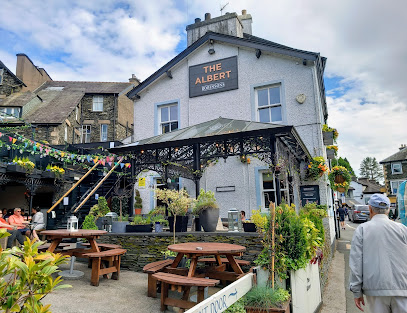
The Albert
2.7 km
A lively, traditional pub in Bowness-on-Windermere offering local ales, hearty food, and a warm, welcoming atmosphere year-round.
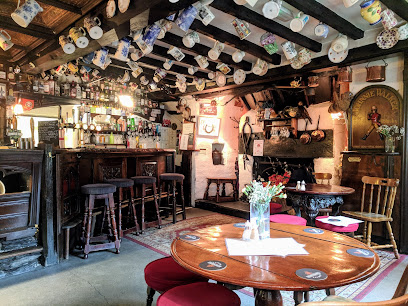
Hole in t' Wall
2.7 km
Historic Lakeland pub offering hearty food, cask ales, and a cozy atmosphere in the heart of Bowness-on-Windermere.
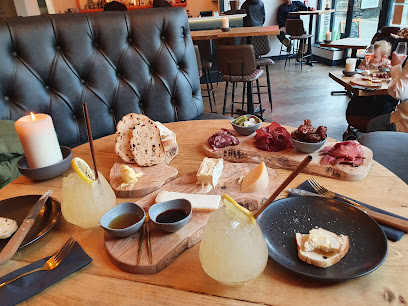
Lago
2.7 km
Lago is a lively bar in Bowness-on-Windermere known for its quality cocktails, sharing platters, and welcoming atmosphere near the heart of the Lake District.
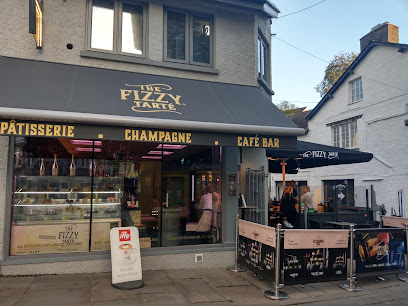
The Fizzy Tarté
2.7 km
A vibrant cocktail bar and café in Bowness-on-Windermere serving stylish drinks and fresh afternoon tea in a lively, chic setting.
The Easy Breeze
2.8 km
A vibrant bar and restaurant blending Lakeland charm, live music, and flavorful street food in the heart of Bowness-on-Windermere.
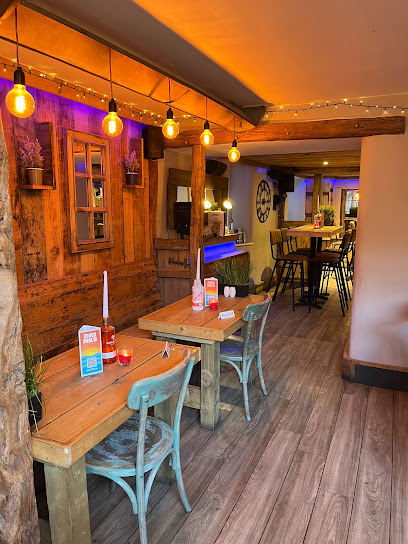
Village Inn Bowness-On-Windermere
2.8 km
A welcoming traditional pub in Bowness-on-Windermere offering local ales, hearty British fare, live sports, and a spacious beer garden.
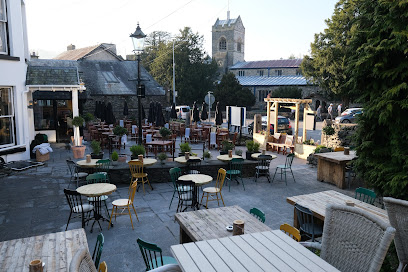
The Arts Bar
2.8 km
Creative cocktails and seasonal dishes served in a cozy, arts-inspired setting in the heart of Bowness-on-Windermere.
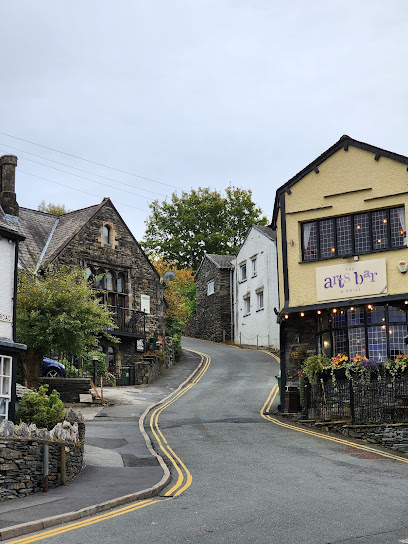
The Lake View Bowness
3.0 km
A welcoming lakeside pub in Bowness-on-Windermere offering stunning views, hearty fare, and classic English charm.
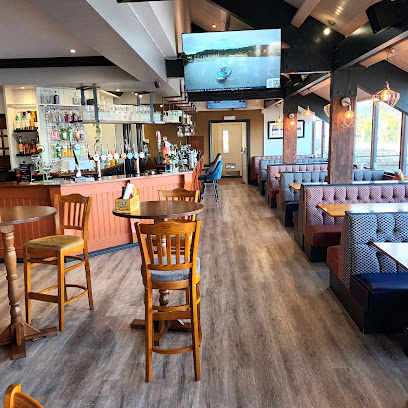
Quayside Bowness
3.2 km
Lakeside bar and kitchen with stunning views, live sports, and vibrant nightlife across three lively floors in Bowness-on-Windermere.
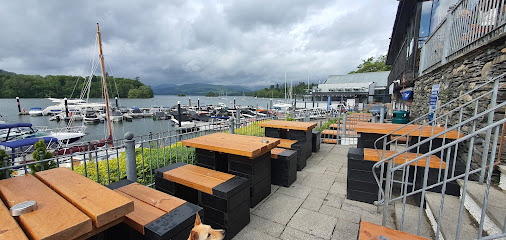
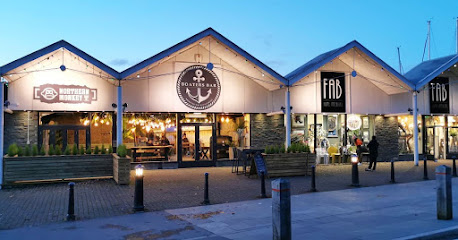
Boaters Bar
3.2 km
Lake District’s premier lakeside bar offering craft beers, live entertainment, family fun, and stunning views over Lake Windermere.
Nightclubs & after hour spots

Windermere Social Club
1.6 km
A friendly and versatile social club in Windermere offering games, sports viewing, and community events in a welcoming atmosphere.
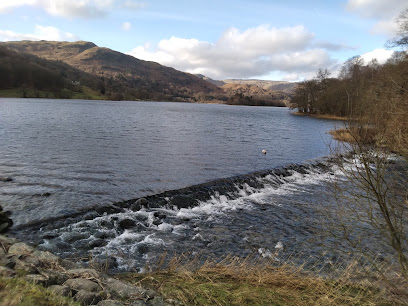
Wheelhouse Nightclub
3.2 km
Experience vibrant weekend nightlife with dynamic music, drinks, and dancing at Wheelhouse Nightclub in scenic Bowness-on-Windermere.
The loose moose
32.3 km
A lively and welcoming nightclub in Penrith offering cocktails, music, and community spirit in the heart of Cumbria’s Eden District.

The Lounge C9
36.7 km
Experience Barrow-in-Furness’ vibrant nightlife at The Lounge C9, where music, drinks, and community come alive every weekend.
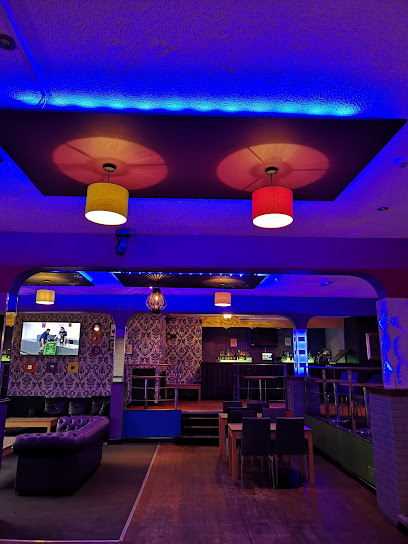
Manhattans Nightclub
36.7 km
Barrow-in-Furness’s top nightclub for themed parties, DJ nights, and vibrant late-night entertainment on Cavendish Street.

Hollywood Nightclub
36.7 km
Experience the vibrant late-night pulse of Barrow-in-Furness at Hollywood Nightclub, where music and dance light up Cavendish Street.

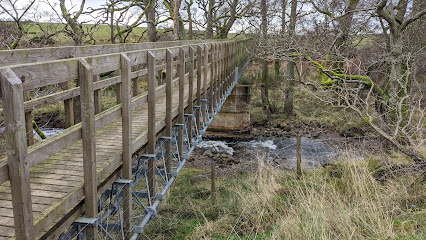
secret bridge
40.2 km
Experience vibrant nightlife and lively music at Secret Bridge, Milburn’s premier nightclub near Penrith in the scenic Eden District.
Secret Carlisle
55.8 km
Experience energetic nights and vibrant music at Secret Carlisle, the city centre nightclub where Carlisle’s historic charm meets modern nightlife.
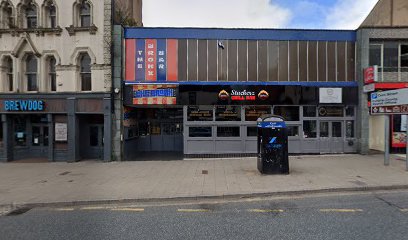
The George Inn
56.0 km
Experience rustic charm and modern comforts at The George Inn, a delightful bar and cafe in the heart of the Yorkshire Dales.
Club Britannia
56.1 km
A vibrant social club in Carlisle offering live music, friendly vibes, and affordable drinks in a smart, welcoming setting.
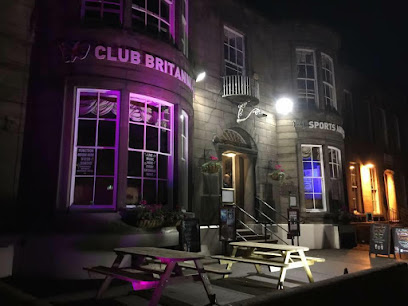
Carlisle R A O B Club
56.4 km
Historic social club in Carlisle offering lively events and a welcoming atmosphere rooted in the Royal Antediluvian Order of Buffaloes tradition.
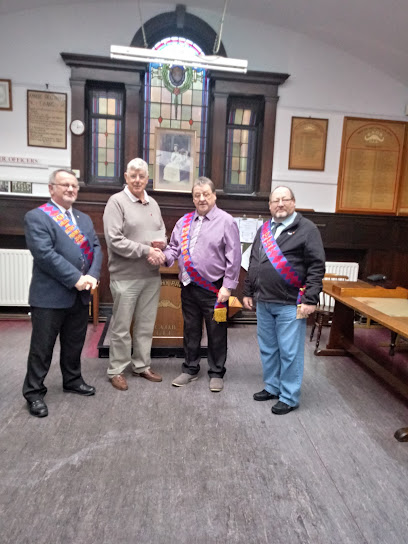
Black Box Music Institute
56.5 km
An intimate old-style nightclub and cultural hub in Carlisle offering live music, festivals, and art exhibitions in a vibrant setting.
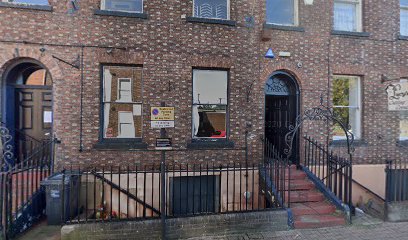
G & P Events and Mobile Bars
62.3 km
Discover a vibrant bar and events venue in Kettlewell, Yorkshire, perfect for gatherings amidst stunning Dales scenery.
Peek A Booze
63.6 km
Experience the vibrant nightlife at Peek A Booze, Blackpool's lively bar offering a diverse atmosphere and affordable drinks for all.
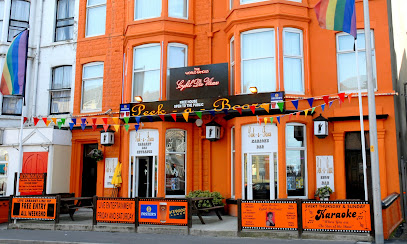
Funny Girls
63.7 km
Discover the magic of Blackpool's Funny Girls, where dazzling performances meet delightful dining in an unforgettable night out.

For the vibe & atmosphere seeker
- Romantic
- Scenic
- Tranquil
- Unique
For the design and aesthetic lover
- Vintage Styles
- Rustic Designs
For the architecture buff
- Historic
- Parks & Gardens
- Heritage Neighborhoods
For the view chaser and sunset hunter
- Panoramas
- Iconic Views
For the social media creator & influencer
- Photo Spots
- Aesthetic Corners
For the eco-conscious traveler
- Protected Area
- Locally Managed
- Low Impact
For the kind of experience you’re after
- Cultural Heritage
- Photowalk
- Nature Escape
- Day Trip
For how adventurous you want the journey to be
- Easy Access
- Requires Hike
Location Audience
- Family Friendly
- Senior Friendly
- Solo Friendly
- Couple Friendly


