
Whip-Ma-Whop-Ma-Gate
York's shortest street with the longest name—a medieval alley steeped in mystery and charm.
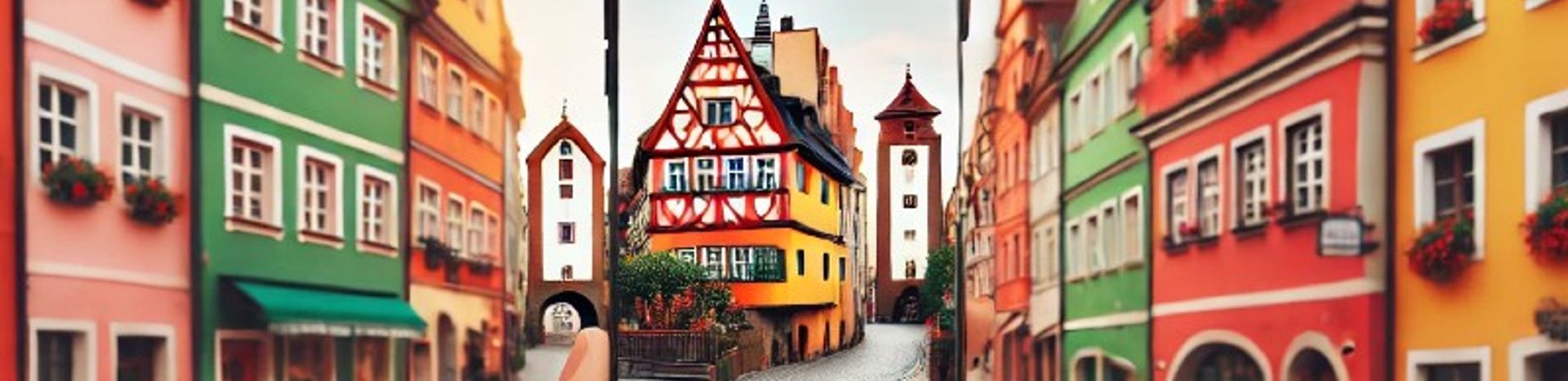
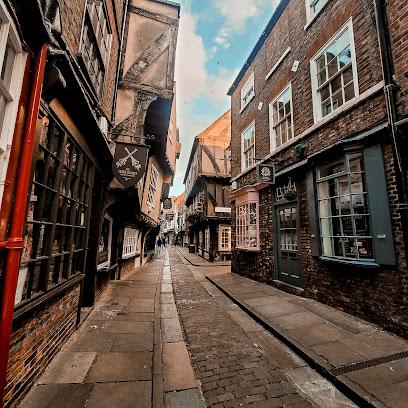
One of York's shortest and most peculiarly named streets, Whip-Ma-Whop-Ma-Gate is a narrow alley connecting Colliergate with Shambles in the heart of the medieval city center. Barely wide enough for two people to pass shoulder to shoulder, this tongue-twister thoroughfare stretches just 24 meters and features only three addresses. Despite its diminutive size, the street captivates visitors with its historic timber-framed architecture, mullioned windows, and York stone paving laid in 1984. The mysterious name—first recorded in 1505 as 'Whitnourwhatnourgate'—has spawned centuries of folklore and debate about its true origins.
A brief summary to Whip-Ma-Whop-Ma Gate
- York, GB
- Duration: 0.25 to 1 hours
- Free
-
 Outdoor
- Mobile reception: 5 out of 5
Local tips
- Visit early morning or late afternoon to avoid crowds and capture photographs with softer natural light reflecting off the historic stone and timber facades.
- Take time to read the civic trust plaque at the street's end—it provides essential historical context and explains the street's original Saxon name and meaning.
- Combine your visit with nearby attractions: The Shambles is immediately adjacent, and St Crux Parish Hall offers additional historical insights into the street's medieval past.
- Wear comfortable walking shoes with good grip; the York stone paving can be slippery when wet, and the street's narrowness requires careful footing.
- Practice saying the street's name aloud before visiting—locals enjoy the tongue-twister, and it's a memorable conversation starter about York's unique character.

For the on-the-go comforts that matter to you
- Information Boards
Getting There
-
Walking from York City Centre
From York Railway Station, walk northwest through the city center toward Shambles (approximately 10–15 minutes on foot). Whip-Ma-Whop-Ma-Gate connects directly to Shambles and Colliergate. The street is pedestrian-only and free to access. No parking is available on the street itself; use nearby city center car parks such as Shambles Car Park or Coppergate Centre Car Park, both within 2–3 minutes' walk.
-
Public Transport via Bus
Multiple bus routes serve York city center, with stops on Parliament Street and Rougier Street (approximately 5–10 minutes' walk from Whip-Ma-Whop-Ma-Gate). Journey times from York Railway Station to city center stops range from 8–15 minutes depending on route and traffic. Single fares typically cost £1.50–£2.50. The street is accessible from these stops via a short walk through the medieval street network.
-
Cycling to the Location
York is a cycle-friendly city with dedicated cycle paths throughout the center. Bike parking is available at multiple locations near Shambles and Colliergate, approximately 1–2 minutes' walk from Whip-Ma-Whop-Ma-Gate. The street itself is pedestrian-only, so cycles must be parked before entering. Journey time from York Railway Station by bike is approximately 5–8 minutes.
-
Taxi or Ride-Share Service
Taxis and ride-share services can drop passengers at nearby Shambles or Colliergate (the street itself is pedestrian-only and inaccessible by vehicle). Journey time from York Railway Station is approximately 5–8 minutes depending on traffic. Typical taxi fares range from £6–£10. Drivers should be directed to Shambles or Colliergate as the destination, with Whip-Ma-Whop-Ma-Gate accessible via a short walk.
Whip-Ma-Whop-Ma Gate location weather suitability
-
 Any Weather
Discover more about Whip-Ma-Whop-Ma Gate
A Name Shrouded in Mystery
Whip-Ma-Whop-Ma-Gate's most distinctive feature is undoubtedly its unusual name, which has intrigued visitors and residents alike for over five centuries. First documented in 1505 as 'Whitnourwhatnourgate,' the street's nomenclature evolved through various iterations including 'Whitney Whatneygate' and the alternative 'Salvey Rents' or 'Salvegate' found in 17th and 18th-century records. A plaque at the street's end suggests the original meaning was 'What a Street!'—a phrase of Saxon origin expressing wonder or derision at this peculiar thoroughfare. The modern name, however, has spawned competing theories about its etymology. Some scholars propose it originally meant 'neither-one-thing-nor-the-other street,' reflecting the street's ambiguous character as a minor passage between larger thoroughfares. Others point to more colorful explanations: a medieval whipping post where criminals faced public punishment, or the whipping of dogs that stole meat from nearby butchers on The Shambles. Despite these compelling narratives, no definitive historical evidence supports any single origin story, leaving the name's true genesis delightfully enigmatic.Medieval Dimensions and Urban Evolution
At approximately 24 meters (80 feet) in length, Whip-Ma-Whop-Ma-Gate ranks among York's shortest streets, a distinction proudly proclaimed on its street sign. The alley's current width—barely accommodating two people side by side—represents a significant expansion from its medieval proportions. Around 1750, the street was widened through the removal of several houses that had been constructed against the eastern wall of St Crux Church, a substantial medieval structure that once dominated this corner of the city. When St Crux Church was demolished in 1887, its architectural legacy remained visible in the north wall incorporated into Number 23 Shambles, which adjoins the street. Today, St Crux Parish Hall preserves material from the original church, including monuments and a Perpendicular Gothic window. The street's physical character was further refined in 1984 when it was repaved with traditional York stone, a restoration project supported by the York Civic Trust. This careful preservation work transformed the alley into a living example of a typical narrow medieval York street, though the character of the surrounding area shifted dramatically with the construction of Stonebow in the 1950s, a modern thoroughfare that altered the historic streetscape.Viking Heritage and York's Linguistic Legacy
The word 'gate' in Whip-Ma-Whop-Ma-Gate carries no relation to an entrance or barrier, but rather derives from the Norse 'gata,' meaning 'street.' This linguistic heritage reflects York's profound Viking roots—the city itself takes its name from 'Jorvik,' the Viking settlement established here centuries ago. Throughout York's street network, this Norse influence persists in names such as Coppergate, Walmgate, and Goodramgate, each preserving the memory of Viking traders, leaders, and settlements. This etymological connection adds scholarly depth to what might otherwise seem merely whimsical, grounding the street's name in the broader historical narrative of northern England's Scandinavian past.A Passage Through Time
Walking through Whip-Ma-Whop-Ma-Gate today offers an immersive journey into York's medieval past. The timber-framed facades with their characteristic mullioned windows transport visitors across centuries, creating an atmosphere of historical authenticity rarely found in modern urban centers. The street's narrowness, far from being a limitation, becomes an asset—it forces a slower pace, encouraging visitors to observe architectural details and absorb the atmosphere of a working medieval city street. The raised pavement and traditional stone paving reinforce this sense of stepping backward in time, while the proximity to major attractions like The Shambles and Colliergate positions the street as a natural waypoint in any exploration of York's historic core.Location and Accessibility
The street occupies a strategic position within York's medieval street grid, connecting Colliergate with Shambles while also meeting Pavement and Fossgate at its southern terminus. St Saviourgate runs along its eastern side, and St Crux Parish Hall backs onto the street, creating a compact urban environment rich with historical layering. This central location places Whip-Ma-Whop-Ma-Gate within easy walking distance of York's most significant attractions, including York Minster, the City Walls, and the Castle Museum. The street's modest dimensions and pedestrian-only character make it an ideal destination for those seeking authentic medieval atmosphere without the crowds that sometimes gather at larger attractions.Iconic landmarks you can’t miss

St Crux
0.0 km
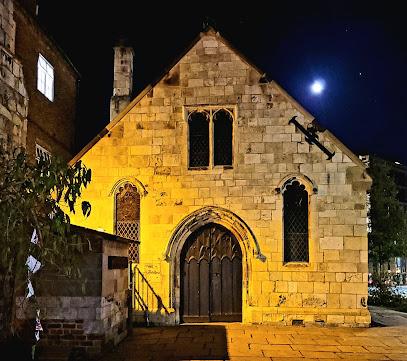
Explore the echoes of medieval York at St Crux, where a grand church’s legacy lives on in a historic parish hall and poignant tales of martyrdom.
The York Ghost Merchants
0.1 km
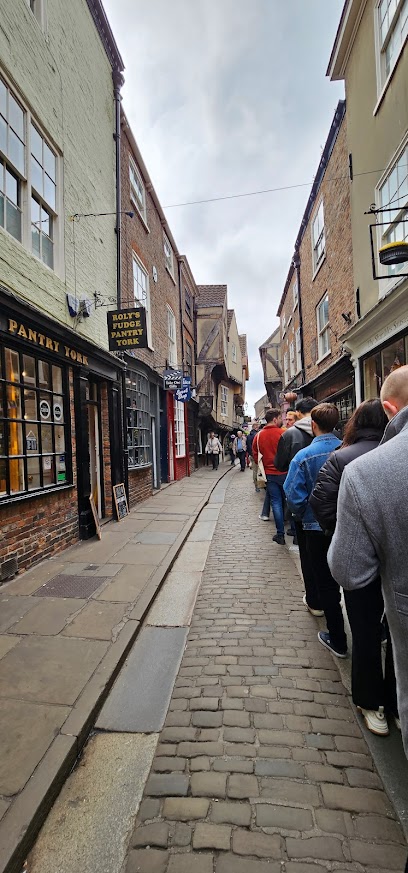
Explore a unique blend of York's ghostly history and charming souvenirs at The York Ghost Merchants, your destination for eerie collectibles.
Ghost Hunt of York
0.1 km
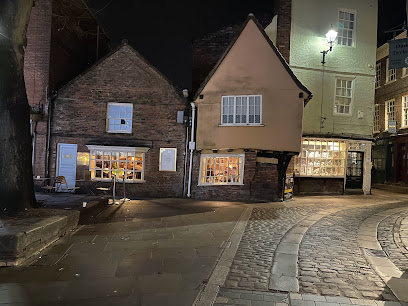
Explore the haunted streets of York with the Ghost Hunt, where history and the supernatural collide in an unforgettable sightseeing experience.
Parliament St
0.1 km
York's vibrant shopping street where Victorian commerce meets medieval heritage and market tradition.
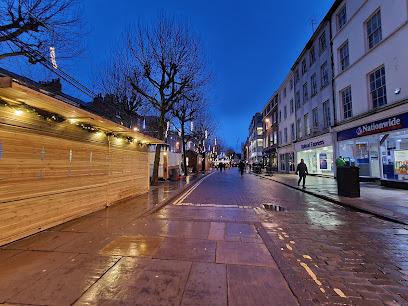
The Stonebow
0.1 km
A historic gateway blending medieval charm and architectural evolution at York’s vibrant city heart.
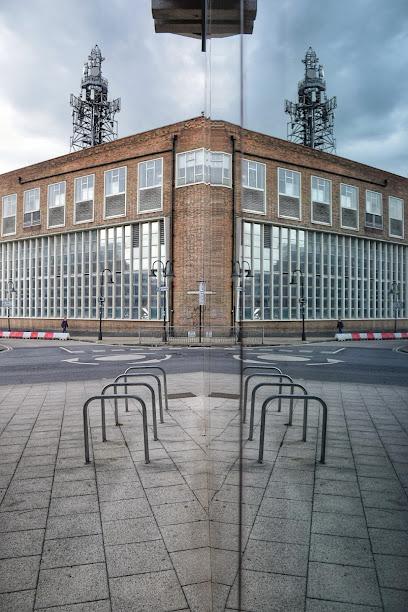
Roman Column
0.3 km
A 7.6-metre Roman column where Constantine may have been declared Emperor, standing in the shadow of York Minster since 1971.
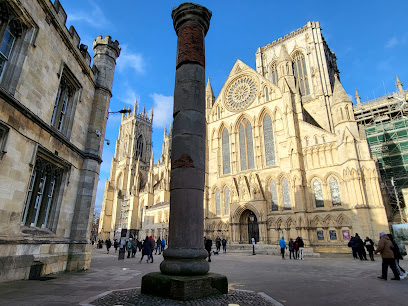
Ouse Bridge
0.3 km
Historic Ouse Bridge in York spans the River Ouse, blending medieval heritage with 19th-century architecture and city life.
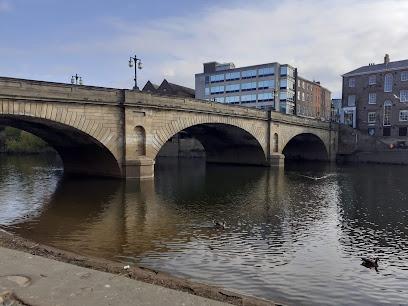
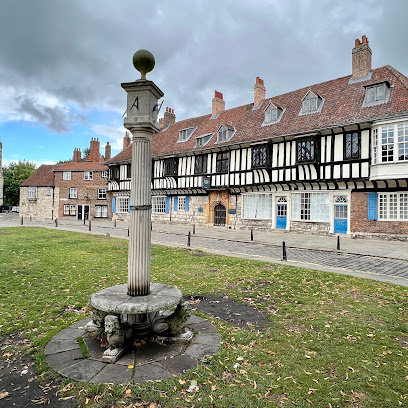
Sundial Column
0.3 km
An elegant 18th-century sundial column on stone lions, quietly marking time just east of York Minster in a peaceful corner of the cathedral precincts.
The Bloody Tour of York
0.3 km
Discover the haunted tales of York on The Bloody Tour, where history and ghostly legends intertwine for an unforgettable experience.
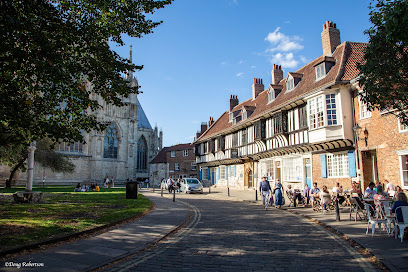
York City Walls
0.4 km
Discover the rich history and breathtaking views atop the ancient York City Walls, a must-see historical landmark in England.
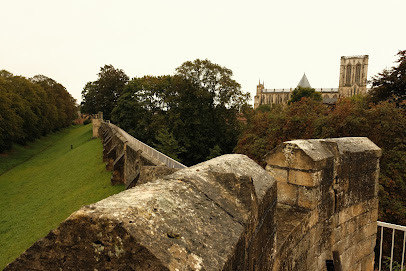
The Norman House
0.4 km
Discover York’s oldest medieval house, a Norman stone residence with rare surviving walls and a Norman window hidden behind Stonegate.
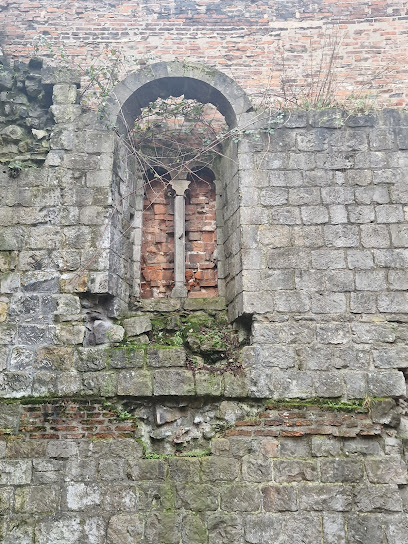
York Mansion House
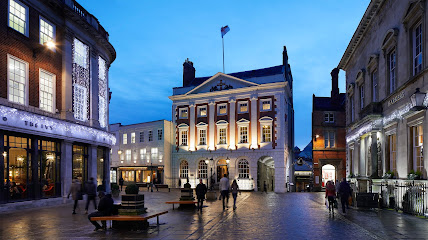
0.4 km
Explore York Mansion House, a Georgian gem in the heart of York, showcasing the rich history and elegant lifestyle of the 18th century.
Clifford's Tower, York
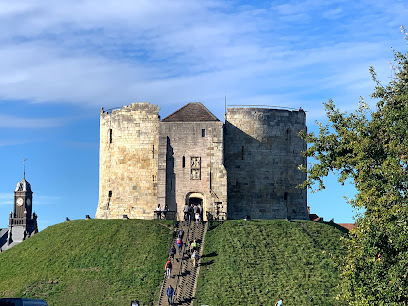
0.4 km
Visit Clifford's Tower, a historic fortress in York, and experience England's rich heritage and stunning views from this iconic landmark.
St Michael Le Belfrey
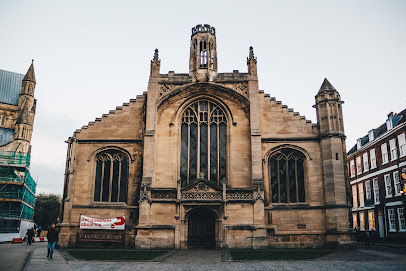
0.4 km
Discover the enchanting St Michael Le Belfrey, an Anglican church in York, rich in history and architectural beauty, perfect for spiritual reflection.
Shadows of York Ghost Walk
0.4 km
Experience York's haunted history with the Shadows of York Ghost Walk, a thrilling journey through the city's ghostly past and chilling legends.
Unmissable attractions to see

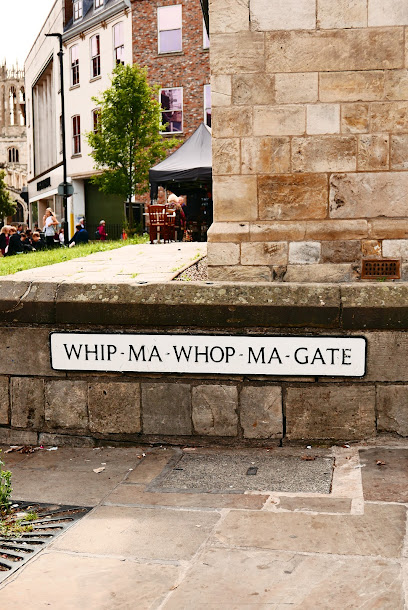
Whip-Ma-Whop-Ma-Gate Sign
0.0 km
Discover York’s quirkiest tiny street marked by the Whip-Ma-Whop-Ma-Gate Sign, nestled near the medieval charm of the Shambles.
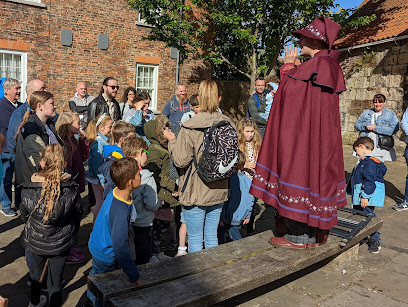
Wizard Walk of York - WINNER Best Tour and Best of York Award!
0.0 km
Experience the magic of York with the Wizard Walk, an award-winning tour that blends history, folklore, and captivating storytelling in a charming setting.
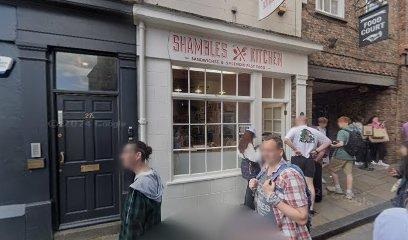
28 Shambles
0.0 km
Discover the historical allure and vibrant atmosphere of 28 Shambles, York's iconic medieval street filled with charming shops and local delicacies.
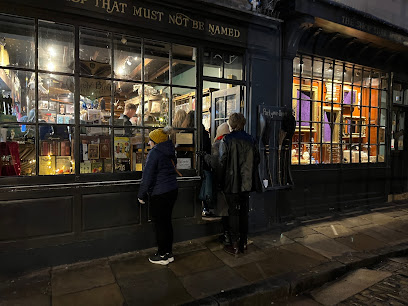
The Shop That Must Not Be Named
0.0 km
Step into York’s enchanting Shambles and discover The Shop That Must Not Be Named, a magical Harry Potter emporium filled with wizarding wonders and immersive charm.
Shambles
0.1 km
Step into York’s medieval heart on The Shambles, a narrow, timber-framed street rich with history, charm, and magical inspiration.
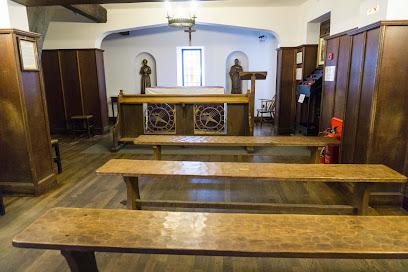
Shrine of Saint Margaret Clitherow
0.1 km
A modest yet powerful shrine in York’s Shambles honoring Saint Margaret Clitherow, the courageous Catholic martyr known as the Pearl of York.
11 Shambles
0.1 km
Step into medieval York at 11 Shambles, where timber-framed buildings and cobbled streets tell tales of centuries-old butcher shops and vibrant history.

The Potions Academy
0.1 km
Step into a magical classroom in York’s historic Shambles and craft your own enchanting potions in an immersive family-friendly adventure.
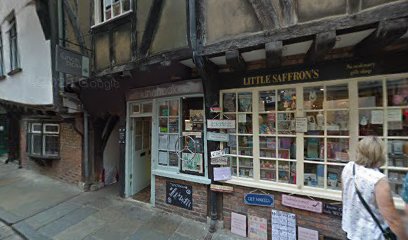
The York Vikings
0.1 km
Discover authentic Viking heritage and unique Norse collectibles in the heart of York’s historic Shambles street.
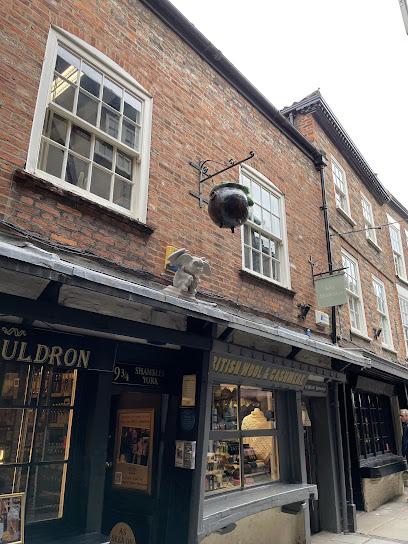
The Potions Cauldron
0.1 km
Step into York’s enchanting Potions Cauldron on The Shambles for magical brews, immersive potion experiences, and wizarding wonders.
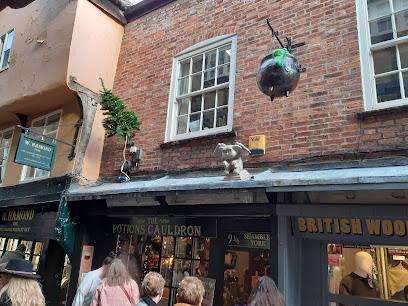
GR8escape York
0.1 km
Discover York’s top escape room centre with immersive puzzles, unique themes, and friendly hosts in the city’s historic heart.
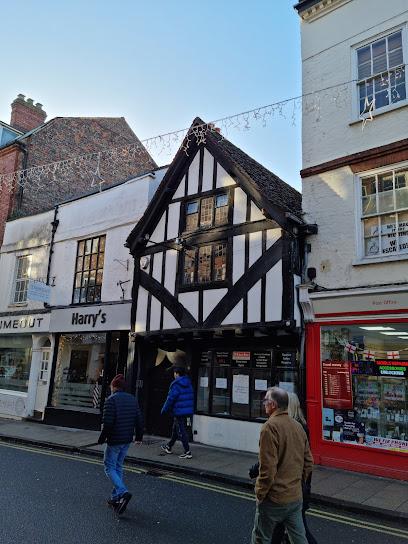
Shambles Market
0.1 km
Discover York's vibrant Shambles Market, a historic covered marketplace blending artisan crafts, fresh food, and lively atmosphere daily from 9am to 5pm.
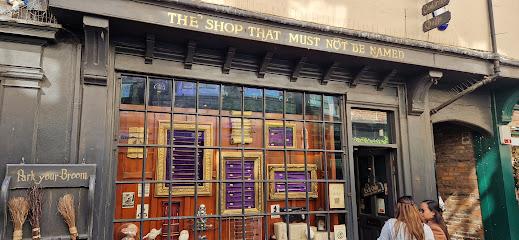
DIG: An Archaeological Adventure
0.1 km
Uncover 2,000 years of York’s history through hands-on archaeological adventures in a historic church setting, perfect for young explorers.
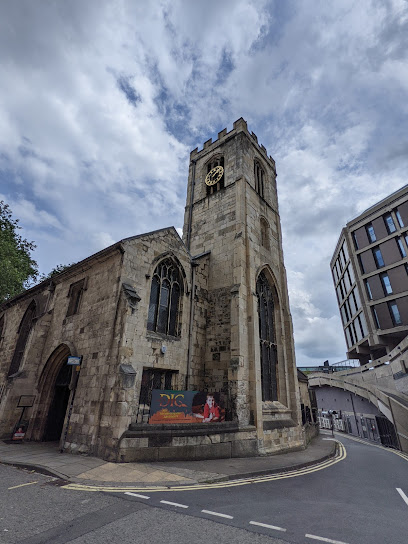
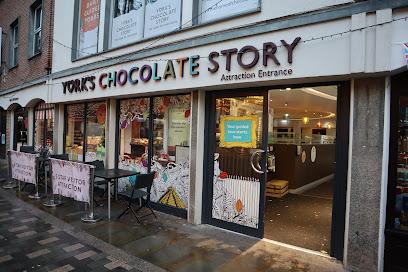
York's Chocolate Story
0.1 km
Discover York’s rich chocolate heritage through immersive tours, hands-on workshops, and delicious tastings at York’s Chocolate Story.
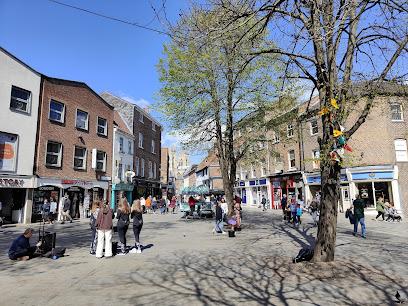
King's Sq
0.1 km
King's Square, York – where ancient history meets lively culture in the city’s vibrant heart.
Essential places to dine

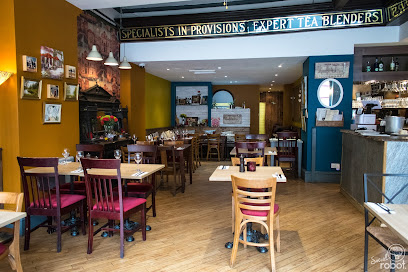
Marzano Italian & Grill
0.1 km
Experience authentic Italian flavors and warm hospitality in the heart of York’s vibrant Fossgate district.
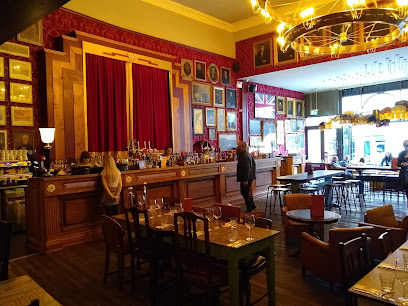
Cosy Club
0.1 km
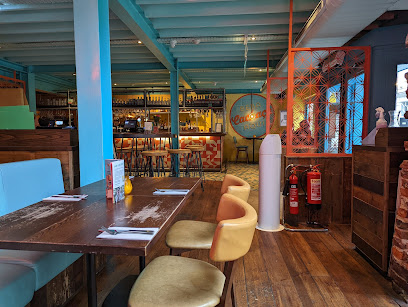
Historic charm meets stylish dining and cocktails in York’s iconic Cosy Club on Fossgate, perfect for all-day indulgence and special celebrations.
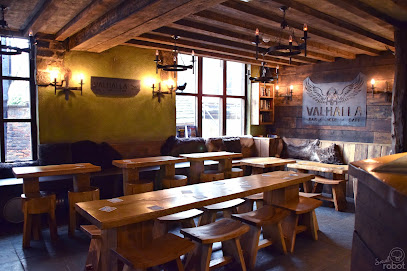
Valhalla York
0.1 km
Experience hearty Viking-inspired tapas, unique ales, and a lively atmosphere at Valhalla York in the heart of the city.
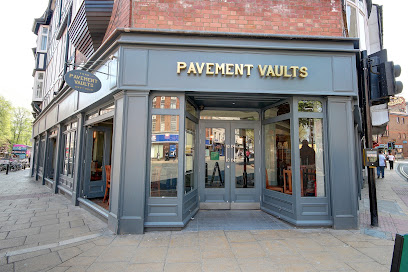
Pavement Vaults
0.1 km
Experience York’s vibrant grill and bar scene with generous smoked meats, craft beers, and a lively, welcoming atmosphere at Pavement Vaults.
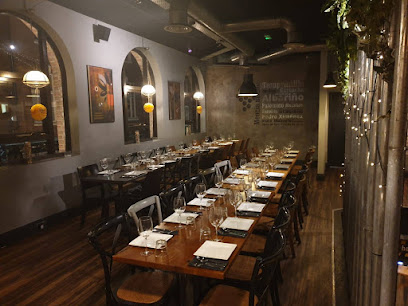
Ambiente Tapas Fossgate
0.2 km
Experience authentic Spanish tapas and vibrant atmosphere in York’s stylish Ambiente Tapas Fossgate, perfect for sharing, sipping, and socializing.
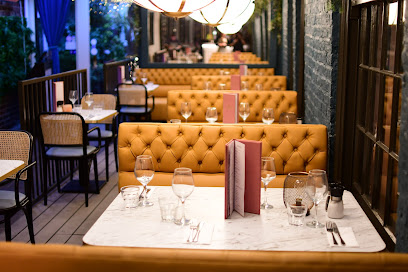
Ate O'Clock
0.2 km
Enchanting modern British dining in York’s fairy-lit alley, blending classic flavors with stylish charm and warm hospitality.
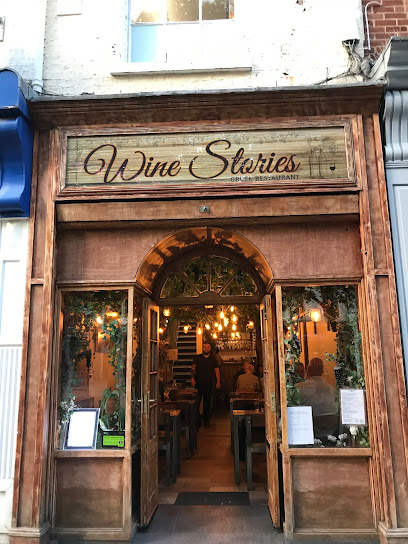
Wine Stories
0.2 km
Experience authentic Greek cuisine and an extensive wine selection in the cozy heart of York’s historic center at Wine Stories.
The Blue Barbakan
0.2 km
Experience hearty Polish classics and warm hospitality in York’s vibrant Fossgate at The Blue Barbakan.
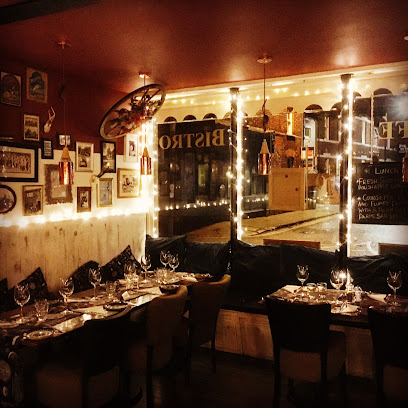
D'vine Restaurant And Social Bar
0.2 km
A vibrant York venue blending British, Italian, and Mediterranean flavors with a lively social bar atmosphere.
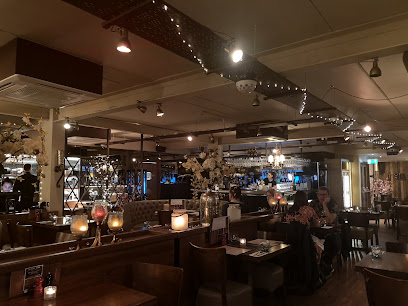
Wildwood
0.2 km
Cozy Italian dining with stone-baked pizzas, fresh pasta, and vegan-friendly options in the heart of historic York’s Low Petergate.
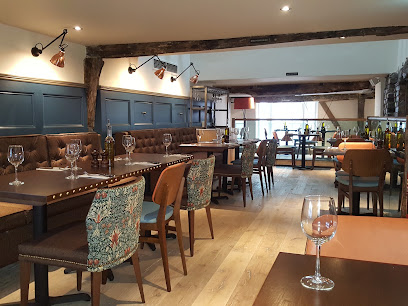
Bab Tooma York
0.2 km
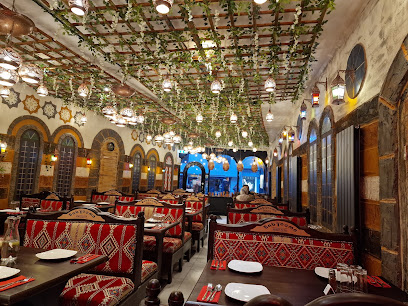
Experience authentic Syrian cuisine in a warm, traditional setting with generous portions and BYOB in the heart of York.
The Cut & Craft York
0.2 km
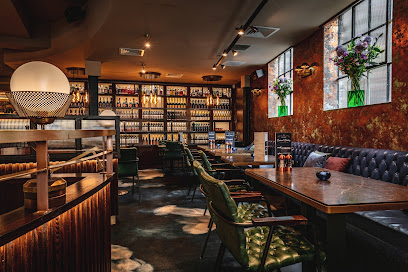
Stylish steakhouse in York’s historic St. Sampson’s Square, famed for premium cuts, craft beers, and inviting modern ambiance.
La Vecchia Scuola
0.2 km
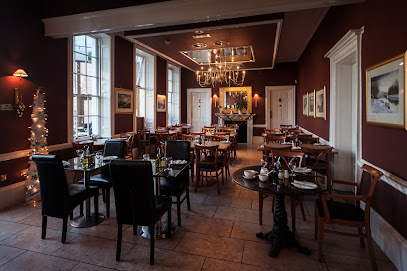
Experience authentic Italian flavors and contemporary dining in the heart of historic York at La Vecchia Scuola.
Lucia Restaurant
0.2 km
Experience vibrant Italian dining and cocktails in York’s heart, with a heated courtyard and stylish lounge for all-day enjoyment.
Las Iguanas - York
0.2 km
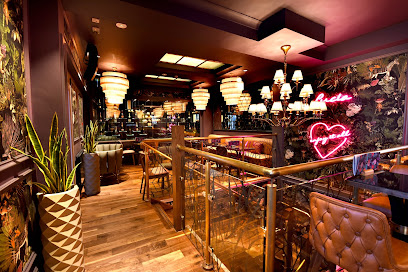
Experience vibrant Latin American flavours and lively cocktails in York’s historic city centre at Las Iguanas.
Markets, malls and hidden boutiques

Gift Gallery
0.0 km
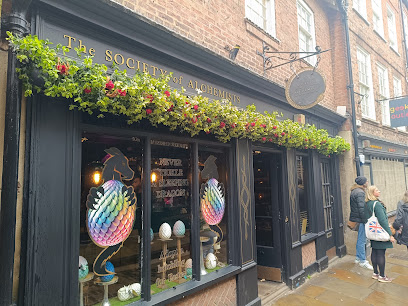
Discover unique gifts and charming souvenirs in the heart of York’s historic Shambles, where tradition meets thoughtful shopping.
Mrs B's Emporium of Gifts
0.1 km
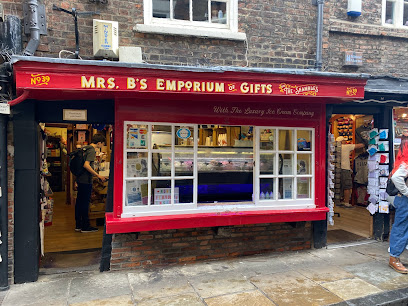
Discover quirky, unique gifts and playful treasures in the heart of York’s historic Shambles at Mrs B's Emporium of Gifts.
Pride of York Souvenirs
0.1 km
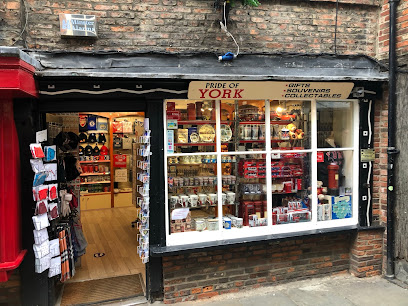
Discover authentic York treasures and unique souvenirs in the heart of the historic Shambles at Pride of York Souvenirs.
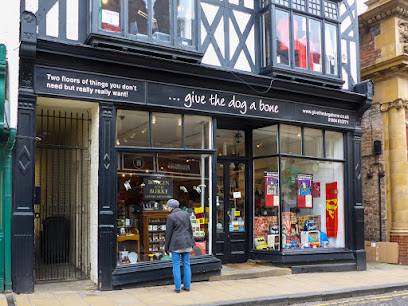
Give The Dog A Bone
0.1 km
Discover York’s quirky gift haven with two floors of unique treasures, from funky homeware to pop culture collectibles on historic Fossgate.
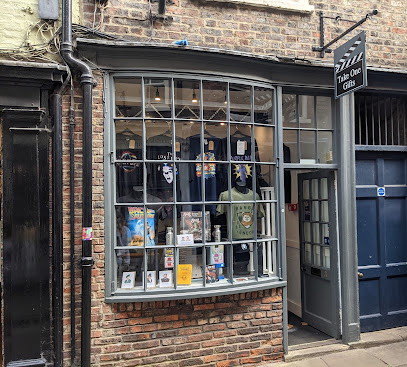
Take One Gifts
0.1 km
Explore Take One Gifts in York for unique souvenirs, artisan crafts, and memorable collectibles reflecting the city's charm.
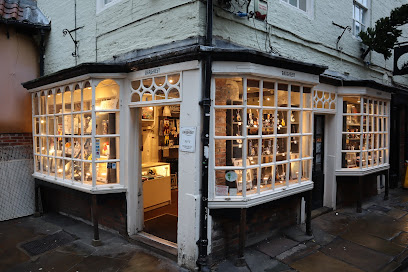
Barghest
0.1 km
Discover Barghest, a quirky gift shop in York’s historic Shambles, offering unique film, TV, and music merchandise in a medieval setting.
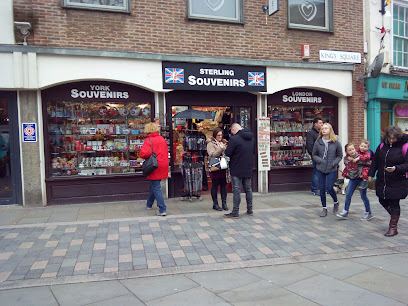
Sterling Souvenirs
0.1 km
Discover authentic York treasures and unique souvenirs at Sterling Souvenirs, your friendly gift shop in the heart of King’s Square.
The Medieval Scribe
0.1 km
Discover unique medieval-inspired crafts and artisanal treasures in the heart of York’s historic Church Street.
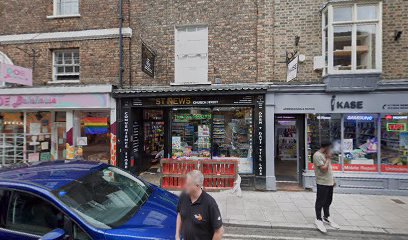
Cello by Collectables
0.2 km
Explore Cello by Collectables, a charming gift shop in York offering unique handcrafted treasures that embody the city's rich culture.
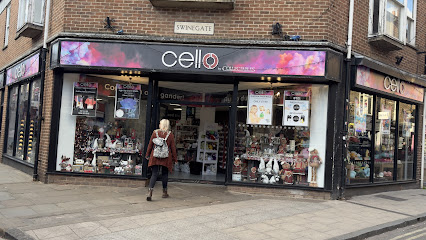
Pandora
0.2 km
Discover elegant, hand-finished jewellery crafted with care and inspired by timeless style at Pandora on Low Petergate, York.
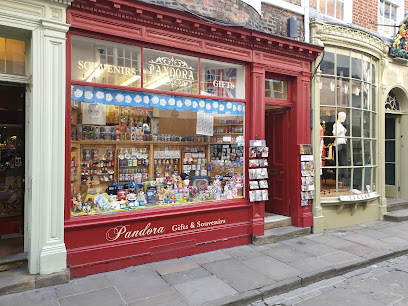
York Souvenirs and Gifts
0.2 km
Authentic Yorkshire souvenirs and handcrafted gifts in the heart of historic York’s medieval streets.
Expressions
0.2 km
Discover unique vintage American sportswear and retro styles at Expressions, York’s friendly and authentic vintage clothing shop on historic Walmgate.
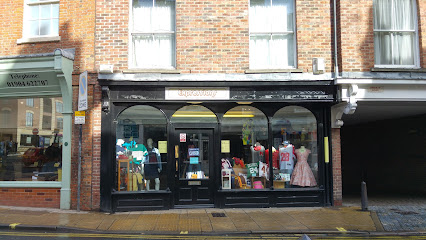
Paper Doll
0.2 km
Discover unique, colourful fashion and artisan jewellery in York’s charming Paper Doll boutique, a hidden gem for stylish and distinctive finds.
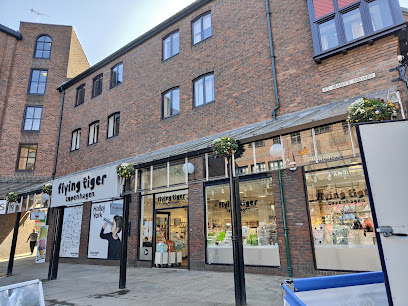
Flying Tiger Copenhagen
0.2 km
Scandinavian creativity meets quirky British charm in this beloved gift and lifestyle shop.
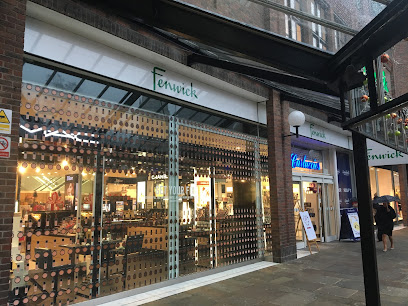
Fenwick York
0.3 km
Discover luxury fashion, beauty, and homeware at Fenwick York, a boutique department store nestled in the heart of Coppergate Centre.
Essential bars & hidden hideouts

The Blue Bell
0.1 km
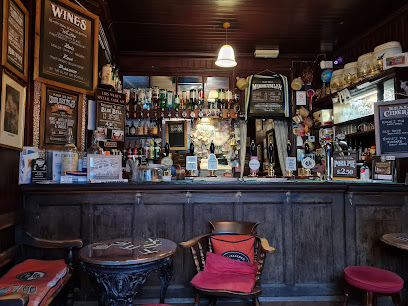
York’s smallest and most beloved Edwardian pub, famed for its authentic atmosphere, quality ales, and warm community spirit.
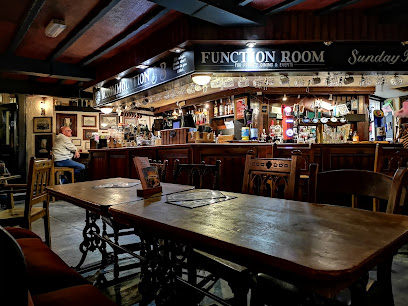
Golden Fleece York
0.1 km
York’s oldest haunted pub offering historic charm, classic ales, cozy rooms, and a lively social atmosphere in the heart of the city.
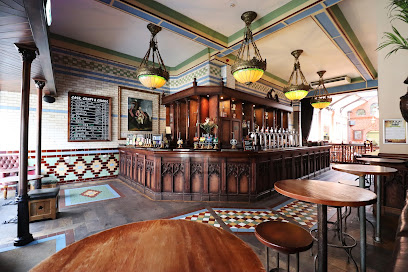
The Hop York
0.1 km
A lively York city centre bar known for its craft beers, stone-baked pizzas, and vibrant live music in a historic Victorian setting.
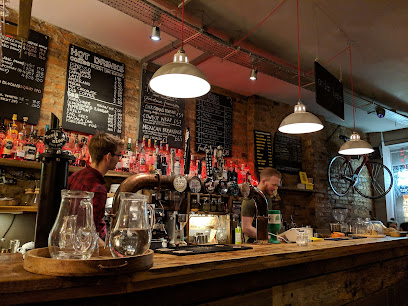
The Fossgate Social
0.1 km
A lively independent bar and coffee shop on York’s Fossgate, known for craft drinks, specialty coffee, and a welcoming atmosphere.
Pivní York
0.1 km
Historic 16th-century timber-framed pub in York offering an exceptional selection of local and global craft beers in a cosy, multi-floor setting.
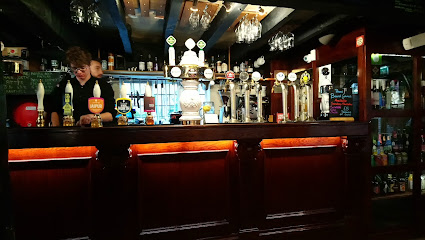
Social 8 Lounge
0.2 km
Stylish York lounge bar offering crafted cocktails, small plates, and boozy brunch in a relaxed, elegant setting with a courtyard garden.
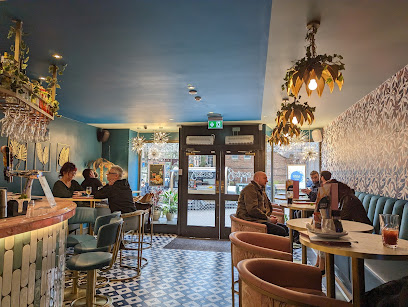
Vudu Lounge
0.2 km
York’s eclectic after-hours lounge blending quality cocktails with a lively, quirky nightlife vibe until the early morning.
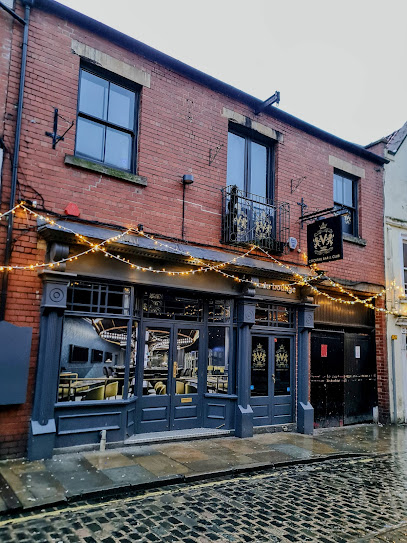
The Three Tuns
0.2 km
Step into The Three Tuns, a centuries-old timber-framed pub on Coppergate offering historic charm and hearty Yorkshire hospitality in York’s heart.
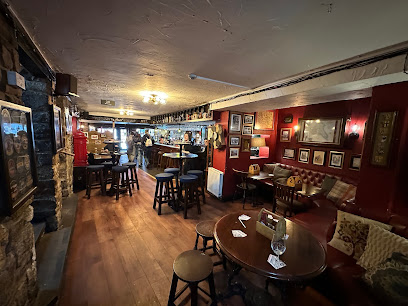
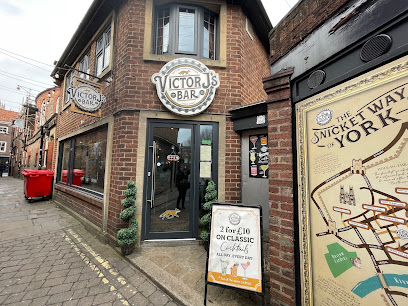
Victor J's
0.2 km
Eclectic art-inspired bar and restaurant in York’s heart, offering cozy seating, creative vibes, and lively weekend nights.
Oscar's Wine Bar & Bistro
0.2 km
A lively and welcoming wine bar in York offering quality food, diverse wines, and a charming atmosphere for all occasions.
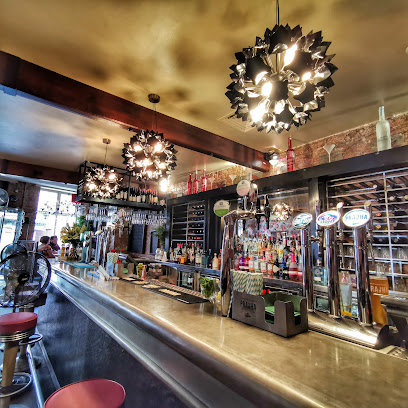
Slug & Lettuce - Swinegate York
0.3 km
A lively cocktail bar and casual dining spot in York’s historic centre, perfect for social drinks, events, and weekend late nights.
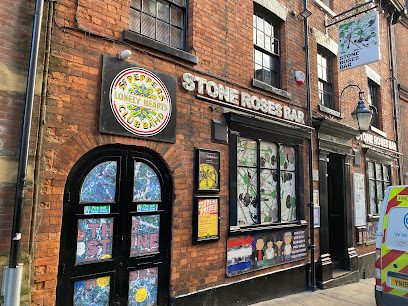
The Stone Roses Bar
0.3 km
York’s premier indie music bar, blending iconic memorabilia with lively vibes and friendly service in a central city location.
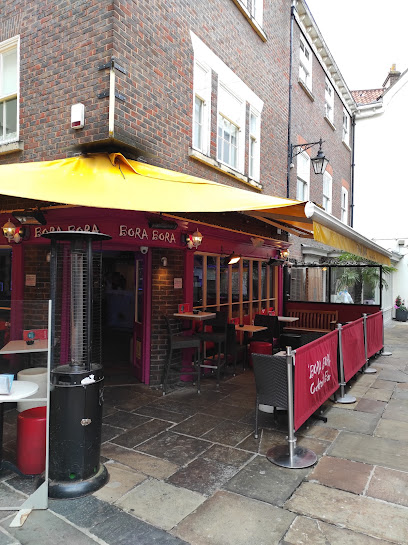
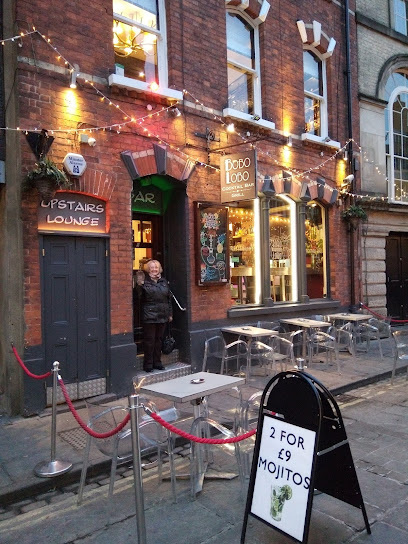
Bobos Cocktail Bar York
0.3 km
York’s vibrant two-floor cocktail bar with tropical drinks, heated shisha terrace, lively DJs, and unbeatable drink deals in the historic Quarter.
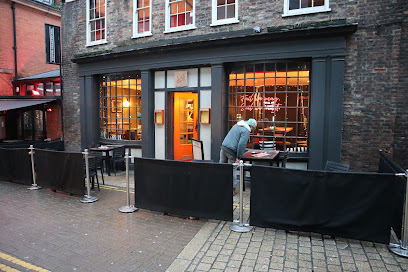
Dusk
0.3 km
A quirky and welcoming bar in York’s city centre, perfect for lively nights and casual drinks in a vibrant atmosphere.
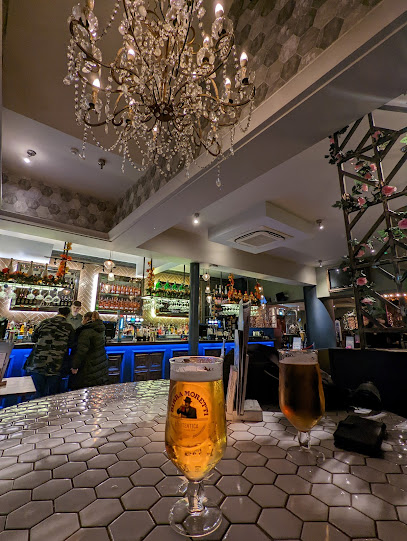
Slug & Lettuce York Riverside
0.3 km
Lively riverside bar and restaurant in York offering cocktails, casual dining, and vibrant social vibes with scenic river views.
Nightclubs & after hour spots

BlueBox
0.3 km
York’s premier late-night nightclub, BlueBox pulses with House, Tech House, and Disco beats until dawn in a vibrant city-center setting.
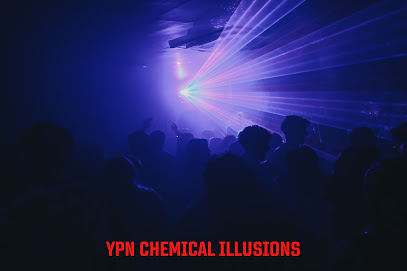
Kuda
0.3 km
York’s vibrant nightclub offering diverse music, live DJs, and a lively late-night atmosphere in the heart of the city.
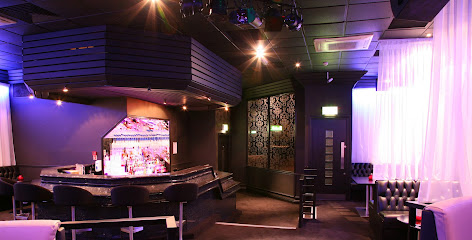
Flares - York
0.5 km
Experience York’s ultimate retro nightclub with decades-spanning hits, vibrant dance floors, and an inclusive party atmosphere.
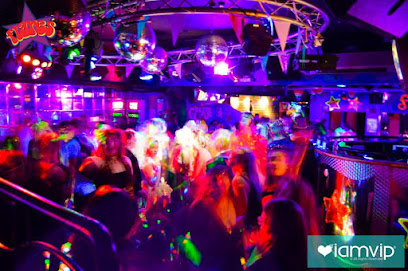
Popworld York
0.5 km
York’s vibrant pop music nightclub with a unique revolving dancefloor and a lively atmosphere for unforgettable nights out.
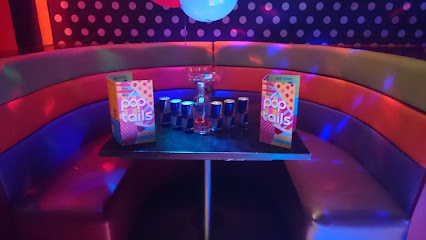
Club Salvation
0.5 km
York’s vibrant nightclub with dual music rooms, lively atmosphere, and fair-priced drinks for an unforgettable night out.
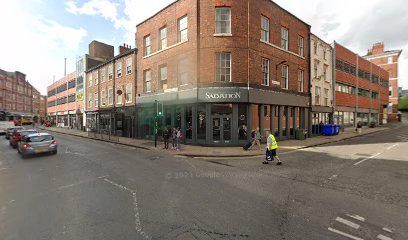
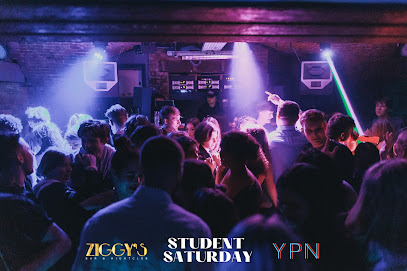
Ziggy's Bar & Nightclub
0.6 km
York’s iconic student nightclub offering energetic dance floors, affordable drinks, and a lively atmosphere since the 1980s.
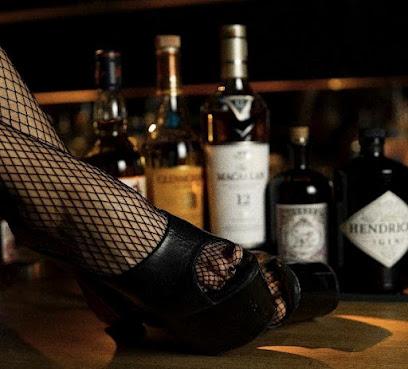
Bar 55 York
0.6 km
York’s exclusive strip club offering sophisticated adult entertainment and premium nightlife in a stylish, historic setting.
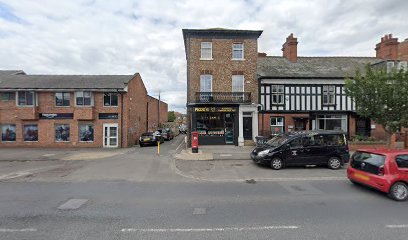
Karaoke Rooms (KTV)
1.0 km
Experience lively private karaoke rooms in the heart of York’s vibrant nightlife at Chuandao Karaoke Bar.
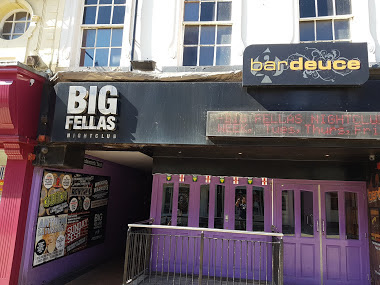
Big Fellas Nightclub
33.5 km
A lively and casual nightclub in Pontefract offering energetic late-night dancing and drinks in a central urban setting.
Arabian Night Lounge
34.2 km
Dive into Arabian enchantment on Leeds' nightlife scene: shisha, beats, and opulent vibes await at this Cherry Row gem.
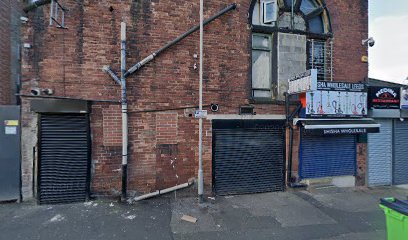
Quadrophenia Night
34.7 km
Rev up for mod anthems, live ska-soul bands, and 60s film vibes at Leeds' ultimate Quadrophenia tribute night—pure energy and rebellion on the dancefloor.
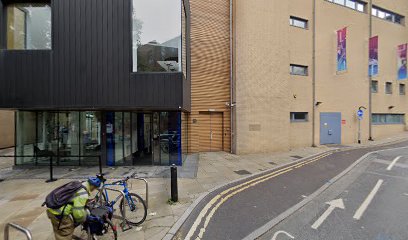
Disco Stu's
35.0 km
Pulse-pounding beats and sticky-floored euphoria on Vicar Lane—Disco Stu's delivers unfiltered Leeds nightlife with affordable drinks and all-night energy.

The Lab Nightclub Leeds
35.0 km
Experience Leeds' electric nightlife at The Lab Nightclub, where music flows smoothly and the party never stops in the heart of the city.
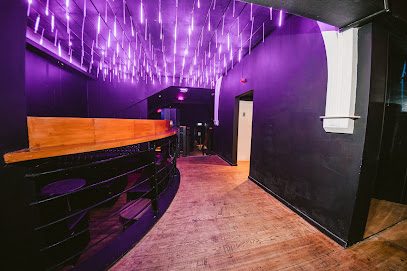
The Key Club
35.2 km
Intimate, no-frills live-music club in central Leeds where punk, indie and alternative acts play close and loud beneath Merrion Street.
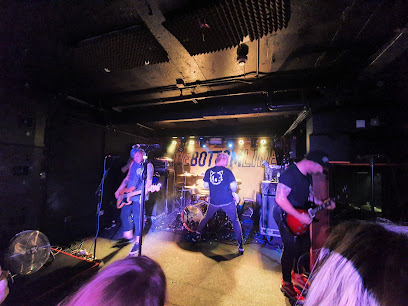
Wire
35.2 km
A compact, music-first basement club on Call Lane where tight crowds and a punchy sound system make late-night electronic parties feel immediate and intense.
For the vibe & atmosphere seeker
- Quirky
- Unique
- Romantic
- Scenic
For the design and aesthetic lover
- Vintage Styles
- Rustic Designs
For the architecture buff
- Historic
- Heritage Neighborhoods
For the view chaser and sunset hunter
- Iconic Views
For the social media creator & influencer
- Instagrammable
- Photo Spots
- Aesthetic Corners
- Architectural Shots
For the eco-conscious traveler
- Car-Free Access
- Public-Transport Accessible
- Locally Managed
For the kind of experience you’re after
- Cultural Heritage
- Photowalk
- Day Trip
For how adventurous you want the journey to be
- Easy Access
Location Audience
- Family Friendly
- Solo Friendly
- Couple Friendly
- Senior Friendly
- Child Friendly


