
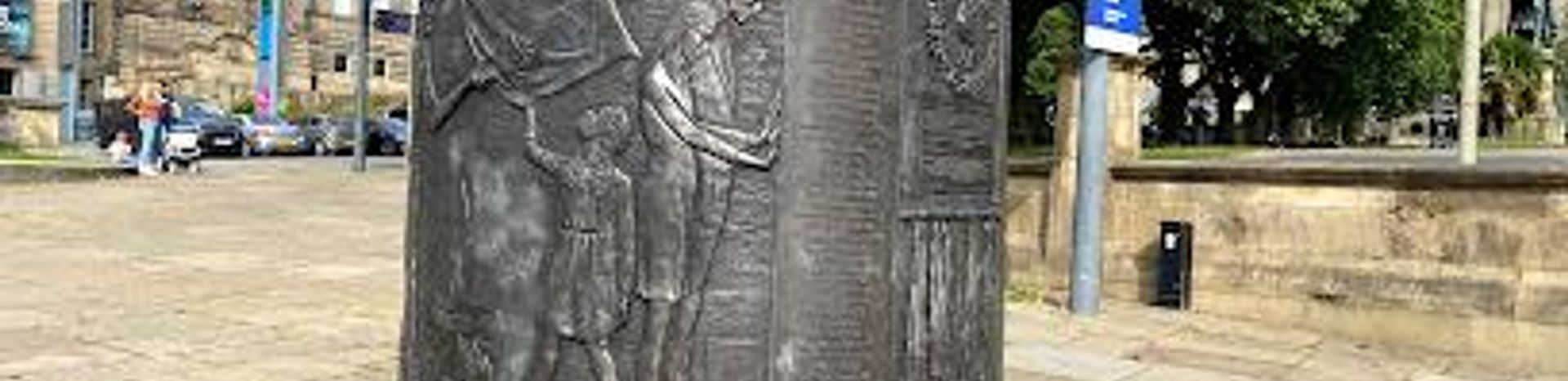
Hillsborough Memorial
A bronze monument honoring 96 lives lost in tragedy, symbolizing Liverpool's resilience and demand for justice.
The Hillsborough Memorial stands in St John's Gardens near Old Haymarket in central Liverpool, honoring the 96 lives lost during the Hillsborough disaster on April 15, 1989. This bronze monument, sculpted by Tom Murphy and erected in 2013, features an eternal flame and names engraved on marble plaques. Located in a prominent public space rather than at a football ground, it serves as a focal point for remembrance and reflection on one of Britain's darkest sporting tragedies and the resilience of the Liverpool community.
A brief summary to Hillsborough Memorial
- Old Haymarket, Liverpool, L1 6ER, GB
- Visit website
- Duration: 0.5 to 2 hours
- Free
-
 Outdoor
- Mobile reception: 5 out of 5
Local tips
- Visit early morning or late afternoon for a quieter, more reflective experience. The memorial is accessible 24 hours, but these times offer fewer crowds and better light for photography.
- Take time to read the names engraved on the marble plaques. Each name represents an individual life, and this personal connection deepens the emotional impact of the visit.
- Combine your visit with nearby cultural attractions including St George's Hall, the World Museum, and the Museum of Liverpool, all within walking distance in the William Brown Street cultural quarter.
- Respect the solemnity of the space. The memorial is a place of remembrance for bereaved families and survivors; maintain quiet reflection and appropriate behavior.
- Consider visiting on April 15th during the annual memorial service, when the Liverpool community gathers to remember those lost and reaffirm their commitment to justice.

For the on-the-go comforts that matter to you
- Seating Areas
- Information Boards
- Trash Bins
Getting There
-
Public Transport from Liverpool City Centre
The memorial is a 10–15 minute walk from Liverpool Lime Street railway station. Exit the station and head northwest toward William Brown Street. The memorial is located in St John's Gardens, just south of William Brown Street near Old Haymarket. Alternatively, local buses serving the city center stop near William Brown Street; journey times vary from 5–10 minutes depending on route and traffic. No ticket required to access the memorial itself.
-
Walking from Anfield Stadium
From Liverpool FC's Anfield Stadium, the walk to the memorial takes approximately 45–60 minutes (roughly 2.5 kilometers). Head southeast through residential neighborhoods toward the city center, following signs toward William Brown Street. The route is accessible year-round, though winter months may present wet conditions. This walk retraces the path historically taken by fans during the 1989 Anfield Pilgrimages.
-
Taxi or Ride-Share
Taxis and ride-share services are readily available throughout Liverpool. Journey time from the city center is typically 5–10 minutes depending on traffic. Fares from Lime Street station average £8–15. The memorial has no dedicated parking, but nearby pay-and-display car parks serve the William Brown Street cultural quarter, with rates approximately £1.50–2.50 per hour.
-
Cycling
Liverpool has an expanding cycle network. The memorial is accessible by bike from most city center locations via a 10–20 minute ride. St John's Gardens has limited cycle parking nearby; secure your bike at nearby racks or use the wider parking facilities around William Brown Street. The route is generally flat and suitable for standard bicycles.
Hillsborough Memorial location weather suitability
-
 Any Weather
Discover more about Hillsborough Memorial
The Tragedy and Its Aftermath
On April 15, 1989, a fatal crowd crush occurred during an FA Cup semi-final between Liverpool and Nottingham Forest at Hillsborough Stadium in Sheffield. The disaster claimed 96 lives when overcrowding in the standing-only central pens of the Leppings Lane stand led to a catastrophic crush. What followed was equally devastating: a cover-up by South Yorkshire Police, media misrepresentation that blamed Liverpool supporters, and a protracted 27-year fight by families and survivors for truth and justice. The initial coroner's inquest ruled the deaths as accidental, a verdict that would later be overturned. In 2012, the Hillsborough Independent Panel concluded that no Liverpool fans were responsible and that the main cause was a lack of police control, with crowd safety compromised at every level. A subsequent inquest in 2016 returned verdicts of unlawful killing.A Monument to Resilience and Remembrance
The Hillsborough Memorial was erected in 2013 in St John's Gardens, positioned at the lower western end near Old Haymarket, just south of William Brown Street. Standing seven feet tall, this cylindrical bronze monument was sculpted by artist Tom Murphy and represents the only major public memorial to the disaster in central Liverpool's civic heart, distinct from memorials at football grounds. The design features an eternal flame supported by two Liver Birds, symbolic of the city itself, with birds perched around the names of the deceased and figures of mourners and weepers in bas-relief. The names of all 96 victims are engraved on marble plaques, creating a space where visitors can reflect on individual lives and collective loss.Symbolism and Urban Significance
The memorial's placement in a prominent public location rather than at a football stadium was deliberate and meaningful. Its urban centrality ensures that the memory of the disaster reaches beyond football supporters to the wider Liverpool community and visitors to the city. The monument engages in spatial conversation with nearby memorials in St John's Gardens and the Liverpool Cenotaph outside St George's Hall, linking it to the city's broader heritage of remembrance. The Liver Bird symbolism connects the memorial to the eternal flame at Anfield Stadium, creating a symbolic continuity across Liverpool's landscape. The bas-relief figures of mourners—men, women, and children—underscore that the disaster affected not only supporters but families and entire communities.The Anfield Pilgrimage and Lasting Impact
In the immediate aftermath of the tragedy, Anfield Stadium became a place of pilgrimage. Over one week in 1989, more than a million people visited the ground, transforming it into what many described as a sacred space—the "Anfield Cathedral." Flowers, scarves, and tributes covered the Spion Kop stand as the city mourned collectively. This spontaneous outpouring of grief and solidarity became a defining moment in Liverpool's identity. The disaster prompted significant changes to football safety regulations and sparked a decades-long campaign for justice that ultimately vindicated the victims and survivors. The memorial stands as a testament to this resilience and the power of collective action against institutional injustice.A Place for Reflection and Understanding
Visiting the Hillsborough Memorial offers insight into how deeply football intersects with local culture, community identity, and history in Liverpool. The monument serves multiple purposes: it perpetuates the memory of those who died, honors their lives, and provides a space for reflection on what might have been. It also stands as an enduring symbol of the Liverpool community's unwavering demand for truth and justice, even when faced with institutional resistance. For visitors, the memorial represents a crucial chapter in the city's modern history and a reminder of the importance of accountability and remembrance.Iconic landmarks you can’t miss

Liverpool Beatles Museum
0.5 km
Explore the largest authentic Beatles collection in Liverpool’s historic Mathew Street, celebrating the band’s legendary journey and legacy.
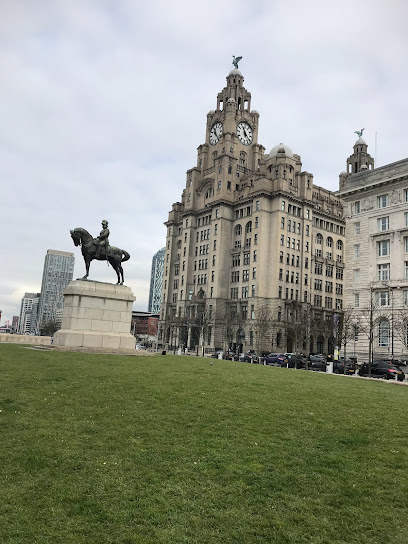
Tithebarn Building
0.5 km
A modern office landmark on Liverpool’s historic Tithebarn Street, bridging medieval heritage and today’s Knowledge Quarter.
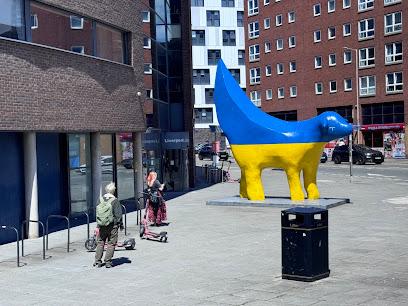
Cilla Black
0.5 km
Celebrate Liverpool’s beloved entertainer with the life-size bronze statue of Cilla Black on iconic Mathew Street, near the legendary Cavern Club.
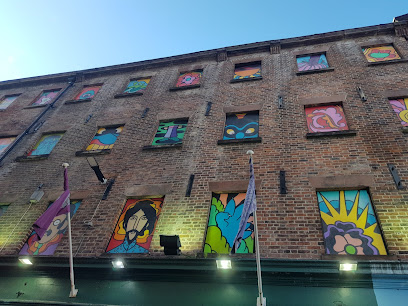
Coopers Building
0.5 km
Discover Coopers Building, a striking early 20th-century landmark that enriches Liverpool’s historic Church Street with timeless architectural charm.
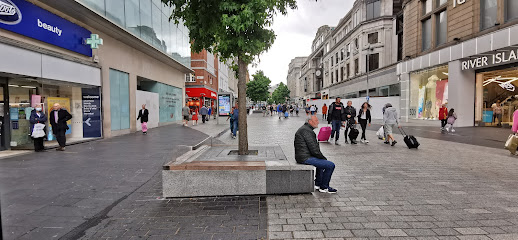
1 Exchange Flags
0.7 km
Historic Liverpool landmark featuring WWII command bunker, elegant architecture, and a courtyard rich with maritime and mercantile heritage.
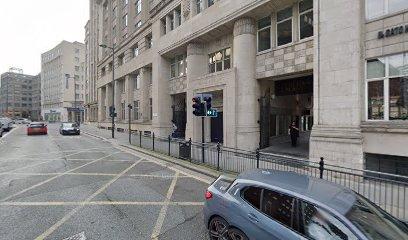
Liverpool Town Hall
0.7 km
Georgian grandeur meets civic ceremony in Liverpool's most magnificent 18th-century building.
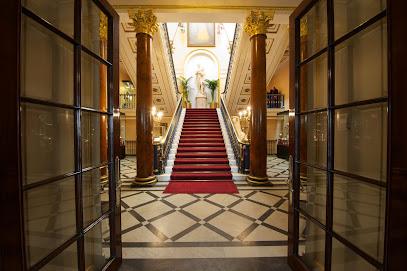
Cotton Exchange Bldg Old Hall Street
0.7 km
Historic heart of Liverpool’s cotton trade, blending Edwardian grandeur with modern business life on Old Hall Street.
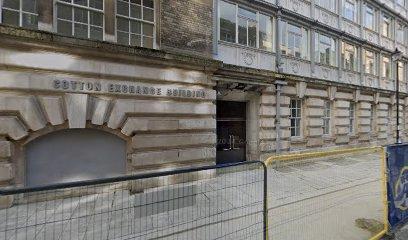
Wolstenholme Square
0.8 km
A historic Georgian square reborn through art and regeneration, crowned by a vibrant public sculpture.
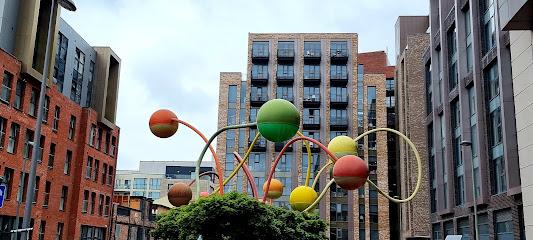
Wade Smith Mural by Paul Curtis
0.8 km
Explore the Wade Smith Mural by Paul Curtis in Liverpool, a vibrant expression of art reflecting the city's dynamic culture and heritage.
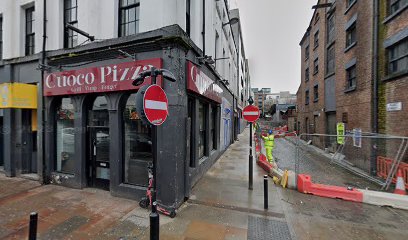
Derby Square
0.8 km
Explore Derby Square in Liverpool, a historical architectural gem offering tranquility and a glimpse into the city's vibrant past.
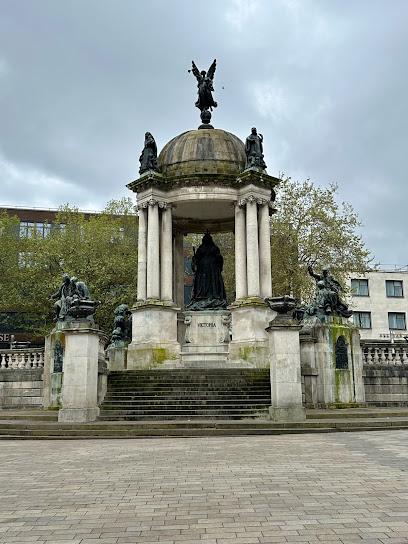
Western Approaches
0.8 km
Explore Liverpool's rich wartime history at Western Approaches, an engaging museum that brings the past to life through artifacts and interactive exhibits.
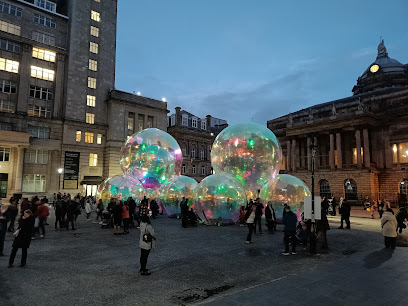
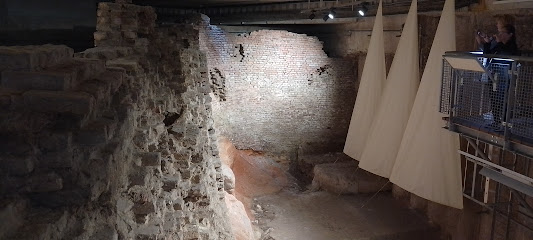
Viewing window to the Old Dock
0.8 km
Step through a glass window into the world’s first commercial wet dock, the birthplace of Liverpool’s global maritime legacy.
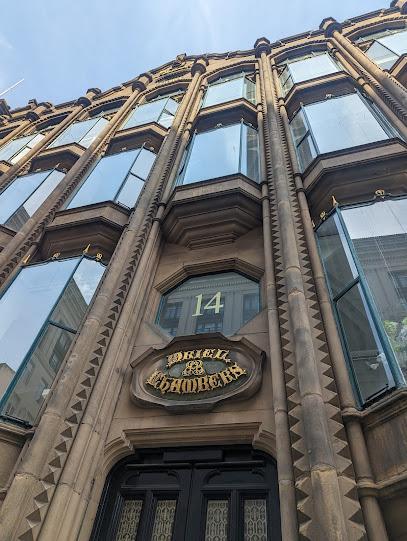
Oriel Chambers
0.8 km
Oriel Chambers: Liverpool’s revolutionary 1864 office building that pioneered the metal-framed glass curtain wall and modern skyscraper design.
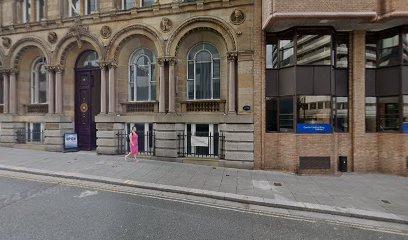
Hargreaves Buildings
0.8 km
Victorian banking landmark preserving Liverpool's golden age of maritime commerce and financial power
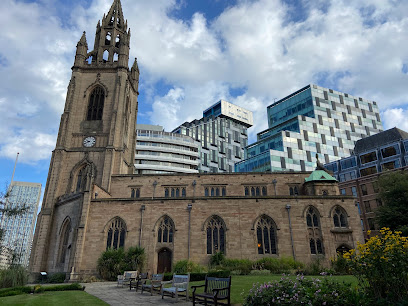
Liverpool Parish Church (Our Lady and Saint Nicholas)
0.9 km
Historic Anglican parish church in Liverpool, symbolizing centuries of maritime heritage and resilience through tragedy and renewal.
Unmissable attractions to see

St John's Gardens
0.1 km
A tranquil historic sculpture garden in Liverpool’s city centre, blending Victorian memorials with peaceful green spaces beside St George’s Hall.
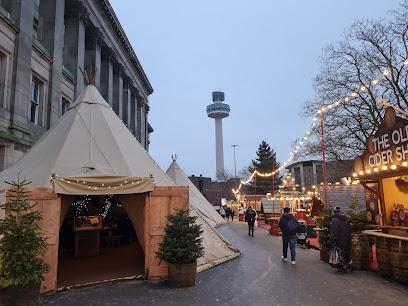
World Museum
0.1 km
Explore five floors of free, family-friendly discovery with ancient treasures, live creatures, and cosmic wonders in Liverpool’s World Museum.
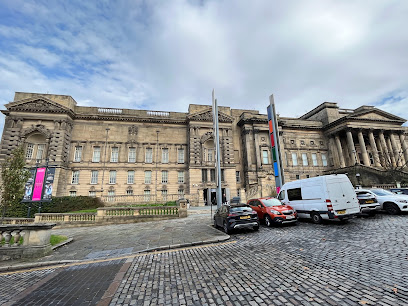
William Brown St
0.1 km
Discover Liverpool’s cultural heart through William Brown Street’s iconic neoclassical landmarks and rich civic heritage.
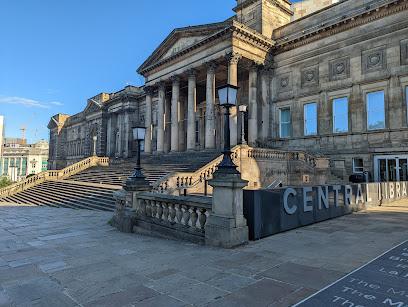
Central Library
0.1 km
A stunning blend of Victorian grandeur and modern innovation, Liverpool Central Library is a cultural landmark and vibrant hub of knowledge.
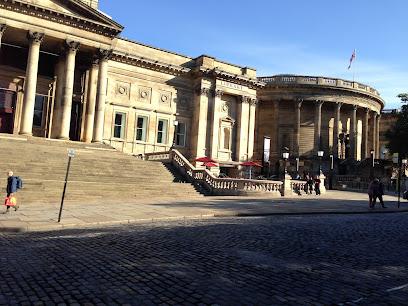
St George's Hall
0.2 km
Liverpool’s iconic neoclassical masterpiece blending grand architecture, rich history, and vibrant cultural events under one majestic roof.
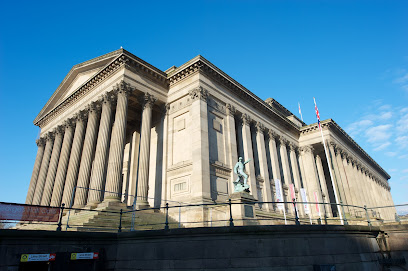
Walker Art Gallery
0.2 km
Explore centuries of European and British art masterpieces in Liverpool’s iconic Walker Art Gallery, where history and creativity converge.

Queen Victoria - Equestrian Statue
0.2 km
A majestic bronze statue of young Queen Victoria riding side-saddle, set against Liverpool’s historic Lime Street and St George’s Hall backdrop.
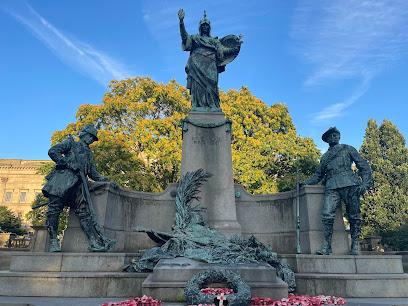
Tourist Attraction - Redisson Red Hotel
0.3 km
Stylish and contemporary accommodation in Liverpool’s vibrant city centre, steps from top attractions and cultural landmarks.
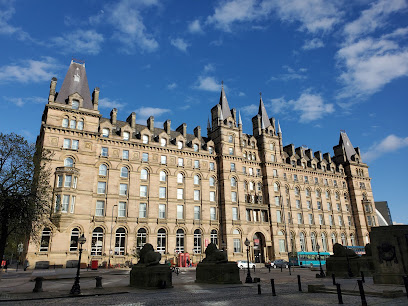
Liverpool Empire
0.3 km
Experience Liverpool’s grandest two-tier theatre blending historic elegance with world-class live performances on Lime Street.
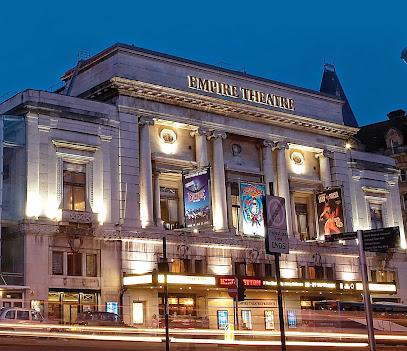
St Johns Shopping Centre
0.3 km
Liverpool’s largest covered shopping centre, offering over 100 stores, diverse dining, and a vibrant city-centre retail experience since 1969.
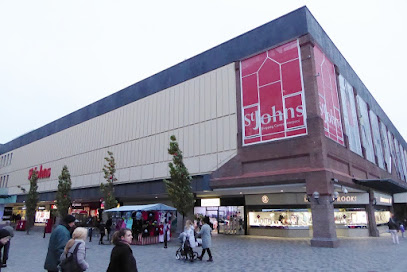
Williamson Square
0.3 km
Discover Liverpool’s lively Williamson Square, where historic theatre meets vibrant city life in a welcoming urban oasis.
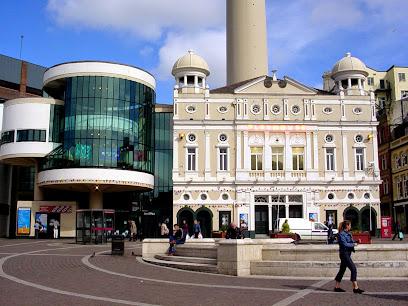
Liverpool Playhouse Theatre
0.3 km
Historic Liverpool Playhouse Theatre offers intimate performances in a classic proscenium arch setting at the heart of Williamson Square.
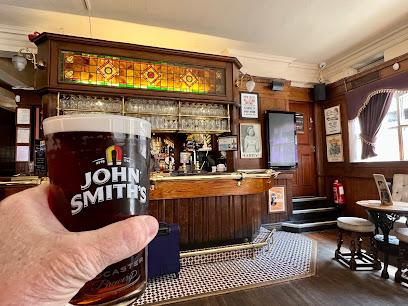
Ma Egerton's Stage Door
0.3 km
Step into Ma Egerton's Stage Door, a historic Liverpool pub where theatrical legends gathered and rustic pizzas delight in a warm, storied atmosphere.
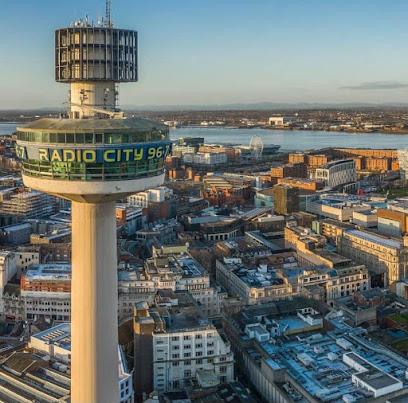
St Johns Beacon
0.3 km
Liverpool’s tallest tower offering panoramic city views, rich history, and a vibrant broadcasting hub in the heart of the city.
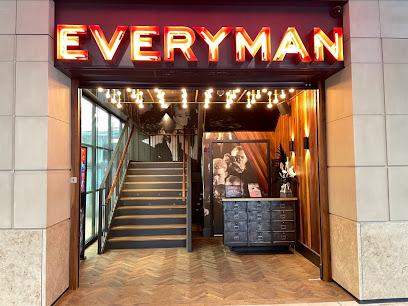
Everyman Liverpool
0.3 km
Boutique cinema in Liverpool offering gourmet dining, cocktails, and vibrant events in a stylish, welcoming setting.
Essential places to dine

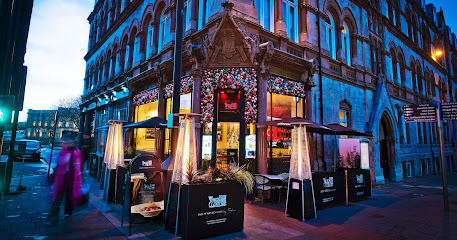
Dale Street Kitchen & bar by Shino
0.2 km
Award-winning breakfast and brunch spot in Liverpool’s city centre, celebrated for its full English and warm, welcoming atmosphere.
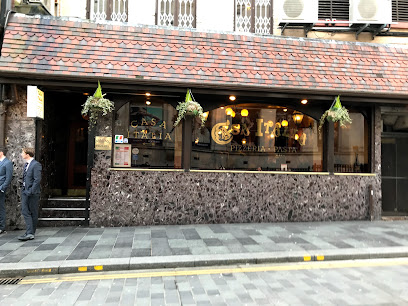
Casa Italia
0.4 km
A Liverpool institution since 1977, serving hearty pasta, wood-fired pizzas and classic Italian desserts in a lively, retro setting on Stanley Street.
Shiraz Palace
0.5 km
Lively Mediterranean bistro in Liverpool famed for generous grilled meats, vibrant breakfasts, and a welcoming atmosphere.
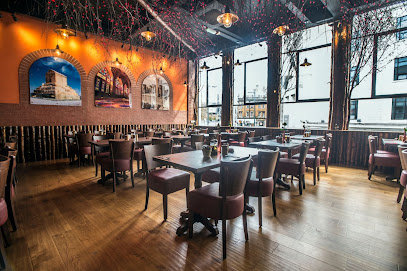
Turtle Bay Liverpool Victoria St
0.5 km
Lively Caribbean dining and cocktails in Liverpool’s historic Produce Exchange, blending authentic flavors with vibrant island vibes.
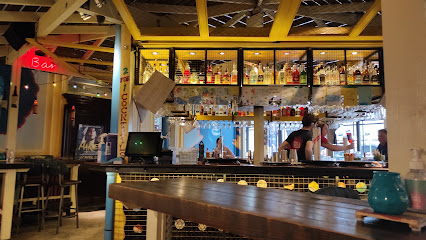
Shiraz BBQ
0.5 km
Charcoal-grilled Mediterranean excellence with generous portions and unbeatable value in central Liverpool.
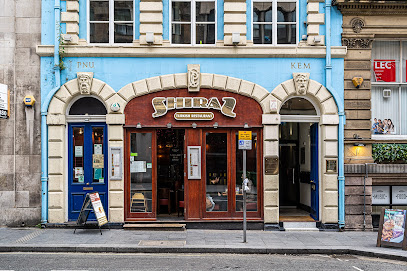
NYL Restaurant and Bar
0.5 km
Stylish American dining and cocktails in Liverpool's commercial heart, where upmarket meets approachable.
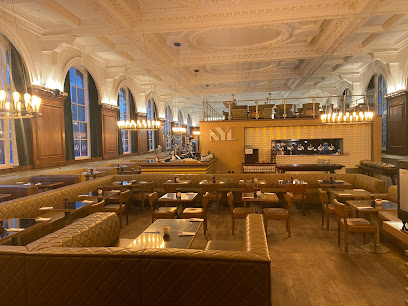
Blakes Restaurant
0.5 km
Experience British classics with a Beatles twist in Liverpool’s iconic Hard Days Night Hotel restaurant.
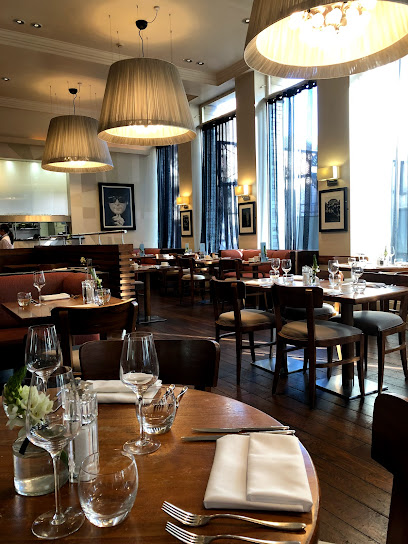
Villa Romana - Italian Restaurant Liverpool
0.6 km
Experience authentic Italian flavors and warm hospitality in the heart of Liverpool at Villa Romana.
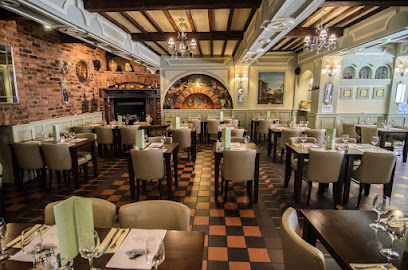
Turtle Bay Liverpool Hanover St
0.6 km
Vibrant Caribbean jerk and cocktails in central Liverpool's most colourful, energetic dining destination.
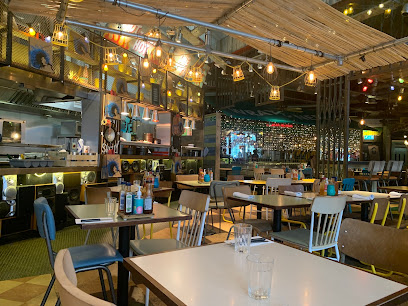
Las Iguanas - Liverpool
0.6 km
Vibrant Latin American dining and cocktails in Liverpool's premier shopping destination.
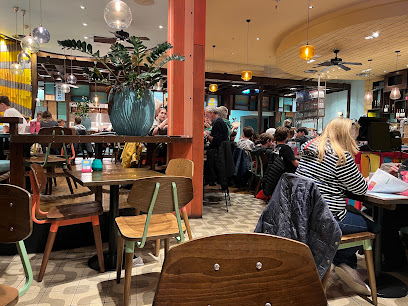
Riva Blu Italian Restaurant & Bar, Liverpool
0.6 km
Modern Italian dining and cocktails in the heart of Liverpool, with a stylish terrace and a unique vaulted private dining room for special occasions.
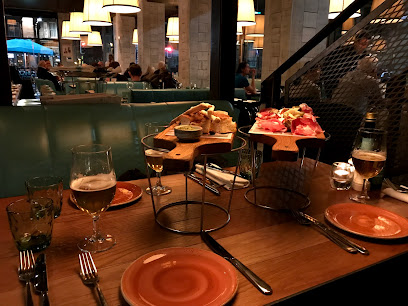
Castle St Townhouse
0.6 km
A stylish all-day dining venue in Liverpool’s historic heart, blending heritage charm with vibrant food, drinks, and social atmosphere.
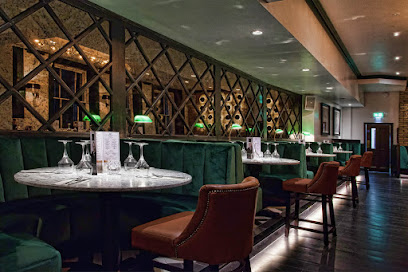
Cosy Club
0.6 km
Stylish British dining with vintage charm and all-day menus in the heart of Liverpool’s vibrant city center.
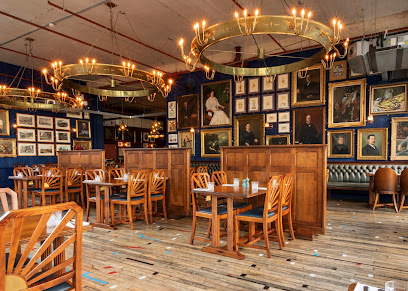
San Carlo - Liverpool
0.7 km
Experience authentic Italian elegance and vibrant city dining at San Carlo Liverpool, where classic flavors meet stylish ambiance.
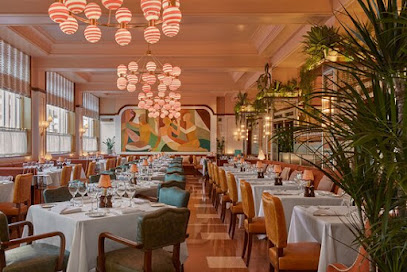
Bacaro
0.7 km
Experience vibrant Venetian small plates and authentic Italian flavors in the stylish heart of Liverpool’s Castle Street.
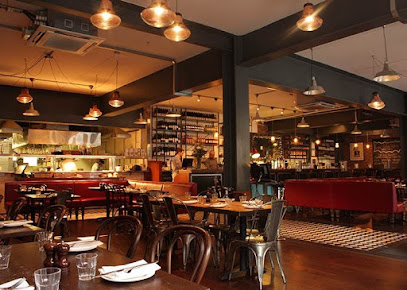
Markets, malls and hidden boutiques

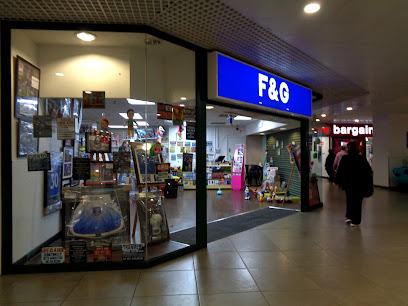
F&G Discounts
0.2 km
Explore unique gifts and souvenirs at F&G Discounts, the ultimate gift shop in St. John's Precinct, Liverpool.
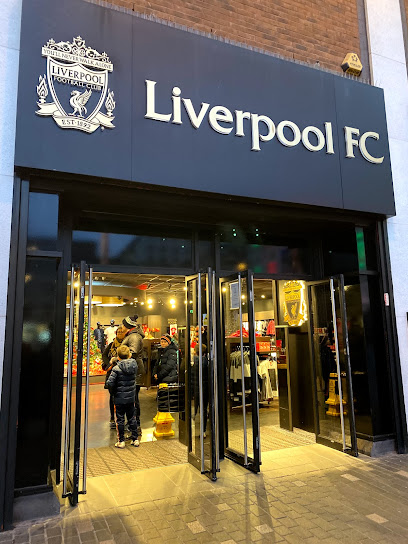
LFC Official Club Store
0.3 km
Discover authentic Liverpool FC merchandise and immerse yourself in the club’s vibrant spirit at the heart of Liverpool city centre.
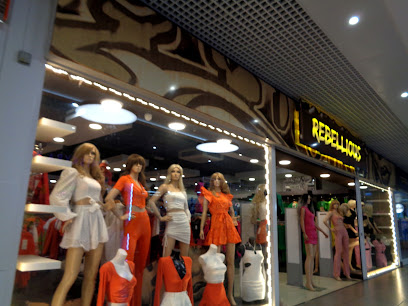
Rebellious Fashion
0.3 km
Discover trendy, affordable women's fashion in Liverpool’s vibrant Houghton Street boutique with extended weekday hours and a youthful style vibe.
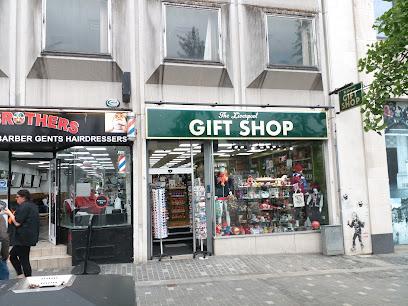
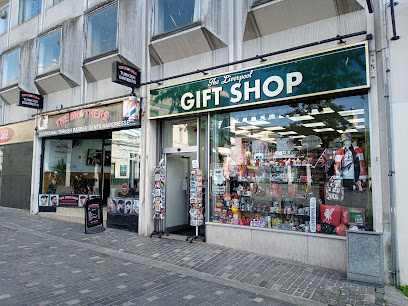
The Liverpool Gift Shop
0.3 km
Discover authentic Liverpool souvenirs and memorabilia in the heart of Williamson Square, open daily for all fans and visitors.
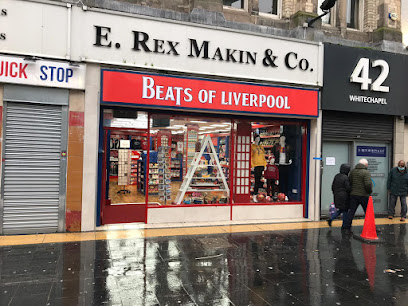
Beats of Liverpool
0.4 km
Discover authentic Liverpool memorabilia and Beatles-inspired souvenirs in the heart of the city’s historic Whitechapel district.
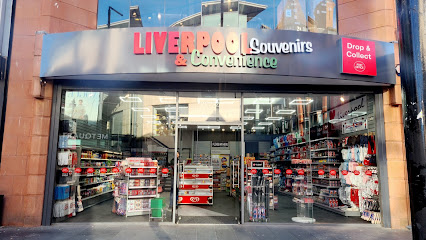
Liverpool Souvenirs and Gifts
0.4 km
Discover unique Liverpool keepsakes and exceptional service at this friendly souvenir shop in the heart of the city.
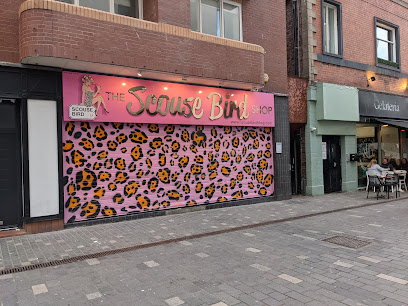
Scouse Bird Shop (inside Boutique 56 & online)
0.4 km
Discover cheeky Liverpool gifts and local charm at Scouse Bird Shop, nestled inside the stylish Boutique 56 hotel on Stanley Street.
As Above So Below Emporium Ltd
0.5 km
A darkly elegant witchy emporium in Liverpool’s historic Cavern Walks, blending mysticism, tarot, and alternative culture.
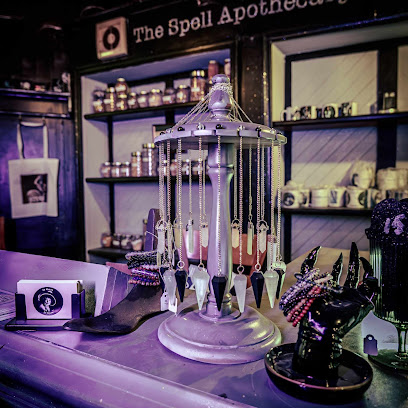
Bleu Prints
0.5 km
Stylish clothing boutique in Liverpool's vibrant L1, curating unique apparel and accessories for fashion-forward urban explorers.
Cavern Walks - Shopping Centre
0.5 km
Boutique shopping arcade in Liverpool's Beatles epicentre, linking stylish retail to Cavern Club legacy on vibrant Mathew Street.
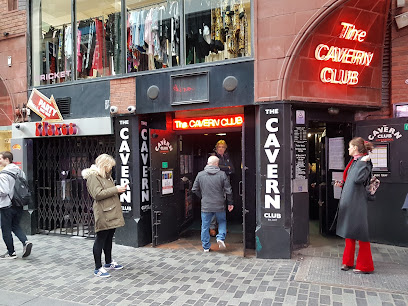
Cool Britannia
0.5 km
Liverpool's vibrant gift shop packed with Britpop t-shirts, Beatles nods, and Cool Britannia souvenirs—your one-stop for cheeky, affordable UK mementos in the city center.
The Gallery
0.5 km
Discover Liverpool’s musical heritage and unique local crafts at The Gallery, your destination for Beatles memorabilia and authentic souvenirs.
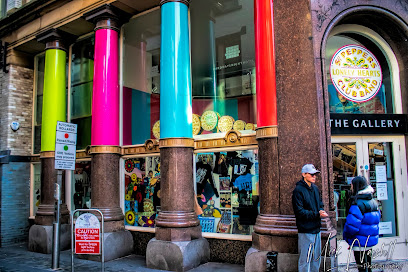
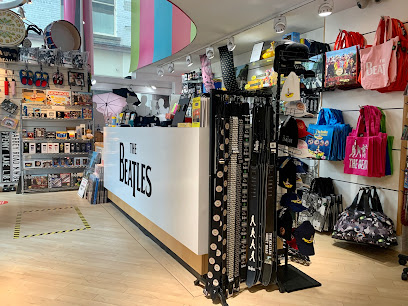
Hard Days Night Shop
0.5 km
Explore the heart of Beatles heritage with exclusive memorabilia and authentic merchandise at Liverpool’s iconic Hard Days Night Shop.
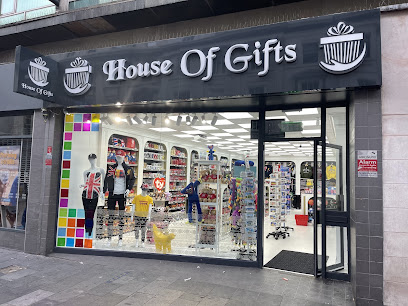
House Of Gifts
0.6 km
A fun-filled Liverpool novelty shop packed with souvenirs, local memorabilia, and quirky gifts for visitors and locals alike.
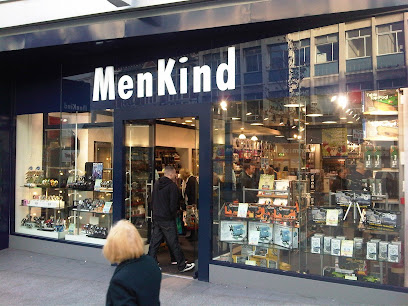
Menkind
0.6 km
Discover quirky gadgets and imaginative gifts for men and boys at Menkind Liverpool, your go-to spot for unique presents in the city centre.
Essential bars & hidden hideouts

Ex-Directory
0.4 km
Discover Liverpool’s hidden speakeasy with quirky charm, expertly crafted cocktails, and a vibrant atmosphere on Vernon Street.
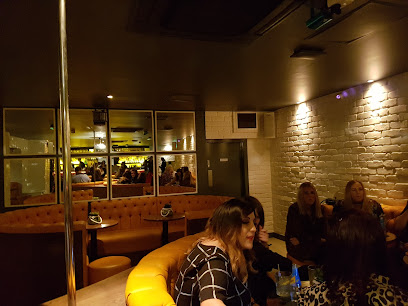
Rubber Soul
0.5 km
Experience Liverpool’s vibrant nightlife and Beatles heritage at Rubber Soul, a lively bar with three unique atmospheres and nightly live music.
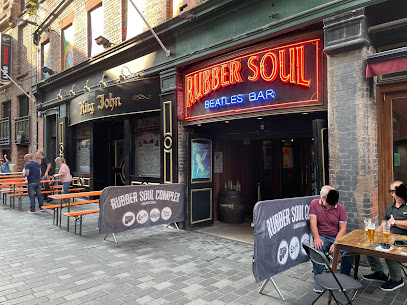
Brass Monkey
0.5 km
Liverpool's quirky cocktail haven on School Lane, blending inventive drinks, British bites, and lively vibes from midday to late-night revelry.
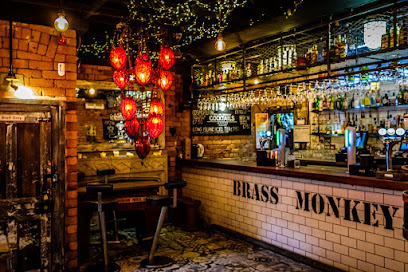
Present Company
0.5 km
Intimate Liverpool cocktail bar blending expert drinks, music culture, and warm hospitality in a stylish, relaxed setting.
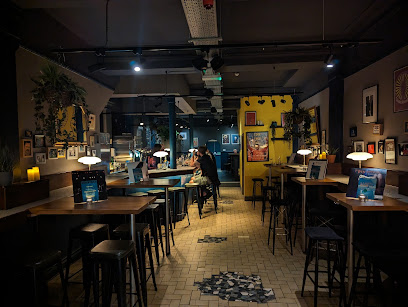
Slug & Lettuce - Liverpool
0.5 km
Liverpool's ultimate cocktail spot in a historic building—2-for-1 drinks, bottomless brunches, and three floors of festive vibes for groups and celebrations.
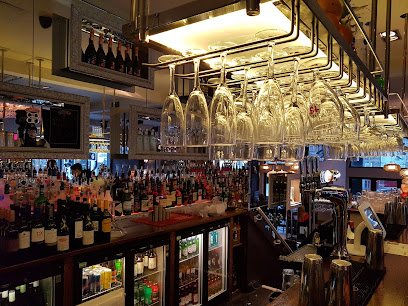
Motel Bar
0.6 km
A moody, music-first Fleet Street dive bar famous for band-backed karaoke and late-night crowds in Liverpool city centre.
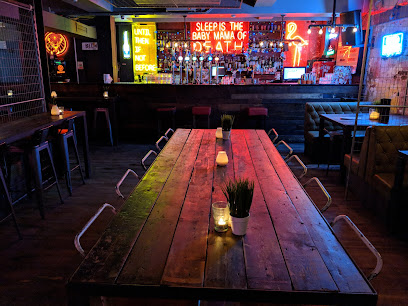
Soho Bar Liverpool
0.7 km
Liverpool's neon-charged party hub in Concert Square: cocktails by day, club beats by night, perfect for epic nights out.
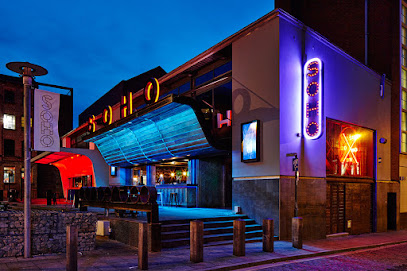
Be At One - Liverpool
0.7 km
Liverpool's cocktail epicenter: 100+ mixes, 2-for-1 happy hours, and masterclass shakes in a chic Seel Street hotspot.
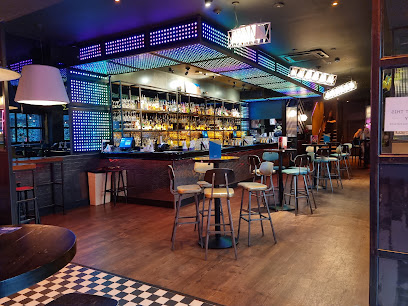
Kazimier Garden
0.7 km
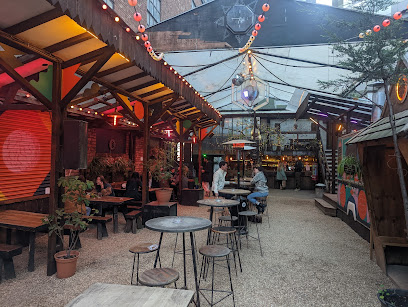
Liverpool's original garden bar: quirky outdoor oasis with craft brews, live gigs, and fairy-lit magic in the heart of Ropewalks.
The Lime Kiln - JD Wetherspoon
0.7 km
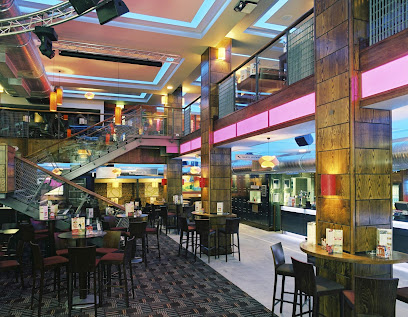
Affordable ales and hearty meals in a historic warehouse pub at the pulse of Liverpool's nightlife district—daytime calm meets evening energy.
The Alchemist Liverpool
0.7 km
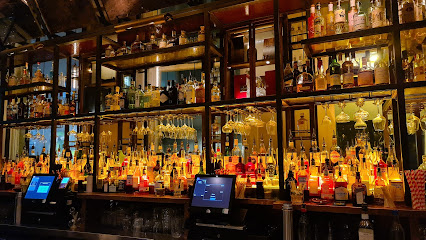
Experience Liverpool’s premier cocktail bar where molecular mixology meets bold flavors and vibrant city vibes.
The Slaughter House
0.7 km
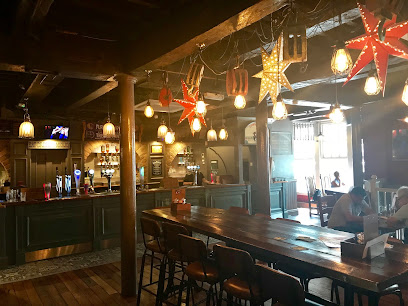
Historic Liverpool pub blending hearty gastropub fare with lively live music and comedy in a warm, rustic setting.
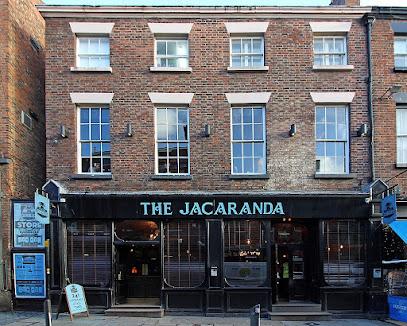
The Jacaranda
0.8 km
Iconic Liverpool music venue where The Beatles began, blending historic charm with vibrant live performances and a vinyl café.
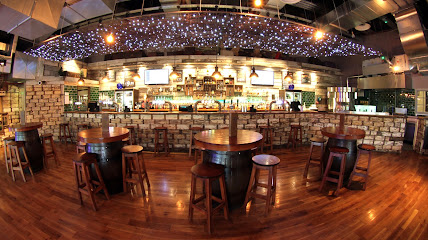
The Bierkeller Liverpool
0.8 km
Experience the ultimate Bavarian beer hall vibe in Liverpool with giant steins, live Oompah bands, and a lively party atmosphere.
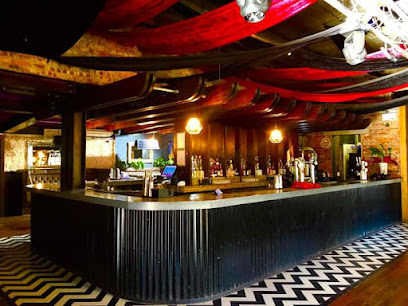
MOLOKO
0.8 km
A music-led cocktail bar in the Old Stables with a beer garden, late DJs and an over-25s disco energy for evening socialising.
Nightclubs & after hour spots

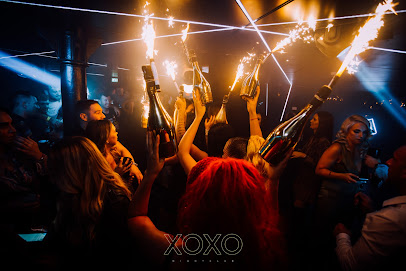
XOXO Nightclub Liverpool
0.4 km
Dive into Liverpool's electric basement beats at XOXO Nightclub, where diverse DJs and immersive vibes craft unforgettable weekends from 10pm till dawn.
Mansion Nightclub
0.4 km
Liverpool’s vibrant nightclub with the UK’s largest LED ceiling, laser shows, and a dynamic party atmosphere in the city centre.
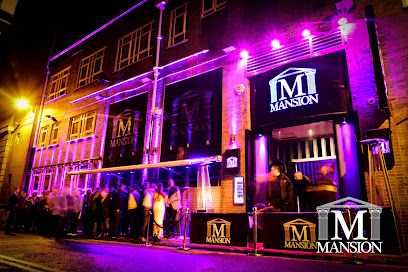
Flares - Liverpool
0.5 km
Experience Liverpool’s vibrant nightlife at Flares on Mathew Street, where great cocktails and unbeatable party vibes meet iconic music heritage.
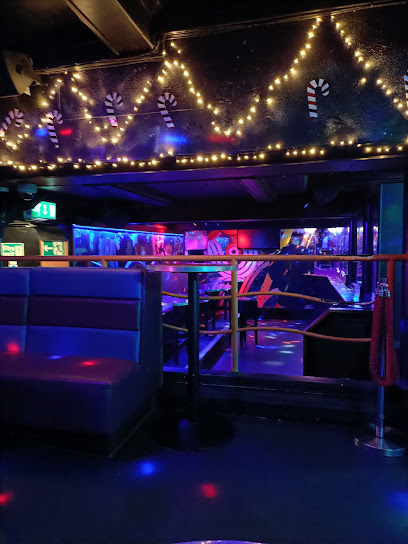
Mambo Club Liverpool
0.5 km
Experience Liverpool’s vibrant nightlife at Mambo Club, where electrifying music and lively crowds create unforgettable Saturday nights.
Elysium Nightclub
0.5 km
Experience Liverpool’s vibrant nightlife with dynamic DJ events and an energetic atmosphere at Elysium Nightclub, open late on weekends.
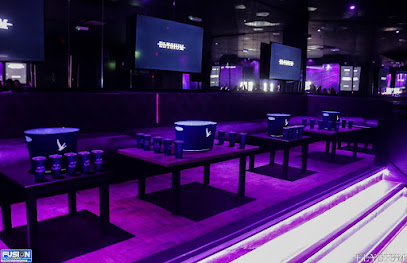
GBar Liverpool
0.5 km
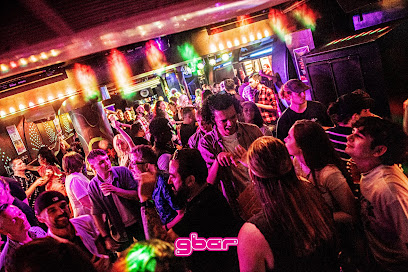
Liverpool's legendary late-night gay club: pop upstairs, bass downstairs, dancing till dawn on Eberle Street's vibrant strip.
Popworld - Liverpool
0.6 km
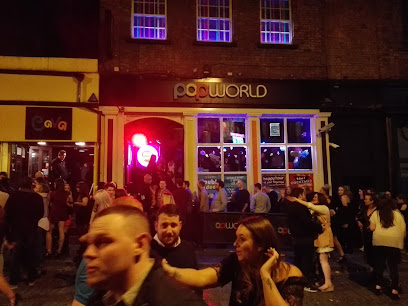
Liverpool's ultimate cheesy pop haven: 90s bangers, cheap drinks, and dance-'til-dawn vibes in the heart of Ropewalks.
ELECTRIK WAREHOUSE
0.6 km
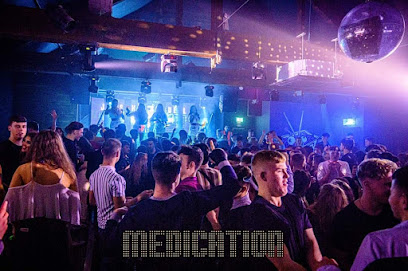
Liverpool's multi-floor warehouse nightclub: three dance floors of dance, RnB, indie, and chart hits in quirky industrial surrounds, open Thu-Sat till 4am.
Modo, Liverpool
0.7 km
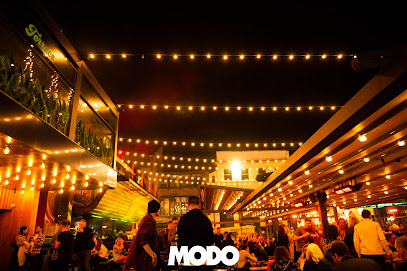
Liverpool's Concert Square legend: multi-room nightclub with cocktails, sports screens, heated terrace, and epic party spaces for every vibe.
LEVEL Nightclub Liverpool
0.7 km
Liverpool’s expansive multi-floor nightclub offering diverse music, VIP areas, and a buzzing party atmosphere in the heart of Ropewalks.
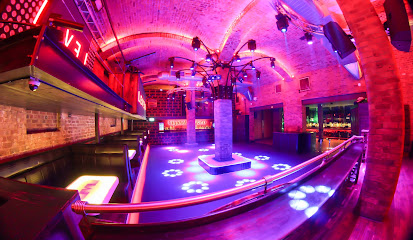
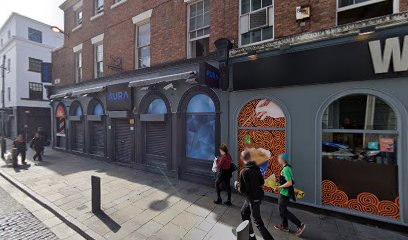
Aura
0.7 km
Dive into Liverpool's pulsating beats at Aura Nightclub, where Afrobeats and R&B fuel intimate, high-energy nights in Ropewalks' vibrant core.
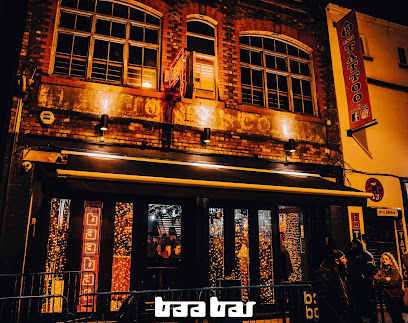
Baa Bar Liverpool
0.7 km
Two floors of house and R&B beats, £2 shooters, and courtyard vibes in Liverpool's nightlife epicenter—perfect for students and party-hoppers alike.
Ink Bar Liverpool
0.8 km
Liverpool's premier R&B and house nightclub, where stylish cocktails, thumping beats, and luxury vibes fuel unforgettable nights on Wood Street.
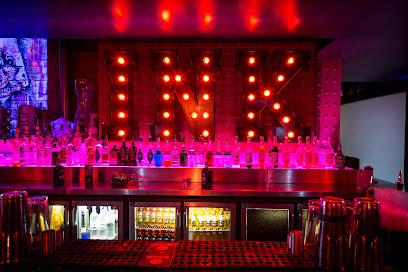
Pure Nightlounge
0.9 km
Liverpool’s boutique R&B nightspot with VIP booths, tight dancefloor energy and a late-night, fashion-forward vibe.
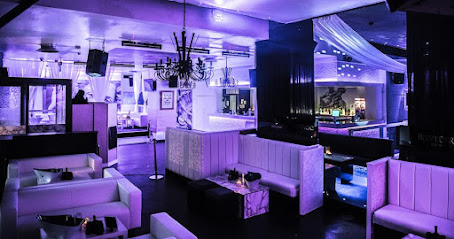
BrooklynMixer
0.9 km
Liverpool's original R&B haven on Seel Street: three floors of hip-hop beats, craft cocktails, leather lounges, and private party vibes from dusk till dawn.
For the vibe & atmosphere seeker
- Tranquil
- Reflective
- Solemn
- Unique
- Spiritual / Energy Spot
For the design and aesthetic lover
- Modern Designs
- Minimalist Designs
For the architecture buff
- Modern
- Sacred Sites
- Landmarks
For the view chaser and sunset hunter
- Iconic Views
For the social media creator & influencer
- Instagrammable
- Photo Spots
- Architectural Shots
For the eco-conscious traveler
- Public-Transport Accessible
- Car-Free Access
For the kind of experience you’re after
- Mindfulness
- Meditation Spot
- Spiritual / Energy Spot
- Cultural Heritage
- Day Trip
For how adventurous you want the journey to be
- Easy Access
Location Audience
- Family Friendly
- Senior Friendly
- Wheelchair Access
- Solo Friendly
- Couple Friendly
- Solo Female Friendly


