Piazza Fountain, Lancashire Travel Guide
A dynamic 1960s kinetic water sculpture in Liverpool’s historic Goree Piazza, blending art, history, and community spirit.
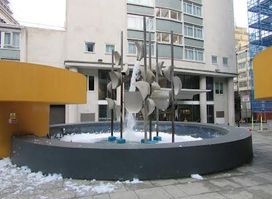
The Piazza Fountain, located in Liverpool’s Beetham Plaza, is a unique kinetic water sculpture designed by Richard Huws in the 1960s. Featuring randomly filling and emptying buckets that create dynamic water sounds, it commemorates the historic Goree Piazza and the area's connection to Liverpool’s maritime and abolitionist past. This Grade II listed fountain is a celebrated example of public art and a symbol of Liverpool’s bold 1960s architectural heritage.
A brief summary to Piazza Fountain
- Liverpool, Liverpool, GB
- Click to display
- Duration: 0.5 to 1.5 hours
- Free
-
 Outdoor
- Mobile reception: 4 out of 5

Know before you go
Hi, I'm Eve. Here are a few practical things to know before exploring Piazza Fountain.
- Visit the viewing platforms to fully appreciate the fountain’s water movement and sound effects.
- Explore the commemorative plaque to learn about the Goree Piazza’s historical connection to Liverpool’s maritime and abolitionist past.
- Combine your visit with nearby Liverpool landmarks such as the Royal Albert Dock and the Pier Head for a full cultural experience.
- Check restoration updates or local events that sometimes take place around the fountain to enhance your visit.
Do you manage this location?
Take control to get all the benefits, like improved information, better appearance, and stronger visibility across AI-powered discovery. Learn more about listing your business on Evendo
Activate your presenceOther nearby places you may find interesting
The closest places of the same kind, if this one is not quite what you had in mind.
Explore Piazza Fountain on the Map
A handpicked selection of must-see spots near Piazza Fountain, mapped for you.
Unlock the Best of Piazza Fountain
Buy tickets
-
No tickets available
Book tours with entry

Book tours without entry

Getting There
-
Public Transport
Take Liverpool’s Merseyrail to James Street Station, approximately 10 minutes walk from Beetham Plaza. Frequent trains run every 10-15 minutes from Liverpool Lime Street. Tickets cost around £3-£5 GBP.
-
Bus
Several city buses serve routes stopping near Beetham Plaza, including numbers 10 and 26. Travel time from Liverpool city centre is about 15-20 minutes. Single fares cost approximately £2-£3 GBP.
-
Taxi or Rideshare
A taxi ride from Liverpool Lime Street Station to Beetham Plaza typically takes 5-10 minutes, costing around £6-£10 GBP depending on traffic.
-
Walking
From Liverpool city centre, a pleasant 20-25 minute walk along the waterfront and through historic streets leads to Beetham Plaza. Terrain is flat and accessible for most visitors.
For the on-the-go comforts that matter to you
-
 Seating Areas
-
 Information Boards
-
 Trash Bins
Discover more about Piazza Fountain
Origins Rooted in Liverpool’s Maritime Heritage
The Piazza Fountain stands on Beetham Plaza, formerly known as Goree Piazza, a site deeply intertwined with Liverpool’s maritime history. The original Goree Piazza was named after the island of Gorée off the coast of Senegal, a significant location in the transatlantic slave trade. The area once housed two arcaded warehouses named after Goree, which were destroyed by fire in 1822 and later bombed during World War II. The fountain’s location and commemorative plaque pay homage to this complex history, acknowledging Liverpool’s role in maritime trade and abolitionist movements, including the nearby Wilberforce House named after the famed abolitionist.A Masterpiece of Kinetic Public Art
Designed by Welsh sculptor Richard Huws and commissioned by the Merseyside Civic Society, the fountain was completed in 1967. It is one of only two known 'bucket' fountains worldwide, the other being in Wellington, New Zealand. The sculpture features a series of buckets that randomly fill and tip water, producing a variety of sounds and visual effects. This kinetic element makes the fountain a dynamic and engaging piece of public art, celebrated for its engineering ingenuity and artistic expression. It is the last surviving public fountain by Huws and holds national significance as an iconic 1960s sculpture.Architectural and Cultural Significance
The fountain is integrated into the first purpose-built open city square completed under Liverpool’s 1965 Shankland Plan. Its design exploits the plaza’s changing levels and limited sunlight, creating an interactive environment with viewing platforms that offer unique perspectives of the fountain’s water and sound performance. Recognized as Grade II listed in 2019, the fountain is protected for its outstanding architectural and cultural value. It embodies Liverpool’s ambitious public art heritage and reflects the city’s mid-20th-century urban regeneration efforts.Community Connection and Preservation Efforts
Despite periods of neglect and threats of removal, the fountain remains a beloved landmark for residents and visitors alike. A strong community campaign successfully secured its listed status and has driven ongoing restoration efforts. The fountain inspires local pride and cultural identity, symbolizing Liverpool’s resilience and creative spirit. It also serves as a site of reflection on the city’s historical ties to the transatlantic slave trade, fostering awareness through its commemorative elements.Experiencing the Fountain Today
Visitors to Beetham Plaza can enjoy the lively atmosphere created by the fountain’s cascading water and the sounds of tipping buckets. The plaza’s open design invites leisurely exploration, with seating and viewing areas that encourage engagement with the sculpture’s playful water choreography. The fountain’s presence enriches Liverpool’s urban landscape, offering a tranquil yet stimulating environment amidst the city’s vibrant cultural scene.Legacy and Artistic Influence
The Piazza Fountain has influenced local culture, inspiring musical works and community events since its installation. It stands as a testament to innovative public art and the power of urban design to connect history, environment, and community. As Liverpool continues to evolve, the fountain remains a cherished emblem of its mid-century artistic ambition and historical consciousness.












Your all‑in‑one travel companion app
Explore expert travel guides, compare and book tours, experiences, hotels, and more—all from the palm of your hand. Download now for seamless trip planning wherever your wanderlust takes you.


Explore More of Lancashire
Looking beyond Piazza Fountain? Discover Lancashire for broader travel guides, local hot-spots, and regional highlights.
Explore Lancashire