
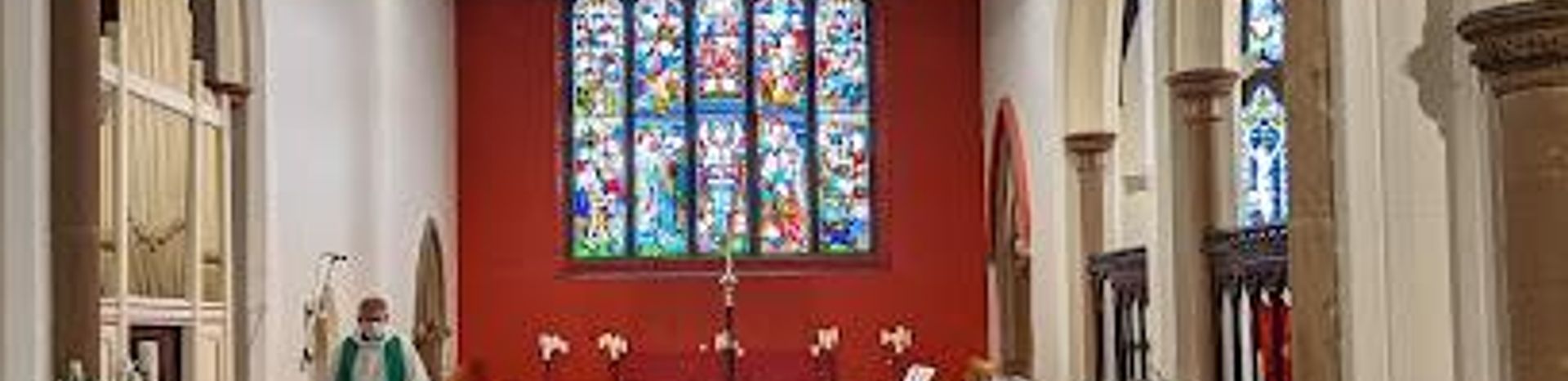
St Clement's Parish Church, Chorlton-cum-Hardy
A Victorian Gothic Revival church in Chorlton-cum-Hardy with a 500-year history, Grade II listed architecture, and a vibrant community ministry.
St Clement's Parish Church in Chorlton-cum-Hardy is a Grade II listed Victorian Gothic Revival church with a history stretching back to the 16th century. Built in 1866 and consecrated in 1896, it stands as an active Anglican parish church with a rich interior, including a striking mosaic scheme. The church grounds include a historic graveyard and a youth centre, serving both spiritual and community needs in south Manchester.
A brief summary to St Clement's Parish Church
- St Clements Parish Church, Youth Centre, Edge Ln, Manchester, Chorlton-cum-Hardy, M21 9AE, GB
- +441618813063
- Visit website
- Duration: 0.5 to 1.5 hours
- Free
-
 Mixed
Mixed
- Mobile reception: 4 out of 5
Local tips
- Check the church’s website or contact them directly to confirm opening times for visits outside of services, as access can vary.
- Take time to examine the interior mosaics and architectural details; they are among the church’s most distinctive features.
- Combine your visit with a walk to the old chapel site on Chorlton Green to appreciate the full historical context of the parish.

For the on-the-go comforts that matter to you
- Restrooms
- Seating Areas
- Information Boards
Getting There
-
Public Transport
From Manchester city centre, take a bus towards Chorlton or Didsbury; several routes serve Edge Lane near the church. The journey typically takes 20–30 minutes depending on traffic and exact starting point.
-
Walking
From Chorlton Green, it’s about a 10–15 minute walk south along Edge Lane to reach the church. The route is flat and on pavements, suitable for most walkers.
-
Car
Limited on-street parking is available on Edge Lane and surrounding residential streets; spaces can be tight, especially during services or events. The church is not in a major car park zone, so plan for local residential parking rules.
St Clement's Parish Church location weather suitability
-
 Any Weather
-
 Rain / Wet Weather
-
 Mild Temperatures
Discover more about St Clement's Parish Church
A Living Legacy in Stone
St Clement's Parish Church in Chorlton-cum-Hardy is more than a place of worship; it is a living thread in the fabric of Manchester’s local history. The story of Christian worship here begins in the early 16th century, when Chorlton’s residents first built a chapel of ease on Chorlton Green, freeing them from the long journey to Manchester’s parish church. That original chapel, dedicated to St Clement, was replaced in brick in the late 18th century, and by 1839 it had become a full parish church. As Chorlton grew in the Victorian era, a larger, more permanent church was needed, leading to the construction of the current building on Edge Lane. The present church opened for worship in 1866, though it was not formally consecrated until 1896, reflecting the complex social and ecclesiastical debates of the time. Designed in the Decorated Gothic style by architects Pennington & Bridgen, the church’s tall spire and pointed arches are classic hallmarks of Victorian Gothic Revival architecture. Its Grade II listing recognises both its architectural quality and its significance as a long-standing parish church in a changing urban landscape.Architecture and Interior Details
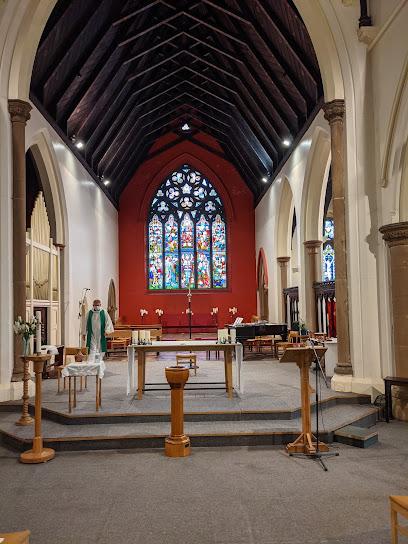
The exterior of St Clement’s is a dignified example of mid-Victorian ecclesiastical design, with a cruciform plan enhanced by later additions: the north transept in 1883, the Lady Chapel in 1895, and the south transept in 1896. The interior is notable for its high-quality fittings and decoration, including an impressive mosaic scheme created by Eric Newton of Ludwig Oppenheimer Ltd, a firm renowned for ecclesiastical mosaics. These mosaics add colour and spiritual focus to the chancel and other key areas, contrasting with the warm tones of the stone and woodwork. In 1976, the church underwent a significant reordering: the sanctuary was moved to the west end, reversing the traditional eastward orientation. This change allowed part of the nave to be converted into two large halls and smaller meeting rooms, adapting the building for modern community use while preserving its sacred character. The result is a flexible space that balances liturgical tradition with practical needs for gatherings, meetings, and youth activities.Community and Ongoing Ministry
Today, St Clement’s remains an active Anglican parish church, serving the local community with regular services, baptisms, weddings, and funerals. Its role extends beyond Sunday worship: the church hosts a youth centre on its grounds, providing a safe and supportive environment for young people. This dual function – as both a historic place of worship and a hub for community life – gives the site a warm, inclusive atmosphere. The churchyard, though no longer used for new burials, preserves centuries of local history in its gravestones and memorials. The old chapel site on Chorlton Green, now marked and archaeologically investigated, reminds visitors that this is a place where generations have gathered for solace, celebration, and remembrance. St Clement’s continues to mark major life events and seasonal festivals, anchoring the community in both faith and shared tradition.Visiting the Church Today
Visitors to St Clement’s will find a welcoming, well-maintained church in a quiet residential area of south Manchester. The building’s Gothic Revival architecture, with its pointed windows, stone tracery, and tall spire, makes it a distinctive local landmark. Inside, the mosaics and reordered layout invite quiet reflection, while the converted nave spaces speak to the church’s ongoing commitment to community engagement. The church is open for services and often for private prayer or quiet visits, though opening hours can vary. Its location near Chorlton Green and the Barlow Moor estate makes it easily accessible on foot or by local transport. Whether drawn by history, architecture, or the desire for a peaceful moment in a busy city, visitors to St Clement’s encounter a place where centuries of worship and community life quietly continue.Iconic landmarks you can’t miss

St Clement's Parish Church
0.0 km
Victorian Gothic masterpiece with five centuries of spiritual heritage in Chorlton-cum-Hardy.
Stretford Weir
1.3 km
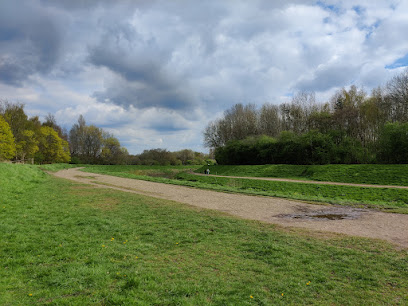
Historic riverside weir on the Mersey offering scenic walks, flood management insight, and a peaceful nature escape near Manchester.
5 Sir Matt Busby Way
2.4 km
Old Trafford, the legendary Theatre of Dreams, is Manchester United’s iconic home since 1910, blending rich football history with modern innovation.
Sky Hook Statue 1
2.7 km
Towering steel sculptures marking Trafford Park’s industrial heritage with humor and monumental design.
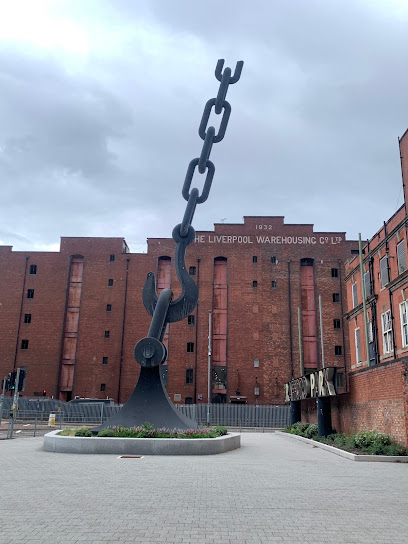
LS Lowry birthplace
2.7 km
Discover the humble origins of LS Lowry, the iconic painter of industrial Manchester, at his birthplace in Old Trafford.
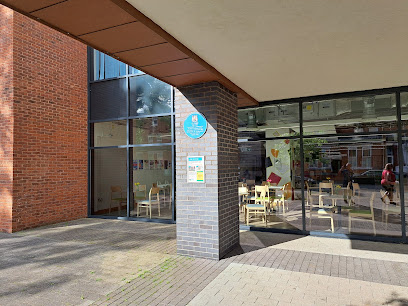
Salford Lads Club
4.1 km
A Victorian youth sanctuary where music history, social purpose, and community spirit converge.
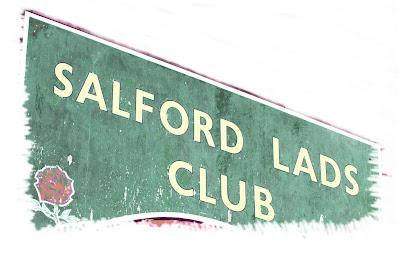
Rochdale Canal Lock 92
4.2 km
Final lock on the historic Rochdale Canal, linking Manchester’s waterways and embodying two centuries of industrial heritage.
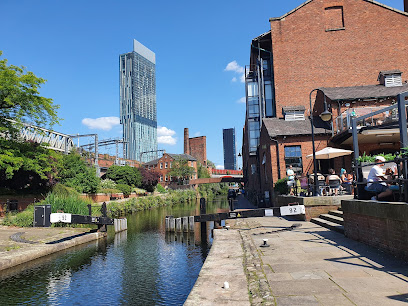
Castlefield historical zone
4.2 km
Explore Castlefield, Manchester’s vibrant urban heritage park where Roman ruins meet industrial canals and lively cultural scenes converge.
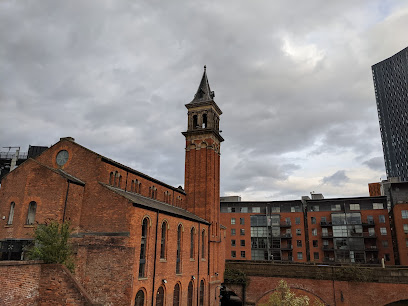
Remains of eastern wall of the Roman fort
4.3 km
Explore the evocative remains of Mamucium’s eastern wall, a cornerstone of Manchester’s Roman heritage and ancient military might.
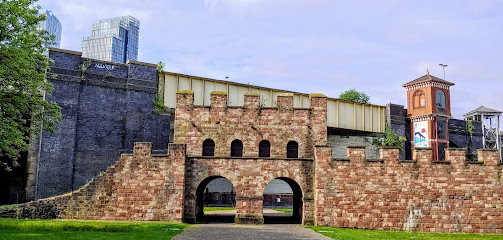
The Old Quadrangle
4.3 km
Victorian Gothic grandeur where academic tradition meets architectural magnificence in Manchester's heart.
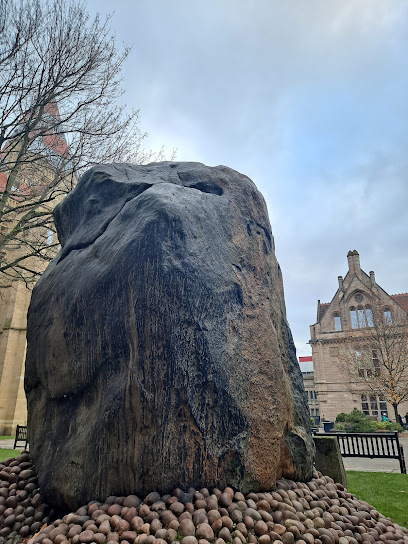
Reconstruction of Mamucium Roman Fort Wall
4.3 km
Explore Manchester’s Roman roots at Mamucium, a reconstructed fort showcasing ancient military might and early urban life.
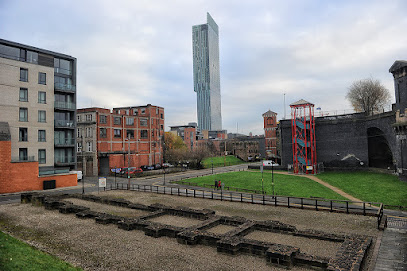
Roman Gardens
4.3 km
Discover Manchester’s Roman past through tranquil gardens featuring reconstructed fortifications and ancient pathways in the heart of Castlefield.
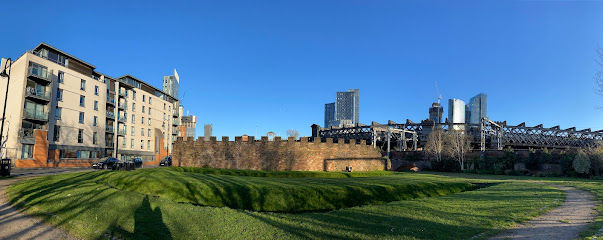
The Queen's Arch
4.3 km
The Queen's Arch: Manchester’s iconic Gothic gateway to a rich academic and architectural heritage on Oxford Road.
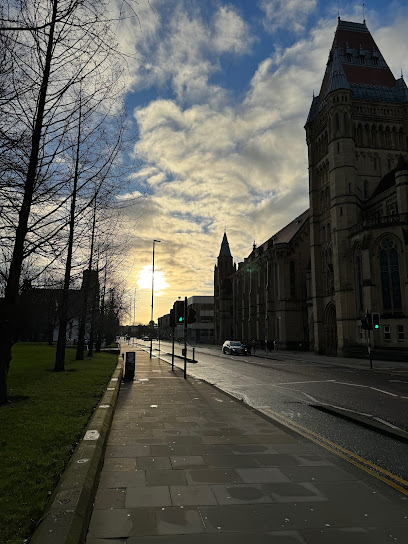
Friedrich Engels Statue
4.4 km
A bold Soviet-era statue honoring Friedrich Engels stands proudly in Manchester, bridging industrial history with modern radical spirit.
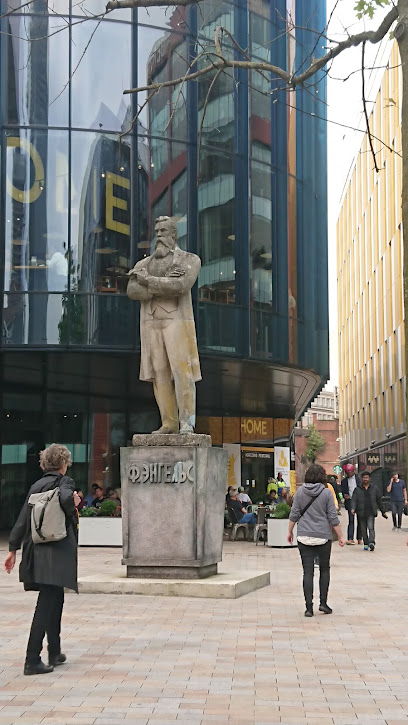
Bahnhof Manchester
4.4 km
Manchester Piccadilly Station – Historic gateway and bustling hub connecting Manchester to the UK and beyond.
Unmissable attractions to see

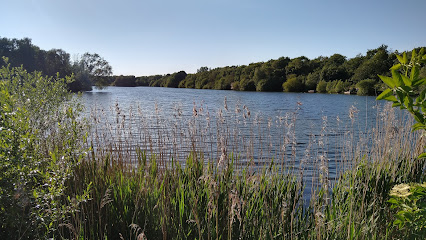
Chorlton Water Park
2.1 km
A peaceful 170-acre nature reserve in Manchester featuring a central lake, woodlands, playground, and accessible trails for family-friendly outdoor enjoyment.
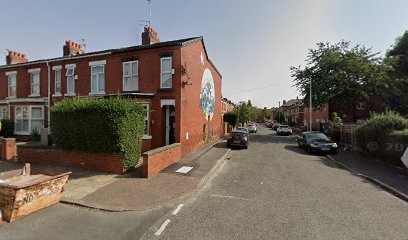
A Better Tomorrow - Together We Stand Mural
2.3 km
A vibrant mural in Old Trafford celebrating unity, hope, and community strength through bold street art.
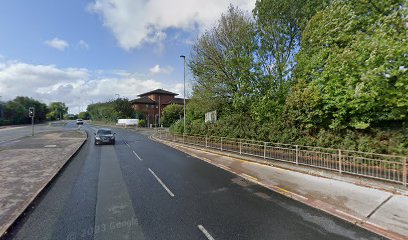
The Quays Practice
2.5 km
A trusted community medical practice offering comprehensive healthcare services in Salford’s vibrant Lowry complex.
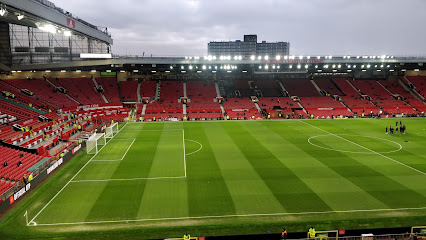
Old Trafford
2.5 km
Explore Old Trafford, the iconic 'Theatre of Dreams' and largest football club stadium in the UK, home to Manchester United's legendary legacy.
Manchester United
2.5 km
Experience the legendary 'Theatre of Dreams,' home to Manchester United since 1910, where football history and passion come alive.
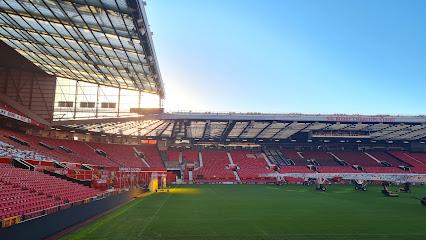
Manchester United Museum & Stadium Tour
2.7 km
Step inside Old Trafford to explore Manchester United’s legendary museum and stadium in an immersive football journey.
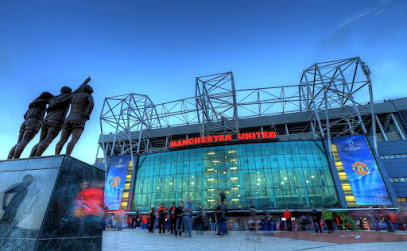
Open Mural
2.7 km
Explore the Open Mural in Old Trafford, Manchester – an artistic gem showcasing vibrant local creativity and culture in a stunning outdoor setting.
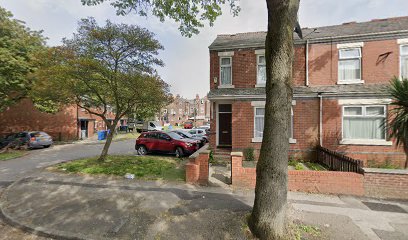
Gnome Island
2.9 km
Discover the enchanting miniature world of Gnome Island, a playful gnome colony perched on a historic concrete island in Salford Quays.
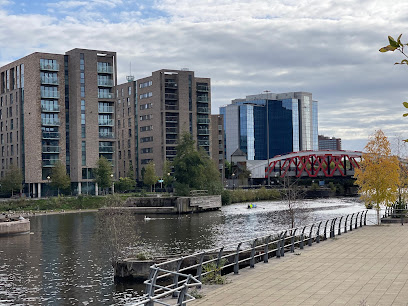
The Journey Mural
2.9 km
Explore the Journey Mural in Manchester, a vibrant public artwork that celebrates the rich cultural tapestry of the community.
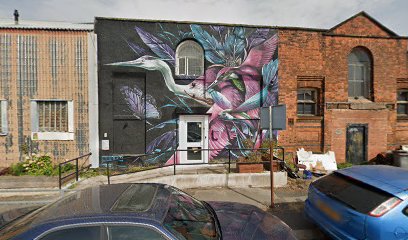
Fortitude Mural
3.0 km
A vibrant mural in Old Trafford symbolizing Manchester’s enduring spirit, unity, and rich industrial heritage.
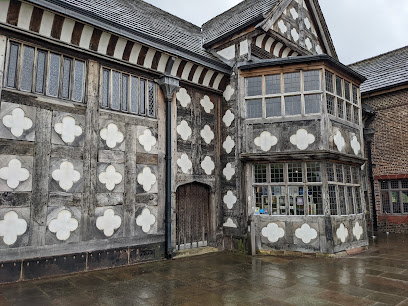
Ordsall Hall
3.2 km
Discover Ordsall Hall, a stunning Tudor manor in Salford where history, architecture, and culture come alive in a captivating urban oasis.
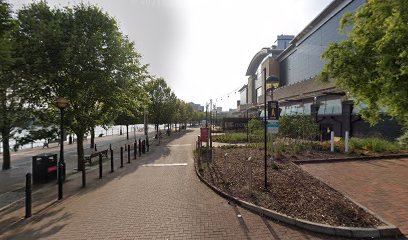
Salford Riviera
3.3 km
Salford Riviera: Where historic docks meet vibrant culture and scenic waterfront living in the heart of Salford Quays.
Salford Quays Community Gardens
3.4 km
A peaceful community-driven garden oasis offering seasonal beauty and sustainable urban gardening in the heart of Salford Quays.
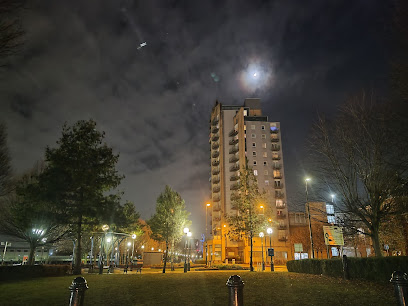
Salford Watersports Centre
3.4 km
Urban watersports hub offering paddleboarding, kayaking, and year-round open water swimming on Salford Quays.
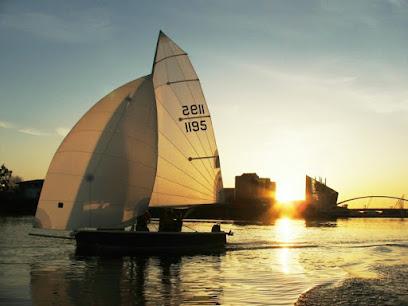
IWM North
3.4 km
Discover powerful stories of war and peace in Manchester’s iconic deconstructivist museum overlooking the Ship Canal.

Essential places to dine

Turtle Bay Salford Quays
3.4 km
Escape to Caribbean flavors and reggae beats at Salford Quays' vibrant jerk pit and cocktail haven, moments from MediaCityUK.
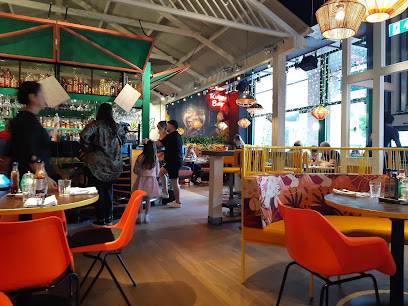
Bella Italia - Salford Quays
3.4 km
Casual Italian dining with diverse menu options in Manchester’s vibrant Salford Quays waterfront setting.
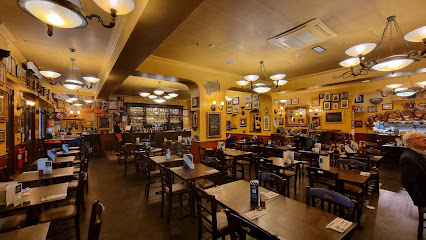
Quay House Beefeater
3.4 km
Classic British steakhouse and family-friendly pub offering scenic waterside dining with a cosy, modern atmosphere in Salford Quays.
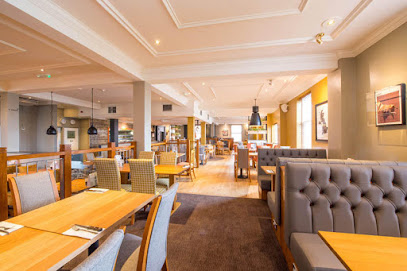
Harvester Quayside Mediacityuk
3.4 km
Flame-grilled favorites and endless fresh salads on Salford Quays, where family dining meets MediaCityUK's creative buzz.
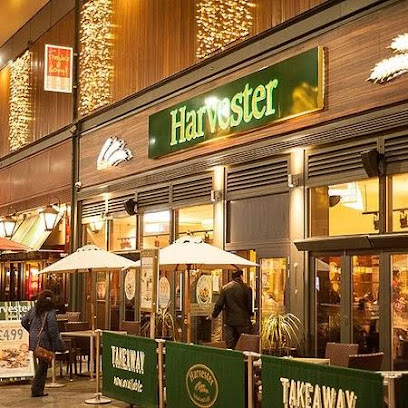
Unagi
3.4 km
Experience the North West’s largest sushi bar with vibrant pan-Asian street food, crafted cocktails, and a lively atmosphere at MediaCityUK’s Unagi.
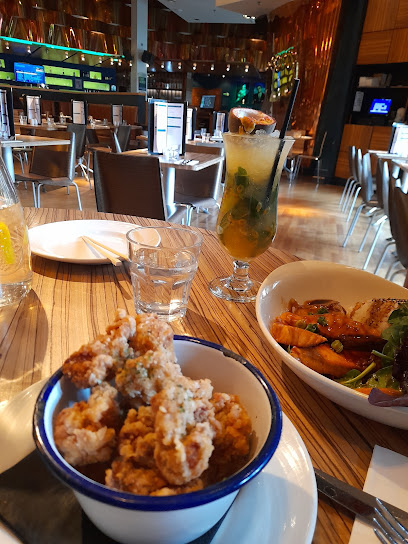
Lime
3.5 km
Savor grilled delights and Asian fusion by Salford Quays' waterfront, where relaxed lunches flow into lively nights in a spacious, vibrant venue.
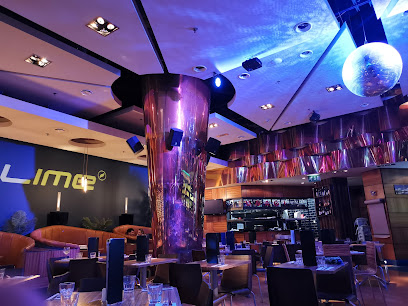
Nando's Salford Quays
3.5 km
Savor flame-grilled PERi-PERi chicken in a lively, accessible setting at Nando's Salford Quays, where Portuguese and South African flavors meet Manchester’s vibrant quayside.
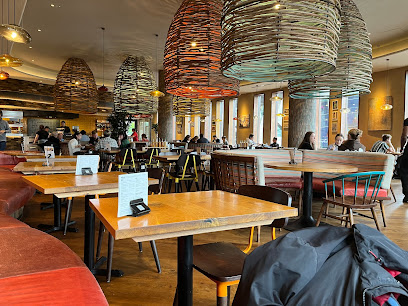
The Alchemist MediaCity UK
3.5 km
Experience innovative cocktails and global cuisine in a striking futuristic setting overlooking Salford’s historic quays at MediaCity UK.
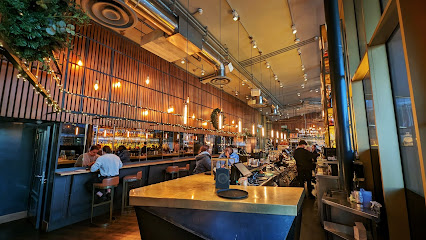
The Botanist Media City
3.7 km
A botanical-themed restaurant and bar in MediaCityUK offering creative cocktails, hanging kebabs, live music, and striking Salford Quays views.
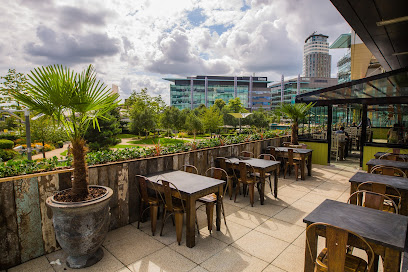
The Banyan Tree
3.8 km
Bohemian bistro in Castlefield serving fusion bites, brunch, cocktails, and live events amid murals and canal vibes—Manchester's go-to for eclectic dining.
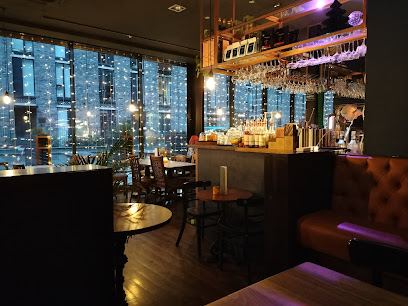
Dukes 92
4.2 km
A vibrant Manchester hotspot blending generous dining, lively music, and versatile event spaces in a stylish city centre setting.
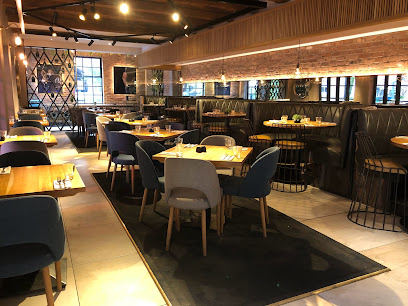
Albert's Shed Restaurant Manchester
4.2 km
Modern European dining with generous portions and lively canal-side ambiance in Manchester’s historic Castlefield district.
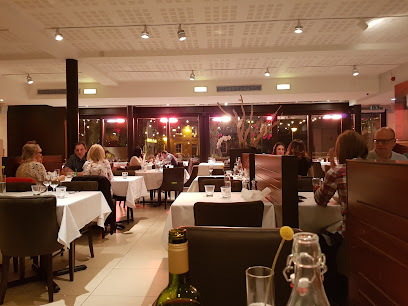
Dom's Italia
4.3 km
Experience authentic Italian flavors and warm hospitality in the heart of Manchester at Dom's Italia, where tradition meets vibrant city dining.
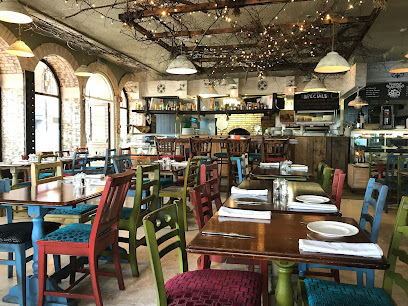
No 4 Dine & Wine
4.3 km
Intimate modern European dining in Didsbury with seasonal menus, expert service, and genuine warmth.
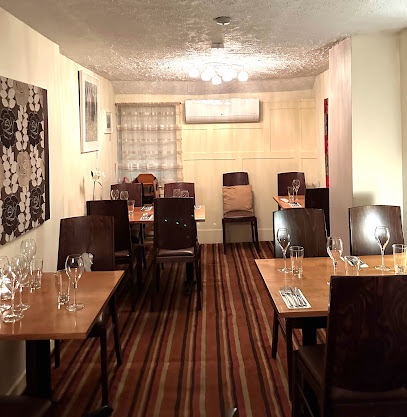
WOOD Manchester by Simon Wood
4.4 km
Experience Simon Wood’s innovative fine dining and artisan pairings in a stylish yet relaxed Manchester setting.
Markets, malls and hidden boutiques

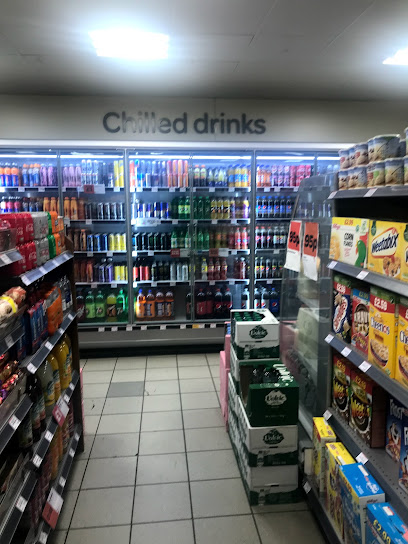
SPAR Salford Quays
3.1 km
Small, practical 24-hour convenience store on Trafford Road serving Salford Quays visitors, residents and shift workers.
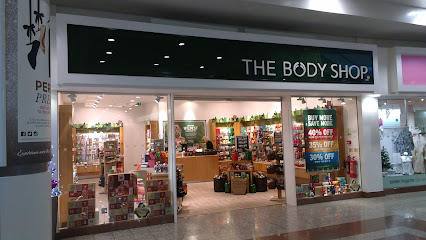
The Body Shop
3.3 km
Compact MediaCityUK branch of The Body Shop with core cruelty‑free ranges, seasonal gifts and refill options on the Salford Quays Quayside.
Flock and Gaggle
3.4 km
Discover handcrafted gifts and local artistry in MediaCity UK's creative gem, where independent makers shine amid Salford's quayside buzz.

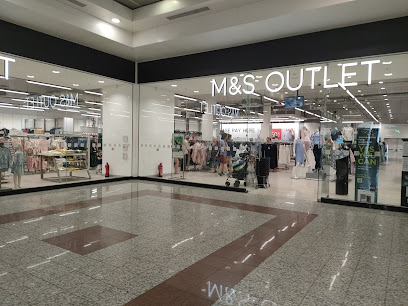
M&S Outlet
3.4 km
Bargain-hunting haven in Salford Quays: M&S discounted fashion, homeware, and beauty amid MediaCityUK's creative buzz.
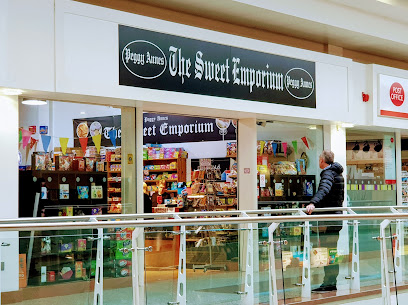
The Sweet Emporium
3.4 km
Discover UK's vastest sweet collection at The Sweet Emporium in MediaCityUK—a family-run paradise of nostalgic candies, retro treats, and global confections that sparks joy for every sweet tooth.
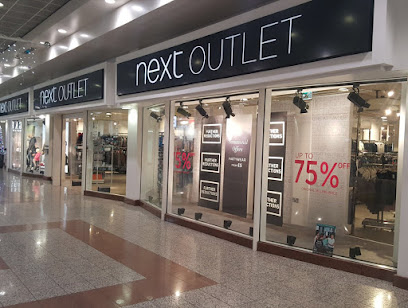
Next Outlet
3.4 km
Discounted designer fashion, homewares and shoes in Salford Quays' bustling MediaCityUK hub – style-savvy shopping with premium brands at outlet prices.
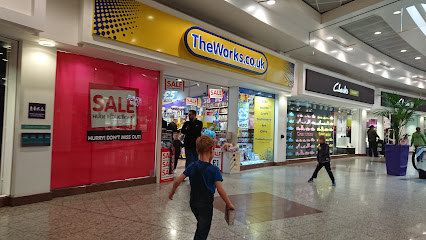
The Works
3.5 km
Unleash creativity at unbeatable prices: books, crafts, toys and more in Salford Quays' discount haven.
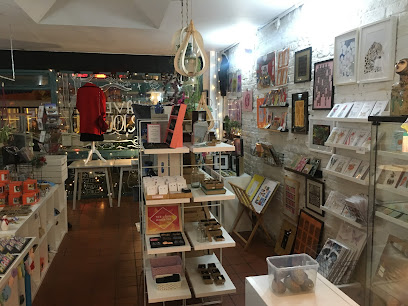
A Curious Collection
3.8 km
Discover Withington’s charming boutique gift shop offering unique, locally crafted treasures that celebrate Manchester’s creative spirit.
INFINITE RUNNING
4.1 km
Elevate your run with Infinite Running's premium gear: sleek half tights, breathable singlets, and weather-ready layers for Manchester's relentless athletes.
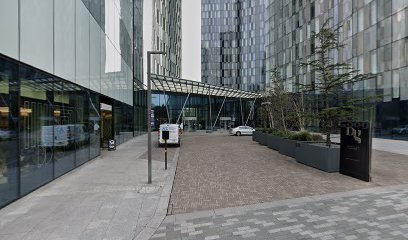
ItsFetch
4.1 km
Unleash your fashion potential at ItsFetch, a stylish accessories shop in Manchester, featuring unique pieces for every trendsetter.
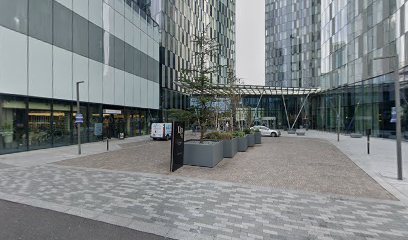
Deansgate Square General Store
4.1 km
Futuristic cornershop at Deansgate Square's base: craft coffee, local brews, zero-waste refills, and artisanal bites amid Manchester's iconic towers.
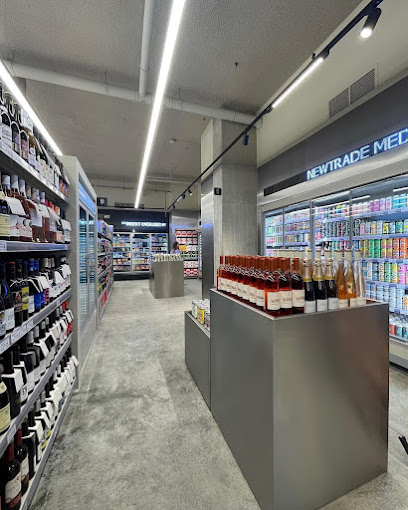
Curvilicious Clothing
4.1 km
Empowering plus-size style in Manchester's beating heart: Curvilicious Clothing celebrates curves with trendy, authentic fashion on Owen Street.
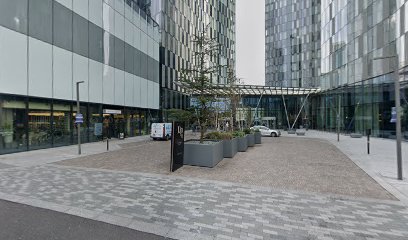
Branded Like A Boss
4.1 km
Discover Manchester's spirited souvenirs and artisan crafts at this vibrant Owen Street gift shop, blending trendy flair with local soul.

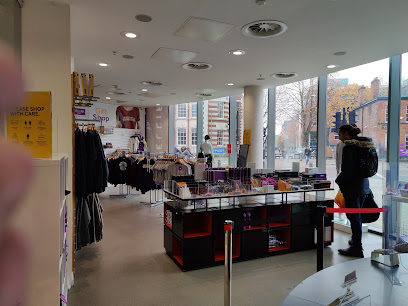
The University of Manchester Gift Shop
4.4 km
Official University of Manchester merchandise and unique gifts in a welcoming campus shop on Oxford Road.
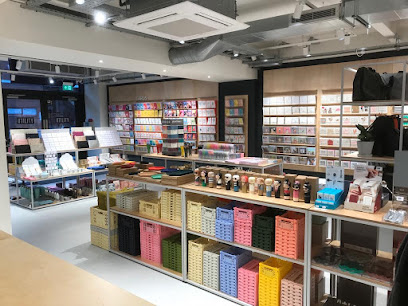
Utility Gift Store
4.4 km
Discover quirky, trendy, and unique gifts at Utility Gift Store, Manchester’s independent boutique for stylish presents and creative designs.
Essential bars & hidden hideouts

Matchstick Man
3.2 km
Waterside, budget-friendly pub serving hearty classics and live sport in a modern, family-friendly setting at Salford Quays.
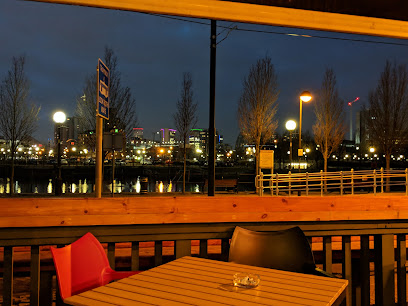
11 Central
3.3 km
Riverside bar in MediaCityUK serving craft brews and bites amid Salford's creative quayside energy—ideal for relaxed evenings with canal views.
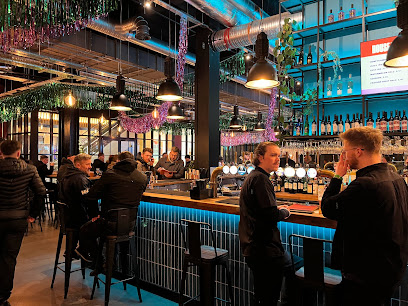
Craftbrew
3.5 km
Salford Quays' craft beer haven: artisan brews, tapas, and coffee in industrial-chic style, from dawn brunch to midnight pours.
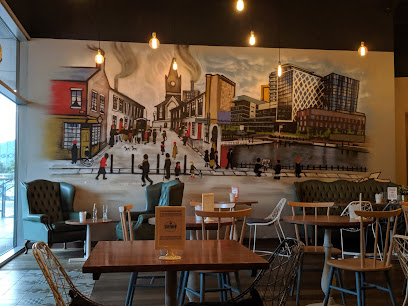
SEVEN BRO7HERS BEERHOUSE Media City
3.7 km
Craft beer haven in MediaCityUK: house-brewed IPAs, pizzas, and lively vibes await at Seven Bro7hers' Salford outpost, perfect for post-work pints or casual hangs.
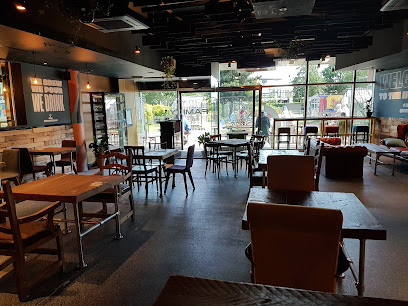
The Dockyard
3.7 km
Rugged dockside pub in MediaCityUK: cask ales, hearty pies, and industrial charm for after-work vibes and Quays camaraderie.
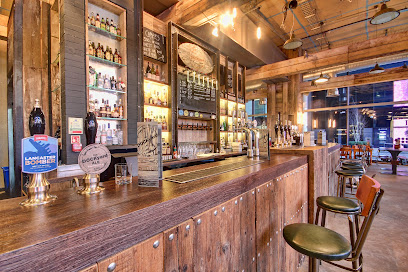
Reflexion Lounge Manchester Shisha
3.7 km
Luxury glass-fronted shisha lounge on Salford Quays, blending waterfront views, flavorful hookahs, Moroccan teas, and plush VIP vibes for unforgettable evenings.
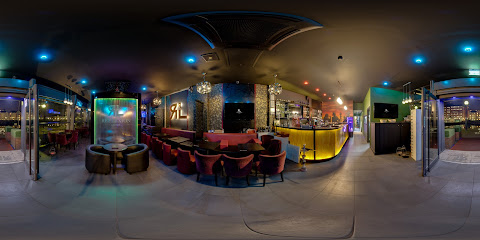
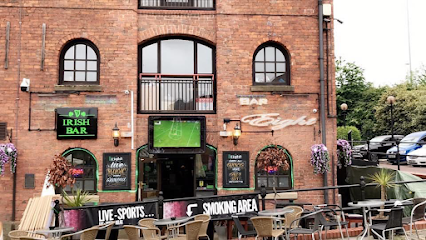
Bar Eight
4.0 km
Lively Irish pub on Manchester's Castle Quay, blending sports screens, hearty grub, and canalside cheer for unforgettable nights out.
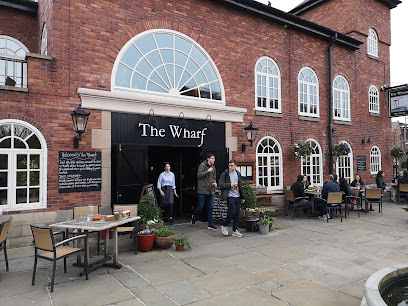
The Wharf
4.1 km
Cosy canalside pub in Manchester's Castlefield, where real fires, craft ales, hearty roasts, and patio views create an unmissable waterside retreat for all.
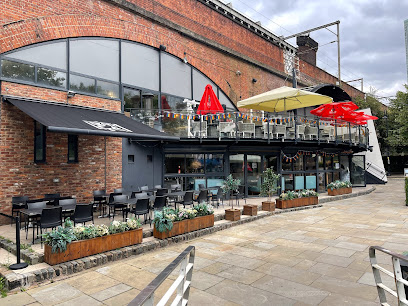
Barça - Canal-side Bar, Castlefield - Manchester
4.2 km
Canal terraces, stylish drinks, and Castlefield vibes—Manchester's waterside bar for every occasion.
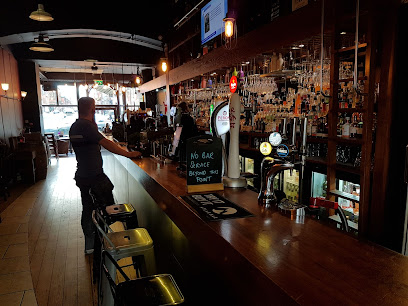
Atlas Bar
4.3 km
Discover Manchester’s iconic gin bar with 570+ gins, award-winning service, and a year-round heated terrace in the heart of Deansgate.
Lock 91
4.4 km
Historic charm meets inventive cocktails in Manchester’s vibrant Lock 91, a versatile bar and events venue beneath the city’s Metrolink station.
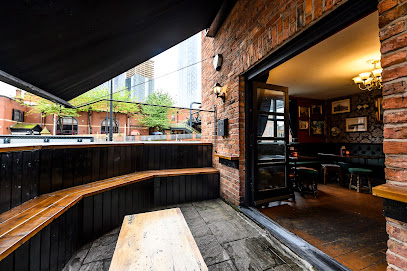
The Deansgate
4.4 km
Historic Deansgate pub revived with cask ales, hearty eats, rooftop terraces, and Manchester buzz—perfect pit stop since the 18th century.
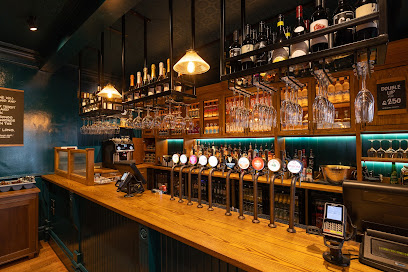
cask
4.4 km
Authentic Manchester pub pouring cask ales amid Castlefield's historic canals and warehouses—timeless brews in a revolutionary setting.
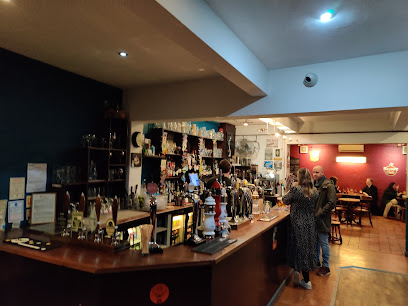
Cloud 23
4.5 km
Experience Manchester’s skyline from the stylish 23rd-floor cocktail bar with innovative drinks and panoramic city views.
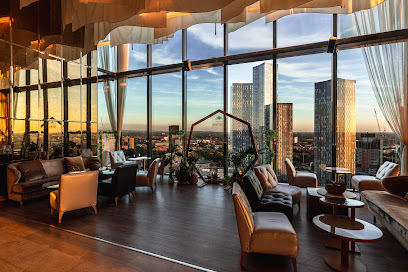
The Britons Protection
4.5 km
Historic Manchester pub famed for its vast whisky selection, traditional charm, lively atmosphere, and welcoming community spirit.
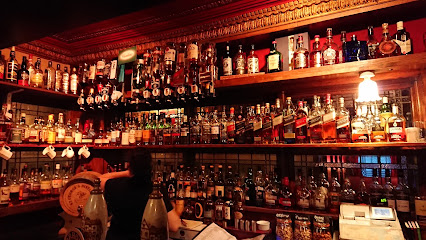
Nightclubs & after hour spots

Ark Manchester
4.4 km
Multi-room beats and canal-side cocktails fuel Manchester's electric Deansgate Locks nightlife at Ark—dance, drink, repeat till dawn.
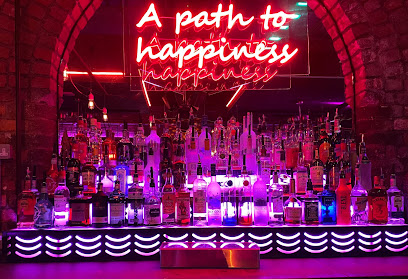
Popworld Manchester
4.4 km
Dance to cheesy pop anthems amid neon lights and poptail cocktails in Manchester's ultimate throwback nightclub.
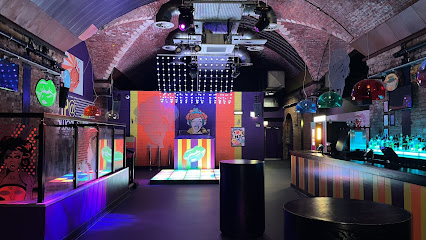
Bliss Club Manchester
4.5 km
Experience Manchester’s authentic late-night vibe at Bliss Club, where music and local energy blend into a spirited urban nightlife hub.

Viva Manchester
4.6 km
Compact stage-driven nightclub on Whitworth Street West — theatrical themed nights, DJ sets and group-friendly table service.
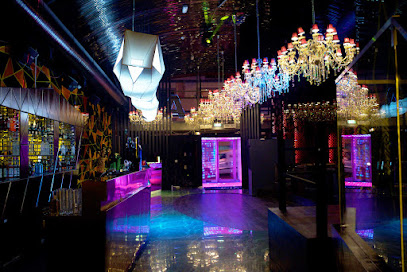
Kable
4.6 km
A compact, late‑night basement club on New Wakefield Street, favoured for punchy electronic nights and close‑up DJ sessions.
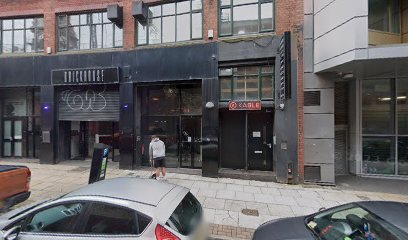
Royal Vida Night Club
4.6 km
Dive into Manchester's underground pulse at Royal Vida, where Castlefield's industrial shadows host thumping beats and endless nights from 11pm to 4am.

History Nightclub
4.7 km
Experience Manchester’s lively hip hop and house beats at History Nightclub, a large, energetic venue open late into the night.

42's
4.8 km
Manchester’s iconic indie nightclub blending rich musical heritage with a lively, inclusive nightlife experience.
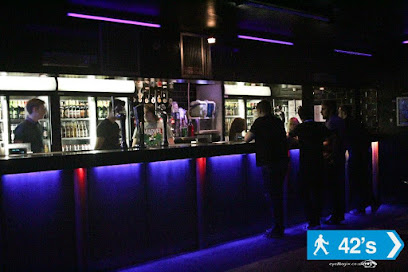
FAC251 - Factory Manchester
4.8 km
Experience Manchester’s legendary Factory Records heritage with three floors of indie, rock, and electronic music at FAC251 - The Factory.
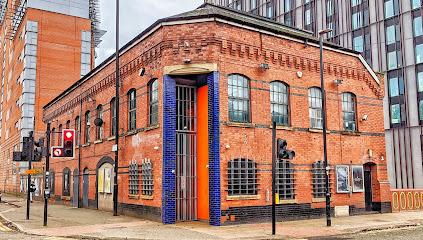
Venue Nightclub
4.9 km
Manchester's underground indie haven: cheap drinks, packed dance floors, and anthems till dawn in Deansgate's electric night scene.
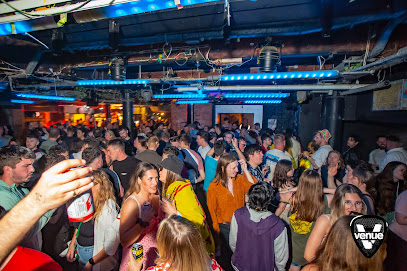
Satans Hollow
5.0 km
Manchester's infernal punk-rock abyss: demonic decor, dirt-cheap drinks, and mosh-pit mayhem for metalheads and rebels.
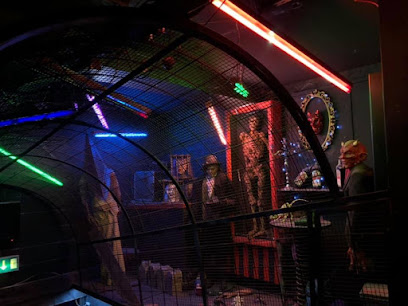
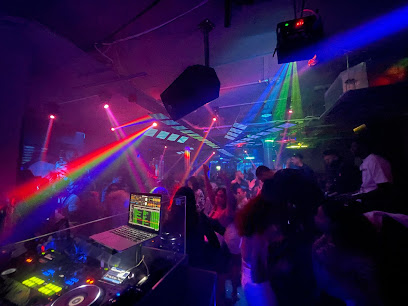
Club Liv Manchester
5.1 km
Experience Manchester’s vibrant nightlife with exclusive VIP vibes, world-class Pan-Asian dining, and a stylish rooftop terrace at Club Liv.
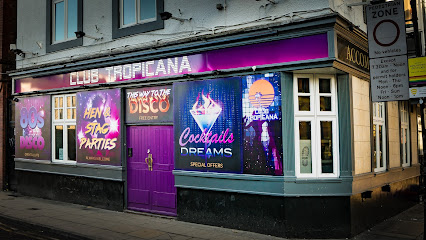
Club Tropicana
5.1 km
Dive into 1980s glamour at Manchester's premier gay nightclub, where drag, DJs, cocktails, and retro beats fuel the Gay Village's electric nightlife.
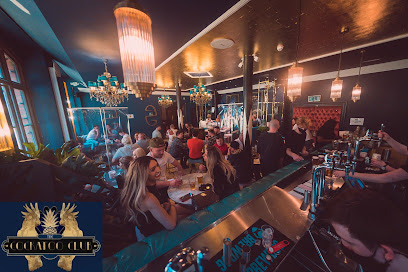
The Cockatoo Club
5.2 km
Discover the electrifying nightlife at The Cockatoo Club in Manchester, where vibrant cabaret performances meet an unforgettable atmosphere.
Bijou Club
5.6 km
Manchester's hidden riverside gem: celebrity vibes, secret garden terrace, and LED-lit beats in an exclusive Deansgate nightclub.
For the vibe & atmosphere seeker
- Relaxing
- Tranquil
- Scenic
- Cultural Heritage
For the design and aesthetic lover
- Vintage Styles
- Rustic Designs
For the architecture buff
- Historic
- Sacred Sites
- Heritage Neighborhoods
For the view chaser and sunset hunter
- Iconic Views
For the social media creator & influencer
- Photo Spots
- Architectural Shots
For the eco-conscious traveler
- Public-Transport Accessible
For the kind of experience you’re after
- Cultural Heritage
- Mindfulness
- Meditation Spot
For how adventurous you want the journey to be
- Easy Access
Location Audience
- Family Friendly
- Senior Friendly
- Child Friendly
- Teen Friendly
- Wheelchair Access
- Solo Friendly
- Couple Friendly
- Solo Female Friendly
- Business Friendly


