
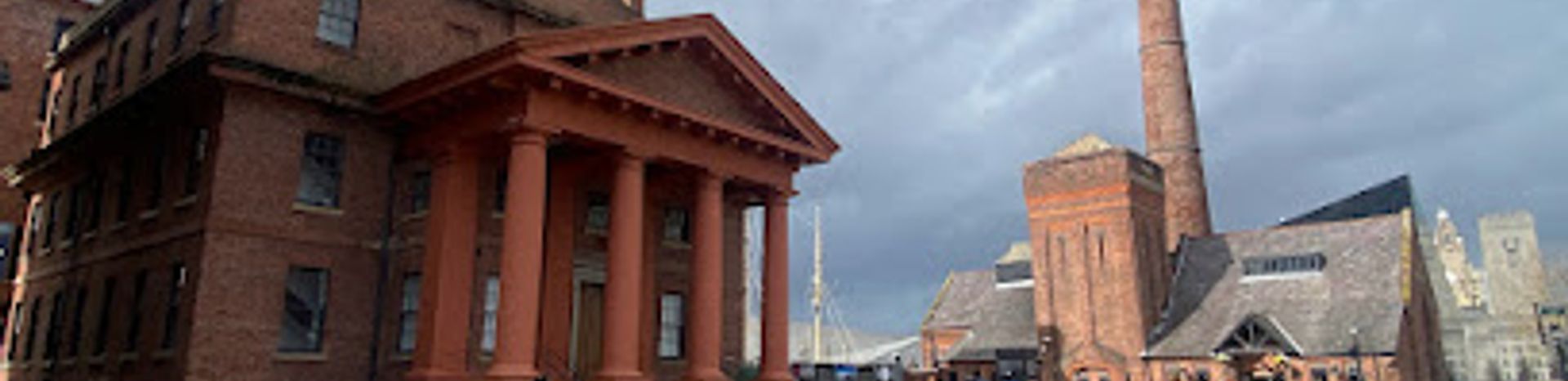
The Dock Traffic Office
Victorian cast-iron masterpiece symbolizing Liverpool's maritime innovation and industrial heritage.
A Grade I listed Victorian heritage building at the heart of Royal Albert Dock, the Dock Traffic Office stands as a masterpiece of 19th-century industrial architecture. Built in 1846–1847 by Jesse Hartley and Philip Hardwick, this iconic structure features a stunning cast-iron Tuscan portico and served as a pioneering example of fireproof warehouse design. Now officially known as the Dr Martin Luther King Jr Building, it remains a symbol of Liverpool's maritime legacy and architectural innovation.
A brief summary to The Dock Traffic Office, Liverpool
- Hartley Quay, Salthouse Quay, Royal Albert Dock, Liverpool, L3 4AX, GB
- Visit website
- Duration: 0.5 to 2 hours
- Free
-
 Outdoor
- Mobile reception: 5 out of 5
Local tips
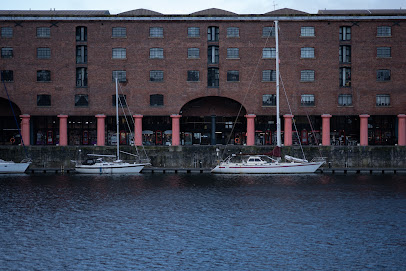
- Visit in the evening when the building's cast-iron columns and portico are illuminated, creating a dramatic and photogenic atmosphere against the darkening sky and water reflections.
- Combine your visit with the nearby Merseyside Maritime Museum and Tate Liverpool to gain a comprehensive understanding of Liverpool's cultural and maritime significance.
- Walk the full perimeter of the dock basin to appreciate the Dock Traffic Office from multiple angles, particularly from the water's edge where the architectural proportions are most apparent.
- Check for special events and seasonal displays at Royal Albert Dock, such as the River of Light festival, which transforms the waterfront and enhances the building's visual impact.

For the on-the-go comforts that matter to you
- Restrooms
- Food Options
- Drink Options
- Seating Areas
- Information Boards
- Visitor Center
Getting There
-
Train and Local Rail
Arrive at Liverpool Lime Street Station. Take the Merseyrail service to James Street station, approximately 5 minutes. From James Street, walk to the Dock Traffic Office in approximately 12 minutes. This is the most convenient option for visitors arriving by train. No additional cost beyond your rail ticket.
-
Walking from City Centre
From Liverpool city centre, the Dock Traffic Office is accessible on foot in approximately 10–15 minutes. The route is straightforward and passes through the waterfront precinct. The walk is flat and suitable for most fitness levels, offering views of the Mersey and surrounding dock architecture along the way.
-
Bus Service
Multiple bus routes serve the Royal Albert Dock area. Journey times from the city centre are typically 5–10 minutes depending on traffic and the specific route. Buses stop near the dock entrance. Single fares are approximately £1.75–£2.50. Check local transport maps for current route numbers serving the Albert Dock.
-
Car and Parking
The Royal Albert Dock offers 24-hour paid parking. Parking rates vary but typically range from £2–£5 per hour depending on duration and parking facility. The drive from Liverpool city centre takes approximately 5–10 minutes. Parking can be busy during peak times and weekends.
The Dock Traffic Office, Liverpool location weather suitability
-
 Any Weather
-
 Clear Skies
Discover more about The Dock Traffic Office, Liverpool
A Monument to Victorian Industrial Innovation
The Dock Traffic Office represents one of the finest achievements of 19th-century British industrial architecture. Constructed between 1846 and 1847 by the visionary dock engineer Jesse Hartley in collaboration with architect Philip Hardwick, this Grade I listed building embodies the cutting-edge design principles of its era. The structure was built using brick with red sandstone dressings, materials that were revolutionary for their fireproof qualities. At a time when wooden warehouse construction dominated port facilities worldwide, the Dock Traffic Office demonstrated that cast iron, stone, and brick could create a structure of both durability and beauty—establishing a model that would influence dock construction globally.Architectural Brilliance in Cast Iron
The building's most striking feature is its magnificent cast-iron Tuscan portico, a technical and aesthetic triumph that showcases the precision metalwork of the Victorian era. The four columns rise 3.5 metres high with a diameter of 1 metre at the base, each cast in two halves and brazed together along their entire length—a labour-intensive process that demonstrates the craftsmanship invested in the structure. The architrave, measuring 11.5 metres in length, was cast as a single enormous U-shaped piece, a feat of foundry work that required exceptional skill. Brazed onto this architrave is an ornate iron cornice and pediment comprising seven separate castings, creating a composition of classical elegance that commands attention from across the dock basin. The building's original design by Hardwick was enhanced shortly after construction when a second floor was added, expanding its functional capacity while maintaining its visual harmony.From Maritime Administration to Cultural Institution
Originally designed to serve as the administrative hub for dock traffic operations, the building played a crucial role in managing Liverpool's position as one of the world's greatest trading ports. During the Second World War, the structure was repurposed as an anti-aircraft gunnery school for members of the Merchant Navy, reflecting the building's strategic importance to the nation's defence. Following the decline of Liverpool's docks in the latter half of the 20th century, the building fell into prolonged dereliction, its architectural treasures hidden beneath layers of neglect. The 1984–1985 restoration by the Building Design Partnership marked a turning point, transforming the space into television studios for Granada's news productions and breathing new life into this Victorian gem.A Living Part of Royal Albert Dock's Renaissance
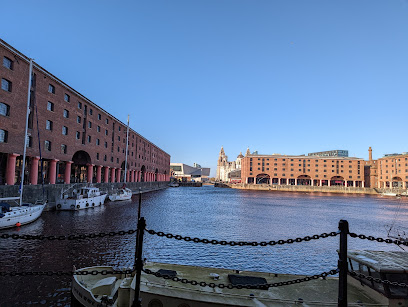
Today, the Dock Traffic Office—officially designated the Dr Martin Luther King Jr Building—stands as a focal point within the Royal Albert Dock complex, which was granted Royal status in 2018. The building's restoration was integral to the broader regeneration of the dock, which has evolved from a derelict industrial site into one of the United Kingdom's most visited multi-use attractions outside London. The dock receives over four million visitors annually, drawn by its museums, galleries, restaurants, and the compelling narrative of Liverpool's maritime heritage. The Dock Traffic Office's cast-iron portico, illuminated in the evening, creates a striking visual anchor for the waterfront, while its Grade I listing ensures its preservation for future generations. Visitors walking along Hartley Quay and Salthouse Quay encounter not merely a historic building, but a tangible connection to the innovation, ambition, and craftsmanship that defined Liverpool's golden age as a global maritime power.Iconic landmarks you can’t miss

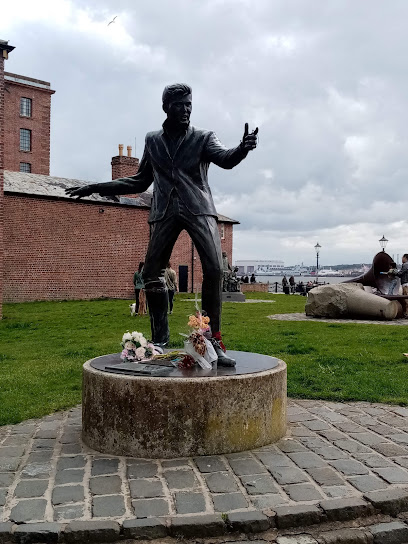
Billy Fury
0.2 km
Celebrate the legacy of Liverpool’s rock and roll pioneer with the iconic Billy Fury statue at the historic Royal Albert Dock.
Legacy Sculpture
0.2 km
A powerful bronze tribute at Royal Albert Dock honoring Liverpool’s migrant heritage and the hopeful journeys to the New World.
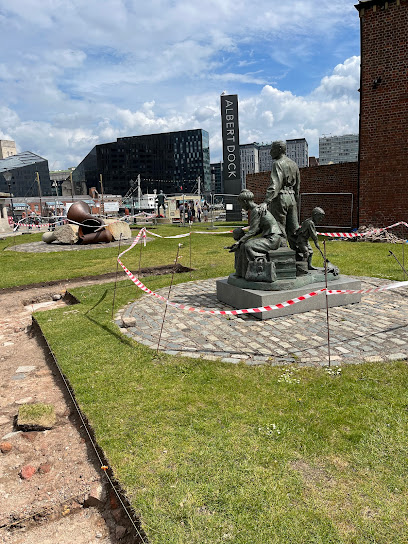
Albert Dock Pride Sculpture
0.3 km
A vibrant public artwork at Liverpool’s Royal Albert Dock celebrating LGBTQ+ pride, diversity, and the city’s rich maritime heritage.
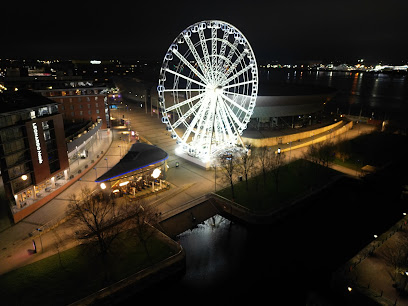
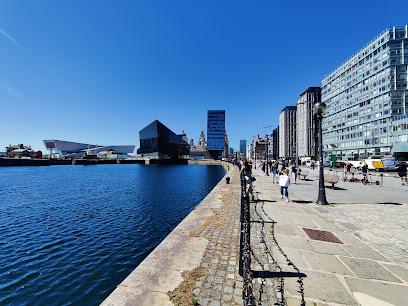
Mann Island
0.3 km
Contemporary waterfront landmark reflecting Liverpool's maritime heritage through striking architecture and cultural innovation.
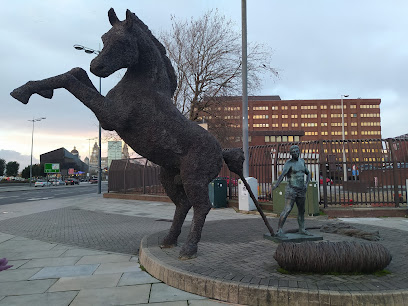
'The Great Escape' statue
0.3 km
A powerful bronze horse symbolising freedom and human liberation at Liverpool's historic waterfront.
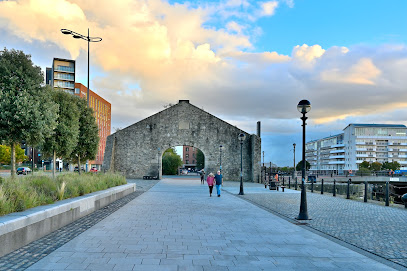
Old Wall Arch Albert Dock UK
0.3 km
Historic Georgian gateway at Liverpool’s Albert Dock, blending maritime heritage with vibrant cultural life and scenic waterfront charm.
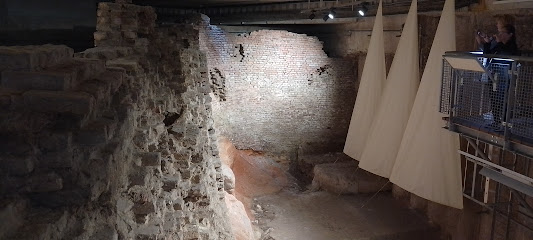
Viewing window to the Old Dock
0.3 km
Step through a glass window into the world’s first commercial wet dock, the birthplace of Liverpool’s global maritime legacy.
The Port Of Liverpool Building
0.3 km
The oldest of Liverpool’s Three Graces, this Edwardian Baroque masterpiece at Pier Head is a powerful symbol of the city’s golden age as a global port and a defining feature of its historic skyline.
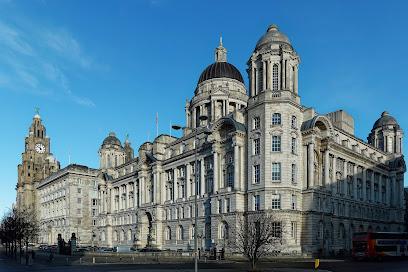
Cunard Building
0.5 km
A majestic waterfront landmark embodying Liverpool’s rich maritime history and Cunard’s legacy of luxury ocean travel.
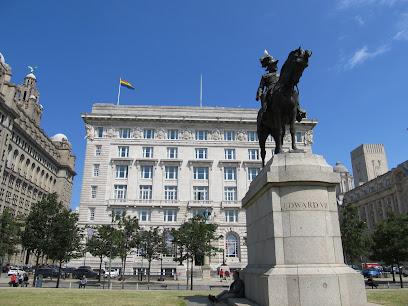
Royal Liver Suite
0.5 km
Celebrate your special moments with panoramic Mersey views in Liverpool’s iconic Royal Liver Suite, blending heritage and elegance.
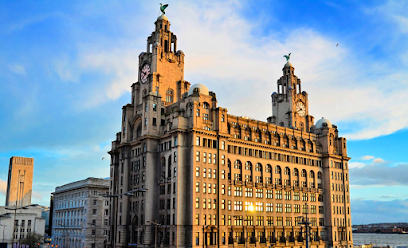
Sir Alfred Lewis Monument
0.5 km
A striking bronze memorial at Liverpool’s Pier Head honoring Sir Alfred Lewis Jones, maritime pioneer and founder of tropical medicine research.
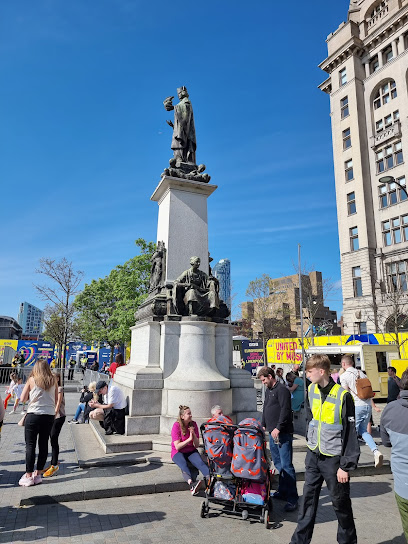
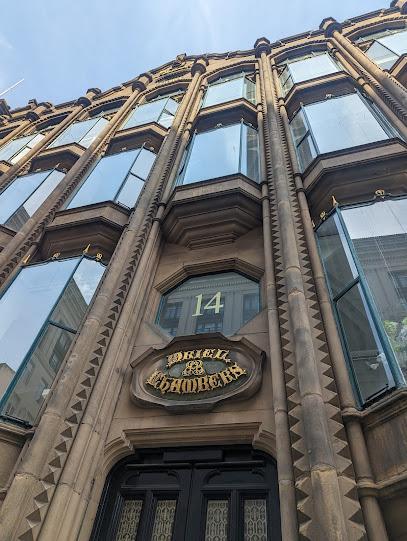
Oriel Chambers
0.6 km
Oriel Chambers: Liverpool’s revolutionary 1864 office building that pioneered the metal-framed glass curtain wall and modern skyscraper design.
The Wall Of Fame - Mathew Street
0.6 km
Explore Liverpool's musical heritage at The Wall of Fame on Mathew Street, where legendary names celebrate the city's rich artistic legacy.
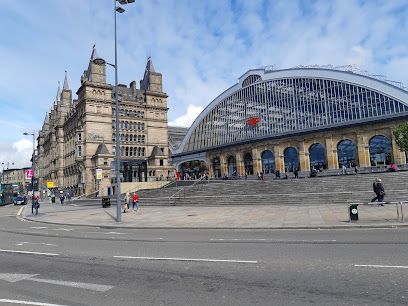
Cavern Club
0.6 km
Discover the Cavern Club, the iconic live music venue in Liverpool where The Beatles began their journey and experience a vibrant atmosphere of music and history.
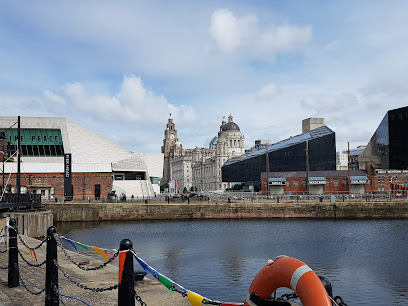
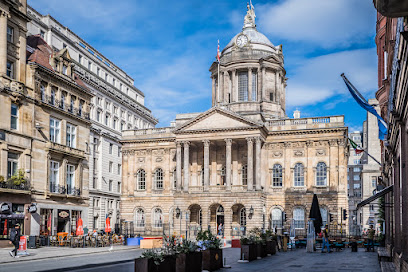
Liverpool Town Hall
0.6 km
Explore Liverpool Town Hall, a stunning Georgian masterpiece and historic civic venue at the heart of Liverpool’s cultural heritage.
Unmissable attractions to see

Pump House
0.0 km
Waterside Victorian pumphouse turned lively pub-restaurant on Albert Dock, serving classic British dishes and seasonal ales with dock views.
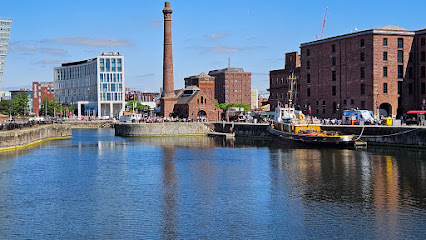
Maritime Museum
0.1 km
Explore Liverpool’s maritime past at the free Merseyside Maritime Museum, nestled in the historic and vibrant Royal Albert Dock.
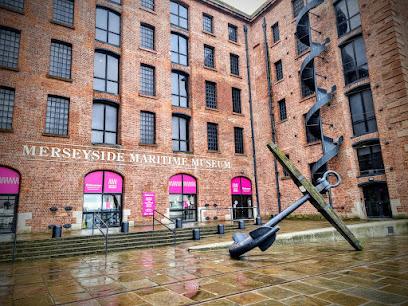
Salthouse Quay
0.1 km
Historic Liverpool dock with scenic waterside moorings, rich maritime heritage, and vibrant connections to the Royal Albert Dock waterfront.
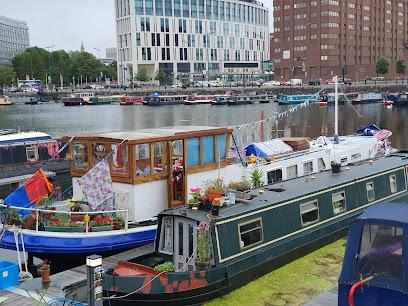
RENNIE BRIDGE
0.1 km
Historic iron swing footbridge linking Liverpool’s Royal Albert Dock, showcasing John Rennie’s engineering legacy and maritime heritage.
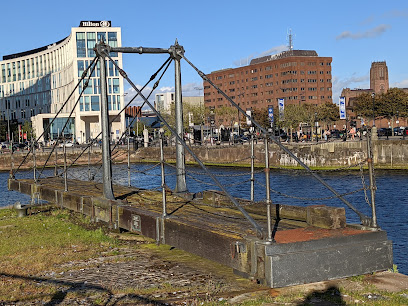
Tate Liverpool
0.2 km
Discover Tate Liverpool’s vibrant contemporary art and family activities at RIBA North, Mann Island, amidst Liverpool’s iconic waterfront.
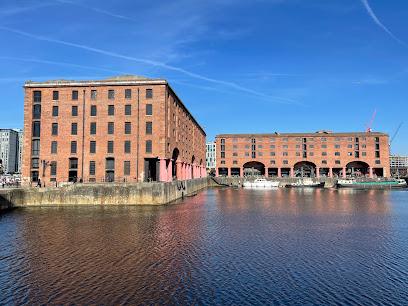
The Piermaster's House
0.2 km
Step into a 19th-century dock official’s home, now a 1940s wartime time capsule on Liverpool’s historic waterfront.
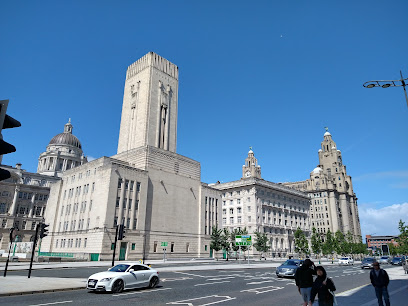
Graving Docks
0.2 km
Historic 18th-century dry docks at Canning Dock, Liverpool, now opening as a transformative cultural and contemplative waterfront space.
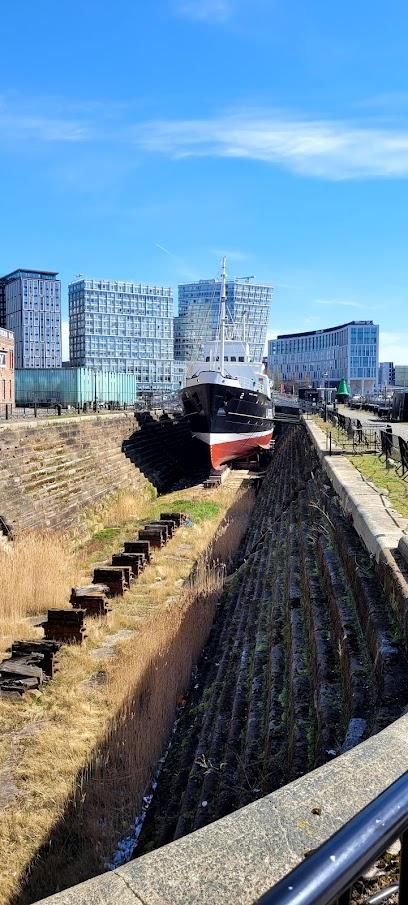
Salthouse Dock Liverpool - UK
0.2 km
One of Liverpool’s oldest docks, Salthouse Dock is a quiet stretch of water steeped in salt-trade history, now part of the Albert Dock’s UNESCO waterfront.
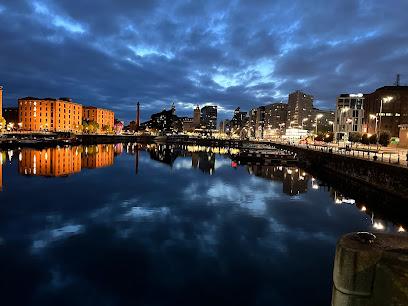
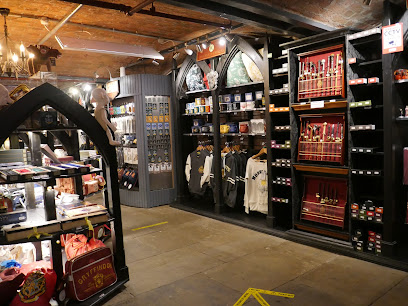
House of Spells
0.2 km
Step into Liverpool’s largest fandom shop at Albert Dock, where magic, cult TV, and iconic collectibles come alive across two immersive floors.
Waterfront Pier Head Promenade Liverpool
0.2 km
Explore Liverpool’s iconic waterfront promenade featuring historic landmarks, vibrant culture, and stunning views of the River Mersey.
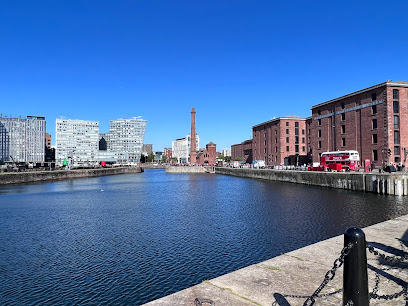
Royal Albert Dock Liverpool
0.2 km
A beautifully restored 19th-century dock turned vibrant waterfront hub of culture, dining, and history on the River Mersey.
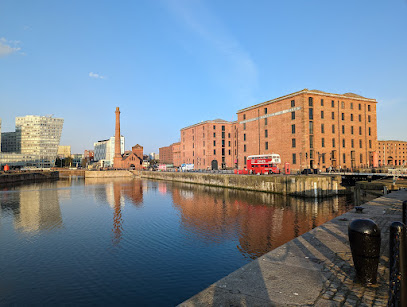
Liverpool wheel
0.2 km
Experience breathtaking 360-degree views of Liverpool’s iconic waterfront from the 60-meter Wheel of Liverpool at Royal Albert Dock.
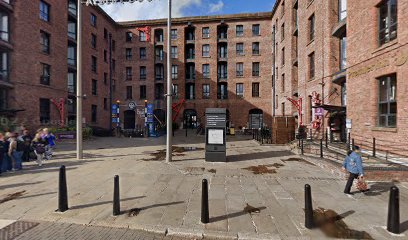
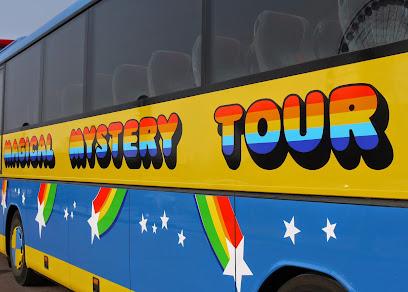
Magical Mystery Tour
0.2 km
Explore Liverpool’s Beatles heritage on the iconic Magical Mystery Tour, visiting legendary sites from childhood homes to the world-famous Cavern Club.
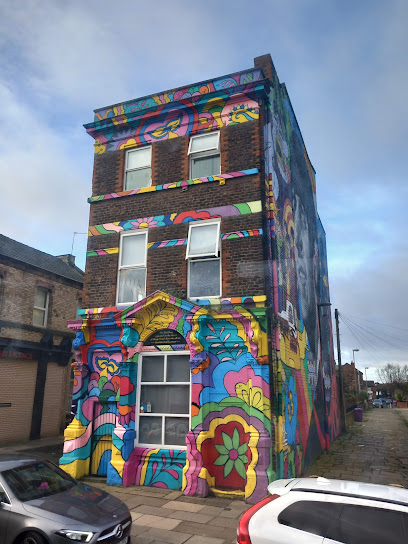
Beatles Magical Mystery Tour
0.2 km
Liverpool's longest-running Beatles tour: visit iconic homes, legendary landmarks, and the Cavern Club where it all began.
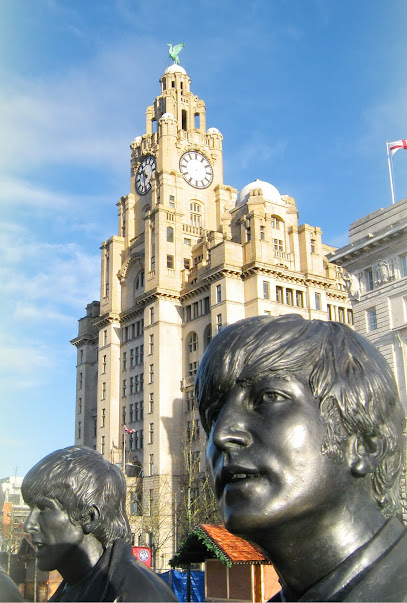
The Beatles Story Museum, Liverpool
0.2 km
Immerse yourself in the ultimate Beatles experience at Liverpool’s iconic waterfront museum celebrating the Fab Four’s legendary journey.
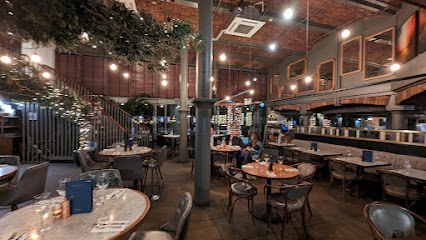
Essential places to dine

Gusto Italian
0.0 km
Stylish Italian dining in Liverpool’s Edward Pavilion, blending classic Milanese flavors with a sleek, inviting atmosphere.
Revolución de Cuba Liverpool
0.1 km
Discover authentic Cuban cuisine at Revolución de Cuba Liverpool—where vibrant culture meets exquisite flavors in a lively lounge setting.
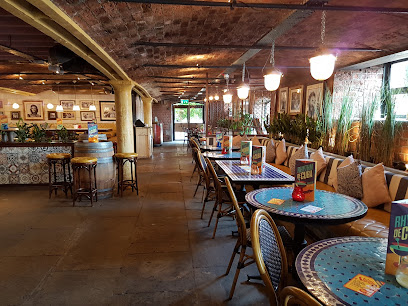
Miller & Carter Albert Dock
0.2 km
Savor expertly crafted British and Irish steaks with panoramic Albert Dock views in Liverpool’s vibrant waterfront steakhouse.
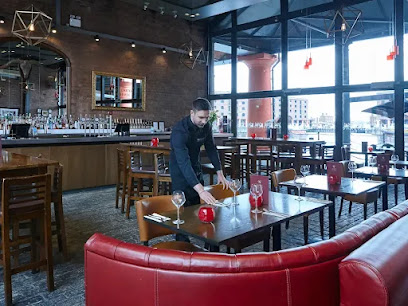
Floating Grace
0.2 km
Dine and cruise the Mersey aboard a historic vessel, combining fresh cuisine with scenic waterfront views and entertaining skipper commentary.
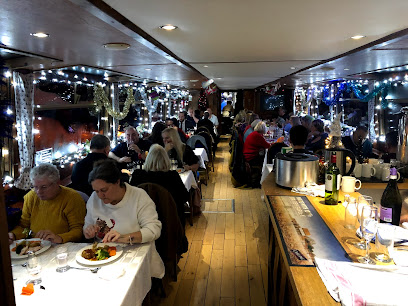
Madre
0.2 km
Vibrant Mexican taqueria at Albert Dock: authentic tacos, killer margaritas, and waterfront terrace vibes in Liverpool's heart.
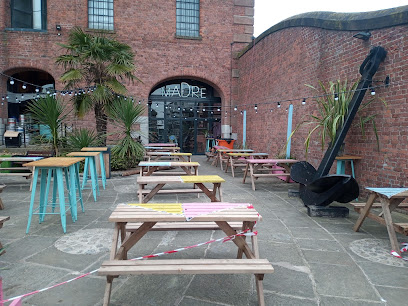
Maray Albert Dock
0.2 km
Mediterranean and Middle Eastern small plates in a vibrant waterfront setting at Liverpool’s historic Royal Albert Dock.
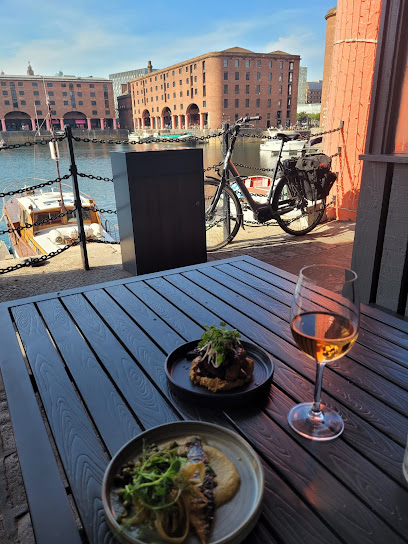
Rudy's Pizza Napoletana - Albert Dock
0.2 km
Authentic Neapolitan pizzas served in a lively waterfront setting at Liverpool’s historic Albert Dock.
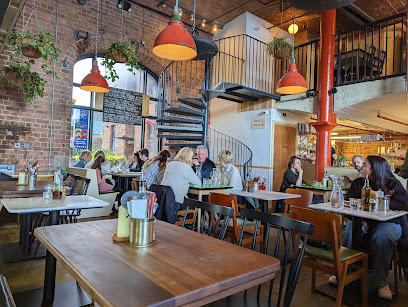
Lunyalita
0.2 km
Authentic Catalan tapas and deli delights with stunning Albert Dock views in Liverpool’s historic Britannia Pavilion.
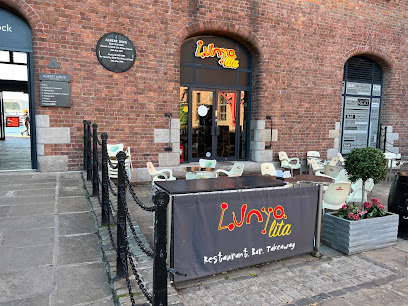
PANAM Restaurant & Bar
0.2 km
Savor Scouse stew and craft cocktails amid Albert Dock's glittering waters—PANAM blends Liverpool's maritime soul with vibrant brunches and live music nights.
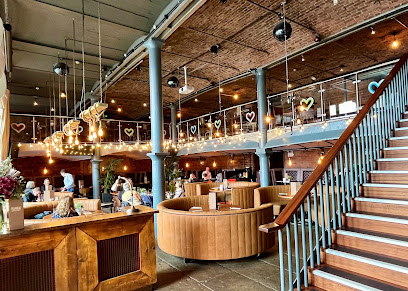
The Exchange Restaurant
0.3 km
Elegant British dining with seasonal menus and scenic park views at Hilton Liverpool City Centre’s premier restaurant.
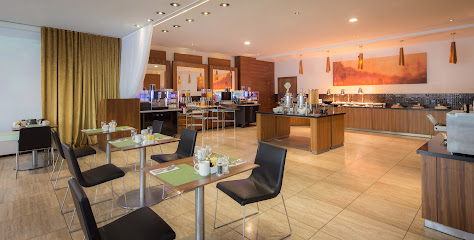
The Botanist Albert Dock
0.3 km
A lush botanical bar and restaurant at Liverpool’s Albert Dock, blending garden-inspired charm with creative cocktails and vibrant dining.
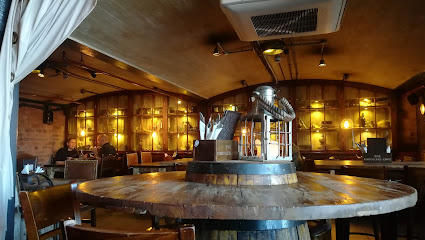
What's Cooking
0.3 km
Hearty American-Mexican grills with Mersey views in Liverpool's historic Albert Dock—a dockside dining staple since 1978.
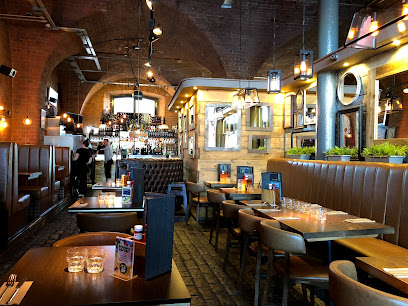
Churrasco Steak House - City - Liverpool
0.4 km
A vibrant Liverpool steakhouse blending South American flair with British quality steaks and interactive dining in the city centre.
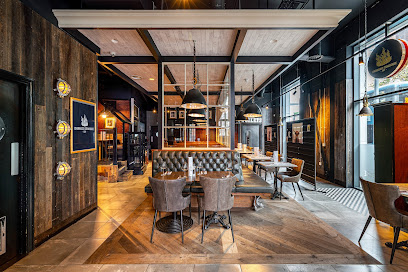
Smoke & Dough
0.4 km
Interactive BBQ dining in Liverpool One where you grill premium meats at your table, paired with vibrant cocktails and a lively city terrace.
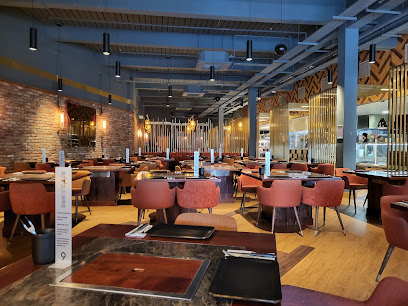
Etsu
0.4 km
Authentic Japanese flavors and warm hospitality await at Etsu, Liverpool’s premier destination for refined dining on The Strand.
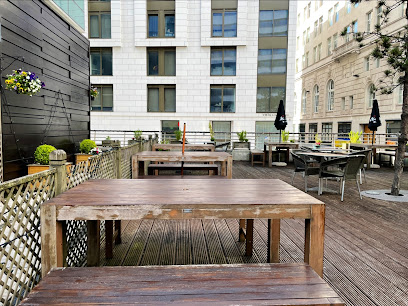
Markets, malls and hidden boutiques

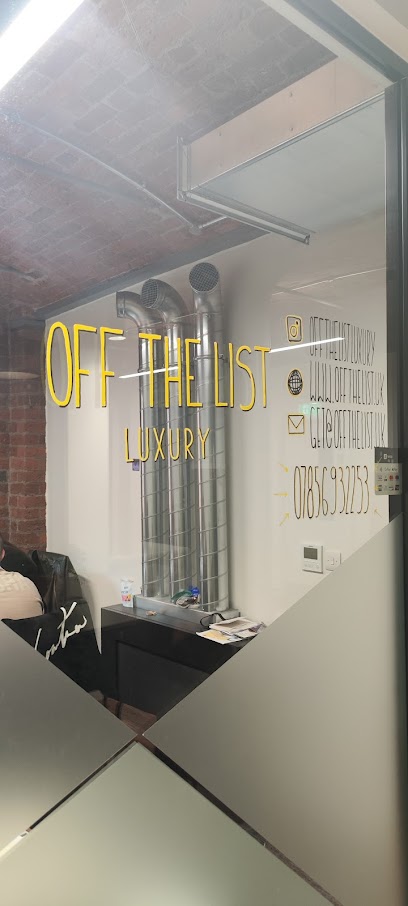
Off The List Luxury
0.1 km
Discreet luxury watch boutique in Liverpool's business heart, offering Rolex Datejust and elite timepieces with expert, professional service.
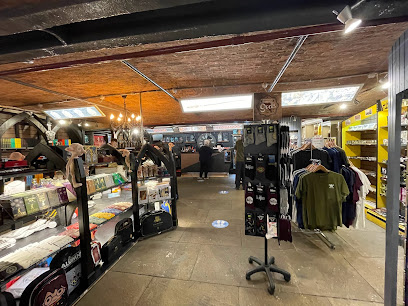
Pride of Liverpool
0.2 km
Whistle-stop souvenirs celebrating Liverpool pride and Britain's iconic cities in the heart of Royal Albert Dock's historic colonnades.
Lost Soles
0.2 km
Unique graphic tees and menswear in Liverpool's historic Albert Dock – independent style with waterfront flair.
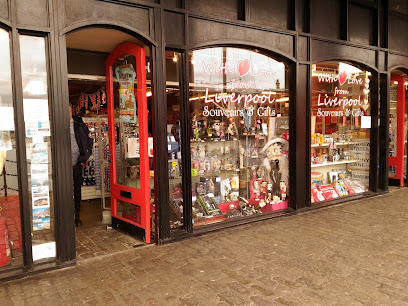
With Love From Liverpool
0.2 km
Liverpool's ultimate souvenir haven in the Royal Albert Dock, brimming with Beatles treasures, Scouse spirit, and authentic gifts that capture the city's unbeatable vibe.
The Nest Liverpool
0.2 km
Unique gifts and local crafts in Liverpool's historic Royal Albert Dock—a perfect waterfront stop for authentic Scouse souvenirs.
Nature's Treasure
0.2 km
Intimate jewellery boutique in The Colonnades, offering handcrafted pieces, bespoke commissions and restoration inside Liverpool’s historic Albert Dock.
Annabel's Accessories
0.3 km
Fashion accessories in Liverpool's historic Royal Albert Dock, blending style with UNESCO heritage at The Colonnades.
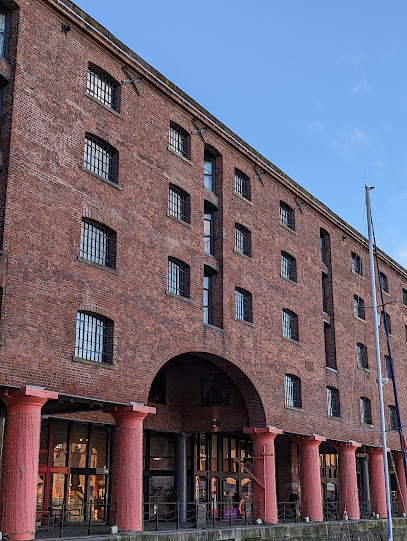
The Fab4 Store
0.3 km
Liverpool's ultimate Beatles emporium: official merch, rare finds, and Fab Four magic at Albert Dock's heart.
Oliver Bonas
0.4 km
Colourful, design-led fashion and homeware in Liverpool ONE — a boutique atmosphere for stylish gifts and everyday statement pieces.
KENJI Liverpool ONE
0.4 km
Discover cute plushies, quirky gifts, and local makers in Liverpool ONE's playful arcade-gift haven—perfect for unique souvenirs and fun finds.
Urban Outfitters
0.5 km
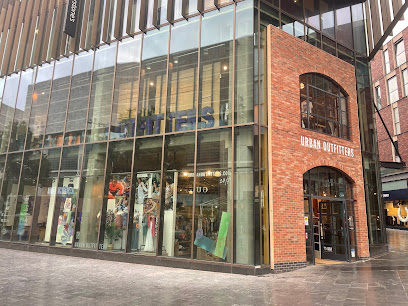
Discover unique vintage-inspired fashion and eclectic homewares at Urban Outfitters Liverpool, a vibrant hub for style and culture in the city centre.
Menkind
0.5 km
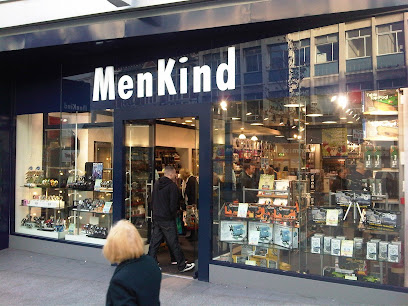
Discover quirky gadgets and imaginative gifts for men and boys at Menkind Liverpool, your go-to spot for unique presents in the city centre.
Utility
0.5 km
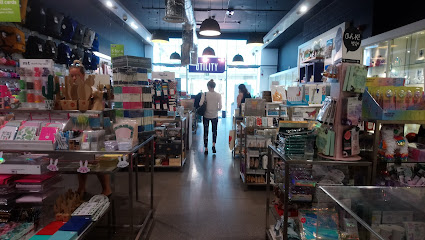
Independent Liverpool gift shop specialising in quirky, design-led presents, cards and small homewares with a friendly, well-curated atmosphere.
House Of Gifts
0.5 km
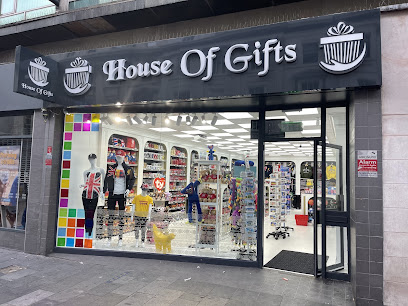
A fun-filled Liverpool novelty shop packed with souvenirs, local memorabilia, and quirky gifts for visitors and locals alike.
Hard Days Night Shop
0.6 km
Explore the heart of Beatles heritage with exclusive memorabilia and authentic merchandise at Liverpool’s iconic Hard Days Night Shop.
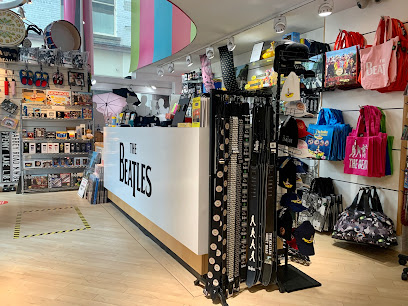
Essential bars & hidden hideouts

Revolution Liverpool - Albert Dock
0.2 km
Vibrant cocktails, riverside vibes, and non-stop nightlife in Liverpool's legendary Albert Dock—where dockside history meets modern revelry.
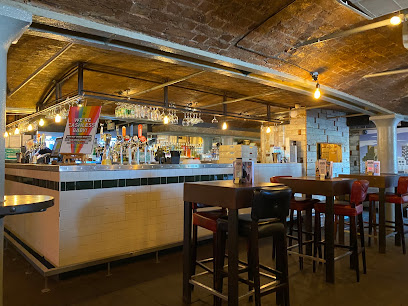
The One O'Clock Gun
0.2 km
Raise a glass to Liverpool's maritime heartbeat at this dockside pub, where historic time signals meet modern merriment and Mersey views.
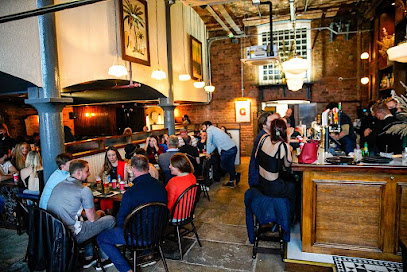
The Long Shot Bar
0.3 km
Liverpool's premier dockside sports bar: epic screens, killer cocktails, and stacked sandwiches amid Albert Dock's historic charm.
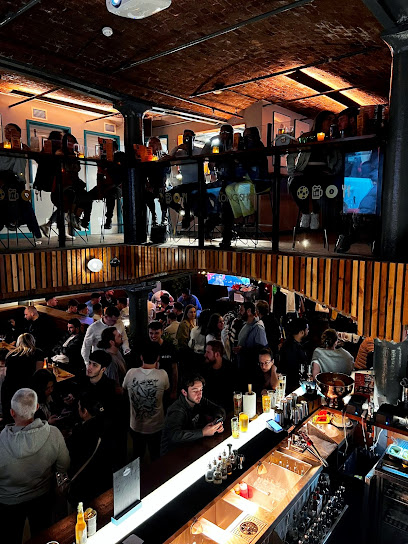
The Bierkeller Liverpool
0.3 km
Experience the ultimate Bavarian beer hall vibe in Liverpool with giant steins, live Oompah bands, and a lively party atmosphere.
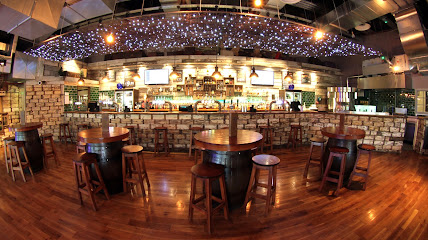
The Slaughter House
0.4 km
Historic Liverpool pub blending hearty gastropub fare with lively live music and comedy in a warm, rustic setting.
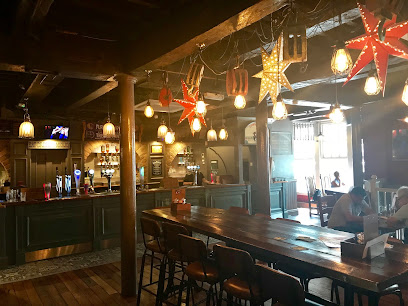
Baltic Fleet
0.5 km
Historic flat-iron pub in Liverpool's docks, pouring craft ales and cask brews amid maritime heritage and Baltic Triangle buzz.
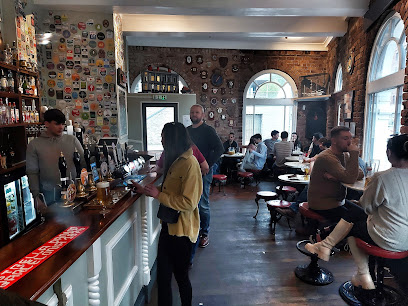
The Alchemist Liverpool
0.5 km
Experience Liverpool’s premier cocktail bar where molecular mixology meets bold flavors and vibrant city vibes.
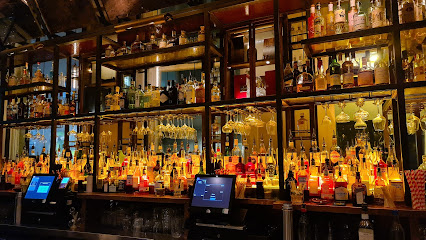
Slug & Lettuce - Liverpool
0.6 km
Liverpool's ultimate cocktail spot in a historic building—2-for-1 drinks, bottomless brunches, and three floors of festive vibes for groups and celebrations.
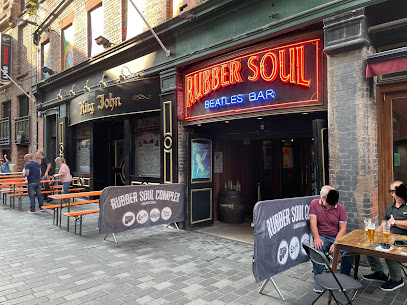
Rubber Soul
0.6 km
Experience Liverpool’s vibrant nightlife and Beatles heritage at Rubber Soul, a lively bar with three unique atmospheres and nightly live music.
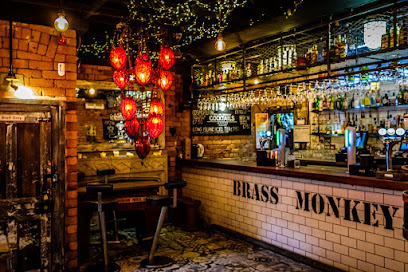
Brass Monkey
0.7 km
Liverpool's quirky cocktail haven on School Lane, blending inventive drinks, British bites, and lively vibes from midday to late-night revelry.
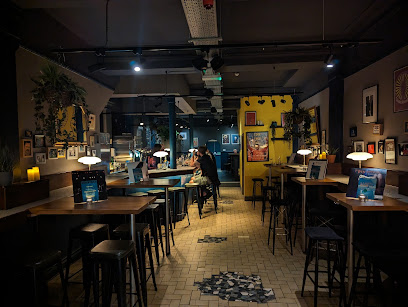
Present Company
0.7 km
Intimate Liverpool cocktail bar blending expert drinks, music culture, and warm hospitality in a stylish, relaxed setting.
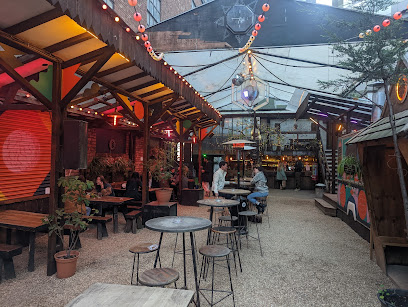
Kazimier Garden
0.7 km
Liverpool's original garden bar: quirky outdoor oasis with craft brews, live gigs, and fairy-lit magic in the heart of Ropewalks.
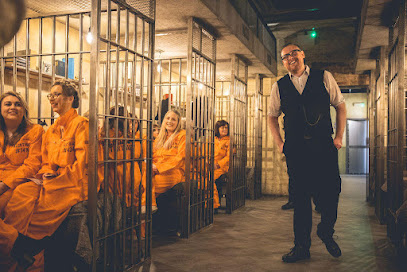
Alcotraz Liverpool: Cell Block Three-Six
0.7 km
Experience immersive cocktails and themed nights at Alcotraz Liverpool: Cell Block Three-Six, a unique cocktail bar that offers an unforgettable night out.
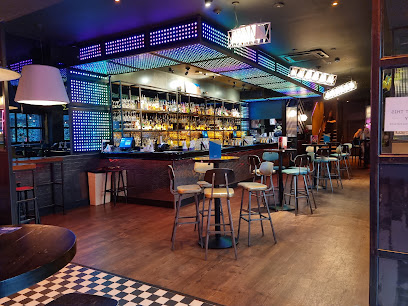
Be At One - Liverpool
0.7 km
Liverpool's cocktail epicenter: 100+ mixes, 2-for-1 happy hours, and masterclass shakes in a chic Seel Street hotspot.
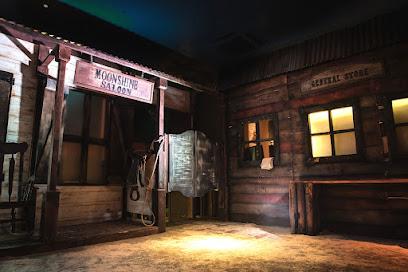
Moonshine Saloon Liverpool
0.7 km
Step into Liverpool’s Moonshine Saloon for an immersive Wild West cocktail adventure blending live theatre, bespoke drinks, and interactive fun.
Nightclubs & after hour spots

Playground Liverpool
0.2 km
Liverpool's luxury nightclub haven in the Hilton, pulsing with upscale beats by the Mersey waterfront – exclusive nights await in the heart of the city.
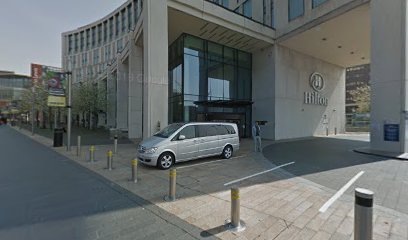
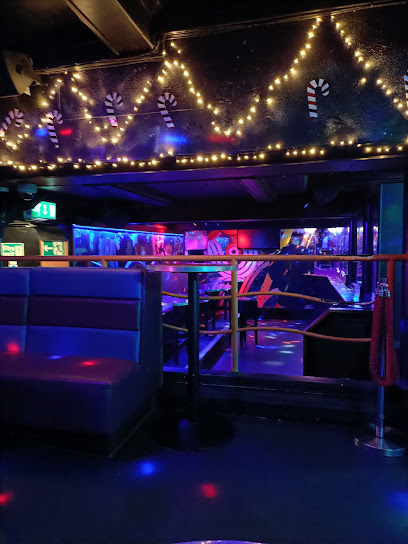
Flares - Liverpool
0.6 km
Experience Liverpool’s vibrant nightlife at Flares on Mathew Street, where great cocktails and unbeatable party vibes meet iconic music heritage.
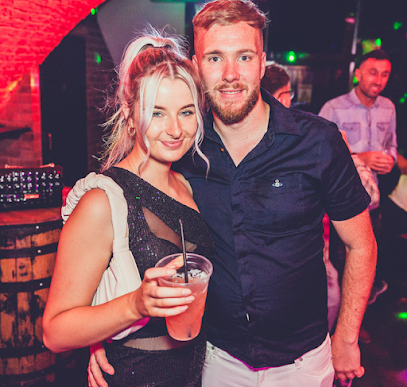
Mambo Club Liverpool
0.6 km
Experience Liverpool’s vibrant nightlife at Mambo Club, where electrifying music and lively crowds create unforgettable Saturday nights.
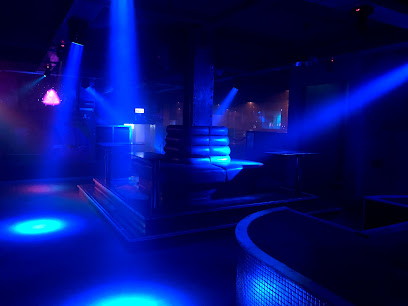
Heaven Nightclub Liverpool
0.6 km
Experience the lively atmosphere and inclusive spirit at Heaven Nightclub in Liverpool, a top destination for nightlife enthusiasts.
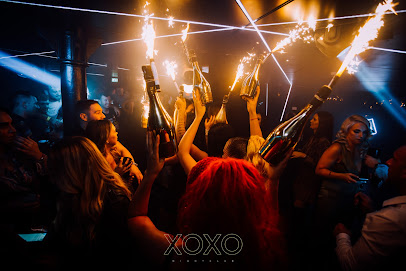
XOXO Nightclub Liverpool
0.7 km
Dive into Liverpool's electric basement beats at XOXO Nightclub, where diverse DJs and immersive vibes craft unforgettable weekends from 10pm till dawn.
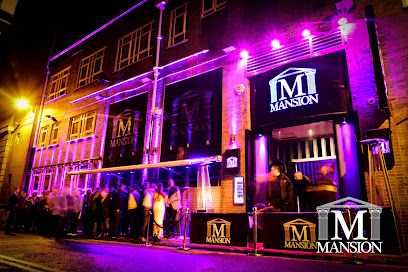
Mansion Nightclub
0.7 km
Liverpool’s vibrant nightclub with the UK’s largest LED ceiling, laser shows, and a dynamic party atmosphere in the city centre.
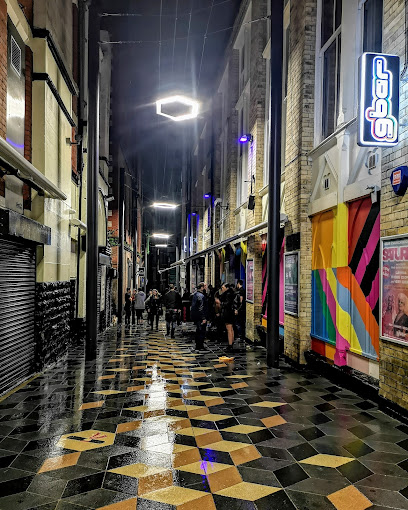
Stanley St Gaay Quarter LGBT Bars And Clubs
0.7 km
Discover the vibrant Stanley Street Gay Quarter in Liverpool, a hub of LGBT nightlife with diverse bars, clubs, and a welcoming atmosphere.
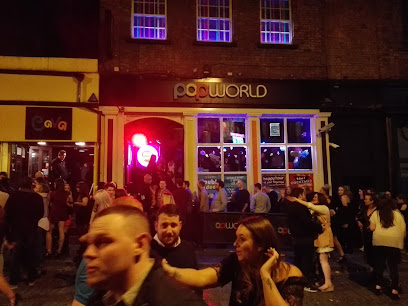
Popworld - Liverpool
0.7 km
Liverpool's ultimate cheesy pop haven: 90s bangers, cheap drinks, and dance-'til-dawn vibes in the heart of Ropewalks.
GBar Liverpool
0.7 km
Liverpool's legendary late-night gay club: pop upstairs, bass downstairs, dancing till dawn on Eberle Street's vibrant strip.
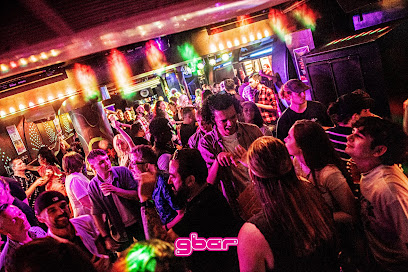
ELECTRIK WAREHOUSE
0.7 km
Liverpool's multi-floor warehouse nightclub: three dance floors of dance, RnB, indie, and chart hits in quirky industrial surrounds, open Thu-Sat till 4am.
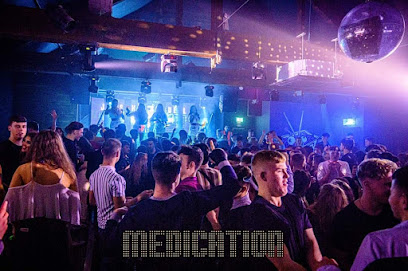
Supper Club at Blundell Street
0.7 km
Liverpool's ultimate supper club: fuel up on hearty meals, then dance the night away to drag shows, tributes, and non-stop hits near Echo Arena.
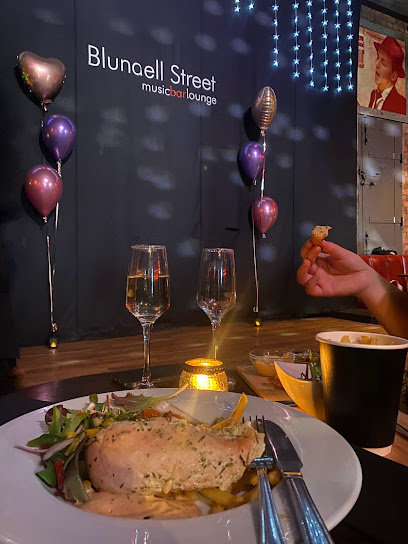
LEVEL Nightclub Liverpool
0.8 km
Liverpool’s expansive multi-floor nightclub offering diverse music, VIP areas, and a buzzing party atmosphere in the heart of Ropewalks.
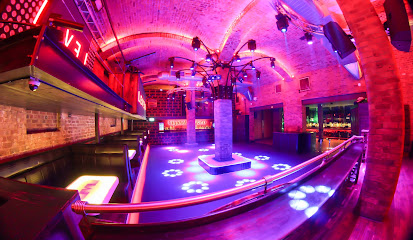
Elysium Nightclub
0.8 km
Experience Liverpool’s vibrant nightlife with dynamic DJ events and an energetic atmosphere at Elysium Nightclub, open late on weekends.
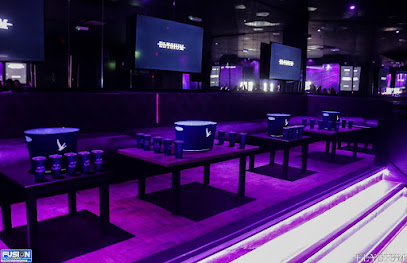
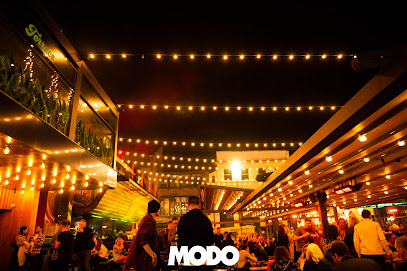
Modo, Liverpool
0.8 km
Liverpool's Concert Square legend: multi-room nightclub with cocktails, sports screens, heated terrace, and epic party spaces for every vibe.
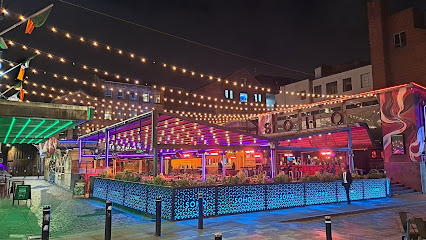
Concert Square Bars And Clubs Liverpool
0.8 km
Discover the energetic nightlife of Liverpool at Concert Square Bars and Clubs, where diverse bars and clubs create an unforgettable experience.
For the vibe & atmosphere seeker
- Scenic
- Unique
- Romantic
For the design and aesthetic lover
- Industrial Designs
- Vintage Styles
- Art Deco Styles
For the architecture buff
- Historic
- Landmarks
- Industrial
- Heritage Neighborhoods
For the view chaser and sunset hunter
- Iconic Views
- Waterfront
- Panoramas
For the social media creator & influencer
- Instagrammable
- Photo Spots
- Architectural Shots
- Aesthetic Corners
For the eco-conscious traveler
- Protected Area
- Locally Managed
For the kind of experience you’re after
- Cultural Heritage
- Photowalk
- Day Trip
For how adventurous you want the journey to be
- Easy Access
Location Audience
- Family Friendly
- Senior Friendly
- Solo Friendly
- Couple Friendly
- Wheelchair Access


