Graving Docks, Liverpool Travel Guide
Historic 18th-century dry docks at Canning Dock, Liverpool, now opening as a transformative cultural and contemplative waterfront space.
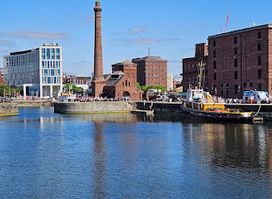
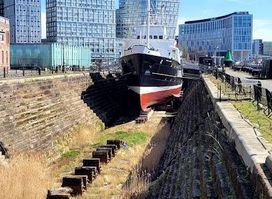
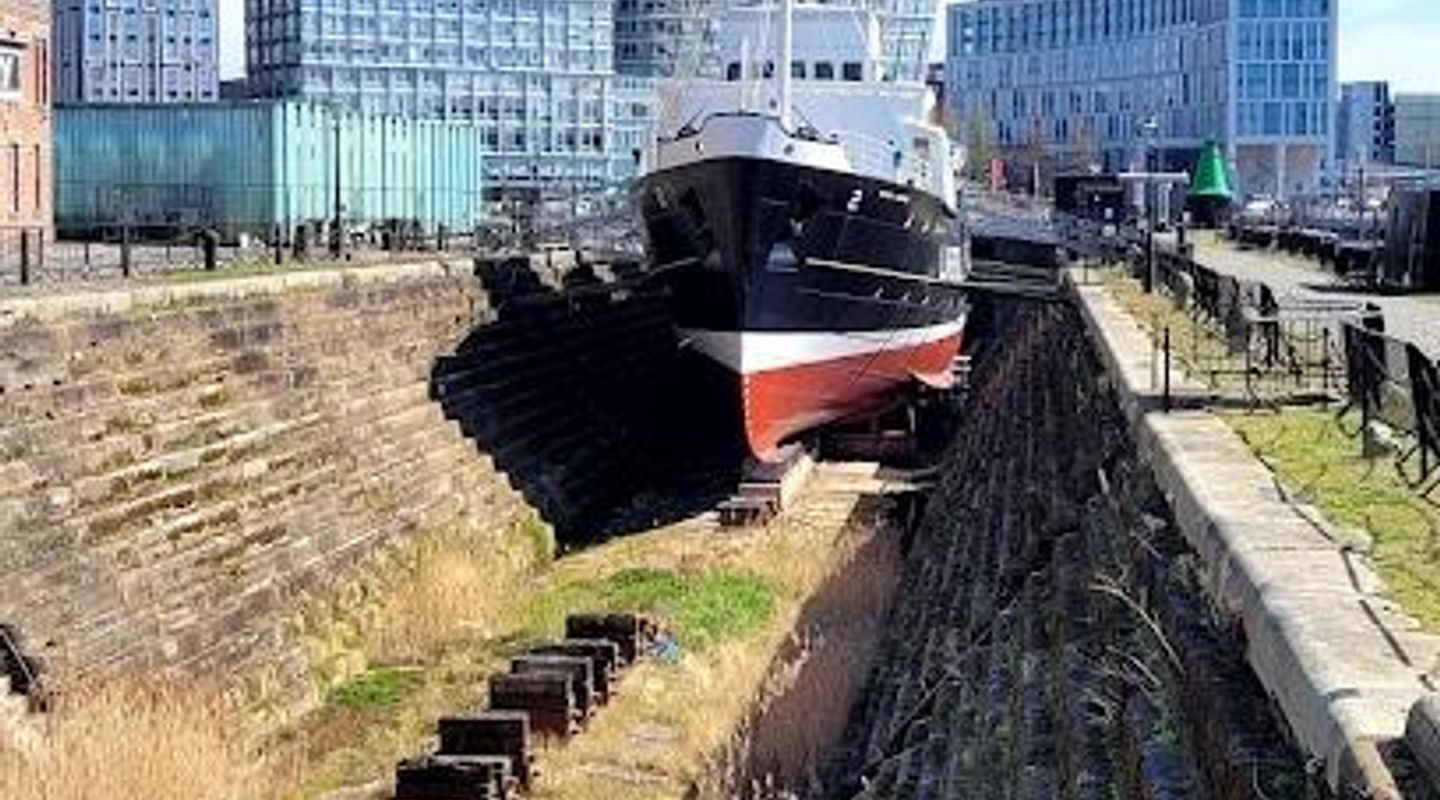
The Graving Docks at Canning Dock in Liverpool are historic dry docks dating back to 1765, integral to the city's maritime heritage. These docks were used for cleaning and repairing ships, including those involved in the transatlantic slave trade. Currently undergoing a transformative redevelopment to open the site to the public, the docks reflect Liverpool's complex history and its evolving waterfront culture.
A brief summary to Graving Docks
- Unnamed Road, Liverpool, L3 4AN, GB
- Duration: 0.5 to 2 hours
- Free
-
 Outdoor
- Mobile reception: 4 out of 5

Know before you go
Hi, I'm Eve. Here are a few practical things to know before exploring Graving Docks.
- Visit during daylight hours to fully appreciate the architectural details and the waterfront views.
- Explore nearby museums such as the Merseyside Maritime Museum and the International Slavery Museum for deeper historical context.
- Check for guided tours or community events that often highlight the docks’ history and redevelopment.
- Wear comfortable footwear as the site includes stairs and uneven surfaces during redevelopment phases.
Do you manage this location?
Take control to get all the benefits, like improved information, better appearance, and stronger visibility across AI-powered discovery. Learn more about listing your business on Evendo
Activate your presenceOther nearby places you may find interesting
The closest places of the same kind, if this one is not quite what you had in mind.

Explore Graving Docks on the Map
A handpicked selection of must-see spots near Graving Docks, mapped for you.
Getting There
-
Public Bus
Several Liverpool city buses serve stops within a 10-15 minute walk of the Graving Docks, with journey times from the city centre ranging from 10 to 20 minutes. Tickets cost approximately £2-£4. Service frequency is typically every 10-20 minutes during the day.
-
Train and Walk
Liverpool Lime Street station is about 2.5 km away, a 30-minute walk or a short taxi ride costing around £6-£10. From the station, walking routes are mostly flat but include some urban pavements.
-
Taxi or Rideshare
Taxis and rideshare services provide direct access to the docks, with typical travel times from central Liverpool of 10-15 minutes, depending on traffic. Estimated fare ranges from £7 to £12.
For the on-the-go comforts that matter to you
-
 Information Boards
-
 Seating Areas
-
 Trash Bins
Discover more about Graving Docks
Foundations of Liverpool’s Maritime Legacy
The Graving Docks at Canning Dock form a crucial part of Liverpool’s maritime infrastructure, originally constructed in 1765 as dry docks for ship maintenance and repair. These docks, known as No.1 Graving Dock, were lengthened and deepened in the early 19th century under the direction of notable dock engineer Jesse Hartley. Their creation coincided with Liverpool’s rapid expansion as a global port during the height of the British Empire, facilitating the upkeep of vessels that sailed worldwide.Historical Significance and Complex Heritage
Beyond their functional role, the docks bear witness to Liverpool’s involvement in the transatlantic slave trade. Ships repaired here were often those that transported enslaved Africans across the Atlantic, a dark chapter in the city’s history marked by profound human suffering. This legacy is now being recognized and interpreted through community-led projects and redevelopment efforts, aiming to bring this history into public awareness and reflection.Contemporary Transformation and Community Engagement
The Graving Docks are at the heart of a £15 million redevelopment project led by National Museums Liverpool, supported by government funding. This initiative seeks to open the previously inaccessible dry docks to visitors, creating spaces for education, contemplation, and recreation. Collaborations with artists, architects, and local communities ensure that the redevelopment honors the site’s historical significance while fostering inclusivity and dialogue.Architectural and Cultural Revitalization
The transformation involves innovative design elements such as new stop walls, staircases, and lifts that allow public access to the docks’ depths for the first time. The project bridges the Royal Albert Dock with Canning Quayside, enhancing connectivity among Liverpool’s waterfront museums and cultural institutions. This revitalization celebrates the dock’s industrial heritage while adapting it for contemporary cultural use.Environmental and Urban Context
Situated on an unnamed road in Liverpool’s L3 4AN area, the Graving Docks lie within a historically industrial waterfront zone now transitioning to a vibrant cultural precinct. The docks’ proximity to other heritage sites and museums makes them a key element in Liverpool’s waterfront narrative, blending historic preservation with urban regeneration.Experiencing the Graving Docks Today
Visitors to the Graving Docks can expect a contemplative atmosphere enriched by the layered histories embedded in the site. The redevelopment aims to provide interpretive spaces that engage with Liverpool’s maritime past and its broader social histories, encouraging reflection on the city’s global connections and their contemporary resonances.












Your all‑in‑one travel companion app
Explore expert travel guides, compare and book tours, experiences, hotels, and more—all from the palm of your hand. Download now for seamless trip planning wherever your wanderlust takes you.


Explore More of Liverpool
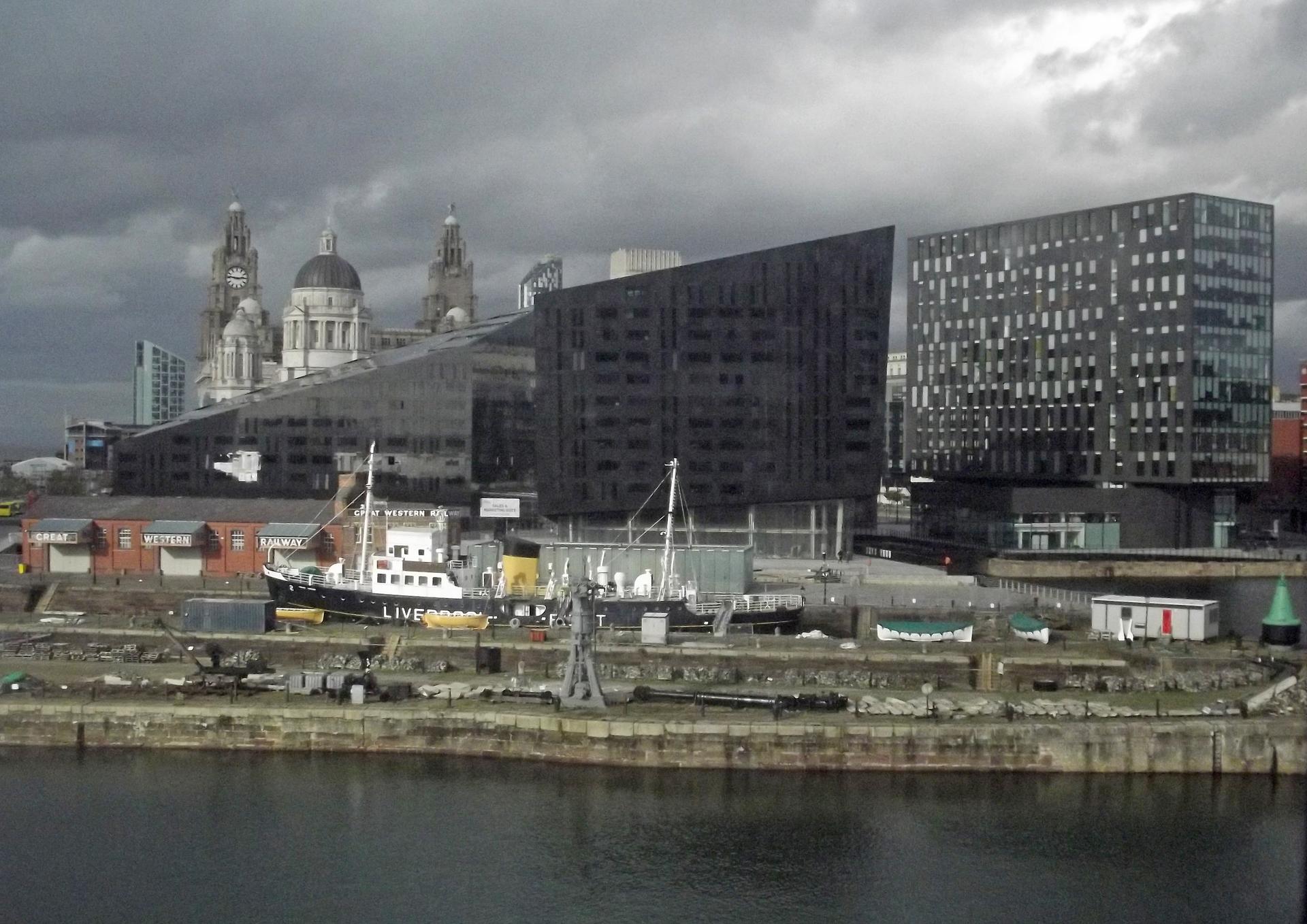
Looking beyond Graving Docks? Discover Liverpool for broader travel guides, local hot-spots, and regional highlights.
Explore Liverpool