

St Mary le Strand Church: London’s Baroque Jewel on the Strand
Discover the exquisite Baroque beauty and rich heritage of St Mary le Strand Church, a tranquil sanctuary and landmark in the heart of London’s Strand.
St Mary le Strand Church is a celebrated 18th-century Baroque masterpiece designed by James Gibbs, located prominently on London’s Strand. Consecrated in 1724, it stands as a historic Anglican parish church with a rich architectural heritage, notable ornate interior ceiling, and a landmark spire. It is a peaceful sanctuary amid the bustling city and serves as the official church of the Women’s Royal Naval Service.
A brief summary to St Mary le Strand Church
- Strand, London, WC2R 1ES, GB
- +447985066100
- Visit website
- Duration: 0.5 to 1.5 hours
- Free
-
 Outdoor
- Mobile reception: 5 out of 5
- Monday 12 pm-4 pm
- Tuesday 12 pm-4 pm
- Wednesday 12 pm-7 pm
- Thursday 12 pm-4 pm
- Friday 11:30 am-4 pm
Local tips
- Visit on weekdays between 11:30 AM and 7 PM to experience the church’s serene interior and admire the ornate ceiling in natural light.
- Look up to appreciate the intricate gold-leaf plasterwork ceiling crafted by Chrysostom Wilkins, a highlight of the church’s interior.
- Explore the church’s connection to the Women’s Royal Naval Service by viewing the memorials and Book of Remembrance inside.
- Take time to enjoy the recently pedestrianised East Strand piazza surrounding the church for unobstructed views and a peaceful atmosphere.

For the on-the-go comforts that matter to you
- Restrooms
- Seating Areas
- Information Boards
Getting There
-
Public Transport
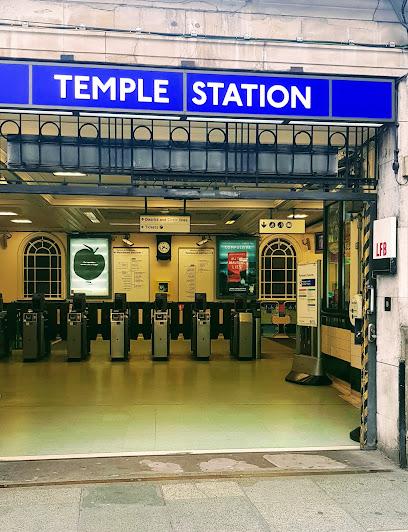
Take the London Underground to Temple Station, approximately a 10-minute walk to St Mary le Strand. The station is served by the District and Circle lines. Expect a 15-20 minute journey from central London hubs. No additional cost beyond standard fare applies.
-
Bus
Several London bus routes stop near the Strand, including routes 1, 6, 9, and 15. Bus travel times vary from 20 to 40 minutes depending on traffic. Buses accept contactless payment or Oyster cards.
-
Taxi or Rideshare
A taxi or rideshare from central London locations typically takes 10-20 minutes depending on traffic. Expect fares to range from £8 to £15. Note that traffic congestion on the Strand can affect travel time.
-
Walking
If staying nearby, walking to St Mary le Strand is pleasant and accessible, with flat pavements and pedestrian crossings. Walking times range from 10 to 20 minutes from Covent Garden or Trafalgar Square.
St Mary le Strand Church location weather suitability
-
 Any Weather
-
 Clear Skies
-
 Mild Temperatures
Discover more about St Mary le Strand Church
A Storied Site and Architectural Triumph
St Mary le Strand Church occupies a historic site on the Strand in central London, originally home to a medieval church demolished in 1549 to make way for Somerset House. The present church was constructed between 1714 and 1724 as the first of the 'Fifty New Churches' commissioned by Parliament to reinforce Anglicanism in a rapidly expanding city. Designed by Scottish architect James Gibbs, who trained in Rome under Carlo Fontana, the church is a distinguished example of English Baroque architecture. Gibbs’s design was influenced by Italian Renaissance and Baroque models, particularly the semi-circular porch inspired by Santa Maria della Pace in Rome.Baroque Elegance and Controversy
The church’s exterior features rich Baroque ornamentation, including urns along the balustrade and a striking tower and spire, which replaced Gibbs’s original plan for a free-standing column topped by a statue of Queen Anne after her death in 1714. This alteration was significant, as the spire became a defining landmark on the Strand’s historic processional route. Despite early criticism of its extravagant decoration and a tragic accident involving a falling urn in 1802, the church’s architectural presence remains commanding and memorable, enhanced by its visual relationship with nearby St Clement Danes Church.Interior Splendor and Symbolism
Inside, the church offers a simple yet elegant layout without aisles, drawing visitors’ eyes upward to an ornate plaster ceiling crafted by Chrysostom Wilkins. The ceiling’s hand-moulded designs are gilded with gold leaf and imbued with symbolic motifs, some thought to represent political and religious allegiances of the era, including Jacobite symbols subtly integrated into the artwork. The church’s interior atmosphere is one of dignity and sanctuary, reflecting its long-standing role as a place of worship and peace in the heart of London.Historical Significance and Modern Role
Consecrated on 1 January 1724, St Mary le Strand has served as a vital center of Anglican worship and London civic life for over three centuries. It is uniquely situated on the ceremonial route connecting Westminster and Buckingham Palace to the City of London. Since World War II, it has been the official church of the Women’s Royal Naval Service, known as the Wrens, commemorated inside with memorials and a Book of Remembrance. The church narrowly escaped demolition in the early 20th century and survived wartime bombings, preserving its heritage for future generations.Preservation and Future Plans
Recent efforts have focused on restoring and adapting the church to meet contemporary needs while respecting its historic fabric. Plans include making the building more accessible with step-free entrances, enhancing flexibility for diverse events, and conserving the high-level stonework and exterior cleaning. The church now sits within a newly pedestrianised East Strand piazza, allowing visitors to appreciate its architectural beauty fully and enjoy its peaceful presence amid the city bustle.Architectural Legacy of James Gibbs
St Mary le Strand was James Gibbs’s first major project after returning from Italy and remains one of his most notable Baroque works. Gibbs later adapted his style toward Neo-Palladianism but this church stands as a testament to his technical skill and creative synthesis of European architectural influences. Its enduring landmark status and artistic richness secure St Mary le Strand’s place as one of London’s finest 18th-century churches and a jewel on the historic Strand.Iconic landmarks you can’t miss

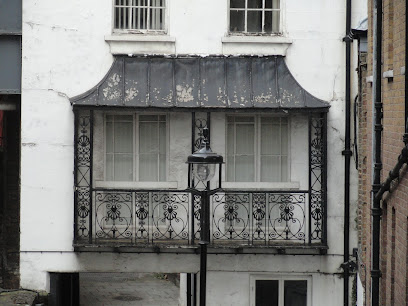
The Old Watch House
0.1 km
A quaint early 18th-century parish watch house on London’s Strand, offering a rare glimpse into pre-Metropolitan Police community policing.
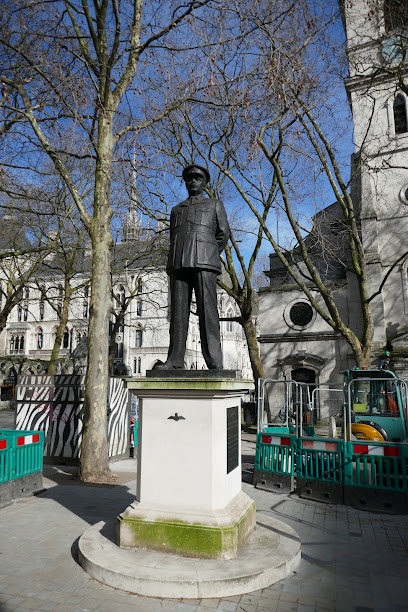
Bomber Harris Memorial
0.2 km
A solemn tribute to RAF Bomber Command’s leader and airmen, set within the historic St Clement Danes Church in London’s Temple district.
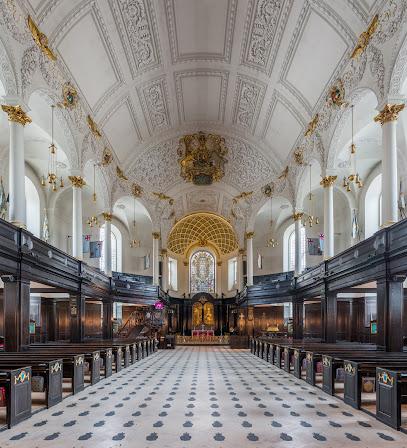
St Clement Danes Church
0.2 km
Historic London church and Central Church of the Royal Air Force, famed for its Wren architecture, RAF memorials, and iconic 'Oranges and Lemons' bells.
Strand
0.2 km
Historic London thoroughfare linking Westminster and the City, famed for grand hotels, cultural landmarks, and hidden historical treasures.

Richard D’Oyly Carte Monument
0.4 km
A sculptural homage to Richard D’Oyly Carte’s theatrical and hospitality legacy, nestled in the serene Victoria Embankment Gardens.
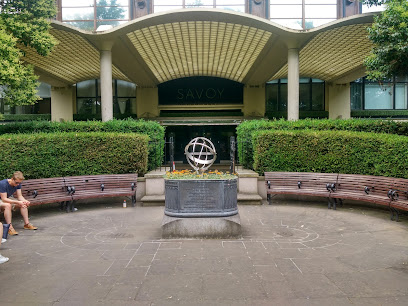
King's Reach commemoration memorial
0.4 km
Historic riverside memorial honoring King George V’s Silver Jubilee and the naming of London’s Thames stretch as 'King’s Reach'.
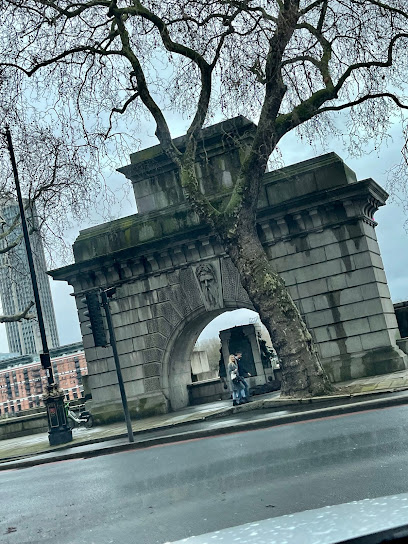
Bow St
0.4 km
Bow Street, a historic London street famed for pioneering policing, vibrant theatre, and rich cultural heritage in Covent Garden.
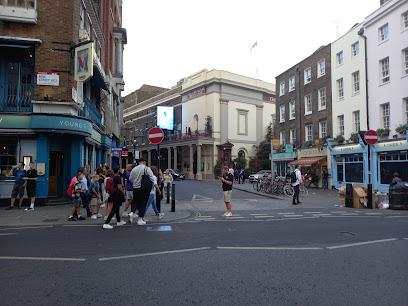
Waterloo Bridge
0.4 km
Waterloo Bridge, London’s elegant Thames crossing, famed for its wartime women builders and breathtaking panoramic city views.
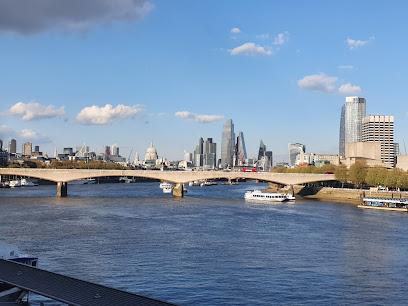
Plaque: David Garrick
0.4 km
Honoring David Garrick, the 18th-century actor and theatre innovator, with a commemorative plaque in London’s historic theatre district.
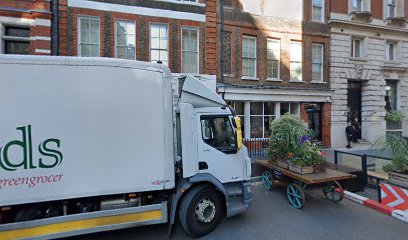
Henry Fawcett Monument
0.4 km
A serene Victorian fountain memorializing Henry Fawcett’s pioneering spirit in social reform and women’s suffrage, nestled in tranquil Embankment Gardens.
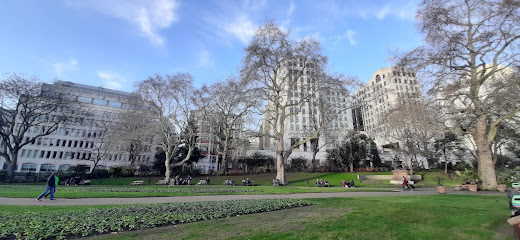
Prince Henry's Room
0.4 km
Discover a rare Jacobean timber-framed treasure on Fleet Street, rich with history, ornate plasterwork, and tales from London's past.
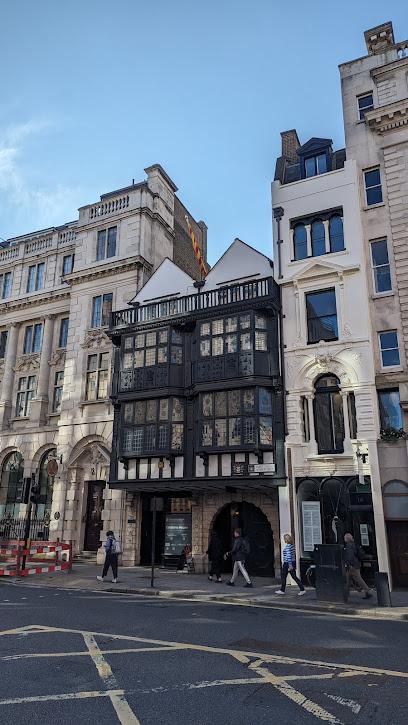
John Adam St & Adam St
0.5 km
Explore John Adam Street & Adam Street, heart of the Adam brothers’ neoclassical Adelphi development, blending Georgian elegance with modern London vibrancy.
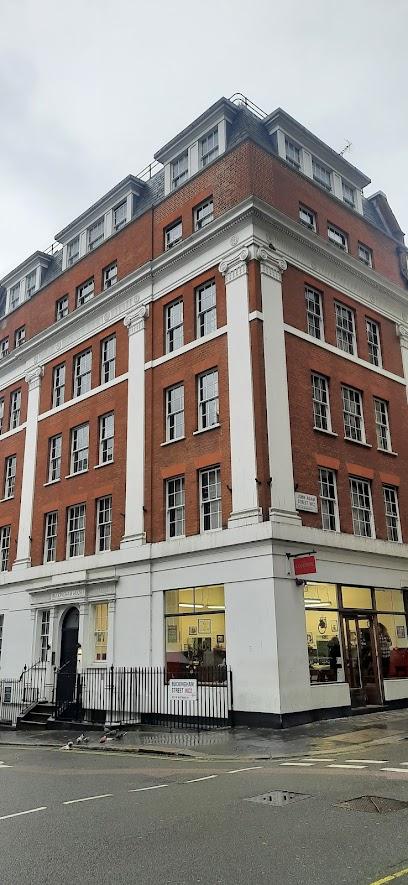
Major-General Lord Cheylesmore Monument
0.5 km
A serene stone tribute in Victoria Embankment Gardens honoring Major-General Lord Cheylesmore’s military and civic legacy.
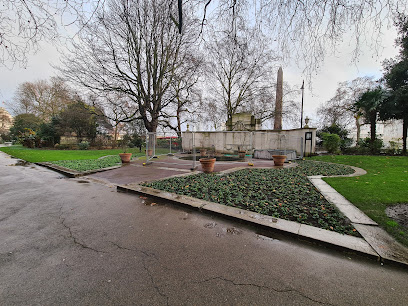
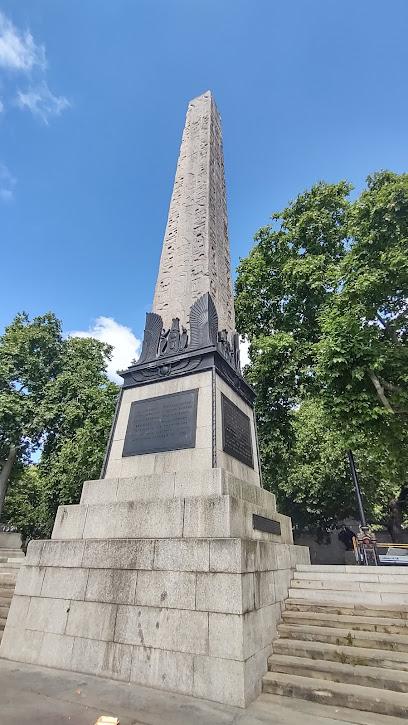
Cleopatra's Needle
0.5 km
An ancient Egyptian obelisk on London's Thames Embankment, bridging millennia of history and mystery in the heart of the city.
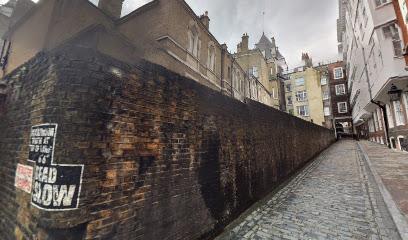
Hare Pl
0.6 km
Discover Hare Place in Temple, London—a serene historic enclave steeped in centuries of legal tradition and architectural charm.
Unmissable attractions to see

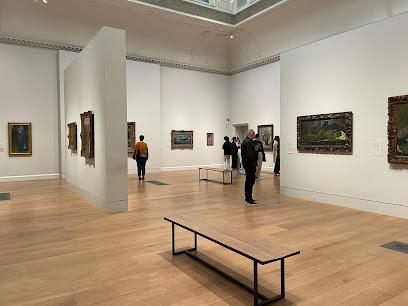
The Courtauld Gallery
0.1 km
Discover world-class art masterpieces from the Middle Ages to Impressionism in the historic Somerset House setting.
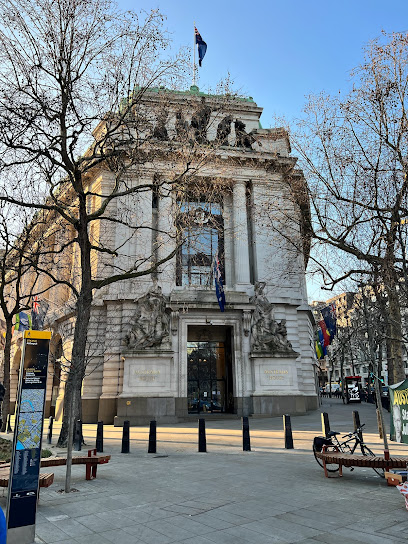
Hidden London - Aldwych Station
0.1 km
Step into London’s hidden past with exclusive tours of Aldwych Station, a disused Tube shelter rich in history and wartime stories.
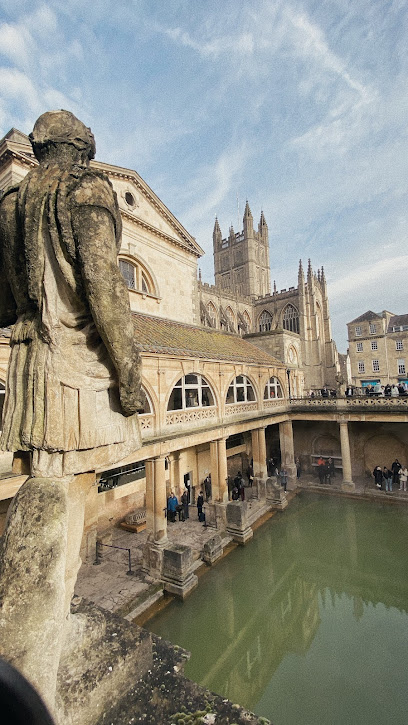
National Trust - Strand Lane "Roman Bath"
0.1 km
Discover London’s hidden Tudor-era cold bath beneath the Strand, where myth and history intertwine in a unique urban relic.
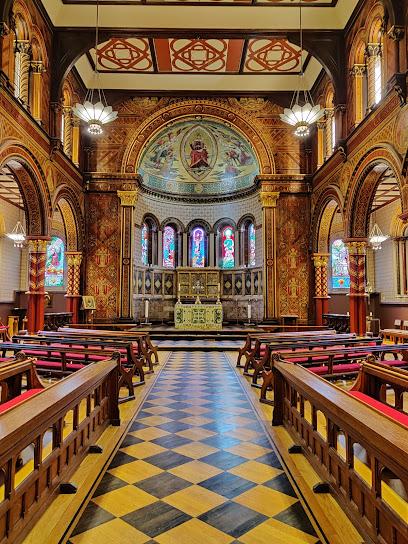
King's College Chapel
0.1 km
Explore the breathtaking beauty and rich history of King's College Chapel, a must-visit Gothic masterpiece in the heart of London.
King's College London
0.1 km
Historic riverside campus blending classical architecture with modern academia in central London’s vibrant cultural heart.
Somerset House
0.1 km
Historic neoclassical landmark and vibrant cultural hub on the Thames, blending art, performance, dining, and innovation in central London.

Aldwych Theatre
0.1 km
Experience timeless elegance and captivating performances at London’s historic Aldwych Theatre, a West End treasure with Art Deco charm.
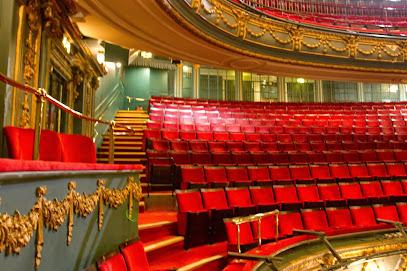
Mamma Mia!
0.2 km
Experience the joyous ABBA musical Mamma Mia! at London’s Novello Theatre, a timeless West End celebration of love and laughter.
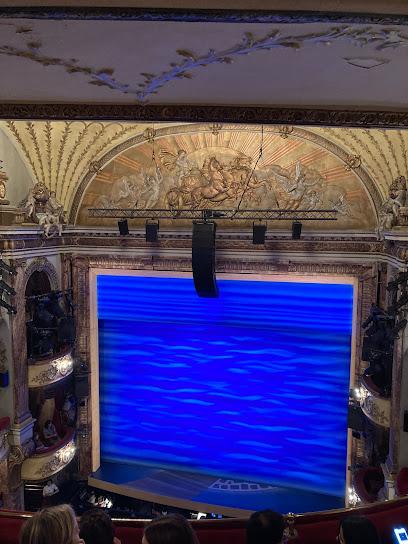
Novello Theatre
0.2 km
A classic West End theatre on Aldwych, home to Mamma Mia! and a refined Edwardian auditorium with excellent sightlines and intimate charm.
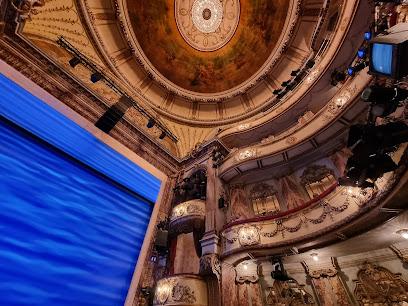
Duchess Theatre
0.2 km
Discover the intimate charm and rich history of the Duchess Theatre, a West End treasure since 1929 with iconic productions and timeless elegance.
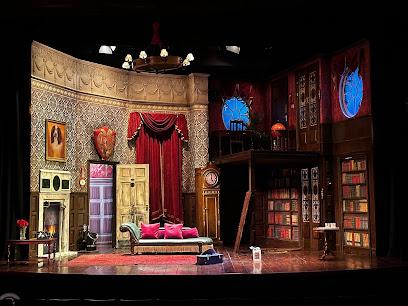
Temple Station
0.2 km
Step into history at Temple Station, a Victorian-era gateway to London’s medieval Knights Templar district and legal heritage.
Lyceum Theatre
0.2 km
Experience world-class West End theatre in the historic Lyceum Theatre, home to The Lion King and a jewel of London’s cultural scene.
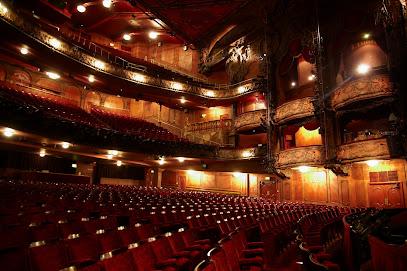
Victoria Embankment
0.3 km
Explore Victoria Embankment, a historic riverside promenade in London featuring iconic views, tranquil gardens, and rich Victorian heritage.
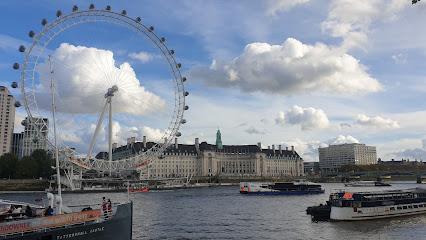
Peacock Theatre
0.3 km
A dynamic West End venue dedicated to contemporary dance and innovative performances in a historic yet modern setting.
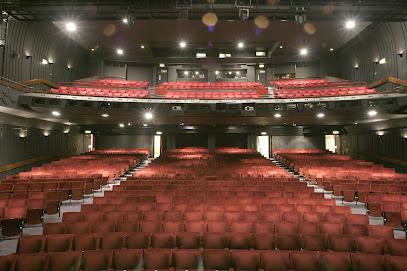
Theatre Royal Drury Lane
0.3 km
Experience London's oldest theatre site, where 350 years of theatrical history come alive in a stunning 1812 West End landmark.
Essential places to dine

Ikoyi Restaurant
0.1 km
Discover Ikoyi, London’s two-Michelin-starred restaurant blending bold West African spices with British ingredients in an elegant, sensory tasting journey.
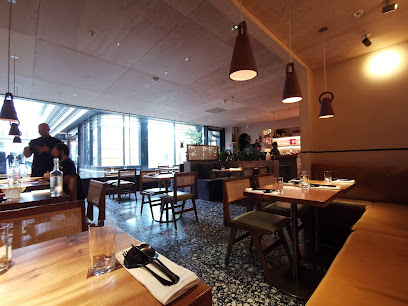
Cicchetti by San Carlo - London Covent Garden
0.3 km
Experience authentic Venetian small plates and seasonal Italian flavors in a stylish, lively Covent Garden setting.
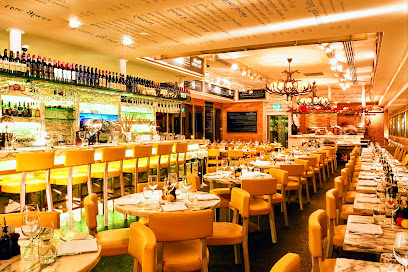
Sarastro
0.3 km
Experience vibrant Mediterranean flavors and live musical theatre in the heart of Covent Garden’s most theatrical restaurant.
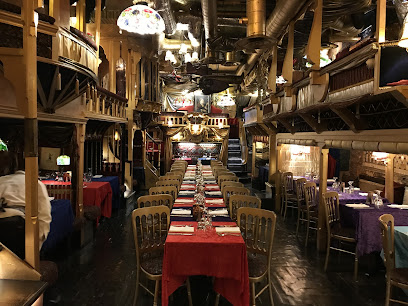
Balthazar
0.3 km
Experience the lively charm of a Parisian brasserie with classic French cuisine in the heart of Covent Garden, London.
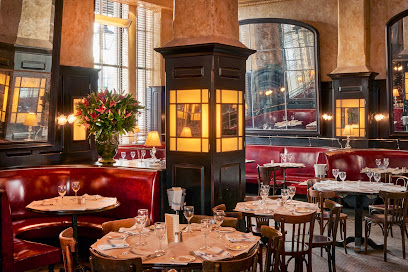
Frog by Adam Handling Restaurant Covent Garden
0.4 km
Experience Michelin-starred modern British cuisine with theatrical flair and sustainable luxury in the heart of Covent Garden.
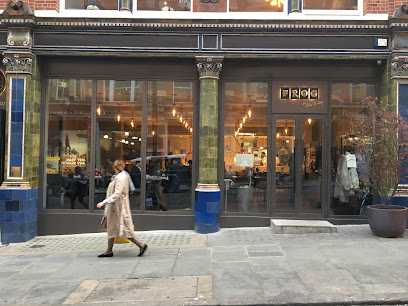
Chez Antoinette
0.4 km
Authentic Lyon-inspired French bistro serving classic tartines and cozy café fare in the heart of Covent Garden, London.
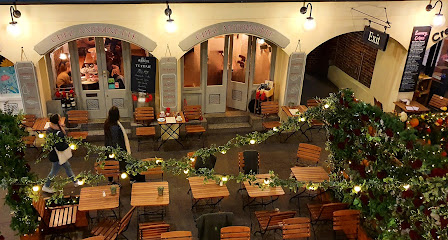
Margot
0.4 km
Sophisticated Italian dining with classic charm and an extensive wine list in the heart of Covent Garden, London.
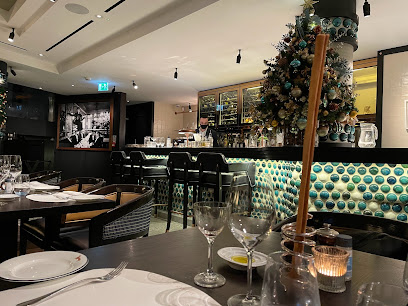
Rules
0.5 km
London’s oldest restaurant since 1798, Rules serves timeless British classics in an elegant, historic Covent Garden setting.
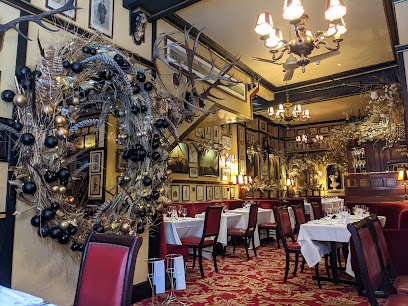
Inamo Covent Garden
0.5 km
A futuristic Pan-Asian restaurant in Covent Garden where interactive tables meet bold Asian flavours in a sleek, tech-forward space.
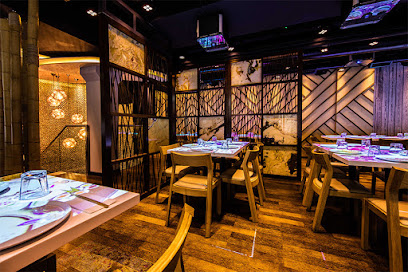
Cora Pearl Covent Garden
0.5 km
Elegant modern British dining in Covent Garden with iconic chips, soulful vibes, and a nod to a glamorous past.
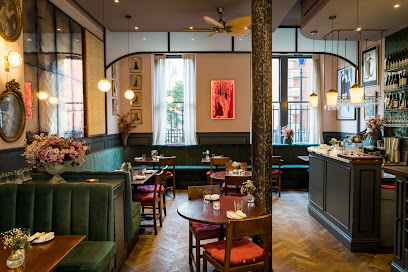
Palm Court Brasserie
0.5 km
Experience authentic Parisian charm and classic French cuisine in the vibrant heart of Covent Garden at Palm Court Brasserie.
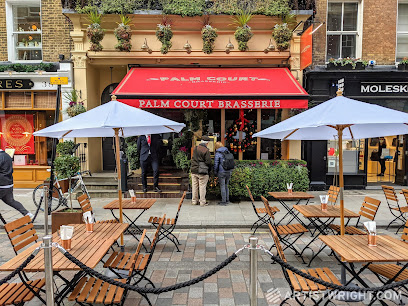
Flat Iron Covent Garden
0.5 km
Savor expertly crafted flat iron steaks in a historic Covent Garden setting, complete with rustic charm and a signature ice cream treat.
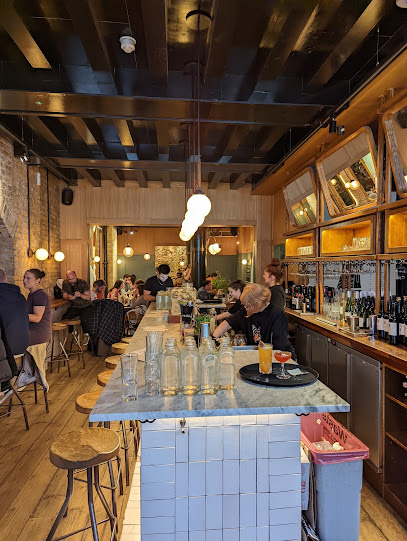
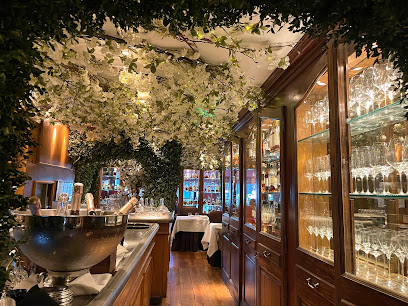
Clos Maggiore
0.5 km
Experience London’s most romantic French restaurant with enchanting blossom-filled conservatory and an award-winning wine cellar in Covent Garden.
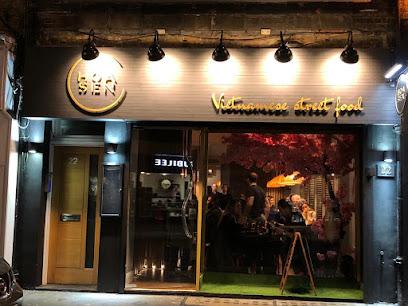
Hoa Sen Vietnamese Street Food Restaurant
0.6 km
Authentic Vietnamese street food in the heart of Covent Garden, blending vibrant flavors with a lively, cozy atmosphere.
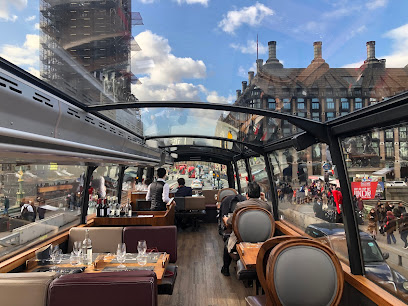
Bustronome London
0.6 km
Dine in luxury aboard a panoramic double-decker bus while touring London’s iconic landmarks with gourmet cuisine and fine wines.
Markets, malls and hidden boutiques

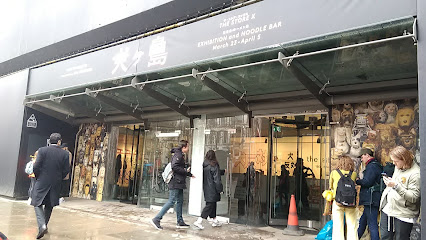
The Store X
0.1 km
A visionary space where London’s fashion, art, and culture converge in an immersive, innovative experience.
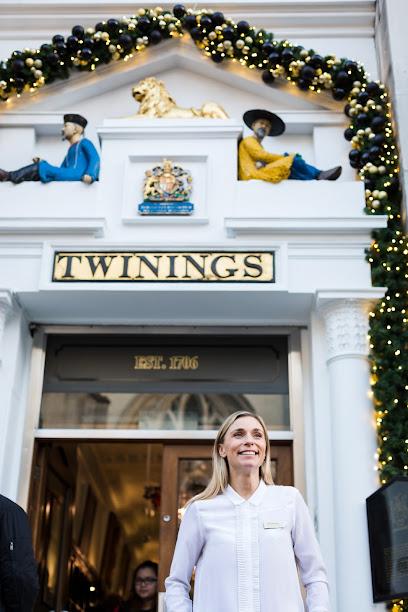
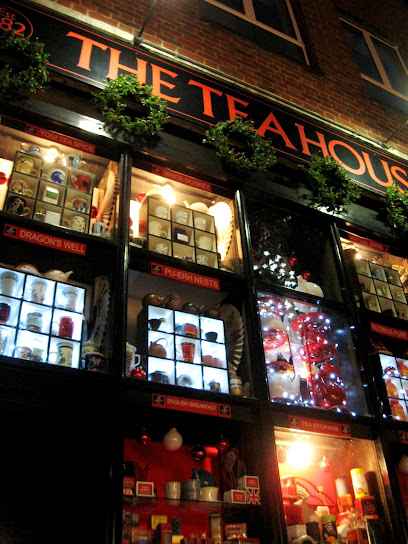
Twinings - The Strand
0.3 km
Discover over 300 years of tea heritage at London’s oldest tea shop, featuring historic charm, premium tastings, and a unique museum experience.
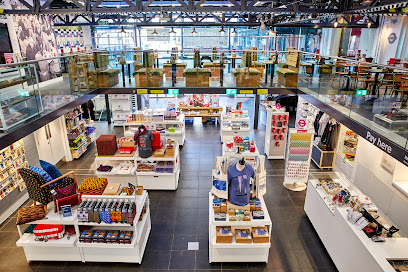
London Transport Museum - Shop
0.3 km
Discover unique transport-themed gifts and iconic London memorabilia at the London Transport Museum Shop in Covent Garden.
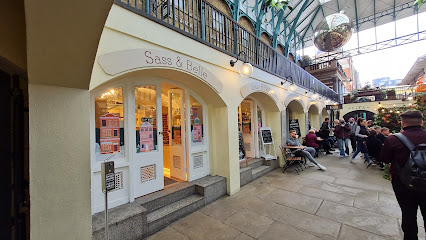
Sass & Belle Covent Garden Market
0.4 km
Quirky gifts and whimsical homeware in Covent Garden's lively market—permanently closed in-store, thriving online with cute finds for every home.
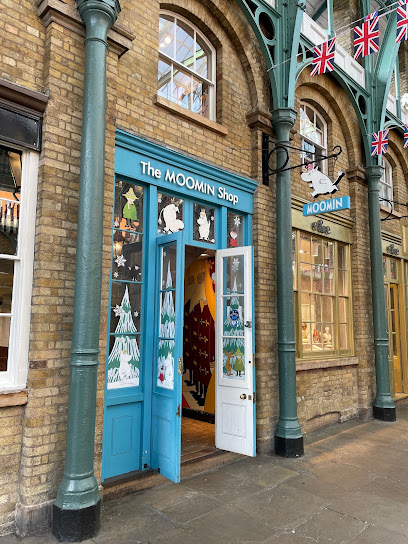
The Moomin Shop London
0.4 km
Step into the enchanting world of Moominvalley at The Moomin Shop in Covent Garden, London’s magical haven for fans of Tove Jansson’s beloved characters.
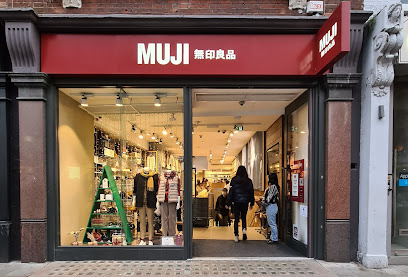
MUJI Covent Garden Store
0.5 km
Discover Japanese minimalism in Covent Garden: timeless clothing, sustainable homewares, and functional stationery for clutter-free, mindful living.
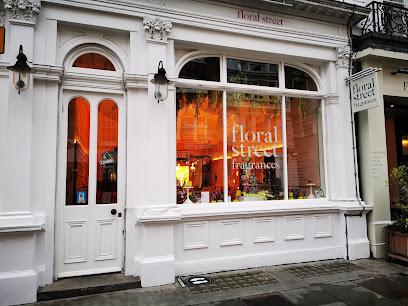
Floral Street
0.6 km
Contemporary floral fragrances crafted with purpose, sustainability, and joy in the heart of London.
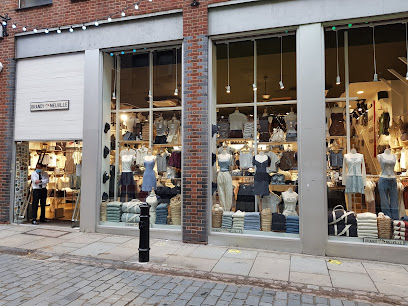
Brandy Melville - Covent Garden
0.6 km
Trendy Italian-LA fusion on Neal Street: one-size-fits-most chic for the effortless Covent Garden style seeker.
Rokit Covent Garden
0.6 km
Dive into retro treasures at Rokit Covent Garden, where sustainable vintage fashion meets London's vibrant street style heritage on Shelton Street.

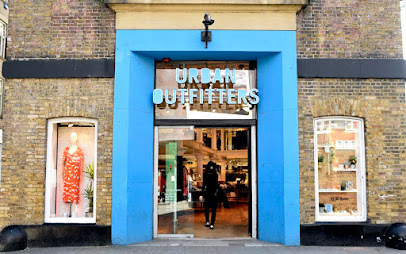
Urban Outfitters
0.6 km
Dive into Urban Outfitters' warehouse wonderland in Seven Dials, where eclectic fashion, cult beauty, and quirky homewares fuel London's youth culture vibe.
not just a shop
0.6 km
Discover unique, handcrafted art and design by UAL’s students and alumni at this creative retail hub in central London.

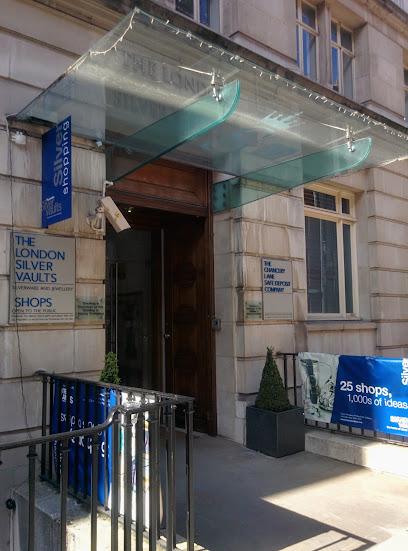
London Silver Vaults
0.6 km
The world's largest underground marketplace for fine antique and contemporary silver, hidden beneath historic Chancery Lane.
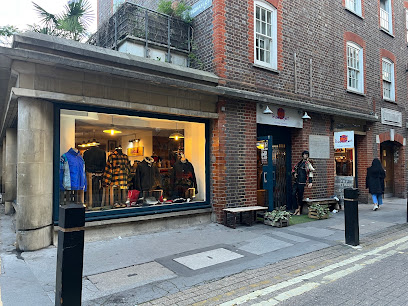
Pop Boutique
0.6 km
Discover authentic vintage fashion treasures from the 50s to 90s in a colorful, retro boutique at London’s vibrant Seven Dials.
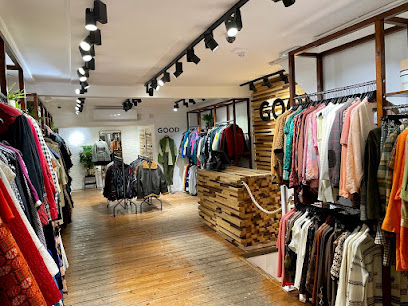
Good
0.7 km
Discover sustainable style with curated preloved vintage and designer fashion at Good London’s Seven Dials shop.
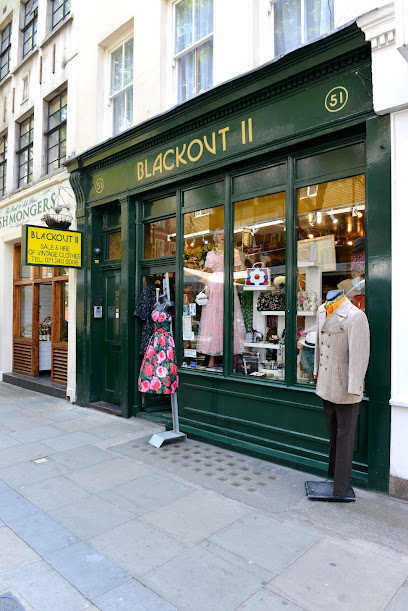
Blackout II - Vintage Clothing London
0.7 km
Discover timeless vintage fashion treasures from the 1920s to the 1980s in Covent Garden’s iconic Blackout II boutique.
Essential bars & hidden hideouts

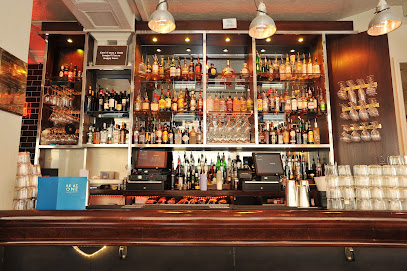
Be At One - Covent Garden Lyceum
0.2 km
Shake up your night in Covent Garden with 100+ cocktails, 2-for-1 happy hours, and masterclasses in a historic spot pulsing with theater-district energy.
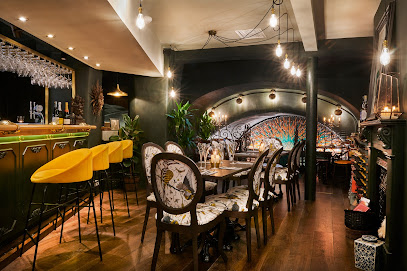
Plume Wine Bar
0.2 km
Covent Garden speakeasy in Dickens' old offices: sparkling wines from afar, cheesy sharing plates, and note-passing to strangers in candlelit luxury.
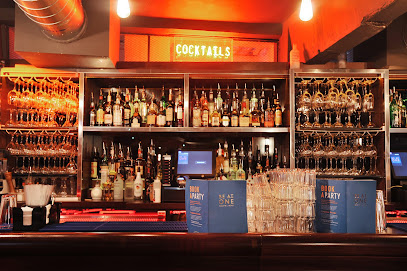
Be At One - Russell Street
0.3 km
Covent Garden’s vibrant cocktail bar with 100+ drinks, late-night parties, and unbeatable 2-for-1 happy hours in a stylish basement setting.
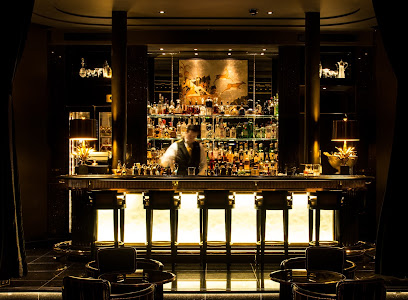
Beaufort Bar
0.3 km
Step into the Beaufort Bar’s jet-black and gold Art Deco glamour for exquisite cocktails, live sultry music, and a timeless London night out.
American Bar
0.3 km
Step into London’s oldest cocktail bar, where over a century of mixology mastery meets elegant Art Deco charm at The Savoy.
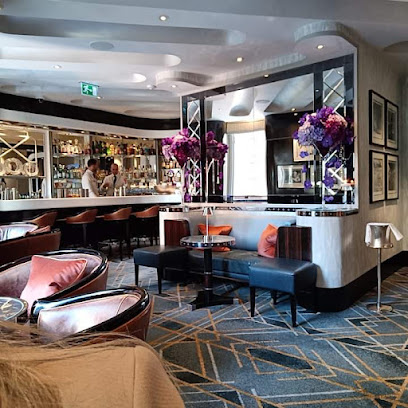
Dirty Martini - Covent Garden
0.3 km
Glamorous Covent Garden cocktail haven pulsing with martini magic, bottomless brunches, and late-night DJ vibes under sparkling chandeliers.
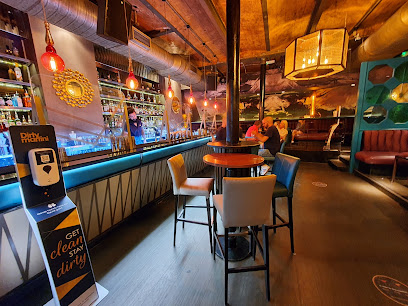
Crusting Pipe
0.4 km
Covent Garden wine bar pouring Davy’s finest ports amid live music, British classics and cosy nooks—perfect for pre-theatre indulgence or market rendezvous.
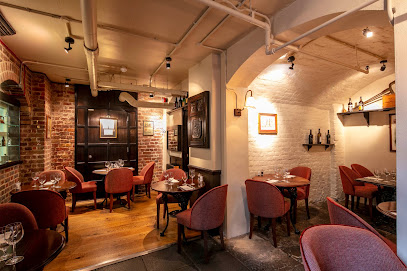
Eve Bar Covent Garden
0.4 km
Subterranean Covent Garden cocktail bar tempting with zero-waste elixirs, decadent snacks, and Eden-inspired glamour beneath a Michelin-starred haven.
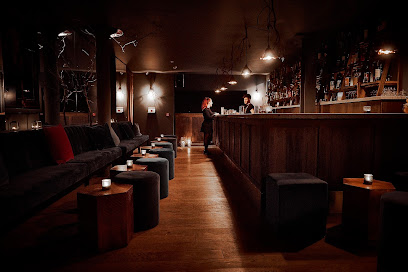
Upstairs At Rules
0.5 km
Discover Upstairs At Rules, a refined cocktail bar above London’s oldest restaurant, where Edwardian elegance meets expertly crafted drinks in Covent Garden.
Mrs Riot
0.5 km
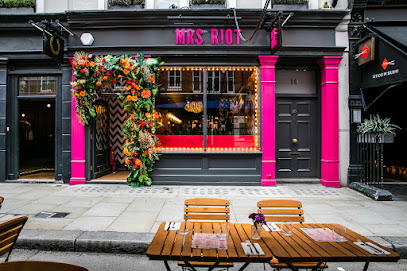
Covent Garden's technicolor riot: punk-pop cocktails, drag brunches, live DJs, and Kitty Clive's rebellious legacy in one explosive venue.
All Bar One Covent Garden
0.5 km
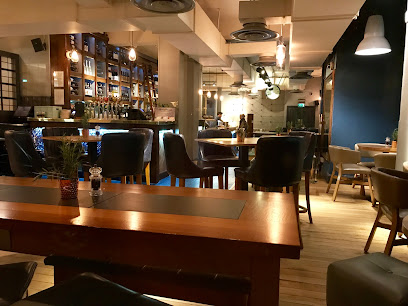
Stylish Covent Garden wine bar serving shareable plates, extensive wines, and cocktails in a lively West End setting—ideal for pre-theatre drinks or group gatherings.
Mr Fogg's Society of Exploration
0.5 km
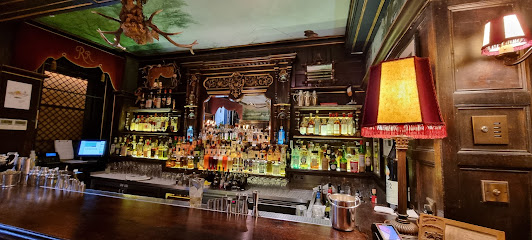
Step into a Victorian explorer’s world with inventive cocktails, immersive storytelling, and a mechanical mixologist in Covent Garden’s unique speakeasy.
The Understudy
0.6 km
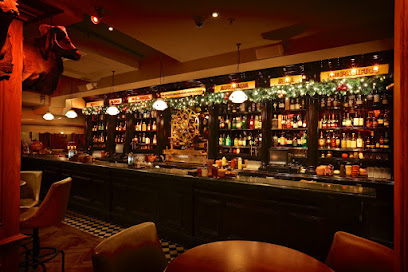
Riverside craft beers, KERB street food, and Thames views at the National Theatre's lively bar – perfect for pre-show bites or late-night hangs on London's South Bank.
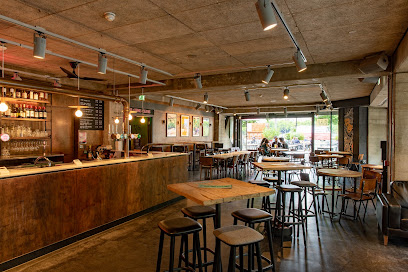
Blame Gloria - Cocktail Bar in Covent Garden
0.6 km
Dive into Blame Gloria’s neon-lit retro cocktail haven in Covent Garden, where legendary rock vibes and wild themed brunches electrify your night.
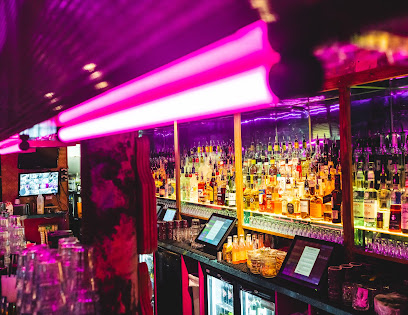
Gordon's Wine Bar
0.6 km
Step into London's oldest wine bar, where history, candlelight, and award-winning wines create an unforgettable cellar experience.
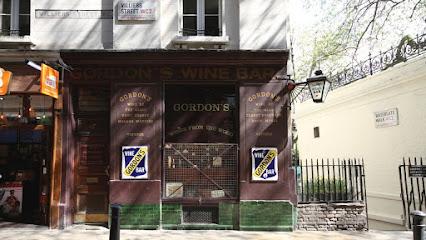
Nightclubs & after hour spots

Proud Late
0.3 km
Dive into two-storey glamour under Waterloo Bridge: cabaret acrobatics, burlesque dazzle, supper feasts, and non-stop clubbing till 5am in London's West End nightlife epicenter.
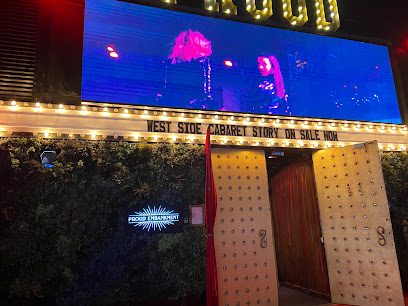
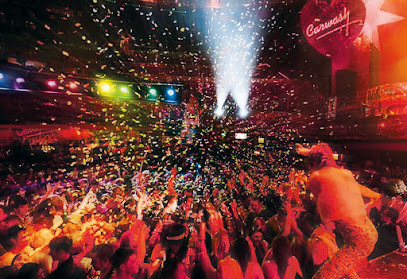
Carwash Nightclub
0.5 km
Experience Europe’s longest-running disco club in London’s West End, where retro beats, vibrant crowds, and themed parties create unforgettable nights.
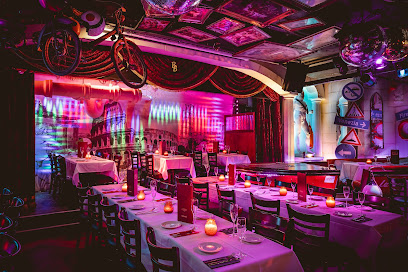
Bunga Bunga Covent Garden
0.5 km
A neon-soaked, pizza-and-karaoke supper club under Drury Lane — 90s nostalgia, stage shows and shareable Italian feasts.
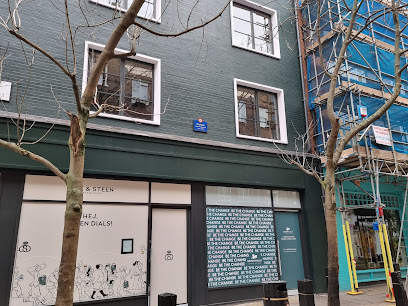
Comedy Carnival Covent Garden
0.7 km
London's premier stand-up comedy venue showcasing bold, award-winning international comedians in vibrant Covent Garden.

The Roxy
0.7 km
Soho's unbeatable happy hour cocktail bar by day, pulsing nightclub with live music and DJ nights till 3am—affordable vibes in London's nightlife heart.
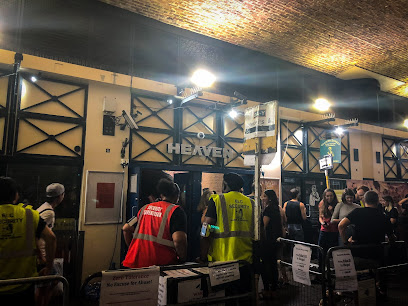
Heaven
0.7 km
London’s iconic gay superclub under the railway arches — big nights, loud music, drag, and late finishes in the heart of the West End.
Whatdafunk Presents West End Urban Disco
0.7 km
Dive into London's grooviest urban disco beats at Whatdafunk, where Covent Garden's streets pulse with funk, soul, and non-stop dance energy in the heart of the West End.
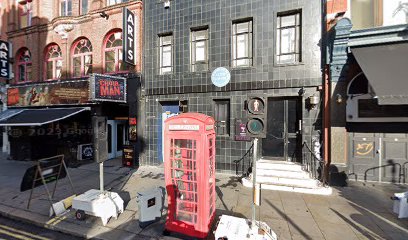
The Ivy Club
0.8 km
Art-Deco‑tinged members’ club above The Ivy — piano bars, discreet private dining and polished West End glamour.
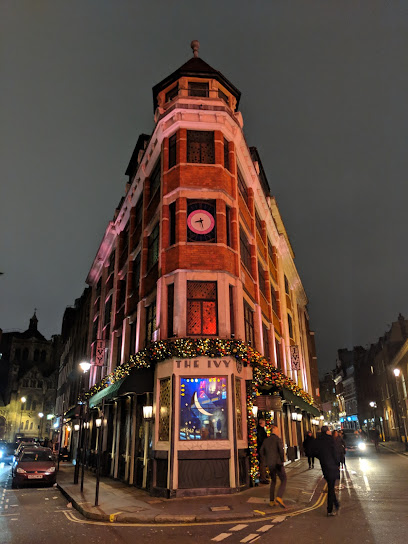
Zoo Bar & Club
0.9 km
Dive into Leicester Square's edgy nightlife hub: two floors of R&B beats, sports screens, and wild energy until 3am at Zoo Bar & Club.
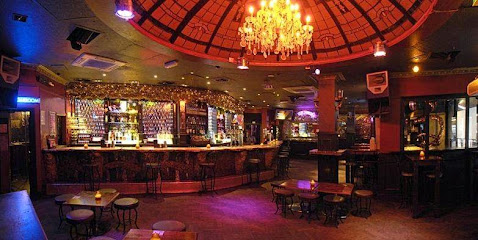
The Boat Show Comedy Club
0.9 km
London’s premier floating comedy club aboard the historic Tattershall Castle, blending laughter with iconic riverside views and vibrant nightlife.
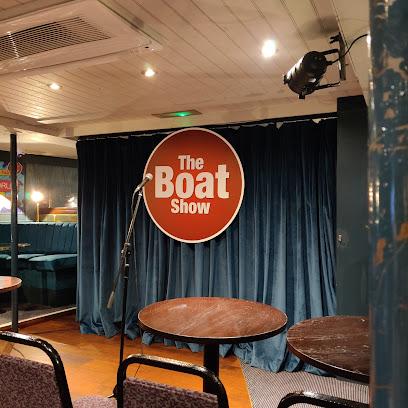
The Penthouse London
1.0 km
A compact, rooftop nightclub above Leicester Square — reached by a side lift, built for late‑night private parties and skyline glimpses.
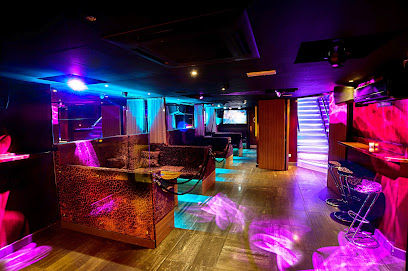
Club49Soho
1.0 km
Soho's stylish cocktail haven with DJ-fueled dancefloor energy, blending upscale drinks and classy nightlife vibes until 3am.
La Capannina Club
1.0 km
Discover Soho's discreet gentlemen's club: seductive stage shows, cosy vibes, and late-night allure in London's nightlife heart.
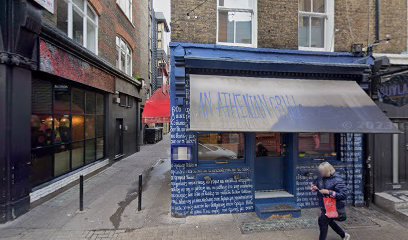
TSQ Club
1.1 km
Dive into Trafalgar Square's nightlife pulse at TSQ Club, where eclectic beats, dazzling lights, and craft cocktails fuel unforgettable weekend nights in London's heart.

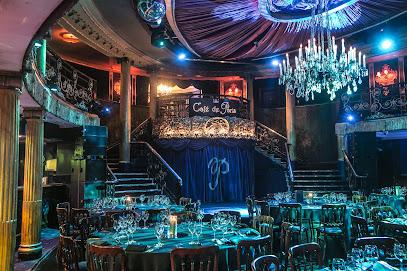
Café de Paris
1.1 km
Step into London’s iconic West End nightclub where history, glamour, and electrifying cabaret create unforgettable nights.
For the vibe & atmosphere seeker
- Tranquil
- Scenic
- Unique
- Casual
For the design and aesthetic lover
- Baroque
For the architecture buff
- Historic
- Landmarks
- Sacred Sites
For the view chaser and sunset hunter
- Iconic Views
For the social media creator & influencer
- Instagrammable
- Photo Spots
- Architectural Shots
For the eco-conscious traveler
- Public-Transport Accessible
For the kind of experience you’re after
- Cultural Heritage
- Mindfulness
- Spiritual / Energy Spot
- Day Trip
For how adventurous you want the journey to be
- Easy Access
Location Audience
- Family Friendly
- Senior Friendly
- Child Friendly
- Solo Friendly
- Couple Friendly
- Vegetarian Friendly
- Vegan Friendly


