

Theatre Royal Drury Lane: London's Historic West End Playhouse
Experience London's oldest theatre site, where 350 years of theatrical history come alive in a stunning 1812 West End landmark.
Theatre Royal Drury Lane, located on Catherine Street in London, is the oldest theatre site in the city still in use, with origins dating back to 1663. Renowned for its rich history in Restoration drama, Shakespearean productions, and grand musicals, this Grade I listed West End theatre boasts a stunning 1812 Benjamin Dean Wyatt-designed building. It offers nearly 2,200 seats across four levels, combining architectural grandeur with a vibrant cultural legacy.
A brief summary to Theatre Royal Drury Lane
- Catherine St, London, WC2B 5JF, GB
- +442039252998
- Visit website
- Duration: 2 to 4 hours
- Mid ranged
-
 Indoor
- Mobile reception: 5 out of 5
Local tips
- For the best views, book seats in the central Stalls (rows E to M) or the front Royal Circle (rows D to K).
- Consider booster seats for children under 4ft in the Stalls and Royal Circle for better comfort.
- Arrive early to enjoy the theatre’s historic ambiance and bars before the performance.
- If on a budget, side seats in the Grand Circle or rear Balcony offer good value with decent views.

For the on-the-go comforts that matter to you
- Restrooms
- Drink Options
- Food Options
- Seating Areas
- Information Boards
Getting There
-
London Underground
Take the Piccadilly or Central Line to Leicester Square station, approximately a 10-15 minute walk to Theatre Royal Drury Lane. The station is well-serviced and accessible, with frequent trains costing around £2.50–£4.00 depending on travel card or Oyster use.
-
Bus
Several London bus routes serve the Covent Garden area, including routes 1, 6, 9, 13, and 15, with stops within a 5-10 minute walk of the theatre. Bus fares are typically £1.65 with an Oyster or contactless card.
-
Taxi or Rideshare
A taxi or rideshare from central London locations typically takes 10-20 minutes depending on traffic, costing approximately £8–£15. Note that traffic congestion can affect journey times during peak hours.
-
Walking
If staying nearby in Covent Garden or Leicester Square, walking to the theatre is convenient and takes about 10-15 minutes on mostly flat, paved streets suitable for wheelchairs and strollers.
Theatre Royal Drury Lane location weather suitability
-
 Any Weather
-
 Clear Skies
-
 Rain / Wet Weather
Discover more about Theatre Royal Drury Lane
Origins and Enduring Legacy
The Theatre Royal Drury Lane stands on a site that has hosted theatrical performances since 1663, making it London's oldest theatre location still active today. Founded by Thomas Killigrew under a royal charter from King Charles II, it emerged during the Restoration era when theatres reopened after the Puritan Interregnum ban on plays. The original wooden playhouse was destroyed by fire in 1672 but was soon rebuilt, possibly under the guidance of Sir Christopher Wren, marking the beginning of a long tradition of theatrical innovation and grandeur. Over centuries, the theatre has been a stage for celebrated playwrights and actors, including David Garrick and Richard Brinsley Sheridan, and has premiered iconic works such as Sheridan’s "The School for Scandal."Architectural Evolution and Present Form
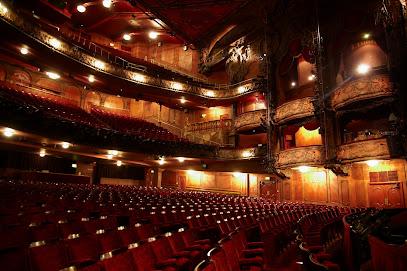
The current Theatre Royal building dates from 1812, designed by Benjamin Dean Wyatt, and is celebrated as one of London’s finest theatre structures. It replaced earlier iterations lost to fire and redevelopment, preserving the theatre’s historic footprint on Catherine Street. The neoclassical façade with its imposing portico and colonnade remains a striking feature, while the interior balances historic elegance with modern comfort. The theatre seats approximately 2,200 patrons across four levels: the Stalls, Royal Circle, Grand Circle, and Balcony, each offering distinctive viewing experiences and atmosphere.Seating and Audience Experience
The theatre’s seating is thoughtfully arranged to accommodate a wide range of preferences and budgets. The Stalls, with around 750 seats, provide an immersive proximity to the stage, especially in central rows E to M. The Royal Circle offers elevated, premium views with excellent legroom, while the Grand Circle and Balcony provide more affordable options with panoramic perspectives. Although some seats at the extreme sides or rear may have restricted views, the theatre’s large 22-meter deep stage ensures visibility and engagement even from the upper tiers. Accessibility features include level access entrances and booster seats for children in select sections.Artistic Significance and Cultural Role
Throughout its history, Drury Lane has been a hub for theatrical innovation, hosting everything from Restoration comedies and Shakespearean dramas to grand operas and modern musicals. It was the site of pioneering pantomimes and notable performances by luminaries such as Sir Henry Irving and Ellen Terry. In the 20th century, it became known for large-scale musical productions and served as the wartime headquarters for ENSA, supporting morale during World War II. Today, under the stewardship of Andrew Lloyd Webber, the theatre continues to present major West End shows, blending its storied past with vibrant contemporary culture.Atmosphere and Visitor Experience
Visitors to Theatre Royal Drury Lane are enveloped in an ambiance of historic grandeur and theatrical excitement. The richly decorated auditorium, with its elegant boxes and sweeping balconies, creates a sense of occasion. The theatre’s lively atmosphere is enhanced by attentive staff, bars on multiple levels, and modern amenities that complement the historic setting. Whether attending a musical or a classic play, patrons experience a blend of intimacy and spectacle, making each visit memorable. The theatre’s location in Covent Garden adds to its charm, surrounded by vibrant streets and cultural landmarks.Preservation and Restoration Efforts
The theatre has undergone significant restoration, most notably in 2013 when Andrew Lloyd Webber led efforts to restore the building to its 1812 splendor. This included meticulous refurbishment of architectural details and modernization of facilities while respecting the building’s Grade I listed status. These efforts ensure that Theatre Royal Drury Lane remains not only a functional performance venue but also a treasured historic monument, preserving its legacy for future generations of theatre lovers and visitors to London.Iconic landmarks you can’t miss

Bow St
0.1 km
Bow Street, a historic London street famed for pioneering policing, vibrant theatre, and rich cultural heritage in Covent Garden.
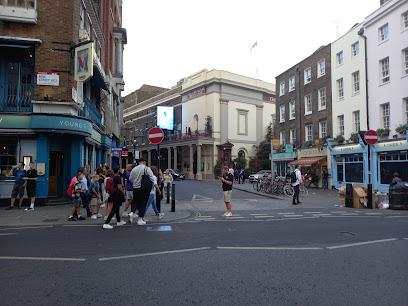
Strand
0.2 km
Historic London thoroughfare linking Westminster and the City, famed for grand hotels, cultural landmarks, and hidden historical treasures.

Plaque: David Garrick
0.2 km
Honoring David Garrick, the 18th-century actor and theatre innovator, with a commemorative plaque in London’s historic theatre district.
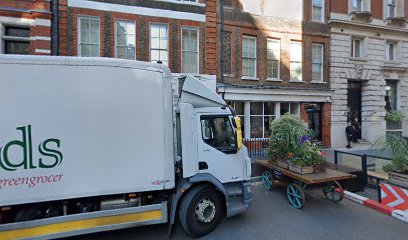
The Old Watch House
0.3 km
A quaint early 18th-century parish watch house on London’s Strand, offering a rare glimpse into pre-Metropolitan Police community policing.
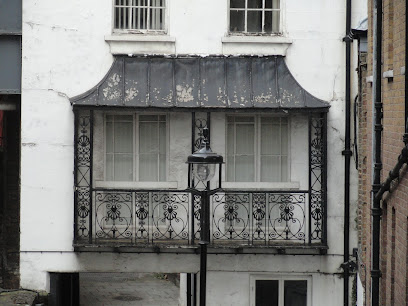
Richard D’Oyly Carte Monument
0.4 km
A sculptural homage to Richard D’Oyly Carte’s theatrical and hospitality legacy, nestled in the serene Victoria Embankment Gardens.
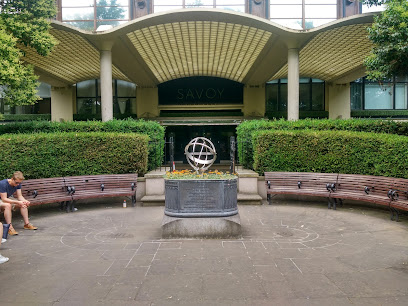
John Adam St & Adam St
0.4 km
Explore John Adam Street & Adam Street, heart of the Adam brothers’ neoclassical Adelphi development, blending Georgian elegance with modern London vibrancy.
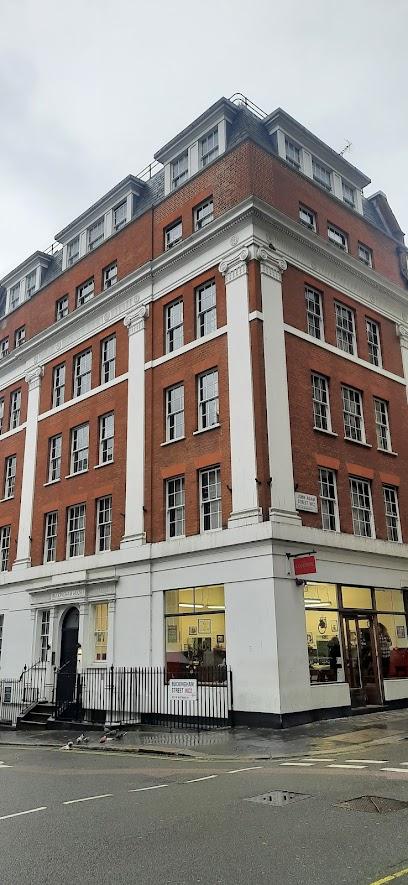
Bomber Harris Memorial
0.4 km
A solemn tribute to RAF Bomber Command’s leader and airmen, set within the historic St Clement Danes Church in London’s Temple district.
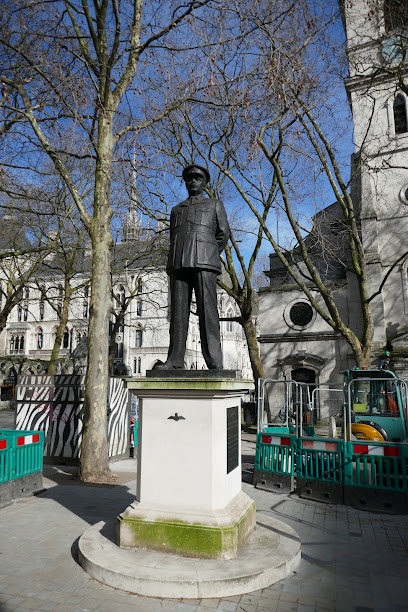
Henry Fawcett Monument
0.4 km
A serene Victorian fountain memorializing Henry Fawcett’s pioneering spirit in social reform and women’s suffrage, nestled in tranquil Embankment Gardens.
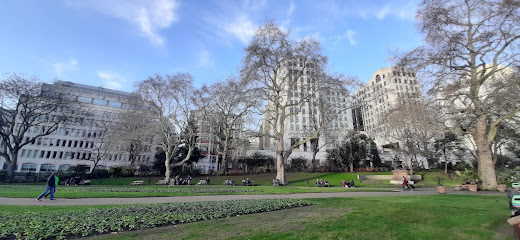
St Clement Danes Church
0.4 km
Historic London church and Central Church of the Royal Air Force, famed for its Wren architecture, RAF memorials, and iconic 'Oranges and Lemons' bells.
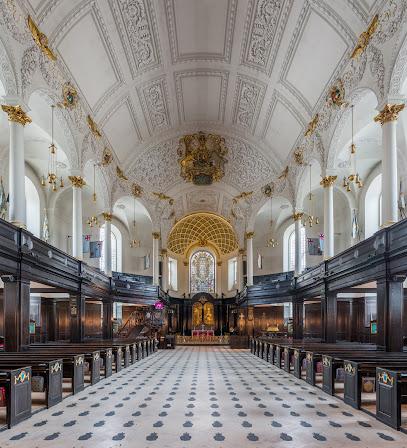
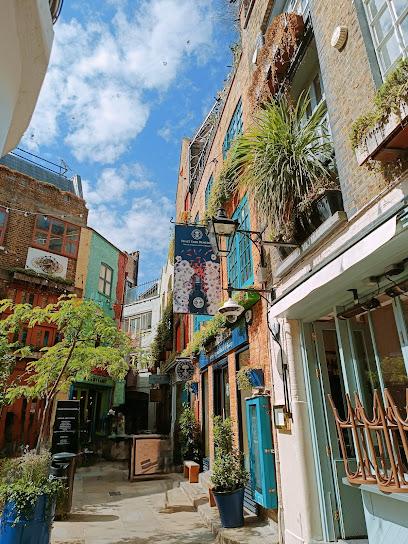
Neal’s Yard (Courtyard)
0.5 km
Discover Neal’s Yard, a colorful hidden courtyard in Covent Garden transformed from dereliction into a thriving hub of community, sustainability, and alternative culture.
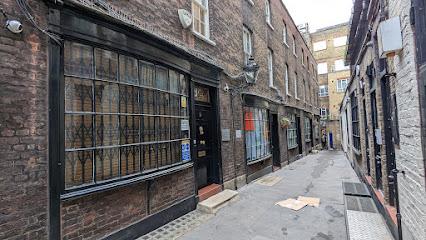
Goodwin’s Court
0.5 km
Experience the serene charm of Goodwin's Court, a historic landmark in London, perfect for leisurely strolls and captivating photography.
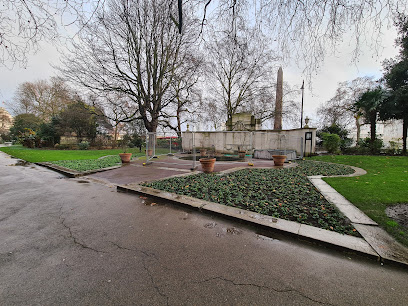
Major-General Lord Cheylesmore Monument
0.5 km
A serene stone tribute in Victoria Embankment Gardens honoring Major-General Lord Cheylesmore’s military and civic legacy.
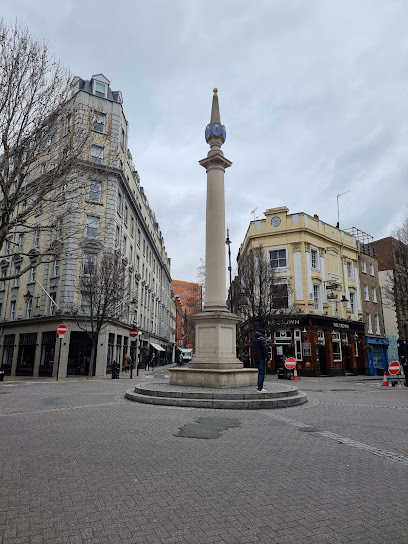
Seven Dials
0.5 km
A star-shaped Georgian quarter blending historic charm with contemporary culture, boutiques, and dining.
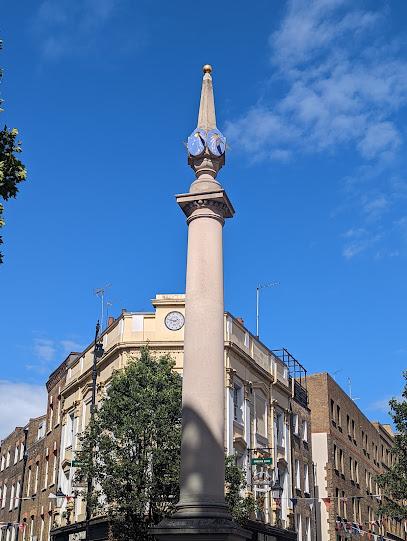
Historic Seven Dials
0.5 km
Discover Seven Dials, a historic London quarter where seven streets meet at a unique sundial pillar, blending rich heritage with vibrant culture.
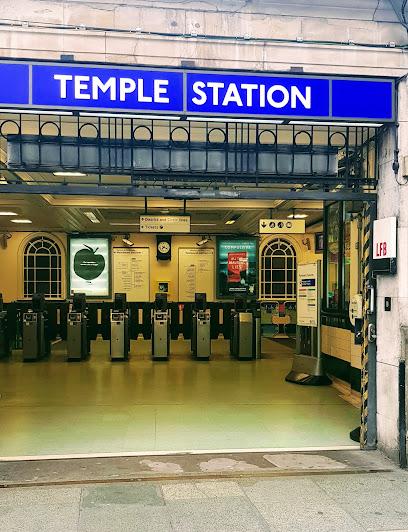
Temple Station
0.5 km
Explore the historic Temple Station in London, where Gothic revival architecture meets the vibrant pulse of the city.
Unmissable attractions to see

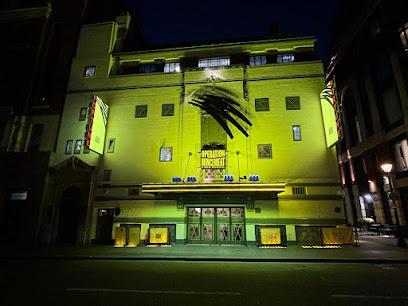
Fortune Theatre
0.1 km
Experience intimate West End theatre magic at the historic Fortune Theatre, London’s charming post-WWI gem with a rich cultural legacy.
London Film Museum
0.1 km
Explore the largest official collection of original James Bond vehicles in London’s vibrant Covent Garden hub.
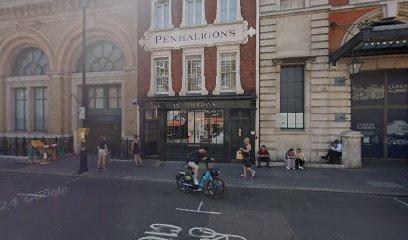
Duchess Theatre
0.1 km
Discover the intimate charm and rich history of the Duchess Theatre, a West End treasure since 1929 with iconic productions and timeless elegance.
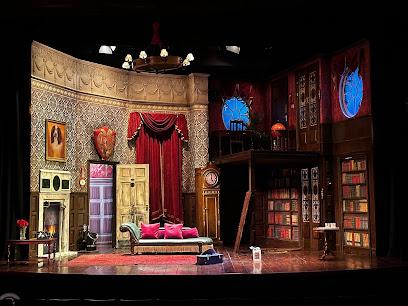
Drury Lane Gardens
0.1 km
Discover a historic and tranquil pocket park in Covent Garden, blending Victorian heritage with modern play spaces in central London.
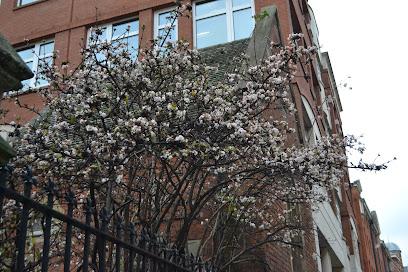
Novello Theatre
0.1 km
A classic West End theatre on Aldwych, home to Mamma Mia! and a refined Edwardian auditorium with excellent sightlines and intimate charm.
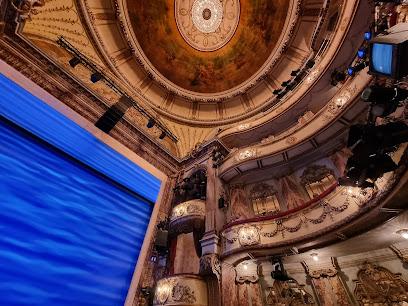
Mamma Mia!
0.1 km
Experience the joyous ABBA musical Mamma Mia! at London’s Novello Theatre, a timeless West End celebration of love and laughter.
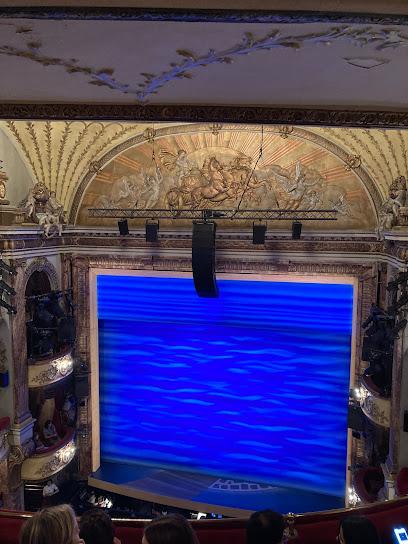
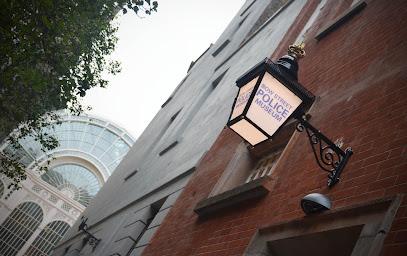
Bow Street Police Museum
0.1 km
Explore London’s pioneering policing history and iconic court cases at the Bow Street Museum of Crime and Justice in Covent Garden.
Aldwych Theatre
0.1 km
Experience timeless elegance and captivating performances at London’s historic Aldwych Theatre, a West End treasure with Art Deco charm.
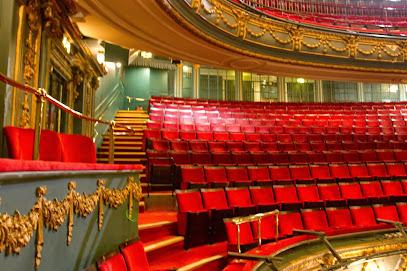
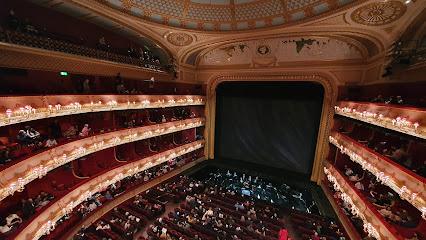
Royal Ballet and Opera
0.1 km
Experience world-class ballet and opera in the historic and stunning Royal Opera House at London’s vibrant Covent Garden.
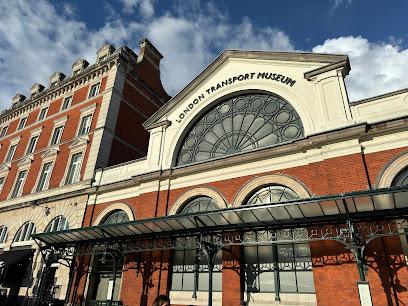
London Transport Museum
0.1 km
Explore over 200 years of London’s transport history through iconic vehicles, interactive exhibits, and hidden underground tours in Covent Garden.
Lyceum Theatre
0.1 km
Experience world-class West End theatre in the historic Lyceum Theatre, home to The Lion King and a jewel of London’s cultural scene.
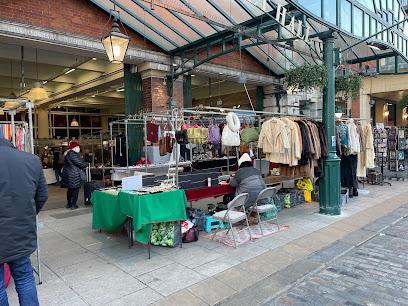
Jubilee Market
0.2 km
Historic Covent Garden market with antiques, crafts, and vibrant food stalls in a lively, iconic London setting.
Music at Covent Garden
0.2 km
Experience the vibrant live music and rich cultural heritage at Covent Garden, London's iconic West End soundscape.
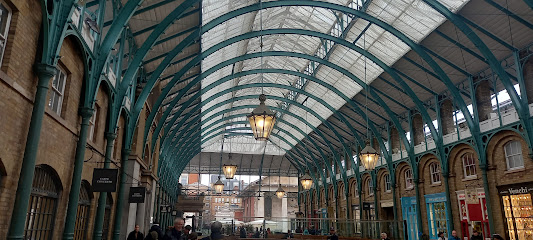
Covent Garden
0.2 km
Historic market piazza and cultural hotspot blending world-class theatre, vibrant street life, luxury shopping, and diverse dining in London’s West End.
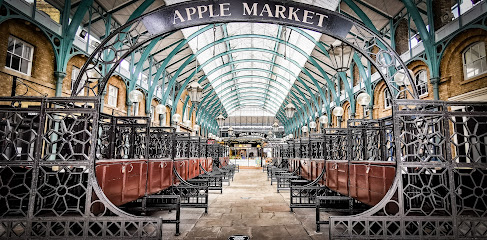
Punch & Judy
0.2 km
Historic Covent Garden pub named after iconic puppet shows, blending lively atmosphere, traditional fare, and vibrant street views.
Essential places to dine

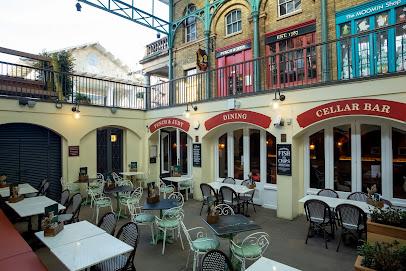
Cicchetti by San Carlo - London Covent Garden
0.1 km
Experience authentic Venetian small plates and seasonal Italian flavors in a stylish, lively Covent Garden setting.
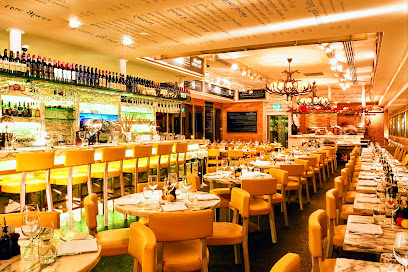
Balthazar
0.1 km
Experience the lively charm of a Parisian brasserie with classic French cuisine in the heart of Covent Garden, London.
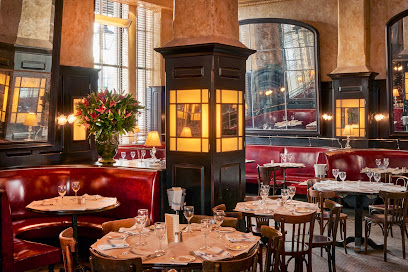
Sarastro
0.1 km
Experience vibrant Mediterranean flavors and live musical theatre in the heart of Covent Garden’s most theatrical restaurant.
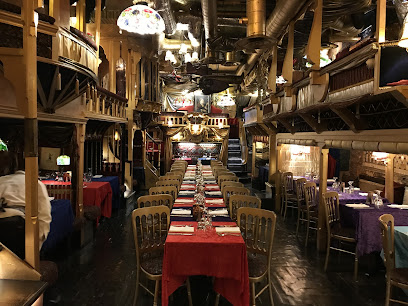
Chez Antoinette
0.2 km
Authentic Lyon-inspired French bistro serving classic tartines and cozy café fare in the heart of Covent Garden, London.
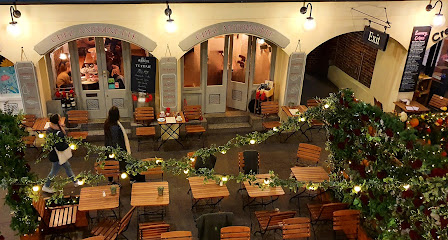
Inamo Covent Garden
0.2 km
A futuristic Pan-Asian restaurant in Covent Garden where interactive tables meet bold Asian flavours in a sleek, tech-forward space.
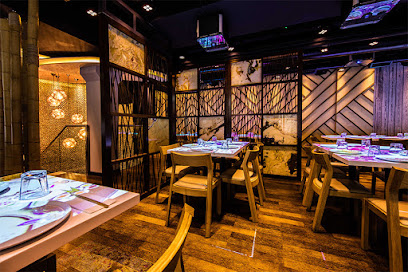
Margot
0.2 km
Sophisticated Italian dining with classic charm and an extensive wine list in the heart of Covent Garden, London.
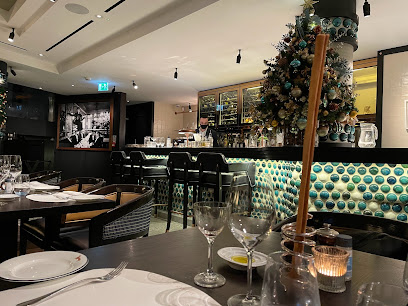
Frog by Adam Handling Restaurant Covent Garden
0.3 km
Experience Michelin-starred modern British cuisine with theatrical flair and sustainable luxury in the heart of Covent Garden.
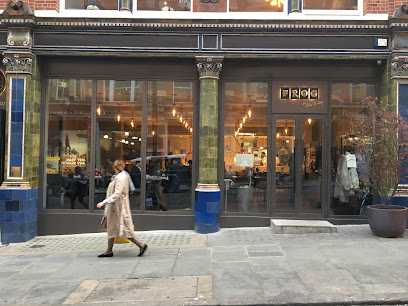
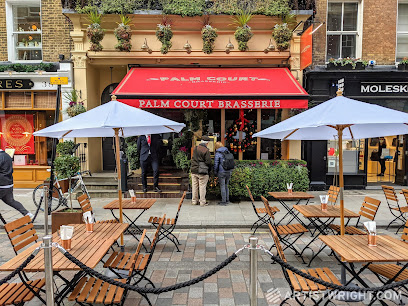
Palm Court Brasserie
0.3 km
Experience authentic Parisian charm and classic French cuisine in the vibrant heart of Covent Garden at Palm Court Brasserie.
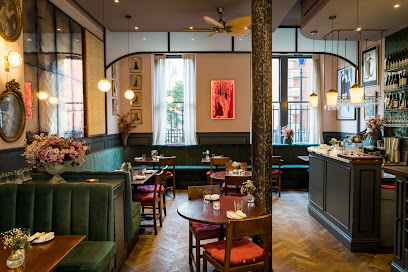
Cora Pearl Covent Garden
0.3 km
Elegant modern British dining in Covent Garden with iconic chips, soulful vibes, and a nod to a glamorous past.
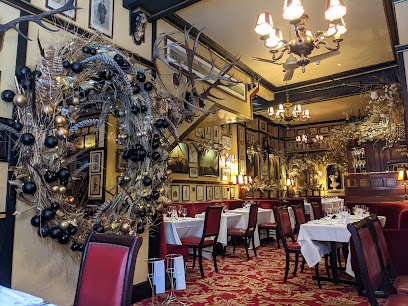
Rules
0.3 km
London’s oldest restaurant since 1798, Rules serves timeless British classics in an elegant, historic Covent Garden setting.
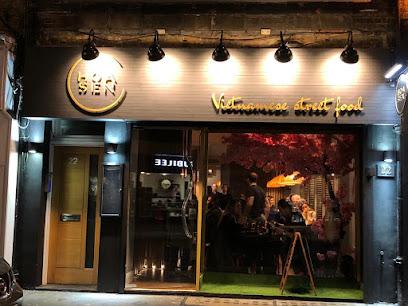
Hoa Sen Vietnamese Street Food Restaurant
0.3 km
Authentic Vietnamese street food in the heart of Covent Garden, blending vibrant flavors with a lively, cozy atmosphere.
Clos Maggiore
0.3 km
Experience London’s most romantic French restaurant with enchanting blossom-filled conservatory and an award-winning wine cellar in Covent Garden.
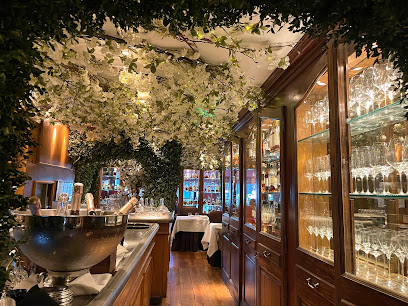
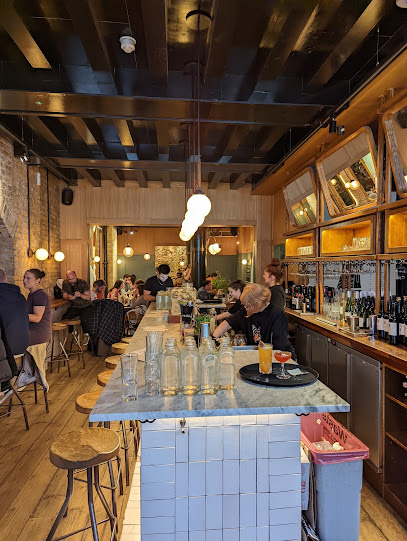
Flat Iron Covent Garden
0.3 km
Savor expertly crafted flat iron steaks in a historic Covent Garden setting, complete with rustic charm and a signature ice cream treat.
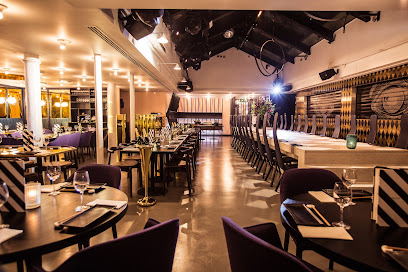
Circus
0.3 km
Experience Covent Garden’s vibrant Asian fusion dinner theatre where culinary artistry meets captivating live performances.
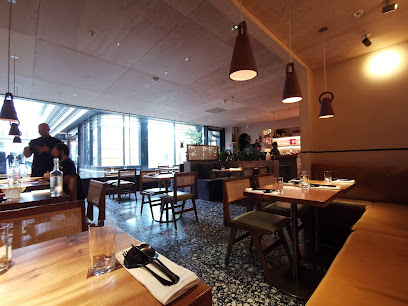
Ikoyi Restaurant
0.4 km
Discover Ikoyi, London’s two-Michelin-starred restaurant blending bold West African spices with British ingredients in an elegant, sensory tasting journey.
Markets, malls and hidden boutiques

London Transport Museum - Shop
0.1 km
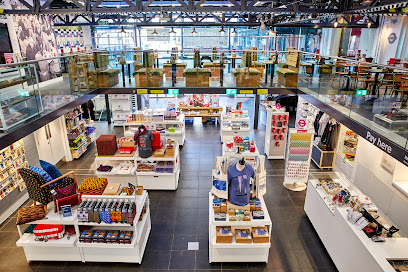
Discover unique transport-themed gifts and iconic London memorabilia at the London Transport Museum Shop in Covent Garden.
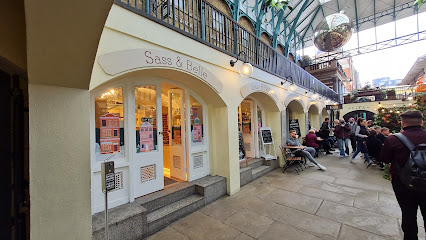
Sass & Belle Covent Garden Market
0.2 km
Quirky gifts and whimsical homeware in Covent Garden's lively market—permanently closed in-store, thriving online with cute finds for every home.
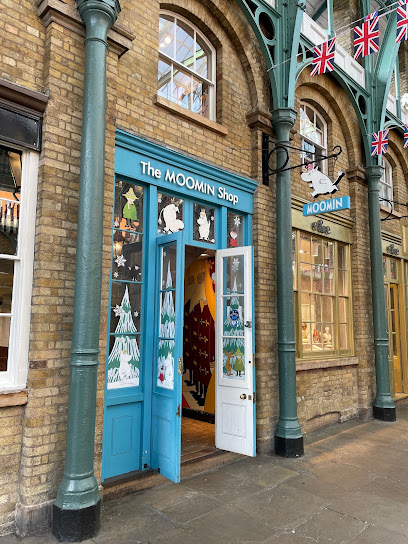
The Moomin Shop London
0.2 km
Step into the enchanting world of Moominvalley at The Moomin Shop in Covent Garden, London’s magical haven for fans of Tove Jansson’s beloved characters.
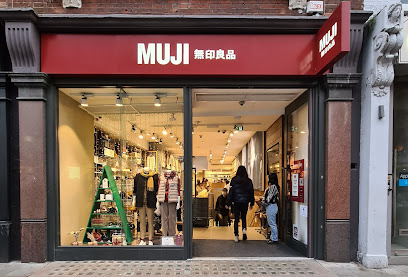
MUJI Covent Garden Store
0.3 km
Discover Japanese minimalism in Covent Garden: timeless clothing, sustainable homewares, and functional stationery for clutter-free, mindful living.
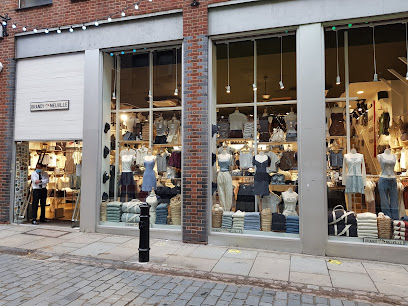
Brandy Melville - Covent Garden
0.3 km
Trendy Italian-LA fusion on Neal Street: one-size-fits-most chic for the effortless Covent Garden style seeker.
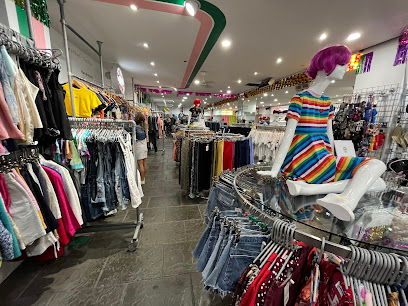
Rokit Covent Garden
0.3 km
Dive into retro treasures at Rokit Covent Garden, where sustainable vintage fashion meets London's vibrant street style heritage on Shelton Street.
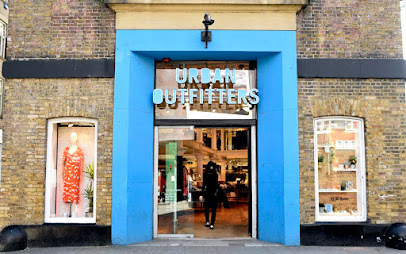
Urban Outfitters
0.4 km
Dive into Urban Outfitters' warehouse wonderland in Seven Dials, where eclectic fashion, cult beauty, and quirky homewares fuel London's youth culture vibe.
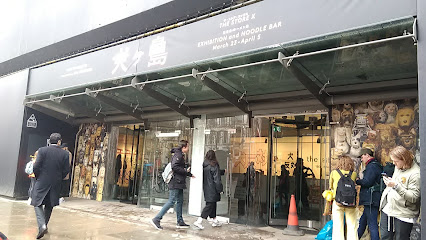
The Store X
0.4 km
A visionary space where London’s fashion, art, and culture converge in an immersive, innovative experience.
Good
0.4 km
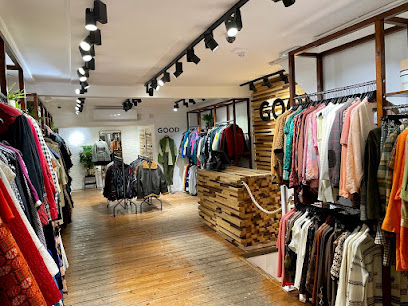
Discover sustainable style with curated preloved vintage and designer fashion at Good London’s Seven Dials shop.
Pop Boutique
0.4 km
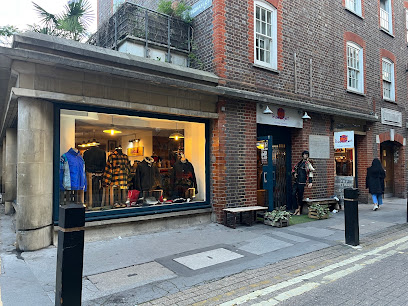
Discover authentic vintage fashion treasures from the 50s to 90s in a colorful, retro boutique at London’s vibrant Seven Dials.
Blackout II - Vintage Clothing London
0.4 km
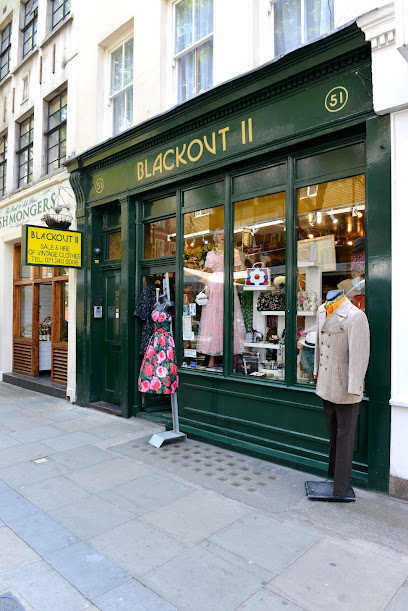
Discover timeless vintage fashion treasures from the 1920s to the 1980s in Covent Garden’s iconic Blackout II boutique.
St Martin's Courtyard
0.4 km
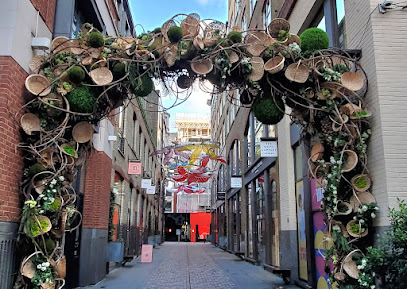
Experience the vibrant blend of shopping, dining, and relaxation at St Martin's Courtyard in the heart of Covent Garden, London.
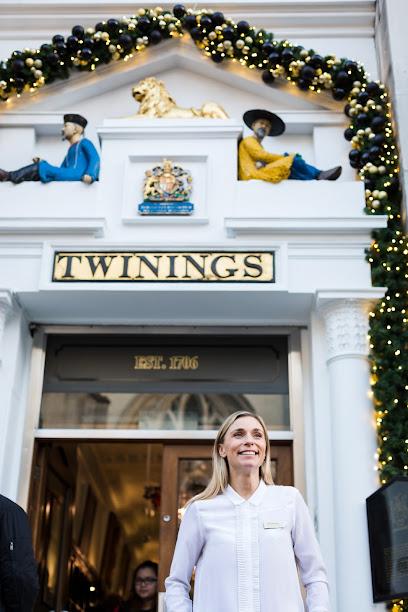
Twinings - The Strand
0.5 km
Discover over 300 years of tea heritage at London’s oldest tea shop, featuring historic charm, premium tastings, and a unique museum experience.
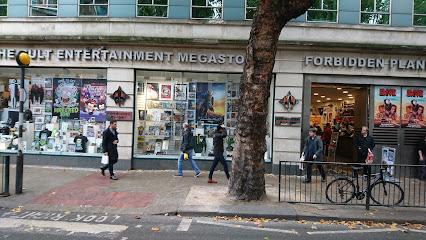
Forbidden Planet London Megastore
0.5 km
London’s ultimate destination for comics, collectibles, and cult pop culture treasures in the heart of the West End.
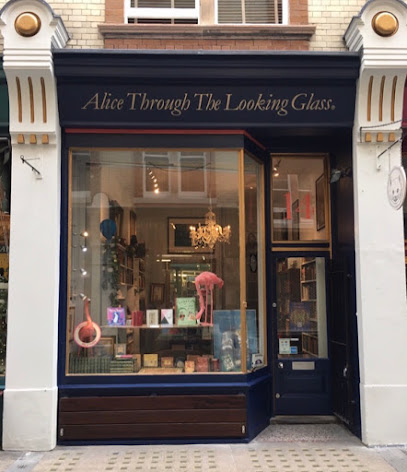
Alice Through The Looking Glass
0.6 km
Step into a whimsical world of antiques, art, and literary treasures inspired by Alice in Wonderland in the heart of London’s Cecil Court.
Essential bars & hidden hideouts

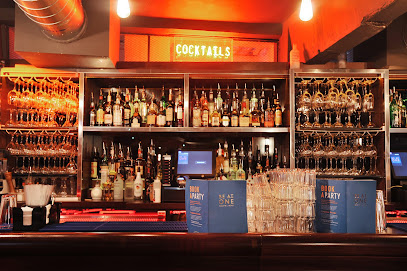
Be At One - Russell Street
0.0 km
Covent Garden’s vibrant cocktail bar with 100+ drinks, late-night parties, and unbeatable 2-for-1 happy hours in a stylish basement setting.
Plume Wine Bar
0.1 km
Covent Garden speakeasy in Dickens' old offices: sparkling wines from afar, cheesy sharing plates, and note-passing to strangers in candlelit luxury.
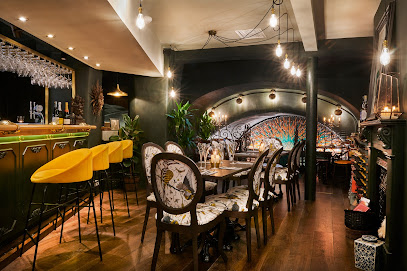
Be At One - Covent Garden Lyceum
0.1 km
Shake up your night in Covent Garden with 100+ cocktails, 2-for-1 happy hours, and masterclasses in a historic spot pulsing with theater-district energy.
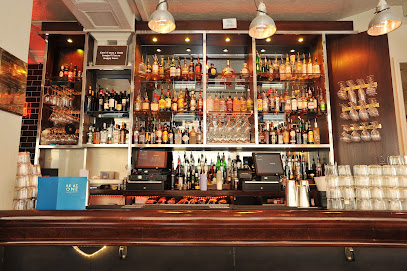
Dirty Martini - Covent Garden
0.1 km
Glamorous Covent Garden cocktail haven pulsing with martini magic, bottomless brunches, and late-night DJ vibes under sparkling chandeliers.
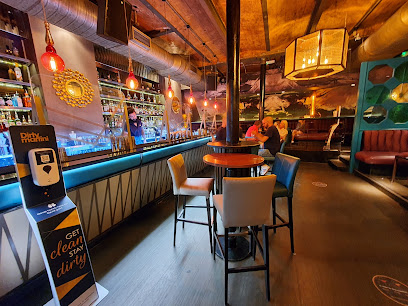
Crusting Pipe
0.2 km
Covent Garden wine bar pouring Davy’s finest ports amid live music, British classics and cosy nooks—perfect for pre-theatre indulgence or market rendezvous.
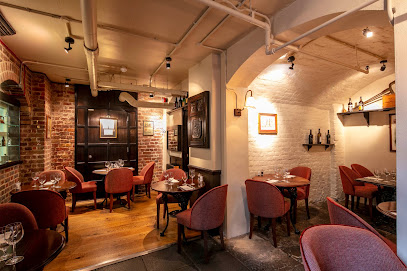
Eve Bar Covent Garden
0.3 km
Subterranean Covent Garden cocktail bar tempting with zero-waste elixirs, decadent snacks, and Eden-inspired glamour beneath a Michelin-starred haven.
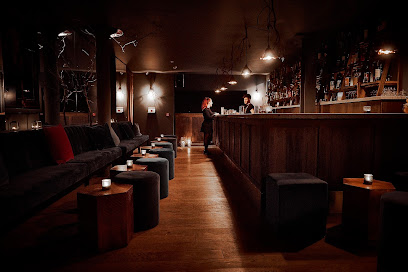
Beaufort Bar
0.3 km
Step into the Beaufort Bar’s jet-black and gold Art Deco glamour for exquisite cocktails, live sultry music, and a timeless London night out.
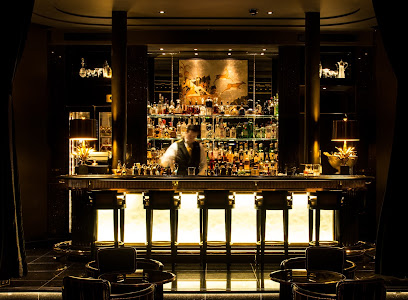
American Bar
0.3 km
Step into London’s oldest cocktail bar, where over a century of mixology mastery meets elegant Art Deco charm at The Savoy.
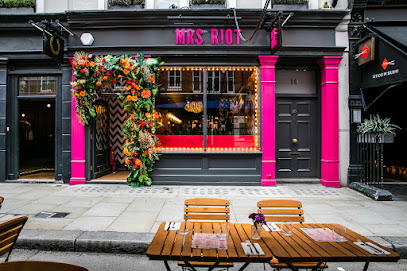
Mrs Riot
0.3 km
Covent Garden's technicolor riot: punk-pop cocktails, drag brunches, live DJs, and Kitty Clive's rebellious legacy in one explosive venue.
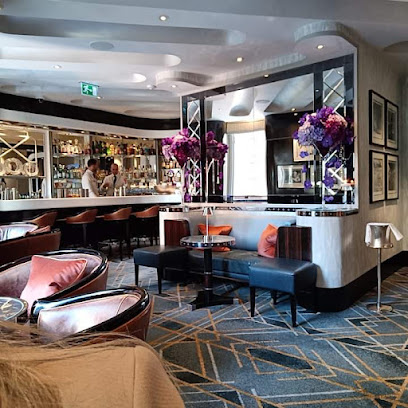
Upstairs At Rules
0.3 km
Discover Upstairs At Rules, a refined cocktail bar above London’s oldest restaurant, where Edwardian elegance meets expertly crafted drinks in Covent Garden.
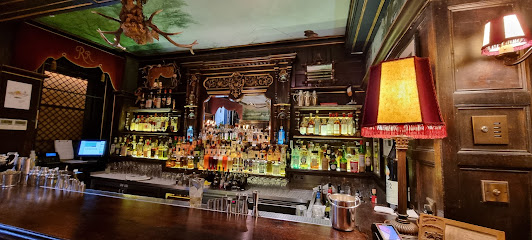
All Bar One Covent Garden
0.4 km
Stylish Covent Garden wine bar serving shareable plates, extensive wines, and cocktails in a lively West End setting—ideal for pre-theatre drinks or group gatherings.
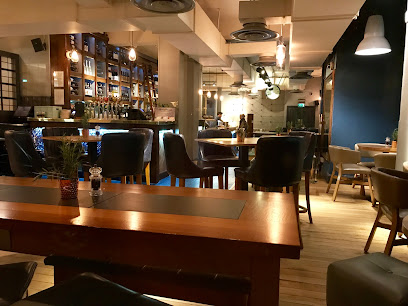
Blame Gloria - Cocktail Bar in Covent Garden
0.4 km
Dive into Blame Gloria’s neon-lit retro cocktail haven in Covent Garden, where legendary rock vibes and wild themed brunches electrify your night.
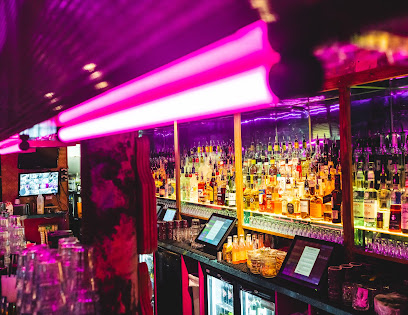
Mr Fogg's Society of Exploration
0.4 km
Step into a Victorian explorer’s world with inventive cocktails, immersive storytelling, and a mechanical mixologist in Covent Garden’s unique speakeasy.
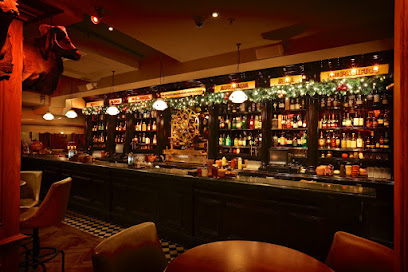
Oriole
0.4 km
Oriole invites you on a captivating global cocktail journey in Covent Garden, blending exotic flavours, elegant ambiance, and live music.
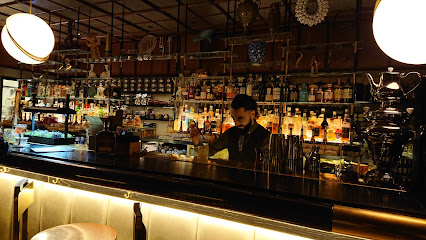
The Escapologist Bar
0.4 km
Step into a Victorian-inspired underground bar in Covent Garden where theatrical cocktails and lively entertainment create unforgettable nights.
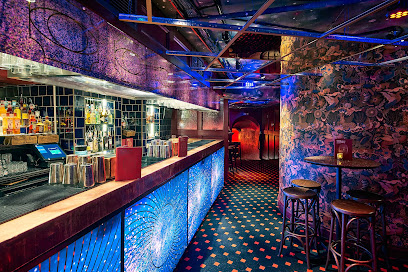
Nightclubs & after hour spots

Carwash Nightclub
0.3 km
Experience Europe’s longest-running disco club in London’s West End, where retro beats, vibrant crowds, and themed parties create unforgettable nights.
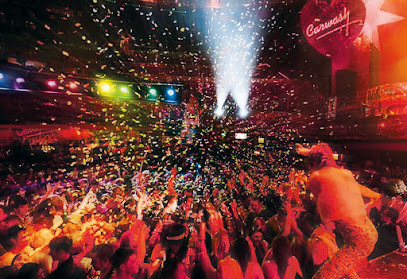
Bunga Bunga Covent Garden
0.3 km
A neon-soaked, pizza-and-karaoke supper club under Drury Lane — 90s nostalgia, stage shows and shareable Italian feasts.
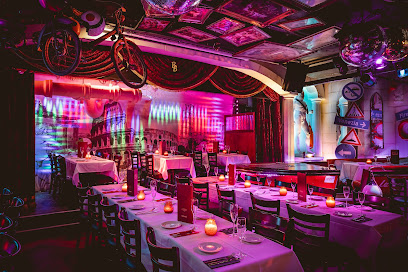
Proud Late
0.4 km
Dive into two-storey glamour under Waterloo Bridge: cabaret acrobatics, burlesque dazzle, supper feasts, and non-stop clubbing till 5am in London's West End nightlife epicenter.
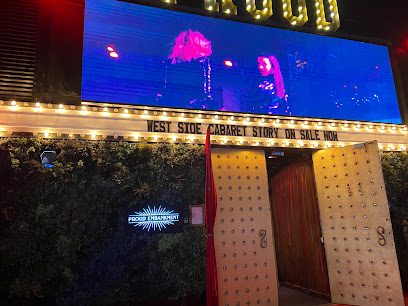
The Roxy
0.4 km
Soho's unbeatable happy hour cocktail bar by day, pulsing nightclub with live music and DJ nights till 3am—affordable vibes in London's nightlife heart.
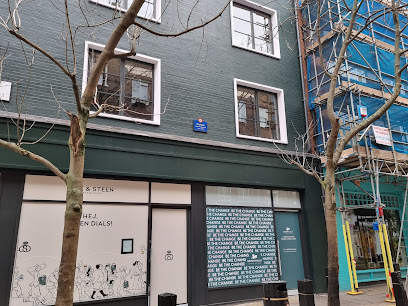
Whatdafunk Presents West End Urban Disco
0.5 km
Dive into London's grooviest urban disco beats at Whatdafunk, where Covent Garden's streets pulse with funk, soul, and non-stop dance energy in the heart of the West End.
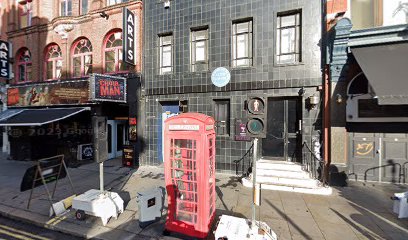
The Ivy Club
0.5 km
Art-Deco‑tinged members’ club above The Ivy — piano bars, discreet private dining and polished West End glamour.
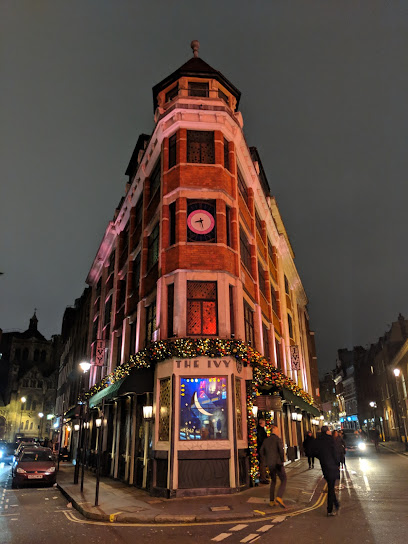
Heaven
0.6 km
London’s iconic gay superclub under the railway arches — big nights, loud music, drag, and late finishes in the heart of the West End.
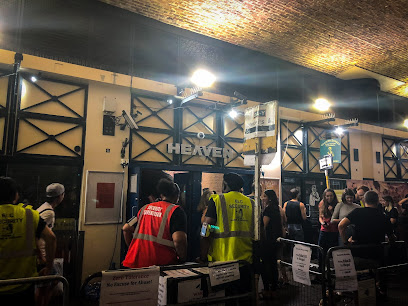
Zoo Bar & Club
0.6 km
Dive into Leicester Square's edgy nightlife hub: two floors of R&B beats, sports screens, and wild energy until 3am at Zoo Bar & Club.
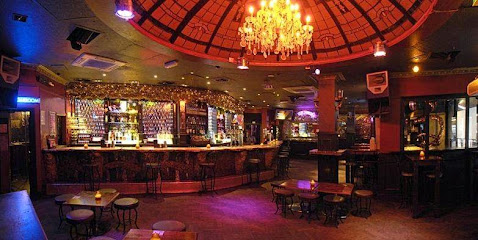
Club49Soho
0.7 km
Soho's stylish cocktail haven with DJ-fueled dancefloor energy, blending upscale drinks and classy nightlife vibes until 3am.
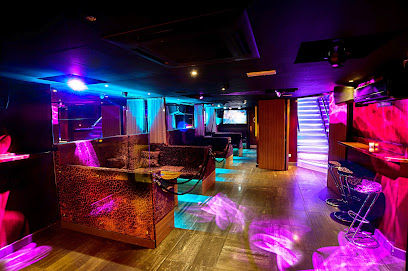
The Penthouse London
0.8 km
A compact, rooftop nightclub above Leicester Square — reached by a side lift, built for late‑night private parties and skyline glimpses.
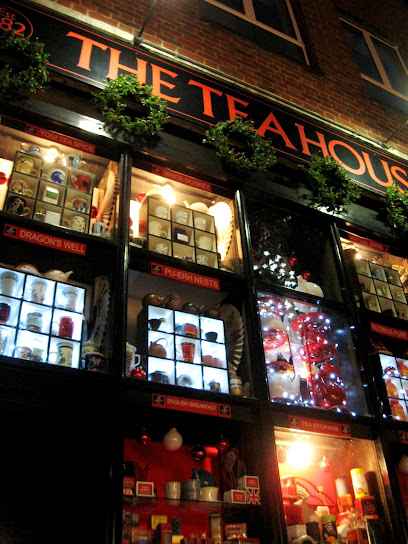
La Capannina Club
0.8 km
Discover Soho's discreet gentlemen's club: seductive stage shows, cosy vibes, and late-night allure in London's nightlife heart.
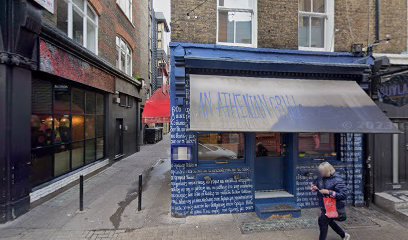
Café de Paris
0.8 km
Step into London’s iconic West End nightclub where history, glamour, and electrifying cabaret create unforgettable nights.
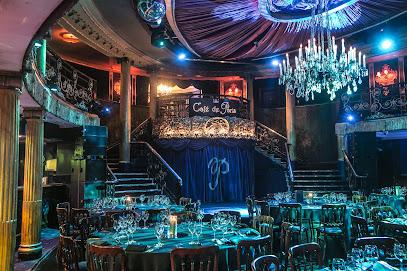
Luxe Club
0.9 km
Experience London's vibrant nightlife at Luxe Club, a central hotspot for music, dancing, and late-night entertainment.
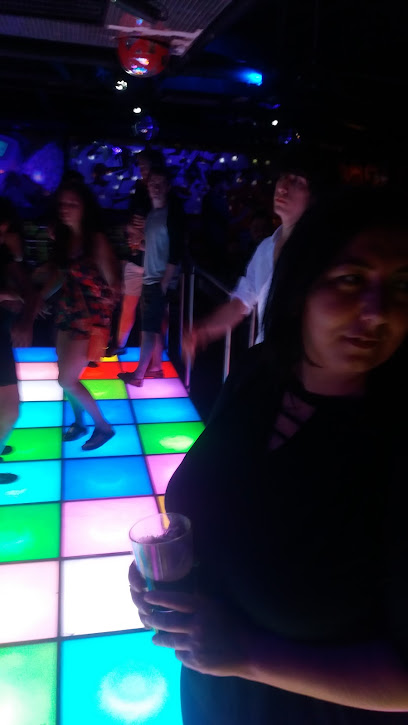
TSQ Club
0.9 km
Dive into Trafalgar Square's nightlife pulse at TSQ Club, where eclectic beats, dazzling lights, and craft cocktails fuel unforgettable weekend nights in London's heart.
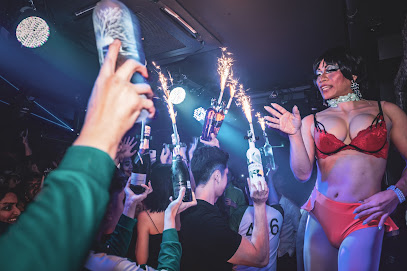
Tiger Tiger London
0.9 km
Experience London’s iconic Haymarket nightclub with six vibrant rooms, lively DJs, and a dynamic party atmosphere just moments from Piccadilly Circus.

For the vibe & atmosphere seeker
- Lively
- Historic
- Entertaining
- Scenic
For the design and aesthetic lover
- Vintage Styles
- Art Deco Styles
For the architecture buff
- Historic
- Landmarks
- Heritage Neighborhoods
For the view chaser and sunset hunter
- Iconic Views
For the social media creator & influencer
- Instagrammable
- Photo Spots
- Architectural Shots
For the eco-conscious traveler
- Public-Transport Accessible
For the kind of experience you’re after
- Cultural Heritage
- Photowalk
- Weekend Getaway
For how adventurous you want the journey to be
- Easy Access
Location Audience
- Family Friendly
- LGBT Friendly
- Senior Friendly
- Child Friendly
- Teen Friendly
- Wheelchair Access
- Solo Friendly
- Couple Friendly
- Solo Female Friendly
- Vegetarian Friendly
- Vegan Friendly


