

Greenwich (London) Travel Guide - Free
Explore Greenwich in London with Evendo's free guide. Find the best shops, historic streets, restaurants, and gems on web or mobile.


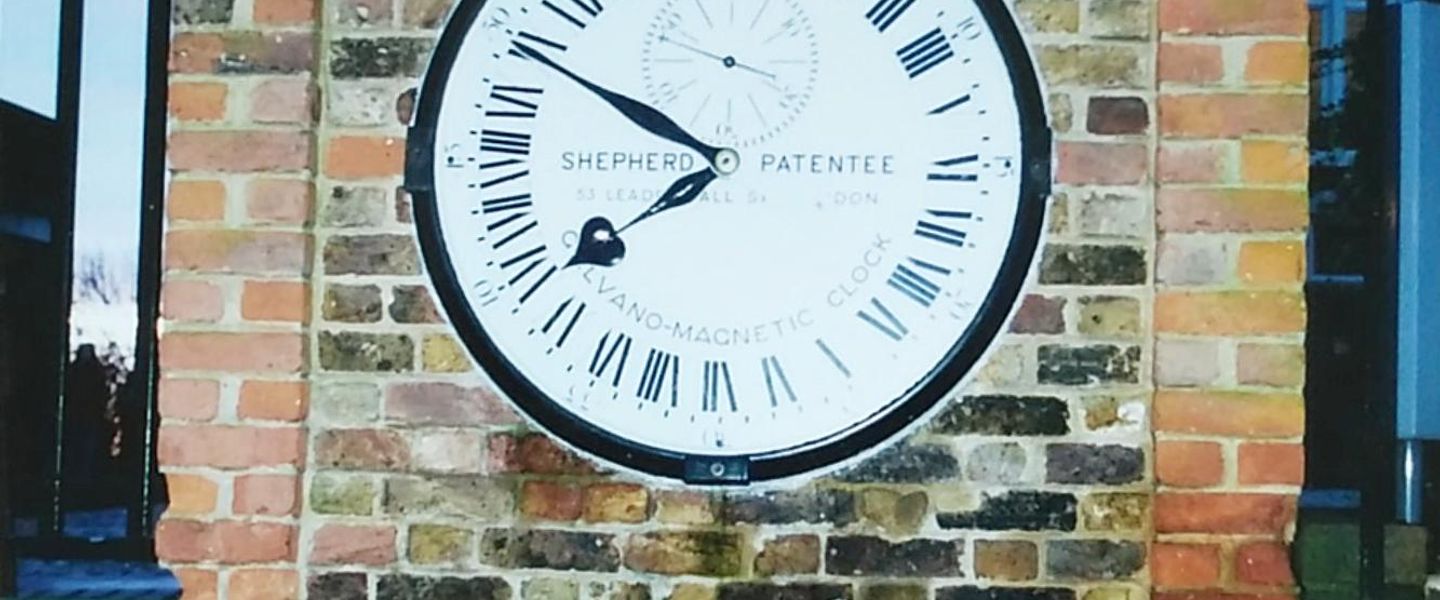


Greenwich, London blends royal parkland, maritime history, the Prime Meridian, riverside walks, historic markets and independent dining south of the Thames.
Royal and Maritime Character
Greenwich occupies a distinctive position on the south bank of the Thames, where royal history, naval heritage and open parkland meet within an easily walkable historic district. Its best-known landmarks cluster around the former Royal Naval College and the National Maritime Museum, while the Cutty Sark stands at the river beside Greenwich Pier. Together they give the neighbourhood a strong connection with Britain’s seaborne past, from Tudor royalty to the merchant ships that crossed the world’s oceans.Read more about Greenwich
Parkland and the Meridian
Town Streets and Everyday Life
Best attractions in Greenwich
Greenwich’s principal attractions are concentrated within a short walk of the Thames. The Cutty Sark, preserved beside Greenwich Pier, reveals the scale and working life of a nineteenth-century tea clipper, while the Old Royal Naval College offers access to the Painted Hall, Chapel and riverside courtyards. The National Maritime Museum explores Britain’s relationship with the sea, and the Queen’s House contains an important art collection within Inigo Jones’s pioneering classical building. Uphill, the Royal Observatory introduces astronomy, timekeeping and the Prime Meridian, with sweeping views from Greenwich Park. Greenwich Market adds a more contemporary experience through food, design and craft stalls, while St Alfege Church and the Fan Museum provide smaller but rewarding stops among the surrounding town streets.
-
Tourist attraction
National Maritime Museum
Explore the world's largest maritime museum in historic Greenwich, where sea stories, art, and exploration come alive through vast collections and immersive galleries.
6 min walk · 0.5 km from neighbourhood centre
-
Maritime museum
National Maritime Museum Gardens
A tranquil garden oasis within London’s premier maritime museum complex, blending history, nature, and family-friendly charm.
6 min walk · 0.5 km from neighbourhood centre
-
Pub
Cutty Sark
Explore the world’s fastest 19th-century tea clipper, a historic maritime marvel docked in Greenwich with immersive exhibits and stunning river views.
4 min walk · 0.3 km from neighbourhood centre
-
Museum
Queen's House
Explore the first classical villa in England, home to iconic art and the famous Tulip Stairs, nestled in historic Greenwich.
5 min walk · 0.4 km from neighbourhood centre


Best landmarks in Greenwich
Greenwich’s landmarks express several centuries of royal, scientific and maritime history. The Old Royal Naval College dominates the riverfront with Wren’s formal composition, the Painted Hall’s elaborate interior and the Chapel of St Peter and St Paul. Nearby, the Cutty Sark is both a preserved ship and a symbol of the commercial routes that connected Britain with the wider world. Queen’s House, designed by Inigo Jones, is an important early example of English classical architecture, while the Royal Observatory gives the neighbourhood its internationally recognised meridian and timekeeping associations. St Alfege Church marks the historic town centre and commemorates the medieval archbishop traditionally believed to have been killed at Greenwich. Together, these buildings form the core of Maritime Greenwich’s UNESCO World Heritage landscape.
-
Pub
Trafalgar Tavern
Historic Greenwich riverside pub since 1837, famed for whitebait feasts, naval art, and Thames panoramas—perfect for pints, roasts, and celebrations.
4 min walk · 0.3 km from neighbourhood centre
-
Pub
Cutty Sark
Step aboard the world's fastest tea clipper, suspended in time above Greenwich's Thames, where echoes of ocean races and salty decks invite maritime dreams.
4 min walk · 0.3 km from neighbourhood centre
-
Historical landmark
Anchor Iron Wharf
Historic riverside wharf in Greenwich marked by a large anchor sculpture, blending maritime heritage with stunning Thames views.
3 min walk · 0.3 km from neighbourhood centre


Explore Greenwich on the map
A handpicked selection of must-see spots in Greenwich, mapped for you.
Best hotels in Greenwich
Best restaurants in Greenwich
Greenwich’s dining scene combines visitor-facing food with the habits of a south-east London town centre. Greenwich Market provides changing stalls serving dishes from several culinary traditions, while cafés and casual restaurants cluster around Greenwich Church Street, King William Walk and the lanes near the Cutty Sark. Trafalgar Road and Royal Hill offer a more local selection of independent eateries, bakeries, pubs and coffee shops, with options ranging from quick meals to relaxed dining. The area’s maritime setting is reflected more in its historic pubs and riverside locations than in one defining cuisine. Visitors can also find traditional British fare in long-established pub settings, alongside international restaurants shaped by London’s wider food culture. As Greenwich attracts both museum visitors and residents, mealtimes can be busiest around the market and principal attractions.
-
Turkish
Midpoint Restaurant
Authentic Turkish and Mediterranean dining with riverside views and warm hospitality in London’s vibrant SE10 district.
3 min walk · 0.3 km from neighbourhood centre
-
Turkish
Sefa Restaurant
Savor authentic Turkish and Mediterranean dishes with generous portions and warm hospitality in the heart of Greenwich.
2 min walk · 0.2 km from neighbourhood centre


Best shops in Greenwich
Greenwich Market is the neighbourhood’s principal shopping focus, with a mixture of food vendors, handmade goods, art, clothing, antiques and design-led presents arranged beneath its covered market structure. Its character changes with the traders present, so it is best understood as a place for browsing rather than a conventional fixed-stock department store. Greenwich Church Street and the roads around the market contain independent retailers, cafés and small specialist businesses, while Royal Hill and Trafalgar Road offer a more everyday local shopping experience. Visitors interested in maritime or astronomical themes will find related gifts around the museums, but the wider retail identity is independent and mixed rather than luxury-oriented. The area is also known for the Fan Museum, whose collection gives the neighbourhood an unusually focused cultural shopping and exhibition connection.
-
Gift shop
Painted hall gift shop
Souvenirs and stories from Greenwich's naval heart—tote bags, books, and treasures evoking the Painted Hall's timeless splendor.
6 min walk · 0.5 km from neighbourhood centre

Greenwich essentials
Getting There
Getting Around
Safety
Emergency Situations
Do's and Don'ts
Local Tips

From Eve
Local phrases worth knowing
You don't need to get them perfect. A few words go a long way, and locals appreciate the effort.
Basics
| English | Local | Say it |
|---|---|---|
| Hello | Alright mate? | [Al-rite mate?] |
| Goodbye | Ta-ra | [Ta-ra] |
| Yes | Aye | [Eye] |
| No | Nah | [Nah] |
| Please/You're welcome | Cheers | [Chiz] |
| Thank you | Ta | [Ta] |
| Excuse me/Sorry | Pardon | [Pah-dun] |
| How are you? | You alright? | [Yu al-rite?] |
| Fine. And you? | I'm good. You? | [I'm gud. Yu?] |
| Do you speak English? | Do ya speak English? | [Du ya speak Ing-glish?] |
| I don't understand | I ain't got a scooby | [I ent got a skoo-bee] |
Eating & Drinking
| English | Local | Say it |
|---|---|---|
| I'd like to see the menu, please | Can I have a look at the menu, please? | [Kan I hav a luk at the menu, please?] |
| I don't eat meat | I don't eat dead animals | [I don't eat ded animals] |
| Cheers! | Cheers! | [Cheers!] |
| I would like to pay, please | Can I settle up, please? | [Kan I set-ul up, please?] |
Emergencies
| English | Local | Say it |
|---|---|---|
| Help! | Can someone lend a hand? | [Kan sum-wun lend a hand?] |
| Go away! | Clear off! | [Clear off!] |
| Call the Police! | Ring the Old Bill! | [Ring the Old Bill!] |
| Call a doctor! | Get a doc round 'ere! | [Get a doc round 'ere!] |
| I'm lost | I'm all over the shop | [I'm all ov-er the shop] |
| I'm ill | I'm poorly | [I'm poor-ly] |
Shopping
| English | Local | Say it |
|---|---|---|
| I'd like to buy... | I wanna buy... | [I wanna buy...] |
| I'm just looking | Just browsing | [Just brows-ing] |
| How much is it? | How much does that cost? | [How much duz that cost?] |
| That's too expensive | That's a bit steep | [That's a bit steep] |
| Can you lower the price? | Can you do it cheaper? | [Kan ya do it cheeper?] |
Time & Numbers
| English | Local | Say it |
|---|---|---|
| What time is it? | What's the time? | [What's the time?] |
| It's one o'clock | It's one | [It's one] |
| Half past (10) | Half ten | [Half ten] |
| Morning | Mornin' | [Morn-in'] |
| Afternoon | Arvo | [Ar-vo] |
| Evening | Evenin' | [Even-in'] |
| Yesterday | Yest'day | [Yest-day] |
| Today | Today | [Today] |
| Tomorrow | Tomorrer | [Tom-or-rer] |
| 1 | One | [One] |
| 2 | Two | [Two] |
| 3 | Three | [Three] |
| 4 | Four | [Four] |
| 5 | Five | [Five] |
| 6 | Six | [Six] |
| 7 | Seven | [Seven] |
| 8 | Eight | [Eight] |
| 9 | Nine | [Nine] |
| 10 | Ten | [Ten] |
Transport & Directions
| English | Local | Say it |
|---|---|---|
| Where's a/the...? | Where's the...? | [Where's the...?] |
| What's the address? | What's the postcode? | [What's the postcode?] |
| Can you show me (on the map)? | Can you point it out (on the map)? | [Kan ya point it out (on the map)?] |
| When's the next (bus)? | When's the next (bus) due? | [When's the next (bus) due?] |
| A ticket (to ....) | A ticket (to ...), please | [A ticket (to ...), please] |
History of Greenwich
A Tudor Royal Residence
Greenwich became closely associated with the Tudor monarchy through Greenwich Palace, a royal residence beside the Thames that was expanded under Henry VII and Henry VIII. Henry VIII, Mary I and Elizabeth I were born there, linking the locality with some of the most consequential figures of sixteenth-century England. Although the palace later declined and much of its fabric disappeared, its site shaped Greenwich’s continuing royal identity. The surviving Queen’s House, begun for Anne of Denmark in 1616 and completed for Queen Henrietta Maria in the 1630s, preserves the later architectural expression of royal Greenwich and now forms an important part of the neighbourhood’s museum quarter.
The Observatory and the Meridian
In 1675 Charles II founded the Royal Observatory at Greenwich to improve the measurement of longitude, a problem that affected navigation and international trade. Astronomers working there developed increasingly precise astronomical tables and timekeeping practices, while the observatory’s meridian eventually became the reference line for longitude on many maps and charts. The scientific institution transformed Greenwich from a royal retreat into a place associated with navigation and global measurement. Greenwich Mean Time and the Prime Meridian became especially influential during the nineteenth century, when railways, telegraphy and international commerce demanded more consistent systems of time.
The Naval Hospital and Maritime Greenwich
After the Battle of La Hogue in 1692, a royal hospital for seamen was established at Greenwich, occupying the site of the former palace. Christopher Wren and Nicholas Hawksmoor shaped the grand riverside complex, whose principal buildings were completed during the eighteenth century. The hospital later became the Royal Naval College, continuing Greenwich’s association with Britain’s naval administration and training until the institution moved away in the late twentieth century. The Painted Hall and Chapel remain the architectural centrepieces of this period, while the wider complex helps explain why Maritime Greenwich developed as a place of national and international heritage significance.
Ships, Markets and the Modern Town
Greenwich’s riverfront continued to serve maritime life after the naval hospital opened. The tea clipper Cutty Sark was launched in 1869 and later brought to Greenwich, where its preservation made the vessel a visible reminder of nineteenth-century global trade. The neighbourhood’s market tradition also matured as Greenwich Market became an established commercial meeting place, while local streets developed a mixture of housing, workshops, pubs and small retailers. During the twentieth century, museums and conservation increasingly shaped the visitor economy, but Greenwich retained a residential town centre. The former Royal Naval College and surrounding historic sites were included within Maritime Greenwich’s UNESCO World Heritage designation in 1997.
Greenwich in Photos
Browse through our photo collection highlighting the charm and character of the destination.
Neighbourhoods near Greenwich
The closest neighbourhoods to Greenwich, if you have time for more than one stop.
-

-

-

-

-


Swipe for more neighbourhoods
Explore more

Explore more of London
London combines royal landmarks, world-class museums, historic neighbourhoods, theatre, markets and diverse dining along the River Thames for rich urban exploration.
Explore London