

Cecil Court
Step into a cobbled alley where books, history, and magic converge in the heart of London.
Tucked between Charing Cross Road and St Martin’s Lane, Cecil Court is a cobbled pedestrian alleyway steeped in history. Once the heart of early British cinema and a temporary home to Mozart, it’s now famed as Bookseller’s Row, lined with independent bookshops, antique dealers, and quirky boutiques. The street’s Victorian charm, plaques marking its storied past, and vibrant literary atmosphere make it a must-visit for book lovers and history enthusiasts alike.
A brief summary to Cecil Court
- Cecil Ct, London, GB
- Visit website
- Duration: 0.5 to 2 hours
- Budget
-
 Outdoor
- Mobile reception: 5 out of 5
Local tips
- Visit early in the day to avoid crowds and enjoy a peaceful browse through the bookshops.
- Look for the blue plaques marking the street’s historical connections to Mozart and early cinema.
- Don’t miss Watkins Books, the oldest esoteric bookshop in London, for rare and unique finds.
- Take your time exploring the narrow alley; each shop has its own character and hidden gems.
- Check out the street’s connection to Jewish refugee history and the inspiring artwork it inspired.

For the on-the-go comforts that matter to you
- Restrooms
- Drink Options
- Food Options
- Seating Areas
- Trash Bins
- Information Boards
Getting There
-
Walking
From Leicester Square Underground Station, walk east along Charing Cross Road for about 5 minutes to reach Cecil Court. The street is pedestrian-only and easy to access on foot.
-
Public Transport
Take the Northern or Piccadilly line to Leicester Square Underground Station, then follow signs to Charing Cross Road. Cecil Court is a short walk from the station, with clear signage.
-
Cycling
Cycle along Charing Cross Road and turn onto Cecil Court. There are cycle racks nearby, but the street itself is pedestrian-only.
-
Taxi
A taxi can drop you off at the entrance to Cecil Court on Charing Cross Road. The street is pedestrian-only, so you’ll need to walk the last few meters.
Cecil Court location weather suitability
-
 Any Weather
-
 Mild Temperatures
Discover more about Cecil Court
A Literary and Cinematic Legacy
Cecil Court’s story begins in the 17th century, but its modern identity was forged in the late Victorian era. The street’s transformation into Bookseller’s Row began before the First World War, with independent booksellers and publishers establishing themselves alongside the burgeoning film industry. Today, the alley is home to over 20 secondhand bookshops, each offering rare finds, first editions, and niche subjects. The oldest, Watkins Books, has occupied its premises since 1901, while the legendary Foyles bookstore once started here before moving to Charing Cross Road. The street’s literary heritage is palpable, with shop windows brimming with vintage maps, children’s books, and esoteric titles.From Mozart to Movie Makers
In 1764, the eight-year-old Wolfgang Amadeus Mozart lived in Cecil Court with his family, lodging with a local barber. Tickets for his first London concerts were sold from the barber’s shop, and it’s believed he composed his first symphony here. The street’s cinematic fame began in 1897, when it became the UK’s first concentration of film-related businesses. Early pioneers like Cecil Hepworth and James Williamson, as well as international companies such as Gaumont and Nordisk, set up offices here, earning Cecil Court the nickname “Flicker Alley.” The street’s role in the birth of British cinema is commemorated by plaques and its enduring presence in film history.A Refuge and a Mystery
Cecil Court has also been a haven for those seeking sanctuary. In the 1930s, it became a well-known meeting place for Jewish refugees, inspiring the artist R.B. Kitaj’s painting now held in the Tate Collection. The street’s history is not without intrigue: in 1961, a murder in one of its shops led to the first use of an ‘identikit’ picture in a British police investigation, marking a landmark in criminal justice. These stories add layers of depth to the street’s character, making it a place where history feels alive.Victorian Charm and Modern Allure
The buildings that line Cecil Court today were laid out in 1894, giving the street its distinctive Victorian charm. The cobbled pavement, narrow alleyway, and historic shopfronts create an atmosphere that feels like stepping back in time. Despite its small size, the street is a hub of activity, with visitors browsing for rare books, antique maps, and unique souvenirs. The pedestrian-only nature of the street ensures a relaxed, unhurried experience, perfect for exploring at your own pace.Diagon Alley Inspiration
Cecil Court’s magical atmosphere has inspired more than just history and literature. Rumor has it that J.K. Rowling strolled through the street and found inspiration for Diagon Alley in the Harry Potter series. The shop windows, filled with curiosities and magical literature, evoke a sense of enchantment that resonates with fans of the wizarding world. Whether you’re a book lover, a history buff, or a fan of Harry Potter, Cecil Court offers a unique blend of charm and intrigue.Iconic landmarks you can’t miss

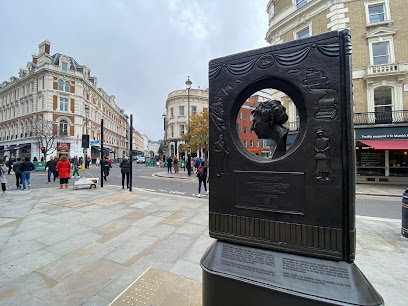
Agatha Christie memorial
0.1 km
A captivating bronze tribute to Agatha Christie, celebrating her literary genius and theatrical legacy in London's vibrant theatre district.
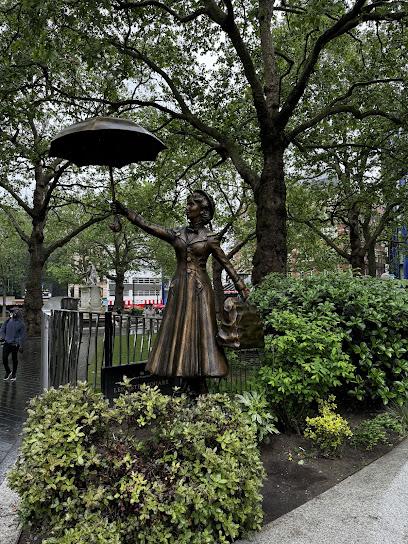
Mary Poppins Statue
0.2 km
Where cinema's most elegant nanny takes flight in the heart of London's film district.
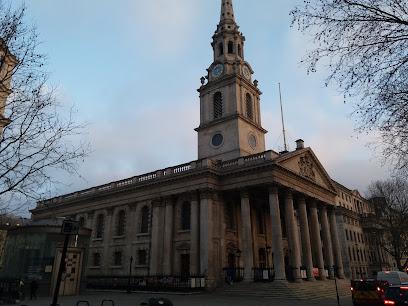
St Martin-in-the-Fields Church Path
0.2 km
Georgian masterpiece and spiritual anchor of Trafalgar Square, influencing church architecture worldwide.
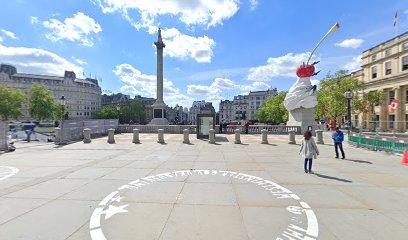
5 Trafalgar Sq
0.3 km
London's grand civic heart: Nelson's victory immortalised in stone, surrounded by world-class art and democratic tradition.
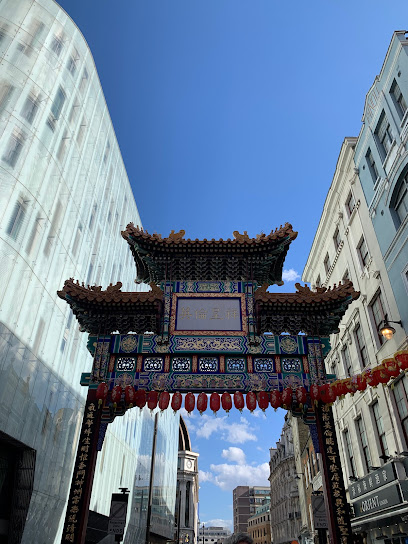
Chinatown Gate
0.3 km
Experience the vibrant spirit of London's Chinatown at the iconic Chinatown Gate, a cultural gem filled with culinary delights and rich heritage.
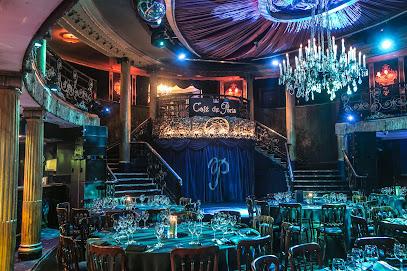
Café de Paris
0.3 km
Legendary West End cabaret where royalty danced, stars performed, and history was made—now closed after 96 years.
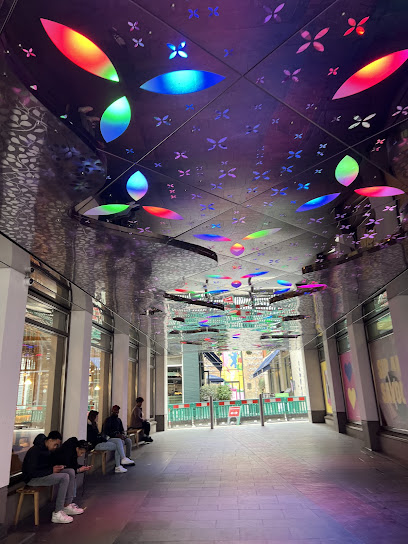
Mercer Walk
0.3 km
Experience the enchanting Mercer Walk in London, a charming alley brimming with boutique shops, cozy cafes, and artistic flair that captures the city's spirit.
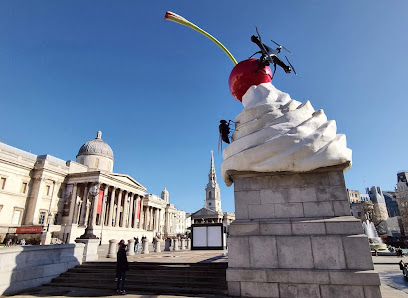
The Fourth Plinth
0.3 km
A historic plinth turned world-renowned stage for bold contemporary art in the heart of London’s Trafalgar Square.
Shaftesbury Ave
0.3 km
Discover London’s vibrant Shaftesbury Avenue, the epicenter of the West End's theatre scene, offering a myriad of shows, dining, and nightlife options.
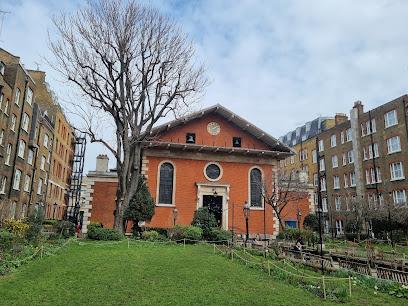
St Paul’s Church Covent Garden
0.3 km
Historic neo-classical church in Covent Garden, famed as the Actors’ Church with deep theatrical roots and an iconic classical portico.
Trafalgar Square
0.3 km
Explore the iconic Trafalgar Square, a historical landmark in London filled with art, culture, and vibrant public life.

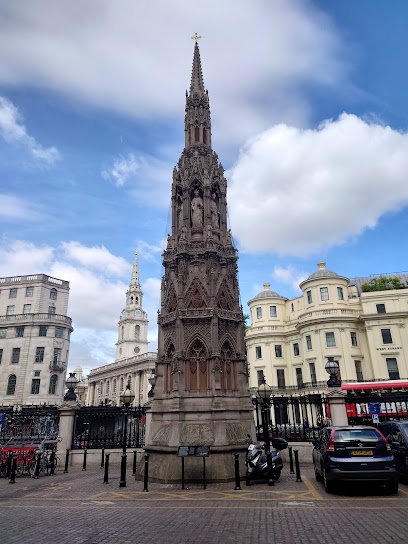
Eleanor Cross
0.3 km
A Victorian Gothic Revival monument marking the final resting place of Queen Eleanor’s funeral procession, blending medieval legacy with London’s historic heart.
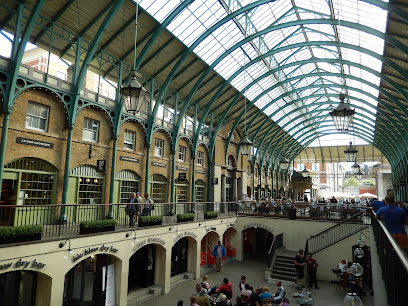
Covent Garden, street shows
0.3 km
Experience the vibrant energy of Covent Garden, where street performances, shopping, and history come together in the heart of London.
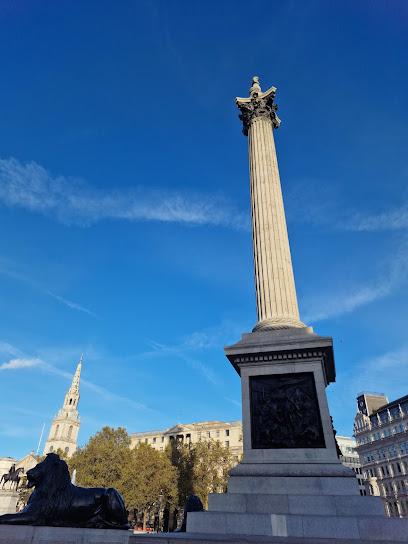
Nelson's Column
0.3 km
A towering tribute to Admiral Nelson’s naval triumph, standing proudly at the heart of London’s historic Trafalgar Square.
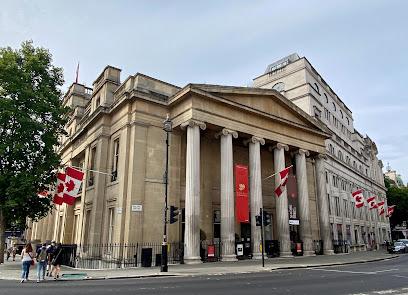
Canada House
0.3 km
A grand Greek Revival building on Trafalgar Square, Canada House is a cultural and diplomatic showcase for Canada in the heart of London.
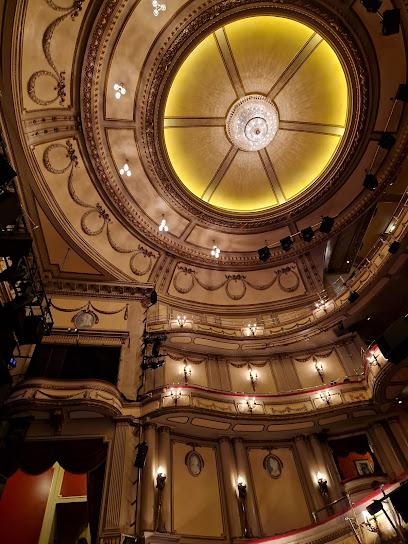
Unmissable attractions to see

Noël Coward Theatre
0.1 km
Historic West End theatre blending classical elegance with world-class drama and comedy in the heart of London’s vibrant cultural scene.
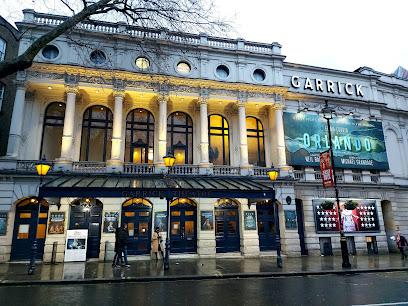
Garrick Theatre
0.1 km
Experience timeless West End theatre in the intimate, historic Garrick Theatre, where classic charm meets captivating performances.
The Duke of York's Theatre
0.1 km
Historic West End theatre on St Martin's Lane, home to iconic productions and timeless British theatrical heritage.
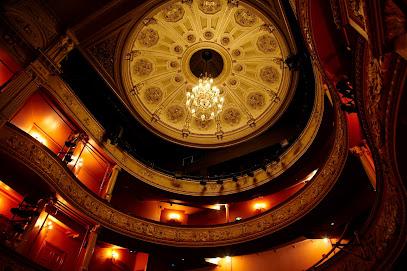
Zoo Bar & Club
0.1 km
Dive into London’s nightlife at Zoo Bar & Club, a cocktail haven offering themed parties, delicious drinks, and a vibrant atmosphere right in the city center.
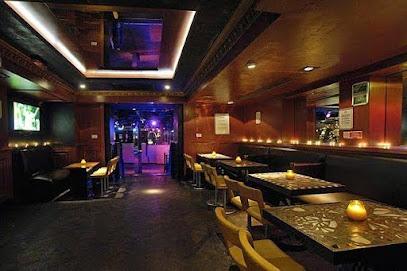
Solve A Mystery - London (Pick-Up Point)
0.1 km
Unravel a historic murder mystery through iconic London streets in this immersive self-guided detective adventure.
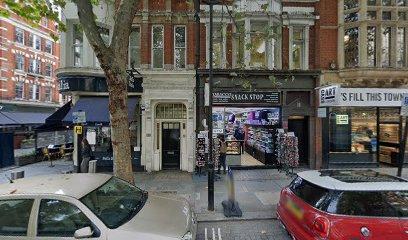
The Hippodrome Casino London
0.1 km
Experience London’s iconic Hippodrome Casino: historic grandeur meets 24/7 gaming, fine dining, and world-class live entertainment in Leicester Square.
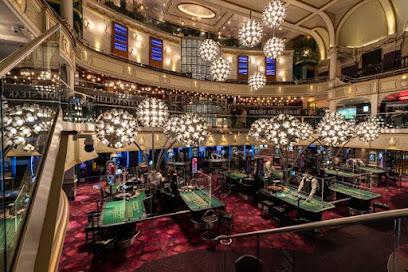
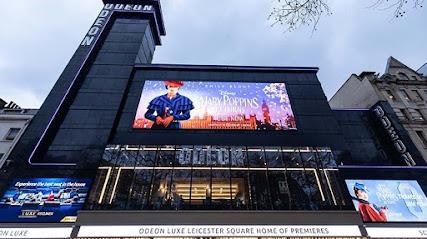
ODEON Luxe Leicester Square
0.1 km
Experience London’s iconic Art Deco cinema with luxury recliners and the UK’s first Dolby Cinema screen in the heart of Leicester Square.
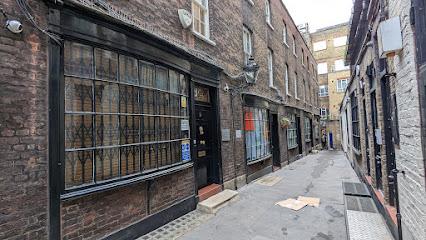
Goodwin’s Court
0.1 km
Step into Goodwin’s Court, a hidden Georgian alley in Covent Garden where history, mystery, and cinematic magic blend in timeless charm.
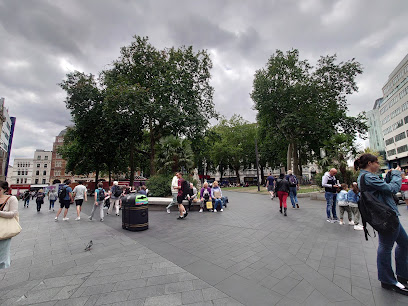
Scenes in the Square Sculpture Trail
0.1 km
Discover a century of cinema through iconic bronze statues in Leicester Square’s free, interactive film-themed sculpture trail.
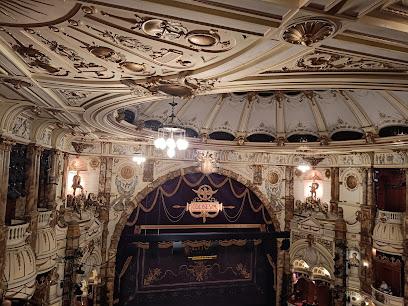
London Coliseum
0.1 km
Experience grand Edwardian theatre and world-class opera and ballet at the iconic London Coliseum in the heart of London’s West End.
West End
0.1 km
Experience London’s vibrant West End, the iconic hub of world-class theatres, premier shopping streets, and rich cultural heritage.
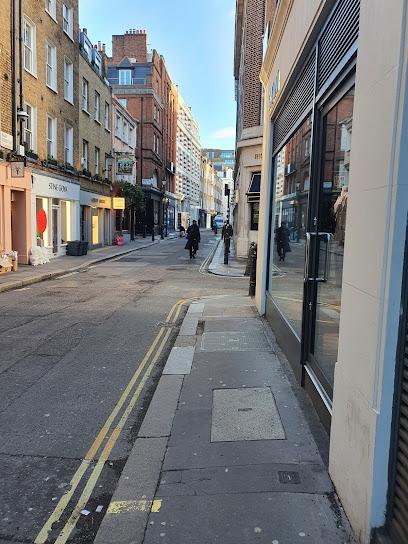
Arts Theatre
0.1 km
A historic, intimate West End theatre offering close-up performances in a cozy setting since 1927.
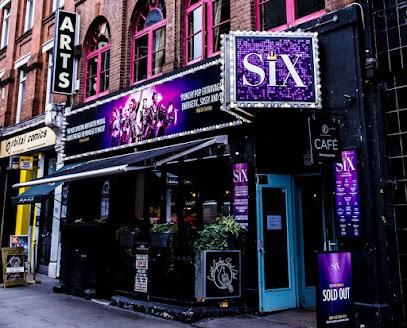
Vue Cinema London - West End (Leicester Square)
0.1 km
Experience cutting-edge cinema luxury and immersive screenings in the vibrant heart of London’s Leicester Square.

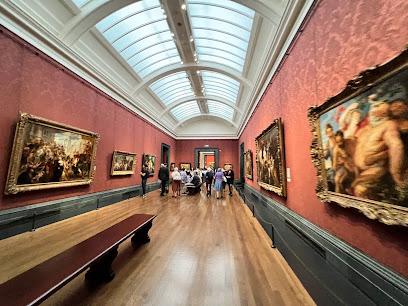
National Portrait Gallery
0.1 km
Explore the world’s largest portrait collection showcasing British history and culture in a welcoming, accessible London landmark.
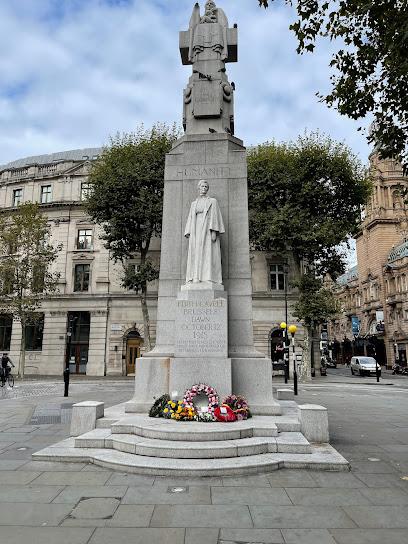
Edith Cavell Memorial
0.2 km
A solemn tribute in central London honoring Edith Cavell’s courage, compassion, and sacrifice during World War I.
Essential places to dine

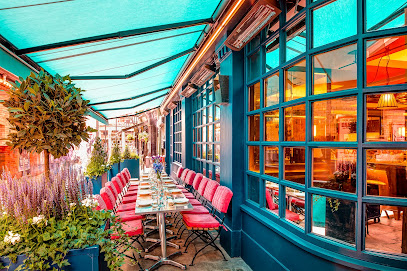
J Sheekey
0.0 km
Classic British seafood excellence in Covent Garden’s elegant, theatre-adjacent dining gem.
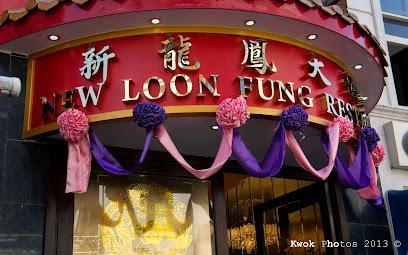
New Loon Fung Restaurant
0.2 km
Experience authentic Cantonese dim sum and classic Chinese dishes in one of Chinatown’s largest, long-standing restaurants on bustling Gerrard Street.
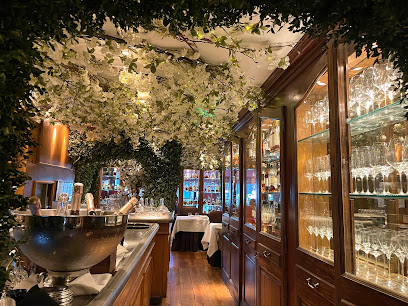
Clos Maggiore
0.2 km
Experience London’s most romantic French restaurant with enchanting blossom-filled conservatory and an award-winning wine cellar in Covent Garden.
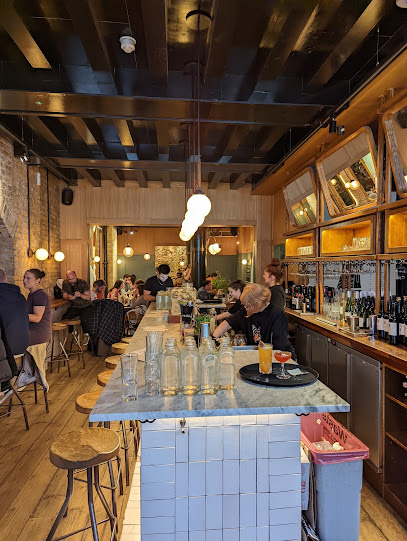
Flat Iron Covent Garden
0.3 km
Savor expertly crafted flat iron steaks in a historic Covent Garden setting, complete with rustic charm and a signature ice cream treat.
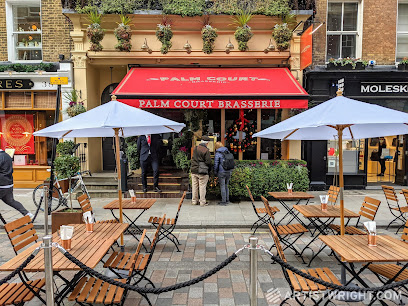
Palm Court Brasserie
0.3 km
Experience authentic Parisian charm and classic French cuisine in the vibrant heart of Covent Garden at Palm Court Brasserie.
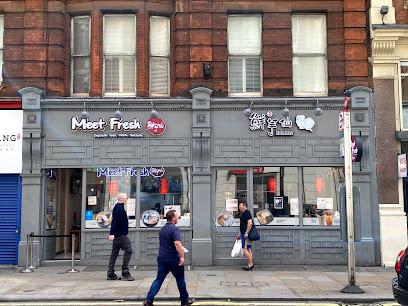
Meet Fresh
0.3 km
Authentic Taiwanese desserts in lively Soho, offering generous portions of mochi, taro balls, and refreshing fruit teas in a bustling urban setting.
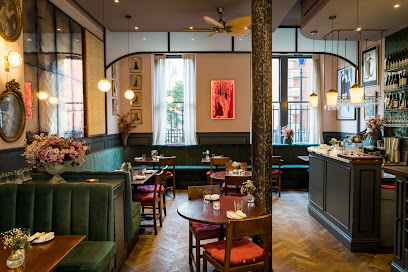
Cora Pearl Covent Garden
0.3 km
Elegant modern British dining in Covent Garden with iconic chips, soulful vibes, and a nod to a glamorous past.
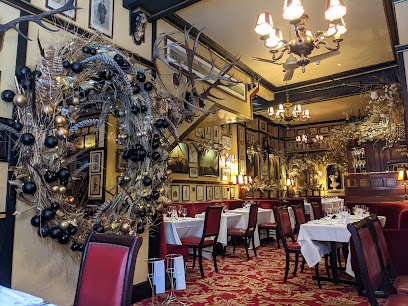
Rules
0.3 km
London’s oldest restaurant since 1798, Rules serves timeless British classics in an elegant, historic Covent Garden setting.
Evelyn's Table
0.3 km
Discover Evelyn's Table, a Michelin-starred, intimate dining counter in Soho offering inventive British cuisine with French and Japanese flair.
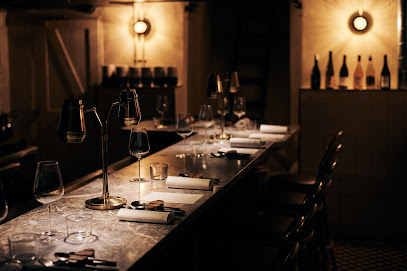
Gauthier Soho
0.3 km
Innovative vegan French fine dining in a stylish Soho townhouse, blending tradition with plant-based creativity.
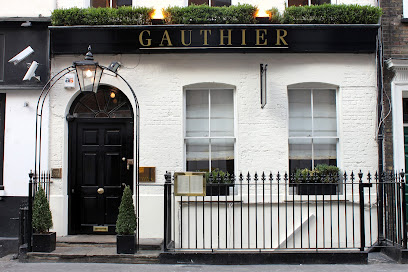
Hawksmoor Seven Dials
0.3 km
Savor expertly grilled British steaks and vibrant seafood in a historic Covent Garden brewery setting with atmospheric charm and refined cocktails.
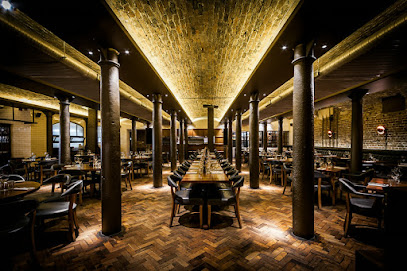
La Bodega Negra Restaurant
0.4 km
Experience daring Mexican cuisine and vibrant nightlife in Soho’s provocative La Bodega Negra, where edgy ambiance meets inventive flavors.
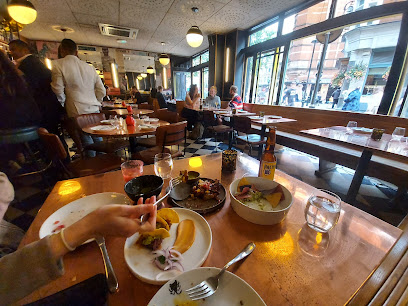
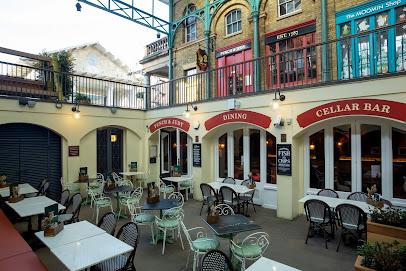
Punch & Judy
0.4 km
Historic Covent Garden pub blending classic British fare, lively balcony views, and family-friendly charm in the heart of London.
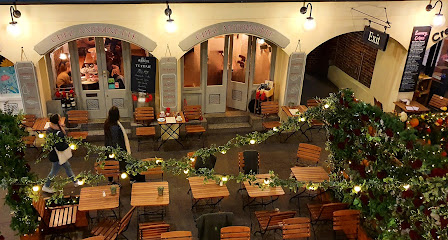
Chez Antoinette
0.4 km
Authentic Lyon-inspired French bistro serving classic tartines and cozy café fare in the heart of Covent Garden, London.
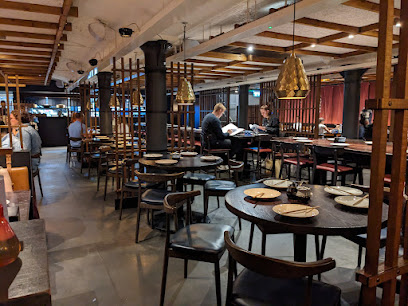
Flesh & Buns Covent Garden
0.4 km
Lively Japanese izakaya in Covent Garden famed for its signature bao buns, vibrant atmosphere, and innovative pan-Asian small plates.
Markets, malls and hidden boutiques

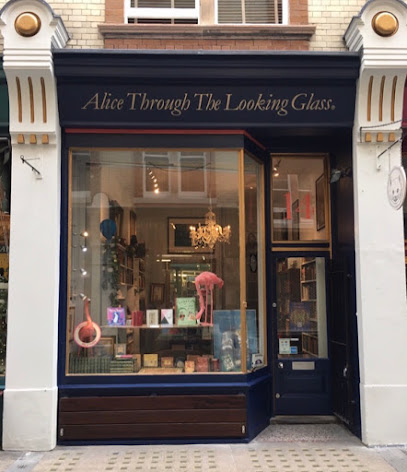
Alice Through The Looking Glass
0.0 km
Step into a whimsical world of antiques, art, and literary treasures inspired by Alice in Wonderland in the heart of London’s Cecil Court.
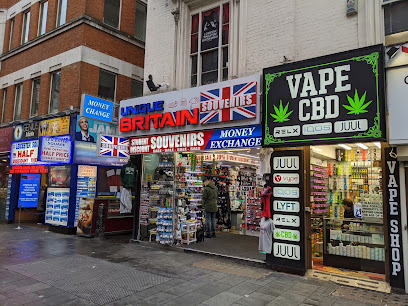
Unique Britain
0.1 km
Discover authentic British souvenirs and artistic keepsakes in the heart of London’s lively West End on historic Cranbourn Street.
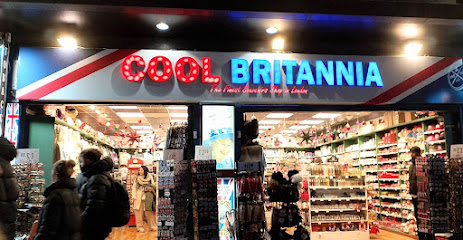
Cool Britania
0.2 km
Discover authentic British souvenirs and capture timeless memories at Cool Britannia, Leicester Square’s premier gift and photography shop.
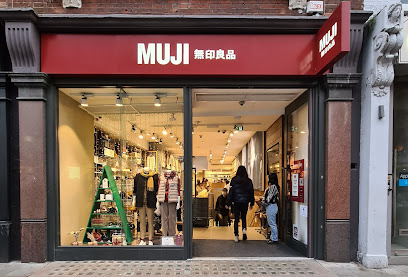
MUJI Covent Garden Store
0.3 km
Discover Japanese minimalism in Covent Garden: timeless clothing, sustainable homewares, and functional stationery for clutter-free, mindful living.
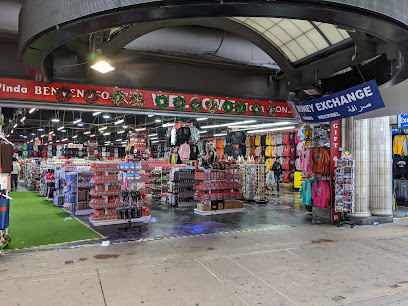
Glorious London Gift & Souvenir
0.4 km
Discover unique souvenirs and gifts that embody the spirit of London at Glorious London Gift & Souvenir, a must-visit shopping destination.
The Moomin Shop London
0.4 km
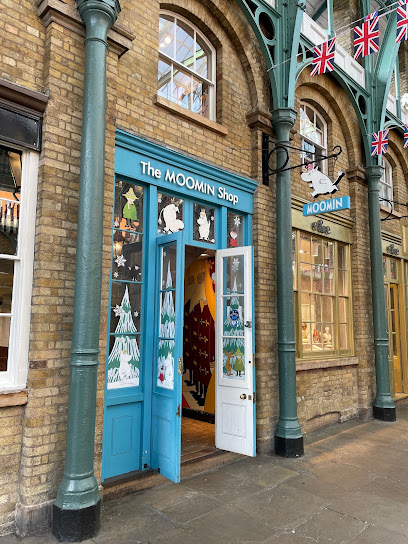
Step into the enchanting world of Moominvalley at The Moomin Shop in Covent Garden, London’s magical haven for fans of Tove Jansson’s beloved characters.
La Boutik
0.4 km
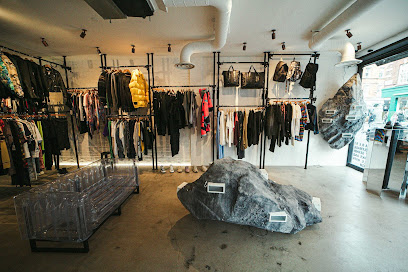
Soho's chic haven for European designer imports on buzzing Dean Street—unique fashion finds in London's creative epicenter.
Sass & Belle Covent Garden Market
0.4 km
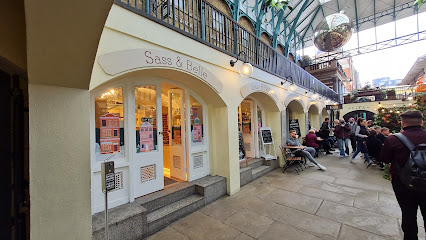
Quirky gifts and whimsical homeware in Covent Garden's lively market—permanently closed in-store, thriving online with cute finds for every home.
Brandy Melville - Covent Garden
0.4 km
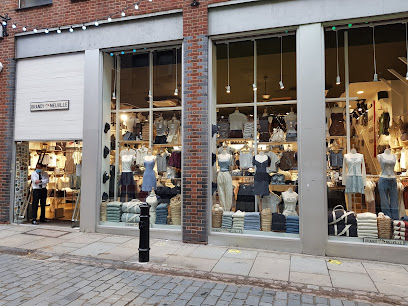
Trendy Italian-LA fusion on Neal Street: one-size-fits-most chic for the effortless Covent Garden style seeker.
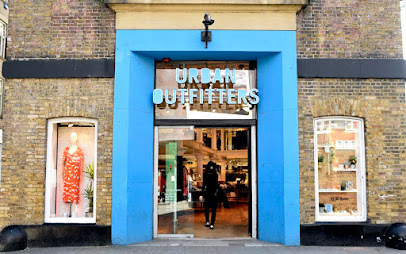
Urban Outfitters
0.4 km
Dive into Urban Outfitters' warehouse wonderland in Seven Dials, where eclectic fashion, cult beauty, and quirky homewares fuel London's youth culture vibe.
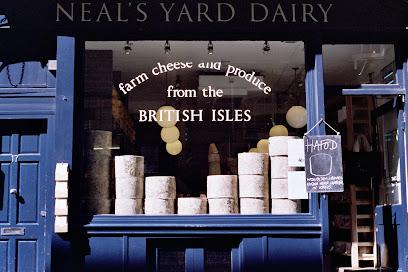
Neal's Yard Dairy (Covent Garden Shop)
0.4 km
Discover the finest British and Irish farmhouse cheeses matured to perfection in the heart of Covent Garden’s vibrant Neal’s Yard.
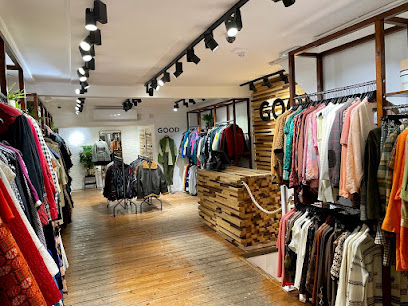
Good
0.4 km
Discover sustainable style with curated preloved vintage and designer fashion at Good London’s Seven Dials shop.
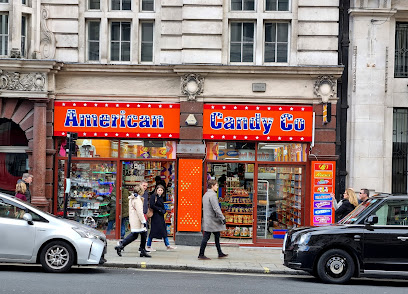
Crest of London Ltd
0.4 km
Discover authentic London souvenirs and local crafts at Crest of London Ltd, your premier gift shop in historic Whitehall.
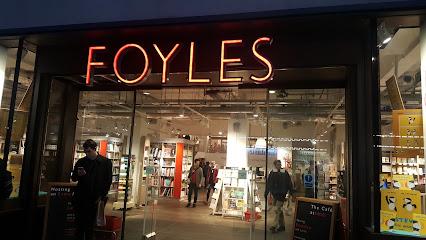
Foyles
0.4 km
London's legendary independent bookshop where literary heritage meets contemporary retail excellence.
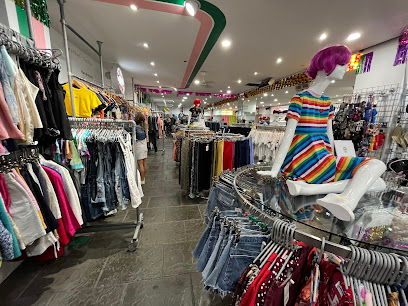
Rokit Covent Garden
0.4 km
Dive into retro treasures at Rokit Covent Garden, where sustainable vintage fashion meets London's vibrant street style heritage on Shelton Street.
Essential bars & hidden hideouts

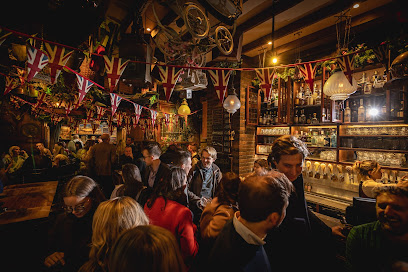
Mr Fogg's Tavern
0.1 km
Step into a Victorian-inspired tavern in Covent Garden, where inventive cocktails meet hearty British fare in an eclectic and lively setting.
Blind Spot London
0.1 km
Discover a secretive speakeasy with globally inspired cocktails and intimate ambiance tucked inside St Martin’s Lane Hotel, Covent Garden.
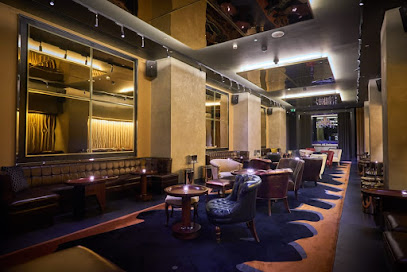
The Alchemist St Martin's Lane
0.1 km
Experience theatrical cocktails and vibrant dining in the heart of Covent Garden’s iconic theatre district.
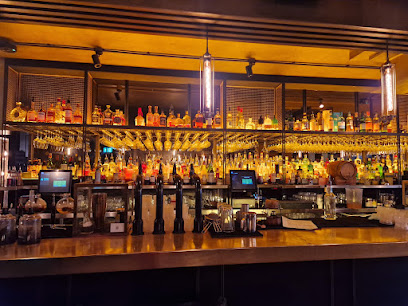
Covent Garden Social Club
0.1 km
Dive into Covent Garden's dual-world party den: prohibition cocktails below, live piano magic above—West End's ultimate nightlife hideaway for cocktails, cabaret, and endless sing-alongs. (162 characters)
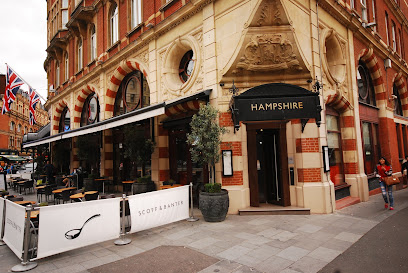
Hampshire Restaurant and Bar
0.2 km
Intimate bar and restaurant serving vibrant Mexican and Peruvian cuisine in the heart of Leicester Square’s iconic theatre district.
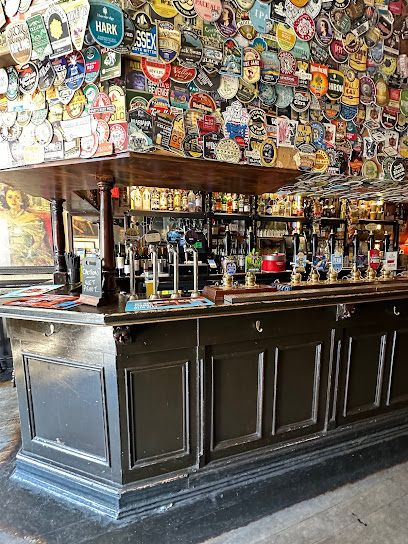
The Harp, Covent Garden
0.2 km
A historic Covent Garden pub famed for award-winning ales, traditional ciders, and a timeless, welcoming atmosphere.
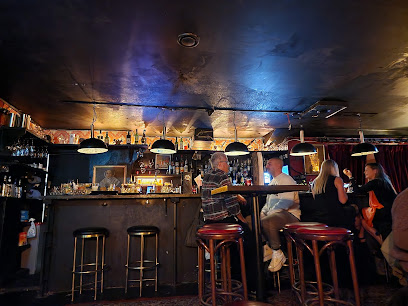
Ku Bar
0.2 km
Soho's legendary gay bar icon: three levels of inclusive vibes, cocktails, and basement beats in Chinatown's electric heart.
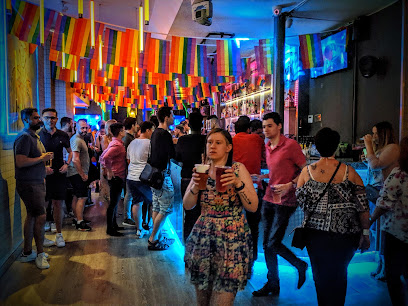
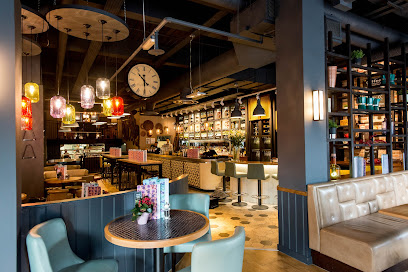
All Bar One Leicester Square
0.2 km
Stylish wine and cocktail bar in the heart of Leicester Square, perfect for socializing, dining, and private events in central London.
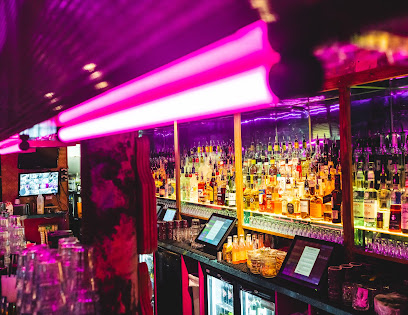
Blame Gloria - Cocktail Bar in Covent Garden
0.2 km
Dive into Blame Gloria’s neon-lit retro cocktail haven in Covent Garden, where legendary rock vibes and wild themed brunches electrify your night.
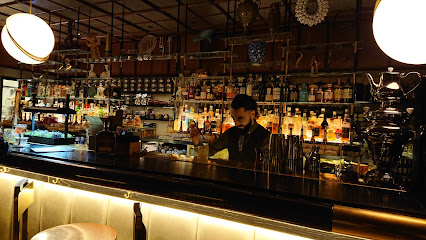
Oriole
0.2 km
Oriole invites you on a captivating global cocktail journey in Covent Garden, blending exotic flavours, elegant ambiance, and live music.
All Bar One Covent Garden
0.3 km
Stylish Covent Garden wine bar serving shareable plates, extensive wines, and cocktails in a lively West End setting—ideal for pre-theatre drinks or group gatherings.
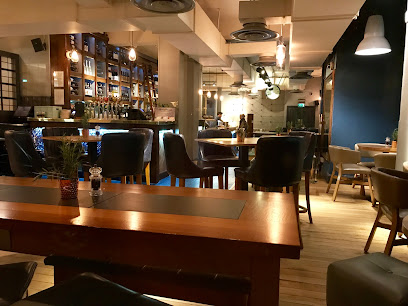
Opium Cocktail Bar - Soho
0.3 km
Discover a hidden Soho speakeasy blending 1920s Shanghai charm with inventive cocktails and exquisite dim sum in London’s Chinatown.
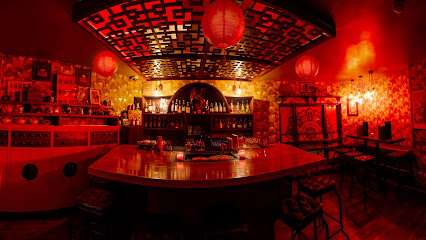
Mrs Riot
0.3 km
Covent Garden's technicolor riot: punk-pop cocktails, drag brunches, live DJs, and Kitty Clive's rebellious legacy in one explosive venue.
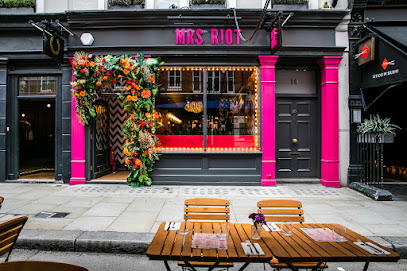
Mr Fogg's Society of Exploration
0.3 km
Step into a Victorian explorer’s world with inventive cocktails, immersive storytelling, and a mechanical mixologist in Covent Garden’s unique speakeasy.
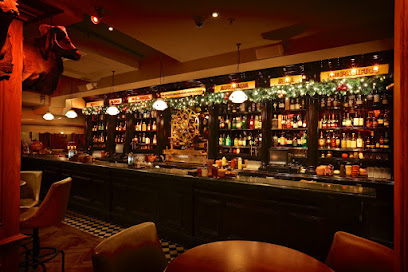
Upstairs At Rules
0.3 km
Discover Upstairs At Rules, a refined cocktail bar above London’s oldest restaurant, where Edwardian elegance meets expertly crafted drinks in Covent Garden.
Nightclubs & after hour spots

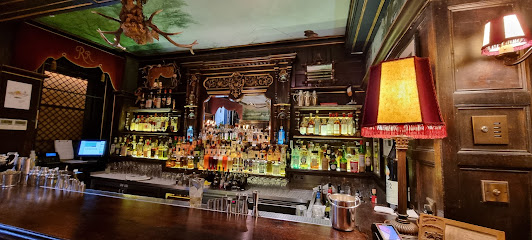
Whatdafunk Presents West End Urban Disco
0.1 km
Dive into London's grooviest urban disco beats at Whatdafunk, where Covent Garden's streets pulse with funk, soul, and non-stop dance energy in the heart of the West End.
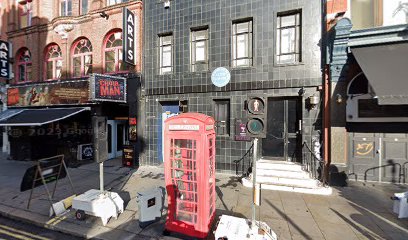
The Penthouse London
0.2 km
A compact, rooftop nightclub above Leicester Square — reached by a side lift, built for late‑night private parties and skyline glimpses.
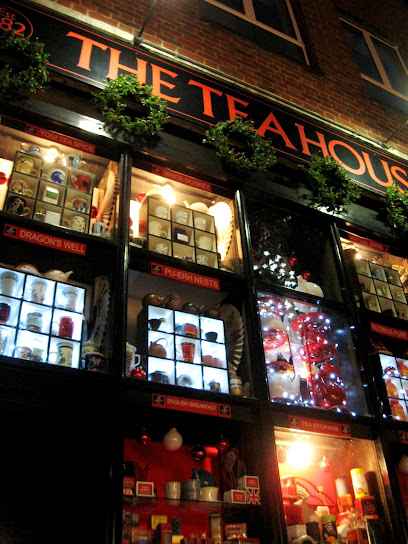
The Ivy Club
0.2 km
Art-Deco‑tinged members’ club above The Ivy — piano bars, discreet private dining and polished West End glamour.
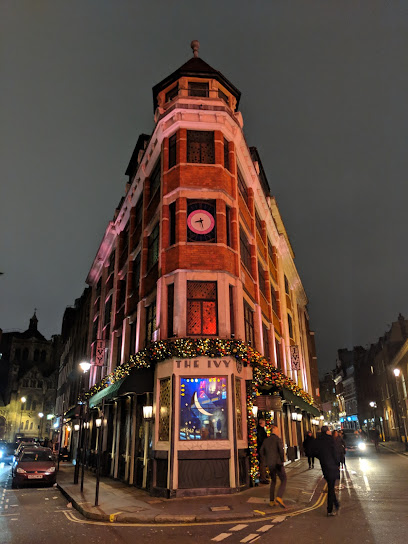
Luxe Club
0.3 km
Experience London's vibrant nightlife at Luxe Club, a central hotspot for music, dancing, and late-night entertainment.
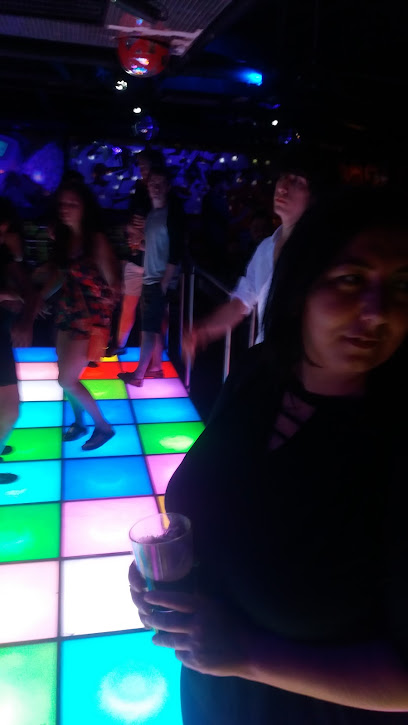
Tiger Tiger London
0.3 km
Experience London’s iconic Haymarket nightclub with six vibrant rooms, lively DJs, and a dynamic party atmosphere just moments from Piccadilly Circus.
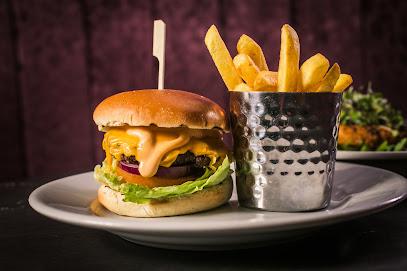
Comedy Carnival Covent Garden
0.4 km
London's premier stand-up comedy venue showcasing bold, award-winning international comedians in vibrant Covent Garden.

Heaven
0.4 km
London’s iconic gay superclub under the railway arches — big nights, loud music, drag, and late finishes in the heart of the West End.
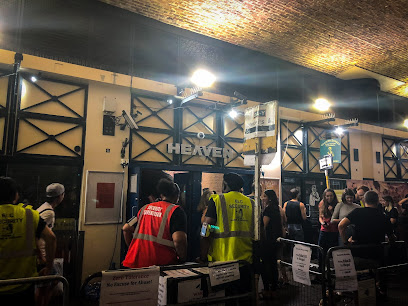
TSQ Club
0.4 km
Dive into Trafalgar Square's nightlife pulse at TSQ Club, where eclectic beats, dazzling lights, and craft cocktails fuel unforgettable weekend nights in London's heart.
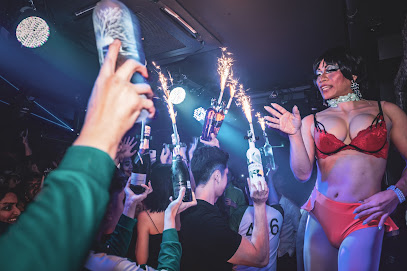
Club49Soho
0.4 km
Soho's stylish cocktail haven with DJ-fueled dancefloor energy, blending upscale drinks and classy nightlife vibes until 3am.
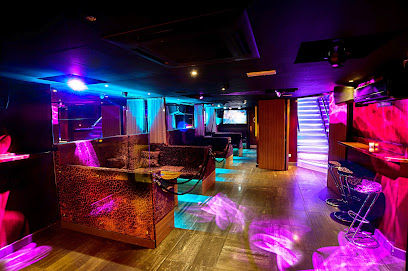
The Roxy
0.4 km
Soho's unbeatable happy hour cocktail bar by day, pulsing nightclub with live music and DJ nights till 3am—affordable vibes in London's nightlife heart.
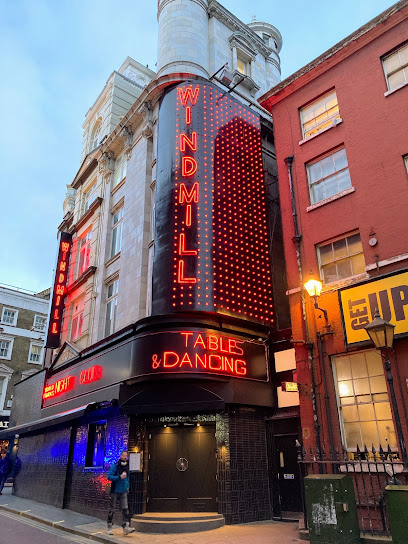
The Windmill Soho | Restaurant, Cabaret & Nightclub in Soho, London
0.4 km
Soho's legendary cabaret den revived: burlesque bites, theatrical feasts, and all-night beats in a historic hotspot of hedonism.
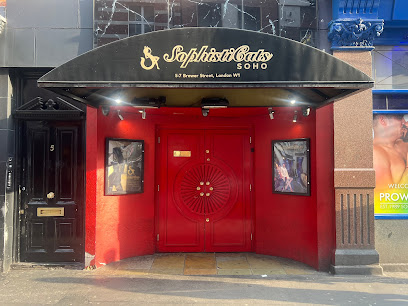
Sophisticats Soho
0.4 km
An intimate, late‑night Soho gentlemen’s club on Brewer Street offering staged performances, VIP seating and an upmarket, discreet atmosphere.
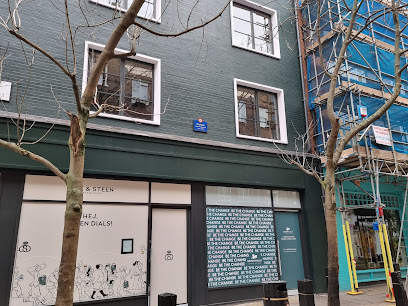
Versity Camp Nightclub
0.5 km
Dive into Soho's beating heart at Versity Camp Nightclub, where thumping bass, inventive cocktails, and an electric crowd fuel unforgettable nights until dawn.
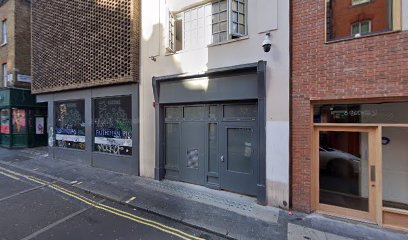
La Capannina Club
0.5 km
Discover Soho's discreet gentlemen's club: seductive stage shows, cosy vibes, and late-night allure in London's nightlife heart.
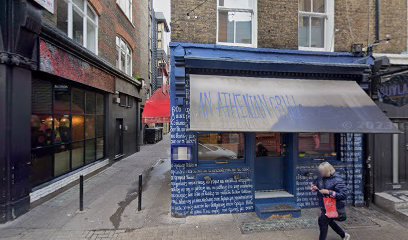
The Box Soho
0.5 km
A clandestine Soho cabaret where decadent staging, provocative shows and high‑end cocktails collide in an intense late‑night theatre.
For the vibe & atmosphere seeker
- Relaxing
- Tranquil
- Scenic
- Quirky
- Unique
For the design and aesthetic lover
- Vintage Styles
- Rustic Designs
For the architecture buff
- Historic
- Heritage Neighborhoods
For the view chaser and sunset hunter
- Iconic Views
- Panoramas
For the social media creator & influencer
- Instagrammable
- Photo Spots
- Aesthetic Corners
For the eco-conscious traveler
- Public-Transport Accessible
For the kind of experience you’re after
- Cultural Heritage
- Photowalk
For how adventurous you want the journey to be
- Easy Access
Location Audience
- Family Friendly
- Senior Friendly
- Child Friendly
- Teen Friendly
- Wheelchair Access
- Pet Friendly
- Solo Friendly
- Couple Friendly
- Solo Female Friendly
- Vegetarian Friendly
- Vegan Friendly


