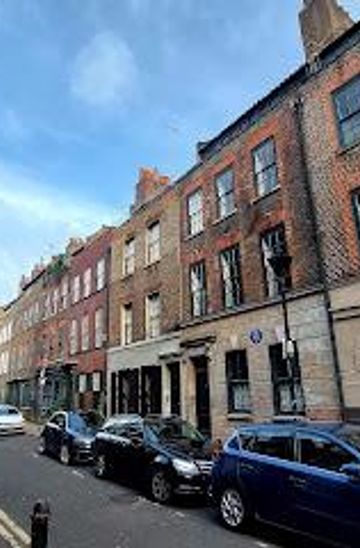
Princelet Street: A Living Tapestry of London's Immigrant Heritage
Discover Princelet Street, a preserved Georgian street in Spitalfields telling centuries of London’s immigrant stories through architecture and culture.
Princelet Street, nestled in London's historic Spitalfields, is a remarkable Georgian-era street dating back to the early 1700s. Originally developed for Huguenot silk weavers, it later became home to waves of immigrants including Jewish, Irish, and Polish communities. The street preserves rare 18th-century architecture and houses London's second oldest synagogue, now a museum of immigration and diversity. Its rich cultural layers and conservation efforts make it a unique window into London's evolving social fabric.
A brief summary to Princelet St
- London, GB
- Duration: 0.5 to 2 hours
- Budget
-
 Outdoor
- Mobile reception: 4 out of 5
Local tips
- Visit number 19 Princelet Street to explore the Museum of Immigration and Diversity, but check opening days in advance due to limited public access.
- Explore nearby Wilkes Street for less crowded photo opportunities with similar historic charm.
- Consider a guided walking tour of Spitalfields to understand the broader context of Princelet Street’s immigrant heritage.
- Respect the residential nature of the street; many buildings are private homes or carefully preserved heritage sites.

Other nearby places you may find interesting
Getting There
-
London Underground
Take the Central Line to Liverpool Street Station, approximately 15-20 minutes walk from Princelet Street. The station is well-served with frequent trains, and tickets cost around £2.50-£6.00 depending on travel zones and time.
-
Bus
Bus routes 8, 26, and 35 stop within 10-15 minutes walking distance of Princelet Street. Buses run frequently throughout the day, with single fares costing about £1.75 using an Oyster card or contactless payment.
-
Taxi or Ride-Hailing
A taxi or ride-hailing service from central London to Princelet Street typically takes 15-25 minutes depending on traffic, costing approximately £10-£20. Note that street parking is limited and often restricted.
-
Walking
If staying nearby in Spitalfields or Shoreditch, walking to Princelet Street offers an immersive experience of the historic neighborhood. Expect uneven pavements and narrow streets; suitable for most visitors with moderate mobility.
For the on-the-go comforts that matter to you
-
 Information Boards
-
 Seating Areas
-
 Restrooms
-
 Drink Options
-
 Food Options
Princelet St location weather suitability
-
 Any Weather
-
 Rain / Wet Weather
-
 Clear Skies
-
 Mild Temperatures
Discover more about Princelet St
Origins in Early 18th-Century Spitalfields
Princelet Street was established in the early 1700s on land once used for market gardening, part of an estate known as Joyce’s Garden. Entrepreneurs Charles Wood and Simon Mitchell acquired the land and leased it to master builders who constructed fine Georgian townhouses aimed at London’s burgeoning immigrant population, especially French Protestant Huguenots fleeing persecution. These early residents combined living quarters with silk weaving workshops, utilizing the street’s excellent natural light to fuel a thriving silk industry for nearly a century.Immigration Waves and Cultural Shifts
As the silk industry declined in the 19th century, Princelet Street’s elegant houses were subdivided into lodgings and warehouses, reflecting a shift to lower-income residents. Jewish immigrants arrived in significant numbers, establishing one of London’s first synagogues in the garden of number 19 in 1869. The street also hosted Irish and Polish immigrants, with number 6 becoming London’s first Jewish theatre in 1886. These successive waves of settlers enriched the street’s cultural tapestry, making it a microcosm of East London’s diverse immigrant history.Architectural and Social Conservation Efforts
Despite periods of decline and slum conditions, Princelet Street escaped wholesale redevelopment and retains much of its original Georgian character. Conservationists recognized its architectural and historical value in the 1960s and 1970s, leading to its designation as a Conservation Area in 1976. Landmark Trust’s restoration of number 13 Princelet Street exemplifies these efforts, preserving a rare example of early 18th-century speculative housing. The street stands as a rare surviving enclave of London’s immigrant heritage amid ongoing urban development pressures.The Museum of Immigration and Diversity at Number 19
Number 19 Princelet Street, built in 1719, is now home to a fragile museum dedicated to immigration and cultural diversity. The building’s synagogue, active until the 1970s, is a Grade II* listed site and one of the few remaining synagogue structures in the area. The museum’s exhibitions, including the acclaimed 'Suitcases and Sanctuary', explore the stories of the Huguenots, Jewish, Irish, and Bengali communities who shaped the East End. The basement once hosted anti-fascist meetings, linking the site to key moments in London’s social history.Present-Day Significance and Challenges
Today, Princelet Street remains a poignant symbol of London’s layered immigrant past and ongoing cultural dialogue. It faces threats from large-scale development projects nearby, which conservationists fear could undermine the historic character of Spitalfields. Yet the street’s preserved architecture, historic synagogue, and museum continue to attract interest from historians, heritage advocates, and visitors eager to connect with the city’s diverse roots.Atmosphere and Visitor Experience
Walking along Princelet Street, visitors encounter a tranquil, narrow Georgian terrace that contrasts sharply with the bustling nearby Brick Lane. The street’s quiet charm, historic facades, and evocative museum spaces invite reflection on centuries of migration, community resilience, and cultural transformation. It offers a unique, immersive experience into the social history of London’s East End, making it an essential stop for those interested in heritage and multicultural narratives.Explore the best of what Princelet St has to offer















More about London
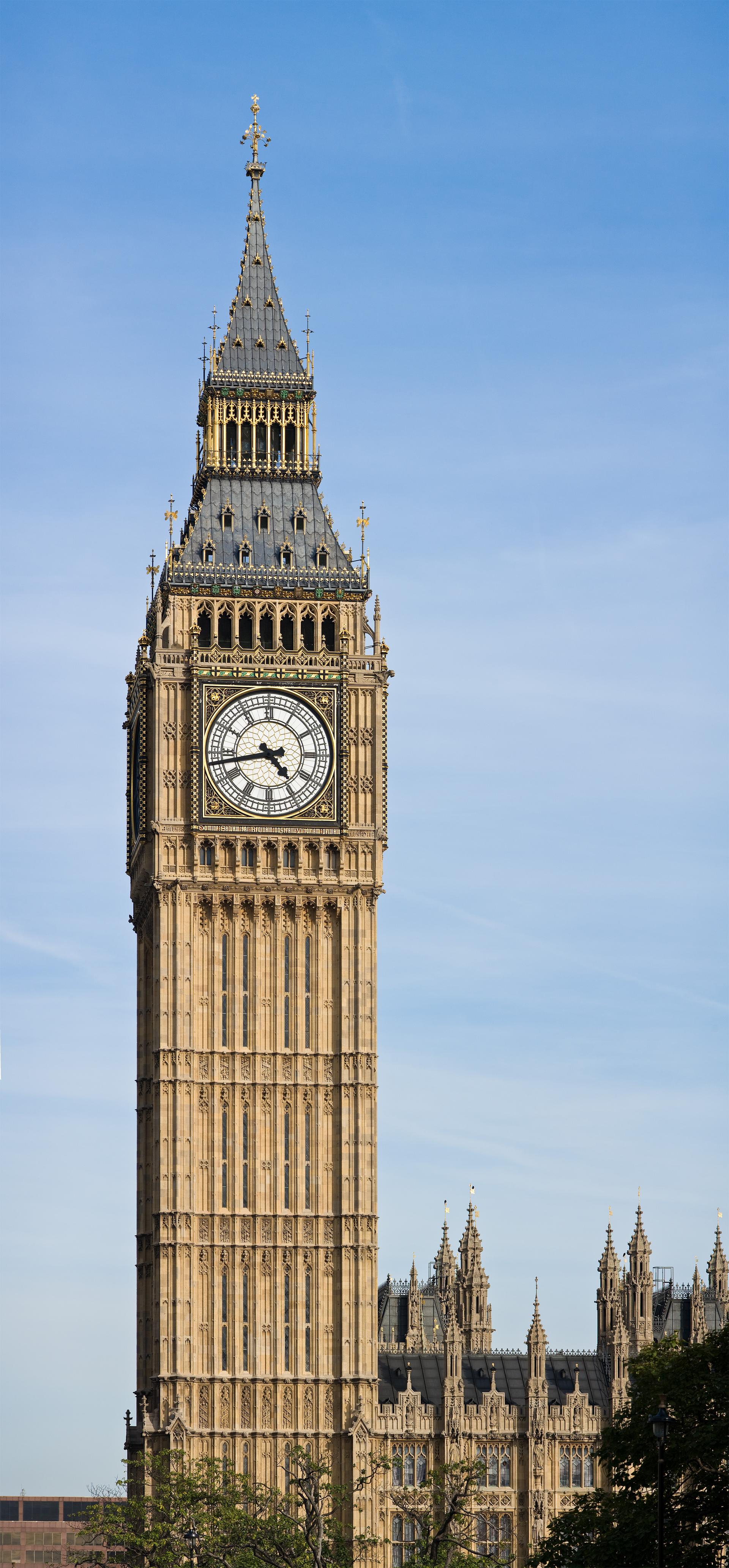
Explore London: A city of iconic landmarks, rich history, vibrant culture, and endless attractions that cater to every taste, making it a must-visit destination.
Tell me more about London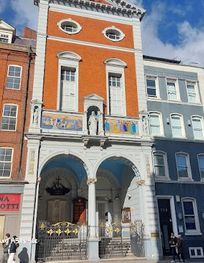
A basilica-style sanctuary where Italian faith, architectural brilliance, and community memory converge in historic Clerkenwell.
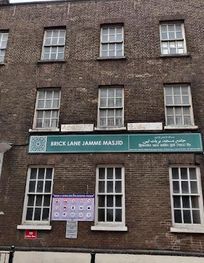
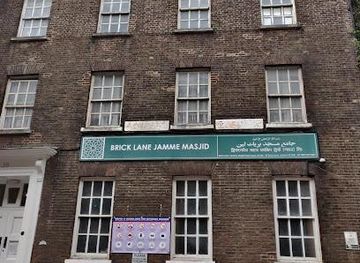
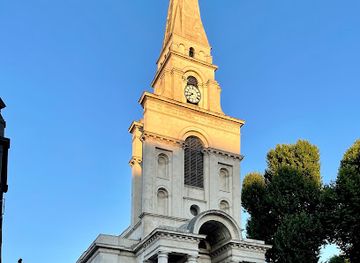
A 280-year architectural chronicle of immigrant faith, where Huguenots, Jews, and Bangladeshis have each found spiritual sanctuary.
Want to improve this location?
Activate this location now and let Evendo enhance its appearance, information, and visibility for millions of travellers.