
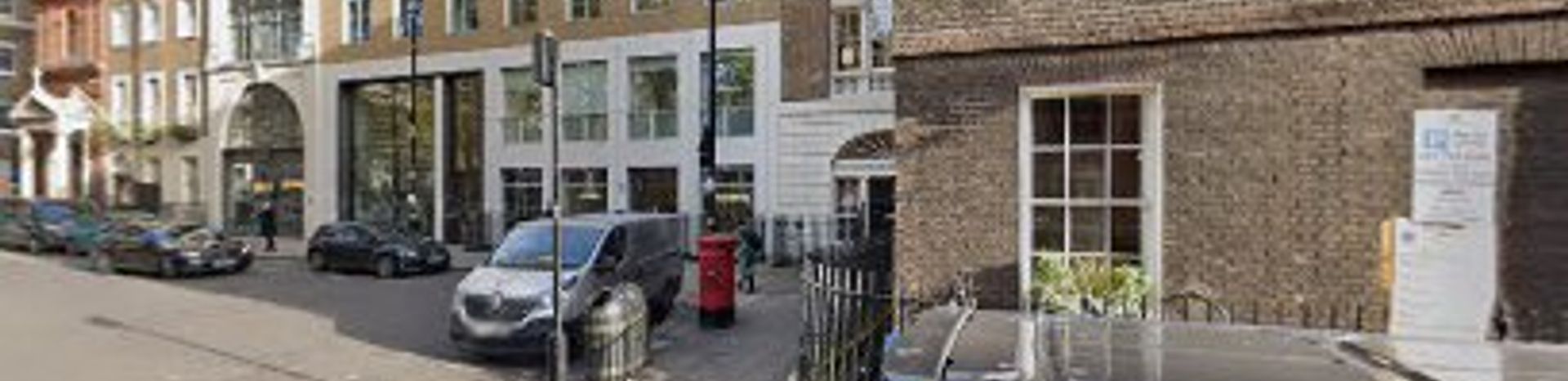
Victorian Penny Chute at the House of St Barnabas, London
Discover the Victorian Penny Chute in Soho—a charming historic coin chute that channels charity donations through time at the House of St Barnabas.
The Victorian Penny Chute is a charming historic feature located at 1 Greek Street in London’s Soho. This quaint coin chute, attached to the railings of the Grade I-listed House of St Barnabas, allows passersby to drop pennies that roll down to a charity box in the building’s basement, supporting the House of Charity. The building itself is steeped in history, dating back to the 17th century, and has served various roles including aristocratic residence, sewer commission office, and a Victorian-era charity hub.
A brief summary to Victorian Penny Chute
- 1 Greek St, London, W1D 4EJ, GB
- Duration: 0.25 to 0.75 hours
- Free
-
 Outdoor
- Mobile reception: 5 out of 5
- Monday 12 am-12 am
- Tuesday 12 am-12 am
- Wednesday 12 am-12 am
- Thursday 12 am-12 am
- Friday 12 am-12 am
- Saturday 12 am-12 am
- Sunday 12 am-12 am
Local tips
- Look closely at the railings outside 1 Greek Street to spot the penny chute’s coin slot and metal pipe.
- Consider dropping a penny into the chute to support the House of Charity’s ongoing charitable work.
- Explore nearby Soho Square to appreciate the broader historic context of the area.
- Note the distinctive tiling on the building’s exterior spelling out 'House of Charity.'

For the on-the-go comforts that matter to you
- Information Boards
Getting There
-
London Underground
Take the Tottenham Court Road or Oxford Circus Underground stations, both approximately 10-15 minutes walk from 1 Greek Street. Stations serve multiple lines including Central, Northern, Victoria, and Bakerloo. Tickets cost £2.50–£6.00 depending on zones and ticket type. Note that walking routes involve typical central London pavements with some cobblestone areas.
-
Bus
Several London bus routes stop near Soho, including routes 14, 19, 24, and 176. Bus stops are within a 5-10 minute walk of 1 Greek Street. Single fares cost £1.75 with an Oyster or contactless card. Service frequency varies between 5 to 15 minutes during the day. Buses are accessible but can be crowded during peak hours.
-
Taxi or Ride-Hailing
Taxis and ride-hailing services like Uber can drop you directly at 1 Greek Street. Travel time from central London locations is typically 10-20 minutes depending on traffic. Fares generally range from £8 to £15. Note that central London congestion charges may apply during weekdays.
Victorian Penny Chute location weather suitability
-
 Any Weather
-
 Rain / Wet Weather
-
 Clear Skies
-
 Mild Temperatures
Discover more about Victorian Penny Chute
A Historic Landmark Rooted in London’s Soho
The Victorian Penny Chute is more than a quaint curiosity; it is attached to the railings of the House of St Barnabas, a Grade I-listed Georgian building located at 1 Greek Street in Soho, London. The site’s history extends back to the late 17th century when Soho Square was first laid out. Originally a grand residence for aristocrats and wealthy figures, the house has witnessed centuries of London’s evolving urban and social fabric. Its architectural features, including distinctive tiling spelling out “House of Charity,” reflect its layered past.The Penny Chute: A Unique Victorian Charitable Device
This small metal pipe with a coin slot is a penny chute, designed to collect donations for the House of Charity, a Victorian-era charity that once operated from the building. When coins are dropped into the slot, they roll down the chute and are collected in an alms box located in the kitchen of the building’s basement. This ingenious mechanism allowed discreet and continuous support for the charity’s work, helping the destitute and homeless in Victorian London. Remarkably, the penny chute remains functional today, inviting donations from visitors and locals alike.The House of Charity’s Role in Social Welfare
Founded in 1846, the House of Charity aimed to aid “the waifs and strays of the turbid sea of human society,” providing shelter and support to vulnerable populations. The building housed a Victorian chapel designed by Joseph Clarke, reflecting the charity’s Christian ethos. The charity’s mission was deeply intertwined with Victorian social reform movements, addressing the challenges of homelessness and poverty during a time of rapid industrialization and urban upheaval. The penny chute symbolizes this legacy of compassion and public philanthropy.Architectural and Cultural Significance
The House of St Barnabas is notable for its architectural details, including a ‘crinoline staircase’ designed to accommodate the large hoop skirts of Victorian ladies. The building’s interior and gardens have been linked to Charles Dickens’ novel "A Tale of Two Cities," adding literary significance to its heritage. The penny chute itself is a rare surviving example of Victorian charitable technology, blending functionality with social conscience. Though the interior is not generally open to the public, the exterior features like the penny chute offer a tangible connection to London’s past.Continuing Legacy and Preservation
Despite changes over centuries, the penny chute remains a working symbol of Victorian charity. The House of St Barnabas continues to uphold its historic mission through modern social enterprises. The building’s preservation as a Grade I-listed site ensures that its architectural and cultural heritage endures. Visitors to Soho can appreciate the penny chute not only as an intriguing artifact but also as a reminder of the city’s long-standing commitment to social welfare and community support.Soho’s Layered History Captured in a Small Detail
The penny chute encapsulates Soho’s rich history—a neighborhood shaped by aristocracy, philanthropy, and urban development. It stands quietly on the railings, inviting reflection on the lives of London’s less fortunate during the Victorian era. This small but meaningful feature connects today’s visitors with stories of charity, resilience, and the evolving urban landscape of one of London’s most vibrant districts.Iconic landmarks you can’t miss

Plaque: Tin Pan Alley & La Giaconda cafe
0.1 km
Discover the legendary Tin Pan Alley and La Giaconda Cafe at 9 Denmark Street, the historic heart of London’s music scene and creative spirit.
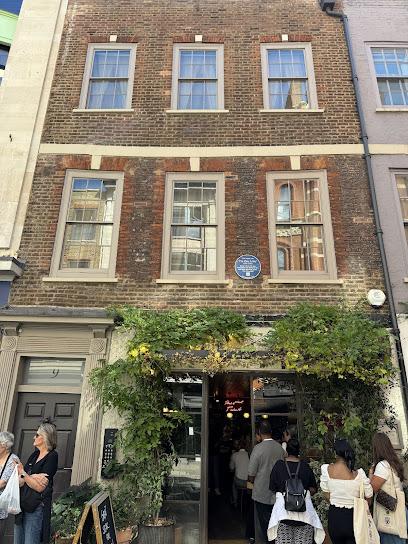
Denmark St
0.1 km
Britain's legendary Tin Pan Alley where rock and roll history was written in every studio, café, and guitar shop.
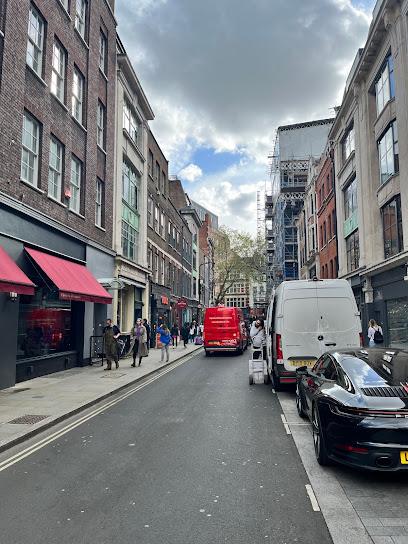
Historic Seven Dials
0.3 km
Discover Seven Dials, a historic London quarter where seven streets meet at a unique sundial pillar, blending rich heritage with vibrant culture.
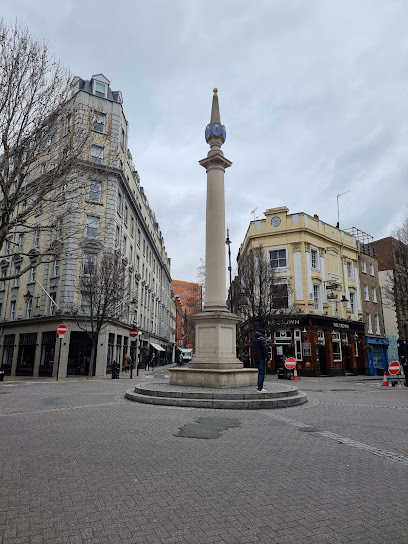
Soho
0.4 km
London's pulsating heart of nightlife, cuisine, and cultural reinvention where bohemian heritage meets contemporary glamour.
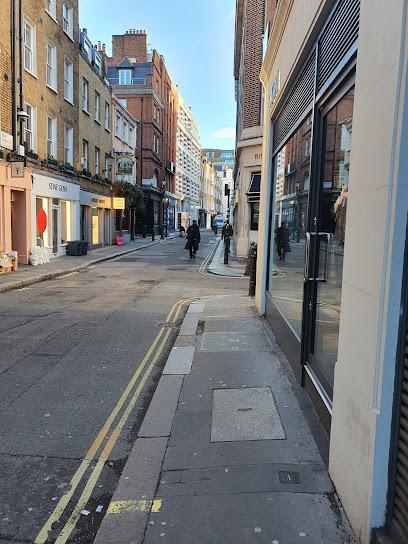
covent Garden ,
0.4 km
Explore Covent Garden's vibrant atmosphere filled with shopping, dining, and entertainment in the heart of London.
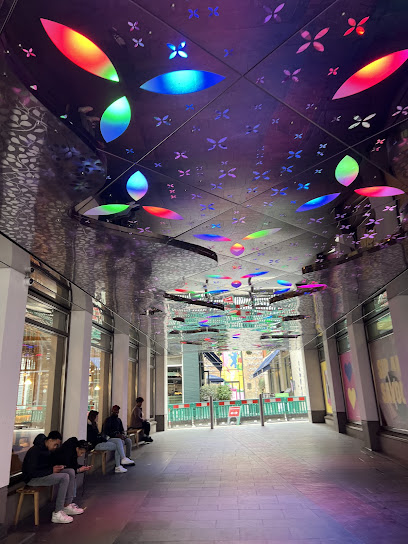
Mercer Walk
0.4 km
Experience the enchanting Mercer Walk in London, a charming alley brimming with boutique shops, cozy cafes, and artistic flair that captures the city's spirit.
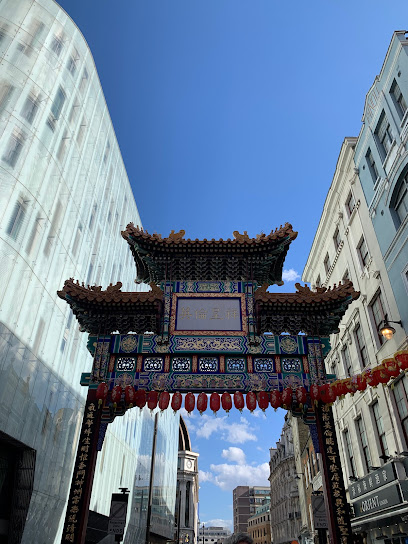
Chinatown Gate
0.5 km
Experience the vibrant spirit of London's Chinatown at the iconic Chinatown Gate, a cultural gem filled with culinary delights and rich heritage.
Agatha Christie memorial
0.5 km
A captivating bronze tribute to Agatha Christie, celebrating her literary genius and theatrical legacy in London's vibrant theatre district.
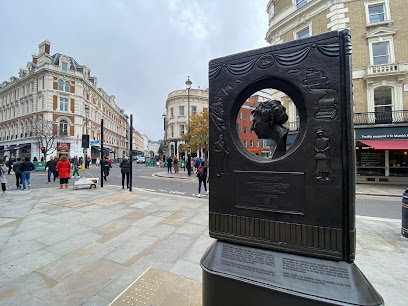
Slingsby Place
0.5 km
Explore Slingsby Place, a serene scenic point in London, offering lush greenery and stunning architecture perfect for relaxation and memorable photographs.
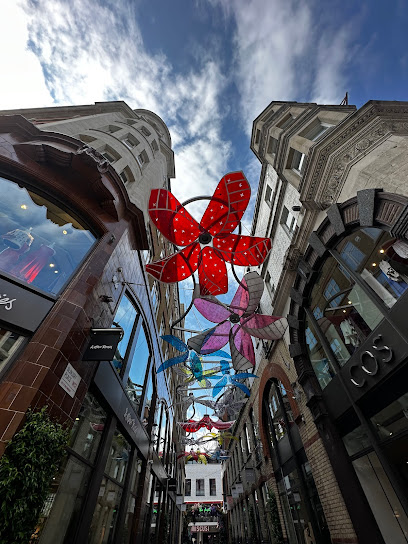
Leicester Square
0.5 km
London's glittering entertainment epicentre where cinema, theatre, and street culture converge in the heart of the West End.
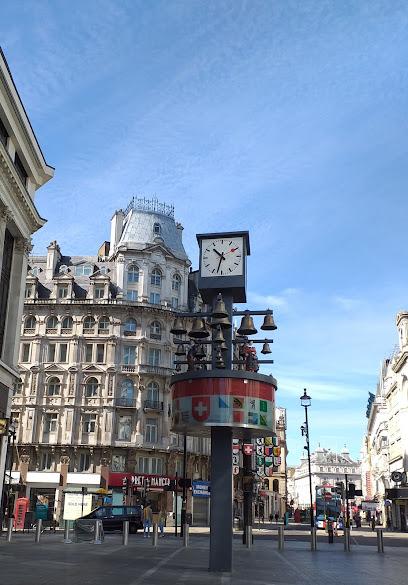
Harry Potter Statue
0.5 km
Where the boy wizard takes flight in London's cinematic heart—a bronze tribute to magic and movie history.
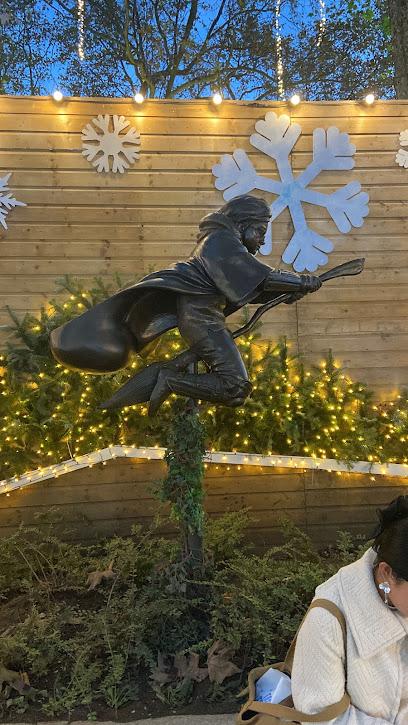
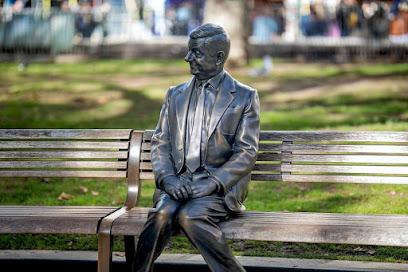
Mr Bean Statue
0.5 km
Explore the whimsical Mr. Bean Statue in Leicester Square, a must-see landmark that captures the charm and humor of British culture in the heart of London.
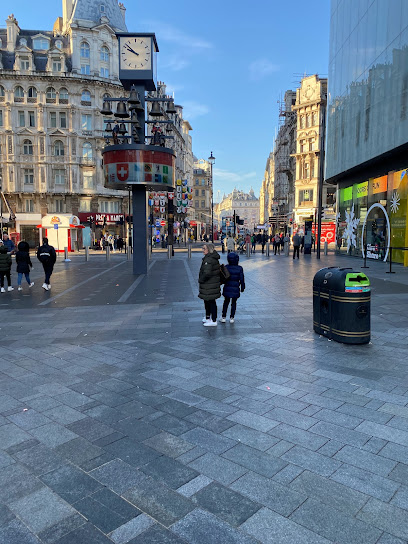
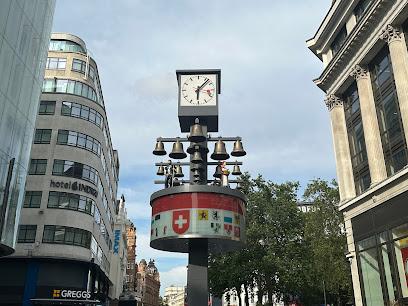
Swiss Glockenspiel
0.5 km
A 10-metre Swiss timepiece performing mechanical magic in London's West End, where Alpine tradition meets modern precision.
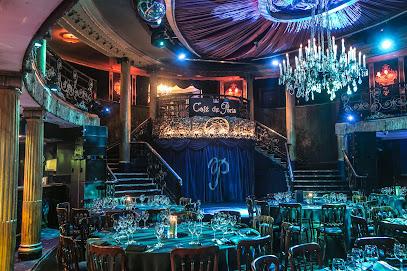
Café de Paris
0.5 km
Legendary West End cabaret where royalty danced, stars performed, and history was made—now closed after 96 years.
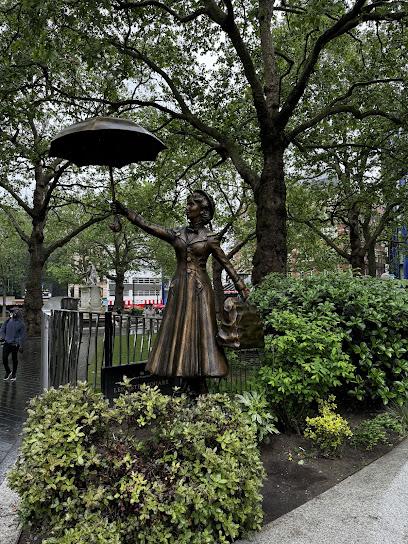
Mary Poppins Statue
0.5 km
Where cinema's most elegant nanny takes flight in the heart of London's film district.
Unmissable attractions to see

Soho Square Gardens
0.1 km
A serene historic garden square in the heart of Soho, blending royal heritage with tranquil green space and vibrant cultural life.
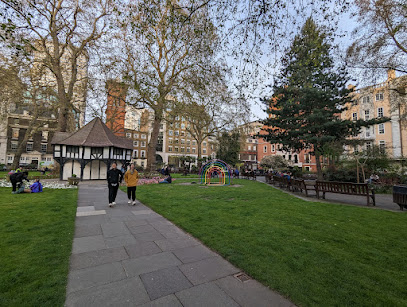
Soho Square
0.1 km
Discover the charm of Soho Square, a vibrant public garden in London's West End, perfect for relaxation and enjoying the lively atmosphere.
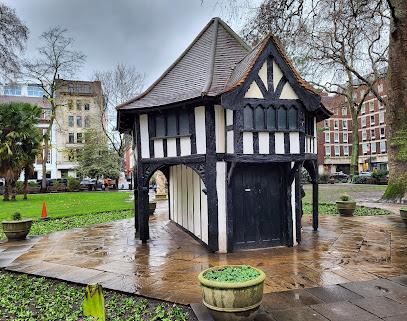
#O hello sunshine Public Art Sculpture
0.1 km
A vibrant rainbow sculpture celebrating Soho’s LGBTQ+ community spirit and creativity in the heart of London’s cultural district.
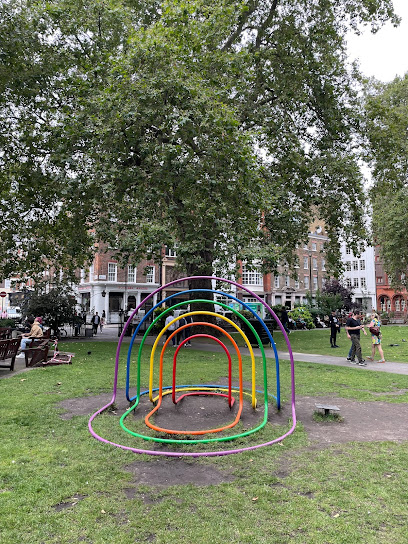
1 Soho Place
0.1 km
Contemporary business park in the heart of Soho, blending modern workspaces with London's vibrant cultural scene.
Self-Guided London Beatles Tour
0.1 km
Explore London’s Beatles landmarks at your own pace with an immersive self-guided audio tour featuring iconic sites and hidden gems.
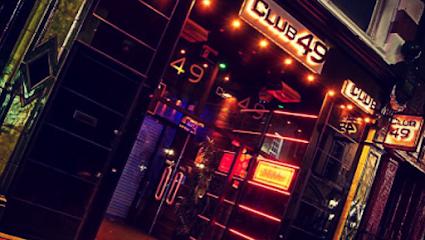
Club49Soho
0.1 km
Discover the vibrant nightlife at Club49 Soho, a premier bar and live music venue in the heart of London's iconic Soho district.
Priscilla The Party
0.1 km
Experience the dazzling, immersive drag musical party inspired by Priscilla Queen of the Desert at HERE at Outernet, Soho’s cutting-edge venue.

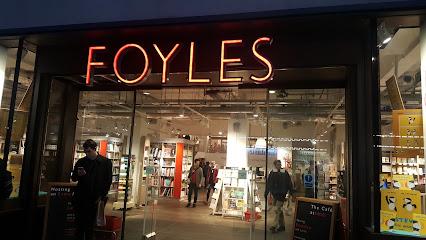
Foyles
0.1 km
Explore Foyles, London's legendary bookshop, where literature, coffee, and culture blend seamlessly in a vibrant atmosphere.
The Nellie Dean
0.1 km
Historic Soho pub serving classic ales and hearty pies in a lively, welcoming atmosphere since the 18th century.

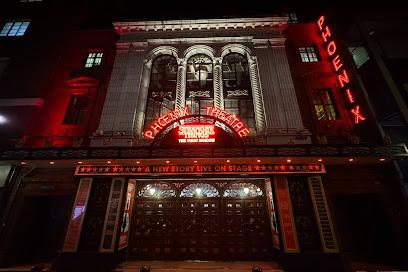
Phoenix Theatre
0.1 km
Experience timeless West End theatre in the elegant, Italian-inspired Phoenix Theatre on Charing Cross Road, home to iconic productions since 1930.
Phoenix Arts Club
0.2 km
West End's best-kept secret: intimate cabaret, burlesque, and theatre in a deliberately seductive speakeasy.
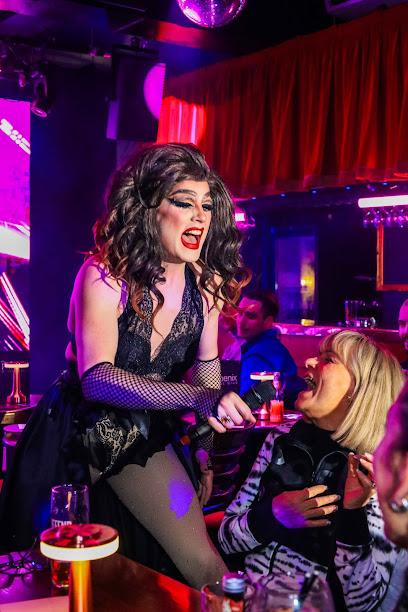
Nose sculpture
0.2 km
Explore the Nose Sculpture in London, a quirky landmark that embodies creativity and invites playful interaction in the heart of the city.
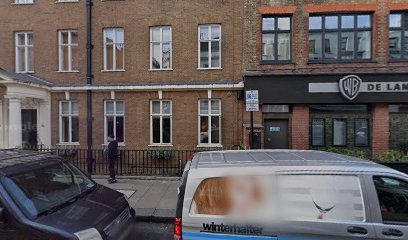
12 Bar Club
0.2 km
Historic London music venue famed for intimate gigs, antifolk festivals, and a vibrant independent spirit on legendary Denmark Street.

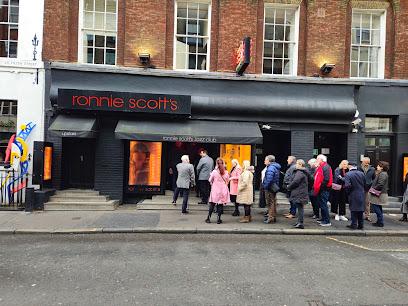
Ronnie Scott's
0.2 km
Experience world-class live jazz nightly at Ronnie Scott’s, London’s legendary Soho club since 1959, where music history and vibrant atmosphere meet.
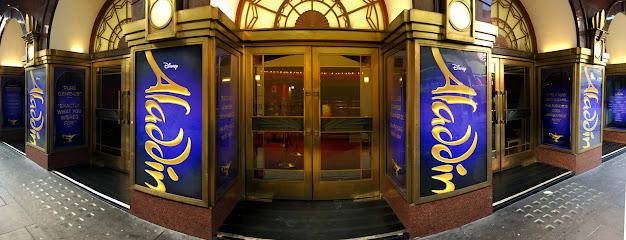
Prince Edward Theatre
0.2 km
Experience the magic of live theatre at Prince Edward Theatre, a historic venue in London’s vibrant West End, showcasing spectacular performances.
Essential places to dine

Noble Rot Soho
0.0 km
A Soho gem blending historic charm with modern European cuisine and an exceptional, accessible wine list in a cozy, clubby setting.
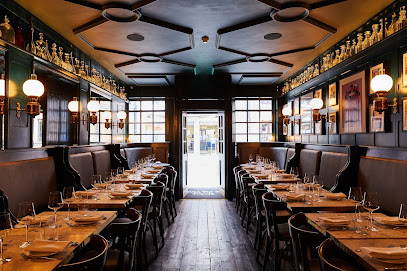
Sussex Bar & Restaurant
0.1 km
A vibrant Soho bistro blending Sussex countryside flavors with London’s energy, featuring seasonal British dishes and curated wines.
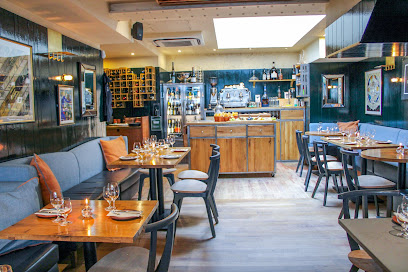
Quo Vadis
0.1 km
An iconic Soho dining destination blending refined modern British cuisine with elegant historical charm and a lively, convivial atmosphere.
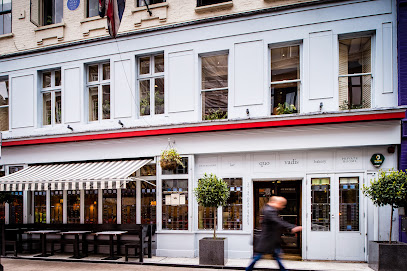
Hoppers Soho
0.2 km
Experience vibrant Sri Lankan street food and signature hoppers in a lively, intimate Soho setting bursting with authentic flavors and culture.
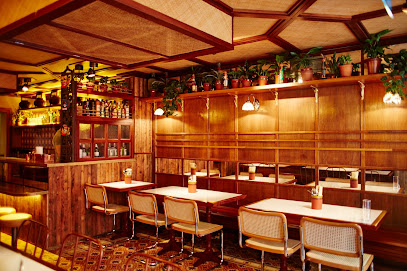
La Bodega Negra Restaurant
0.2 km
Experience daring Mexican cuisine and vibrant nightlife in Soho’s provocative La Bodega Negra, where edgy ambiance meets inventive flavors.
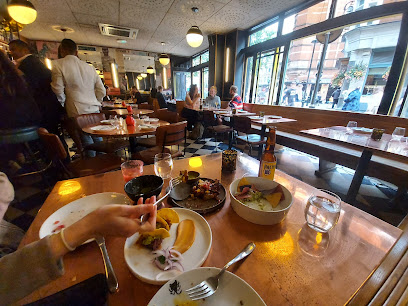
Inamo
0.2 km
Experience futuristic Asian fusion dining with interactive tables and vibrant sharing plates in the heart of London’s Covent Garden.
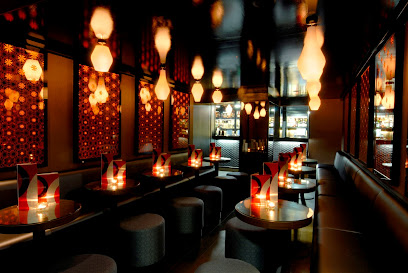
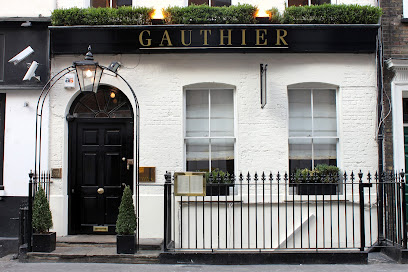
Gauthier Soho
0.3 km
Innovative vegan French fine dining in a stylish Soho townhouse, blending tradition with plant-based creativity.
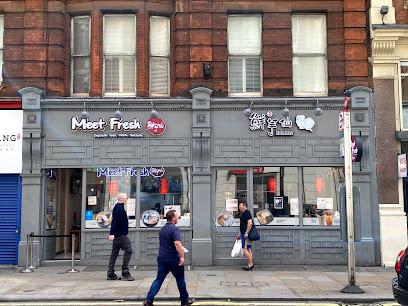
Meet Fresh
0.3 km
Authentic Taiwanese desserts in lively Soho, offering generous portions of mochi, taro balls, and refreshing fruit teas in a bustling urban setting.
Blanchette
0.3 km
Cozy Soho French bistro serving modern small plates, charcuterie, and exquisite cheese and honey pairings in a Parisian-inspired setting.
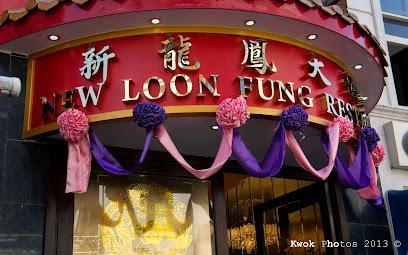
New Loon Fung Restaurant
0.4 km
Experience authentic Cantonese dim sum and classic Chinese dishes in one of Chinatown’s largest, long-standing restaurants on bustling Gerrard Street.
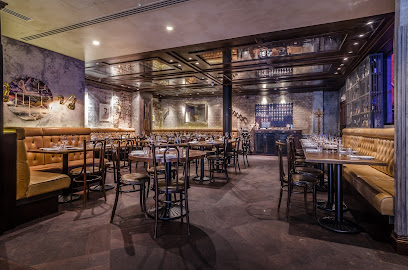
Social Eating House
0.4 km
Modern European dining in Soho with creative British flair, relaxed elegance, and an intimate chef’s counter experience.
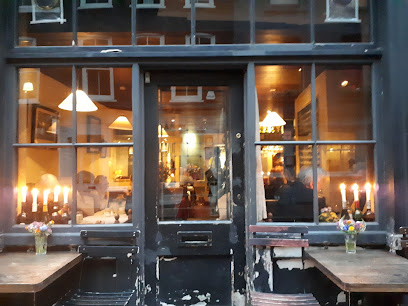
Andrew Edmunds Restaurant
0.4 km
A romantic Soho townhouse serving refined Franco-Mediterranean dishes with an acclaimed wine list in an intimate, candlelit setting.
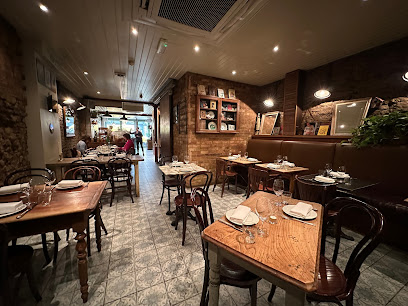
Flesh & Buns Covent Garden
0.4 km
Lively Japanese izakaya in Covent Garden famed for its signature bao buns, vibrant atmosphere, and innovative pan-Asian small plates.
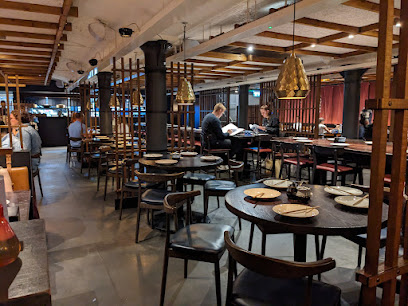
Hawksmoor Seven Dials
0.4 km
Savor expertly grilled British steaks and vibrant seafood in a historic Covent Garden brewery setting with atmospheric charm and refined cocktails.
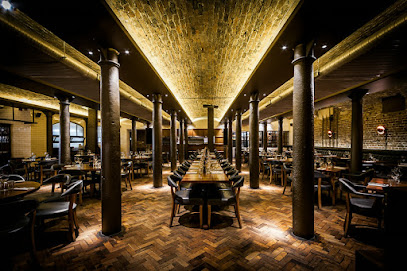
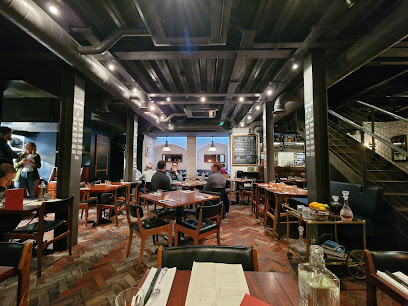
Blacklock Soho
0.4 km
A vibrant Soho basement chophouse serving exceptional grass-fed steaks and chops in a lively, rustic setting with unbeatable value.
Markets, malls and hidden boutiques

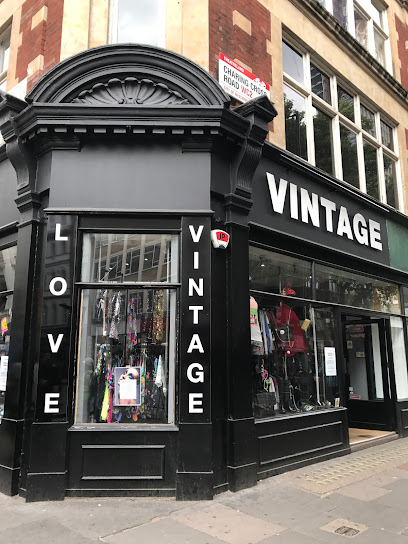
Goldsmith Vintage
0.1 km
Iconic Soho vintage shop since 1990: two floors of handpicked retro dresses, blazers, bags & accessories from decades past, with sales from £10.95.
Radha's Boutique
0.1 km
A small, curated Soho boutique offering tactile womenswear and accessories with friendly, personalised service in the heart of central London.
Oxford Street Gift Shop
0.1 km
A lively and colorful gift shop on Oxford Street offering quintessential London souvenirs with a vibrant atmosphere and a hint of retail adventure.
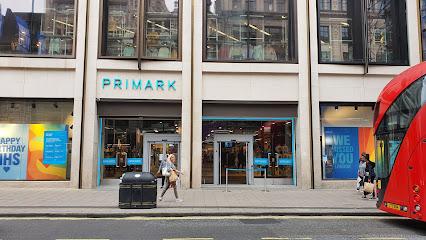
Primark
0.2 km
Discover unbeatable fashion and homeware bargains across multiple floors at Primark Oxford Street, London’s premier budget shopping destination.
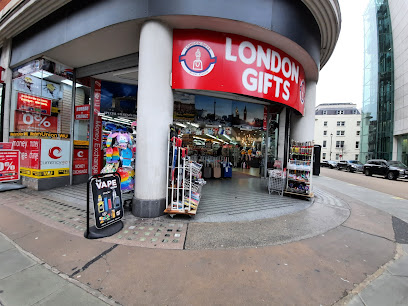
Souvenir Shop
0.2 km
Discover authentic British souvenirs in the heart of London’s iconic Oxford Street.
La Boutik
0.3 km
Soho's chic haven for European designer imports on buzzing Dean Street—unique fashion finds in London's creative epicenter.
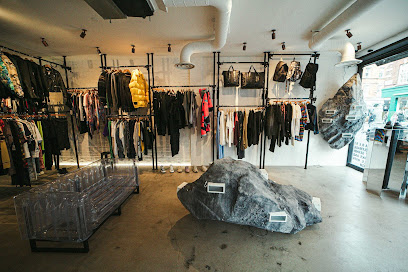
JW Anderson London Soho
0.3 km
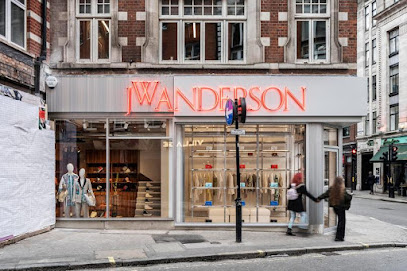
Soho's avant-garde flagship: minimalist Shaker-inspired space brimming with gender-fluid luxury fashion, artisanal homewares, and exclusive collaborations.
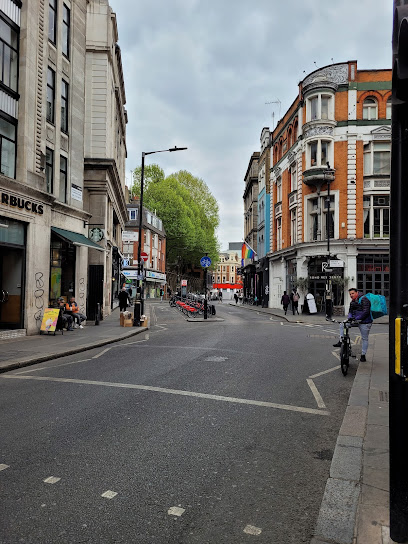
Pop Up 38
0.3 km
A compact, curated boutique on Broadwick Street offering rotating seasonal pieces and design-led accessories in the heart of Soho.
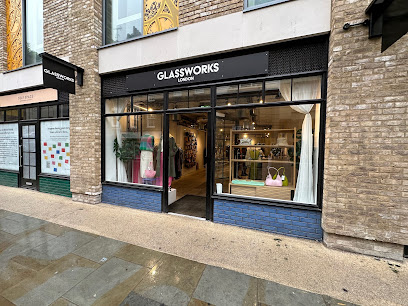
Glassworks London - Soho
0.3 km
Discover limited-edition London fashion at Glassworks Soho: quality designs, weekly drops, and timeless style on vibrant Berwick Street.
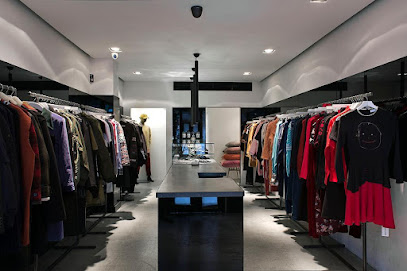
Machine-A
0.4 km
Small but influential Soho boutique showcasing curated avant‑garde and emerging fashion with gallery‑like presentation.
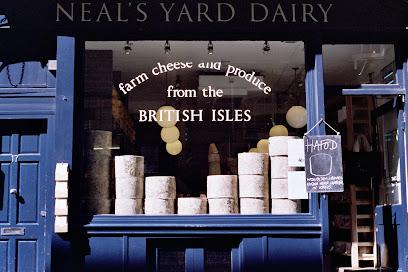
Neal's Yard Dairy (Covent Garden Shop)
0.4 km
Discover the finest British and Irish farmhouse cheeses matured to perfection in the heart of Covent Garden’s vibrant Neal’s Yard.
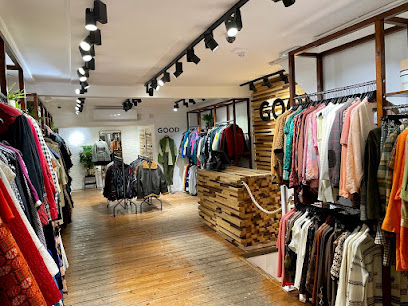
Good
0.4 km
Discover sustainable style with curated preloved vintage and designer fashion at Good London’s Seven Dials shop.
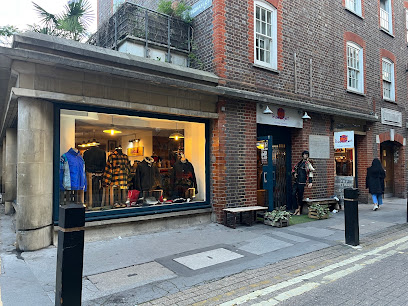
Pop Boutique
0.4 km
Discover authentic vintage fashion treasures from the 50s to 90s in a colorful, retro boutique at London’s vibrant Seven Dials.
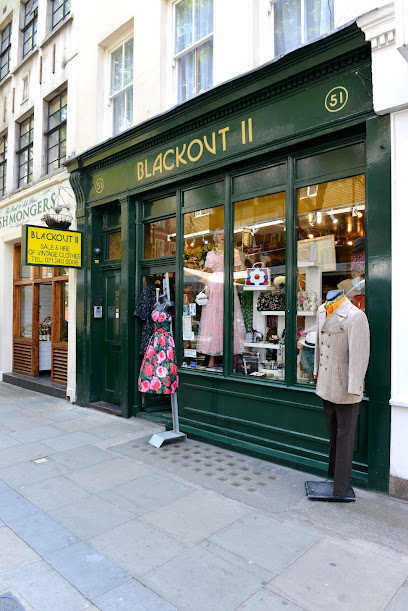
Blackout II - Vintage Clothing London
0.4 km
Discover timeless vintage fashion treasures from the 1920s to the 1980s in Covent Garden’s iconic Blackout II boutique.
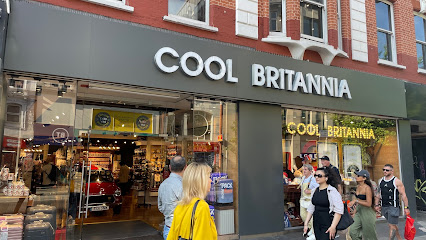
Cool Britannia Oxford Street
0.4 km
Discover authentic British souvenirs and capture timeless memories in the heart of London at Cool Britannia Oxford Street.
Essential bars & hidden hideouts

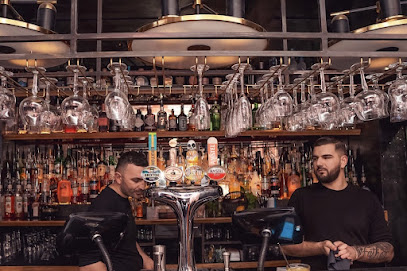
Thirst Bar Soho
0.1 km
Compact Soho cocktail bar by day, pulsing DJ‑led club by night—cheap cocktails, leather booths and a lively basement scene.
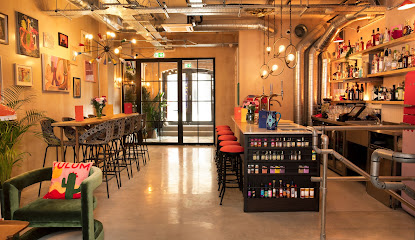
The Little Scarlet Door
0.1 km
Step through the scarlet door to a playful Soho loft bar alive with inventive cocktails, secret rooms, and a lively house party vibe.
Simmons Bar | Soho
0.1 km
Soho's kitsch cocktail den with epic happy hours, retro karaoke vibes, and two floors of nostalgic nightlife fun.
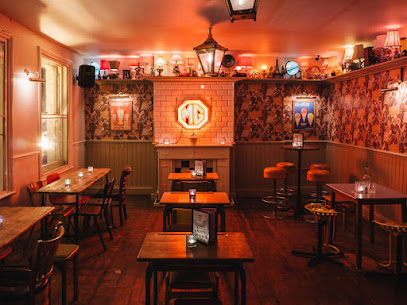
Henson's Bar and Social
0.1 km
Soho's oak-panelled cocktail sanctuary: precise classics, inventive signatures, and fireside intimacy amid Frith Street's electric vibe.
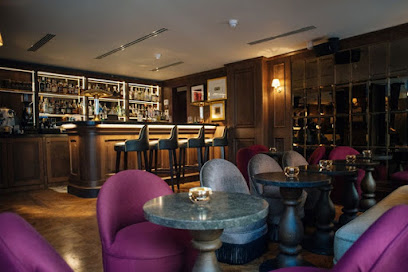
Swift Soho
0.2 km
Soho's split-level cocktail gem: aperitivo elegance upstairs, whisky-laced intimacy below, with live jazz and legendary mixes drawing night owls to Old Compton Street.
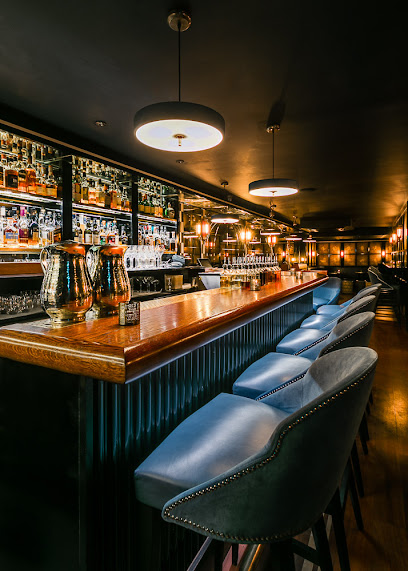
Bar Termini
0.2 km
An intimate Soho gem blending Italian cocktail artistry with a cozy, elegant atmosphere in London’s vibrant West End.
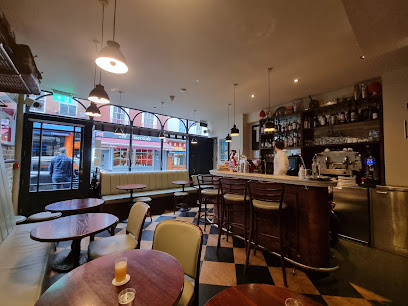
The Black Book
0.2 km
Soho's clandestine basement wine bar, pouring rare vintages by the glass alongside Mediterranean bites in a former members' club hideout—perfect for late-night indulgence.
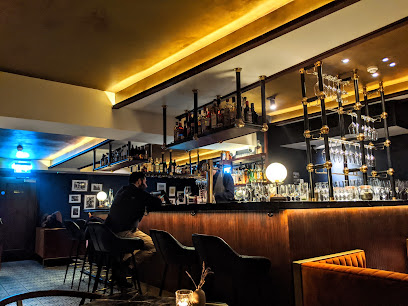
The Black Horse - Pub & Cocktail Bar
0.2 km
Experience the perfect blend of traditional pub charm and stylish cocktails in the heart of Soho’s vibrant nightlife.
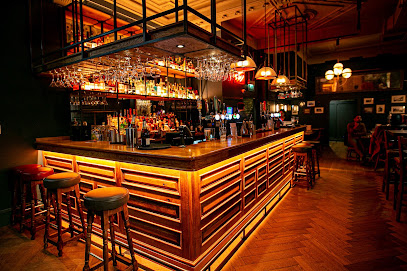
Basement Sate
0.3 km
Discover Soho’s chic basement bar where decadent desserts meet expertly crafted cocktails in an intimate, stylish setting.
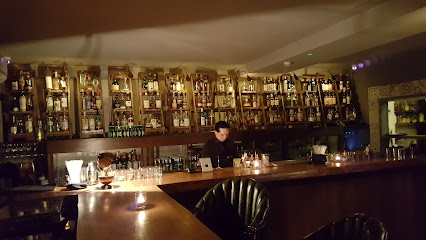
The Coral Room
0.3 km
Experience 1920s-inspired glamour and expertly crafted cocktails in the vibrant coral-hued heart of Bloomsbury Hotel.
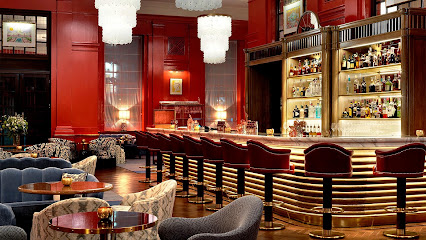
NQ64 Soho
0.4 km
Dive into a neon-lit world of retro arcade games and themed cocktails in the heart of Soho’s vibrant nightlife scene.
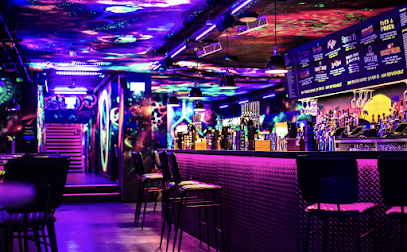
Opium Cocktail Bar - Soho
0.4 km
Discover a hidden Soho speakeasy blending 1920s Shanghai charm with inventive cocktails and exquisite dim sum in London’s Chinatown.
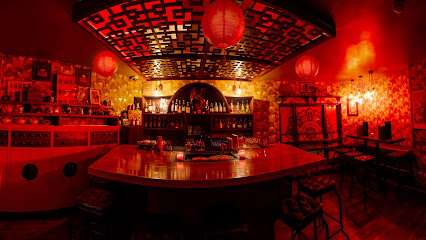
The Escapologist Bar
0.4 km
Step into a Victorian-inspired underground bar in Covent Garden where theatrical cocktails and lively entertainment create unforgettable nights.
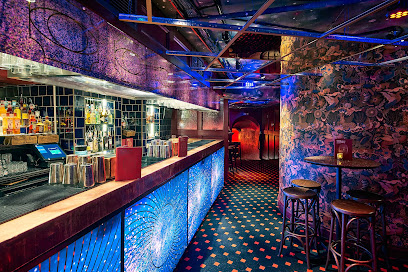
Ku Bar
0.4 km
Soho's legendary gay bar icon: three levels of inclusive vibes, cocktails, and basement beats in Chinatown's electric heart.
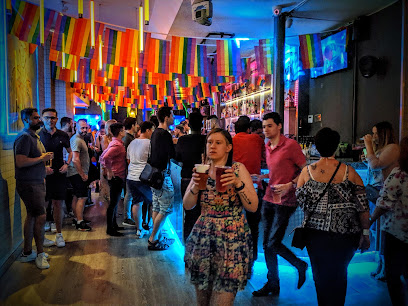
Punch Room
0.4 km
An exclusive Fitzrovia cocktail bar where historic punch traditions meet innovative craft mixology in a cozy, club-like setting.
Nightclubs & after hour spots

La Capannina Club
0.1 km
Discover Soho's discreet gentlemen's club: seductive stage shows, cosy vibes, and late-night allure in London's nightlife heart.
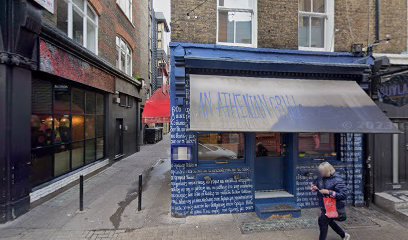
St Moritz Club
0.2 km
Soho's retro basement nightclub: 1960s vibes meet modern beats in an intimate, wood-paneled haven beneath a Swiss chalet restaurant.
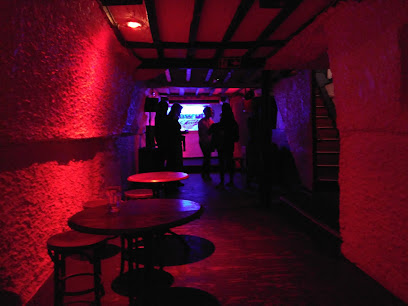
The Ivy Club
0.3 km
Art-Deco‑tinged members’ club above The Ivy — piano bars, discreet private dining and polished West End glamour.
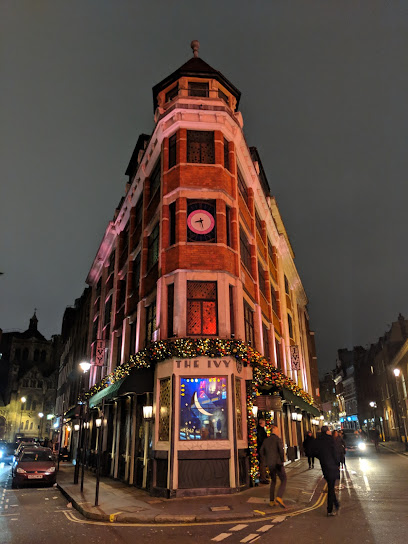
The Box Soho
0.3 km
A clandestine Soho cabaret where decadent staging, provocative shows and high‑end cocktails collide in an intense late‑night theatre.
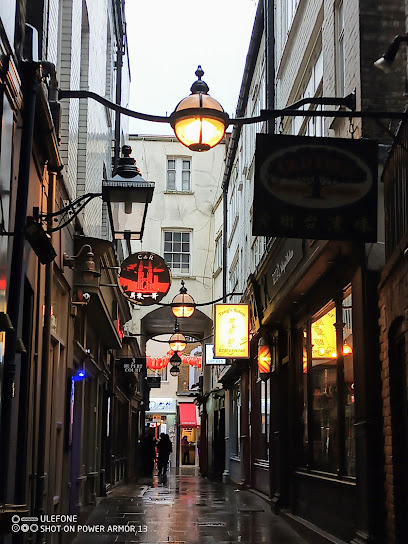
Sophisticats Soho
0.3 km
An intimate, late‑night Soho gentlemen’s club on Brewer Street offering staged performances, VIP seating and an upmarket, discreet atmosphere.
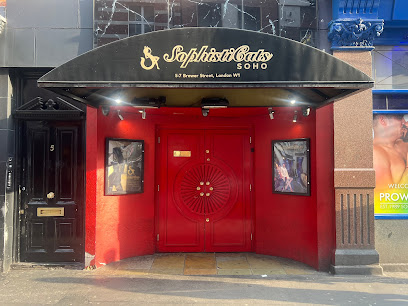
Versity Camp Nightclub
0.3 km
Dive into Soho's beating heart at Versity Camp Nightclub, where thumping bass, inventive cocktails, and an electric crowd fuel unforgettable nights until dawn.
101 Nightclub London
0.3 km
Soho's raw Saturday night pulse: intimate beats, crowded floors, and unfiltered London club energy on Wardour Street.
Bordello London
0.3 km
Dive into Soho's seductive basement beats at Bordello London, where Wardour Street's nightlife legacy ignites late-night frenzy on weekends.
The Roxy
0.4 km
Soho's unbeatable happy hour cocktail bar by day, pulsing nightclub with live music and DJ nights till 3am—affordable vibes in London's nightlife heart.
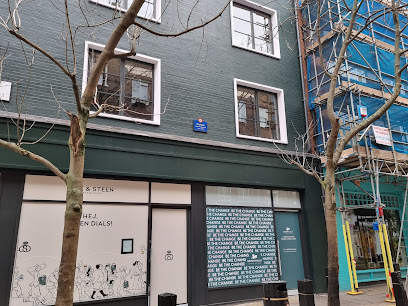
Sunset night club
0.4 km
Dive into Soho's electric nightlife at Sunset Night Club, where thumping beats, craft cocktails, and dawn-chasing energy define unforgettable nights in London's vibrant core.
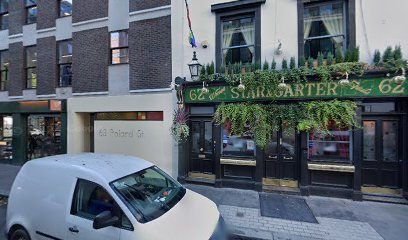
Comedy Carnival Covent Garden
0.4 km
London's premier stand-up comedy venue showcasing bold, award-winning international comedians in vibrant Covent Garden.

Whatdafunk Presents West End Urban Disco
0.4 km
Dive into London's grooviest urban disco beats at Whatdafunk, where Covent Garden's streets pulse with funk, soul, and non-stop dance energy in the heart of the West End.
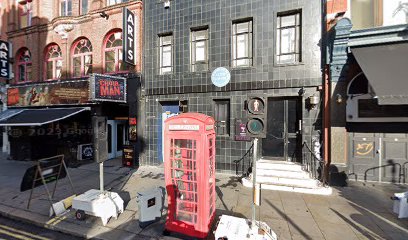
The Windmill Soho | Restaurant, Cabaret & Nightclub in Soho, London
0.5 km
Soho's legendary cabaret den revived: burlesque bites, theatrical feasts, and all-night beats in a historic hotspot of hedonism.
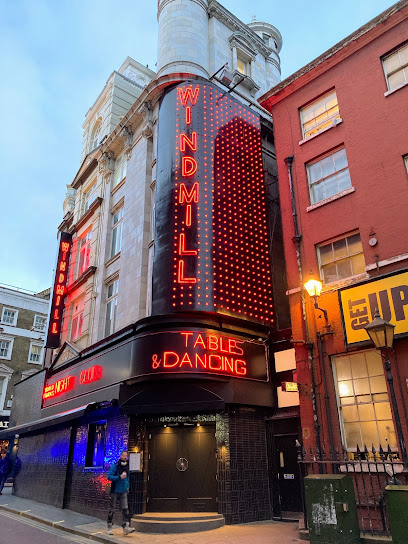
The Penthouse London
0.5 km
A compact, rooftop nightclub above Leicester Square — reached by a side lift, built for late‑night private parties and skyline glimpses.
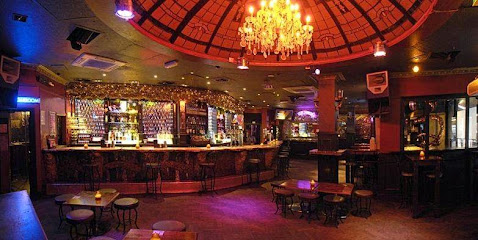
Zoo Bar & Club
0.5 km
Dive into Leicester Square's edgy nightlife hub: two floors of R&B beats, sports screens, and wild energy until 3am at Zoo Bar & Club.
For the vibe & atmosphere seeker
- Historic
- Unique
- Quirky
- Tranquil
For the design and aesthetic lover
- Vintage Styles
For the architecture buff
- Historic
- Heritage Neighborhoods
For the view chaser and sunset hunter
- Iconic Views
For the social media creator & influencer
- Instagrammable
- Photo Spots
For the eco-conscious traveler
- Public-Transport Accessible
- Locally Managed
For the kind of experience you’re after
- Cultural Heritage
- Myth & Legends
- Photowalk
- Day Trip
For how adventurous you want the journey to be
- Easy Access
Location Audience
- Family Friendly
- Senior Friendly
- Child Friendly
- Teen Friendly
- Wheelchair Access
- Solo Friendly
- Couple Friendly
- Vegetarian Friendly
- Vegan Friendly


