
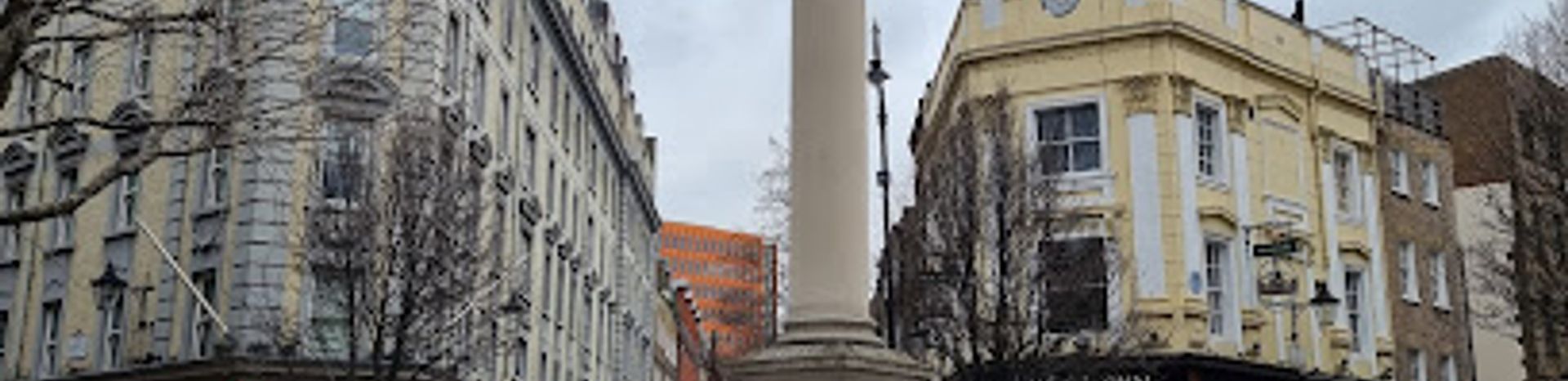
Historic Seven Dials, London
Discover Seven Dials, a historic London quarter where seven streets meet at a unique sundial pillar, blending rich heritage with vibrant culture.
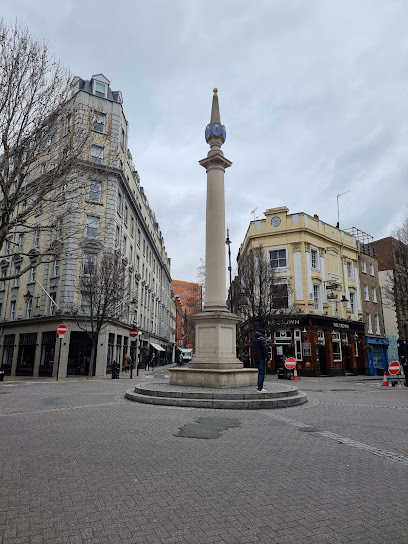
Seven Dials is a unique historic area in London's Covent Garden, where seven streets converge around a central sundial pillar with six dials. Designed in the 1690s by Thomas Neale, the star-shaped layout maximized housing frontage and rental income. Once a notorious slum, it has transformed into a vibrant cultural and shopping district, retaining much of its original architecture and charm.
A brief summary to Historic Seven Dials
- Seven Dials, London, WC2H 9HA, GB
- +447534894161
- Visit website
- Duration: 1 to 3 hours
- Mid ranged
-
 Outdoor
- Mobile reception: 5 out of 5
Local tips
- Visit the central sundial pillar to appreciate its six dials and learn about the unique star-shaped street layout.
- Explore the independent shops, vintage boutiques, and cafes around Neal’s Yard for a distinctive local experience.
- Check out the Seven Dials Market for diverse food and drink options in a lively atmosphere.
- Look for blue plaques marking historic sites, including the former office of Beatles manager Brian Epstein.

For the on-the-go comforts that matter to you
- Restrooms
- Drink Options
- Food Options
- Seating Areas
- Trash Bins
- Information Boards
Getting There
-
Tube
Access Seven Dials via nearby tube stations including Covent Garden, Leicester Square, Tottenham Court Road, and Holborn. Travel times from central London stations typically range from 5 to 15 minutes. Note that Covent Garden station has no step-free access. Single fares cost approximately £2.50–£4.00 with contactless or Oyster card.
-
Walking
Walking from central London areas such as Leicester Square or Covent Garden takes about 10–15 minutes on mostly flat, paved, and cobbled streets. This option offers a scenic and immersive way to reach Seven Dials, though some cobbles may challenge wheelchair users.
-
Bus
Several London bus routes serve the area with stops within a 5-minute walk of Seven Dials. Buses run frequently throughout the day with fares similar to the tube. Check local schedules for service times and accessibility.
-
Cycling
Cycle docking stations are available nearby, including on Drury Lane and High Holborn. Cycling offers a fast and eco-friendly way to reach Seven Dials. Be aware of busy traffic and limited dedicated cycle lanes in some streets.
Historic Seven Dials location weather suitability
-
 Any Weather
-
 Rain / Wet Weather
-
 Clear Skies
-
 Mild Temperatures
Discover more about Historic Seven Dials
A Visionary Urban Design of the Late 17th Century
Seven Dials was laid out around 1693 by Thomas Neale, an influential entrepreneur and MP, who devised a star-shaped plan where seven streets radiate from a central point. This design created triangular plots to maximize the number of houses with narrow frontages, increasing rental income since rents were charged by frontage length rather than area. The centerpiece was a Roman Doric sundial pillar carved by Edward Pierce, featuring six sundials, with the column itself acting as the seventh. This innovative urban plan was unique in London town planning and reflected Neale's ambition to establish Seven Dials as a fashionable residential district following the success of Covent Garden Piazza.From Prosperity to Infamy and Back
Despite Neale's intentions, Seven Dials quickly declined into a notorious slum by the 18th and 19th centuries. The area became infamous for overcrowding, poverty, and criminality, with numerous pubs surrounding the sundial pillar, whose cellars were reportedly connected as escape routes. It was part of the wider St Giles rookery, known for its rough character. The original sundial pillar was removed in 1773 by the Paving Commissioners to disperse undesirables, though local lore suggests it was pulled down by mobs searching for treasure. Over time, the area housed diverse communities, including Irish workers and ballad singers, and retained a vibrant, if troubled, social fabric.Architectural and Cultural Revival in the 20th Century
Seven Dials survived World War II with relatively little damage, but the relocation of Covent Garden Market in 1974 triggered dereliction and redevelopment threats. A community-led campaign preserved much of the historic fabric, and the area was designated a Conservation Area with Outstanding Status. In 1988, the sundial pillar was reconstructed and reinstated as a focal point, celebrating the area's heritage. Today, Seven Dials blends historic buildings with lively shops, boutiques, cafes, and theatres, maintaining its unique street layout and atmosphere.A Hub of Independent Shops and Cultural Heritage
The Seven Dials area is renowned for its eclectic mix of independent retailers, vintage clothing stores, cosmetics boutiques, and vibrant markets such as the Seven Dials Market food hall. Neal's Yard, nearby, offers alternative medicine shops and vegetarian cafes, continuing a tradition of diverse and creative enterprises. The streets remain cobbled and atmospheric, inviting visitors to explore hidden courtyards and enjoy a slower pace amid the bustling West End.Landmarks and Stories Embedded in the Streets
Seven Dials is home to landmarks like The Crown pub and the Cambridge Theatre. Blue plaques commemorate notable figures such as Brian Epstein, the Beatles' manager, whose company was based here. The sundial pillar itself is a symbol of the area's layered history, from its 17th-century origins to its present-day role as a vibrant cultural quarter. The unique layout and stories of Seven Dials continue to fascinate historians and visitors alike.Preserving a Distinctive London Quarter
Today, Seven Dials stands as one of London’s few surviving late Stuart urban layouts, offering a rare glimpse into 17th-century city planning. Its combination of historic architecture, cultural heritage, and contemporary urban life exemplifies successful conservation and adaptive reuse. The area remains a testament to Thomas Neale's vision and the resilience of a community that transformed a once-notorious slum into a celebrated London landmark.Iconic landmarks you can’t miss

Historic Seven Dials
0.0 km
Discover Seven Dials, a historic London quarter where seven streets meet at a unique sundial pillar, blending rich heritage with vibrant culture.
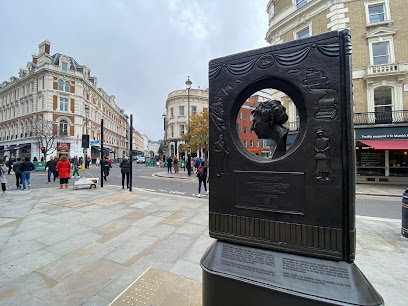
Agatha Christie memorial
0.2 km
A captivating bronze tribute to Agatha Christie, celebrating her literary genius and theatrical legacy in London's vibrant theatre district.
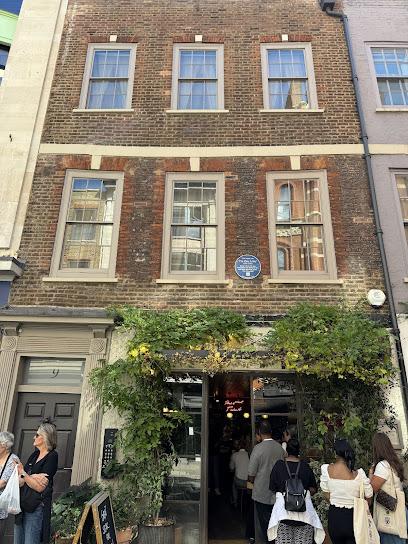
Plaque: Tin Pan Alley & La Giaconda cafe
0.2 km
Discover the legendary Tin Pan Alley and La Giaconda Cafe at 9 Denmark Street, the historic heart of London’s music scene and creative spirit.
Denmark St
0.2 km
Britain's legendary Tin Pan Alley where rock and roll history was written in every studio, café, and guitar shop.
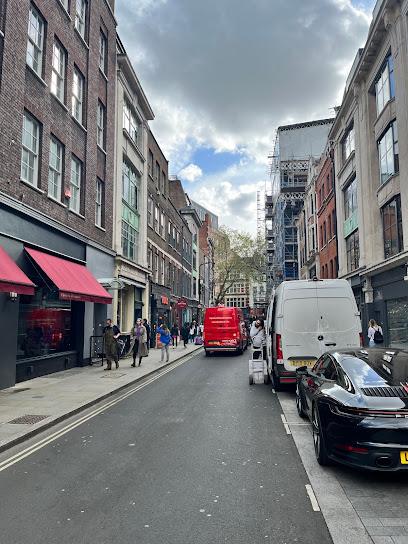
Goodwin’s Court
0.3 km
Experience the serene charm of Goodwin's Court, a historic landmark in London, perfect for leisurely strolls and captivating photography.
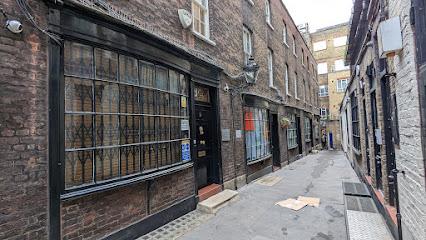
Self-Guided Audio Tour - London's Soho, Theatreland and Chinatown
0.3 km
Discover the rich culture and vibrant nightlife of London's Soho, Theatreland, and Chinatown with a self-guided audio tour.
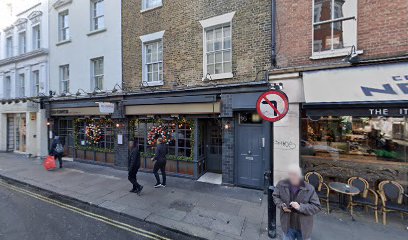
St Paul’s Church Covent Garden
0.3 km
Historic neo-classical church in Covent Garden, famed as the Actors’ Church with deep theatrical roots and an iconic classical portico.
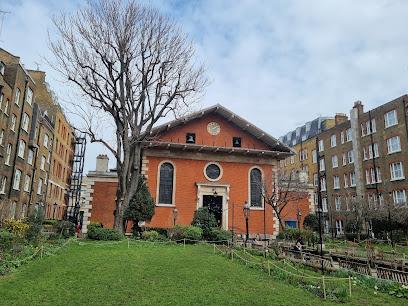
Covent Garden, street shows
0.3 km
Experience the vibrant energy of Covent Garden, where street performances, shopping, and history come together in the heart of London.
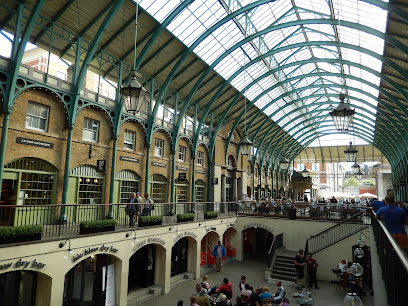
1 Soho Place
0.3 km
Explore 1 Soho Place: A vibrant business park in London's Soho, surrounded by eclectic eateries, shops, and cultural landmarks.
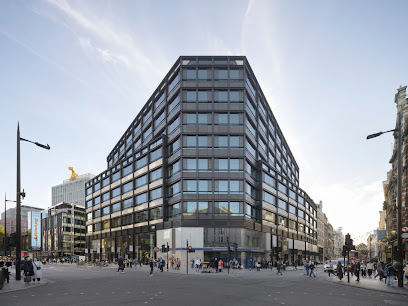
Cecil Court
0.3 km
Step into a cobbled alley where books, history, and magic converge in the heart of London.
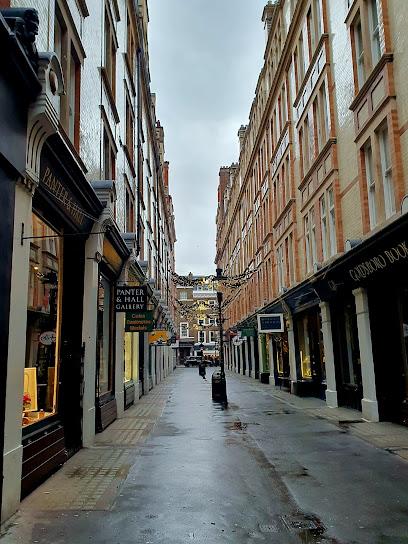
Royal Opera House
0.3 km
Experience the breathtaking performances and rich history of the Royal Opera House, a premier destination for opera and ballet enthusiasts in London.
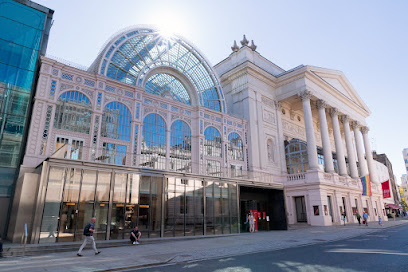
Bow St
0.3 km
Bow Street, a historic London street famed for pioneering policing, vibrant theatre, and rich cultural heritage in Covent Garden.
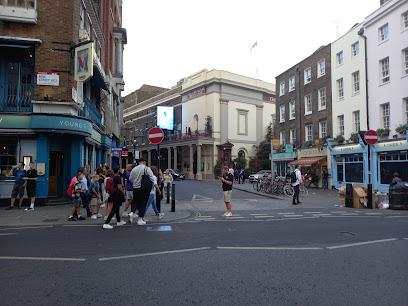
Huntfun Covent Garden
0.4 km
Explore the vibrant atmosphere of Huntfun Covent Garden, a premier tourist attraction in London filled with unique shops, local stalls, and street performances.
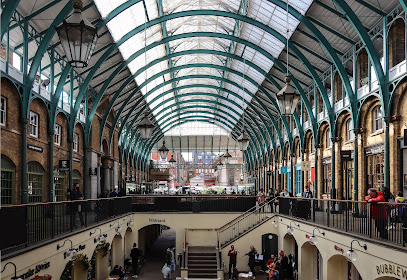
The Smallest Gallery in Soho
0.4 km
Discover unique contemporary art at The Smallest Gallery in Soho, London - an intimate space showcasing emerging talents and established artists.
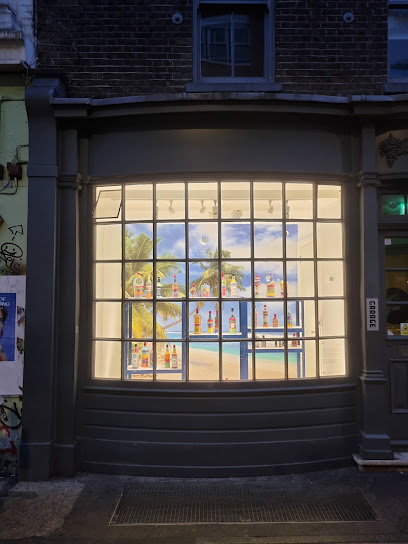
Soho Square Gardens
0.4 km
Explore the calming beauty of Soho Square Gardens, a lush park in the heart of London, perfect for relaxation and socializing.
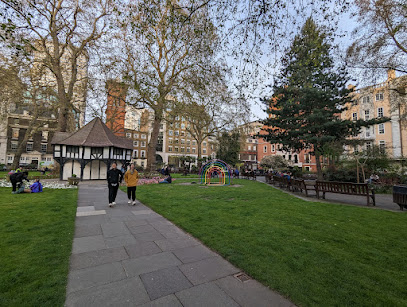
Unmissable attractions to see

Cambridge Theatre
0.0 km
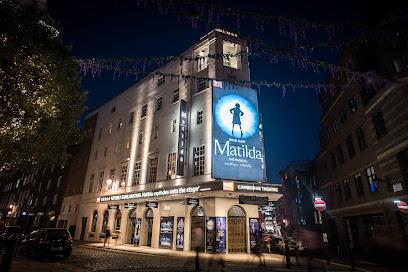
Experience world-class West End theatre in an intimate Art Deco venue at the heart of London’s vibrant Seven Dials.
Comedy Carnival Covent Garden
0.1 km
Experience the best of London’s nightlife at Comedy Carnival Covent Garden, where top comedians bring laughter to life in an intimate setting.

Seven Dials Comedy @ The Seven Dials Club
0.1 km
Intimate stand-up comedy in the heart of Covent Garden with top international acts and a lively, welcoming atmosphere.
Neal's Yard Dairy (Covent Garden Shop)
0.1 km
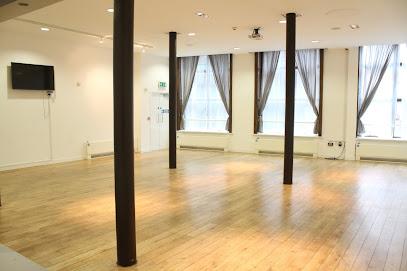
Discover the finest British and Irish cheeses matured to perfection in the heart of Covent Garden’s vibrant Neal’s Yard.
Neal's Yard
0.1 km
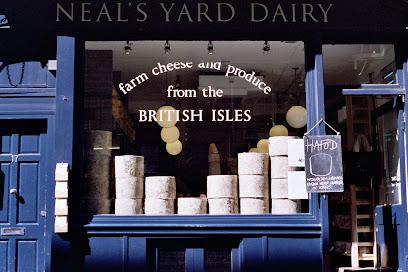
Discover Neal's Yard, a colorful, hidden courtyard in Covent Garden bursting with independent shops, artisan eateries, and vibrant charm.
Neal’s Yard (Courtyard)
0.1 km
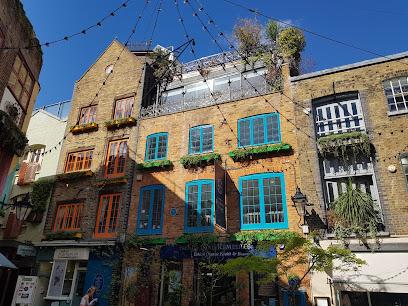
A vibrant, colorful courtyard in Covent Garden where alternative culture, sustainability, and community spirit thrive in the heart of London.
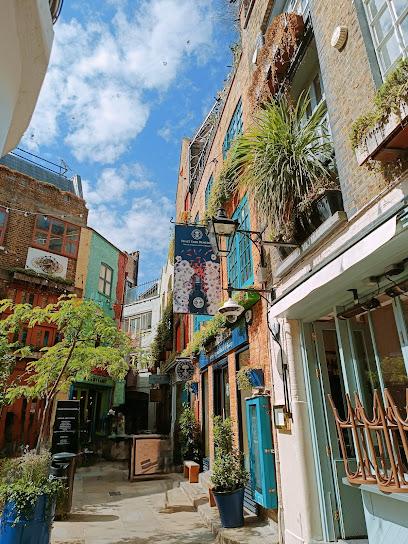
ODEON Covent Garden
0.1 km
Historic West End theatre turned iconic cinema, now poised for a vibrant new chapter in live arts and hospitality on Shaftesbury Avenue.
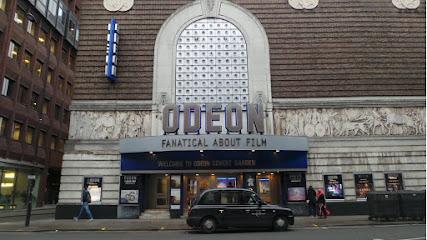
The Ambassadors Theatre
0.1 km
Experience intimate West End theatre history and timeless performances at the charming Ambassadors Theatre in London’s vibrant Seven Dials.
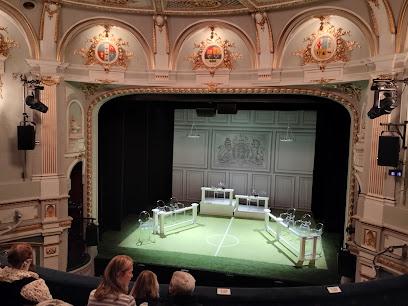
St. Martin's Theatre
0.1 km
Historic West End theatre famed for hosting The Mousetrap, offering intimate performances in a charming Georgian setting near Seven Dials.
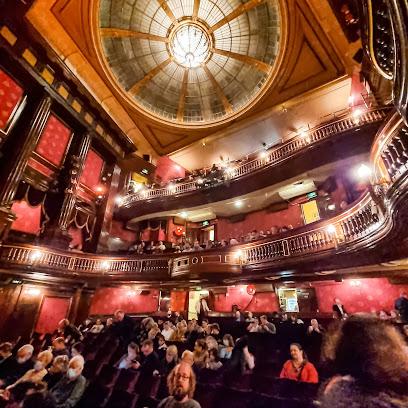
Mercer Walk
0.1 km
Discover Mercer Walk, a charming cobbled alley in Covent Garden filled with boutiques, cafes, and artistic flair, offering a peaceful urban retreat.
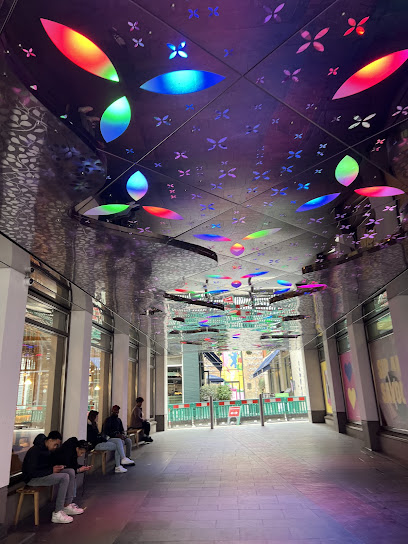
Neal St
0.1 km
Discover Neal Street, a vibrant Covent Garden street blending historic charm with trendy shops, cafés, and cultural energy in London's iconic Seven Dials.
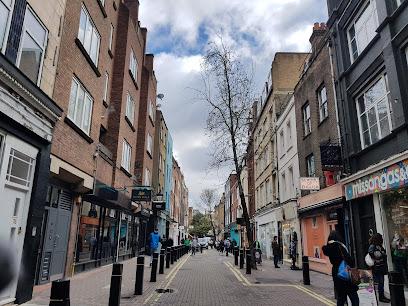
The Phoenix Garden
0.1 km
A vibrant community garden and wildlife haven offering a peaceful green escape in London’s bustling West End.
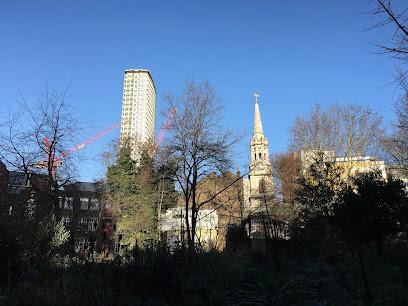
Forbidden Planet London Megastore
0.2 km
Europe’s largest sci-fi and fantasy megastore in London’s West End, a paradise for comic, manga, and pop culture fans.
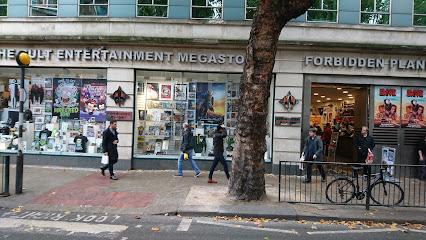
Slingsby Place
0.2 km
Discover the serene charm of Slingsby Place, a historic pedestrian courtyard in Covent Garden with lush greenery, dining, and cultural flair.
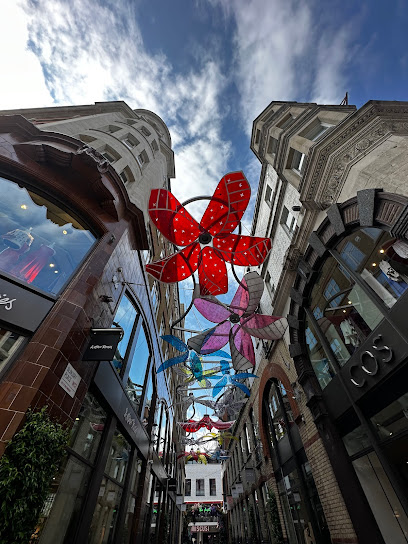
covent Garden ,
0.2 km
Historic piazza and vibrant cultural hub blending London’s heritage with luxury shopping, theatre, and lively street performances.
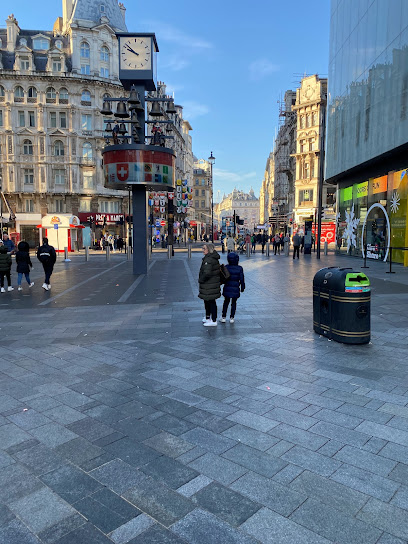
Essential places to dine

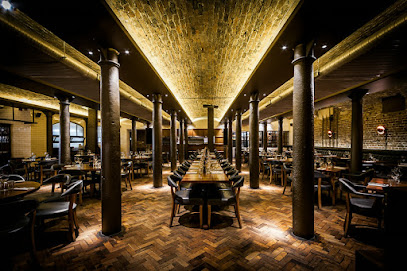
Hawksmoor Seven Dials
0.1 km
Savor expertly grilled British steaks and vibrant seafood in a historic Covent Garden brewery setting with atmospheric charm and refined cocktails.
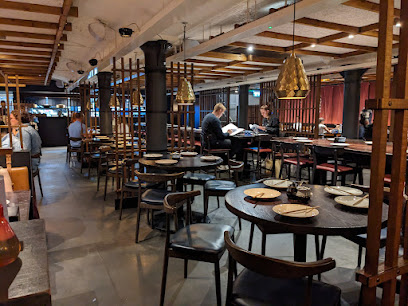
Flesh & Buns Covent Garden
0.1 km
Lively Japanese izakaya in Covent Garden famed for its signature bao buns, vibrant atmosphere, and innovative pan-Asian small plates.
Circus
0.2 km
Experience Covent Garden’s vibrant Asian fusion dinner theatre where culinary artistry meets captivating live performances.
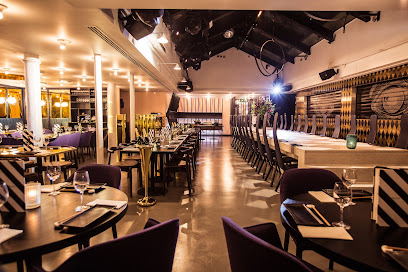
La Bodega Negra Restaurant
0.2 km
Experience daring Mexican cuisine and vibrant nightlife in Soho’s provocative La Bodega Negra, where edgy ambiance meets inventive flavors.
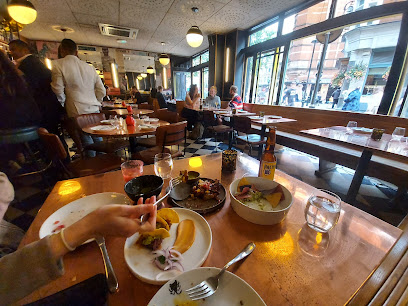
Inamo Covent Garden
0.3 km
A futuristic Pan-Asian restaurant in Covent Garden where interactive tables meet bold Asian flavours in a sleek, tech-forward space.
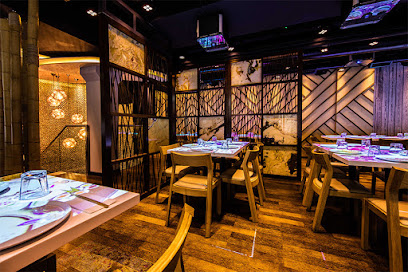
Palm Court Brasserie
0.3 km
Experience authentic Parisian charm and classic French cuisine in the vibrant heart of Covent Garden at Palm Court Brasserie.
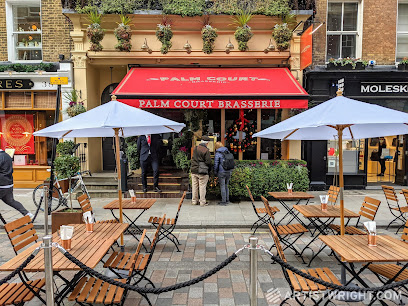
Clos Maggiore
0.3 km
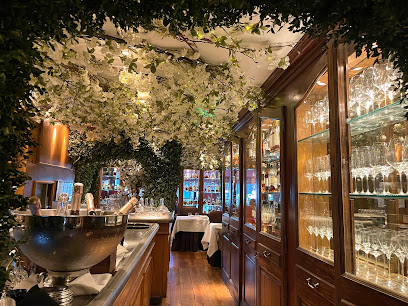
Experience London’s most romantic French restaurant with enchanting blossom-filled conservatory and an award-winning wine cellar in Covent Garden.
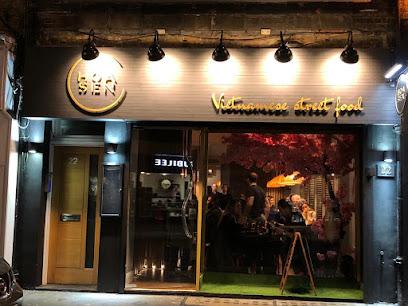
Hoa Sen Vietnamese Street Food Restaurant
0.3 km
Authentic Vietnamese street food in the heart of Covent Garden, blending vibrant flavors with a lively, cozy atmosphere.
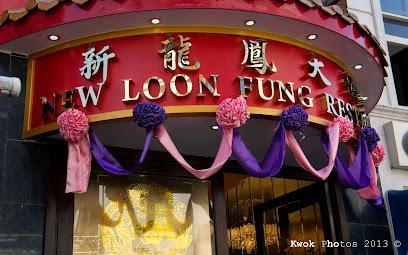
New Loon Fung Restaurant
0.3 km
Experience authentic Cantonese dim sum and classic Chinese dishes in one of Chinatown’s largest, long-standing restaurants on bustling Gerrard Street.
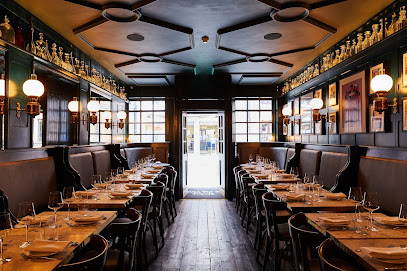
Noble Rot Soho
0.3 km
A Soho gem blending historic charm with modern European cuisine and an exceptional, accessible wine list in a cozy, clubby setting.
Hoppers Soho
0.3 km
Experience vibrant Sri Lankan street food and signature hoppers in a lively, intimate Soho setting bursting with authentic flavors and culture.
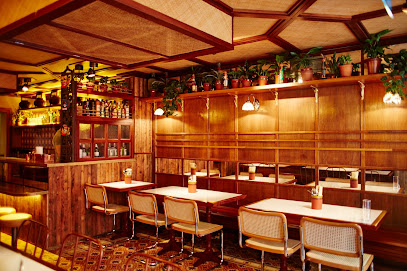
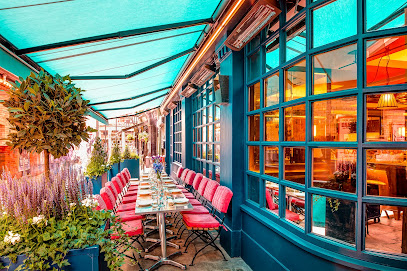
J Sheekey
0.3 km
Classic British seafood excellence in Covent Garden’s elegant, theatre-adjacent dining gem.
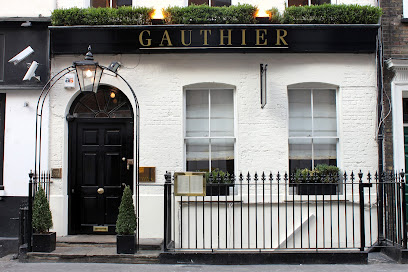
Gauthier Soho
0.3 km
Innovative vegan French fine dining in a stylish Soho townhouse, blending tradition with plant-based creativity.
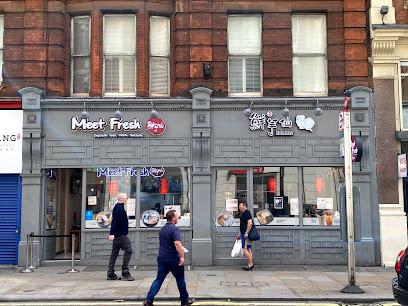
Meet Fresh
0.3 km
Authentic Taiwanese desserts in lively Soho, offering generous portions of mochi, taro balls, and refreshing fruit teas in a bustling urban setting.
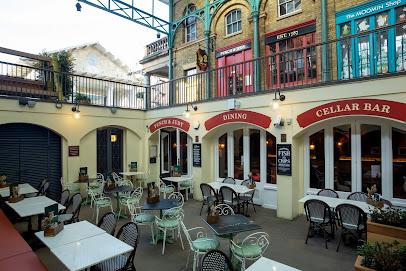
Punch & Judy
0.4 km
Historic Covent Garden pub blending classic British fare, lively balcony views, and family-friendly charm in the heart of London.
Markets, malls and hidden boutiques

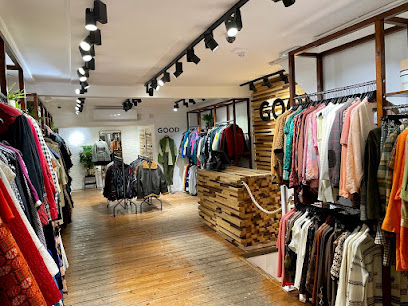
Good
0.1 km
Discover sustainable style with curated preloved vintage and designer fashion at Good London’s Seven Dials shop.
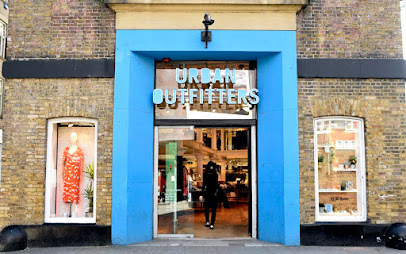
Urban Outfitters
0.1 km
Dive into Urban Outfitters' warehouse wonderland in Seven Dials, where eclectic fashion, cult beauty, and quirky homewares fuel London's youth culture vibe.
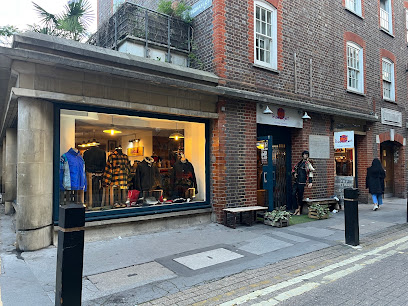
Pop Boutique
0.1 km
Discover authentic vintage fashion treasures from the 50s to 90s in a colorful, retro boutique at London’s vibrant Seven Dials.
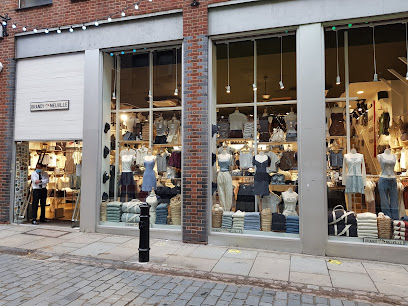
Brandy Melville - Covent Garden
0.2 km
Trendy Italian-LA fusion on Neal Street: one-size-fits-most chic for the effortless Covent Garden style seeker.
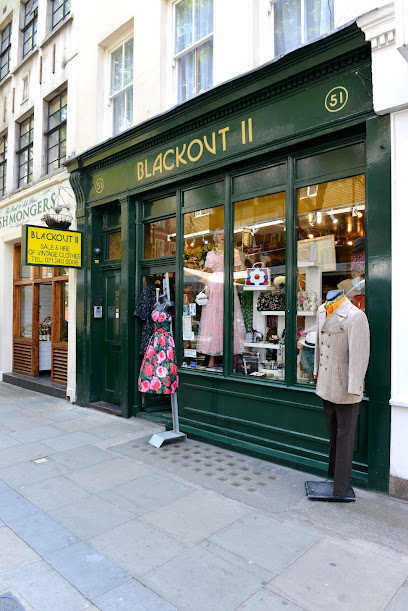
Blackout II - Vintage Clothing London
0.2 km
Discover timeless vintage fashion treasures from the 1920s to the 1980s in Covent Garden’s iconic Blackout II boutique.
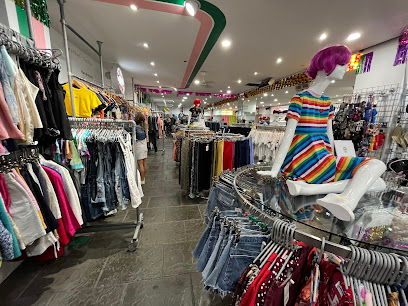
Rokit Covent Garden
0.2 km
Dive into retro treasures at Rokit Covent Garden, where sustainable vintage fashion meets London's vibrant street style heritage on Shelton Street.
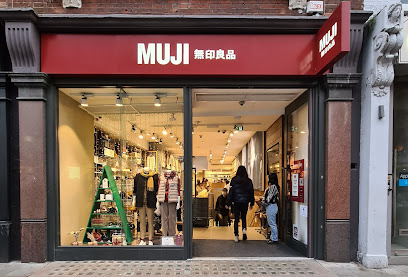
MUJI Covent Garden Store
0.2 km
Discover Japanese minimalism in Covent Garden: timeless clothing, sustainable homewares, and functional stationery for clutter-free, mindful living.
Goldsmith Vintage
0.3 km
Iconic Soho vintage shop since 1990: two floors of handpicked retro dresses, blazers, bags & accessories from decades past, with sales from £10.95.
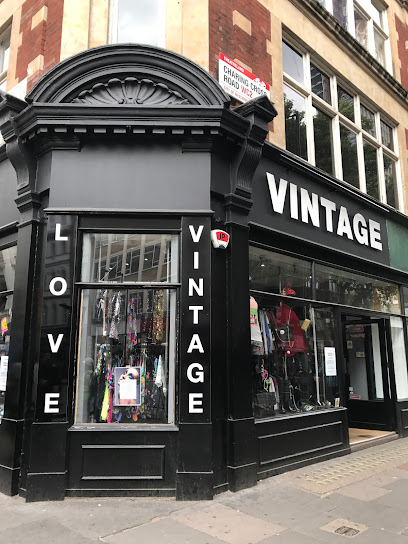
Unique Britain
0.3 km
Discover authentic British souvenirs and artistic keepsakes in the heart of London’s lively West End on historic Cranbourn Street.
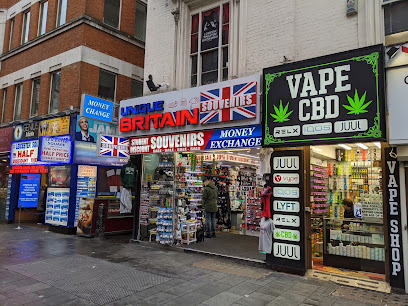
Alice Through The Looking Glass
0.3 km
Step into a whimsical world of antiques, art, and literary treasures inspired by Alice in Wonderland in the heart of London’s Cecil Court.
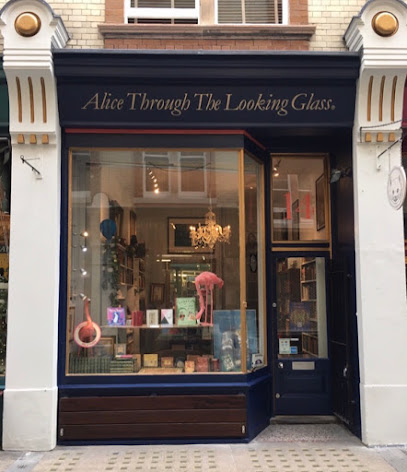
The Moomin Shop London
0.4 km
Step into the enchanting world of Moominvalley at The Moomin Shop in Covent Garden, London’s magical haven for fans of Tove Jansson’s beloved characters.
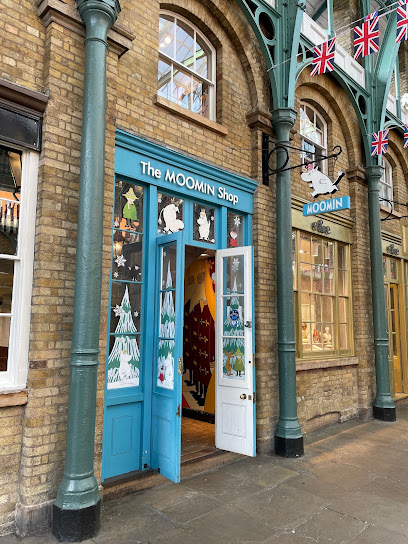
La Boutik
0.4 km
Soho's chic haven for European designer imports on buzzing Dean Street—unique fashion finds in London's creative epicenter.
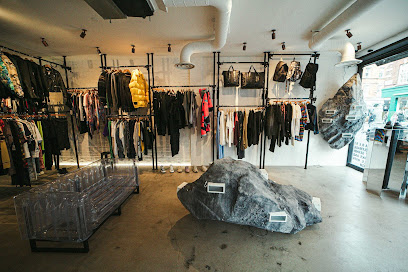
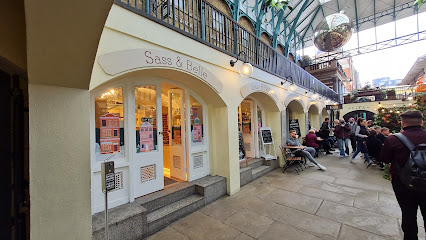
Sass & Belle Covent Garden Market
0.4 km
Quirky gifts and whimsical homeware in Covent Garden's lively market—permanently closed in-store, thriving online with cute finds for every home.
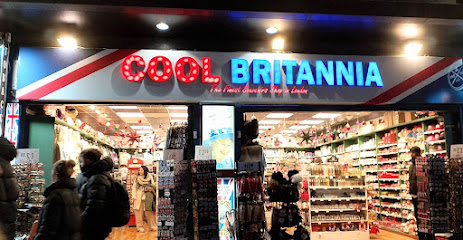
Cool Britania
0.4 km
Discover authentic British souvenirs and capture timeless memories at Cool Britannia, Leicester Square’s premier gift and photography shop.
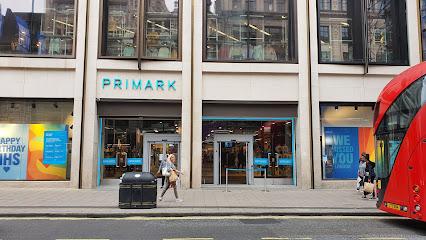
Primark
0.4 km
Discover unbeatable fashion and homeware bargains across multiple floors at Primark Oxford Street, London’s premier budget shopping destination.
Essential bars & hidden hideouts

The Escapologist Bar
0.0 km
Step into a Victorian-inspired underground bar in Covent Garden where theatrical cocktails and lively entertainment create unforgettable nights.
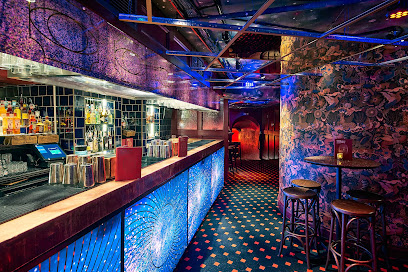
Prelude by Oriole
0.1 km
A refined Covent Garden cocktail bar blending innovative drinks, Latin American fusion cuisine, and live music in a stylish Asian-inspired setting.
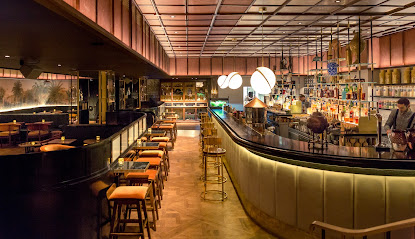
Bar Termini
0.2 km
An intimate Soho gem blending Italian cocktail artistry with a cozy, elegant atmosphere in London’s vibrant West End.
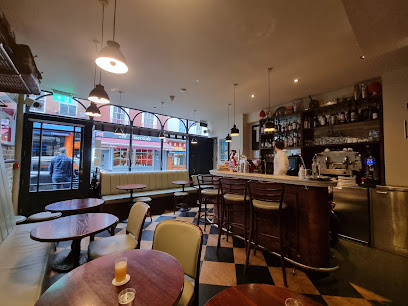
Covent Garden Social Club
0.2 km
Dive into Covent Garden's dual-world party den: prohibition cocktails below, live piano magic above—West End's ultimate nightlife hideaway for cocktails, cabaret, and endless sing-alongs. (162 characters)
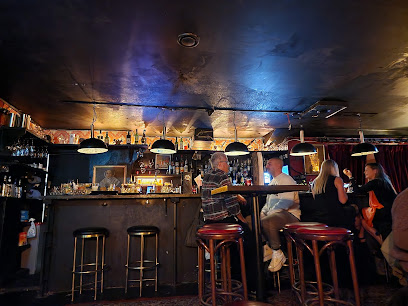
Swift Soho
0.2 km
Soho's split-level cocktail gem: aperitivo elegance upstairs, whisky-laced intimacy below, with live jazz and legendary mixes drawing night owls to Old Compton Street.
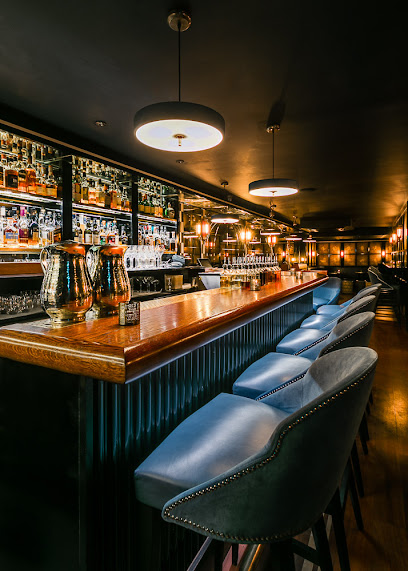
The Alchemist St Martin's Lane
0.3 km
Experience theatrical cocktails and vibrant dining in the heart of Covent Garden’s iconic theatre district.
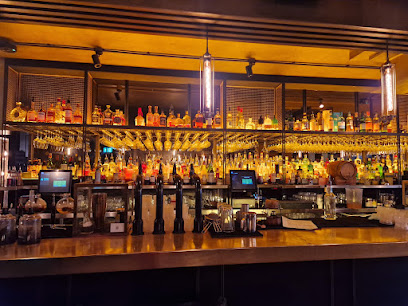
The Little Scarlet Door
0.3 km
Step through the scarlet door to a playful Soho loft bar alive with inventive cocktails, secret rooms, and a lively house party vibe.
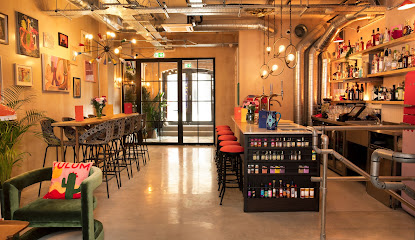
Ku Bar
0.3 km
Soho's legendary gay bar icon: three levels of inclusive vibes, cocktails, and basement beats in Chinatown's electric heart.
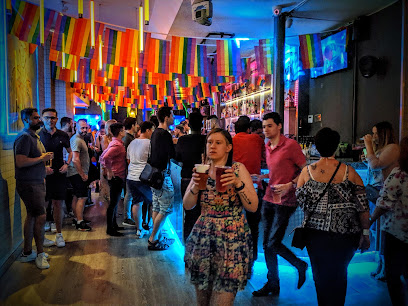
Thirst Bar Soho
0.3 km
Compact Soho cocktail bar by day, pulsing DJ‑led club by night—cheap cocktails, leather booths and a lively basement scene.
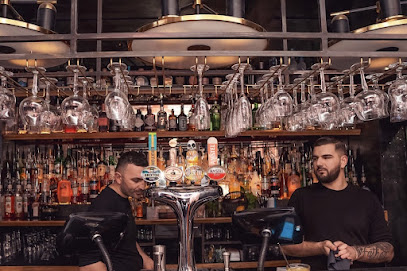
The Black Book
0.3 km
Soho's clandestine basement wine bar, pouring rare vintages by the glass alongside Mediterranean bites in a former members' club hideout—perfect for late-night indulgence.
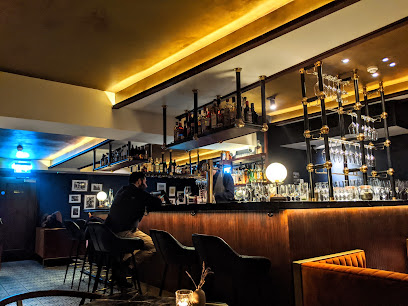
Simmons Bar | Soho
0.3 km
Soho's kitsch cocktail den with epic happy hours, retro karaoke vibes, and two floors of nostalgic nightlife fun.
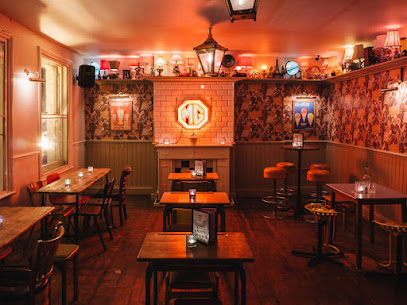
Mr Fogg's Tavern
0.3 km
Step into a Victorian-inspired tavern in Covent Garden, where inventive cocktails meet hearty British fare in an eclectic and lively setting.
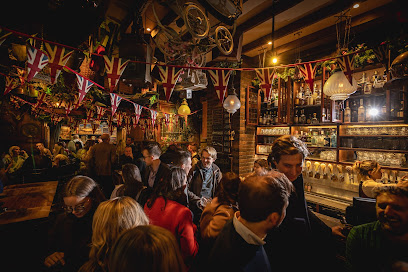
Henson's Bar and Social
0.4 km
Soho's oak-panelled cocktail sanctuary: precise classics, inventive signatures, and fireside intimacy amid Frith Street's electric vibe.
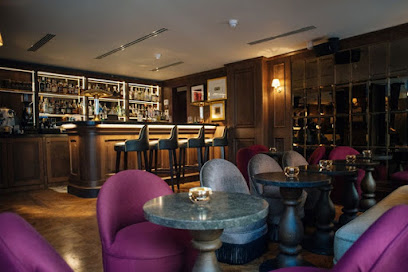
Blame Gloria - Cocktail Bar in Covent Garden
0.4 km
Dive into Blame Gloria’s neon-lit retro cocktail haven in Covent Garden, where legendary rock vibes and wild themed brunches electrify your night.
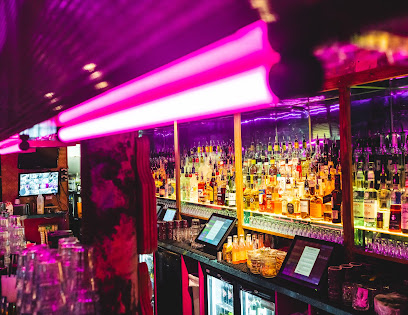
Blind Spot London
0.4 km
Discover a secretive speakeasy with globally inspired cocktails and intimate ambiance tucked inside St Martin’s Lane Hotel, Covent Garden.
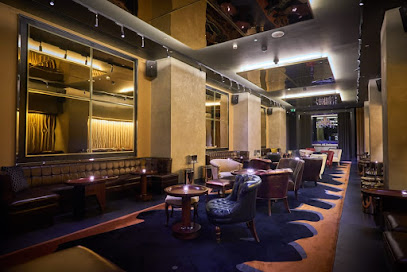
Nightclubs & after hour spots

The Roxy
0.1 km
Soho's unbeatable happy hour cocktail bar by day, pulsing nightclub with live music and DJ nights till 3am—affordable vibes in London's nightlife heart.
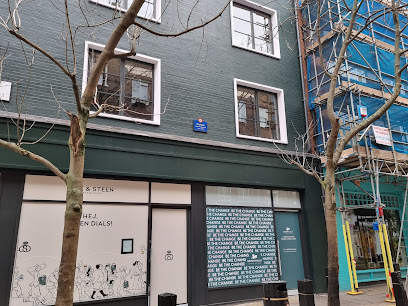
The Ivy Club
0.1 km
Art-Deco‑tinged members’ club above The Ivy — piano bars, discreet private dining and polished West End glamour.
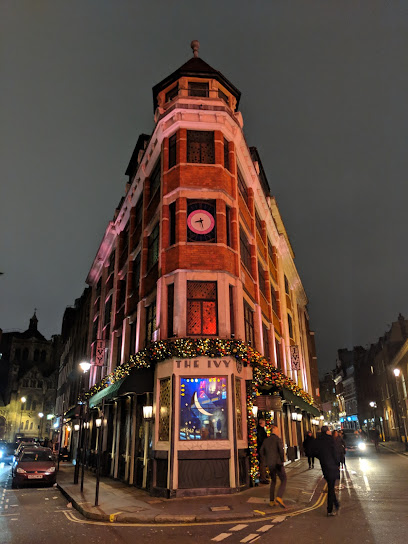
Whatdafunk Presents West End Urban Disco
0.2 km
Dive into London's grooviest urban disco beats at Whatdafunk, where Covent Garden's streets pulse with funk, soul, and non-stop dance energy in the heart of the West End.
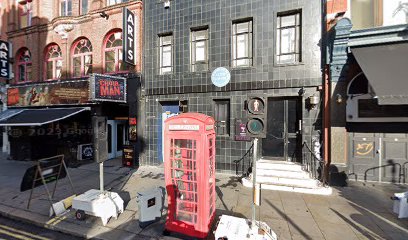
La Capannina Club
0.3 km
Discover Soho's discreet gentlemen's club: seductive stage shows, cosy vibes, and late-night allure in London's nightlife heart.
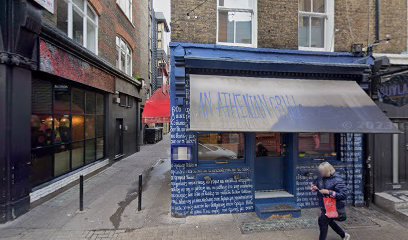
Bunga Bunga Covent Garden
0.3 km
A neon-soaked, pizza-and-karaoke supper club under Drury Lane — 90s nostalgia, stage shows and shareable Italian feasts.
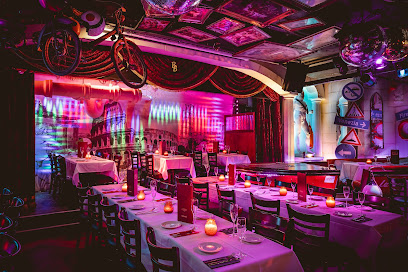
Zoo Bar & Club
0.4 km
Dive into Leicester Square's edgy nightlife hub: two floors of R&B beats, sports screens, and wild energy until 3am at Zoo Bar & Club.
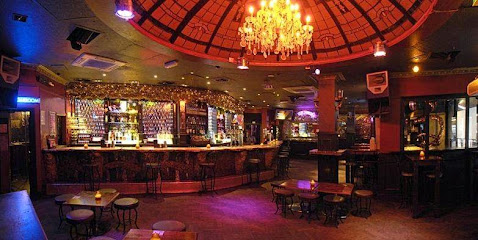
The Penthouse London
0.4 km
A compact, rooftop nightclub above Leicester Square — reached by a side lift, built for late‑night private parties and skyline glimpses.
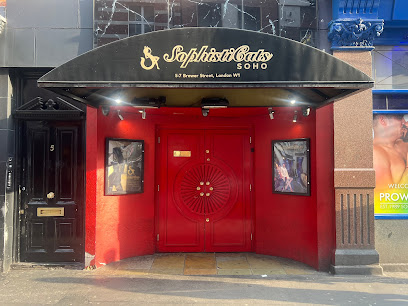
Sophisticats Soho
0.5 km
An intimate, late‑night Soho gentlemen’s club on Brewer Street offering staged performances, VIP seating and an upmarket, discreet atmosphere.
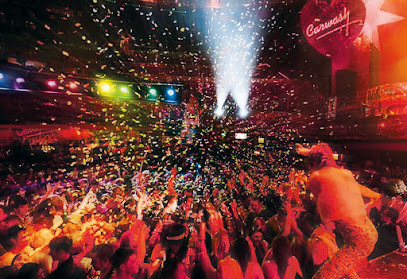
Carwash Nightclub
0.5 km
Experience Europe’s longest-running disco club in London’s West End, where retro beats, vibrant crowds, and themed parties create unforgettable nights.
Versity Camp Nightclub
0.5 km
Dive into Soho's beating heart at Versity Camp Nightclub, where thumping bass, inventive cocktails, and an electric crowd fuel unforgettable nights until dawn.
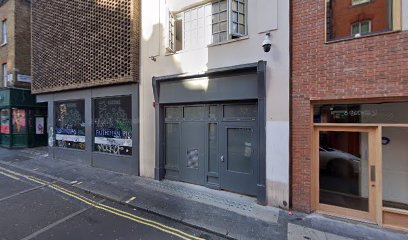
The Box Soho
0.5 km
A clandestine Soho cabaret where decadent staging, provocative shows and high‑end cocktails collide in an intense late‑night theatre.
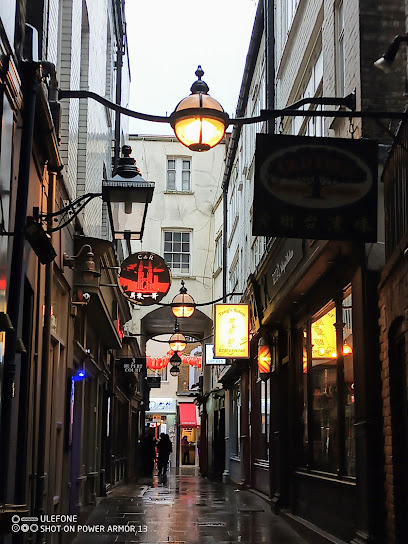
St Moritz Club
0.6 km
Soho's retro basement nightclub: 1960s vibes meet modern beats in an intimate, wood-paneled haven beneath a Swiss chalet restaurant.
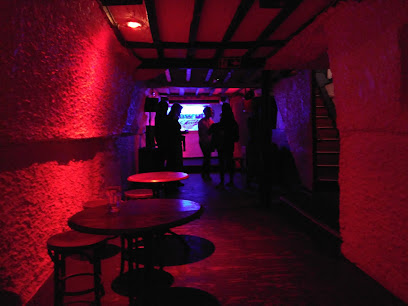
The Windmill Soho | Restaurant, Cabaret & Nightclub in Soho, London
0.6 km
Soho's legendary cabaret den revived: burlesque bites, theatrical feasts, and all-night beats in a historic hotspot of hedonism.
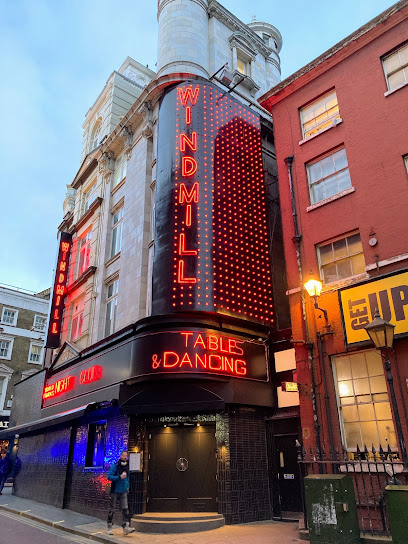
Luxe Club
0.6 km
Experience London's vibrant nightlife at Luxe Club, a central hotspot for music, dancing, and late-night entertainment.
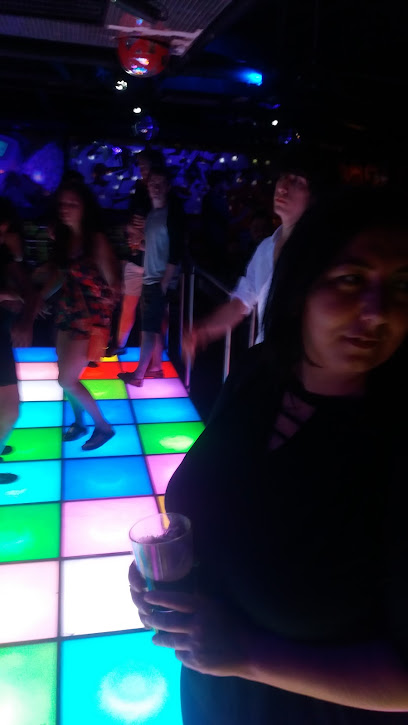
Tiger Tiger London
0.6 km
Experience London’s iconic Haymarket nightclub with six vibrant rooms, lively DJs, and a dynamic party atmosphere just moments from Piccadilly Circus.
For the vibe & atmosphere seeker
- Scenic
- Lively
- Unique
- Casual
For the design and aesthetic lover
- Vintage Styles
- Rustic Designs
For the architecture buff
- Historic
- Landmarks
- Parks & Gardens
For the view chaser and sunset hunter
- Iconic Views
- Panoramas
For the social media creator & influencer
- Instagrammable
- Photo Spots
- Selfie Spots
- Aesthetic Corners
For the eco-conscious traveler
- Public-Transport Accessible
- Locally Managed
For the kind of experience you’re after
- Cultural Heritage
- Photowalk
- Day Trip
- Weekend Getaway
For how adventurous you want the journey to be
- Easy Access
Location Audience
- Family Friendly
- LGBT Friendly
- Senior Friendly
- Child Friendly
- Teen Friendly
- Wheelchair Access
- Pet Friendly
- Solo Friendly
- Couple Friendly
- Solo Female Friendly
- Vegetarian Friendly
- Vegan Friendly


