Platt Fields Park, Manchester Travel Guide
Historic green oasis in Manchester’s Fallowfield, blending heritage, nature, and vibrant community recreation.
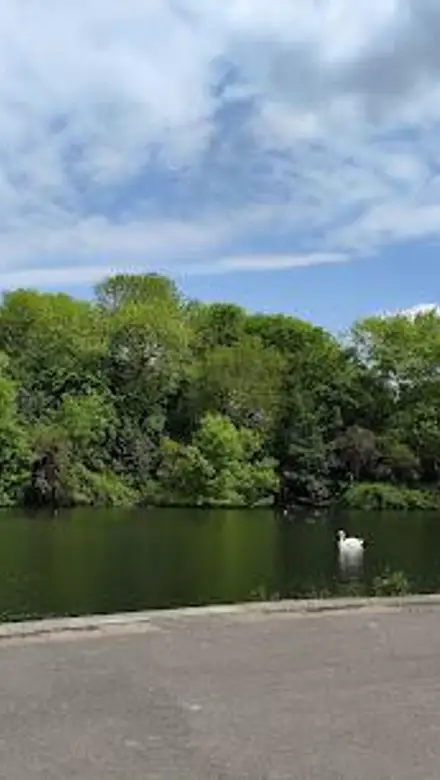
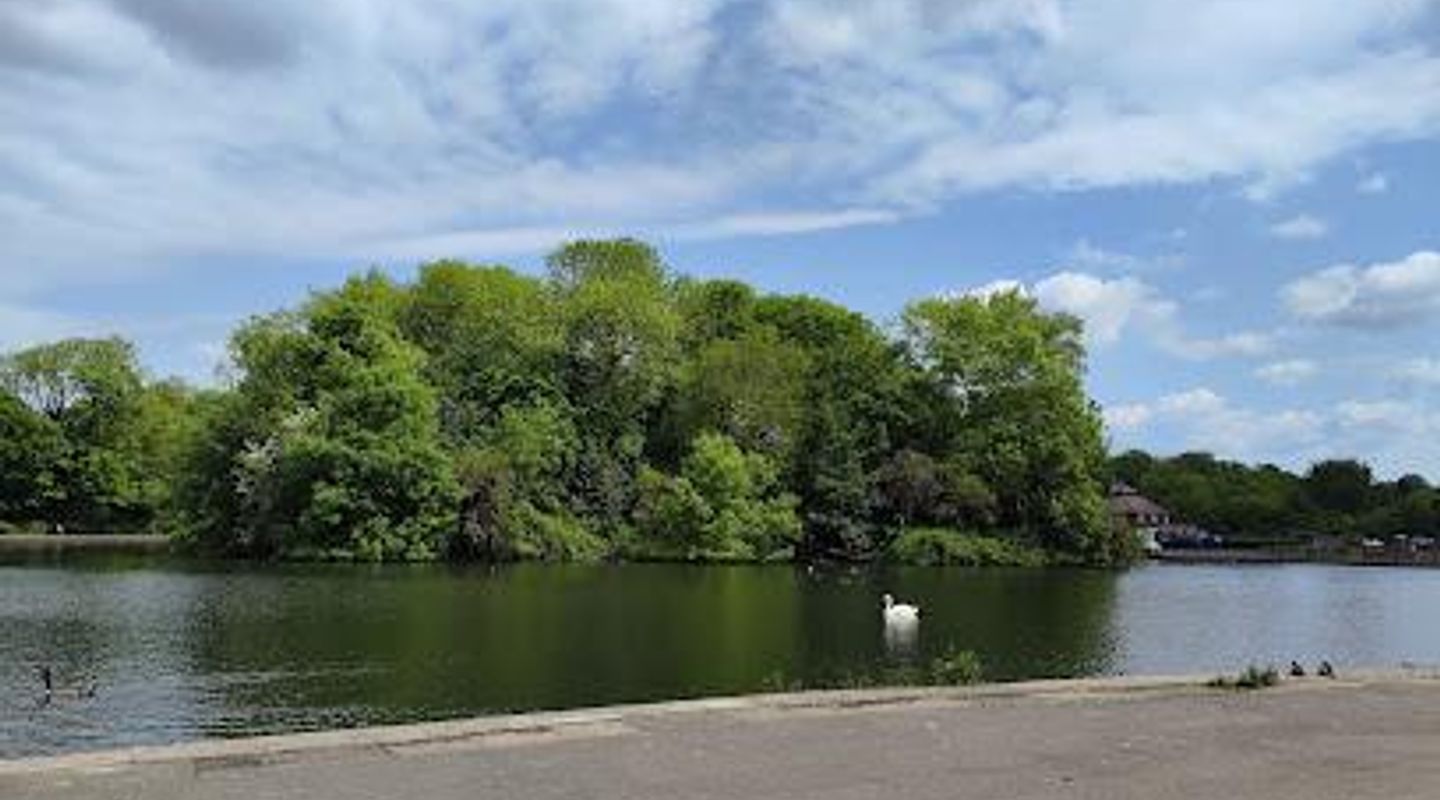
Platt Fields Park is a sprawling 70-hectare public park in Fallowfield, Manchester, renowned for its historic Platt Hall, scenic lake, and diverse recreational facilities. Established in 1910 on former estate grounds, it blends rich heritage with vibrant community life, offering sports courts, gardens, and peaceful natural spaces within a lively urban setting.
A brief summary to Platt Fields Park
- Manchester, Fallowfield, M14 6LA, GB
- Click to display
- Click to display
- Duration: 1 to 4 hours
- Free
-
 Outdoor
- Mobile reception: 4 out of 5
- Monday 9 am-4 pm
- Tuesday 9 am-4 pm
- Wednesday 9 am-4 pm
- Thursday 9 am-4 pm
- Friday 9 am-4 pm
- Saturday 9 am-4 pm
- Sunday 9 am-4 pm

Know before you go
Hi, I'm Eve. Here are a few practical things to know before exploring Platt Fields Park.
- Visit early in the day to enjoy peaceful walks around the lake and explore the Shakespeare Garden.
- Check out Platt Hall’s cultural events and exhibitions when open for a unique heritage experience.
- Bring sports gear to make use of the tennis courts, bowling greens, and football pitches.
- Join or watch the South Manchester Model Boat Club’s Sunday morning regattas on the lake.
- Explore the park’s wartime history markers and imagine its role during Manchester’s air raids.
Do you manage this location?
Take control to get all the benefits, like improved information, better appearance, and stronger visibility across AI-powered discovery. Learn more about listing your business on Evendo
Activate your presenceOther nearby places you may find interesting
The closest places of the same kind, if this one is not quite what you had in mind.



Explore Platt Fields Park on the Map
A handpicked selection of must-see spots near Platt Fields Park, mapped for you.
Unlock the Best of Platt Fields Park
Buy tickets
-
No tickets available
Book tours with entry
-
No tours available
Book tours without entry

Getting There
-
Public Bus
Frequent bus services run along Wilmslow Road from Manchester city centre to Fallowfield, taking approximately 20-30 minutes. Buses stop near Platt Fields Park entrances. Tickets cost around £2-£4 one way. Service frequency is high during daytime but reduces in evenings and weekends.
-
Tram and Bus Combination
Take the Metrolink tram to East Didsbury or St Werburgh's Road, then transfer to a local bus towards Fallowfield. Total travel time ranges from 30 to 45 minutes. Tram fares start at £2.50 with additional bus fare. This option offers a scenic route with good accessibility.
-
Taxi or Rideshare
A taxi or rideshare from Manchester city centre to Platt Fields Park takes about 15-25 minutes depending on traffic. Prices typically range from £8 to £15. This is a convenient option for groups or when carrying sports equipment.
-
Walking
For those staying nearby in Fallowfield or Rusholme, walking to Platt Fields Park is pleasant and takes 15-30 minutes depending on your starting point. Paths are generally flat and accessible, suitable for families and casual strolls.
For the on-the-go comforts that matter to you
-
 Restrooms
-
 Drink Options
-
 Food Options
-
 Seating Areas
-
 Trash Bins
-
 Information Boards
Discover more about Platt Fields Park
Origins and Historical Legacy of the Platt Estate
The lands that now form Platt Fields Park have a documented history dating back to 1150 when the 'lands of Platt' were granted to the Knights of St John. Ownership passed to the Platt family in 1225, who maintained the estate for four centuries before it was acquired by the Worsley family in 1625. The Worsleys, prosperous textile merchants, developed the estate into a country park with a Georgian manor house, Platt Hall, constructed between 1760 and 1763. This hall later became a significant cultural landmark, housing Manchester’s renowned Gallery of Costume for much of the 20th century.Transformation into a Public Park
By the early 1900s, urban expansion threatened the estate with development. A community campaign led by William Royle successfully persuaded Manchester City Council to purchase the estate in 1908 for £59,975, preserving it as public parkland. The park officially opened on May 7, 1910, with the Lord Mayor Sir Charles Behrens presiding. During a period of high unemployment, over 700 laborers landscaped the grounds, creating a six-acre lake with an island, planting trees and shrubs, and installing recreational facilities such as tennis courts, bowling greens, and a paddling pool.Architectural and Cultural Significance of Platt Hall
Platt Hall stands as a testament to the area's rich history. Originally a stately home for the Worsley family, it transitioned through various roles including a tea room, military accommodation during both World Wars, and a pioneering costume museum from 1925 until 2020. The hall’s Georgian architecture and its role as a cultural hub enrich the park’s character, connecting visitors to Manchester’s heritage and artistic traditions.Recreational Features and Community Life
Platt Fields Park offers a wide range of activities including tennis, football, cricket, bowling, and model boating on the lake, revived in the 1980s by local enthusiasts. The park also features playgrounds, a skate park, BMX track, and the Shakespeare Garden, providing spaces for families and individuals of all ages. Its open fields and wooded areas create a tranquil urban oasis, hosting events and serving as a green lung for the city.Wartime History and Resilience
During both World Wars, the park and Platt Hall played important roles. The park was used for military training and as a site for air raid shelters, while Platt Hall provided refuge for city organizations during bombing raids. Post-war, the park continued to evolve, reflecting the resilience and spirit of the local community.Modern Stewardship and Environmental Value
Today, Platt Fields Park remains a cherished public space managed by Manchester City Council. It balances heritage preservation with ecological stewardship, offering wildlife habitats alongside recreational amenities. Community groups actively participate in conservation and enhancement projects, ensuring the park’s vitality for future generations.












Your all‑in‑one travel companion app
Explore expert travel guides, compare and book tours, experiences, hotels, and more—all from the palm of your hand. Download now for seamless trip planning wherever your wanderlust takes you.


Explore More of Manchester
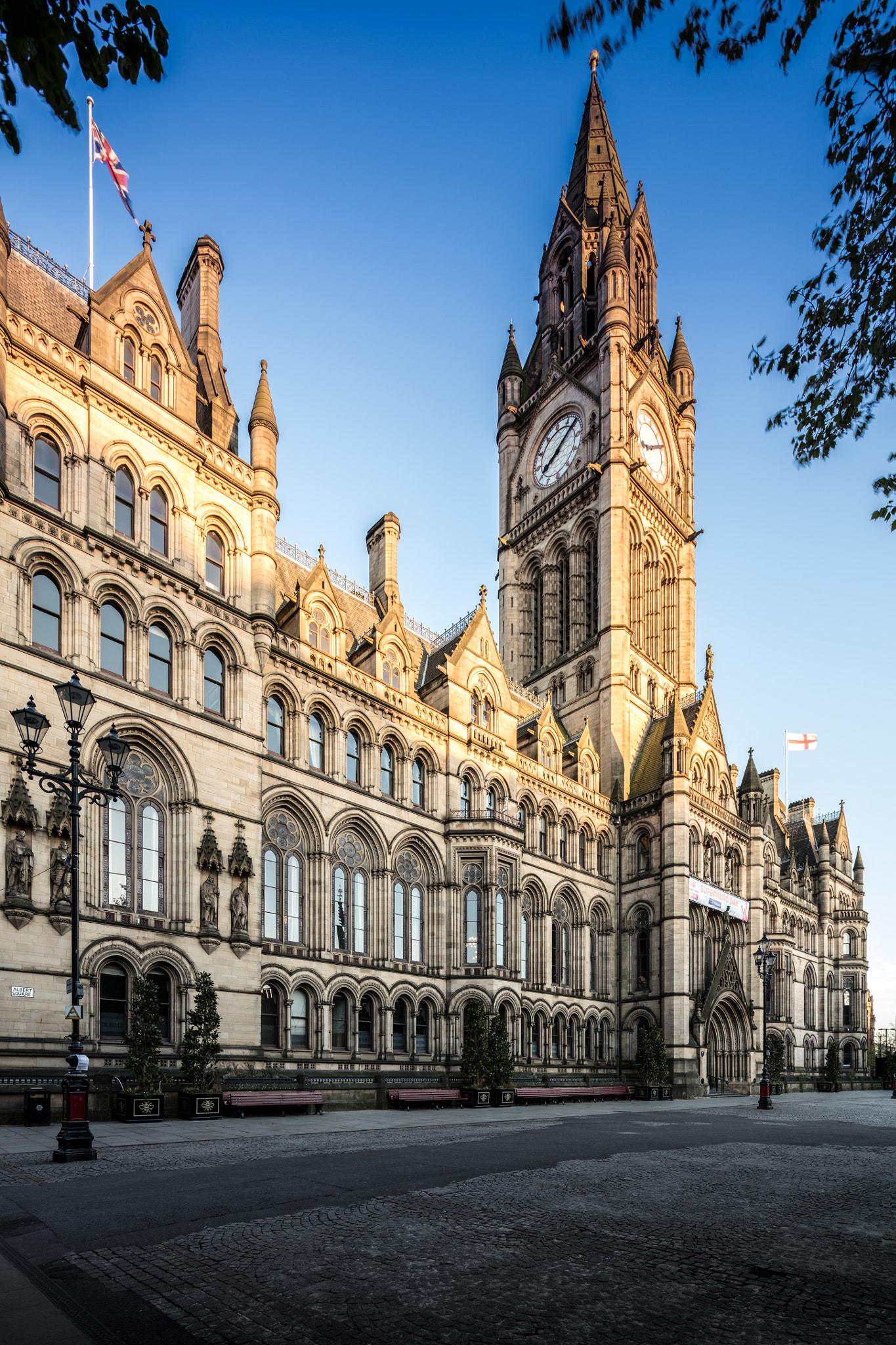
Looking beyond Platt Fields Park? Discover Manchester for broader travel guides, local hot-spots, and regional highlights.
Explore Manchester
Dive into Manchester's vibrant nightlife at FAC251 - Factory Manchester, a premier nightclub and live music venue that promises unforgettable experiences.
Discover Alexandria Library, a vibrant second-hand bookshop and community hub in Manchester’s Curry Mile, offering free English classes and local art exhibitions.