

Castlefield (Manchester) Travel Guide - Free
Explore Castlefield in Manchester with Evendo's free guide. Find the best shops, historic streets, restaurants, and gems on web or mobile.


Castlefield, Manchester blends Roman ruins, historic canals, railway viaducts, museum visits, waterside dining and outdoor culture near Deansgate.
Canals and Industrial Character
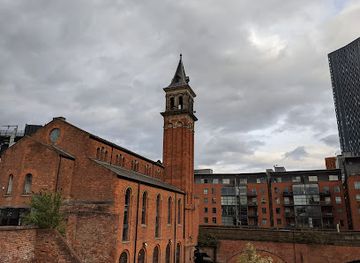
Castlefield occupies the historic south-western edge of Manchester city centre, where the Rochdale and Bridgewater canals meet beneath a striking collection of railway viaducts. Its waterside paths, red-brick warehouses and broad towpaths reveal the area’s industrial past, while restaurants, bars and cultural venues bring regular activity to the former canal basin. The neighbourhood is compact enough to explore on foot, yet its layered landscape rewards slow wandering: one passage leads from cobbled streets beside the canal to the open space of Castlefield Bowl, another towards Liverpool Road and the Science and Industry Museum.Read more about Castlefield
Roman Manchester and the Modern City
Waterside Street Life
Best attractions in Castlefield
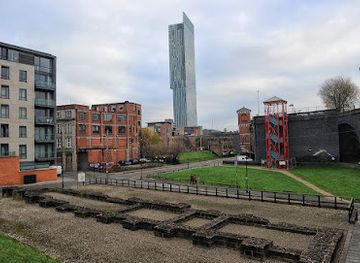
Castlefield’s attractions are concentrated within a compact historic landscape. The reconstructed Roman fort at Mamucium and surviving archaeological remains introduce the Roman settlement that gave Manchester its early identity, while the Science and Industry Museum on Liverpool Road occupies the former railway terminus and explores the city’s scientific and industrial development. The canals are attractions in their own right: towpaths, locks, stone bridges and warehouse fronts create varied walking routes around the basin and beneath the railway viaducts. Castlefield Bowl, an open-air event space, hosts concerts and cultural gatherings at selected times, changing the character of the neighbourhood when performances take place. Visitors can also follow the Medlock and Bridgewater Canal corridors towards quieter corners, where old industrial structures, water reflections and modern apartments sit closely together.
-
Art gallery
Manchester Art Gallery
Explore centuries of art and design in Manchester’s historic and dynamic city-centre gallery with free entry and family-friendly spaces.
12 min walk · 1.0 km from neighbourhood centre
-
 Cathedral
Manchester Cathedral
Discover centuries of history and stunning Gothic architecture at Manchester Cathedral, the spiritual heart of Manchester’s vibrant city centre.
16 min walk · 1.3 km from neighbourhood centre
-
National museum
National Football Museum
Explore the world’s greatest football collection and interactive exhibits in Manchester’s iconic National Football Museum.
18 min walk · 1.4 km from neighbourhood centre
-
Museum
People's History Museum
Explore Britain's political history and democracy at Manchester’s People’s History Museum, where activism and social justice come alive.
8 min walk · 0.6 km from neighbourhood centre


Best landmarks in Castlefield
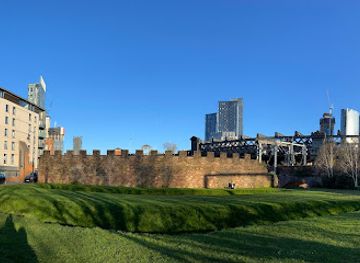
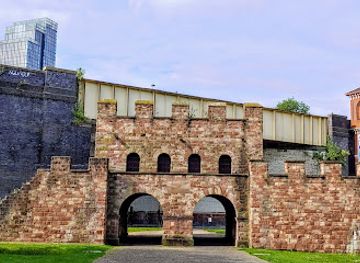
The most important landmarks in Castlefield express its successive Roman, canal and railway histories. Mamucium’s reconstructed fort walls and excavated remains mark the site of the Roman settlement, while the Bridgewater Canal and Rochdale Canal explain the area’s role in the industrial transport system. Liverpool Road is significant as the Manchester terminus of the 1830 Liverpool and Manchester Railway, and the adjacent Science and Industry Museum preserves the memory of that pioneering connection. Multiple brick railway viaducts cross the neighbourhood, creating a powerful architectural frame above the basin and towpaths. The warehouses, locks, bridges and canal engineering features are not isolated monuments but parts of a connected industrial landscape. Together they distinguish Castlefield from the denser commercial streets of central Manchester and give the neighbourhood its recognisable silhouette.
-
Historical landmark
Reconstruction of Mamucium Roman Fort Wall
Explore Manchester’s ancient Roman fortress Mamucium with reconstructed walls, original foundations, and a glimpse into Britain’s northern frontier history.
1 min walk · 0.1 km from neighbourhood centre
-
Historical landmark
Castlefield historical zone
Explore Castlefield, Manchester’s vibrant urban heritage park where Roman ruins meet industrial canals and lively cultural scenes converge.
3 min walk · 0.3 km from neighbourhood centre
-
Historical landmark
Roman Gardens
Discover Manchester’s Roman past through tranquil gardens featuring reconstructed fortifications and ancient pathways in the heart of Castlefield.
1 min walk · 0.1 km from neighbourhood centre
-
Historical landmark
Remains of eastern wall of the Roman fort
Explore the ancient eastern wall remains of Mamucium, Manchester’s Roman fort that shaped the city’s earliest history and strategic defense.
3 min walk · 0.2 km from neighbourhood centre
Explore Castlefield on the map
A handpicked selection of must-see spots in Castlefield, mapped for you.
Best hotels in Castlefield
Best restaurants in Castlefield
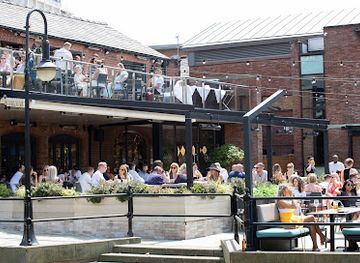
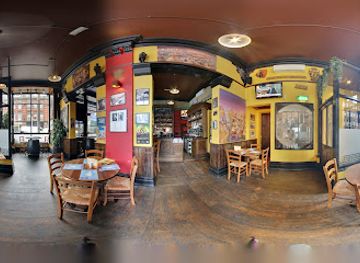
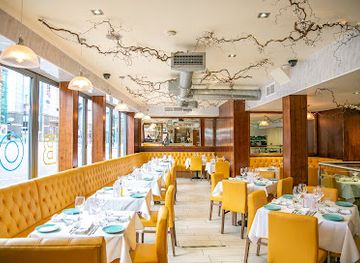
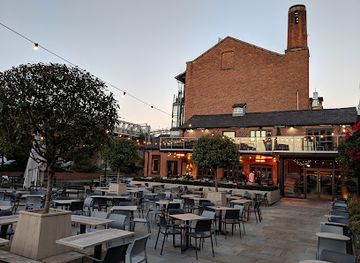
Castlefield’s dining scene is shaped by the canal basin, Liverpool Road and the former warehouse spaces beneath and beside the railway viaducts. Waterside venues such as The Wharf, Dukes 92 and Albert’s Shed are established reference points for meals and drinks, while nearby restaurants and cafés provide everything from informal daytime food to more substantial evening dining. The area’s culinary identity is less about a single local speciality than about the conversion of industrial buildings into places to eat, with terraces that make use of the canalside setting in good weather. Options are concentrated rather than spread across a large shopping grid, and availability can change with events and seasonal demand. Visitors seeking a wider choice can easily continue towards Deansgate, but Castlefield itself is best understood as a waterside dining quarter attached to its heritage landscape.
-
Restaurant
Dukes 92
A vibrant restaurant and nightlife hotspot in Manchester’s Castlefield, blending great food, live music, and scenic canal-side charm.
3 min walk · 0.2 km from neighbourhood centre
-
Greek
Dimitri's - Tapas Meze Bar & Restaurant
Authentic Greek tapas and meze in Manchester’s lively Deansgate district, perfect for sharing and savoring Mediterranean flavors.
4 min walk · 0.3 km from neighbourhood centre
-
Italian
Italiana Fifty Five Liverpool Road
Experience authentic Italian flavors and cozy charm with freshly made pasta and unique flambéed dishes in the heart of Manchester.
3 min walk · 0.3 km from neighbourhood centre
-
Modern European
Albert's Shed Restaurant Manchester
A modern European dining experience in Manchester’s scenic Castlefield with cozy ambiance and delicious, well-presented dishes.
3 min walk · 0.2 km from neighbourhood centre
Best bars in Castlefield
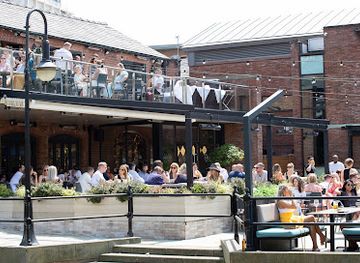
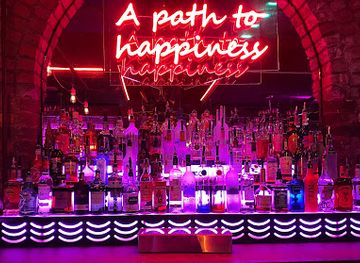
Castlefield is an evening social district rather than a major nightclub quarter. Bars and pubs around the basin and in converted warehouse buildings, including Dukes 92, The Wharf and Albert’s Shed, draw visitors for canal-side drinks and informal gatherings. The atmosphere is usually more conversational and waterside than club-focused, although nearby Deansgate provides a broader late-night circuit beyond the neighbourhood’s boundaries. Castlefield Bowl is important to the area’s evening identity when concerts take place, bringing outdoor music and temporary crowds to the open space. Event nights can make the towpaths and bridges considerably busier than usual, while quieter evenings reveal the neighbourhood’s industrial architecture and illuminated viaducts. Visitors should distinguish Castlefield’s licensed bars and concert setting from Manchester’s larger club districts elsewhere in the city centre.
-
Pub
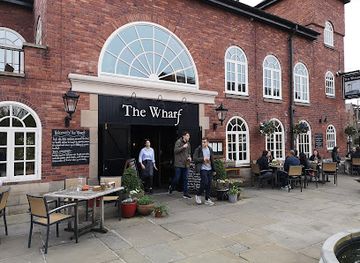
The Wharf
Cosy canalside pub in Manchester's Castlefield, where real fires, craft ales, hearty roasts, and patio views create an unmissable waterside retreat for all.
4 min walk · 0.3 km from neighbourhood centre
-
Bar
Dukes 92
Historic canal warehouse turned vibrant bar-restaurant, serving bold small plates, burgers, and cocktails beside Manchester's waterways—perfect for day-to-night revelry.
3 min walk · 0.2 km from neighbourhood centre
-
Cocktail bar
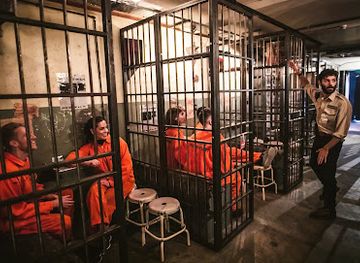
Alcotraz Manchester: Cell Block Three-Four
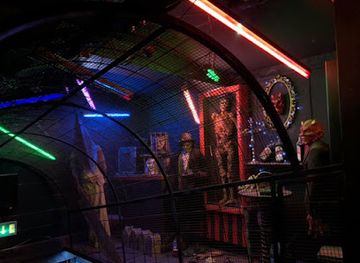
Smuggle liquor, don the jumpsuit, and sip bespoke cocktails in a live prison breakout drama—Alcotraz Manchester delivers immersive thrills and mixology magic behind bars.
7 min walk · 0.5 km from neighbourhood centre
-
Bar
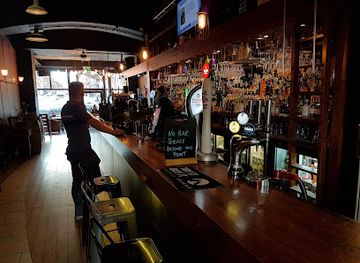
Atlas Bar
Manchester's gin-soaked icon under Deansgate arches: 570+ gins, fresh local eats, and a weatherproof terrace for every mood.
4 min walk · 0.3 km from neighbourhood centre
Best nightclubs in Castlefield
Castlefield is an evening social district rather than a major nightclub quarter. Bars and pubs around the basin and in converted warehouse buildings, including Dukes 92, The Wharf and Albert’s Shed, draw visitors for canal-side drinks and informal gatherings. The atmosphere is usually more conversational and waterside than club-focused, although nearby Deansgate provides a broader late-night circuit beyond the neighbourhood’s boundaries. Castlefield Bowl is important to the area’s evening identity when concerts take place, bringing outdoor music and temporary crowds to the open space. Event nights can make the towpaths and bridges considerably busier than usual, while quieter evenings reveal the neighbourhood’s industrial architecture and illuminated viaducts. Visitors should distinguish Castlefield’s licensed bars and concert setting from Manchester’s larger club districts elsewhere in the city centre.
-
Nightclub
Ark Manchester
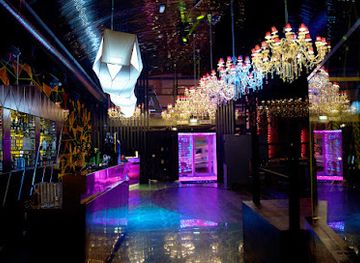
Multi-room beats and canal-side cocktails fuel Manchester's electric Deansgate Locks nightlife at Ark—dance, drink, repeat till dawn.
5 min walk · 0.4 km from neighbourhood centre
-
Nightclub
Satans Hollow
Manchester's infernal punk-rock abyss: demonic decor, dirt-cheap drinks, and mosh-pit mayhem for metalheads and rebels.
14 min walk · 1.1 km from neighbourhood centre
-
Nightclub
Venue Nightclub
Manchester's indie-retro haven: cheap drinks, packed dance floors, and themed nights fueling Deansgate's electric nightlife till dawn.
8 min walk · 0.6 km from neighbourhood centre
-
Night Club
Viva Manchester
A compact, high-energy club on Whitworth Street West — known for big dance nights and focused Reggaeton parties in the heart of Manchester.
11 min walk · 0.9 km from neighbourhood centre

Best shops in Castlefield
Shopping is limited in Castlefield compared with Manchester’s central retail streets, and the neighbourhood is better known for heritage, dining and cultural visits than for a concentrated retail offer. Small independent businesses appear around the converted warehouses and adjoining streets, while cafés and food-led venues provide practical stops during a canal walk. Liverpool Road is oriented more towards museums and heritage attractions than conventional shopping, and the basin has no equivalent to a large indoor market or department-store district. Visitors looking for books, fashion, records or specialist retail can continue along Deansgate or into the Northern Quarter, both nearby but outside Castlefield. The local commercial character is therefore defined by adaptive reuse: former industrial buildings now accommodate hospitality, leisure and cultural uses, with the historic setting contributing more to the experience than a distinctive shopping product.
-
Gift shop
Cute Things By Aggie
Whimsical handmade resin treasures with dried flowers and sea shells in Manchester's creative heart—a gift hunter's delight.
5 min drive · 1.7 km from neighbourhood centre
-
Supermarket
Deansgate Square General Store
Futuristic cornershop at Deansgate Square's base: craft coffee, local brews, zero-waste refills, and artisanal bites amid Manchester's iconic towers.
6 min walk · 0.5 km from neighbourhood centre
-
Clothing Shop
Catch my Thrift
Sustainable designer vintage at £25 and under – Manchester's thrift haven for slow fashion lovers in the city centre.
4 min walk · 0.3 km from neighbourhood centre
-
Gift shop
Branded Like A Boss
Discover Manchester's spirited souvenirs and artisan crafts at this vibrant Owen Street gift shop, blending trendy flair with local soul.
6 min walk · 0.5 km from neighbourhood centre



Castlefield essentials
Getting There
Getting Around
Safety
Emergency Situations
Do's and Don'ts
Local Tips

From Eve
Local phrases worth knowing
You don't need to get them perfect. A few words go a long way, and locals appreciate the effort.
Basics
| English | Local | Say it |
|---|---|---|
| Hello | Alright | [al-right] |
| Goodbye | Ta-ra | [ta-ra] |
| Yes | Aye | [aye] |
| No | Nah | [nah] |
| Please/You're welcome | Ta | [ta] |
| Thank you | Cheers | [cheers] |
| Excuse me/Sorry | Sorry | [sorry] |
| How are you? | Alright? | [al-right?] |
| Fine. And you? | Sound. You? | [sound. you?] |
| Do you speak English? | Do you speak English? | [do you speak english?] |
| I don't understand | I don't get you | [I don't get you] |
Eating & Drinking
| English | Local | Say it |
|---|---|---|
| I'd like to see the menu, please | I'll have a gander at the menu, please | [i'll have a gander at the menu, please] |
| I don't eat meat | I don't touch meat | [I don't touch meat] |
| Cheers! | Cheers! | [cheers!] |
| I would like to pay, please | I'll settle up, please | [i'll settle up, please] |
Emergencies
| English | Local | Say it |
|---|---|---|
| Help! | Help! | [help!] |
| Go away! | Clear off! | [clear off!] |
| Call the Police! | Ring the bizzies! | [ring the bizzies!] |
| Call a doctor! | Get a doc! | [get a doc!] |
| I'm lost | I'm wandering | [i'm wandering] |
| I'm ill | I'm poorly | [i'm poorly] |
Shopping
| English | Local | Say it |
|---|---|---|
| I'd like to buy... | I'll have... | [i'll have...] |
| I'm just looking | Just browsing | [just browsing] |
| How much is it? | How much? | [how much?] |
| That's too expensive | That's dear | [that's dear] |
| Can you lower the price? | Can you do it cheaper? | [can you do it cheaper?] |
Time & Numbers
| English | Local | Say it |
|---|---|---|
| What time is it? | What's the time? | [what's the time?] |
| It's one o'clock | It's one | [it's one] |
| Half past (10) | Ten thirty | [ten thirty] |
| Morning | Morning | [morning] |
| Afternoon | Afternoon | [afternoon] |
| Evening | Evening | [evening] |
| Yesterday | Yesterday | [yesterday] |
| Today | Today | [today] |
| Tomorrow | Tomorrow | [tomorrow] |
| 1 | One | [one] |
| 2 | Two | [two] |
| 3 | Three | [three] |
| 4 | Four | [four] |
| 5 | Five | [five] |
| 6 | Six | [six] |
| 7 | Seven | [seven] |
| 8 | Eight | [eight] |
| 9 | Nine | [nine] |
| 10 | Ten | [ten] |
Transport & Directions
| English | Local | Say it |
|---|---|---|
| Where's a/the...? | Where's the...? | [where's the...?] |
| What's the address? | What's the address? | [what's the address?] |
| Can you show me (on the map)? | Can you show me (on the map)? | [can you show me (on the map)?] |
| When's the next (bus)? | When's the next (bus)? | [when's the next (bus)?] |
| A ticket (to ....) | A ticket (to ....) | [a ticket (to ....)] |
History of Castlefield
The Roman Fort at Mamucium
Castlefield’s earliest major settlement was Mamucium, a Roman fort founded around AD 79 near the crossing of the River Medlock and important roads leading towards northern Britain. The fort guarded a strategic route and supported a civilian settlement outside its walls. Its name is associated with the origins of Manchester, although the modern neighbourhood developed many centuries later. Archaeological remains and reconstructed sections of the fort’s foundations and defensive wall now stand among later canals and warehouses, giving Castlefield an unusually legible connection with the Roman period.
The Bridgewater Canal Arrives
The character of Castlefield changed decisively in the eighteenth century with the arrival of the Bridgewater Canal. Opened to Manchester in 1761, the canal carried coal from the Duke of Bridgewater’s mines at Worsley and helped make waterborne transport central to the city’s industrial growth. Castlefield became a canal terminus and transhipment space, linking Manchester more efficiently with regional supplies and markets. Warehouses, wharves and engineering works gradually occupied the area, replacing much of the earlier open land around the Roman site.
Railways Transform Liverpool Road
In 1830, the Liverpool and Manchester Railway opened the world’s first inter-city passenger railway, with its Manchester terminus at Liverpool Road in Castlefield. The station and associated warehouses connected rail transport directly with the canal network, reinforcing the district’s role in moving people and goods. Later railway companies added imposing brick viaducts across the area, many of which remain among Castlefield’s defining structures. The railway’s arrival marked a major step in Manchester’s industrial expansion and established the transport landscape that visitors see today.
Conservation and Urban Renewal
After the decline of canal freight and the closure of the Liverpool Road passenger station, Castlefield became less central to Manchester’s working economy. From the late twentieth century, conservation efforts and urban renewal reinterpreted its industrial remains as heritage assets and public spaces. The Roman fort, canals, warehouses and viaducts were retained alongside museums, restaurants, housing and cultural venues. The area’s regeneration formed part of a wider reassessment of Manchester’s industrial heritage, although Castlefield remains a mixed historical landscape rather than a preserved period quarter.
Castlefield in Photos
Browse through our photo collection highlighting the charm and character of the destination.
Neighbourhoods near Castlefield
The closest neighbourhoods to Castlefield, if you have time for more than one stop.
-

-

-


Swipe for more neighbourhoods
Explore more

Explore more of Manchester
Manchester blends industrial heritage, world-class football, music history, galleries and Northern Quarter culture with lively food, shopping and nightlife.
Explore Manchester