

Ancoats (Manchester) Travel Guide - Free
Explore Ancoats in Manchester with Evendo's free guide. Find the best shops, historic streets, restaurants, and gems on web or mobile.


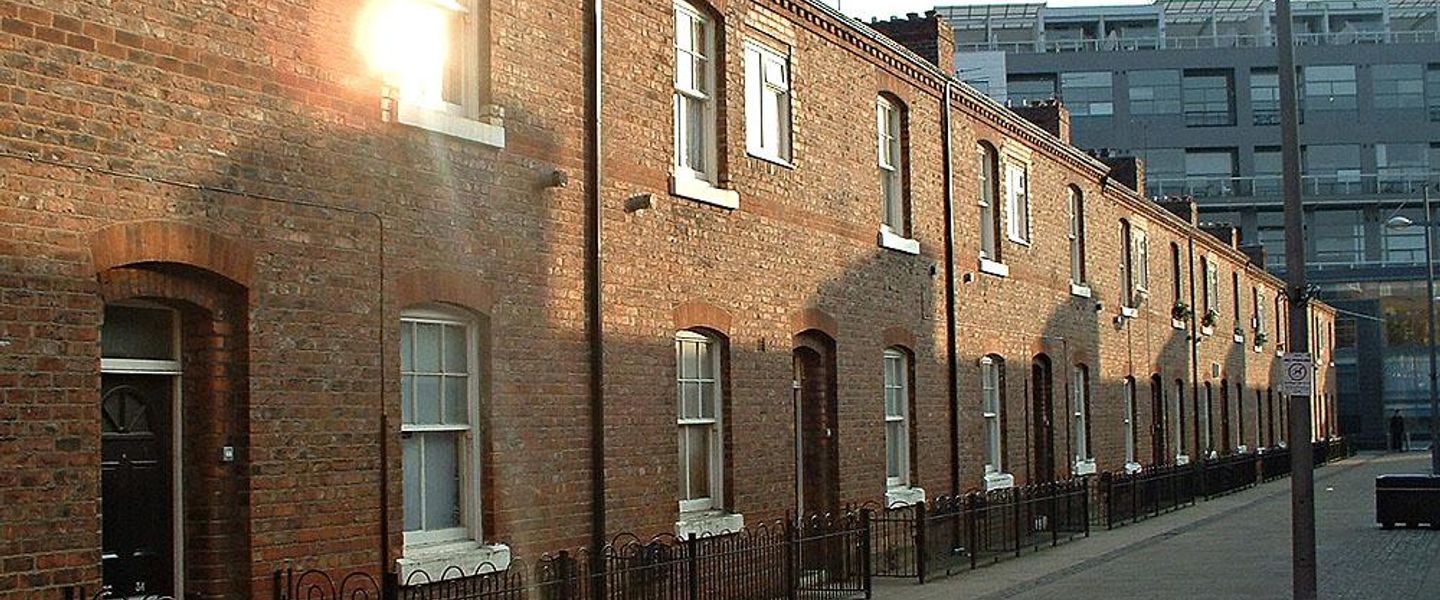


Ancoats, Manchester’s former mill district, blends industrial heritage, canal walks, creative dining, independent bars and design culture near the city centre.
Industrial Origins
Ancoats lies immediately north-east of Manchester city centre, where red-brick mills, narrow streets and the Rochdale Canal record the district’s transformation into one of the world’s earliest industrial suburbs. The neighbourhood grew around cotton spinning, engineering and associated trades, with water, coal and transport infrastructure shaping its dense urban landscape. Today, surviving mill complexes stand beside apartment buildings, cafés, restaurants and converted industrial spaces, creating a district whose past remains unusually visible in everyday surroundings.Read more about Ancoats
Streets and Public Spaces
Food, Culture and Everyday Life
Best attractions in Ancoats
Ancoats’ most compelling attractions are found in its streets and surviving industrial fabric rather than in a single large museum. Cutting Room Square is the neighbourhood’s main public space, with Halle St Peter’s forming a prominent cultural and architectural focus. Around Murray Street, Bengal Street and Jersey Street, former cotton mills and warehouses reveal the scale of the nineteenth-century manufacturing district, while the Rochdale Canal offers a quieter route through the area. Murrays’ Mills, one of the best-known surviving mill complexes, helps visitors understand how spinning, power and canal transport once worked together. The eastern side leads towards New Islington Marina, a nearby waterside development with promenades and modern housing. Street-level cafés, independent restaurants and converted industrial premises add contemporary interest, while the Northern Quarter’s Manchester Craft and Design Centre is close enough to include in a wider walk but is outside Ancoats proper.
-
Archaeological museum
Manchester Museum
Discover ancient giants, global cultures, and vibrant community stories in Manchester’s iconic university museum.
7 min drive · 2.2 km from neighbourhood centre
-
Sculpture
Alan Turing Memorial
A poignant tribute in Manchester’s Sackville Gardens honoring Alan Turing, the father of computer science and a symbol of courage and equality.
16 min walk · 1.3 km from neighbourhood centre
-
Museum
Greater Manchester Police Museum & Archives
Explore authentic Victorian police cells and a historic courtroom in Manchester’s Northern Quarter at the free Greater Manchester Police Museum.
9 min walk · 0.7 km from neighbourhood centre
-
Historical landmark
Mamucium Roman Fort Reconstruction
Explore the reconstructed Roman fort of Mamucium in Manchester, a vivid gateway to Britain’s ancient military and civilian heritage.
7 min drive · 2.3 km from neighbourhood centre


Best landmarks in Ancoats
Ancoats’ landmarks are chiefly the brick industrial buildings that explain its importance in Manchester’s manufacturing history. Murrays’ Mills, beside the Rochdale Canal, is a major surviving mill complex whose interconnected buildings reflect the scale and organisation of cotton spinning. Halle St Peter’s, facing Cutting Room Square, is a former church adapted for cultural use and remains one of the neighbourhood’s most recognisable structures. The canal itself is a defining piece of infrastructure, linking Ancoats to the wider nineteenth-century industrial network. Mill façades, loading details and warehouse forms remain visible along Bengal Street, Jersey Street and Murray Street, even where interiors have been converted. Great Ancoats Street is both a historic approach and a modern traffic boundary, illustrating the tension between the original industrial grid and later urban infrastructure. Together, these places give Ancoats a physical identity distinct from the adjacent Northern Quarter.
-
Historical landmark
Murrays' Mill
Explore Murrays' Mills, Manchester’s pioneering steam-powered cotton mill complex and a cornerstone of the Industrial Revolution’s legacy.
3 min walk · 0.3 km from neighbourhood centre
-
Historical landmark
The Queen's Arch
The Queen's Arch: Manchester’s iconic Gothic gateway to a rich academic and architectural heritage on Oxford Road.
7 min drive · 2.3 km from neighbourhood centre
-
Historical landmark
Great Ancoats Street Tunnel (tram) east portal
Historic tram tunnel portal in Manchester’s industrial Ancoats district, linking past mill heritage with modern urban regeneration.
7 min walk · 0.6 km from neighbourhood centre
-
Historical landmark
Great Ancoats Street Tunnel (tram) west portal
A historic tram tunnel portal in Ancoats, symbolizing Manchester’s industrial heritage and urban transformation.
8 min walk · 0.6 km from neighbourhood centre


Explore Ancoats on the map
A handpicked selection of must-see spots in Ancoats, mapped for you.
Best hotels in Ancoats
Best restaurants in Ancoats
Ancoats has developed one of central Manchester’s most concentrated restaurant scenes, particularly around Cutting Room Square, Radium Street and the streets leading towards Great Ancoats Street. Its food culture ranges from acclaimed modern cooking to pizza, noodles, small plates, bakeries and informal cafés, with dining rooms frequently occupying converted industrial buildings. Mana brought a highly ambitious, contemporary restaurant to the neighbourhood, while Erst is known for seasonal plates and a wine-led format; Rudy’s also has a prominent Ancoats pizzeria. These names sit within a broader scene shaped by Manchester’s cosmopolitan population and the district’s former warehouse character. Meals here are often part of a wider evening spent walking between bars and public spaces, although the area also works for daytime coffee and relaxed lunches. Menus, opening arrangements and booking requirements vary, so visitors should check directly before setting out.
-
Italian
Rudy's Pizza Napoletana - Ancoats
Experience authentic Neapolitan pizza with light, airy crusts and traditional toppings in a lively, rustic setting in Manchester’s Ancoats district.
5 min walk · 0.4 km from neighbourhood centre
-
Italian
SUD Pasta Ancoats
Experience vibrant, handmade Italian pasta and lively communal dining in the heart of Manchester’s trendy Ancoats district.
4 min walk · 0.3 km from neighbourhood centre
-
Modern British
Elnecot
Ancoats' inventive neighbourhood kitchen serving seasonal small plates, epic Sunday roasts, and creative cocktails in industrial-chic surrounds.
5 min walk · 0.4 km from neighbourhood centre
-
Vietnamese
Viet Shack Restaurant
Experience bold Vietnamese street food flavors and vibrant fusion dishes in the heart of Manchester’s creative Ancoats district.
6 min walk · 0.5 km from neighbourhood centre


Best bars in Ancoats
Ancoats’ nightlife is sociable and food-centred rather than dominated by large nightclubs. Around Cutting Room Square, Radium Street and Blossom Street, bars occupy former industrial buildings and serve as meeting places before or after dinner. The Edinburgh Castle on Blossom Street is a long-established pub associated with the neighbourhood, while newer venues such as Jane Eyre represent the area’s contemporary cocktail and drinks culture. Evening activity is strongest around restaurant clusters, with a more residential atmosphere on quieter side streets and along parts of the canal. Ancoats does not have the scale of Manchester’s main club areas, so visitors seeking late-night dancing usually continue towards the city centre or the Northern Quarter. Respect for residents matters, particularly when leaving venues and walking through apartment-lined streets.
-
Pub
SEVEN BRO7HERS BEERHOUSE Ancoats
Craft brews from Salford brothers in buzzing Ancoats: hoppy IPAs, rich stouts, burgers, and beats in a multi-level haven.
5 min walk · 0.4 km from neighbourhood centre
-
Pub
The Crown & Kettle
Grade II-listed Ancoats gem with a world-class tin ceiling, craft beer mastery, and cozy Victorian vibes—Manchester's perfect pub hybrid.
8 min walk · 0.6 km from neighbourhood centre
-
Bar
Jimmy's Manchester
Experience authentic rock ‘n’ roll vibes, hearty American barbecue, and live music in the heart of Manchester’s vibrant Ancoats district.
5 min walk · 0.4 km from neighbourhood centre
-
Pub
The Edinburgh Castle Pub
Historic Ancoats boozer reborn: cosy Victorian pub vibes meet seasonal gastropub mastery and local brews in Manchester's industrial heart.
6 min walk · 0.5 km from neighbourhood centre


Best nightclubs in Ancoats
Ancoats’ nightlife is sociable and food-centred rather than dominated by large nightclubs. Around Cutting Room Square, Radium Street and Blossom Street, bars occupy former industrial buildings and serve as meeting places before or after dinner. The Edinburgh Castle on Blossom Street is a long-established pub associated with the neighbourhood, while newer venues such as Jane Eyre represent the area’s contemporary cocktail and drinks culture. Evening activity is strongest around restaurant clusters, with a more residential atmosphere on quieter side streets and along parts of the canal. Ancoats does not have the scale of Manchester’s main club areas, so visitors seeking late-night dancing usually continue towards the city centre or the Northern Quarter. Respect for residents matters, particularly when leaving venues and walking through apartment-lined streets.
-
Nightclub
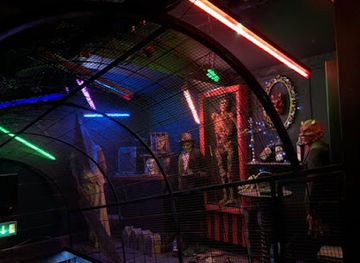
Satans Hollow
Descend into Manchester's demonic den of punk, rock, and metal where gothic horrors frame epic nights of mosh pits, cheap pints, and unrelenting riffs.
17 min walk · 1.4 km from neighbourhood centre
-
Nightclub
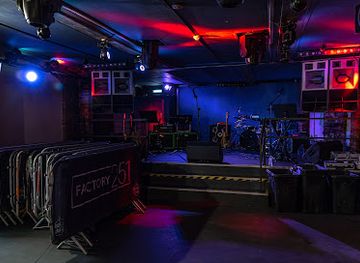
FAC251 - Factory Manchester
Dance through Manchester's Madchester legacy in a three-floor haven of R&B, indie anthems, and pounding drum & bass—Factory Records' spirit reborn nightly until dawn.
5 min drive · 1.5 km from neighbourhood centre
-
Nightclub
Venue Nightclub
Manchester's indie underground haven: cheap drinks, packed dance floors, and non-stop retro-indie anthems from Thursday to Saturday.
5 min drive · 1.8 km from neighbourhood centre
-
Night Club
Viva Manchester
Compact stage-driven nightclub on Whitworth Street West — theatrical themed nights, DJ sets and group-friendly table service.
5 min drive · 1.8 km from neighbourhood centre


Best shops in Ancoats
Shopping in Ancoats is relatively limited and tends to be secondary to its restaurants, cafés and residential development. Visitors will find small independent businesses, food-related retail and design-oriented enterprises within or near converted industrial buildings, but the neighbourhood is not a traditional shopping district with a single established market street. The closest substantial specialist retail experience is the Manchester Craft and Design Centre on Oak Street, just across the boundary in the Northern Quarter, where studios and shops showcase work by independent makers. Great Ancoats Street and adjacent city-centre routes provide everyday services, while the Northern Quarter offers a broader concentration of vintage clothing, records, books and independent boutiques. Ancoats’ commercial character is therefore best understood through adaptive reuse: former mills and warehouses now accommodate creative businesses, hospitality and local services rather than a historic retail market of its own.
-
Shopping Centre
Urban Exchange
Manchester's Ancoats shopping hub: outlet bargains, diverse retail, and urban energy in a revitalized industrial heart.
6 min walk · 0.5 km from neighbourhood centre
-
General Store
Ancoats General Store
A modern corner shop in Ancoats mixing everyday essentials with craft beers, vegan options, coffee and an in‑store post office.
6 min walk · 0.5 km from neighbourhood centre
-
Gift shop
Nordic Muse Lifestyle Store
A compact Northern Quarter boutique delivering minimalist Nordic jewellery and homewares in a calm, curated setting.
9 min walk · 0.7 km from neighbourhood centre
-
Clothing Shop
Twisted Smile
Discover eclectic style at Twisted Smile, Ancoats' boutique beacon of unique apparel amid Manchester's creative revival. Curated finds and expert advice await in this urban fashion haven. (162 characters)
4 min walk · 0.3 km from neighbourhood centre


Ancoats essentials
Getting There
Getting Around
Safety
Emergency Situations
Do's and Don'ts
Local Tips

From Eve
Local phrases worth knowing
You don't need to get them perfect. A few words go a long way, and locals appreciate the effort.
Basics
| English | Local | Say it |
|---|---|---|
| Hello | Ay up | [Aye up] |
| Goodbye | Ta-ra | [Ta-ra] |
| Yes | Aye | [Aye] |
| No | Nah | [Nah] |
| Please/You're welcome | Ta | [Ta] |
| Thank you | Cheers | [Cheers] |
| Excuse me/Sorry | Pardon | [Pardon] |
| How are you? | Y'oright? | [Y'oright?] |
| Fine. And you? | Sound. Yerself? | [Sound. Yerself?] |
| Do you speak English? | Y' talk English? | [Y' talk English?] |
| I don't understand | I don't get ya | [I don't get ya] |
Eating & Drinking
| English | Local | Say it |
|---|---|---|
| I'd like to see the menu, please | Can I 'ave a butchers at the menu, please | [Can I 'ave a butchers at the menu, please] |
| I don't eat meat | I don't do meat | [I don't do meat] |
| Cheers! | Chin-chin! | [Chin-chin!] |
| I would like to pay, please | Can I settle up, please | [Can I settle up, please] |
Emergencies
| English | Local | Say it |
|---|---|---|
| Help! | Eeelp! | [Eeelp!] |
| Go away! | Clear off! | [Clear off!] |
| Call the Police! | Ring the bizzies! | [Ring the bizzies!] |
| Call a doctor! | Get a quack round 'ere! | [Get a quack round 'ere!] |
| I'm lost | I'm all over the shop | [I'm all over the shop] |
| I'm ill | I'm poorly | [I'm poorly] |
Shopping
| English | Local | Say it |
|---|---|---|
| I'd like to buy... | I'm after... | [I'm after...] |
| I'm just looking | I'm just 'avin a gander | [I'm just 'avin a gander] |
| How much is it? | How much? | [How much?] |
| That's too expensive | Nah, that's dear | [Nah, that's dear] |
| Can you lower the price? | Can you 'ave a word? | [Can you 'ave a word?] |
Time & Numbers
| English | Local | Say it |
|---|---|---|
| What time is it? | What's the time? | [What's the time?] |
| It's one o'clock | It's one | [It's one] |
| Half past (10) | Half ten | [Half ten] |
| Morning | Mornin' | [Mornin'] |
| Afternoon | Arvo | [Arvo] |
| Evening | Evenin' | [Evenin'] |
| Yesterday | Yest'day | [Yest'day] |
| Today | Today | [Today] |
| Tomorrow | Tomorrer | [Tomorrer] |
| 1 | One | [One] |
| 2 | Two | [Two] |
| 3 | Three | [Three] |
| 4 | Four | [Four] |
| 5 | Five | [Five] |
| 6 | Six | [Six] |
| 7 | Seven | [Seven] |
| 8 | Eight | [Eight] |
| 9 | Nine | [Nine] |
| 10 | Ten | [Ten] |
Transport & Directions
| English | Local | Say it |
|---|---|---|
| Where's a/the...? | Where's...? | [Where's...?] |
| What's the address? | Wot's the gaff? | [Wot's the gaff?] |
| Can you show me (on the map)? | Can you point me in the right direction? | [Can you point me in the right direction?] |
| When's the next (bus)? | When's the next bus due? | [When's the next bus due?] |
| A ticket (to ....) | A ticket (to ...) | [A ticket (to ...)] |
History of Ancoats
From Fields to Industrial Suburb
Before industrialisation, the area north-east of Manchester was largely open land, but Ancoats changed rapidly from the late eighteenth century as factories, workers’ housing and transport routes expanded beyond the medieval town. The district took its name from Ancoats Hall, a house associated with the area before the mill-building boom. Its position near the Rochdale Canal, which opened through Manchester in 1804, helped attract cotton spinning and related manufacture. By the nineteenth century, dense streets and tall brick mills had replaced much of the earlier rural landscape, making Ancoats a defining part of Manchester’s industrial growth.
Mills, Canals and Working Lives
Nineteenth-century Ancoats developed as a tightly connected manufacturing district, with cotton mills, engineering works, warehouses, workshops and rows of working-class housing occupying a compact area. Complexes such as Murrays’ Mills grew beside the Rochdale Canal and used steam power to sustain large-scale spinning. The neighbourhood attracted workers from across Britain and, later, migrant communities whose presence shaped local shops, religious life and street culture. Churches, schools, markets and welfare institutions formed part of this industrial environment, while the canal and nearby railway connections linked Ancoats to wider commercial networks.
Industrial Decline and Urban Separation
The twentieth century brought severe change as overseas competition, economic restructuring and the decline of cotton manufacturing reduced employment in Ancoats. Mills and warehouses lost their original functions, many buildings deteriorated and parts of the residential fabric were cleared. The construction and widening of major roads, including Great Ancoats Street, reinforced the separation between the neighbourhood and the city centre. Former industrial premises continued to provide workshops and small businesses in places, but the area’s population and economic activity fell substantially before regeneration became a central urban priority.
Regeneration and Reuse
From the late twentieth century onwards, conservation and redevelopment increasingly recast Ancoats as an inner-city neighbourhood. Historic structures including Murrays’ Mills and Halle St Peter’s were repaired or adapted, while new apartments, offices, restaurants and public spaces appeared around Cutting Room Square and the canal. The regeneration brought investment and restored architectural visibility, but it also changed land values, housing patterns and the mix of businesses. Contemporary Ancoats therefore combines protected industrial remnants with new construction, retaining evidence of its manufacturing past while functioning as one of Manchester’s expanding central residential and creative districts.
Ancoats in Photos
Browse through our photo collection highlighting the charm and character of the destination.
Neighbourhoods near Ancoats
The closest neighbourhoods to Ancoats, if you have time for more than one stop.
-

-

-


Swipe for more neighbourhoods
Explore more

Explore more of Manchester
Manchester blends industrial heritage, world-class football, music history, galleries and Northern Quarter culture with lively food, shopping and nightlife.
Explore Manchester