

Northern Quarter (Manchester) Travel Guide - Free
Explore Northern Quarter in Manchester with Evendo's free guide. Find the best shops, historic streets, restaurants, and gems on web or mobile.


Northern Quarter in Manchester blends street art, independent shops, live music and creative cafés across historic warehouses near the city centre.
Warehouse Streets and Urban Texture
Northern Quarter is a compact, informally defined district immediately north-east of Manchester city centre, best understood through its dense sequence of former textile warehouses, narrow streets and lively public spaces. Oldham Street, Tib Street, Thomas Street, Dale Street and Lever Street form its main walking routes, with red-brick façades, tall windows and converted upper floors revealing the area’s nineteenth-century commercial past. Stevenson Square provides a central meeting place, while painted shutters, murals and graphic shopfronts give many corners a distinctly contemporary surface.Read more about Northern Quarter
Independent Culture and Everyday Life
Exploring the Quarter
Best attractions in Northern Quarter
The Northern Quarter is best explored as a walkable collection of streets, interiors and changing urban details rather than as a district built around one monument. Afflecks, in the former Affleck’s Palace building on Church Street, is a multi-level independent marketplace of fashion, lifestyle goods and small creative businesses. The Manchester Craft and Design Centre occupies the former Smithfield Market buildings on Oak Street, where visitors can browse studios, galleries and workshops. Stevenson Square is the neighbourhood’s principal public focus, surrounded by bars, cafés, murals and distinctive warehouse façades. Oldham Street and Tib Street offer the most concentrated mix of independent retail and city-centre street life, while Thomas Street and Dale Street reveal more converted industrial architecture. Street art appears across walls, shutters and gables, although it is continually repainted or replaced, making the district’s visual experience change over time.
-
Sculpture
Alan Turing Memorial
A powerful bronze tribute in Manchester’s Sackville Gardens honoring Alan Turing’s genius, legacy, and enduring fight for equality.
9 min walk · 0.8 km from neighbourhood centre
-
Escape room centre
Breakout Manchester Church Street
Challenge your mind and teamwork skills in Manchester’s premier escape room centre with diverse, immersive themed adventures.
3 min walk · 0.2 km from neighbourhood centre
-
Historical landmark
Mamucium Roman Fort Reconstruction
Explore the reconstructed Roman fort that founded Manchester, revealing ancient military life and early urban settlement in Castlefield.
5 min drive · 1.6 km from neighbourhood centre
-
Tourist attraction
The Makers Market
Discover Manchester’s creative pulse at The Makers Market, where artisan crafts, street food, and live music unite in the vibrant Northern Quarter.
2 min walk · 0.2 km from neighbourhood centre



Best landmarks in Northern Quarter
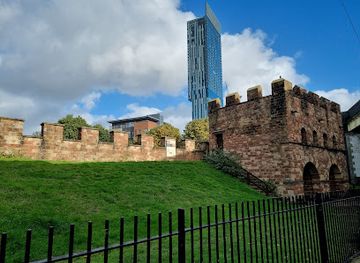
The Northern Quarter’s principal landmarks are its surviving commercial buildings and the urban pattern they create. The former Smithfield Market complex on Oak Street, now home to the Manchester Craft and Design Centre, preserves a direct connection with the district’s nineteenth-century market history. Afflecks is another defining building: its long-running independent retail identity has made the former department-store premises a cultural reference point for the area. Around Oldham Street, Tib Street, Dale Street and Lever Street, tall brick warehouses, loading openings and large upper-floor windows reveal the requirements of textile commerce and storage. Stevenson Square functions as the neighbourhood’s symbolic civic space, framed by converted industrial buildings and contemporary murals. These places matter less as isolated monuments than as evidence of the Northern Quarter’s transformation from a trading district into a creative and entertainment quarter.
-
Museum
Greater Manchester Police Museum & Archives
Step inside a historic Victorian police station and magistrates court to explore Greater Manchester’s rich policing history and archives.
1 min walk · 0.1 km from neighbourhood centre
-
Historical landmark
Hotspur House
Historic Hotspur House blends Manchester’s industrial past with bold modern redevelopment, preserving heritage amid vibrant urban renewal.
17 min walk · 1.4 km from neighbourhood centre
-
Historical landmark
Remains of eastern wall of the Roman fort
Explore the ancient eastern wall remains of Mamucium, a Roman fort that laid the foundations of Manchester’s rich historical tapestry.
5 min drive · 1.7 km from neighbourhood centre
-
Historical landmark
The Queen's Arch
A majestic Gothic sandstone gateway marking the historic entrance to the University of Manchester’s vibrant and scholarly campus.
6 min drive · 2.0 km from neighbourhood centre


Explore Northern Quarter on the map
A handpicked selection of must-see spots in Northern Quarter, mapped for you.
Best hotels in Northern Quarter
Best restaurants in Northern Quarter
Dining in the Northern Quarter reflects the district’s independent, late-opening character, with cafés, bakeries, casual restaurants and bars occupying former warehouses along Oldham Street, Thomas Street, Dale Street and the lanes around Stevenson Square. The choice ranges from quick daytime meals and coffee to informal dinners, vegetarian-friendly menus and internationally influenced cooking, alongside the city’s broader British and global dining culture. Many venues make use of compact ground-floor spaces or upper floors above shops, giving the area a more intimate feel than Manchester’s larger commercial developments. Night & Day Café is primarily associated with live music but also forms part of the neighbourhood’s casual food-and-drink scene. Visitors should distinguish the Northern Quarter’s own independent cluster from the restaurants of nearby Ancoats and the central retail district, where the selection and atmosphere are different.
-
Caribbean
Turtle Bay Manchester Northern Quarter
Experience vibrant Caribbean flavors and lively island vibes in Manchester’s Northern Quarter at Turtle Bay.
1 min walk · 0.1 km from neighbourhood centre
-
Restaurant
Trof Northern Quarter
A cozy, layered Northern Quarter gem serving hearty British comfort food with classic cocktails and an eclectic vibe in Manchester’s vibrant heart.
5 min walk · 0.4 km from neighbourhood centre
-
Mexican
Liquor and Burn
Experience bold Mexican street food and vibrant cocktails in Manchester’s artistic Northern Quarter at Luck Lust Liquor & Burn.
4 min walk · 0.3 km from neighbourhood centre
-
Tapas bar
Evuna NQ
Experience authentic Spanish tapas and vibrant hospitality in Manchester’s Northern Quarter at Evuna NQ, a lively hub for food, wine, and culture.
2 min walk · 0.1 km from neighbourhood centre



Best bars in Northern Quarter
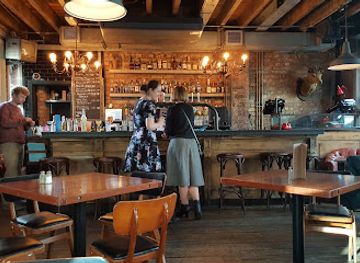
After dark, the Northern Quarter becomes one of central Manchester’s most recognisable areas for informal drinking, live music and small-venue entertainment. Stevenson Square, Thomas Street, Oldham Street and the surrounding lanes contain pubs, cocktail bars, beer-focused venues and places whose atmosphere shifts from conversation-led evenings to busier late-night sessions. Night & Day Café has a long association with emerging and established live music, while other venues contribute DJ nights, comedy, cultural events or intimate performances rather than large-club spectacle. The district’s nightlife is spread through converted commercial buildings, so entrances can be easy to miss and stair access is common. It is also a residential neighbourhood, making considerate departures, careful street behaviour and attention to venue-specific arrangements important.
-
Bar
Gorilla
Manchester's ultimate hybrid haunt: brunch by day, beats by night in a funky bar-club fusion with live gigs and roasts.
15 min walk · 1.2 km from neighbourhood centre
-
Bar
Cane & Grain
A lively Northern Quarter bar serving authentic Southern soul food and craft cocktails in a vibrant, rustic setting.
3 min walk · 0.2 km from neighbourhood centre
-
Bar
Night & Day Cafe
Manchester's intimate live music heartbeat in the Northern Quarter—where legends launched and nights ignite with raw indie energy.
2 min walk · 0.2 km from neighbourhood centre
-
Bar
NQ64 Northern Quarter
Retro arcade bar blasting 80s-90s nostalgia with neon cocktails, token games, and basement buzz in Manchester's Northern Quarter.
3 min walk · 0.3 km from neighbourhood centre


Best nightclubs in Northern Quarter
After dark, the Northern Quarter becomes one of central Manchester’s most recognisable areas for informal drinking, live music and small-venue entertainment. Stevenson Square, Thomas Street, Oldham Street and the surrounding lanes contain pubs, cocktail bars, beer-focused venues and places whose atmosphere shifts from conversation-led evenings to busier late-night sessions. Night & Day Café has a long association with emerging and established live music, while other venues contribute DJ nights, comedy, cultural events or intimate performances rather than large-club spectacle. The district’s nightlife is spread through converted commercial buildings, so entrances can be easy to miss and stair access is common. It is also a residential neighbourhood, making considerate departures, careful street behaviour and attention to venue-specific arrangements important.
-
Nightclub
Twenty Twenty Two
Manchester's gritty basement haven where ping pong battles rage under DJ beats and craft brews flow freely in the Northern Quarter's creative underbelly.
2 min walk · 0.2 km from neighbourhood centre
-
Night Club
Hidden at Downtex Mill
Manchester's raw warehouse nightclub in a historic mill: underground beats, graffiti vibes, and all-night raves in exposed industrial glory.
17 min walk · 1.3 km from neighbourhood centre
-
Nightclub
Via Manchester
Canal Street's moody nightclub haven: drag shows, DJ beats, canal cocktails, and hearty bites in Manchester's vibrant Gay Village.
9 min walk · 0.7 km from neighbourhood centre
-
Nightclub
Venue Nightclub
Manchester's retro indie nightclub where funk, soul, and anthems pack the dance floor amid affordable drinks and themed nights that pulse till dawn.
13 min walk · 1.1 km from neighbourhood centre


Best shops in Northern Quarter
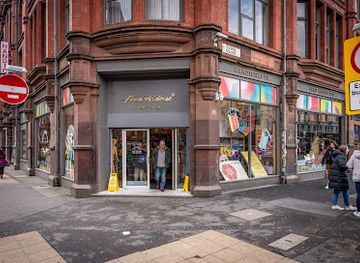
Shopping in the Northern Quarter is centred on independent and specialist retail rather than conventional department stores. Afflecks is the best-known destination, bringing together small traders selling clothing, accessories, alternative fashion, records, gifts and other lifestyle goods within a former department-store building. Oldham Street and Tib Street contain a changing mix of independent fashion shops, vintage businesses, cafés and specialist retailers, while the streets around the Manchester Craft and Design Centre offer locally made jewellery, ceramics, prints and design objects through studios and galleries. The neighbourhood’s retail character comes from its small units, individual businesses and creative presentation, so stock and occupiers can change more quickly than in major shopping centres. Nearby Market Street and the Arndale centre belong to the wider city-centre retail core rather than to the Northern Quarter itself.
-
Shopping Centre
Manchester Arndale Shopping Centre
Discover the UK's largest city-centre shopping haven: endless stores, vibrant eats, and Manchester's unbeatable retail buzz all in one spot.
7 min walk · 0.5 km from neighbourhood centre
-
Gift shop
Fred Aldous Ltd
Manchester's 138-year-old family emporium of art, craft, and quirky delights in the Northern Quarter—where color, creativity, and vintage vibes fuel every maker's imagination.
1 min walk · 0.1 km from neighbourhood centre
-
Shopping Centre
Urban Exchange
Manchester's Ancoats shopping hub where outlet deals meet industrial chic and canal-side revival.
5 min walk · 0.4 km from neighbourhood centre
-
Gift shop
Nordic Muse Lifestyle Store
A quietly curated Northern Quarter boutique for simple, well-crafted jewellery and Nordic-inspired homeware.
2 min walk · 0.1 km from neighbourhood centre



Northern Quarter essentials
Getting There
Getting Around
Safety
Emergency Situations
Do's and Don'ts
Local Tips

From Eve
Local phrases worth knowing
You don't need to get them perfect. A few words go a long way, and locals appreciate the effort.
Basics
| English | Local | Say it |
|---|---|---|
| Hello | Alright | [al-right] |
| Goodbye | Ta-ra | [ta-ra] |
| Yes | Aye | [aye] |
| No | Nah | [nah] |
| Please/You're welcome | Cheers | [cheers] |
| Thank you | Ta | [ta] |
| Excuse me/Sorry | Sorry, mate | [sorry, mate] |
| How are you? | How's it going? | [hows it goin] |
| Fine. And you? | Sound. You? | [sound. you] |
| Do you speak English? | D'ya speak English? | [dya speak English] |
| I don't understand | I'm lost | [im lost] |
Eating & Drinking
| English | Local | Say it |
|---|---|---|
| I'd like to see the menu, please | Can I see the menu, mate? | [can I see the menu, mate] |
| I don't eat meat | I'm veggie | [im veggie] |
| Cheers! | Cheers! | [cheers] |
| I would like to pay, please | Can I pay, please | [can I pay, please] |
Emergencies
| English | Local | Say it |
|---|---|---|
| Help! | Help! | [help] |
| Go away! | Sod off! | [sod off] |
| Call the Police! | Ring the Old Bill! | [ring the old bill] |
| Call a doctor! | Get a quack! | [get a quack] |
| I'm lost | I'm gone | [im gone] |
| I'm ill | I'm poorly | [im poorly] |
Shopping
| English | Local | Say it |
|---|---|---|
| I'd like to buy... | I wanna buy... | [I wanna buy] |
| I'm just looking | Just browsing | [just browsing] |
| How much is it? | How much? | [how much] |
| That's too expensive | That's steep | [thats steep] |
| Can you lower the price? | Can you do us a deal? | [can you do us a deal] |
Time & Numbers
| English | Local | Say it |
|---|---|---|
| What time is it? | What's the time? | [whats the time] |
| It's one o'clock | It's one | [its one] |
| Half past (10) | Half ten | [half ten] |
| Morning | Morning | [morning] |
| Afternoon | Afternoon | [afternoon] |
| Evening | Evening | [evening] |
| Yesterday | Yesterday | [yesterday] |
| Today | Today | [today] |
| Tomorrow | Tomorrow | [tomorrow] |
| 1 | One | [one] |
| 2 | Two | [two] |
| 3 | Three | [three] |
| 4 | Four | [four] |
| 5 | Five | [five] |
| 6 | Six | [six] |
| 7 | Seven | [seven] |
| 8 | Eight | [eight] |
| 9 | Nine | [nine] |
| 10 | Ten | [ten] |
Transport & Directions
| English | Local | Say it |
|---|---|---|
| Where's a/the...? | Where's the...? | [wheres the] |
| What's the address? | What's the address? | [whats the address] |
| Can you show me (on the map)? | Can you show me? | [can you show me] |
| When's the next (bus)? | When's the next (bus)? | [whens the next bus] |
| A ticket (to ....) | A ticket | [a ticket] |
History of Northern Quarter
From Fields to Industrial Manchester
The area now known as the Northern Quarter developed outside Manchester’s medieval core as the town expanded during the eighteenth and nineteenth centuries. Its modern character was shaped by industrialisation, especially the growth of textile commerce and manufacturing in the wider city. Warehouses, workshops, offices and shops replaced earlier open land and smaller buildings, creating the dense urban grain still visible along streets such as Oldham Street, Tib Street and Dale Street. The district’s name is a relatively recent description rather than an ancient historic title; earlier maps and addresses generally identified individual streets or parts of the township rather than a formally bounded Northern Quarter.
Markets, Warehouses and Trade
During the nineteenth century, the district became closely linked to Manchester’s textile economy and the movement of goods through the city. Victorian commercial buildings provided space for wholesalers, manufacturers, retailers and market activity, while nearby streets connected the area to the expanding transport and trading network. The former Smithfield Market, opened in the nineteenth century on the northern side of the district, was an important food-market complex whose buildings and trading history helped define this part of Manchester, even though much of the original market fabric has since disappeared. The surviving warehouses preserve the scale and materials of that commercial era.
Decline and Post-Industrial Change
As textile production and wholesale trade changed during the twentieth century, many Northern Quarter buildings lost their original commercial functions. Some premises became vacant or were used for less intensive storage and small businesses, while the city centre’s retail and office development concentrated elsewhere. From the late twentieth century, artists, musicians, independent retailers and other small enterprises began occupying comparatively adaptable, often inexpensive spaces. This gradual shift helped establish the district’s association with alternative culture, live music and independent commerce, without erasing its industrial architecture.
A Contemporary Cultural District
The Northern Quarter’s late twentieth- and early twenty-first-century regeneration built on existing independent activity rather than a single master-planned redevelopment. Afflecks became a prominent home for small traders and creative businesses, and the Manchester Craft and Design Centre developed within the former Smithfield Market buildings. Cafés, bars, venues and design-led businesses followed, bringing increased footfall and investment. The resulting district is commercially successful but still shaped by the older warehouse grid, visible remnants of market infrastructure and a mix of creative, residential and evening uses. Its contemporary identity remains closely tied to independent enterprise and music culture.
Northern Quarter in Photos
Browse through our photo collection highlighting the charm and character of the destination.
Neighbourhoods near Northern Quarter
The closest neighbourhoods to Northern Quarter, if you have time for more than one stop.
-

-

-


Swipe for more neighbourhoods
Explore more

Explore more of Manchester
Manchester blends industrial heritage, world-class football, music history, galleries and Northern Quarter culture with lively food, shopping and nightlife.
Explore Manchester