Chelsea Bridge, Middlesex Travel Guide
A striking self-anchored suspension bridge over the Thames, linking Chelsea and Battersea with historic charm and dazzling night illumination.
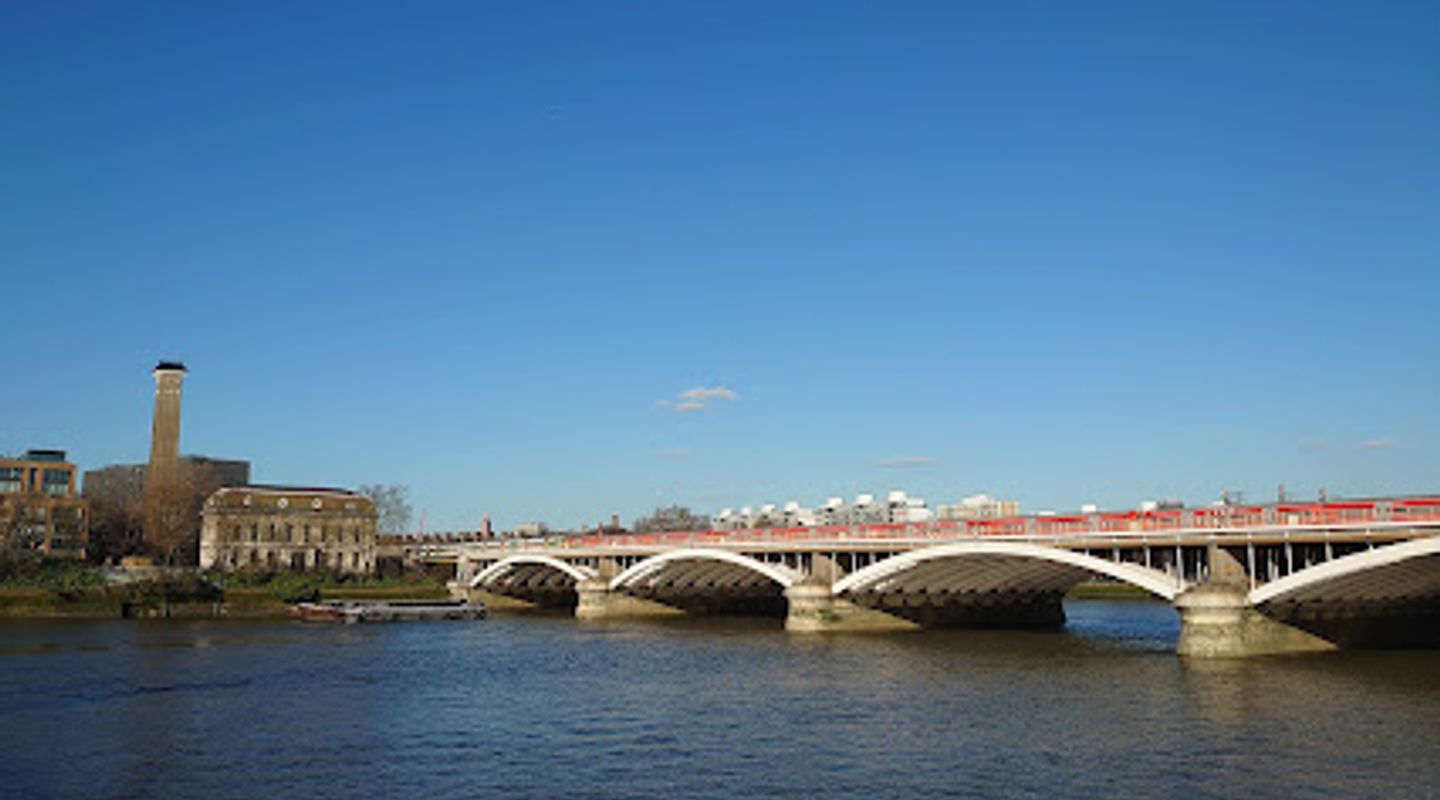
Chelsea Bridge is a Grade II listed self-anchored suspension bridge spanning the River Thames in West London. Connecting Chelsea on the north bank to Battersea on the south, it features distinctive floodlighting and offers scenic views of the river and nearby landmarks. The current bridge, opened in 1937, replaced an earlier 19th-century structure and stands as an engineering landmark and a vital link between vibrant urban areas.
A brief summary to Chelsea Bridge
- Chelsea Bridge Rd, London, SW3 4SL, GB
- Duration: 0.5 to 1.5 hours
- Free
-
 Outdoor
- Mobile reception: 4 out of 5

Know before you go
Hi, I'm Eve. Here are a few practical things to know before exploring Chelsea Bridge.
- Visit at dusk or night to enjoy the bridge’s spectacular LED floodlighting.
- Walk across to Battersea Park for a refreshing riverside green space experience.
- Bring a camera to capture panoramic views of the Thames and Battersea Power Station.
- Explore the nearby Chelsea Bridge Wharf for modern riverside architecture and dining.
Do you manage this location?
Take control to get all the benefits, like improved information, better appearance, and stronger visibility across AI-powered discovery. Learn more about listing your business on Evendo
Activate your presenceOther nearby places you may find interesting
The closest places of the same kind, if this one is not quite what you had in mind.
Explore Chelsea Bridge on the Map
A handpicked selection of must-see spots near Chelsea Bridge, mapped for you.
Getting There
-
Public Transport
Take the London Underground to Sloane Square station (District and Circle lines), then walk approximately 15 minutes south along Chelsea Bridge Road to the bridge. The journey takes about 30–40 minutes from central London and costs £2.50–£5.00 with an Oyster or contactless card.
-
Bus
Bus routes 137 and 452 serve Chelsea Bridge Road, with stops near the bridge. Buses run frequently during the day, with a journey time of 20–35 minutes from Victoria Station. Single fares cost around £1.75–£2.50.
-
Taxi or Rideshare
A taxi or rideshare from central London to Chelsea Bridge typically takes 15–30 minutes depending on traffic. Expect fares around £10–£20. Note that parking near the bridge is limited and often restricted.
-
Walking
If staying nearby, walking to Chelsea Bridge offers scenic riverside views and takes about 10–20 minutes from Battersea Park or Chelsea Harbour. The walk is mostly flat and accessible.
For the on-the-go comforts that matter to you
-
 Seating Areas
-
 Information Boards
Discover more about Chelsea Bridge
Engineering Marvel and Historical Evolution
Chelsea Bridge is a rare example of a self-anchored suspension bridge, the first of its kind built in Britain. The current structure, completed in 1937 and designed by G Topham Forrest and E P Wheeler, replaced the original 1858 bridge initially named Victoria Bridge. The bridge’s construction was part of a Great Depression-era initiative to boost employment in Battersea and stimulate international trade, sourcing materials from across the British Empire. Its unique design features a 40-foot-wide roadway flanked by two 12-foot-wide cantilevered pavements, making it wider than many other Thames crossings.Architectural and Visual Significance
The bridge is renowned for its striking floodlighting scheme, which illuminates its towers and cables with 936 feet of LED lights, creating a spectacular nighttime display. This lighting preserves the character of the original incandescent lamps while using sustainable technology. Chelsea Bridge’s graceful curve extends 33 feet over the riverbank, enhancing its visual appeal. It connects the affluent Chelsea district with Battersea Park and the redeveloping Battersea Power Station area, offering panoramic views of the Thames and nearby landmarks.Setting and Surrounding Environment
Situated between the City of Westminster, the London Borough of Wandsworth, and the Royal Borough of Kensington and Chelsea, the bridge links diverse urban neighborhoods. On the southern side lies Battersea Park, a large green space with original 19th-century landscaping and animal enclosures, while the northern side opens onto Chelsea’s historic riverside and former industrial sites. The nearby Chelsea Bridge Wharf development adds a modern residential element to the riverside, reflecting ongoing regeneration efforts.Cultural and Historical Context
The site of Chelsea Bridge is historically significant, believed to be near an ancient ford and possibly the location where Julius Caesar first crossed the Thames in 54 BC. The bridge’s history reflects London’s industrial past and evolving urban landscape. It was one of only two London bridges funded directly by public money, although tolls were briefly introduced. Its Grade II listing since 2008 protects its architectural integrity and historical importance.Visitor Experience and Significance
Chelsea Bridge serves as both a functional transport link and a scenic viewpoint. Pedestrians enjoy views of the river, Battersea Park, and the iconic Battersea Power Station redevelopment. The bridge forms part of the Thames Path, a popular walking route along the river. Its floodlit presence at night adds to London’s illuminated river landscape, making it a photogenic spot for visitors and locals alike.Future and Regeneration
The surrounding area is undergoing significant transformation, with Battersea Power Station’s redevelopment and new riverside residential projects enhancing the locale. Chelsea Bridge is integral to these plans, expected to become a key part of the public riverfront once redevelopment is complete, linking communities and enhancing access to the Thames.












Your all‑in‑one travel companion app
Explore expert travel guides, compare and book tours, experiences, hotels, and more—all from the palm of your hand. Download now for seamless trip planning wherever your wanderlust takes you.


Explore More of Middlesex
Looking beyond Chelsea Bridge? Discover Middlesex for broader travel guides, local hot-spots, and regional highlights.
Explore Middlesex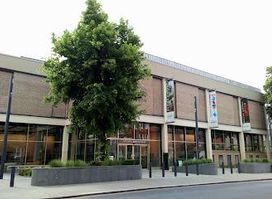
Free-entry museum in Chelsea tracing the British Army’s history through galleries, archives, and family-friendly displays in a calm indoor setting.
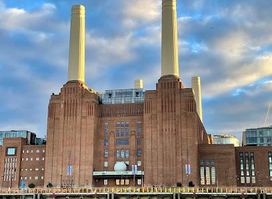
A restored London power station where chimneys, turbine halls, shops, restaurants, and Thames views create a distinctive riverside day out.