

Leytonstone Underground Station: Gateway to East London’s Cultural Heart
A vibrant transport hub blending modernist architecture and iconic Hitchcock mosaics in East London’s Leytonstone.
Leytonstone Underground Station, located in East London’s Bushwood area, is a key stop on the Central line, straddling fare zones 3 and 4. Known for its striking post-war modernist architecture and vibrant mosaics celebrating local film legend Alfred Hitchcock, the station serves as a vital transport hub and a cultural landmark. It blends historical significance with artistic charm, offering travelers both practical connectivity and a glimpse into Leytonstone’s rich heritage.
A brief summary to Leytonstone
- Leytonstone Station Underground Ltd, Church Ln, London, Bushwood, E11 1HE, GB
- +443432221234
- Visit website
- Duration: 0.5 to 1.5 hours
- Free
-
 Indoor
- Mobile reception: 5 out of 5
Local tips
- Take time to admire the Alfred Hitchcock mosaics in the station corridors, a unique artistic tribute to the director’s Leytonstone roots.
- Use Leytonstone as a gateway to explore the nearby Leytonstone Arts Trail and local cultural festivals.
- Check Night Tube schedules if traveling late on Fridays or Saturdays for convenient 24-hour Central line service.
- Note that the station straddles fare zones 3 and 4, so plan your ticket accordingly to avoid extra charges.

For the on-the-go comforts that matter to you
- Restrooms
- Seating Areas
- Information Boards
Getting There
-
London Underground
Take the Central line to Leytonstone Station, with frequent services running approximately every 5 minutes during peak times. The journey from central London stations like Oxford Circus typically takes 20-30 minutes. The station is fully accessible with step-free access available. Standard London Underground fares apply.
-
Bus
Several London bus routes serve Leytonstone Station, including routes 66, 145, 257, and W14. Buses run regularly throughout the day, with journey times varying depending on traffic but typically ranging from 15 to 40 minutes from nearby areas. Contactless payment and Oyster cards are accepted.
-
Taxi or Rideshare
Taxis and rideshare services like Uber can drop you directly at Leytonstone Station. Travel times vary by departure point and traffic, generally between 15 and 40 minutes from central London. Expect fares starting around £15-£30 depending on distance and time of day.
Leytonstone location weather suitability
-
 Any Weather
-
 Rain / Wet Weather
-
 Clear Skies
-
 Mild Temperatures
Discover more about Leytonstone
Architectural and Historical Significance of Leytonstone Station
Leytonstone Underground Station stands as a notable example of post-war modernist architecture designed by Thomas Bilbow for London Transport, completed in 1947. This reconstruction was part of the Central line extension and replaced earlier structures damaged during World War II. The station’s design reflects the era’s emphasis on functionality combined with clean, modern lines, marking a transition in London’s transport architecture. Originally opened in 1856 as part of the Eastern Counties Railway, Leytonstone evolved from a rural stop into a bustling suburban gateway, reflecting the growth of East London through the 19th and 20th centuries.The Central Line and Transport Connectivity
Leytonstone serves as a crucial node on the Central line, positioned between Leyton and Snaresbrook stations, and acts as the last stop before the line splits toward Epping or the Fairlop Loop via Hainault. It lies on the boundary of fare zones 3 and 4, making it a strategic point for commuters traveling to central London or Essex. The station also functions as a terminus for some westbound services. Since 2016, it has been part of the Night Tube network, offering 24-hour service on Fridays and Saturdays, enhancing its role as a vital transport link for both daily commuters and night-time travelers.Alfred Hitchcock Mosaics: Art Celebrating a Local Legend
One of Leytonstone Station’s most distinctive features is the series of vibrant mosaics that adorn its entrance corridors. Created by the Greenwich Mural Workshop and unveiled in 2001, these mosaics commemorate Alfred Hitchcock, the famed film director born in Leytonstone in 1899. Comprising over 80,000 tiny colored tiles, the artworks depict iconic scenes from Hitchcock’s films and moments from his life, offering a unique cultural experience that connects visitors to the area’s artistic heritage. This installation transforms the station from a mere transit point into a gallery celebrating cinematic history.Community and Cultural Impact in Leytonstone
Beyond its transport function, Leytonstone Station is embedded in a community known for its vibrant arts scene and cultural events. The station’s mosaics tie into the broader Leytonstone Arts Trail and the annual Leytonstone Festival, which showcase local artists and foster community spirit. The area’s history includes notable events such as the M11 Link Road protests and ongoing cultural celebrations that highlight Leytonstone’s dynamic character as a hub for creativity and activism.Modern Amenities and Passenger Experience
Leytonstone Station offers practical amenities including ticket halls, seating areas, and information boards, catering to the needs of daily commuters and visitors alike. The station is equipped with strong mobile reception, facilitating connectivity for travelers. Its location near Whipps Cross University Hospital adds to its importance for local residents. The station’s layout and services are designed for ease of access, though some areas reflect the original mid-20th-century design, blending historic charm with modern functionality.Safety and Notable Incidents
While generally a safe and well-maintained station, Leytonstone has experienced incidents such as the 2015 attack in the ticket hall, which drew significant media attention and led to increased security measures. This event is part of the station’s complex recent history, underscoring the importance of vigilance in public transport spaces while highlighting the community’s resilience.Iconic landmarks you can’t miss

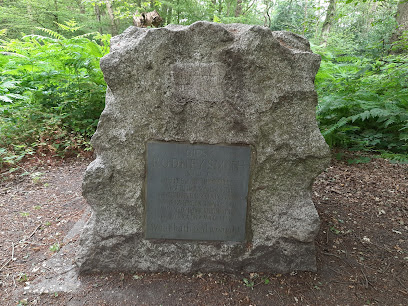
The Gypsy Stone
3.4 km
Discover the Gypsy Stone in Woodford, a serene forest monument honoring evangelist Rodney 'Gipsy' Smith and Romani heritage.
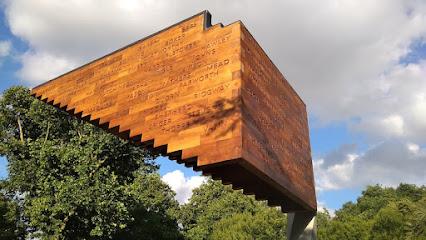
Stairway to Heaven, Bethnal Green Memorial
6.3 km
A powerful inverted staircase memorial in Bethnal Green Gardens, honouring the 173 civilians who died in the 1943 tube shelter disaster, the worst civilian loss of life in Britain during WWII.
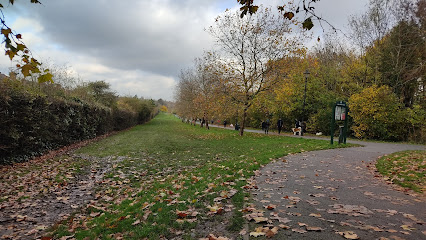
Downhills Park
7.1 km
Explore Downhills Park, a tranquil oasis in London offering picturesque gardens, expansive green spaces, and enjoyable recreational activities for all.
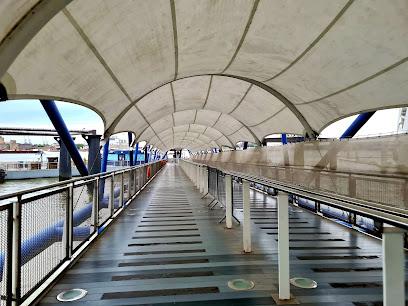
River Lee Navigation
7.2 km
Experience the tranquility of River Lee Navigation, a scenic waterway offering picturesque views, wildlife encounters, and outdoor activities in the heart of England.

North Greenwich Pier
7.4 km
Modern Thames gateway where industrial heritage meets contemporary culture and entertainment.
Arnold Circus
7.5 km
Arnold Circus: The historic heart of London's first council estate, born from slum clearance and social reform, now a vibrant community landmark.
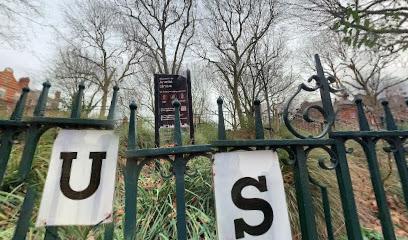
Shoreditch Church
7.5 km
Explore Shoreditch’s historic Palladian church, a sanctuary of Shakespearean theatre heritage and architectural grandeur in vibrant East London.
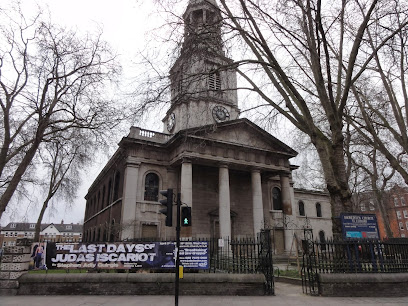
Shoreditch Park
7.5 km
Experience the lush greenery and vibrant culture at Shoreditch Park, an urban oasis in the heart of London.
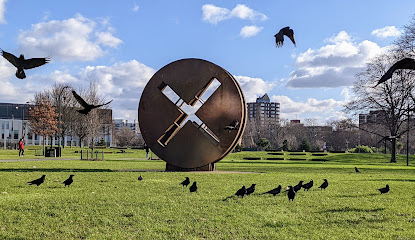
Brick Ln
7.6 km
East London's ever-evolving cultural heart, where centuries of immigration, street art, and multicultural heritage converge on a single vibrant street.
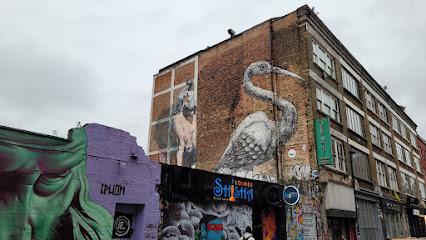
Princelet St
7.7 km
Discover the historical beauty of Princelet Street in London, a notable street rich in culture and architectural charm, perfect for every traveler.
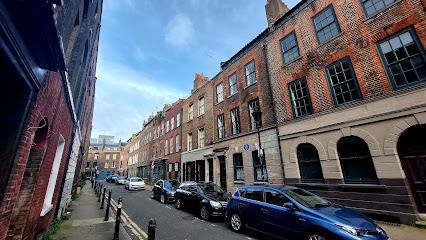
Brick Lane Mosque
7.8 km
A 280-year architectural chronicle of immigrant faith, where Huguenots, Jews, and Bangladeshis have each found spiritual sanctuary.
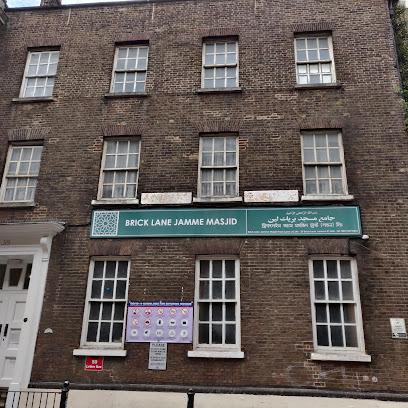
Shoreditch
7.8 km
East London's creative epicenter where street art, independent culture, and culinary innovation define urban cool.
St Mary’s, Whitechapel (The White Chapel)
7.8 km
Historic site of St Mary’s Whitechapel, the iconic White Chapel that shaped East London’s identity and now commemorated as Altab Ali Park.
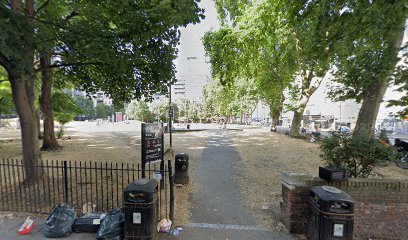
Shadwell Basin
7.9 km
Experience the peaceful beauty of Shadwell Basin, a serene spot in London perfect for relaxation and scenic walks amidst nature's charm.
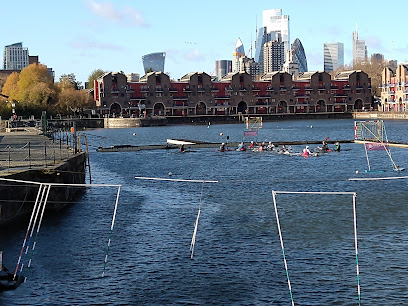
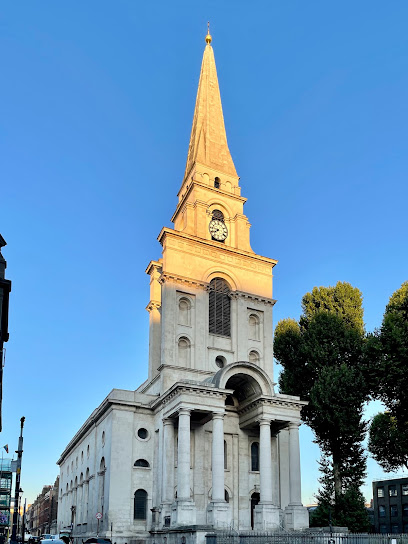
Christ Church Spitalfields
7.9 km
Explore the stunning architecture and vibrant history of Christ Church Spitalfields, an iconic Anglican church in the heart of London.
Unmissable attractions to see

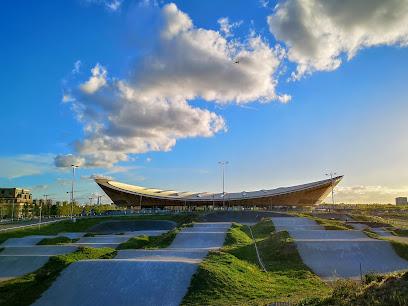
Lee Valley VeloPark
2.5 km
Experience the thrill of four Olympic cycling disciplines in one iconic London venue at Lee Valley VeloPark.
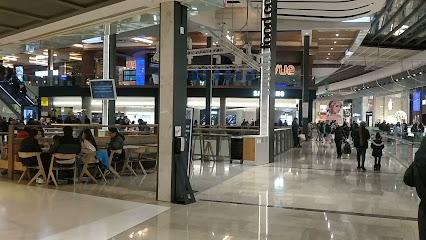
Westfield Stratford City
3.0 km
Discover East London's largest urban shopping centre with 300+ shops, diverse dining, entertainment, and community spirit at Westfield Stratford City.
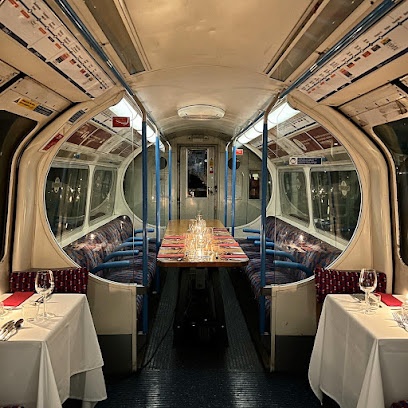
supperclub.tube - Dining on a Tube Train
3.1 km
Dine inside a vintage Victoria Line tube carriage with a six-course Latin American tasting menu at London’s unique Supperclub.tube.
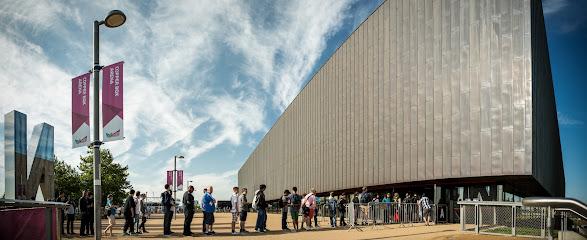
Copper Box Arena
3.3 km
A dynamic sports arena blending Olympic legacy with community spirit in the heart of London’s Queen Elizabeth Olympic Park.
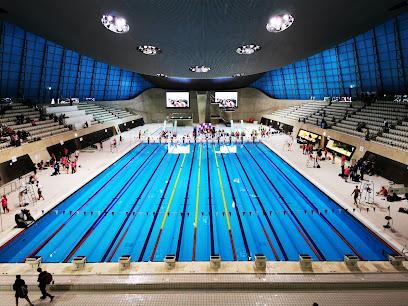
London Aquatics Centre
3.4 km
Experience world-class swimming and diving in Zaha Hadid’s iconic London Aquatics Centre, a legacy of the 2012 Olympic Games in Queen Elizabeth Olympic Park.
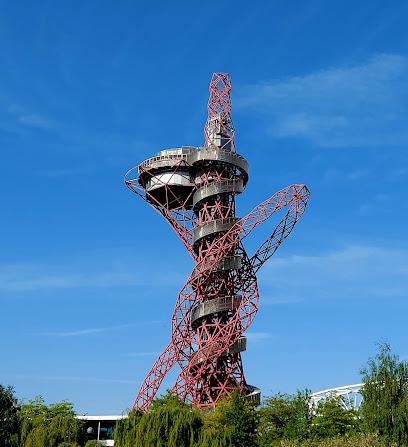
ArcelorMittal Orbit
3.6 km
Experience London’s tallest sculpture, panoramic Olympic Park views, and the world’s longest tunnel slide all in one iconic landmark.
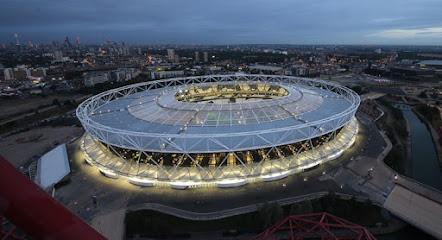
London Stadium
3.7 km
Experience the iconic London Stadium, home to West Ham United and a legacy of Olympic glory, sports, and world-class entertainment.
High St
4.0 km
Experience the vibrant heart of London’s retail heritage where history, culture, and shopping converge on High Street.
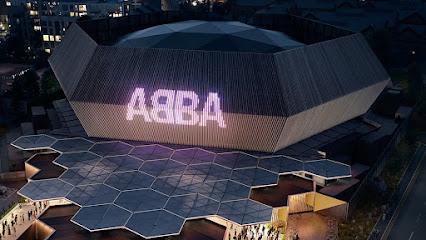
ABBA Arena
4.2 km
Experience ABBA like never before in London’s groundbreaking ABBA Arena, where music meets cutting-edge digital spectacle.
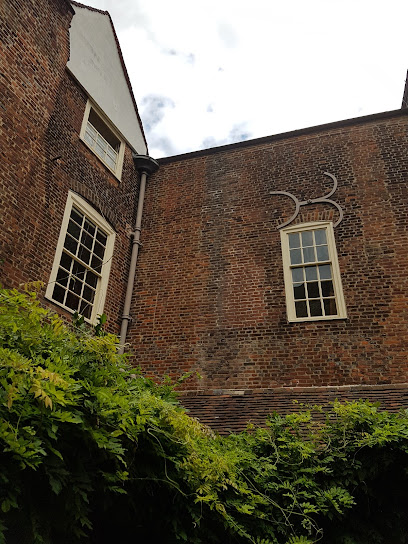
National Trust - Sutton House and Breaker's Yard
4.6 km
Explore Sutton House, Hackney’s oldest Tudor manor, blending 16th-century heritage with vibrant community spirit and an award-winning urban garden.
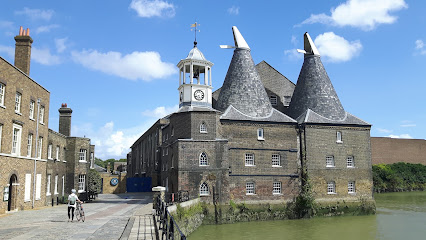
Three Mills Green & Three Mills Island
4.7 km
Historic tidal mills meet tranquil riverside green space in East London’s unique Three Mills Island and Green.
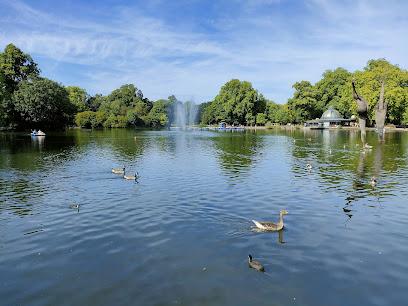
Victoria Park
4.8 km
London’s largest historic park offering scenic lakes, vibrant community events, and year-round green space in the heart of the East End.
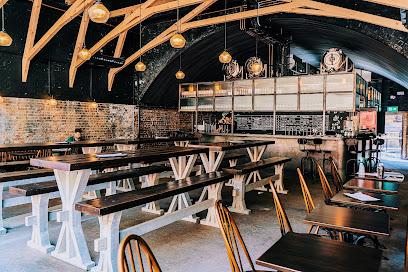
Hackney Church Brew Co.
4.8 km
A vibrant brewery and taproom in East London blending craft beer excellence with community spirit and innovative open-flame cuisine.
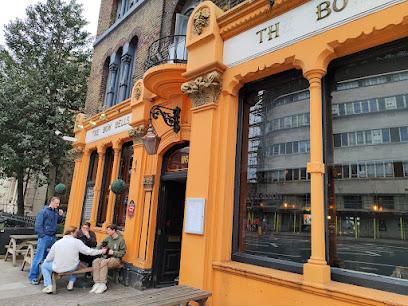
The Bow Bells
4.9 km
Historic East End pub with over 150 years of Cockney spirit, lively sports, and a warm, authentic atmosphere on Bow Road.
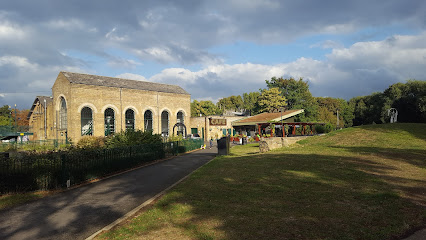
Markfield Beam Engine and Museum
5.0 km
Explore a Victorian masterpiece of steam engineering and public health history nestled in a scenic riverside park in North London.
Essential places to dine

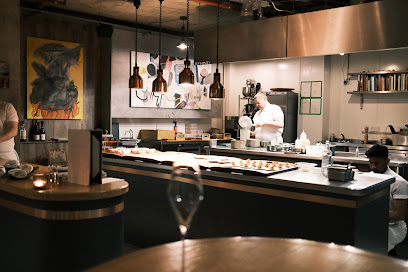
Behind Restaurant
5.6 km
An intimate Michelin-starred fish tasting restaurant in London Fields offering immersive chef-served seasonal menus in an open kitchen setting.
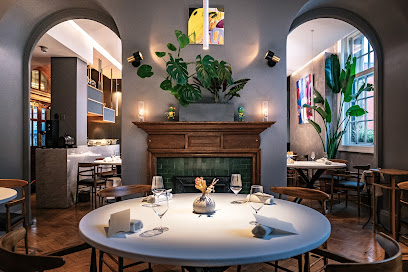
Da Terra Restaurant
6.1 km
Experience innovative two-Michelin-star Modern European cuisine with vibrant Brazilian influences in the heart of East London’s historic Bethnal Green.
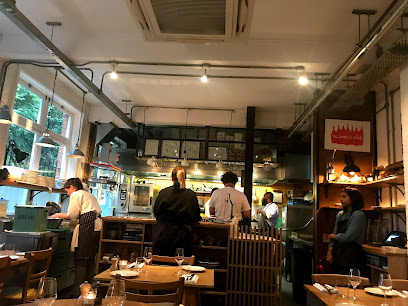
Brawn
7.0 km
Seasonal Mediterranean small plates and natural wines in a lively, vintage-inspired Shoreditch setting on Columbia Road.
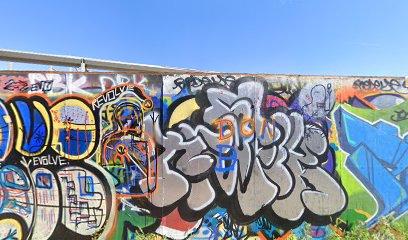
Nomadic community
7.3 km
A colorful, community-driven urban garden near Brick Lane, blending street art, creativity, and green space in East London’s vibrant cultural scene.
The Clove Club
7.6 km
Two Michelin stars meet innovative modern British cuisine in a historic Shoreditch Town Hall setting with a unique urban garden.
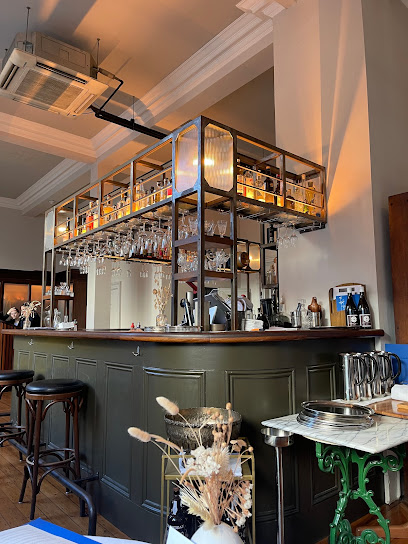
Nest Restaurant Old Street
7.6 km
Intimate Shoreditch gem offering creative British seasonal tasting menus in a cozy, historic setting with a sustainable ethos.
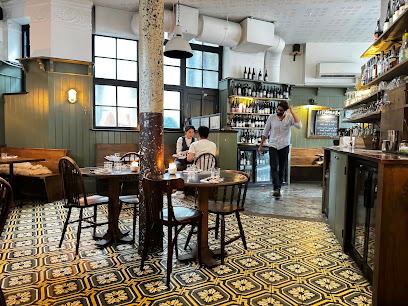
Lyle's
7.7 km
Michelin-starred Lyle's serves innovative, seasonal British cuisine in a minimalist Shoreditch setting with a relaxed, refined atmosphere.
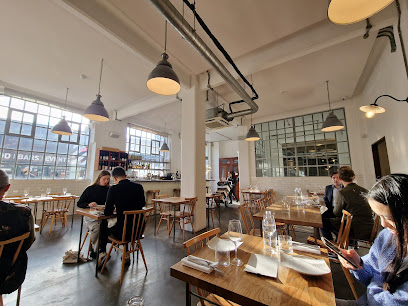
Marugame Udon Middlesex Street
8.2 km
Experience freshly handcrafted Japanese udon and crispy tempura in a lively open kitchen setting at Marugame Udon Middlesex Street, London’s authentic udon destination.
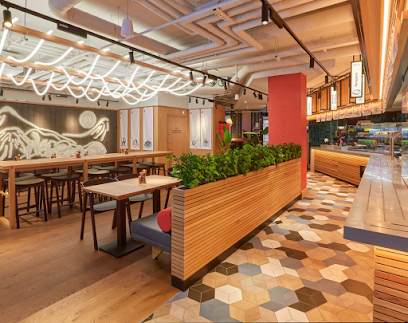
Mattarello Chiodo Bolognese Restaurant
8.2 km
Authentic Bolognese pasta and gluten-free Italian delights in the heart of London’s Middlesex Street.
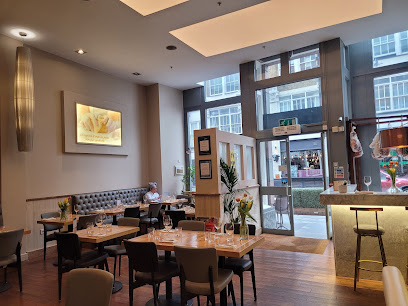
Barcelona Tapas Bar & Restaurant
8.3 km
Authentic Spanish tapas and warm hospitality in the heart of London’s City since 1991.
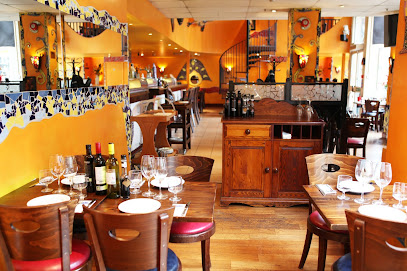
14 Hills
8.8 km
Experience modern British cuisine in a lush, sky-high garden with breathtaking panoramic views over London’s iconic skyline.
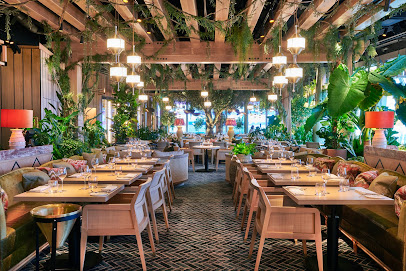
La Dame de Pic London
8.8 km
Discover refined French gastronomy and elegant dining in a historic London landmark with two Michelin stars and innovative cuisine.
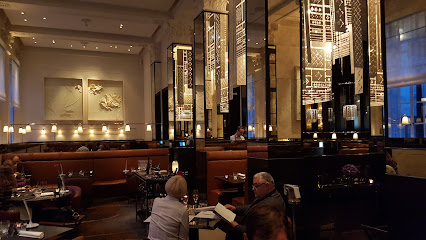
Cutty Sark
9.1 km
Discover Cutty Sark: A traditional London pub with a cozy atmosphere and delightful beer garden offering classic British cuisine.
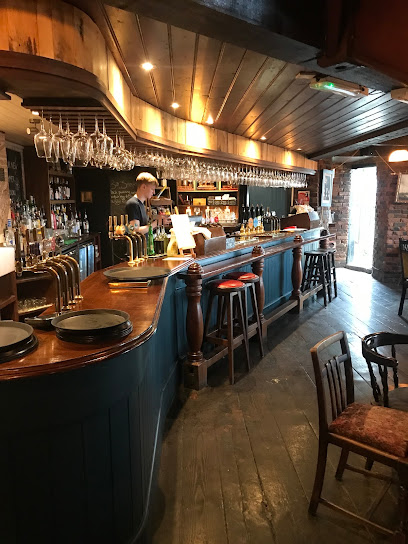
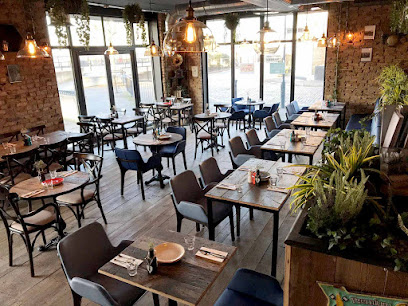
Midpoint Restaurant
9.2 km
Authentic Turkish and Mediterranean dining with riverside views and warm hospitality in London’s vibrant SE10 district.
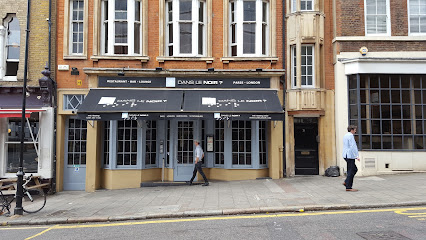
Dans le Noir ? London Restaurant
9.2 km
Experience dining like never before in total darkness, guided by visually impaired waitstaff in a sensory adventure at Dans le Noir ? London.
Markets, malls and hidden boutiques

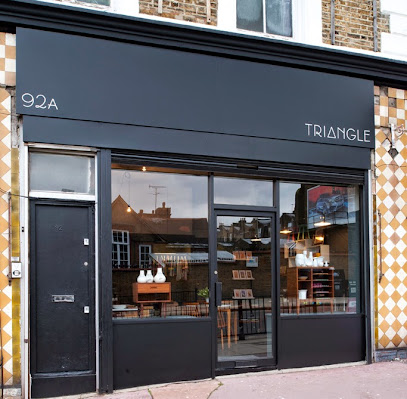
Triangle Store
4.0 km
Independent East London boutique championing sustainable fashion, ethical homeware, and conscious living.
69b Boutique Sustainable Style
5.9 km
London’s first boutique dedicated to stylish, sustainable fashion with a focus on ethical brands and eco-friendly materials.

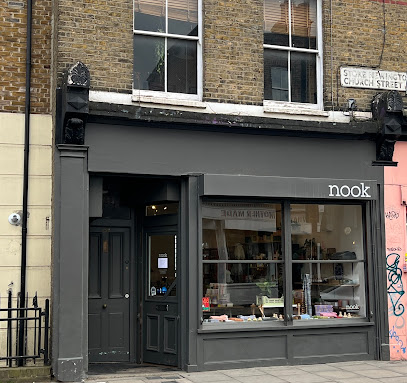
Nook Shop
6.3 km
A chic, eco-conscious lifestyle boutique offering curated gifts and design treasures in the heart of Stoke Newington.
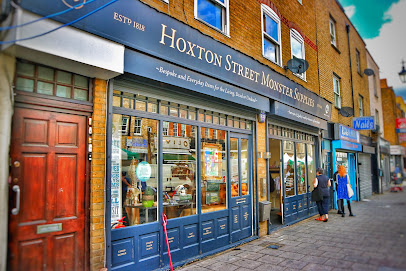
Hoxton Street Monster Supplies
7.4 km
Explore the enchanting Hoxton Street Monster Supplies, a whimsical gift shop in London filled with unique monster-themed treasures and delightful surprises.
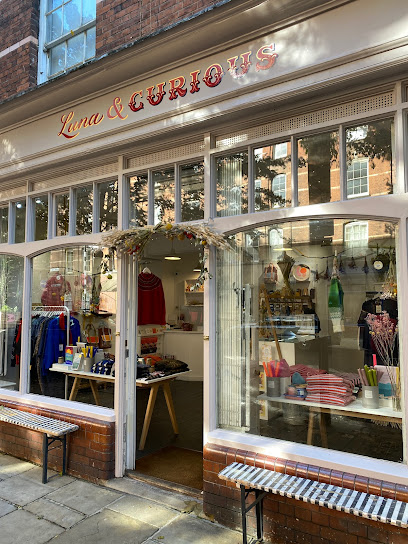
Luna & Curious
7.5 km
Discover Shoreditch’s curated boutique of British craftsmanship, quirky design, and independent retail at Luna & Curious.
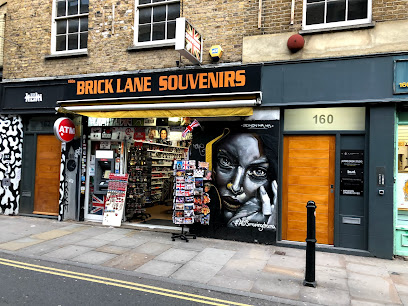
Brick Lane Souvenirs
7.5 km
Discover affordable, stylish London souvenirs and gifts in the heart of Brick Lane’s vibrant cultural scene.
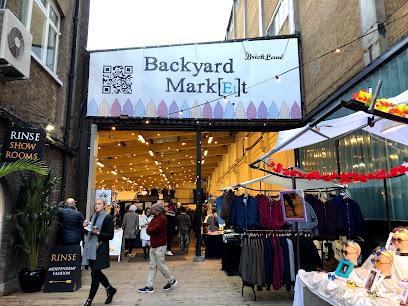
Backyard Market
7.6 km
Discover handmade treasures and vibrant street culture at Backyard Market, Brick Lane’s creative heart.
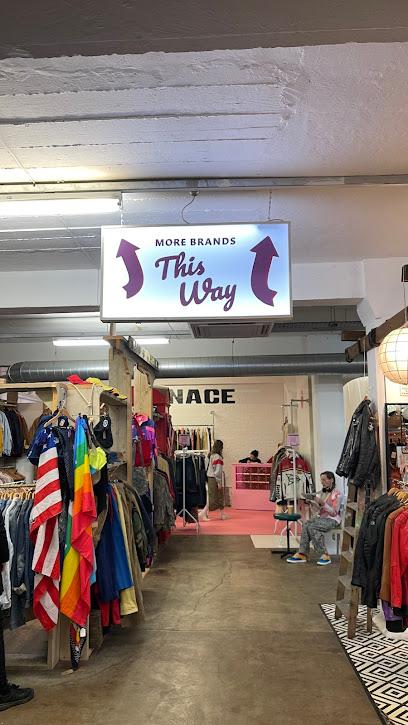
The Brick Lane Vintage Market
7.7 km
Explore the UK’s largest underground vintage market, where fashion history meets East London creativity and every visit promises a unique find.
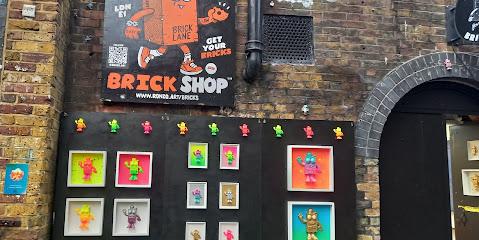
The Truman Brewery Markets
7.7 km
Historic brewery turned vibrant markets on Brick Lane, offering vintage treasures, global street food, and creative culture in East London.
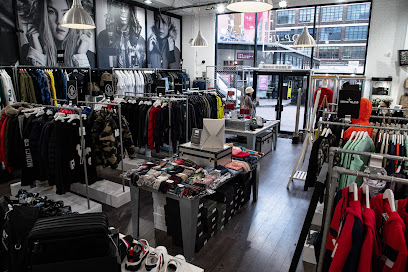
DPUS Designer Outlet
7.7 km
Authentic designer fashion outlet in Shoreditch’s historic Old Truman Brewery, blending luxury style with urban culture and unbeatable prices.
Sclater Street Market
7.8 km
Vintage treasures and eclectic finds in the heart of Shoreditch's bohemian marketplace.
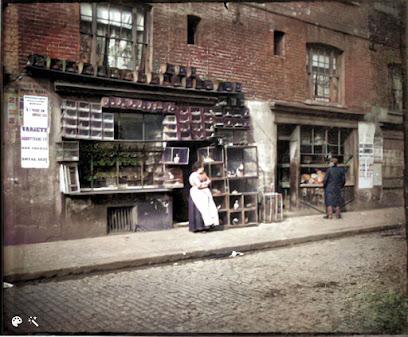
Fashion St
7.9 km
A historic East London street where Victorian architecture meets modern creativity, surrounded by boutiques, cafés, and vibrant community life.
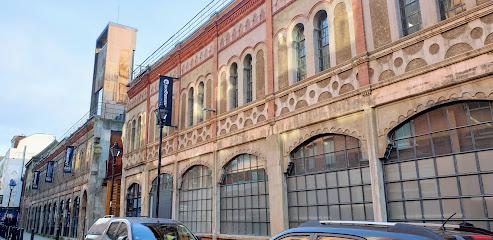
Commercial St
7.9 km
Historic East London artery blending industrial heritage, vibrant markets, and cultural landmarks in the heart of Spitalfields.
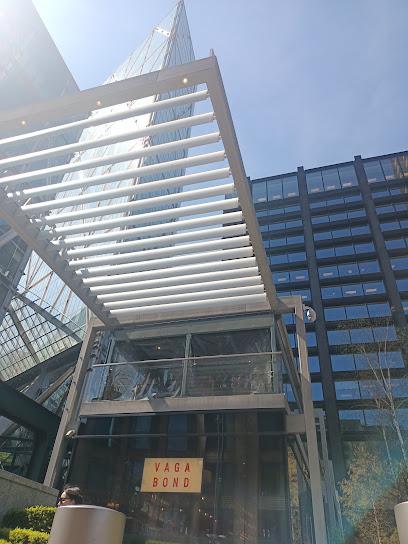
Spitalfields Market
7.9 km
Historic yet vibrant, Spitalfields Market blends East London’s rich heritage with a lively mix of food, art, and shopping all week long.
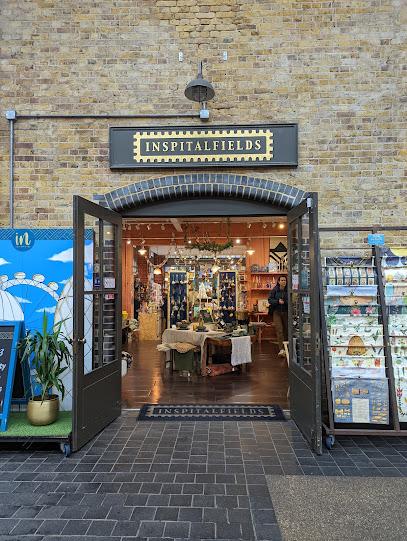
Petticoat Lane Market
8.2 km
London's historic street market where 370 years of commerce, migration, and East End character converge.
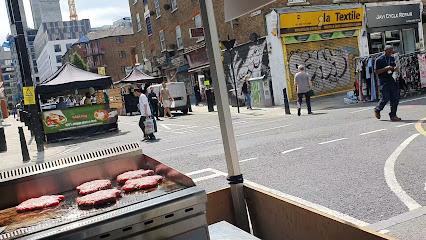
Essential bars & hidden hideouts

Burnt Faith Brandy House
4.1 km
Discover London's first dedicated brandy distillery and bar, blending innovative spirits with bold BBQ in a vibrant East London setting.
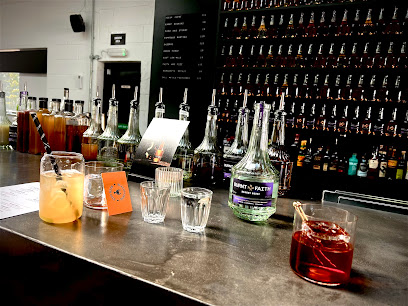
Behind This Wall
4.9 km
Discover Hackney’s cozy basement bar with bespoke cocktails, vintage sounds, and an intimate atmosphere that invites you to savor every sip.
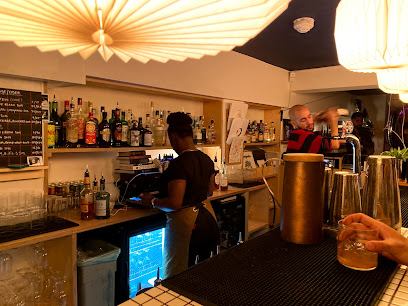
Satan's Whiskers
6.2 km
Discover East London's beloved cocktail bar where classic drinks meet hip-hop vibes and a quirky, intimate atmosphere.
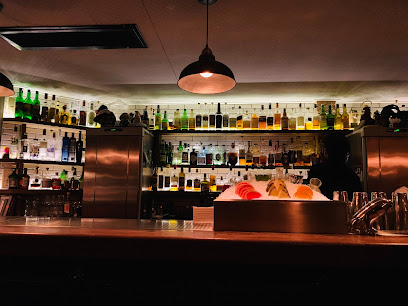
The Sun Tavern
6.5 km
Historic East End corner bar blending a vast Irish whiskey collection with lively live music and expertly crafted cocktails.
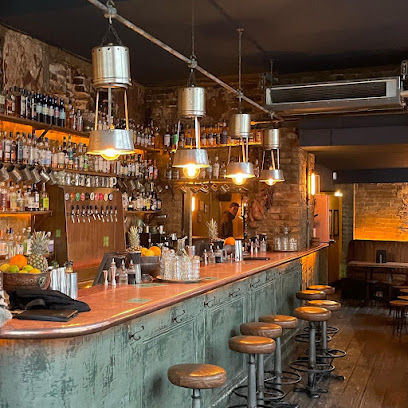
Alcotraz London: Cell Block Two-One-Two
7.1 km
Step inside Alcotraz London for a one-of-a-kind immersive prison cocktail bar adventure with live actors and bespoke drinks.
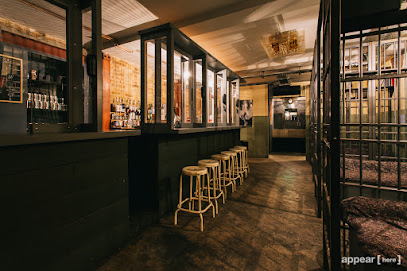
Eighteen Sky Bar
7.3 km
Elevate your evening with crafted cocktails and 360-degree skyline views from the 18th floor over Thames, Canary Wharf, and The O2.
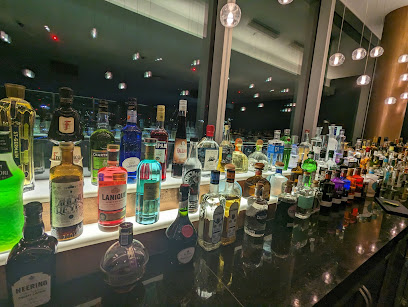
All Bar One Greenwich
7.4 km
Elevate your O2 experience at this multi-floor haven of wines, cocktails, and event-night energy—perfect for pre-show feasts and lively toasts amid London's entertainment epicenter.
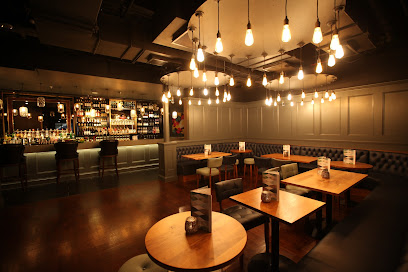
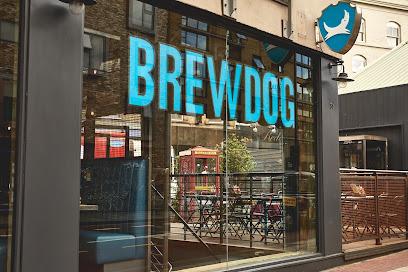
BrewDog Shoreditch
7.4 km
Craft beer haven in Shoreditch blending bold brews, lively atmosphere, and a welcoming beer garden in the heart of East London.
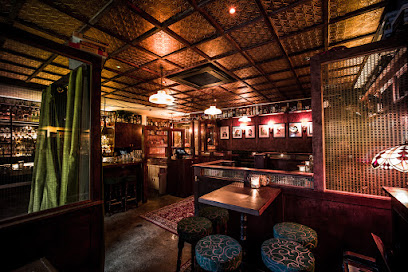
The Cocktail Trading Co. Shoreditch
7.4 km
Inventive cocktails and retro charm blend seamlessly in Shoreditch’s cozy and quirky Cocktail Trading Co.
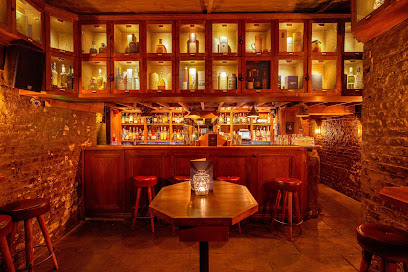
TT
7.4 km
Innovative wood-fired Mediterranean small plates and cocktails in a stylish Shoreditch venue with a vibrant rooftop terrace.
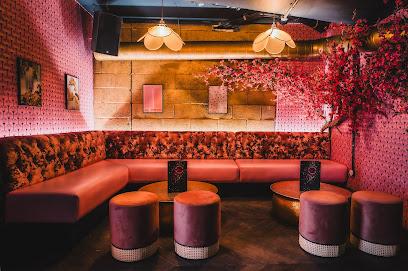
The Cocktail Club - Cocktail Bar in Shoreditch
7.5 km
Experience East London's vibrant nightlife with inventive cocktails and bold Japanese-inspired art at The Cocktail Club Shoreditch.
Nikkis Bar - Shoreditch
7.6 km
Lively Shoreditch cocktail bar famed for its bottomless brunch, drag shows, and nostalgic party vibes in a colorful, tropical-inspired setting.
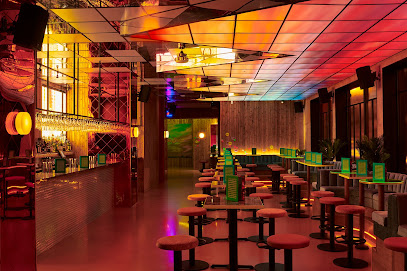
Tonight Josephine - Shoreditch
7.6 km
Lively Shoreditch cocktail bar famed for pink neon vibes, creative drinks, and unforgettable themed brunches.
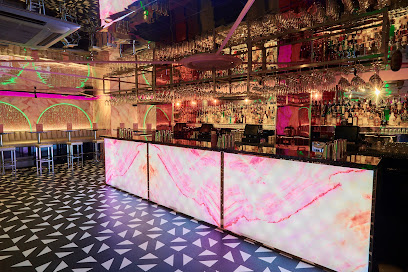
Shoreditch Balls
7.6 km
Indoor crazy golf, cocktails, and live entertainment combine for a fun-filled night out in Shoreditch’s vibrant heart.
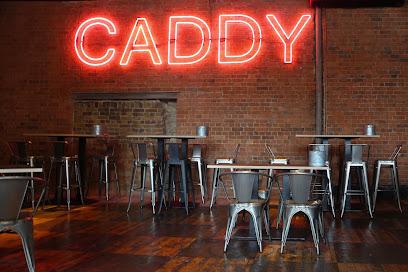
Callooh Callay
7.7 km
Discover the quirky charm and inventive cocktails of Callooh Callay, Shoreditch’s hidden gem with a secret lounge and playful spirit.
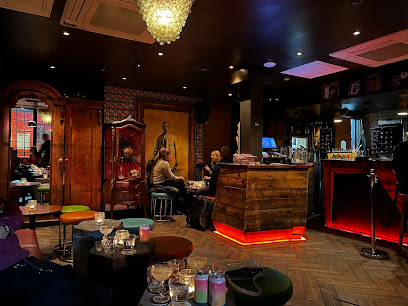
Nightclubs & after hour spots

Faces NightClub
4.3 km
A stylish, vibrant nightclub in Gants Hill with immersive sound, dynamic visuals, and a versatile space for unforgettable nights and events.
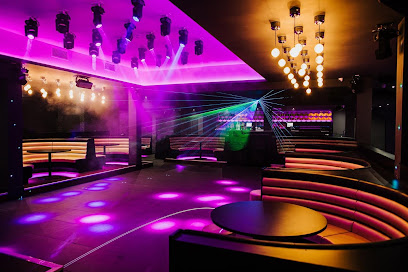
LA Lounge
7.1 km
London's top Afrobeats nightclub in Docklands: ethnic sophistication, VIP vibes, cocktails, and late-night dances until 4am on weekends.
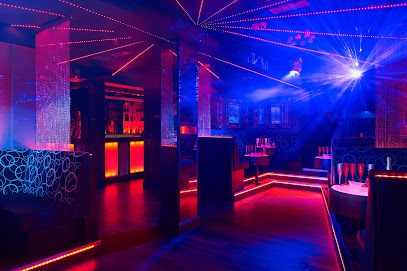
(Admin Office) The Mobile Nightclub
7.2 km
Discover the joy of nightlife on the move with The Mobile Nightclub in London, where the party comes to you!
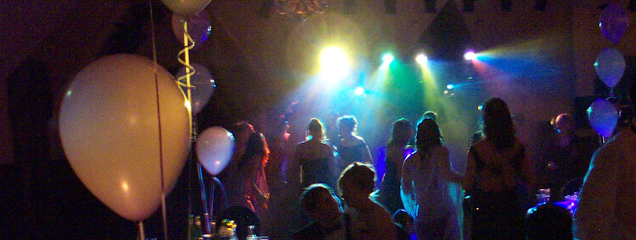
American Express Invites Lounge
7.3 km
A backstage‑inspired, Cardmember-only lounge at The O2 with distinct seating zones, crafted drinks and a complimentary welcome drink on event nights.
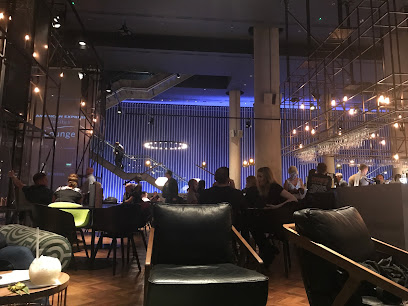
Basing House - Shoreditch
7.4 km
An intimate Shoreditch nightclub with top electronic beats, a Funktion One sound system, and a lively rooftop bar under the London skyline.
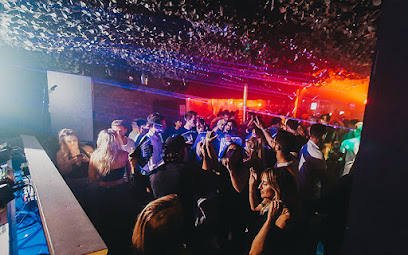
Trafik
7.7 km
Shoreditch’s dynamic nightclub with underground beats, two floors of dancing, and a late licence for unforgettable nights.

The Hoxton Pony
7.8 km
Edgy Shoreditch cocktail bar and nightclub blending vintage style with vibrant nightlife energy in East London.

XOYO LONDON
8.1 km
Experience Shoreditch’s iconic XOYO, where cutting-edge DJs and vibrant nightlife create an unforgettable London clubbing atmosphere.

E1
8.2 km
Experience East London’s underground pulse with E1’s cutting-edge sound, immersive visuals, and vibrant club nights.
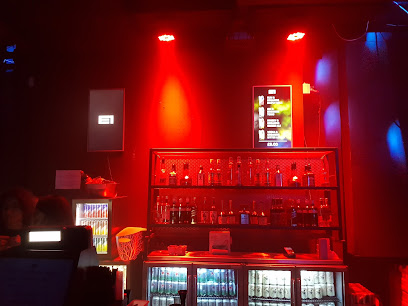
CQ LOUNGE
8.6 km
South London's Afrobeats epicenter: dance, shisha, cocktails, and culture until 5am in Woolwich's vibrant CQ Lounge.
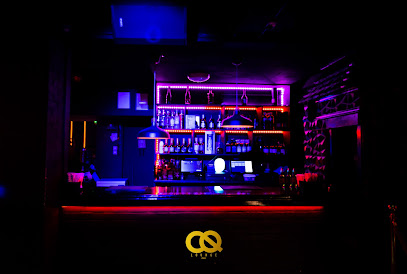
London Best Night Clubs
9.2 km
Experience London’s legendary Ministry of Sound, where cutting-edge sound meets dynamic club culture in a multi-room dance haven.
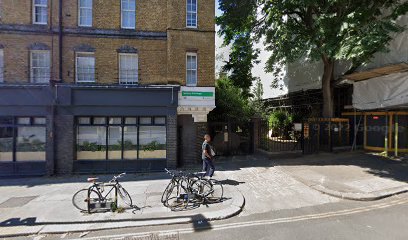
The Steel Yard
9.4 km
Experience London’s premier industrial-chic nightclub set in historic Victorian railway arches, with world-class sound and late-night energy until 6am.
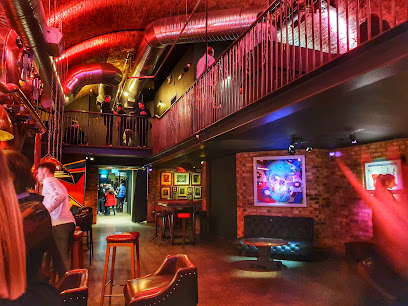
Egg London Nightclub
9.6 km
Experience marathon electronic music sessions in a converted Victorian warehouse with vibrant terraces and world-class DJs at Egg London Nightclub.

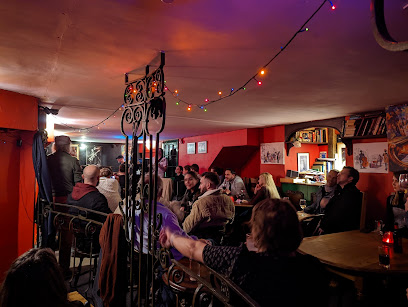
Oliver's Jazz Bar
9.9 km
Experience the soulful rhythms and vibrant atmosphere at Oliver's Jazz Bar, where great music meets delightful drinks in the heart of London.
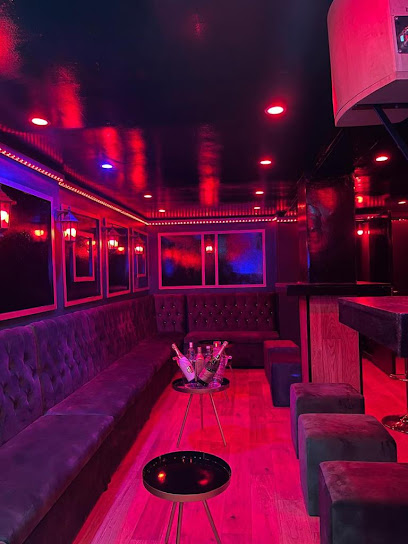
Sunlight Lounge
10.5 km
Experience the perfect blend of relaxation and sophistication at Sunlight Lounge in London, where craft cocktails and a chic ambiance await.
For the vibe & atmosphere seeker
- Scenic
- Unique
- Casual
- Cultural Heritage
For the design and aesthetic lover
- Modern Designs
For the architecture buff
- Historic
- Landmarks
- Art & Design
For the view chaser and sunset hunter
- Iconic Views
For the social media creator & influencer
- Instagrammable
- Photo Spots
- Aesthetic Corners
For the eco-conscious traveler
- Public-Transport Accessible
For the kind of experience you’re after
- Cultural Heritage
- Photowalk
- Day Trip
For how adventurous you want the journey to be
- Easy Access
Location Audience
- Family Friendly
- Senior Friendly
- Child Friendly
- Teen Friendly
- Wheelchair Access
- Solo Friendly
- Couple Friendly
- Solo Female Friendly


