
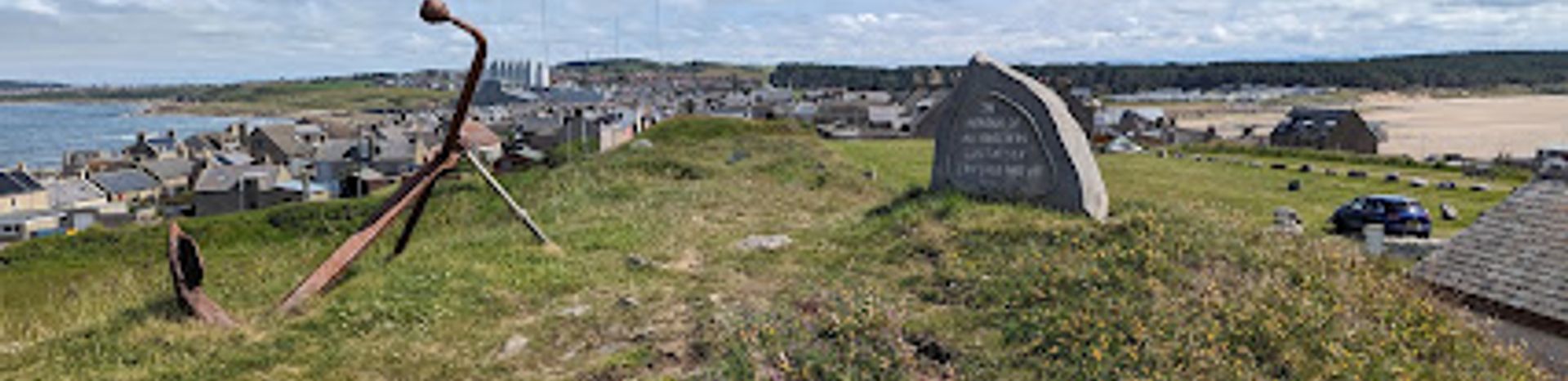
Burghead Pictish Fort: Scotland's Ancient Coastal Stronghold
Explore Scotland’s largest Pictish fort, a coastal stronghold rich in history, mystery, and ancient traditions overlooking the Moray Firth.
Burghead Pictish Fort, located on a rugged headland overlooking the Moray Firth in northeast Scotland, was once the largest Pictish fort in the country. Dating from around 400 CE, this monumental site features massive ramparts and ditches and served as a significant seat of Pictish power, metalworking, and defense against Viking raids. Though much of the original stonework was dismantled during 19th-century town development, visitors can explore grassy remains, a visitor centre, and the mysterious Burghead Well, all steeped in rich history and local traditions.
A brief summary to Burghead Pictish Fort
- 83 Bath St, Elgin, Burghead, IV30 5TZ, GB
- Duration: 1 to 3 hours
- Budget
-
 Outdoor
- Mobile reception: 4 out of 5
Local tips
- Visit the Burghead Visitor Centre to view Pictish artifacts and learn about the fort’s history before exploring the site.
- Take time to walk the coastal paths nearby for stunning views of the Moray Firth and local wildlife spotting.
- Plan your visit around January 11th to experience the unique Burning of the Clavie fire festival.
- Wear sturdy footwear as the fort’s remains are grassy and uneven, with some gentle slopes.

For the on-the-go comforts that matter to you
- Restrooms
- Information Boards
- Visitor Center
- Seating Areas
- Trash Bins
Getting There
-
Bus
Local bus services connect Elgin to Burghead in approximately 25 to 35 minutes. Buses run several times daily but check schedules seasonally as frequency varies. Tickets cost around £3-£5 one way.
-
Car
Driving from Elgin to Burghead takes about 20 minutes via the A96 and B9012. Limited parking is available near the visitor centre; spaces can fill quickly during peak season. No parking fees apply.
-
Walking
For the adventurous, a scenic 2.5-hour coastal walk from Hopeman to Burghead follows the Moray Coastal Trail. The terrain is uneven with some steep sections, suitable for experienced walkers with good footwear.
Burghead Pictish Fort location weather suitability
-
 Any Weather
-
 Rain / Wet Weather
-
 Clear Skies
-
 Windy Conditions
-
 Mild Temperatures
Discover more about Burghead Pictish Fort
Origins and Historical Significance of Burghead Fort
Burghead Pictish Fort was constructed around 400 CE and quickly grew to become the largest and most formidable Pictish stronghold in Scotland. Encompassing approximately three hectares, it was defended by three massive banks and ditches on the landward side, while the seaward side was naturally protected by steep cliffs and the deep waters of the Moray Firth. The fort’s walls were monumental, measuring up to 8 meters thick and 6 meters high, built with timber frameworks and large boulders, reflecting the considerable labor and resources invested by the Picts. This site was likely a political and military hub, serving as a naval base and a center of power for the kingdom of Moray during the late Iron Age and early medieval period.Archaeological Discoveries and the Pictish Legacy
Despite much of the fort being destroyed or dismantled during the early 19th century to make way for the modern town of Burghead, archaeological excavations have revealed remarkable insights into its past. Finds include evidence of high-status metalworking, numerous buildings, and uniquely, the discovery of Pictish bull stones—large carved stones found only at this site. A recent extraordinary find was a Pictish ring with a kite-shaped setting and a garnet or red glass centerpiece, underscoring the fort’s role as a seat of elite craftsmanship and power. These discoveries have helped reshape understanding of the Picts, a mysterious people known primarily through Roman accounts and archaeological remains.The Fort’s Dramatic Decline and Viking Impact
The fort endured several Viking raids during the late 8th and 9th centuries, culminating in its fiery destruction in the 9th or 10th century AD. Viking leader Sigurd the Mighty captured the site in 884 AD, marking a significant chapter in its history. The natural defenses of Burghead made it a coveted prize for Norse invaders, who used the sheltered anchorage to launch their assaults. Over time, the Norse influence left its mark, with the town’s name evolving from the Danish "Burghe" to present-day Burghead. Despite its destruction, the fort’s legacy persisted in local traditions and place names.The Mysterious Burghead Well and Cultural Traditions
Within the fort’s remaining area lies Burghead Well, a darkened rock-cut chamber whose original purpose remains debated. Theories range from it being a Pictish cult centre or shrine to Celtic water deities, to an early Christian baptistry. The well was later used as a water source for the town. Nearby, the annual Burning of the Clavie festival, held every January 11th, continues ancient fire rituals atop the fort’s ramparts, symbolizing the banishment of evil spirits and welcoming the New Year. This vibrant tradition links modern Burghead to its ancient past in a living cultural heritage.Visitor Experience and Landscape Setting
Today, visitors to Burghead can explore the grassy remnants of the fort’s two surviving levels, imagining the Picts’ defensive strategies and ceremonies. The nearby visitor centre offers exhibits on the fort’s history, Pictish artifacts, and local wildlife, including views over the Moray Firth where seals, dolphins, and whales are often spotted. The coastal landscape is striking, with golden sandstone cliffs and sea caves that have been quarried for centuries. Walking trails along the Moray Coastal Path provide scenic panoramas and interpretive panels that deepen appreciation of the site’s natural and historical significance.Enduring Importance and Ongoing Research
Burghead Pictish Fort remains a key archaeological and cultural landmark in Scotland, with ongoing excavations revealing new facets of Pictish life and craftsmanship. The fort’s story is continually enriched by discoveries such as the remarkable Pictish ring and 3D reconstructions that bring its ancient grandeur to life. As a site of myth, history, and vibrant tradition, Burghead offers a unique window into Scotland’s early medieval past and the enigmatic Picts who shaped it.Iconic landmarks you can’t miss

St. Peter's Kirk & Parish Cross
6.7 km
Medieval kirk and rare surviving mercat cross spanning eight centuries of Scottish history.
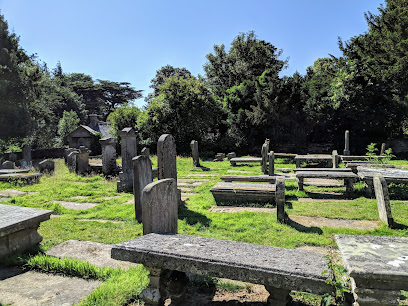
Crook of Alves (historical placename)
7.5 km
Discover the Crook of Alves, a cultural landmark in Elgin, where history meets stunning natural beauty in Scotland's captivating landscapes.
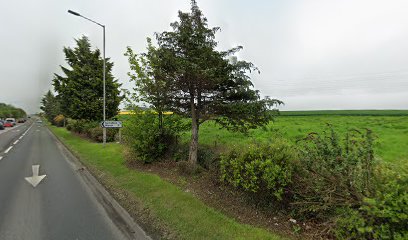
Asliesk Castle (remains)
9.4 km
Explore the ivy-clad ruins of Asliesk Castle, a 16th-century Scottish tower house steeped in history and legend near Elgin, Moray.

Sueno's Stone
11.5 km
Scotland's tallest Pictish monument—a 6.5-metre enigma carved with battle scenes and royal ceremony.
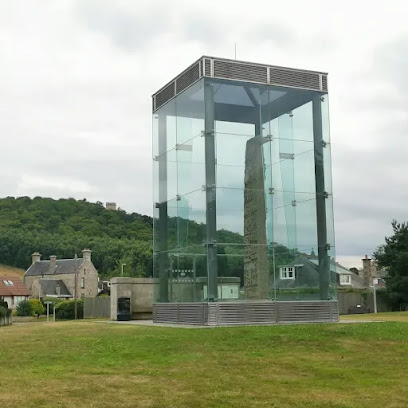
Rothes Castle
26.3 km
Explore the evocative ruins of Rothes Castle, a 13th-century fortress commanding the Spey Valley and steeped in Scottish medieval history.
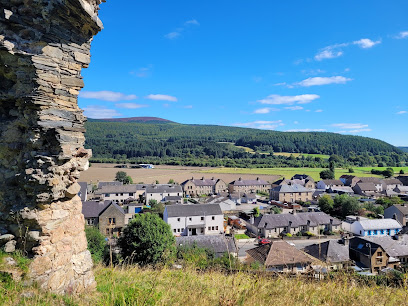
Dornoch Cathedral
37.2 km
Explore the historical wonders of Dornoch Cathedral, a stunning architectural masterpiece in the heart of Scotland's Highlands, rich in history and beauty.
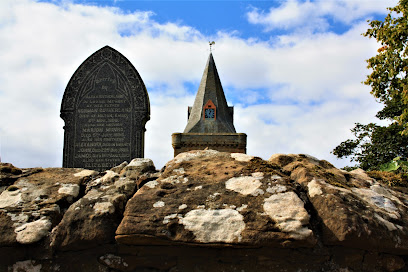
Dufftown Fairy Village
37.5 km
Discover the enchanting Dufftown Fairy Village, where whimsical fairy houses and serene gardens come together to create a magical experience in the heart of Scotland.
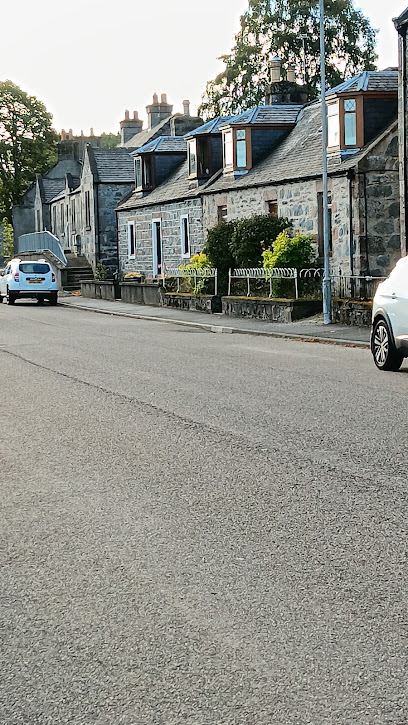
Chanonry Point
38.3 km
Discover the enchanting beauty of Chanonry Point, a top scenic spot for dolphin watching and enjoying breathtaking coastal views in Fortrose, Scotland.
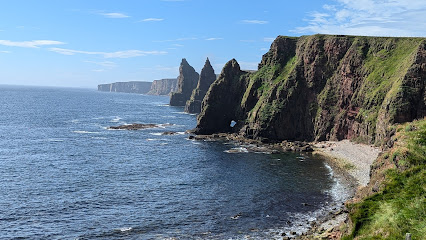
Fairy Glen Falls
39.5 km
Explore the stunning Fairy Glen Falls in Fortrose, a picturesque hiking area perfect for nature lovers seeking adventure and tranquility.
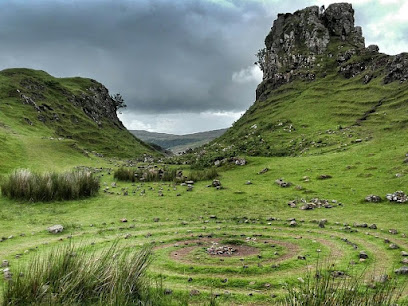
Drumin Castle
39.5 km
Discover the majestic Drumin Castle, a stunning historical landmark in Ballindalloch that offers breathtaking views and a glimpse into Scotland's rich heritage.
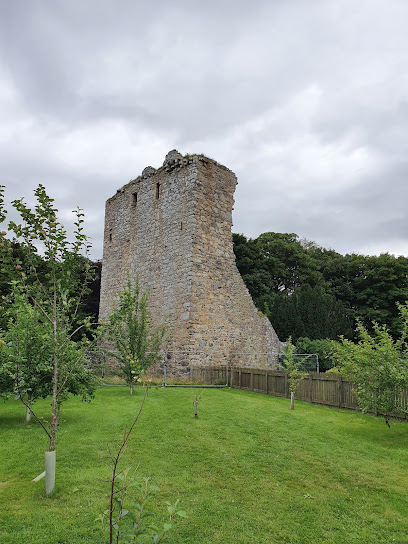
Auchindoun Castle
39.7 km
Explore Auchindoun Castle, a historic gem in the Scottish Highlands, offering stunning views and deep connections to Scotland's medieval heritage.
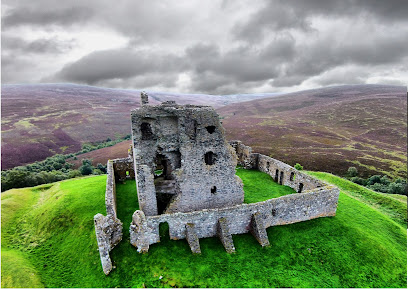
Carn Liath
39.9 km
Explore the Iron Age marvel of Carn Liath in Brora, Scotland. A must-visit historical site with stunning views and rich cultural heritage.
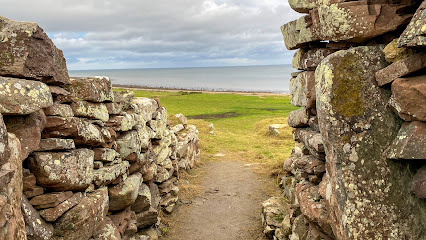
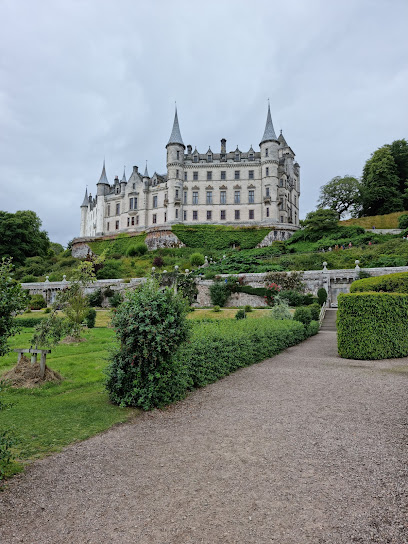
Dunrobin Castle & Gardens
40.7 km
Explore the enchanting Dunrobin Castle & Gardens, a stunning gem of Scottish heritage with breathtaking architecture and picturesque landscapes.
Monument to Harriet, Duchess of Sutherland
40.9 km
A dignified monument in Golspie honoring Harriet, Duchess of Sutherland, a Victorian political hostess and social reformer with a lasting Highland legacy.
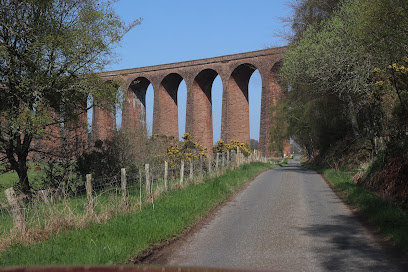
Culloden Viaduct
42.0 km
Scotland’s longest masonry viaduct, a stunning 29-arch railway bridge spanning the River Nairn valley near historic Culloden Battlefield.
Unmissable attractions to see

Burghead Well
0.2 km
Explore the mysterious rock-hewn chamber of Burghead Well, a unique Dark Age site steeped in Pictish ritual and early Christian history.
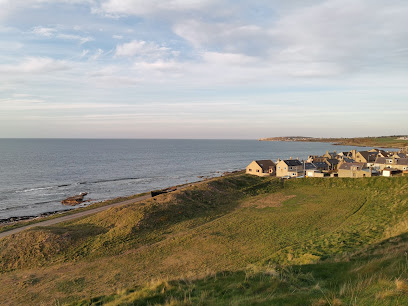
Findhorn Beach
7.2 km
Discover miles of pristine white sands, vibrant beach huts, and abundant wildlife at Findhorn Beach, Moray’s coastal treasure.
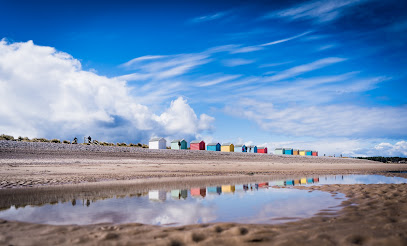
Findhorn Beach
8.0 km
Discover miles of pristine white sands, vibrant wildlife, and rich heritage at Findhorn Beach, a tranquil coastal treasure on Scotland’s Moray Firth.
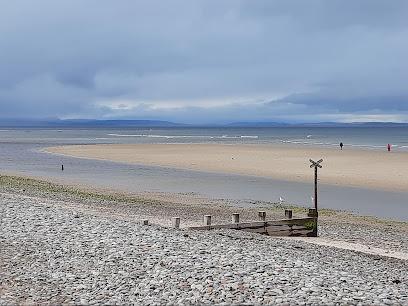
Duffus Castle
8.2 km
Explore the evocative ruins of Duffus Castle, a majestic 12th-century motte-and-bailey fortress steeped in Scottish medieval history and scenic beauty.
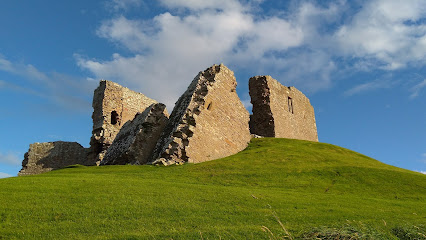
Knock of Alves
8.3 km
Historic wooded hill near Elgin crowned by York Tower, offering scenic views and rich Scottish heritage.
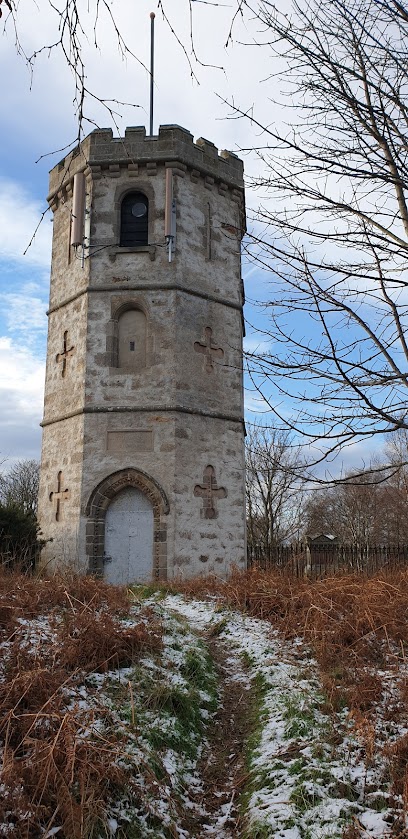
Morayvia
8.5 km
Where RAF heritage meets aerospace innovation in Scotland's premier aviation museum.
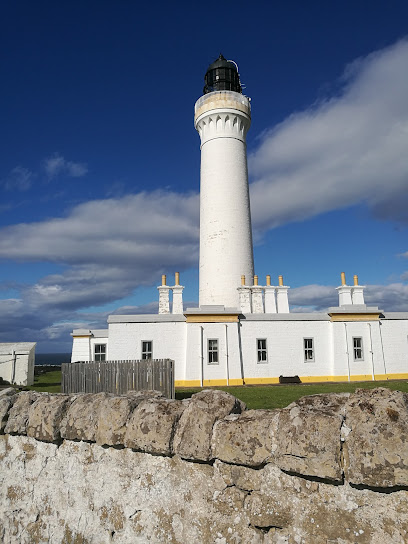
The Witches Stone
11.8 km
A haunting boulder at Cluny Hill marking the brutal fate of witches in 16th-century Scotland’s darkest trials.
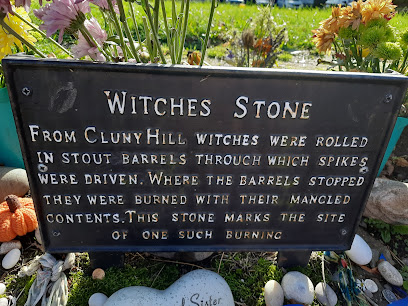
Grant Park
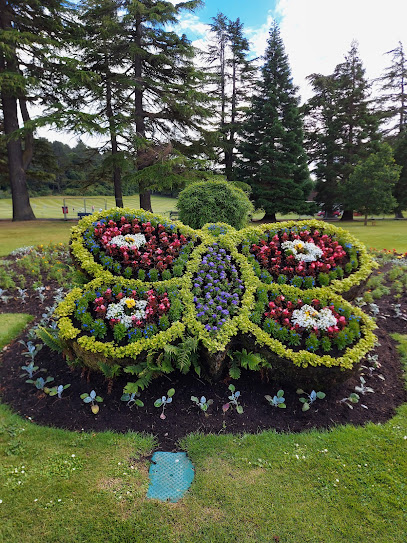
12.0 km
Historic Grant Park in Forres offers vibrant gardens, a natural arena, and family-friendly spaces nestled beside scenic woodlands.
Moray Jazz Club
12.0 km
Experience intimate live jazz performances every other Thursday in Elgin’s welcoming Moray Jazz Club at Elgin City Football Club Social Club.

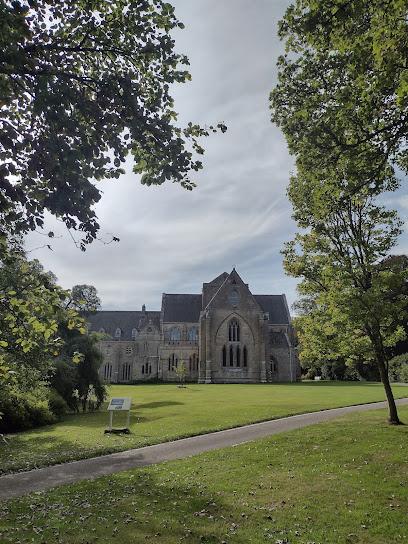
Pluscarden Abbey
12.1 km
Experience the serene beauty and timeless devotion of Scotland’s only medieval monastery still inhabited by monks.
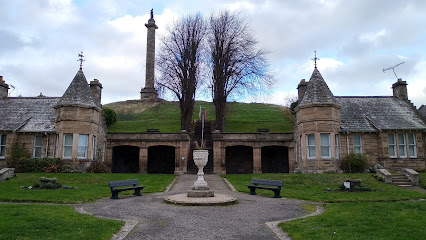
Lady Hill
12.1 km
Historic Lady Hill in Elgin features the towering Duke of Gordon's Monument and offers stunning panoramic views of the town and countryside.
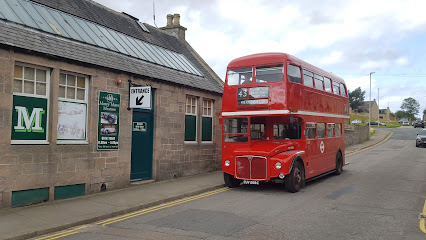
Moray Motor Museum
12.2 km
Discover a captivating collection of vintage and classic cars in a historic Elgin mill, where motoring heritage comes alive with passion and stories.
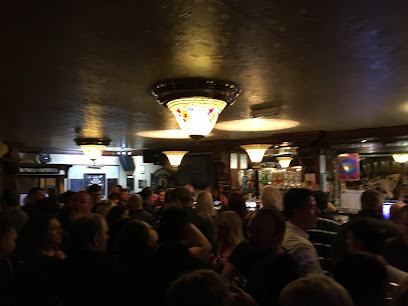
Diceys
12.3 km
Lively and welcoming, Diceys is Elgin’s go-to pub for great drinks and vibrant socializing in the heart of town.
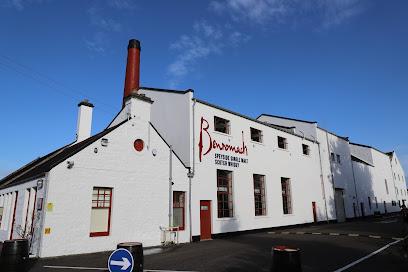
Benromach Distillery
12.3 km
A small Speyside distillery crafting smoky, fruity single malts by hand, with intimate tours and tutored tastings in a traditional, unpretentious setting.
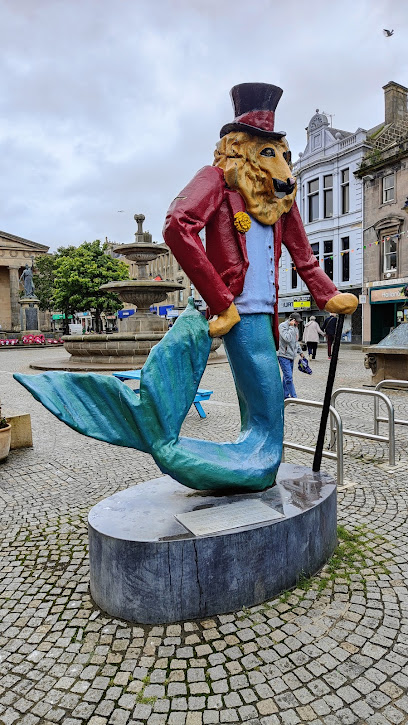
The Dandy Lion Statue
12.4 km
A vibrant 10-foot sculpture blending lion and mermaid motifs, celebrating Elgin’s historic fisher folk and textile heritage with colorful eccentricity.
Essential places to dine

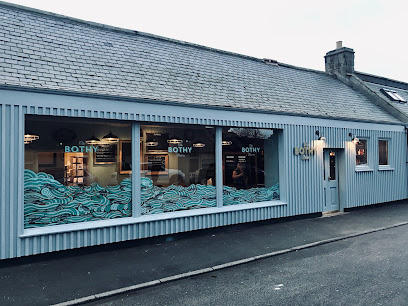
The Bothy Bistro
0.5 km
Burghead's beloved bistro serving locally sourced Scottish cuisine in an intimate, welcoming village setting.
Bootleggers Bar & Grill
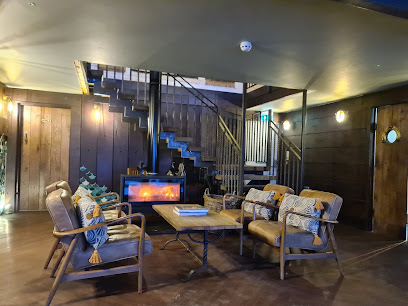
3.3 km
A vibrant seafood and BBQ spot with stunning sea views and diverse menu options in the heart of Hopeman.
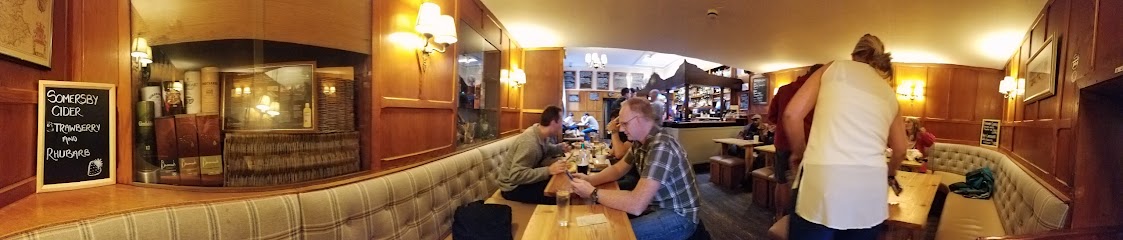
Kimberley Inn
8.4 km
Cozy waterfront pub and seafood restaurant in Findhorn offering diverse menus, warm ambiance, and stunning bay views.
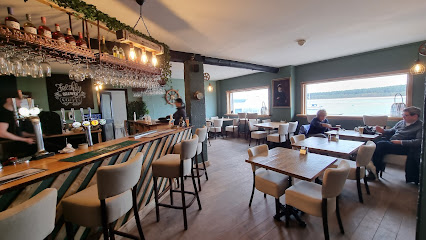
The Captain's Table
8.6 km
Fresh seafood and scenic views meet friendly service at Findhorn’s beloved coastal dining spot.
The Humble Burger
12.0 km
Wholesome Scotch beef burgers and loaded fries, inspired by Seattle street food culture.
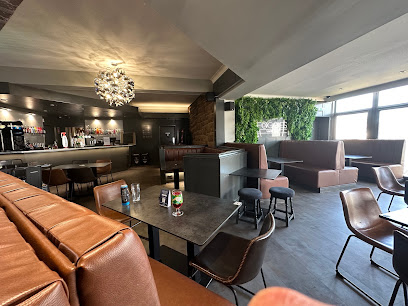
Shmelgin
12.3 km
Experience authentic Nepalese cuisine with warm hospitality in the heart of Elgin’s historic High Street.
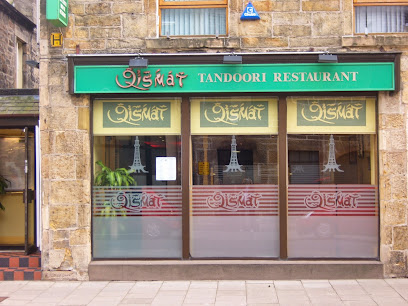
Qismat Elgin Indian Cuisine
12.3 km
Modern Indian and Pakistani cuisine in central Elgin, serving bold curries, tandoori dishes, and attentive service in a relaxed, contemporary setting.
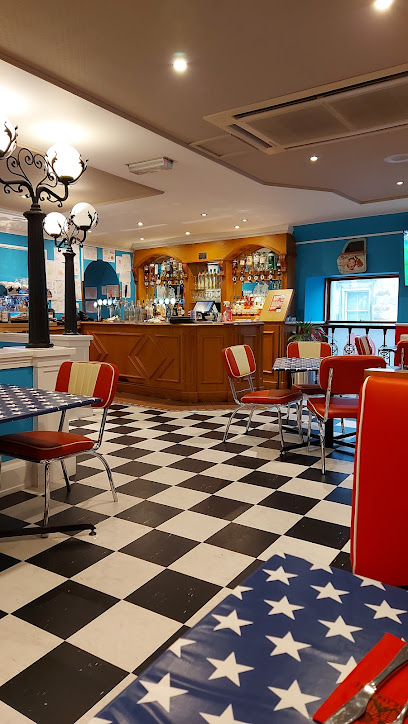
156 Bar And Grill
12.4 km
Casual American grill on Elgin’s High Street, serving classic burgers, wings, and family-friendly comfort food with takeaway options.
Scribbles
12.4 km
Lively Italian eatery in Elgin serving fresh pizzas, burgers, and gluten-free options with friendly service and a welcoming atmosphere.
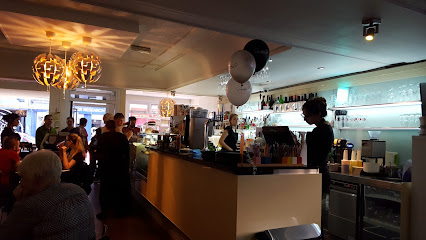
The Mansefield Restaurant
12.4 km
Elegant Scottish dining featuring fresh North Sea seafood and prime local beef in a stylish, baby-blue conservatory setting.
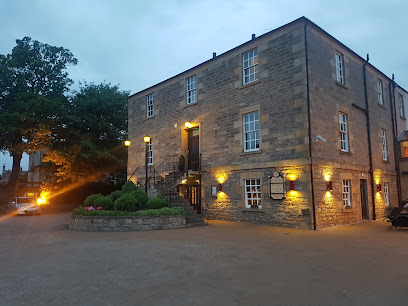
Granary
12.4 km
A lively pub and restaurant in Elgin offering hearty meals, local drinks, and a welcoming atmosphere from morning till late night.
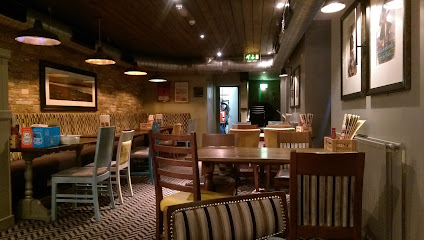
The White Hart
12.5 km
A cozy Scottish pub in Forres serving fresh, seasonal British classics with friendly service and a vibrant drinks selection.
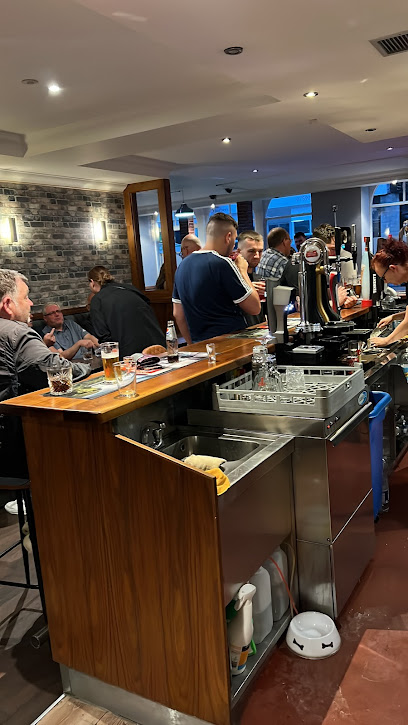
The Bonnie Beastie
12.5 km
A cozy Scottish pub and restaurant in Forres serving hearty meals, local charm, and a dog-friendly atmosphere.
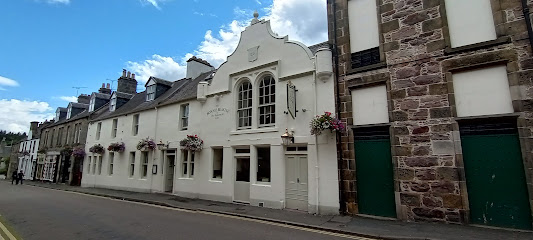
Catch 79 Seafood Bistro
12.5 km
Exceptional fresh seafood with a Scottish twist in a welcoming Lossiemouth bistro, where seasonal menus and warm service create a memorable dining experience.
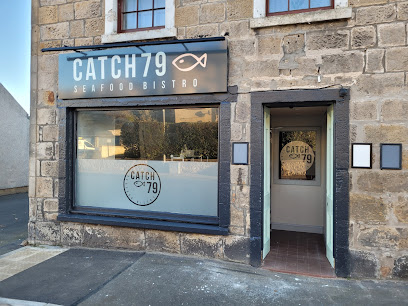
Ada Turkish | Café And Restaurant
12.5 km
Experience authentic Turkish flavors and warm hospitality in the heart of Elgin at Ada Turkish Café and Restaurant.
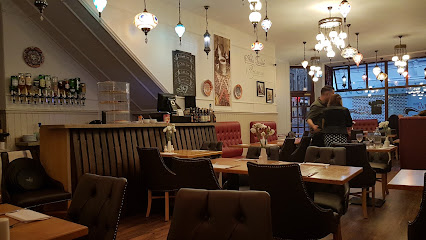
Markets, malls and hidden boutiques

Decora Ltd
12.2 km
Scotland’s largest independent home and garden centre in Elgin, blending expert design, extensive supplies, and a welcoming café under one historic roof.
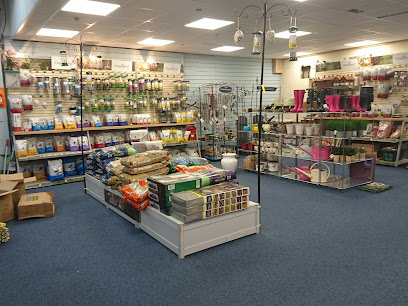
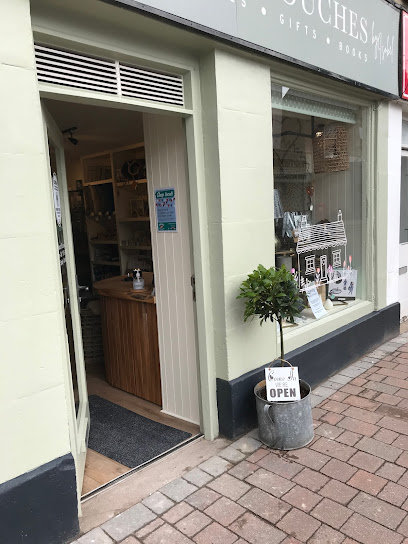
Finishing Touches by Isobel
12.3 km
Explore Finishing Touches by Isobel in Forres for unique gifts, homewares, and a delightful shopping experience that reflects local charm.
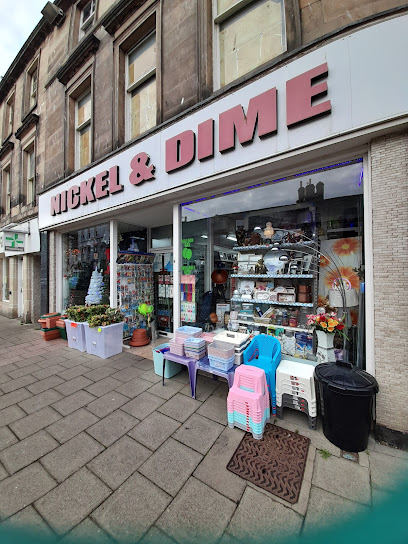
Nickel n' Dime Elgin
12.4 km
A friendly, well-stocked homewares and hardware shop in Elgin offering quality goods and seasonal finds for all your household needs.
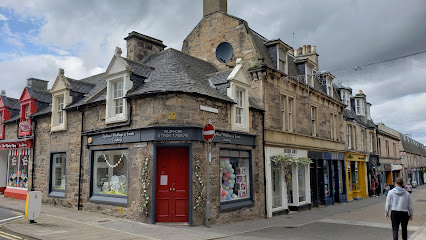
St Giles Shopping Centre
12.4 km
Central Elgin’s shopping hub with diverse retailers, local events, and a welcoming atmosphere under one roof.
Babalu
12.4 km
Discover Babalu, Forres’ magical boutique filled with handmade gifts, unique treasures, and warm local charm on High Street.
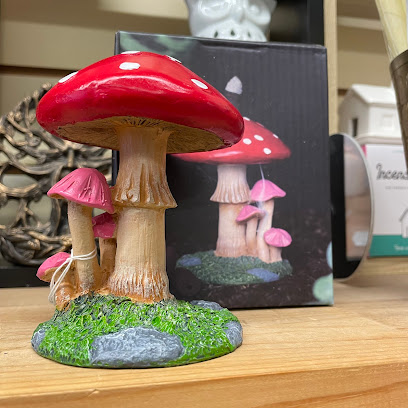
Enchanted Highlands
12.4 km
Discover authentic Scottish Highland crafts and unique souvenirs at Enchanted Highlands, a charming gift shop in Elgin’s heart.
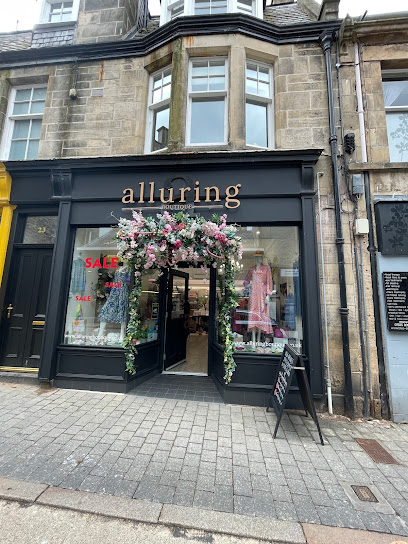
Alluring Boutique
12.4 km
Discover unique fashion and accessories at Alluring Boutique, Elgin’s stylish clothing shop blending contemporary trends with timeless elegance.
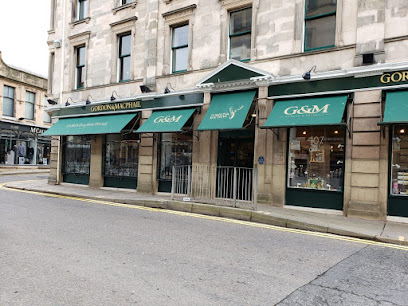
Gordon & MacPhail Retail
12.5 km
Scotland's legendary independent whisky specialist since 1895, offering rare single malts and expert tastings.
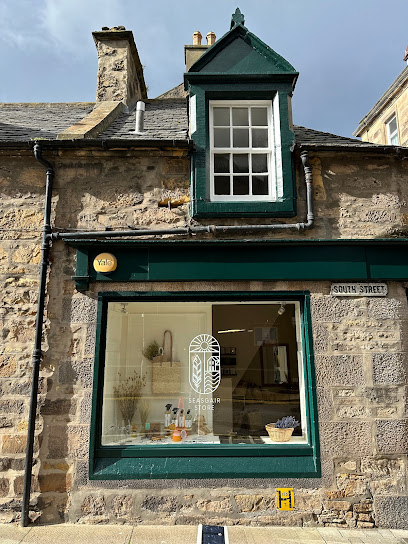
Seasgair Store
12.5 km
Discover Seasgair Store in Elgin for beautiful, practical homewares and unique gifts in a welcoming boutique setting.
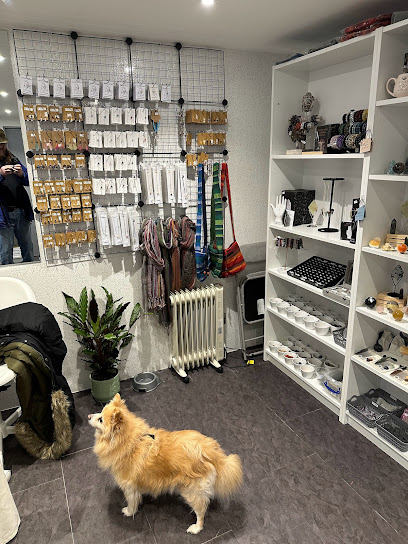
Sirology Ltd
12.5 km
Discover unique gifts, health products, and exquisite leather goods showcasing local craftsmanship in the heart of Elgin.
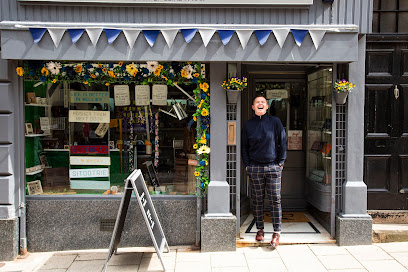
UNIQUE
13.0 km
Discover distinctive women's fashion and accessories in the heart of Lossiemouth at UNIQUE, your local boutique for elegant style.
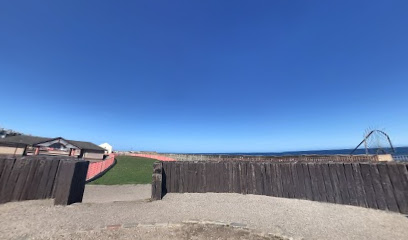
Browns Giftware
13.1 km
Discover unique Scottish treasures and handcrafted souvenirs at Browns Giftware, a charming boutique in the heart of Lossiemouth.
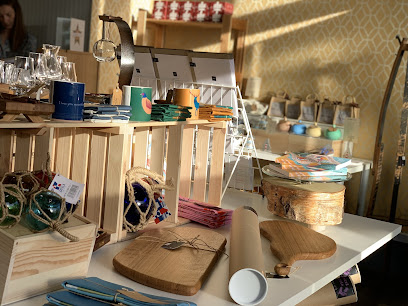
MY Ladies Designer Boutique
13.1 km
Exclusive designer ladieswear boutique in Lossiemouth offering quality, individuality, and timeless style in a charming coastal setting.
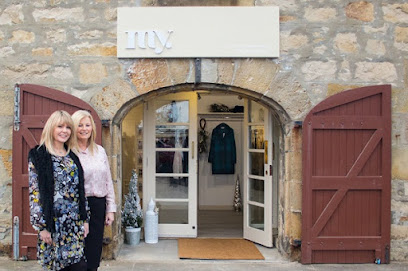
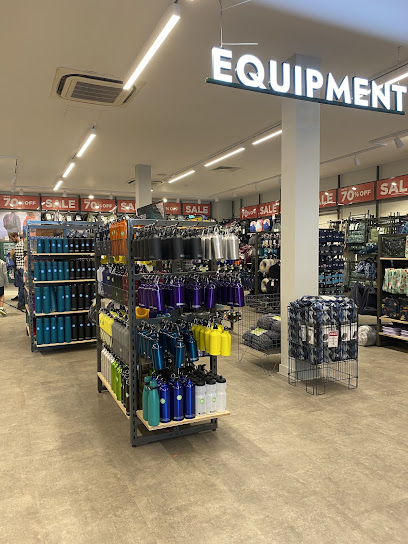
Mountain Warehouse Elgin
13.2 km
Your trusted Elgin destination for quality outdoor clothing, camping gear, and adventure-ready apparel for all ages and seasons.
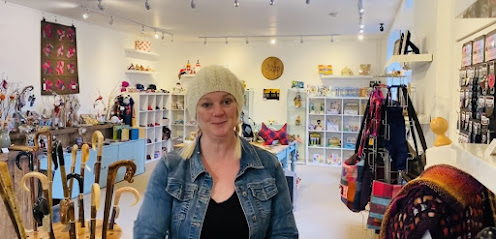
Hellygog
21.3 km
Discover Hellygog, a charming craft and gift shop nestled in the historic Logie Steading, blending artisan creativity with scenic Scottish heritage.
Essential bars & hidden hideouts

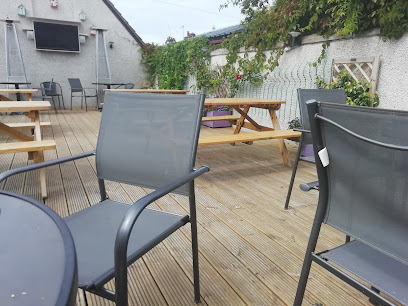
Braemou Inn
3.7 km
A cozy, welcoming pub and inn in Hopeman offering hearty homemade food, comfortable rooms, and a true taste of Scottish coastal hospitality.
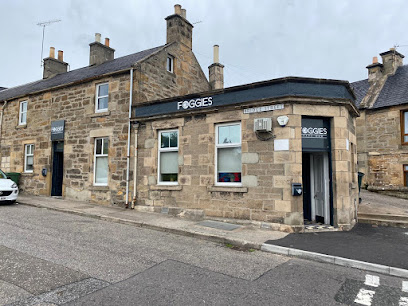
Foggies Vape Bar
12.0 km
Discover Elgin’s vibrant Foggies Vape Bar, where cozy pub charm meets a dynamic vaping culture for a unique social experience.
The Victoria Bar
12.3 km
Step into Elgin’s Victoria Bar for a true taste of traditional Scottish pub life, with friendly locals, fine whiskies, and a welcoming atmosphere.
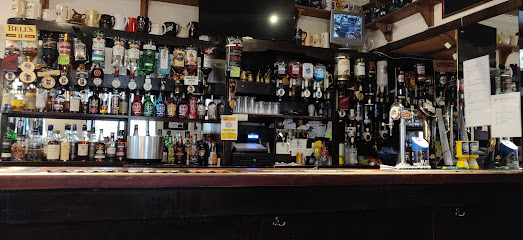
Badenoch's
12.3 km
A lively gastro pub in Elgin offering diverse dining, cocktails, and a welcoming atmosphere for locals and visitors alike.
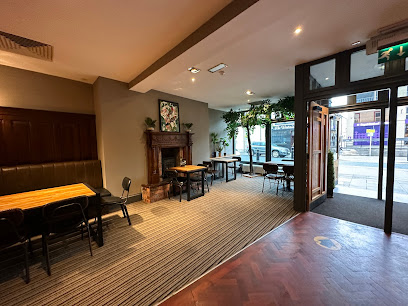
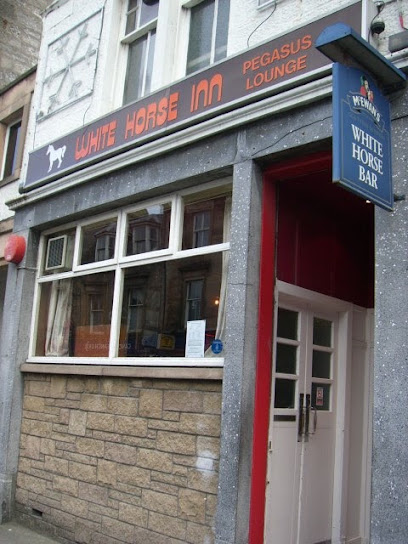
White Horse Inn
12.3 km
A traditional Scottish pub with cozy indoor lodging, hearty fare, and a welcoming atmosphere in the heart of Elgin.
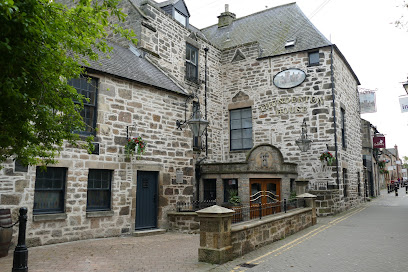
The Thunderton House
12.4 km
Historic charm meets lively hospitality at The Thunderton House, Elgin’s beloved pub for great food, drinks, and live entertainment.
Sloe & Steady
12.4 km
Discover Forres’ cozy cocktail haven where creative drinks and a warm atmosphere blend for an unforgettable night out.
Against The Grain - Taproom Beer Emporium
12.5 km
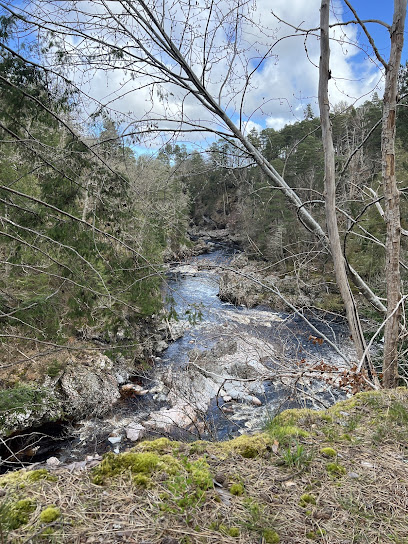
A cozy Elgin taproom offering a rotating selection of craft beers and whiskies in a relaxed, dog-friendly atmosphere.
Dean's of Elgin
12.5 km
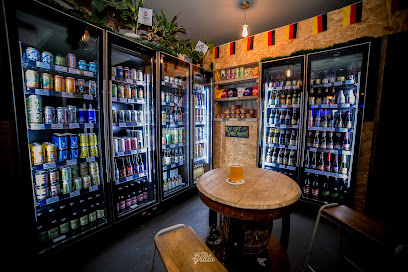
Experience expertly crafted cocktails in a cozy, inviting bar nestled in the heart of historic Elgin, Scotland.
The Cocktail Joint
12.5 km
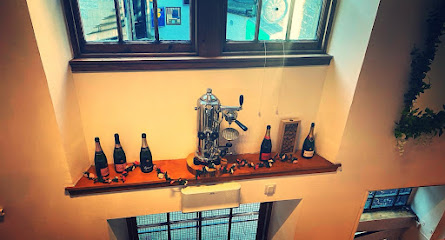
Elgin’s exclusive speakeasy bar offering expertly crafted cocktails in a stylish, intimate setting.
The Elgin Club
12.6 km
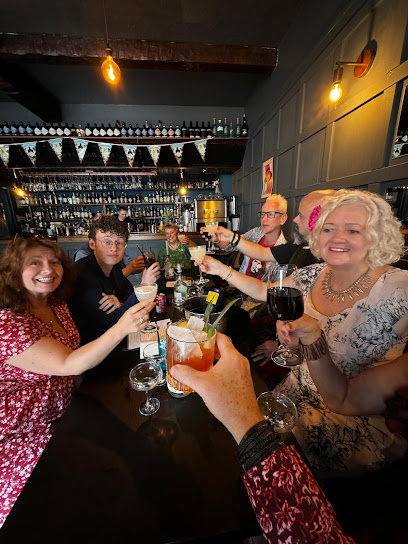
Historic Renaissance palazzo bar offering vibrant nightlife in the heart of Elgin’s town centre.
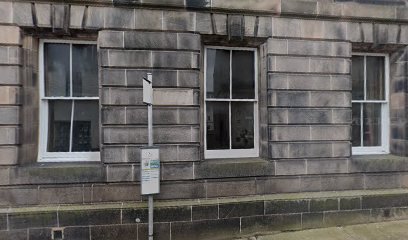
Legends
12.6 km
Lively pub with hearty fare, live weekend music, and a welcoming atmosphere in the heart of Forres.
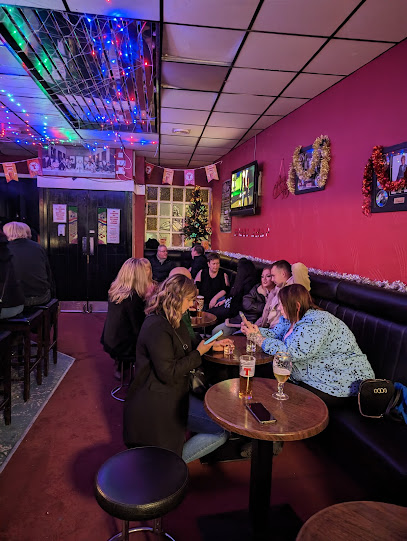
The Muckle Cross - JD Wetherspoon
12.6 km
A vibrant and affordable JD Wetherspoon pub on Elgin High Street offering hearty meals and a lively atmosphere from morning till late.
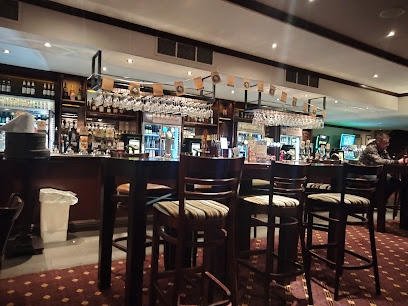
Ionic Bar
12.6 km
A traditional Scottish pub in Elgin’s heart, offering friendly vibes, local brews, and timeless charm for relaxed socialising.
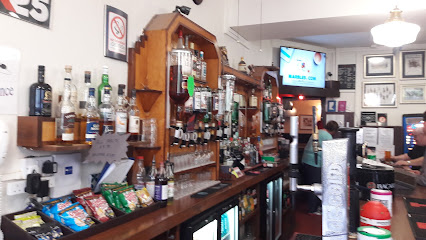
Thistle Bar
12.7 km
Cozy and friendly bar on Forres High Street, offering affordable drinks and a warm local atmosphere every day from 11am to 10pm.
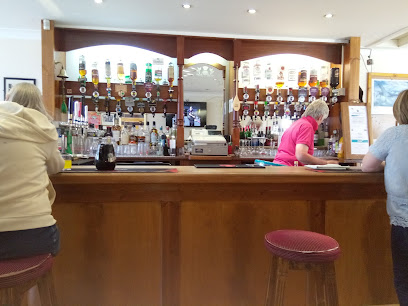
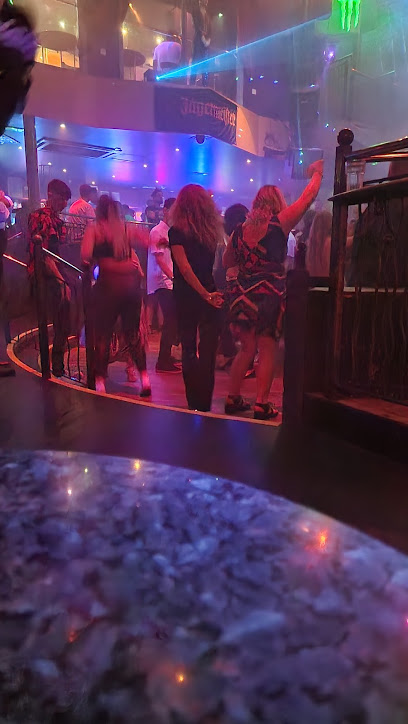
Nightclubs & after hour spots

Joannas Nightclub
12.3 km
Lively and casual nightclub in Elgin’s town centre, offering weekend late-night music, dancing, and social vibes in a friendly local setting.
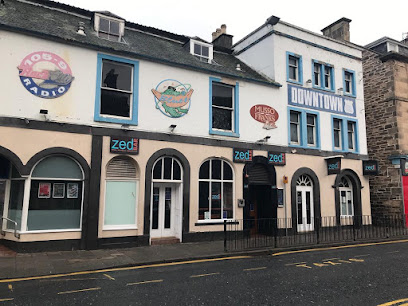
Zed Bar
12.3 km
Experience the vibrant nightlife at Zed Bar in Elgin, where great drinks and lively atmosphere await every visitor.
Seaforth Club
12.6 km
A welcoming members-only social club in Elgin offering great atmosphere, steak suppers, and a true sense of community spirit.
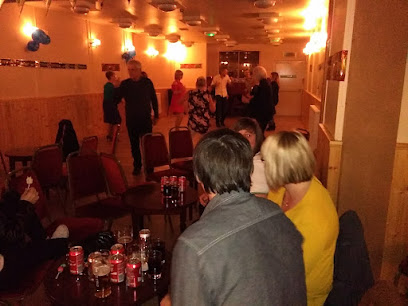
Xplosive Discos
28.5 km
Experience the vibrant nightlife at Xplosive Discos in Nairn, where unforgettable music and karaoke fun await every visitor.
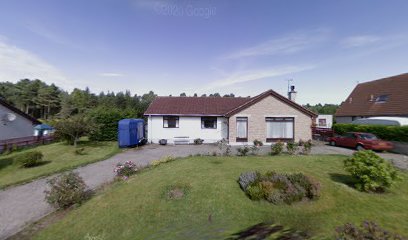
Purple Nightclub
31.8 km
Experience Buckie’s vibrant nightlife at Purple Nightclub, the ultimate destination for dancing, live music, and unforgettable late-night events.
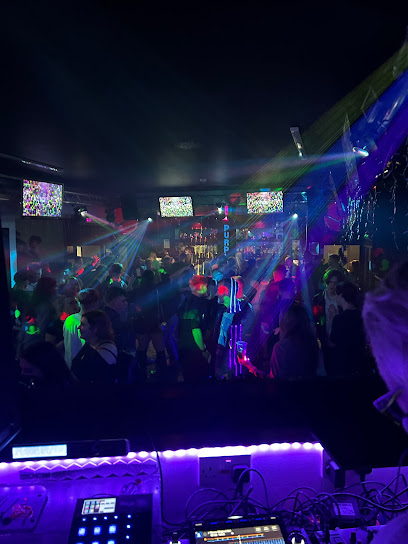
Private Eyes Inverness
50.0 km
Experience Inverness’s vibrant nightlife at Private Eyes, where stylish decor meets great music and a welcoming party atmosphere.
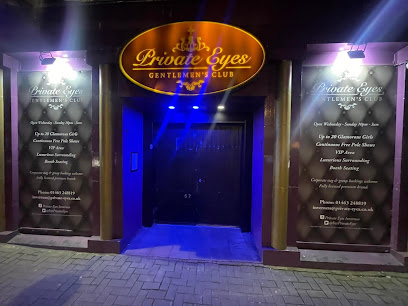
MacGregor's
50.1 km
Experience the lively atmosphere of MacGregor's in Inverness, offering delicious food and a great selection of drinks in a vibrant setting.
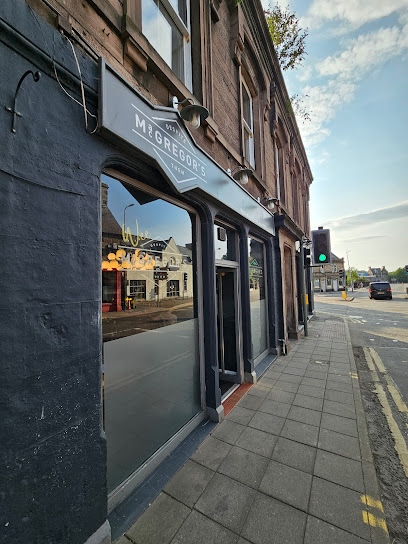
The Malt Room
50.1 km
Discover The Malt Room in Inverness, a cozy bar with an extensive whisky selection and a welcoming atmosphere perfect for relaxation.
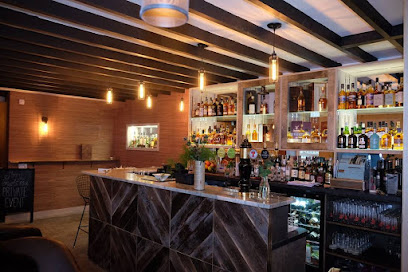
Lauders
50.1 km
Experience the lively spirit of Inverness at Lauders, where great food, drinks, and live music create unforgettable moments.
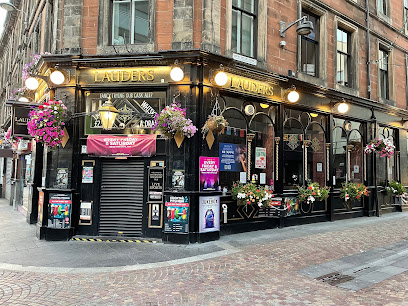
Black Isle Bar & Rooms
50.1 km
Discover the vibrant atmosphere and unique offerings of Black Isle Bar & Rooms in the heart of Inverness, your gateway to local culture and craft brews.
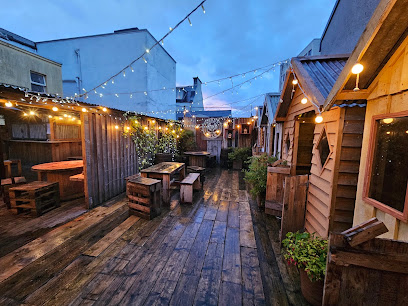
Hootananny
50.1 km
Discover the heart of Inverness at Hootananny, the ultimate destination for live Scottish music and vibrant nightlife.
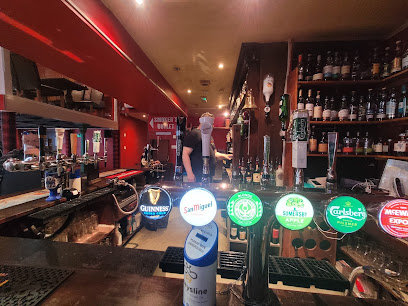
Revolution Inverness
50.2 km
Discover Revolution Inverness: A vibrant lounge and restaurant offering cocktails, delicious food, and an unforgettable nightlife experience in the heart of the city.
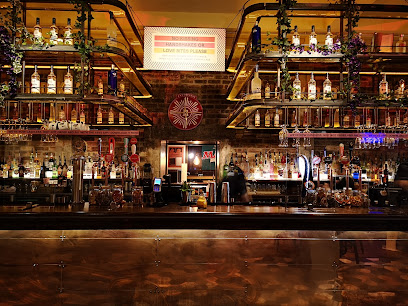
Gellions Bar
50.2 km
Experience the heart of Inverness at Gellions Bar, where live music, local drinks, and vibrant atmosphere create unforgettable nights.
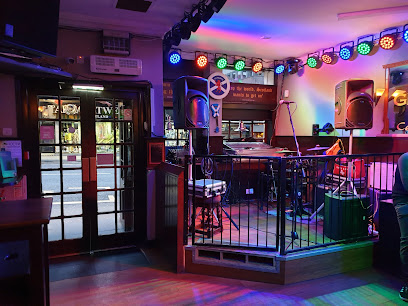
Johnny Foxes
50.2 km
Experience the heart of Inverness nightlife at Johnny Foxes - a delightful pub with cocktails, local flavors, and live music.
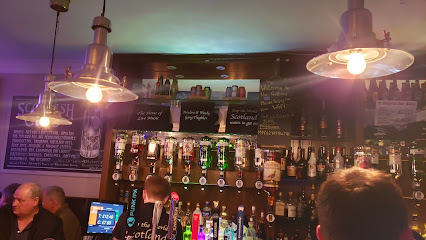
The Piano and Whisky Bar Inverness
50.5 km
Experience the enchanting blend of live piano music and exquisite whisky at The Piano and Whisky Bar in Inverness, a perfect night out.
For the vibe & atmosphere seeker
- Scenic
- Tranquil
- Cultural Heritage
- Unique
For the design and aesthetic lover
- Rustic Designs
- Vintage Styles
For the architecture buff
- Historic
- Landmarks
- Heritage Neighborhoods
For the view chaser and sunset hunter
- Iconic Views
- Panoramas
- Waterfront
- Sunset Spots
For the social media creator & influencer
- Instagrammable
- Photo Spots
- Selfie Spots
For the eco-conscious traveler
- Public-Transport Accessible
- Locally Managed
- Leave-No-Trace Critical
For the kind of experience you’re after
- Cultural Heritage
- Myth & Legends
- Day Trip
- Nature Escape
- Festival / Event Nearby
For how adventurous you want the journey to be
- Easy Access
Location Audience
- Family Friendly
- Senior Friendly
- Child Friendly
- Teen Friendly
- Solo Friendly
- Couple Friendly
- Vegetarian Friendly
- Vegan Friendly


