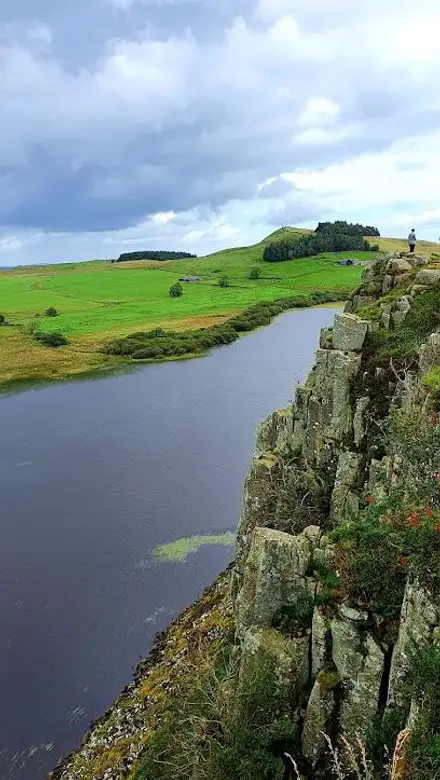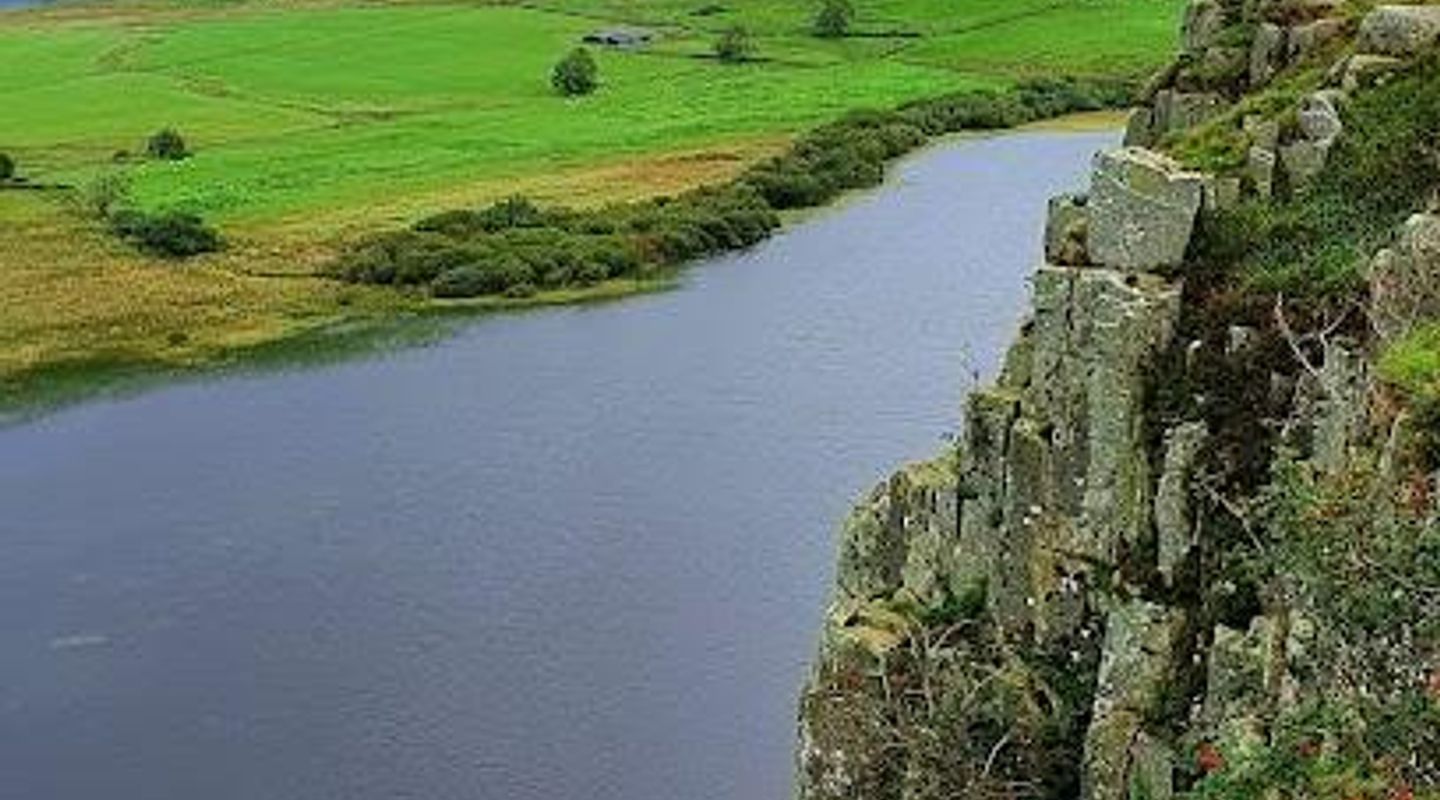
Hadrian’s Wall Path, Newcastle Upon Tyne Travel Guide
Walk the historic 84-mile Hadrian’s Wall Path from Wallsend, tracing the Roman frontier through urban and rural England.
Hadrian’s Wall Path is an 84-mile (135 km) National Trail running from Wallsend on England’s east coast to Bowness-on-Solway on the west. Starting at Wallsend, the path traces the remnants of the Roman frontier wall built nearly 2,000 years ago, offering a unique blend of urban history and rural landscapes. The eastern section begins in the urban setting of Wallsend and Newcastle before moving into open countryside, showcasing Roman forts and scenic views along the way.
A brief summary to Hadrian’s Wall Path
- Wallsend, GB
- Duration: 6 to 9 hours
- Mid ranged
-
 Outdoor
- Mobile reception: 4 out of 5

Know before you go
Hi, I'm Eve. Here are a few practical things to know before exploring Hadrian’s Wall Path.
- Start your journey at the Segedunum Roman Fort and Museum in Wallsend for a comprehensive introduction to the wall’s history.
- Carry walking poles to ease knee strain on the steeper, hilly sections between Sewingshields Crags and Greenhead.
- Plan your accommodation in advance, especially in the more remote middle sections where options are limited.
- Use public transport like the Newcastle Metro to reach Wallsend and local buses along the route during walking season.
- Allow 6 to 9 days to complete the full 84-mile trail, adjusting daily mileage to your fitness and interests.
Do you manage this location?
Take control to get all the benefits, like improved information, better appearance, and stronger visibility across AI-powered discovery. Learn more about listing your business on Evendo
Activate your presenceOther nearby places you may find interesting
The closest places of the same kind, if this one is not quite what you had in mind.




Explore Hadrian’s Wall Path on the Map
A handpicked selection of must-see spots near Hadrian’s Wall Path, mapped for you.
Getting There
-
Public Transport
Take the Tyne and Wear Metro from Newcastle city centre to Wallsend station, with journeys typically lasting 20-30 minutes. The Metro runs frequently throughout the day, with tickets costing around £3-£5. Wallsend station is within walking distance of the Segedunum Roman Fort and the start of the trail.
-
Train and Bus Combination
Travel by train to Newcastle Central Station from major UK cities, then transfer to the Metro to Wallsend. Alternatively, regional buses connect Newcastle to Wallsend with services running every 30-60 minutes. Total travel time from central Newcastle is approximately 30-45 minutes. Bus fares range from £2 to £4.
-
Car
Driving to Wallsend is possible via the A1058 and A187 roads. Parking is available near the Segedunum Roman Fort, but spaces can be limited during peak seasons. Expect travel times of 15-30 minutes from central Newcastle. Note that some areas may have parking restrictions and charges apply.
For the on-the-go comforts that matter to you
-
 Restrooms
-
 Drink Options
-
 Food Options
-
 Seating Areas
-
 Information Boards
-
 Visitor Center
Discover more about Hadrian’s Wall Path
Origins and Historical Significance of Hadrian’s Wall
Hadrian’s Wall was constructed beginning in AD 122 under Roman Emperor Hadrian as a defensive fortification marking the northern boundary of the Roman Empire in Britain. Stretching originally about 73 miles, the wall included milecastles, forts, and watchtowers, serving both military and administrative purposes. Today, the Hadrian’s Wall Path follows this ancient frontier for 84 miles, from Wallsend on the North Sea coast to Bowness-on-Solway on the Irish Sea, preserving the legacy of Roman Britain and its frontier life.The Eastern Gateway: Wallsend and Urban Beginnings
Wallsend marks the eastern start of the trail and is home to the Segedunum Roman Fort and Museum, which provides rich context about the wall’s history and Roman presence in the region. Unlike much of the path, this section passes through urban areas including Newcastle upon Tyne, allowing walkers to experience a blend of city life and historical exploration. The route follows the River Tyne’s banks before transitioning into more rural surroundings near Heddon-on-the-Wall.Scenic and Archaeological Highlights Along the Path
As the trail progresses westward, it moves through varied landscapes—from farmland and rolling hills to moorland and crags. Key archaeological sites such as Chesters Roman Fort and Housesteads Roman Fort offer well-preserved ruins and visitor facilities. The section between Chollerford and Walton is noted for being the highest and wildest part of the path, where the wall is most visible and dramatic views abound.Walking Experience and Trail Conditions
The Hadrian’s Wall Path is well signposted and generally accessible, with terrain ranging from urban promenades to rural footpaths. The trail is considered easy to moderate in difficulty, suitable for families and walkers of varied abilities. While some sections are remote with limited services, accommodation and food options are more plentiful near the trailheads and larger villages. Walking poles are recommended for steeper sections, especially around the crags.Visitor Engagement and Cultural Context
The path offers a rich cultural heritage experience, combining physical activity with history and archaeology. The Segedunum Museum at Wallsend serves as an excellent introduction, while other forts and museums along the way deepen understanding of Roman military life. The trail is part of the Frontiers of the Roman Empire World Heritage Site, emphasizing its global historical importance.Seasonality and Practical Considerations
The trail is best enjoyed from spring through autumn when weather conditions are milder and services are more available. Public transport links to Wallsend and along the route make access convenient, though some planning is needed for accommodation in less populated areas. The path can be completed in 6 to 9 days, with flexible itineraries available to suit different paces and interests.












Your all‑in‑one travel companion app
Explore expert travel guides, compare and book tours, experiences, hotels, and more—all from the palm of your hand. Download now for seamless trip planning wherever your wanderlust takes you.


Explore More of Newcastle Upon Tyne

Looking beyond Hadrian’s Wall Path? Discover Newcastle Upon Tyne for broader travel guides, local hot-spots, and regional highlights.
Explore Newcastle Upon Tyne
A hidden Newcastle gem showcasing powerful documentary photography in an intimate, free-entry gallery space just below the Tyne Bridge.
Follow the footsteps of Roman legions along the historic Hadrian’s Wall Path from Wallsend’s ancient fort to the wild northern English countryside.