Background

Vindolanda Roman Fort and Museum

Explore Vindolanda, a uniquely preserved Roman fort near Hadrian’s Wall, famed for its ancient writing tablets and rich archaeological treasures.

4.8

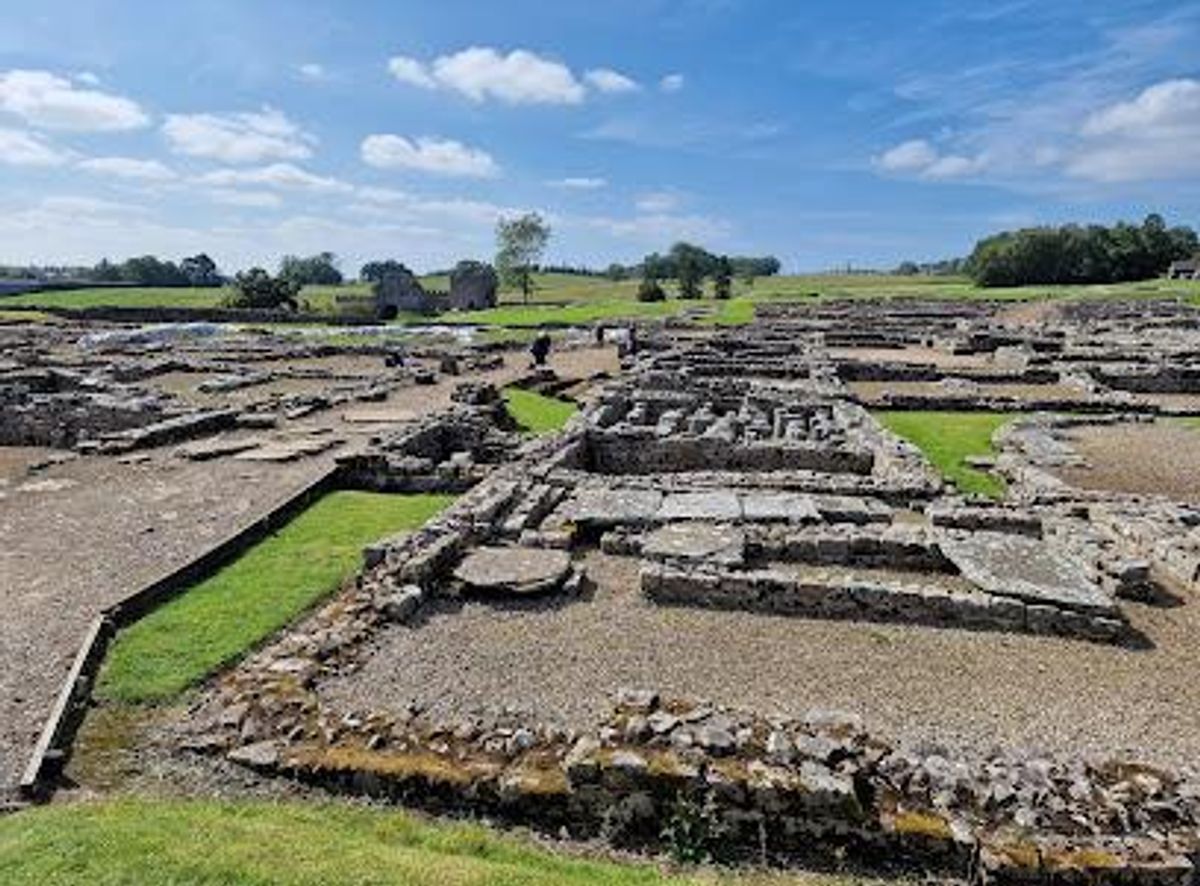
Vindolanda is a remarkable Roman auxiliary fort and archaeological site near Hexham, England, occupied from around 85 AD to 370 AD. It predates Hadrian’s Wall and is famed for the Vindolanda tablets, the oldest surviving handwritten documents in Britain. The site features multiple layers of forts, a vicus settlement, bathhouses, and an outstanding museum showcasing thousands of artefacts, offering a vivid glimpse into life on the Roman frontier.

A brief summary to Vindolanda

  • Monday 9:30 am-4 pm
  • Tuesday 9:30 am-4 pm
  • Wednesday 9:30 am-4 pm
  • Thursday 9:30 am-4 pm
  • Friday 9:30 am-4 pm
  • Saturday 9:30 am-4 pm
  • Sunday 9:30 am-4 pm

Local tips

  • Book tickets online in advance to secure entry, especially during peak seasons.
  • Wear comfortable walking shoes as the site includes outdoor ruins and uneven terrain.
  • Allow at least 2-3 hours to fully explore the museum and outdoor excavation areas.
  • Visit the museum first to gain context before exploring the archaeological site.
  • Check the weather forecast and bring rain gear if visiting in wet conditions, as much of the site is outdoors.
widget icon

Getting There

  • Train and Bus

    Take a train from Newcastle to Hexham (approximately 30-40 minutes), then catch a local bus or taxi to Vindolanda (20-30 minutes). Bus services may be limited on weekends and holidays. Train fares range from £10-£20 one way; bus fares are around £5.

  • Car

    Driving from Hexham to Vindolanda takes about 25 minutes via the A69 and B6318 roads. Parking is available on-site for a small fee. Note that rural roads may be narrow and less lit at night.

  • Guided Tour

    Join a guided tour from Newcastle or Hexham, including transport and entry tickets. Tours typically last 4-6 hours and cost between £40-£70 per person, depending on inclusions.

Vindolanda location weather suitability

  • Weather icon Any Weather
  • Weather icon Rain / Wet Weather
  • Weather icon Clear Skies
  • Weather icon Mild Temperatures

Unlock the Best of Vindolanda

Buy tickets

    No tickets available

Book tours with entry

    No tours available

Book tours without entry

    No tours available

Discover more about Vindolanda

Ancient Origins and Military Significance

Vindolanda was established around 85 AD, a generation before Hadrian's Wall, as a key Roman auxiliary fort guarding the northern frontier of Roman Britain. Located near the modern village of Bardon Mill in Northumberland, it was strategically positioned along the Stanegate road linking the River Tyne to the Solway Firth. The fort was continuously occupied by various infantry and cavalry units, primarily non-legionary auxilia cohorts, for nearly three centuries. Its military importance is underscored by a series of nine successive forts built on the same site, evolving from timber and turf constructions to stone fortifications by the mid-second century AD.

Exceptional Archaeological Preservation

The site’s waterlogged, anaerobic soil conditions have preserved an extraordinary array of organic materials rarely found elsewhere, including wooden structures, leather shoes, textiles, and the famed Vindolanda writing tablets. These thin wooden leaf-tablets, dating mainly to around 100 AD, contain ink inscriptions that provide unparalleled insights into the daily lives, military orders, personal correspondence, and administrative affairs of the Roman garrison. Over 2,000 tablets have been uncovered since their discovery in 1973, making Vindolanda a unique resource for understanding Roman Britain.

Life Beyond the Fort Walls

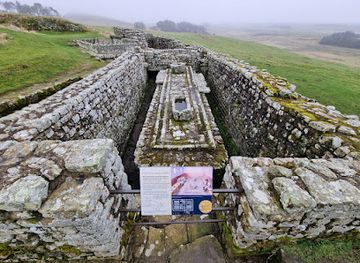
Vindolanda was not just a military installation but also a vibrant community with a vicus — a civilian settlement housing families, traders, slaves, and craftsmen. The site includes remains of a large Roman bathhouse (thermae), temples, and cemeteries with thousands of burials that reveal Roman funerary practices and social structures. Archaeological finds such as jewellery, weapons, coins, and household items enrich the narrative of everyday life on the empire’s frontier.

Modern Excavations and the Vindolanda Trust

Systematic excavations began in 1929 and have continued under the stewardship of the Vindolanda Trust since its founding in 1970. The Trust has developed the site into a major archaeological and educational center, employing professionals and volunteers alike. The on-site museum, opened in the 1970s, displays many of the artefacts uncovered, including altars, inscriptions, and the writing tablets. Ongoing digs continue to reveal new discoveries, contributing to the understanding of Roman military and civilian life.

Commemoration and Legacy

Vindolanda also commemorates the soldiers who served there, with a modern military monument featuring an imperial eagle and inscriptions honoring both named and unknown Roman soldiers. The site’s long occupation, extending even after the Roman withdrawal from Britain, and its later sub-Roman Christian traces, mark Vindolanda as a place of enduring historical significance.

Visitor Experience and Educational Value

Visitors to Vindolanda can explore the outdoor archaeological remains, including fort walls, bathhouses, and excavation trenches, alongside the museum’s rich collections. The site offers a tangible connection to Roman Britain’s frontier life, enhanced by ongoing archaeological research and educational programs that engage the public with this extraordinary heritage.

Busiest months of the year

Busiest hours of the day

Popular Experiences near Vindolanda

Popular Hotels near Vindolanda

Select Currency