

W Walls, Newcastle upon Tyne Travel Guide
Free Guide: Explore the enduring medieval stone fortifications of Newcastle’s West Walls, a remarkable glimpse into the city’s historic defenses.


A brief summary of W Walls
Explore the enduring medieval stone fortifications of Newcastle’s West Walls, a remarkable glimpse into the city’s historic defenses.
The West Walls are a significant surviving section of the medieval Newcastle town wall, located in Newcastle upon Tyne. Built during the 13th and 14th centuries, these stone walls once formed a defensive barrier around the city, featuring towers and gates. Today, the West Walls showcase well-preserved stonework and historic towers like Durham Tower, offering a glimpse into Newcastle’s medieval past and its strategic importance against invasions.
On-site amenities
 Information boards
 Seating areas
 Trash bins
- Address
- Newcastle upon Tyne
Getting there
Bus
Walking
Taxi
Discover more about W Walls
Medieval Origins and Defensive Purpose
The West Walls are part of the larger Newcastle town wall, a medieval defensive structure constructed primarily in the 13th and 14th centuries. These walls were built to protect Newcastle upon Tyne from Scottish invasions and other military threats during a turbulent period in northern England’s history. Stretching approximately 3 kilometers in total length, the entire town wall was formidable — up to 7.6 meters high and 2 meters thick — with multiple towers and gates strategically placed to defend the city.
Architectural Features and Surviving Sections
The West Walls, located between Westgate Road and St Andrew’s Street, represent one of the best-preserved parts of the original fortifications. This section includes Durham Tower, a prominent defensive tower that projects outward from the wall, allowing defenders to cover the approaches from multiple angles. Other features include remnants of smaller turrets and postern gates. The walls were constructed from sturdy stone, and their design allowed archers to fire upon attackers from both the towers and the wall itself, creating overlapping fields of defense.
Historical Significance and Gates
Historically, the West Walls contained one of the six main gates of Newcastle’s fortifications — the West Gate. This gate led to the West Road, following the line of the old Roman wall. It was known for its strength, with large oak gates and iron doors. Over time, the gate served various purposes, including as a prison during the English Civil War. Although the West Gate itself was demolished in the early 19th century, the surviving walls and towers nearby retain the medieval character of the city’s defenses.
Modern-Day Context and Preservation
Today, the West Walls stand as a Scheduled Ancient Monument, protected for their cultural and historical value. Visitors can see large sections of the wall stretching northward towards St Andrew’s Church, with some parts partially reconstructed or excavated. The walls near the riverbank reveal evidence of past industrial use, where warehouses once stood. The site offers a tangible connection to Newcastle’s medieval heritage amid the modern urban environment.
Visitor Experience and Atmosphere
Walking along the West Walls, visitors can imagine the medieval city’s fortified perimeter and the strategic importance of these defenses. The stonework’s texture and the towers’ imposing presence evoke a sense of history and resilience. Informational plaques provide context, though some are weathered. The site’s proximity to the city center makes it accessible for a historical stroll, blending the past with the present-day vibrancy of Newcastle.
Integration with Newcastle’s Urban Fabric
The West Walls are integrated into Newcastle’s urban landscape, intersected by modern streets such as St Andrew’s Street and Stowell Street. Nearby landmarks include Durham Tower and the reconstructed outer ditch along Bath Lane. The walls’ preservation amidst a bustling city highlights Newcastle’s layered history, where medieval defenses coexist with contemporary life, offering a unique perspective on the city’s evolution over centuries.
Evendo Review Centre
 Google
Guest reviews
Best time to go
Quietest: Jan, Feb & Dec · before 6am or at 10pm
Busy times are Evendo estimates for a typical year, to help you plan. Actual crowds vary with events, school holidays and the weather.
Explore W Walls on the map
A handpicked selection of must-see spots near W Walls, mapped for you.
Get your free copy of our complete guide to W Walls, delivered straight to you.
Everything on this page, from opening hours and how to get there to Eve’s tips and the best time to go, in one PDF you can read offline, print or share.
Already have an account? Sign in
Your W Walls guide is ready.
We'll send it to · Not you? Sign out

Getting your guide ready…
We are putting together a fresh copy of the W Walls guide. This can take up to a minute.
This can take a few moments. If your browser asks, choose Allow so the download can start. You'll find the guide in your Downloads folder.
Nothing happened? Download it again
Sorry, the guide is taking longer than usual. Please try again in a minute, or get it by email instead.
Other nearby places you may find interesting
The closest places of the same kind, if this one is not quite what you had in mind.
-
-
-
-
-


Swipe for more places
More to explore near W Walls

 Best experiences near W Walls
 Best hotels near W Walls
 Best landmarks near W Walls
 Best attractions near W Walls
 Best shops near W Walls
 Best restaurants near W Walls
 Best bars near W Walls
Do you manage this location?
Take control to get all the benefits, like improved information, better appearance, and stronger visibility across AI-powered discovery.
Explore more
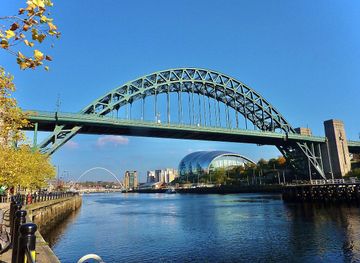
Explore more of Newcastle upon Tyne
Discover Newcastle upon Tyne: A dynamic city where history meets modernity, known for its iconic bridges, vibrant culture, and lively nightlife in the northeast of England.
Explore Newcastle upon Tyne
Explore more of United Kingdom
Discover the United Kingdom: A blend of rich history, stunning landscapes, and vibrant cities, offering a unique travel experience for every visitor.
Explore United Kingdom
