

Best Landmarks in North West England
Planning a trip to North West England? Discover the best landmarks in North West England with history, expert tips, and routes. Free on web or the Evendo app.


The best landmarks in North West England
- Top rated
- Closest to the centre
- Price level: low to high
- Time to spend: shortest first
- A–Z
28 landmarks
-
Cathedral4.6★5,952 reviews
Manchester Cathedral
Manchester Cathedral, a Grade I listed Gothic masterpiece, stands in the vibrant city centre of Manchester. With origins dating back to 1421, it has witnessed centuries of history, including the Industrial Revolution and wartime bombings. The cathedral features stunning stained glass, intricate medieval carvings, and a peaceful sanctuary amid the bustling urban landscape. Open daily with free admission, it offers guided tours, rich cultural events, and a welcoming space for all visitors.
Mon–Sat 9:00–16:00 · Sun 12:00–16:00Time to spend 1–2 hrs
-
Historical landmark4.7★2,004 reviews
Chester City Walls
The Chester City Walls are a remarkable 2-mile circuit of ancient defensive walls encircling the historic city of Chester, England. Built primarily from local red sandstone, these walls offer a scenic elevated walkway with panoramic views of iconic landmarks such as Chester Cathedral, Eastgate Clock, and the River Dee. Open 24/7 year-round, the walls provide a unique blend of Roman, medieval, and Victorian heritage, making them one of the most complete and accessible city walls in Britain.
Open 24 hoursTime to spend 1–1.5 hrs
-
Historical landmark4.5★2,023 reviews
St. Peter's Square
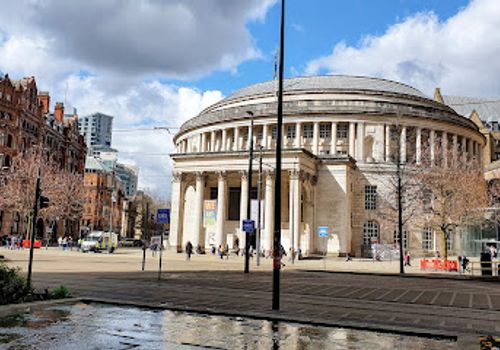
St Peter's Square is a central public space in Manchester's city centre, renowned for its rich history, iconic architecture, and role as a major transport hub. Once the site of the 1819 Peterloo Massacre, the square today features memorials, including the Manchester Cenotaph and Emmeline Pankhurst statue, alongside striking buildings like the Central Library and Midland Hotel. It serves as a vibrant gathering place blending heritage with modern urban life.
Open 24 hoursTime to spend 0.5–2 hrs
-
Historical landmark4.5★1,171 reviews
Hoghton Tower
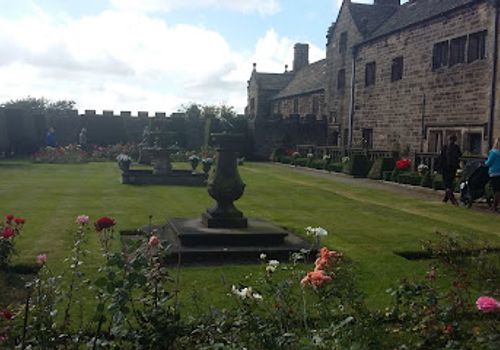
Hoghton Tower is a Grade I listed fortified manor house perched on a hilltop near Preston, Lancashire, commanding sweeping views across the region. Built by Thomas Hoghton between 1560 and 1565 during the reign of Elizabeth I, this Tudor masterpiece has been home to the de Hoghton family for nearly nine centuries. The tower's dramatic hilltop setting, architectural significance, and rich tapestry of royal visits, Civil War drama, and literary connections make it one of Lancashire's most compelling historical destinations. Today, the house remains a family residence while welcoming visitors through guided tours and hosting events throughout the year.
Price level $$Time to spend 1.5–3.5 hrs
-
Historical landmark4.6★899 reviews
Furness Abbey
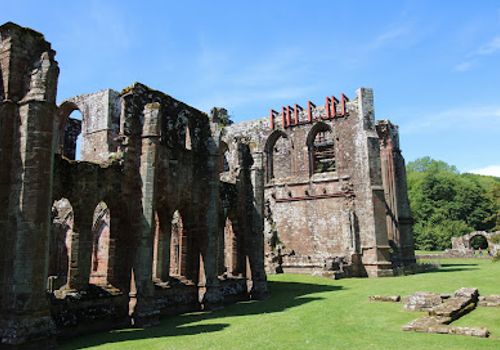
Furness Abbey stands as one of northern England's most impressive monastic ruins, set within 45 acres of grounds near Barrow-in-Furness. Once the second most powerful Cistercian monastery in Britain after Fountains Abbey in Yorkshire, this 12th-century foundation retains remarkable architectural fragments including the ornate chapter house, cloister buildings, and substantial portions of the abbey church. The site combines medieval grandeur with an intimate, contemplative atmosphere, offering visitors a tangible connection to 900 years of monastic history through both the physical ruins and an on-site museum housing significant archaeological discoveries.
Daily 10:00–17:00Price level $Time to spend 1.5–3 hrs
-
Historical landmark4.4★965 reviews
Liverpool Castle
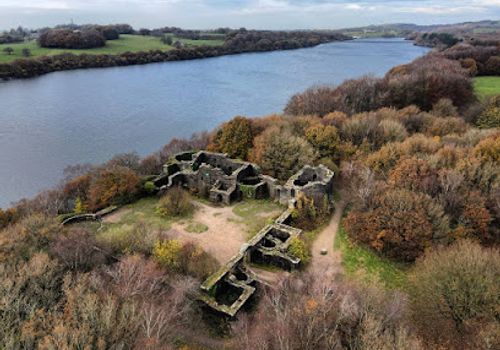
Liverpool Castle in Rivington near Bolton is a captivating early 20th-century folly built to replicate the ruined medieval Liverpool Castle. Commissioned by Lord Leverhulme, this evocative stone structure was designed to look like a centuries-old ruin and sits dramatically on a rocky promontory overlooking Lower Rivington Reservoir. Though never completed, the castle’s ivy-clad towers, curtain walls, and keep create a picturesque historic atmosphere popular with photographers and visitors seeking scenic views and a touch of Lancashire’s layered past.
Open 24 hoursTime to spend 1–3 hrs
-
Historical landmark4.7★210 reviews
Peel Tower
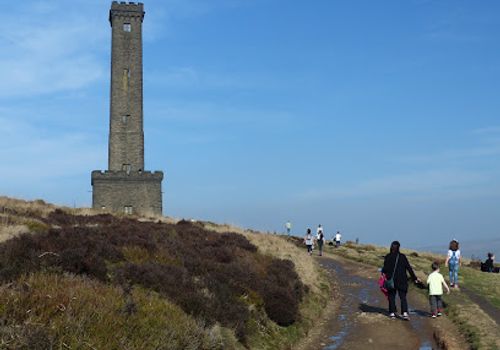
Peel Tower, a striking 128-foot monument erected in 1852, honors Sir Robert Peel, founder of the modern police force and former UK Prime Minister. Situated atop Holcombe Hill near Bury, it offers breathtaking panoramic views across Manchester, North Wales, and on clear days even Blackpool. The tower is accessible year-round, with occasional open days when visitors can climb inside. Surrounded by the natural beauty of the West Pennine Moors, it is a favored spot for walkers and history enthusiasts alike.
Sun 11:00–16:00Price level $Time to spend 1–3 hrs
-
Historical landmark4.6★177 reviews
Eleanor Rigby Gravesite
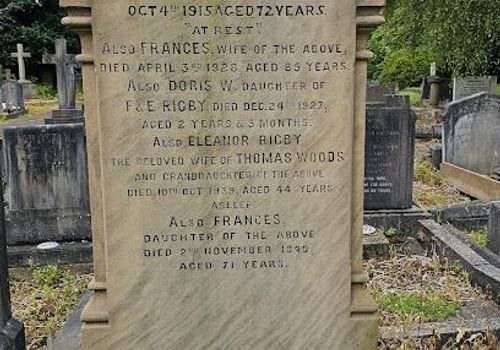
The Eleanor Rigby Gravesite, located in the churchyard of St. Peter's Church in Woolton, Liverpool, marks the resting place of the real Eleanor Rigby, whose name inspired the iconic Beatles song. This historical landmark is a poignant tribute nestled in a serene cemetery where John Lennon and Paul McCartney first crossed paths, making it a site of musical and cultural significance.
Time to spend 0.5–1.5 hrs
-
Canal4.2★219 reviews
Manchester Ship Canal
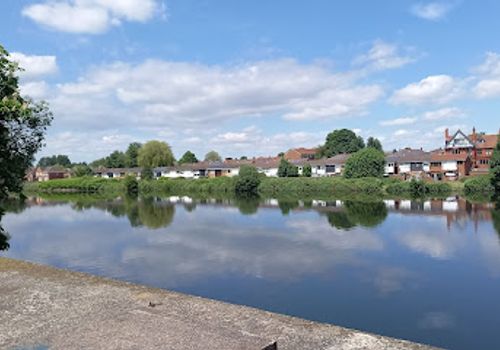
The Manchester Ship Canal, opened in 1894, transformed Manchester into Britain’s third-busiest port despite being 40 miles inland. This monumental waterway, spanning 36 miles, was engineered to allow ocean-going vessels direct access to Manchester, bypassing Liverpool’s docks and railway charges. It played a pivotal role in the city’s industrial growth, connecting it globally and fostering economic prosperity through freight and manufacturing expansion.
Time to spend 1–3 hrs
-
Historical landmark4.5★181 reviews
Cromwell's Bridge
Cromwell's Bridge, built in 1562 near Clitheroe in Lancashire, is a historic stone bridge spanning the River Hodder. Named after Oliver Cromwell, who led his army across it in 1648 during the English Civil War, the bridge stands as a testament to Tudor engineering and local history. Surrounded by tranquil countryside, it offers scenic riverside walks and is linked to literary lore as a possible inspiration for Tolkien's Brandywine Bridge.
Open 24 hoursTime to spend 0.5–2 hrs
-
Historical landmark4.4★161 reviews
Barton Swing Aqueduct
The Barton Swing Aqueduct in Trafford Park, Manchester, is the world's only swing aqueduct, carrying the Bridgewater Canal over the Manchester Ship Canal. Opened in 1894, it replaced an earlier 1761 stone aqueduct and remains a Grade II* listed Victorian engineering masterpiece. Its unique design allows the aqueduct to pivot, enabling large ships to pass beneath while canal boats continue crossing above.
Open 24 hoursTime to spend 0.5–1.5 hrs
-
Anglican church4.7★125 reviews
Parish Church of St John the Baptist, Chester
The Parish Church of St John the Baptist in Chester is a historic Anglican church with origins dating back to before the Norman Conquest. Once the cathedral and collegiate church of Chester, it features medieval architecture, rich ecclesiastical history, and notable events such as the collapse of its great west tower in 1881. Today, it stands as a Grade I listed building and a scheduled ancient monument, reflecting centuries of religious and cultural heritage in the city.
Mon–Fri 11:00–15:00 · Sat 10:00–16:00Time to spend 0.5–2 hrs
-
Church4.8★68 reviews
St Barnabas Penny Lane
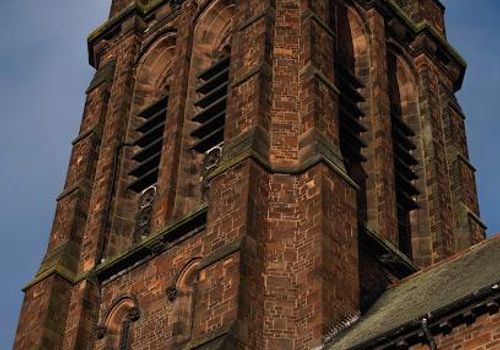
St Barnabas Penny Lane is a historic church located on the famous Penny Lane in Liverpool, England. Built between 1900 and 1914, it is renowned for its connection to the Beatles, particularly Paul McCartney, who sang in its choir as a child. The church features memorials to the First World War and has been revitalized as a vibrant community and music venue, blending its spiritual heritage with Liverpool’s rich musical culture.
Tue 11:30–13:00 · Sun 10:30–12:30, 17:30–19:30Time to spend 0.5–2 hrs
-
Historical landmark4.3★77 reviews
Radcliffe Tower
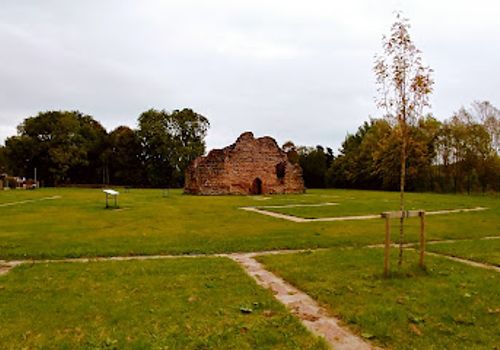
Radcliffe Tower is a Grade I listed Scheduled Monument and one of the oldest structures in Greater Manchester. This ruined medieval Pele tower, dating from around 1358 with later fortifications authorized in 1403, stands as a tangible connection to the region's feudal past. Originally part of a larger fortified manor complex belonging to the de Radclyffe family, the tower features characteristic defensive architecture including massively thick walls and narrow windows. Today, the preserved remnant offers visitors insight into medieval defensive architecture and the history of one of Lancashire's most prominent families.
Open 24 hoursTime to spend 0.5–2 hrs
-
Historical landmark4.5★67 reviews
Lumb Viaduct
Lumb Viaduct is a historic railway viaduct near Ramsbottom in Bury, Lancashire, built in 1848 by the East Lancashire Railway. This impressive Victorian structure spans the River Irwell and surrounding valley, showcasing 19th-century engineering prowess. Today, it serves as a scenic walking and cycling route, offering panoramic views of the Rossendale Valley and a glimpse into the region’s industrial heritage.
Time to spend 1–3 hrs
-
Historical landmark4.7★56 reviews
Alance Bridge
Alance Bridge is a historic stone bridge located in Bolton, England, spanning the Yarrow Reservoir. Built around 1857 to replace an earlier bridge submerged by the reservoir's creation, it stands as a testament to Victorian engineering and the area's industrial past. Surrounded by tranquil waters and scenic countryside, the bridge connects visitors to the story of Bolton’s water supply development and the vanished hamlet of Alance.
Open 24 hoursTime to spend 0.5–2 hrs
-
Memorial4.5★40 reviews
Manchester Cenotaph
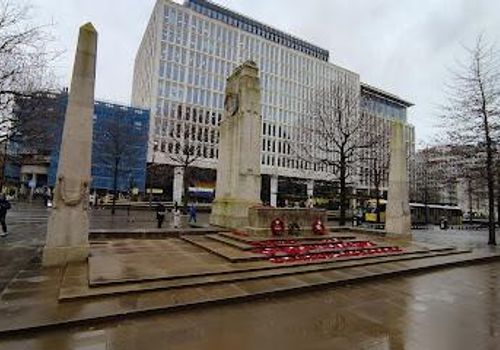
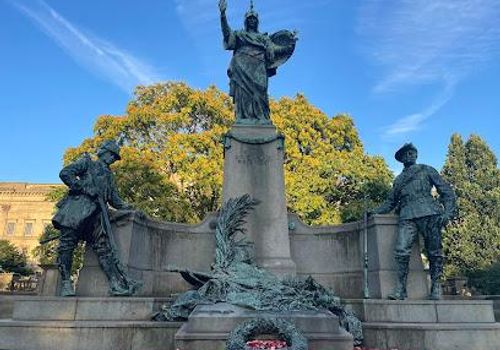
The Manchester Cenotaph, located in St Peter’s Square, Manchester, is a solemn war memorial designed by Sir Edwin Lutyens and unveiled in 1924. It honors the men of Manchester who died in World War I, with later dedications to those lost in subsequent conflicts. The monument features a central cenotaph topped by a sculpture of an unknown soldier, flanked by symbolic stone sculptures representing sacrifice, courage, and devotion. It was relocated in 2014-15 to a prominent site near Manchester Town Hall during urban redevelopment.
Open 24 hoursTime to spend 0.5–1.5 hrs
-
Memorial4.5★40 reviews
Manchester Cenotaph
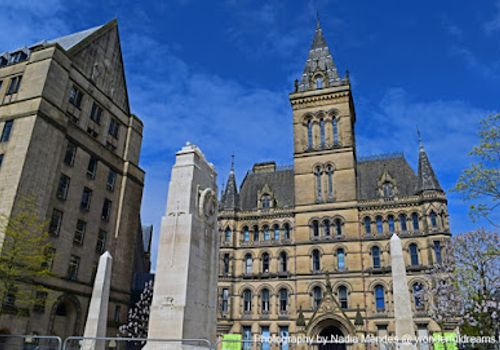
A solemn war memorial designed by Sir Edwin Lutyens and unveiled in 1924, the Manchester Cenotaph stands in St Peter's Square as a tribute to those who died in World War I and subsequent conflicts. This Grade II* listed monument features a central cenotaph topped by a fallen soldier, flanked by twin obelisks and a Stone of Remembrance. Relocated in 2014–15 to its current position beside Manchester Town Hall to accommodate the expanded Metrolink tram network, it remains one of seven English cenotaphs based on Lutyens' iconic Whitehall design and continues to be the focal point for annual remembrance ceremonies.
Open 24 hoursTime to spend 0.2–1.5 hrs
-
Historical landmark4.7★19 reviews
Robert Peel Statue
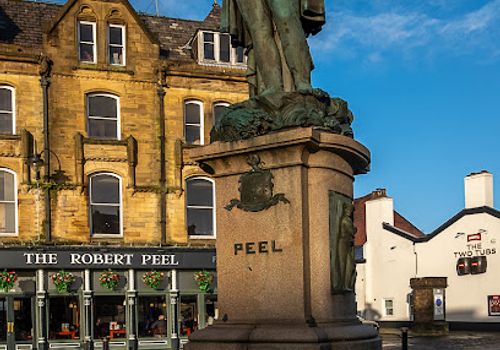
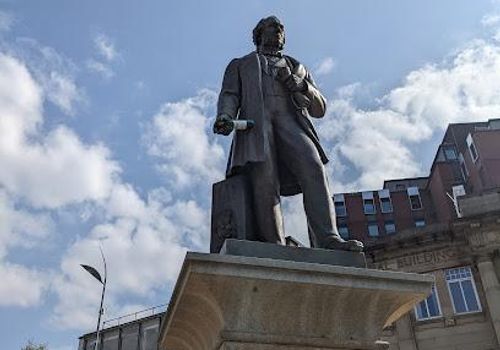
Standing proudly in Bury’s Market Place, the bronze statue of Sir Robert Peel honours the town’s most famous son: twice Prime Minister and founder of the modern British police force. Erected in 1851, this Grade II listed monument features intricate bas-reliefs and inscriptions celebrating Peel’s legacy in law, trade, and social reform. Located in the heart of Bury town centre, it forms a focal point among historic buildings, the parish church, and the cenotaph, making it a natural stop for those exploring the town’s heritage and civic life.
Open 24 hoursTime to spend 15–30 min
-
Memorial4.8★13 reviews
Preston Cenotaph
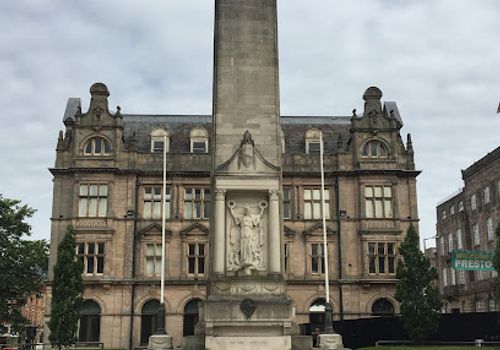
The Preston Cenotaph, located at Preston Flag Market in Central Park, is a solemn war memorial honoring the men and women of Preston who served and sacrificed in the World Wars and later conflicts. Designed by Sir Giles Gilbert Scott and unveiled in 1926, this Grade I listed monument serves as a focal point for remembrance ceremonies, especially on Remembrance Day, and is admired for its dignified architecture and seasonal illuminations.
Open 24 hoursTime to spend 0.5–1.5 hrs
-
Historical landmark4.9★10 reviews
Blitz Memorial
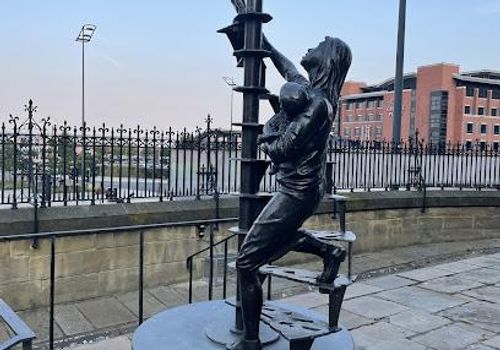
The Liverpool Blitz Memorial stands as a solemn tribute to the thousands of civilians from Liverpool and Bootle who perished during the German bombing campaigns of 1940–1942. Created by local artist Tom Murphy and unveiled by the Duke of Edinburgh in 2000, this powerful sculpture depicts a young mother clutching her baby while reaching toward her son playing with a toy airplane on a spiral staircase—a poignant representation of families seeking shelter during air raids. Located in the churchyard overlooking the River Mersey, the memorial's base bears the names of all who died, serving as a permanent reminder of the city's resilience and the human cost of war.
Time to spend 0.5–1.5 hrs
-
Sculpture5.0★9 reviews
Queen Victoria - Equestrian Statue
The Queen Victoria Equestrian Statue on Lime Street in Liverpool is a striking sculpture depicting a young Queen Victoria riding side-saddle. Commissioned to complement the nearby Prince Albert statue, it features intricate details such as the embroidered crown and ceremonial saddle-blanket, symbolizing Victorian regal dignity. Positioned prominently outside St George’s Hall, this statue is a significant historic landmark in Liverpool’s city centre.
Open 24 hoursTime to spend 0.2–1 hr
-
Tourist attraction4.6★7 reviews
St Peter's Square
St Peter's Square in Stockport is a historic public space anchored by the Georgian St Peter's Church, built in 1768 by William Wright. This charming square blends architectural heritage with green spaces, featuring mature trees and well-maintained gardens. Located in the heart of Stockport's conservation area, it serves as a gathering place that reflects the town's industrial past and Georgian prosperity. The square offers a peaceful retreat amid historic buildings and remains a focal point for the local community.
Time to spend 0.5–2 hrs
-
Historical landmark3.2★14 reviews
Tonge Hall
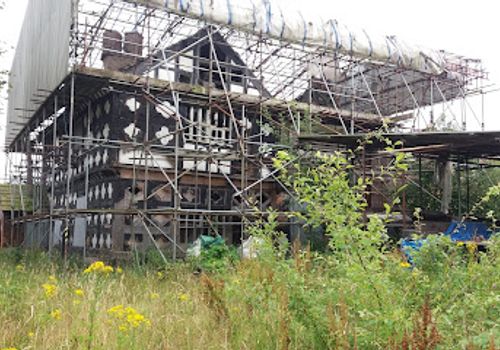
Tonge Hall is a Grade II* listed Elizabethan manor house located in Middleton, Greater Manchester. Built around 1584, this timber-framed Tudor mansion stands on high ground overlooking the Irk valley. Despite severe fire damage in 2007 and years of neglect, it remains a remarkable example of Tudor architecture with original features like carved oak beams and inglenook fireplaces. Currently protected by scaffolding, efforts continue to stabilize and restore this historic landmark.
Open 24 hoursTime to spend 0.5–2 hrs
-
Historical landmark3.8★4 reviews
Frenchland Tower
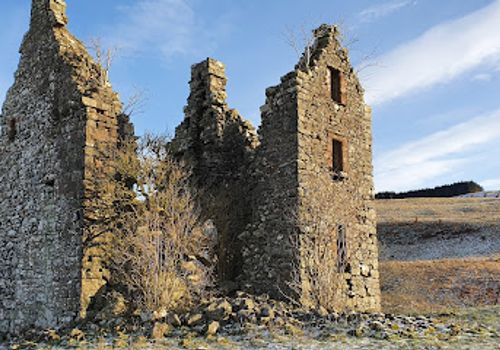
Frenchland Tower, located in Moffat, Scotland, is a historic 16th-century tower house originally built by the French family, tenants of the Bruces since the early 13th century. This landmark stands as a testament to the region's medieval heritage and the prominence of the Frenches as local landowners. Though now in ruins, the tower occupies a scenic site that reflects centuries of Scottish history and offers visitors a glimpse into the area's feudal past.
Open 24 hoursTime to spend 0.5–2 hrs
-
Memorial5.0★2 reviews
The Beacon Of Hope
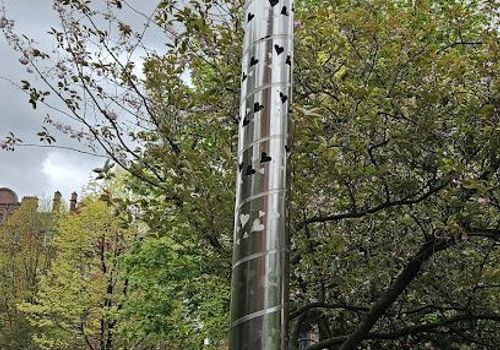
The Beacon of Hope is the UK's only permanent memorial dedicated to people living with HIV and AIDS and those lost to the disease. Located in Sackville Gardens in Manchester's city center, this poignant sculpture stands as a symbol of resilience, remembrance, and community strength. The memorial was restored to honor the memories of everyone affected by HIV over the years, creating a peaceful space for reflection and tribute within the vibrant heart of Manchester.
Open 24 hoursTime to spend 0.5–2 hrs
-
Tourist attraction5.0★2 reviews
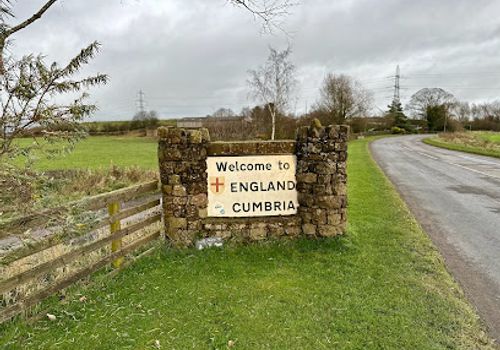
Welcome To England Sign
An iconic roadside marker at the England-Scotland border near Gretna, this simple yet symbolic sign has become a beloved photo stop for travelers crossing between the two nations. Located on the M6 motorway approach, it captures the moment of arrival and serves as a tangible reminder of the cultural and historical boundary that has shaped British identity for centuries.
Open 24 hoursTime to spend 0.2–1 hr
-
Building
Town Hall
Chester Town Hall, located on Northgate Street in the heart of Chester, England, is a stunning example of Gothic Revival architecture completed in 1869. Built from banded pink and buff sandstone, it features a striking 160-foot spire and intricate stone sculptures that depict the city's rich history. Originally serving as the city’s administrative center, the building now hosts special events and occasional public tours, embodying Chester’s civic pride and architectural heritage.
Price level $$Time to spend 0.5–2 hrs






Explore North West England on the map
A handpicked selection of must-see spots in North West England, mapped for you.
More about North West England

More to explore in North West England

 Best attractions in North West England
 Best shops in North West England
 Best bars in North West England
 Best restaurants in North West England
 Best nightclubs in North West England
 Best experiences in North West England
 Best hotels in North West England
Explore more


Getting your guide ready…
We are putting together a fresh copy of the North West England guide. This can take up to a minute.
This can take a few moments. If your browser asks, choose Allow so the download can start. You'll find the guide in your Downloads folder.
Nothing happened? Download it again
Sorry, the guide is taking longer than usual. Please try again in a minute, or get it by email instead.

