

St Cuthbert's Cave, Northumberland Coast Travel Guide
Medieval sanctuary where legend, stone, and spirituality converge in remote Northumberland woodland.
Nestled in the Kyloe Hills near Belford, St Cuthbert's Cave is a natural sandstone outcrop steeped in medieval legend and spiritual significance. This overhanging rock formation, supported by a single natural pillar, is traditionally associated with Saint Cuthbert, the 7th-century Anglo-Saxon monk and hermit. According to legend, the cave sheltered either Cuthbert himself during his hermitic years or the monks of Lindisfarne fleeing Viking raids with their saint's body in 875 AD. Managed by the National Trust since 1981, the site offers a gentle woodland walk through the Northumberland countryside, rewarding visitors with panoramic views of the surrounding landscape and a tangible connection to early Christian history.
A brief summary to St Cuthbert's Cave
- Belford, Lowick, GB
- Click to display
- Duration: 1 to 2.5 hours
- Free
-
 Outdoor
- Mobile reception: 2 out of 5

Know before you go
Hi, I'm Eve. Here are a few practical things to know before exploring St Cuthbert's Cave.
- Wear sturdy footwear with good grip; the woodland path can be muddy and slippery, especially after rain. The terrain is gentle but uneven in places.
- Bring water and refreshments. There are no facilities at the cave itself, and the walk can take 1–2 hours depending on how far you venture beyond the main site.
- Visit early morning or late afternoon for the best light and fewer crowds. The woodland canopy creates atmospheric shadows that enhance the cave's mystical character.
- Extend your visit by walking uphill beyond the cave to the rocky outcrops and cairns for panoramic views of Bamburgh, Lindisfarne, and the surrounding countryside.
- The car park holds only about 10 vehicles, so arrive early during peak season or visit on weekdays to ensure parking availability.
Do you manage this location?
Take control to get all the benefits, like improved information, better appearance, and stronger visibility across AI-powered discovery. Learn more about listing your business on Evendo
Activate your presenceOther nearby places you may find interesting
The closest places of the same kind, if this one is not quite what you had in mind.
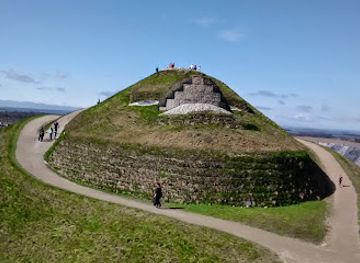
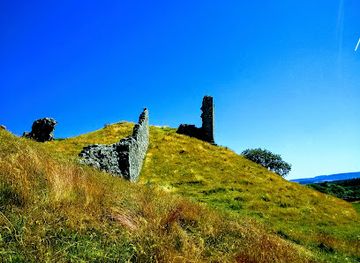
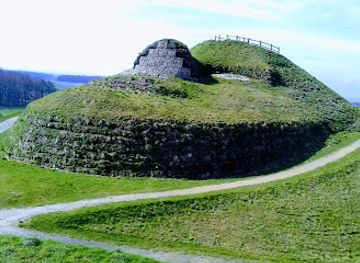
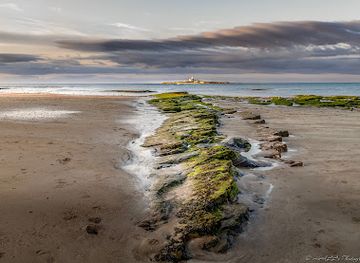
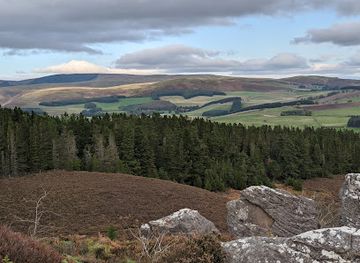
Explore St Cuthbert's Cave on the Map
A handpicked selection of must-see spots near St Cuthbert's Cave, mapped for you.
Getting There
-
By Car
From Belford town centre, travel north on the B6353 toward Holburn. Follow signs for Holburn Grange Farm or the National Trust car park, located on the minor road between the B6353 and B6349. The journey takes approximately 10–15 minutes from Belford. The dedicated National Trust car park accommodates around 10 vehicles and is free. From the car park, follow the marked trail uphill through fields and woodland to reach the cave, a walk of approximately 20–30 minutes.
-
Walking from Belford
A scenic but longer option is to walk from Belford town centre to St Cuthbert's Cave via St Cuthbert's Way, a marked long-distance footpath. The full walk covers approximately 5–6 kilometres and takes 1.5–2 hours depending on fitness and pace. The route passes through open countryside and woodland, offering views across the Northumberland landscape. This option requires good fitness and appropriate footwear.
-
Parking at Swinhoe Farm
An alternative parking option is available near Swinhoe Farm, where limited informal parking is possible just before the farmyard. From here, a circular walking route leads through woodland past Swinhoe Lakes, then across open fields toward the cave. This route takes approximately 45 minutes to 1 hour and offers a more varied landscape experience than the direct National Trust car park route.
-
Public Transport
Belford is served by regional bus services connecting to Newcastle and other Northumberland towns. From Belford bus station, taxi services or local transport can cover the 3–4 kilometres to the National Trust car park in approximately 10 minutes. Alternatively, visitors can walk from Belford town centre via St Cuthbert's Way, though this requires 1.5–2 hours and good navigation skills.
For the on-the-go comforts that matter to you
-
 Trash Bins
-
 Information Boards
Discover more about St Cuthbert's Cave
A Sacred Refuge in Stone
St Cuthbert's Cave stands as one of Northumberland's most evocative historical sites, a natural sanctuary carved from sandstone in the remote Kyloe Hills. The cave itself is formed by a massive overhanging rock approximately 24 metres wide and 3 metres high, supported by a single natural pillar that rises dramatically from the cave floor. This geological formation creates a sheltered chamber deep enough to provide refuge for a small group, with a back wall extending roughly 7 metres from the cave's face. The sheer scale and natural architecture of the outcrop suggest why medieval monks and hermits would have sought shelter within its protective embrace.The Legend of Saint Cuthbert
Two intertwined narratives define the cave's spiritual significance. The first traces to 875 AD, when Viking raids devastated Lindisfarne monastery. According to the Anglo-Saxon Chronicle, Bishop Eardulf and Abbot Eadred fled the island with Saint Cuthbert's body, wandering for seven years across northeast England seeking safety. This cave may have been one of their refuges during this perilous journey. The second tradition holds that Saint Cuthbert himself lived here as an anchorite hermit before his eventual retreat to the Farne Islands, where he spent his final years in solitary contemplation. These stories are not mutually exclusive—the monks may have chosen this cave precisely because of its prior association with the saint, making it a doubly sacred destination.Medieval and Modern History
By the mid-19th century, the cave's entrance had been enclosed with a stone wall, transforming it into a practical lambing shed for local shepherds. The surrounding woodland and cave were once owned by the Leather family, who designated the area as their family burial ground. In 1936, the site was formally consecrated, and sandstone boulders bearing family memorials still stand before the cave entrance, a poignant reminder of its dual role as both historical monument and private sanctuary. The National Trust acquired the woodlands and cave in 1981, ensuring their preservation and public access for future generations.The Landscape and Walking Experience
The cave sits within a carefully managed woodland setting that enhances its mystical atmosphere. The approach involves a gentle uphill walk from the National Trust car park through mixed woodland and open fields, with the route clearly marked and accessible to most visitors. The terrain is moderately challenging but not strenuous, with a natural slope that rewards walkers with increasingly expansive views as they ascend. Many visitors extend their visit by continuing uphill beyond the cave to reach rocky outcrops and cairns offering 360-degree panoramas across the Northumberland countryside, with views extending toward Bamburgh Castle and Lindisfarne Island on clear days.Spiritual and Archaeological Significance
Beyond its legendary associations, St Cuthbert's Cave represents a tangible link to early medieval Christianity in northern England. Saint Cuthbert himself, a 7th-century bishop and hermit, became the patron saint of Northumbria and remains venerated throughout the region. His reputation for spiritual healing and ascetic devotion made him a figure of profound religious importance, and the cave's connection to him—whether as his former dwelling or as a sanctuary for his relics—imbues the site with genuine spiritual weight. The cave's natural grandeur and isolated woodland setting create an atmosphere conducive to contemplation and reflection.A Hidden Gem of Northumberland
Despite its historical and spiritual importance, St Cuthbert's Cave remains relatively undiscovered compared to more famous Northumbrian attractions. This relative obscurity preserves its character as a place of quiet reverence rather than tourist spectacle. The combination of natural beauty, medieval legend, and accessible woodland walking makes it an ideal destination for those seeking authentic encounters with England's early Christian heritage. Whether approached as a historical pilgrimage, a nature walk, or a spiritual retreat, the cave offers multiple layers of meaning and experience.












Your all‑in‑one travel companion app
Explore expert travel guides, compare and book tours, experiences, hotels, and more—all from the palm of your hand. Download now for seamless trip planning wherever your wanderlust takes you.


Explore More of Northumberland Coast
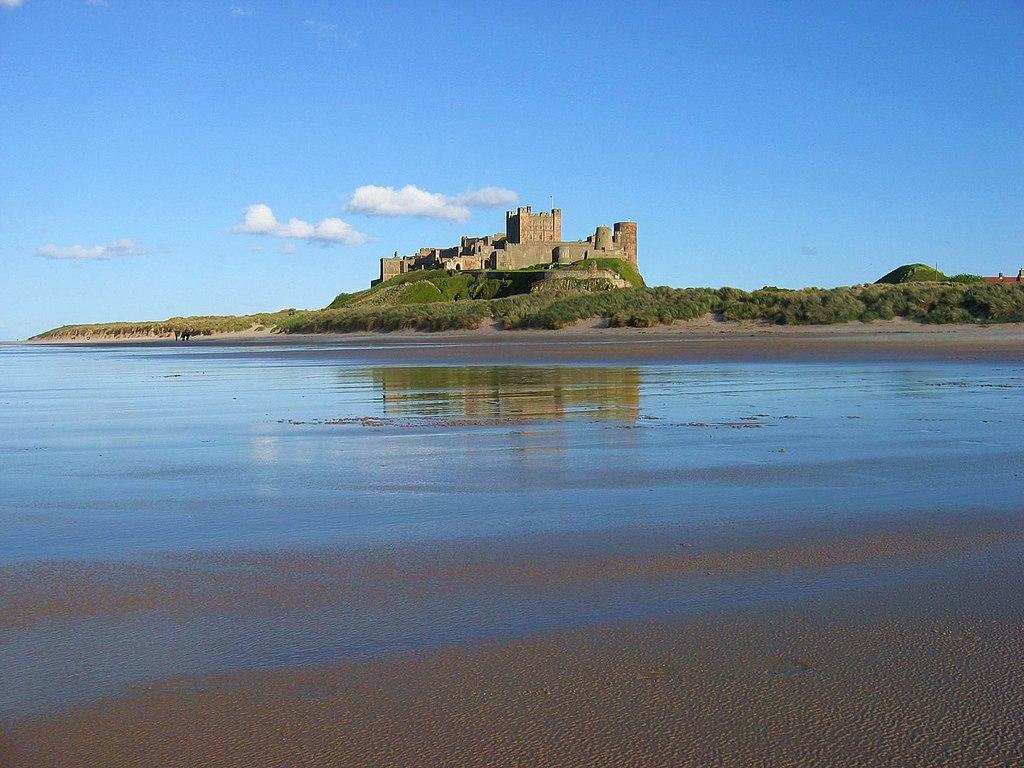
Looking beyond St Cuthbert's Cave? Discover Northumberland Coast for broader travel guides, local hot-spots, and regional highlights.
Explore Northumberland Coast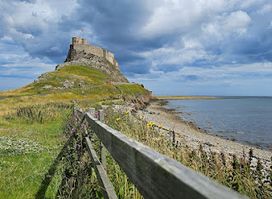
A dramatic Tudor fortress turned Edwardian retreat perched atop Holy Island’s volcanic crag with stunning coastal views and historic charm.
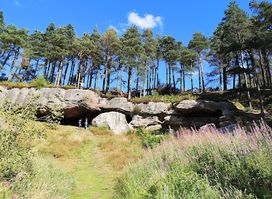
Discover the tranquil sandstone refuge where Saint Cuthbert’s legacy and Northumberland’s spiritual history converge amidst stunning countryside.
