

Coxon's Tower Travel Guide
Free Guide: Explore Coxon's Tower, a medieval sentinel on Berwick's historic ramparts, offering rich history and stunning views over the River Tweed estuary.


A brief summary of Coxon's Tower
Explore Coxon's Tower, a medieval sentinel on Berwick's historic ramparts, offering rich history and stunning views over the River Tweed estuary.
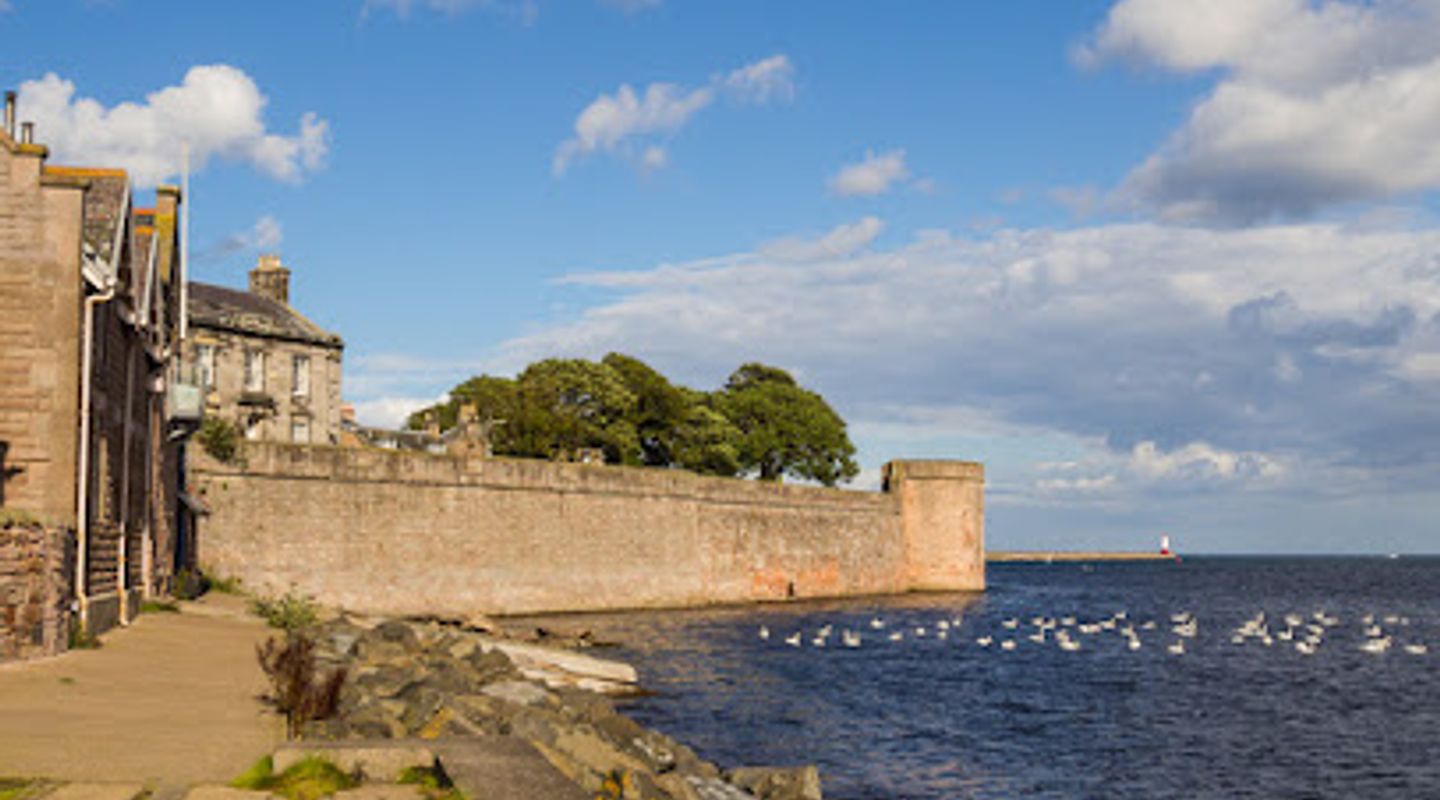
Coxon's Tower is a historic medieval tower forming part of the famous fortified walls of Berwick-upon-Tweed. Originally built in the medieval period and extensively modified in the 16th and 18th centuries, it stands as one of the last two original towers on the town's ramparts. The tower offers captivating views over the River Tweed estuary and embodies centuries of military history at this strategic border town.
On-site amenities
 Information boards
 Seating areas
 Restrooms
 Trash bins
Opening hours
- Every dayOpen 24 hours
Opening hours as listed on the venue’s Google Business Profile. Hours can change for services and special events, so check with the venue before you go.
- Address
- 9 Palace St, Berwick-upon-Tweed TD15 1HN
- Website
Getting there
Bus
Train
Car
Walking
Discover more about Coxon's Tower
Medieval Origins and Strategic Importance
Coxon's Tower is one of the last surviving medieval towers on the extensive defensive walls that encircle Berwick-upon-Tweed, a town historically caught between England and Scotland. The tower’s origins date back to the late medieval period, when Berwick was a fiercely contested border stronghold. Its position guarding the River Tweed estuary was crucial for controlling access and defending against invasions. The vaulted ceilings and casemates inside the tower reveal its original military function as a fortified gun platform and lookout.
Architectural Evolution Through Centuries
Though medieval in origin, Coxon's Tower underwent significant modifications in the early 16th century, adapting to evolving military technologies and threats. In the 18th century, the tower was drastically altered externally to maintain its role as a guardian of the river estuary, including the addition of an infantry parapet on the top level. These changes reflect Berwick’s ongoing strategic importance through the Tudor period and beyond, even as warfare shifted towards artillery and coastal defense.
Berwick’s Fortifications and Coxon's Tower’s Role
Berwick’s walls are among the best-preserved bastioned town defenses in Europe, with origins in medieval fortifications expanded and modernized in the Elizabethan era. Coxon's Tower was part of this defensive network, which included bastions, ramparts, and ditches designed to repel Scottish and French threats. The tower’s location on the river wall made it less vulnerable to sea damage compared to other parts of the fortifications. It played a key role in the town’s layered defense system that evolved over centuries of conflict.
Historical Context and Border Legacy
Berwick-upon-Tweed changed hands between England and Scotland at least 13 times before finally becoming English in 1482. Coxon's Tower stands as a witness to this turbulent history, embodying the military and political struggles that shaped the border region. The tower and the walls around it symbolize the town’s resilience and strategic significance, guarding one of the most contested frontiers in British history.
Modern-Day Significance and Visitor Experience
Today, Coxon's Tower is a protected historical landmark offering visitors a tangible connection to Berwick’s past. Though not regularly open to the public, special events allow access to explore its interior features and appreciate the panoramic views of the River Tweed and surrounding landscapes. Informative boards near the tower provide insights into its history, architectural details, and the broader story of Berwick’s fortifications.
Preservation and Cultural Heritage
As part of Berwick’s medieval walls—protected as a scheduled monument and Grade I listed structure—Coxon's Tower contributes to one of the finest examples of post-medieval military architecture in Britain. Its preservation highlights the importance of safeguarding historical sites that reveal the complex heritage of border towns and their role in shaping national identities.
Evendo Review Centre
 Google
Guest reviews
Best time to go
Quietest: Jan, Feb & Dec · before 3am
Busy times are Evendo estimates for a typical year, to help you plan. Actual crowds vary with events, school holidays and the weather.
Explore Coxon's Tower on the map
A handpicked selection of must-see spots near Coxon's Tower, mapped for you.
Get your free copy of our complete guide to Coxon's Tower, delivered straight to you.
Everything on this page, from opening hours and how to get there to Eve’s tips and the best time to go, in one PDF you can read offline, print or share.
Already have an account? Sign in
Your Coxon's Tower guide is ready.
We'll send it to · Not you? Sign out

Getting your guide ready…
We are putting together a fresh copy of the Coxon's Tower guide. This can take up to a minute.
This can take a few moments. If your browser asks, choose Allow so the download can start. You'll find the guide in your Downloads folder.
Nothing happened? Download it again
Sorry, the guide is taking longer than usual. Please try again in a minute, or get it by email instead.
Other nearby places you may find interesting
The closest places of the same kind, if this one is not quite what you had in mind.
-
The Drake Stone An ancient glacial boulder steeped in legend, offering sweeping moorland vistas from Northumberland's highest natural viewpoint.
-
Brunton Turret - Hadrian's Wall A 2,000-year-old Roman watchtower standing sentinel on Hadrian's Wall, free to explore year-round.
-
Morpeth Clock Tower Historic medieval clock tower in Morpeth’s Market Place, famed for its ancient bells and enduring community heritage.
-
Hunkleton stone A majestic glacial erratic on Newbiggin Beach, symbolizing natural history and community spirit in Northumberland’s coastal town.
-
Winter's Gibbet Explore the haunting site of Winter's Gibbet, a stark relic of 18th-century justice and local legend in Northumberland's moorlands.
Swipe for more places
More to explore near Coxon's Tower

 Best experiences near Coxon's Tower
 Best hotels near Coxon's Tower
 Best landmarks near Coxon's Tower
 Best attractions near Coxon's Tower
 Best shops near Coxon's Tower
 Best restaurants near Coxon's Tower
 Best bars near Coxon's Tower
Do you manage this location?
Take control to get all the benefits, like improved information, better appearance, and stronger visibility across AI-powered discovery.
Explore more

Explore more of Northumberland
Discover Northumberland: A blend of natural beauty, rich history, and charming villages in England's northernmost county.
Explore Northumberland
Explore more of United Kingdom
Discover the United Kingdom: A blend of rich history, stunning landscapes, and vibrant cities, offering a unique travel experience for every visitor.
Explore United Kingdom
