
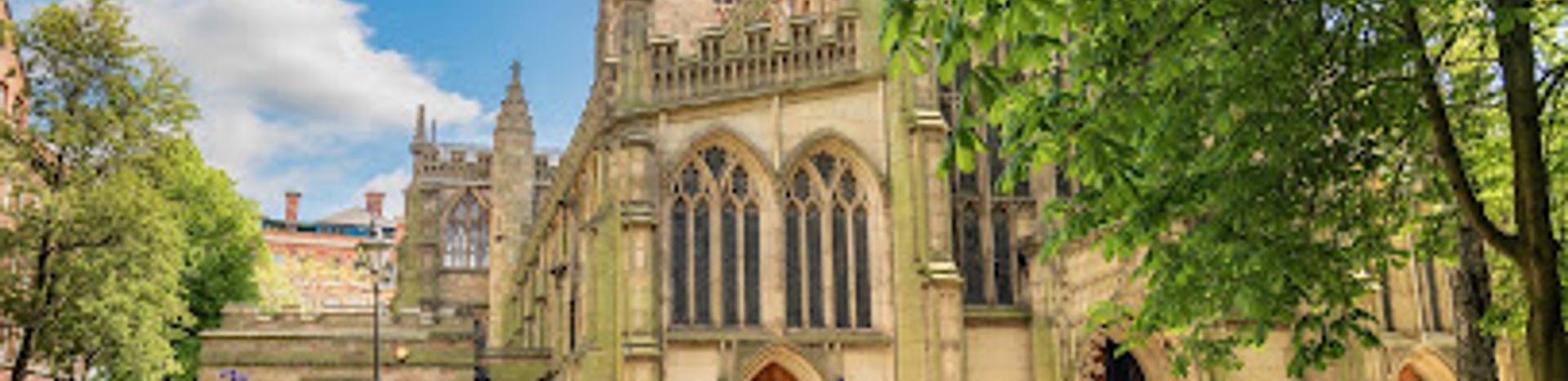
St Mary's Church in the Lace Market
Medieval masterpiece and civic heart of Nottingham, crowned by a soaring tower and filled with light.
St Mary's Church stands as Nottingham's largest medieval building and the city's ancient parish and civic church, dominating High Pavement in the historic Lace Market district. Completed before 1475 in the Perpendicular Gothic style, this Grade I listed structure showcases the prosperity of 15th-century Nottingham through its soaring tower, vast windows filled with stained glass, slender ribbed pillars, and intricate stone carvings. The church remains a working place of worship and a tranquil haven amid the bustling city, offering visitors a glimpse into centuries of local history, architecture, and spiritual life.
A brief summary to St Mary’s Church Nottingham
- High Pavement, Nottingham, NG1 1HN, GB
- +441159582105
- Visit website
- Duration: 0.75 to 2.5 hours
- Free
-
 Mixed
Mixed
- Mobile reception: 5 out of 5
Local tips
- Visit on a Wednesday evening at 6:15 pm for atmospheric choral evensong from the Book of Common Prayer, a peaceful sung service that showcases the church's acoustics and musical heritage.
- Look up to discover the ten magnificent newly gilded angels recently revealed in the roof after being hidden for 170 years—a stunning restoration that adds to the church's visual splendour.
- Examine the historic north porch door, the oldest door in Nottingham, with its exquisite bronze panels illustrating scenes from the Life of Our Lord in remarkable detail.
- Explore the tranquil churchyard and locate the grave of George Africanus, a West African entrepreneur whose story reflects Nottingham's diverse and complex history.
- Pick up a guidebook or explorer bag at the church to learn about the building's architecture, history, and the notable figures associated with it across five centuries.

For the on-the-go comforts that matter to you
- Restrooms
- Drink Options
- Food Options
- Seating Areas
- Information Boards
- Visitor Center
Getting There
-
Train and Tram
From Nottingham Railway Station, the journey to St Mary's takes approximately 20 minutes on foot heading toward the Lace Market district. Alternatively, take the tram one stop to Lace Market station, which places you within a few minutes' walk of the church on High Pavement. The tram is frequent and accessible.
-
Local Bus
Multiple bus routes serve the city centre and Lace Market area. Journey times from the main bus stations (Broad Marsh or Victoria) typically range from 5 to 15 minutes depending on the route and traffic. Buses stop within walking distance of High Pavement.
-
Walking from City Centre
St Mary's is centrally located in Nottingham's historic Lace Market district. From the Old Market Square or Broad Marsh shopping area, the walk takes 10 to 15 minutes. The route is straightforward and passes through the heart of the city's heritage quarter, making it an enjoyable approach on foot.
-
Parking
Street parking on High Pavement is limited. The nearest car parks are Broad Marsh Car Park and Lace Market Car Park, both within 5 to 10 minutes' walk of the church. Parking charges apply; expect to pay approximately £1.50 to £2.50 per hour depending on the car park.
St Mary’s Church Nottingham location weather suitability
-
 Any Weather
Discover more about St Mary’s Church Nottingham
A Monument to Medieval Prosperity
St Mary's Church represents the pinnacle of Nottingham's wealth and ambition during the 15th century. The present building, begun around 1386 and completed before 1475, stands as the largest medieval structure in the city and testifies to the prosperity poured into its construction by the guilds, merchants, and gentry of Nottingham society. Built in the Perpendicular Gothic style, the church displays the architectural hallmarks of this period: a Latin cross plan, a tower rising 126 feet above ground level, massive windows with delicate tracery, and slender ribbed pillars that create an impression of soaring grace. The nave extends 215 feet from west to east, while the transepts span 100 feet north to south, creating an interior of remarkable spaciousness and light. The church's most distinctive feature is its sensationally daring structure crowned by a massive tower completed during the reign of Henry VIII. The oldest door in Nottingham can be found in the north aisle, a testament to the building's antiquity. The historic porch, dating to around 1400, features a stone vault and exquisite bronze doors adorned with five panels on each leaf illustrating scenes from the Life of Our Lord, including the Annunciation, Visitation, Nativity, Epiphany, and the Salvator Mundi.Centuries of Restoration and Transformation
Like many medieval churches, St Mary's endured significant challenges across the centuries. The Reformation of the 16th century, the Civil War of the 17th, and unsympathetic alterations in the 18th century stripped the church of much of its medieval splendour. However, the last two hundred years have witnessed sensitive restorations that have returned the building to its former glory. In the 1840s, when the tower became unsafe, major rebuilding works were undertaken under the direction of renowned architects George Gilbert Scott and William Moffat. Four piers of the tower were rebuilt, and three tiers of cast iron chain ties were installed to strengthen the structure—these ties remain visible today. The tower pinnacles were replaced, and the nave and chancel roof timbers were renewed. In 1885, a magnificent new reredos was erected behind the High Altar, featuring painted panels depicting Christ, the Crucifixion, the Annunciation, and the four major prophets, along with oak panelling and a screen at the chancel entrance. The Chapter House, begun by Canon Morse, was completed in 1889. More recent improvements include the 2012–2013 replacement of the nave floor with a stunning design by architect Tess Jaray, incorporating Ancaster stone from Lincolnshire and Corncockle stone from Scotland, along with the installation of underfloor heating. In 2015, following a lottery grant, the lead on the nave roof was recycled, melted down, re-rolled, and re-laid, work completed by Easter 2016.A Civic and Social Heart
Beyond its architectural significance, St Mary's has served as the civic and spiritual heart of Nottingham for centuries. The church functioned as the town's largest building, used for civic and legal purposes including the election and swearing in of the mayor and corporation. In 1512, Agnes Mellers, widow of Mayor and bell founder Richard Mellers, established a grammar school within the parish that would eventually become Nottingham High School. By the 1820s, 77 percent of Nottingham's population lived within the parish of St Mary's, many in extreme poverty. The church responded by establishing a workhouse in 1725, which survived for nearly two hundred years. During the 1851 census, the morning service alone attracted 740 people plus 800 scholars, with 300 attending in the afternoon and 800 in the evening. The church pioneered Sunday School education as early as 1751, predating Robert Raikes' famous Gloucester initiative by decades. These schools provided not only religious instruction but also taught reading and writing to children unable to attend day school. St Mary's Institute, built on Barker Gate in 1874, served parish activities, the Sunday school, youth clubs, and the choir. The first meeting of the National Council of Women, founded to improve the lot of lace workers, was held in the church in 1895.Stories Woven into Stone
St Mary's is rich with historical associations and notable figures. The celebrated diarist Abigail Gawthern was buried in the church grounds in 1822, leaving a fascinating record of Nottingham's Georgian cultural and social life. The poet and writer Lucy Joynes was baptised at St Mary's in 1782; her published poems were often religious in nature and child-friendly, recording notable Nottingham events in verse. Jane Jerram, a children's writer, was married at the church in 1836 and later wrote under the mentorship of Nottingham writer Mary Howitt. The church retains Thomas Cranmer's Book of Common Prayer. Legend connects Robin Hood to the church; the ballad Robin Hood and the Monk, written around 1450, describes Robin attending mass at St Mary's, and local tradition claims he was arrested in the building after accessing it through a tunnel from the law courts. In more recent times, the grave of George Africanus, a West African former slave who became a successful entrepreneur in Nottingham in the late 18th and early 19th centuries, has become a focus of local interest and reflection. During the Second World War, church members took turns fire-watching overnight in the Chapter House, and on 8 March 1941, an incendiary bomb struck the building, causing a fire that was extinguished with difficulty.A Living Place of Worship and Reflection
Today, St Mary's continues its role as both a working parish church and a major cultural landmark. The church welcomes visitors for private prayer and reflection, offering a tranquil garden in the busy city centre. Guidebooks, trails, and explorer bags are available to help visitors of all ages interpret the building and learn about its long and fascinating history. The church hosts regular services, including Sunday worship at 10:45 am and 6:30 pm, atmospheric choral evensong on Wednesdays during term time, and weekday services including Morning Prayer and Holy Communion. The ten magnificent newly gilded angels, hidden in the roof for 170 years, have recently been revealed and restored, adding to the church's visual splendour. St Mary's remains a beacon of hope and a haven of peace, embodying centuries of Nottingham's spiritual, civic, and cultural heritage.Iconic landmarks you can’t miss

16 Stoney Street
0.2 km
Discover 16 Stoney Street, a preserved Victorian lace warehouse in Nottingham’s historic Lace Market, echoing the city’s rich industrial heritage.
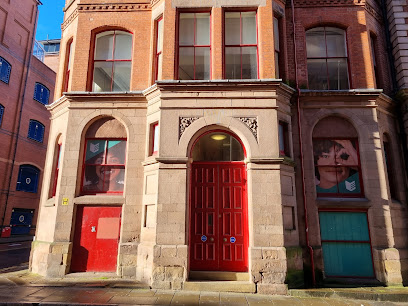
Weekday Cross Monument
0.2 km
Historic heart of Nottingham’s medieval market life, commemorating centuries of trade and community gatherings in the Lace Market district.
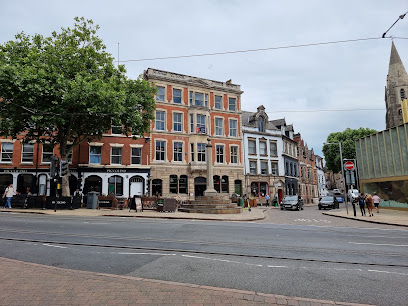
Citylife UK
0.2 km
Explore Nottingham with Citylife UK, your trusted travel agency for personalized experiences and local insights.
The Hockley Arts Club
0.3 km
Discover Nottingham's vibrant cocktail culture at The Hockley Arts Club, where artistry meets exceptional mixology in a stylish bar setting.
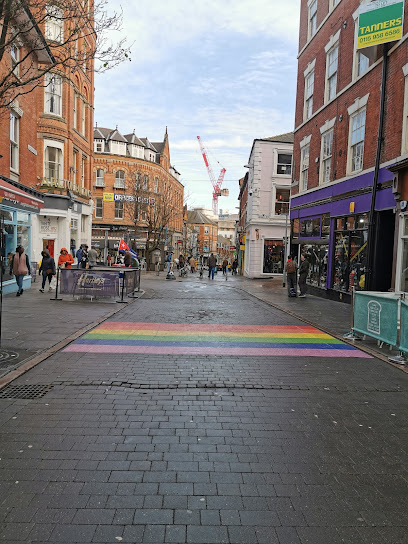
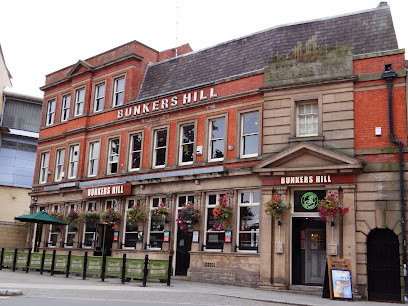
Bunkers Hill
0.3 km
Discover Bunkers Hill, Nottingham's lively pub and restaurant, offering local flavors and a welcoming atmosphere in the heart of the city.
The Tokenhouse
0.3 km
Explore The Tokenhouse in Nottingham for unique gifts and heartfelt treasures that capture the essence of the city.
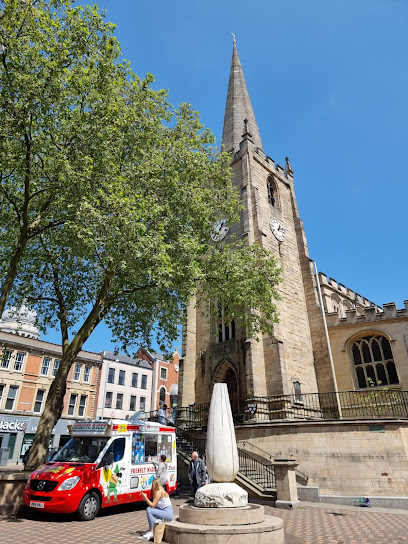
St Peter's Church, Nottingham
0.4 km
A medieval sanctuary and historic gem in Nottingham’s city centre, blending centuries of architecture and community spirit.
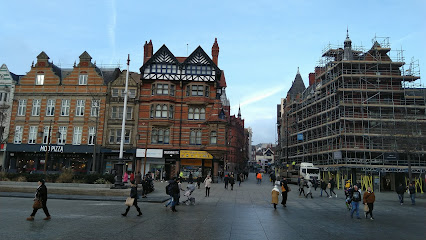
Watson Fothergill's Office
0.4 km
Explore the vibrant Gothic Revival office of Watson Fothergill, Nottingham’s iconic Victorian architect, showcasing intricate brickwork and historic homage.
Right Lion
0.5 km
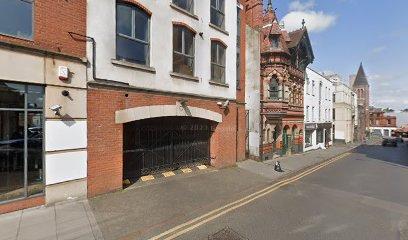
Discover Nottingham’s iconic Right Lion, a historic stone sculpture and beloved meeting point near the Council House in Old Market Square.
The Left Lion
0.5 km
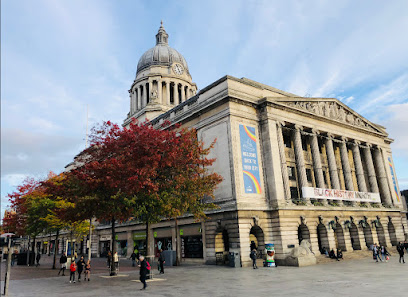
Meet Nottingham’s iconic Left Lion, a historic stone sentinel and beloved city landmark at the heart of Old Market Square.
St Nic's Church
0.5 km
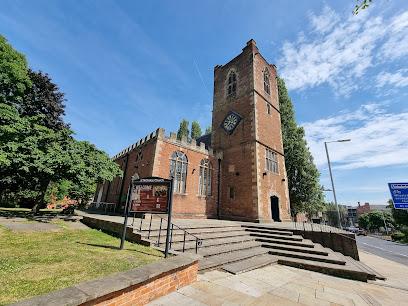
Medieval survivor rebuilt from Civil War ashes, standing as Nottingham's testament to faith and resilience.
Speakers' Corner
0.5 km
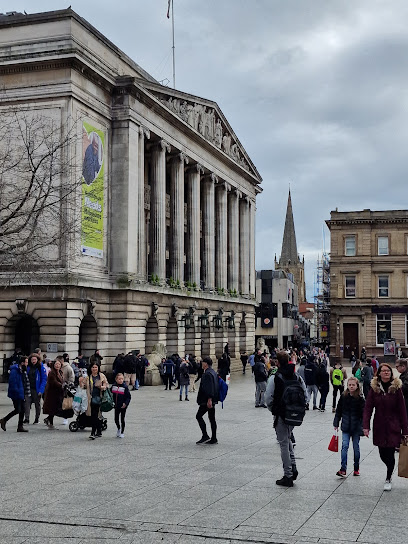
Nottingham’s vibrant Speakers' Corner offers a historic platform for free speech, lively debates, and community connection in the heart of the city.
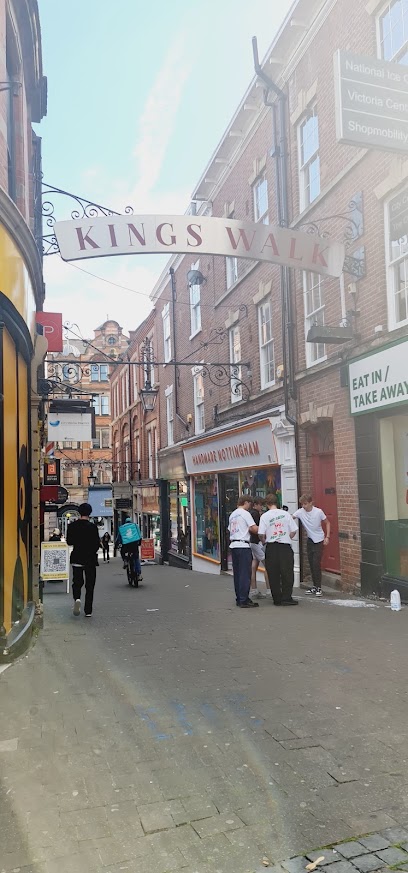
King's Walk sign
0.6 km
A pedestrianised passage where Georgian elegance meets contemporary commerce in Nottingham's historic heart.
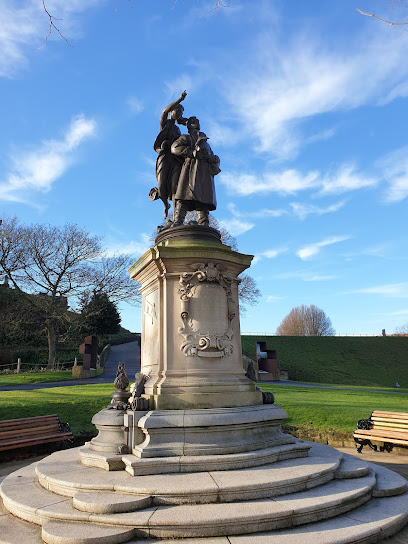
Statue of Captain Albert Ball
0.7 km
A striking bronze tribute in Nottingham Castle Gardens honoring WWI flying ace Captain Albert Ball’s valor and legacy.
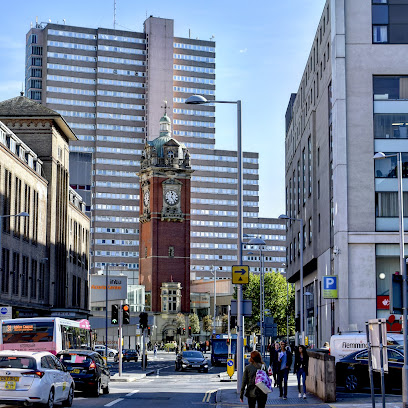
Victoria Station Clock Tower
0.8 km
A towering 100-foot clock tower preserving the grandeur and history of Nottingham's lost Victoria railway station.
Unmissable attractions to see

The Lacehouse
0.1 km
Experience the vibrant heart of Nottingham at The Lacehouse, where cocktails, brunch, and live music come together in a unique setting.
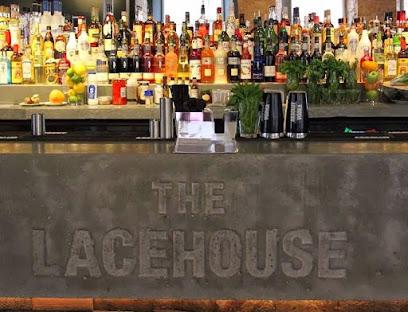
Lace Market
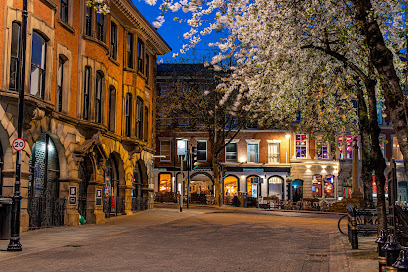
0.1 km
Explore Nottingham’s oldest district, the Lace Market, where industrial heritage meets vibrant creativity in a historic lace-making hub.
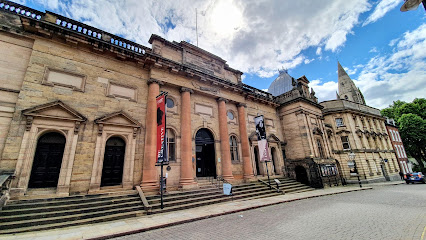
National Justice Museum
0.1 km
Explore five centuries of crime, punishment, and justice in Nottingham's authentic Georgian gaol and Victorian courtroom.
Lace Market Square
0.2 km
Historic heart of Nottingham’s lace industry, blending Victorian charm with vibrant cultural life and creative energy.

Nottingham Contemporary
0.2 km
Explore cutting-edge contemporary art in Nottingham’s iconic sandstone gallery with free exhibitions, lively events, and a vibrant café.
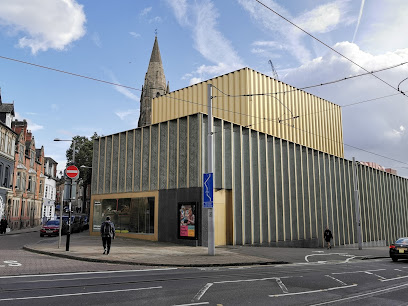
City of Caves
0.2 km
Explore Nottingham’s hidden underground world: medieval tanneries, wartime shelters and centuries of history carved into sandstone beneath the city streets.
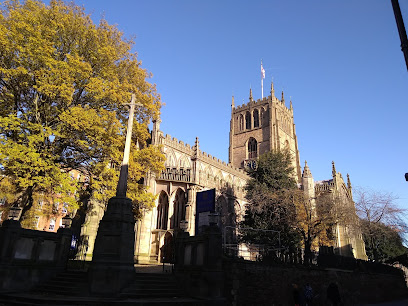
Nottingham City Council
0.4 km
Central Nottingham’s modern civic heart, housing the City Council and vital public services in a contemporary landmark opposite the railway station.
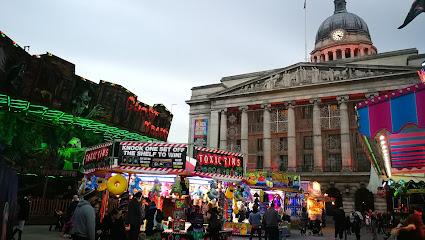
Place
0.4 km
Empowering Nottingham communities through education, wellbeing, and creative engagement at the heart of Sneinton Market.
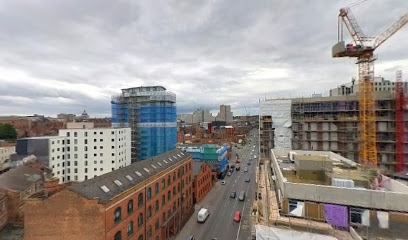
Inspired
0.4 km
Discover Nottingham’s historic boutique arcade blending timeless charm, independent shops, and elegant Georgian architecture in the city’s vibrant heart.
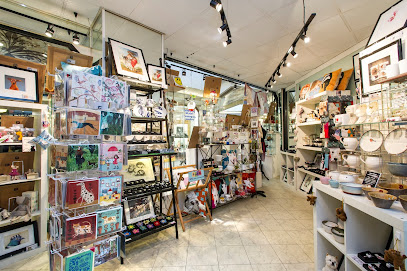
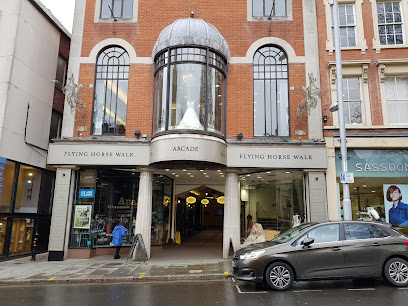
Flying Horse Walk
0.4 km
Discover Nottingham’s elegant boutique arcade blending historic charm with artisanal shops and cozy cafes in a tranquil city-centre setting.
The Exchange (Exchange Arcade)
0.4 km
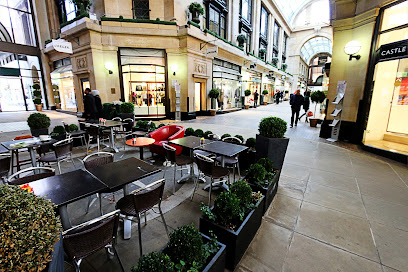
Discover Nottingham’s oldest shopping arcade with exclusive boutiques beneath a stunning 200ft glass dome in the city centre.
Sneinton Market
0.4 km
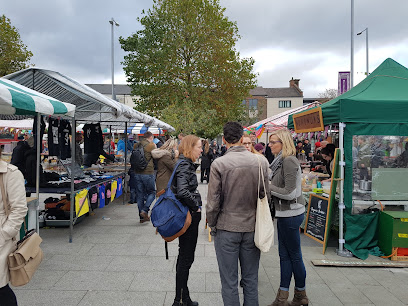
Nottingham's indie creative haven: artisan stalls, vegan feasts, craft brews, and pop-up events in vibrant Sneinton Marketplace.
Hopkinson
0.4 km
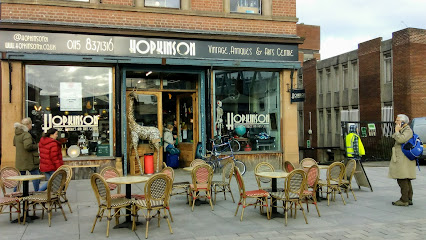
A quirky blend of antiques, vintage treasures, and artisan café culture near Nottingham train station.
Sneinton Market Avenues
0.5 km
A compact, creative market quarter in Sneinton where artisan stalls, cafés and regular festivals collide in a colourful, community-driven setting.
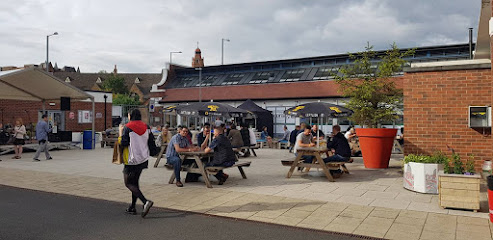
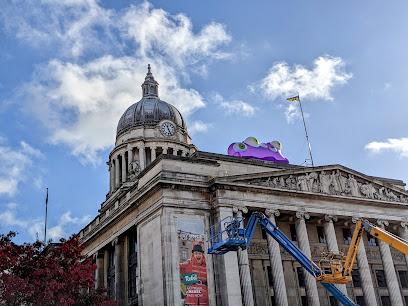
Nottingham Council House
0.5 km
Historic Edwardian elegance in Nottingham's heart—where nine versatile rooms create unforgettable celebrations.
Essential places to dine

ViDa by Lorentes
0.1 km
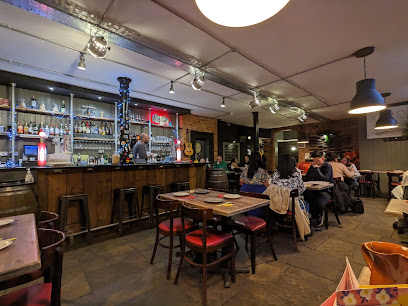
Experience authentic Spanish tapas in a cozy Lace Market basement with creative dishes, warm hospitality, and a rustic atmosphere.
Annie's Burger Shack
0.1 km
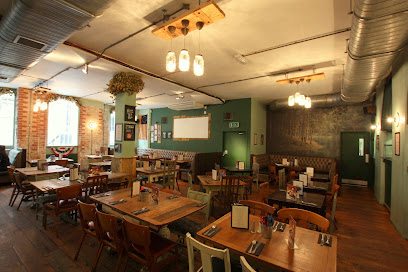
Vibrant American diner in Nottingham’s Lace Market, serving over 30 creative burgers with vegan options and craft beers in a lively, casual setting.
Iberico World Tapas
0.1 km
Experience authentic Spanish tapas in Nottingham’s historic Shire Hall with refined flavors and a warm, intimate atmosphere.
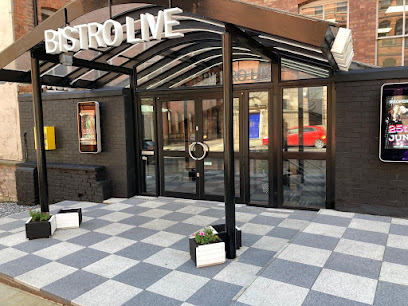
Bistro Live Nottingham
0.1 km
Experience vibrant nightlife, delicious dining, and unforgettable celebrations all under one roof at Bistro Live Nottingham.
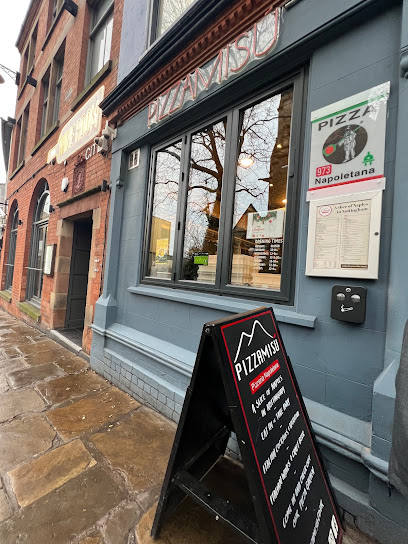
Pizzamisú
0.1 km
Experience authentic Neapolitan pizza and Italian charm in Nottingham’s historic High Pavement at Pizzamisú.
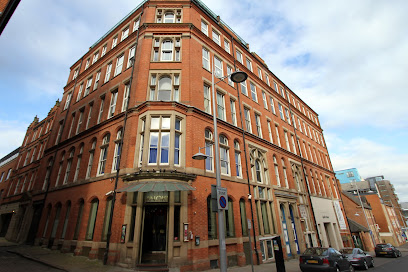
Anoki Restaurant Nottingham
0.2 km
Experience refined Indian cuisine in Nottingham’s Gothic House, where tradition meets elegance in every flavorful dish.
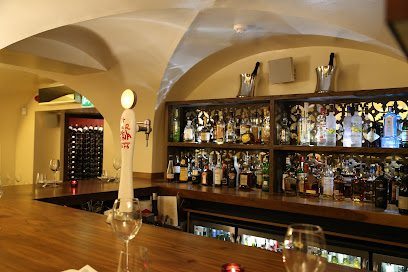
The Pelican Club
0.2 km
Experience authentic Umbrian Italian cuisine, live jazz, and crafted cocktails in Nottingham’s elegant and intimate Pelican Club.
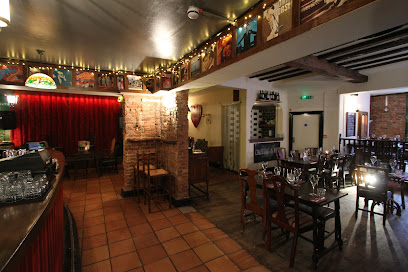
Piccolino Nottingham
0.2 km
Elegant Italian dining with classic flavors, a vibrant cocktail bar, and alfresco terrace in Nottingham’s city centre.
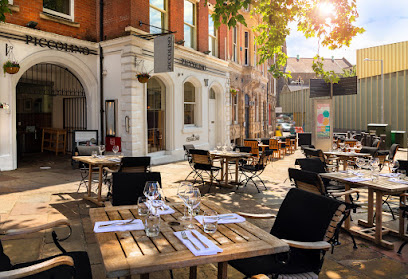
Everyday People
0.2 km
MasterChef-inspired ramen with rich broths and creative fusion dishes in Nottingham’s stylish Byard Lane eatery.
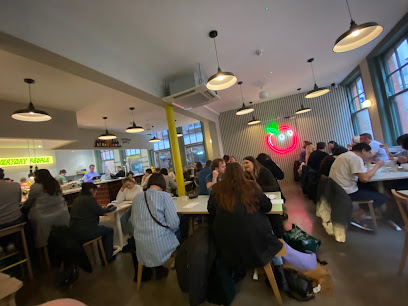
baresca
0.2 km
Experience authentic Spanish tapas and vibrant atmosphere in Nottingham’s lively Baresca, where Catalan flavours meet rustic charm.
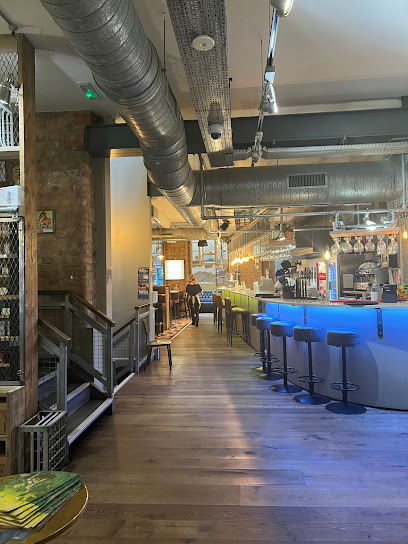
Dino
0.2 km
Modern dining and lively bar in Nottingham city centre, known for juicy burgers, generous portions, and a welcoming atmosphere.
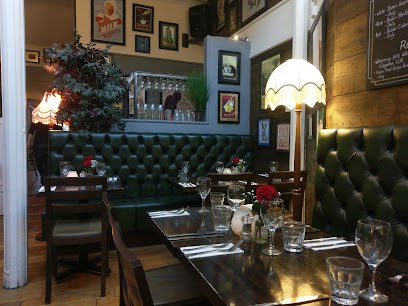
Mowgli Street Food Nottingham
0.3 km
Authentic Indian street food in a vibrant, eclectic setting with fresh flavors and a cozy atmosphere in Nottingham city centre.
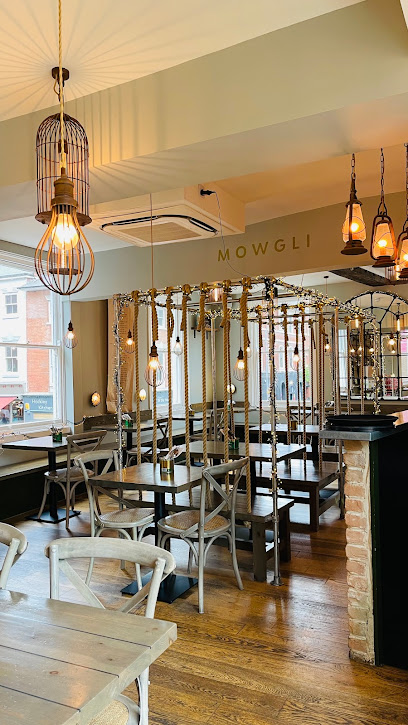
Vi-Va Indian Tapas
0.3 km
Experience vibrant Indian street food culture in cozy Nottingham with Vi-Va’s flavorful tapas-style dining and warm, inviting atmosphere.
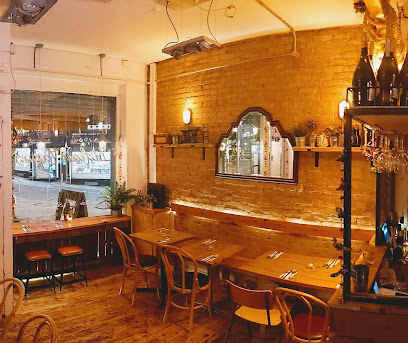
Paste Contemporary Thai Cuisine
0.3 km
Experience authentic Thai flavors with a contemporary twist in the heart of Nottingham’s vibrant Lace Market.
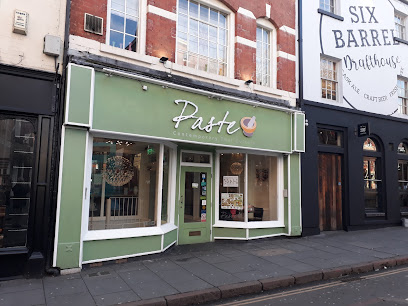
Mesa
0.3 km
Innovative small plates and a celebrated cheeseburger in Nottingham’s creative Hockley district, Mesa offers a lively dining experience with a modern twist.
Markets, malls and hidden boutiques

Debbie Bryan | Nottingham Lace Market
0.2 km
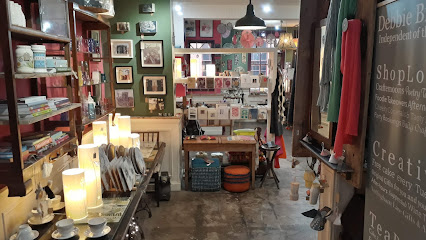
Discover Nottingham’s heritage through artisan crafts, exquisite lace, and delightful tearoom treats in the heart of the Lace Market.
MAISON GB
0.2 km
Discover stylish clothing in Nottingham's Gothic House, a Victorian warehouse on historic Barker Gate amid Lace Market's tanneries, graveyards, and mail coach legacy.
Mood Outfitters
0.2 km
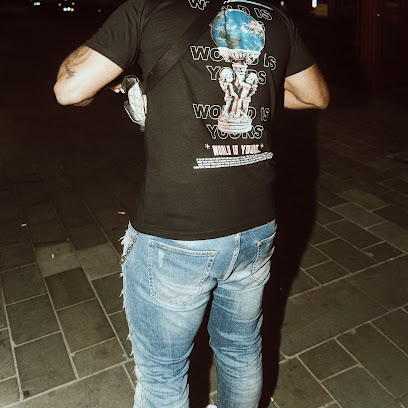
Discover Nottingham's boldest independent fashion at Mood Outfitters, where local designers craft unique, wearable art in the heart of Hockley's creative scene.
Void Clothing
0.3 km
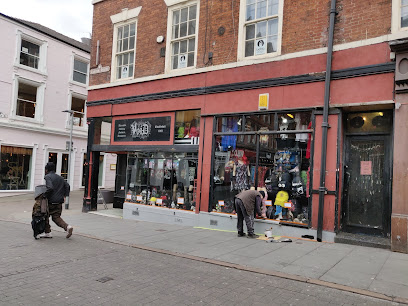
Discover Nottingham’s premier alternative fashion destination blending music culture, unique styles, and local creativity on Carlton Street.
Your Unique Day
0.3 km
Letterbox magic on Goose Gate: bespoke cakes that deliver joy through your mailbox in Nottingham's creative heart.
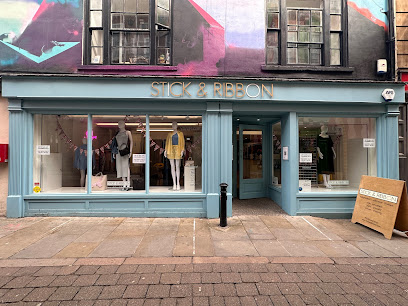
Stick & Ribbon
0.3 km
Discover curated women’s fashion with a personal, sustainable touch in Nottingham’s historic Bridlesmith Gate.
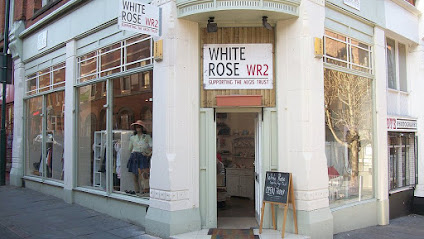
White Rose Hockley WR4
0.3 km
A hands‑on vintage shop in Nottingham’s Hockley where curated pre‑loved fashion and everyday treasures wait to be discovered.
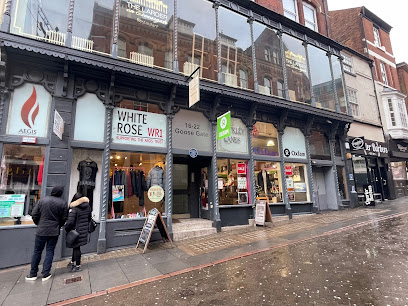
White Rose Hockley WR2
0.3 km
Discover handpicked vintage treasures and sustainable style at this Hockley charity shop, where retro fashion supports noble causes in Nottingham's creative heart.
Garms Nottingham
0.3 km
Discover unique vintage streetwear and stylish outerwear at Garms Nottingham, a vibrant boutique nestled in the historic heart of Bridlesmith Gate.
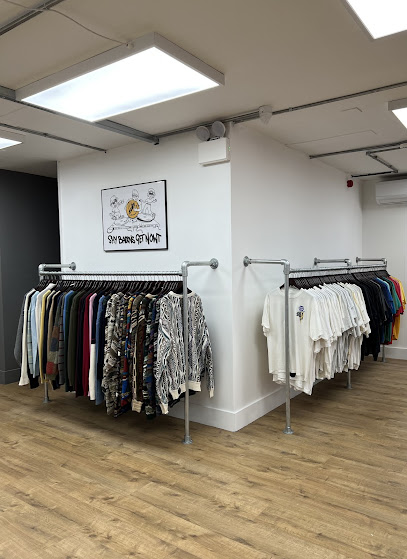
Cow
0.3 km
Discover timeless threads in Nottingham's coolest vintage haven—Cow curates retro gems with style and soul on Carlton Street.

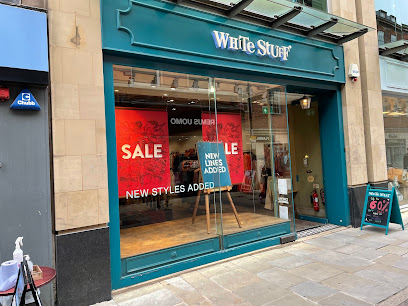
White Stuff Nottingham
0.3 km
A cheerful, independent-feel clothing store on Nottingham’s main shopping street, offering relaxed British style for women, men and children.
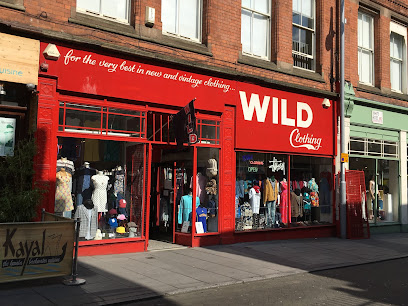
Wild Clothing
0.3 km
Discover timeless vintage fashion treasures at Wild Clothing, Nottingham’s iconic destination for unique, sustainable style since 1983.
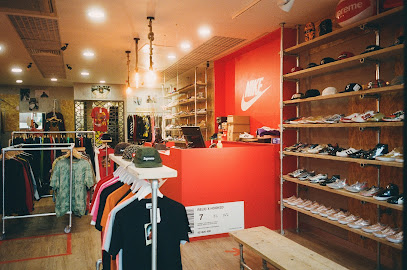
Relic x Hooked Nottingham
0.3 km
Discover eclectic vintage fashion and unique style treasures in Nottingham’s edgy and vibrant Relic x Hooked store.
18montrose
0.3 km
Discover premium streetwear and designer fashion at 18montrose, nestled in Nottingham’s historic Bridlesmith Gate shopping district.
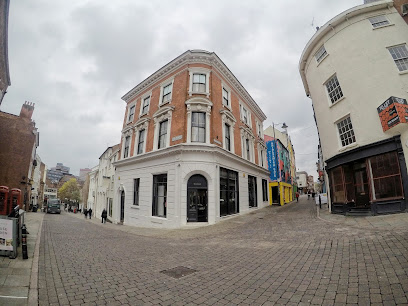
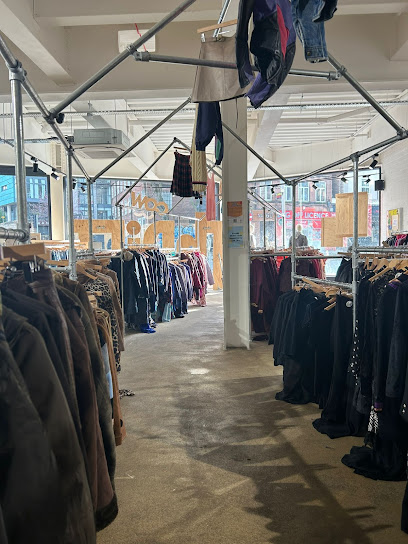
Cow Thrift
0.3 km
Dive into Hockley's affordable vintage paradise at COW Thrift, where color-coded bargains and sustainable scores await in a spacious haven of retro prints and one-off gems.
Essential bars & hidden hideouts

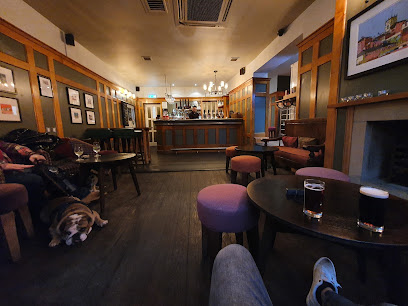
Cock & Hoop
0.1 km
Cozy Lace Market pub pouring local ales and pub favorites in a historic nook, perfect for relaxed escapes amid Nottingham's creative buzz.
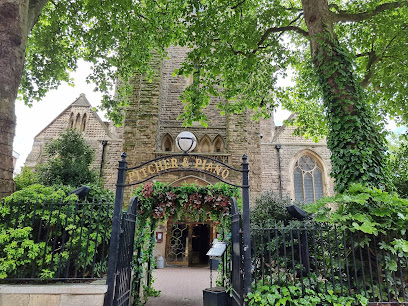
Pitcher & Piano Nottingham
0.1 km
Historic church turned buzzing bar: stained-glass cocktails, pub feasts, and electric nights in Nottingham's Lace Market heart.
Brass Monkey
0.1 km
Late‑night Lace Market cocktail bar with a big rum selection, polished service and warm, low‑lit interiors — ideal for cocktails into the small hours.
Billy Bootleggers Nottingham (formerly Percy Picklebackers)
0.2 km
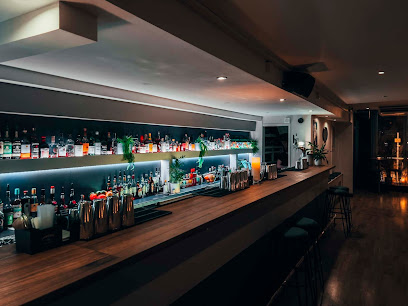
Dive into Nottingham's live music heartbeat at Billy Bootleggers, where nightly gigs, moonshine cocktails, and Lace Market history fuel epic nights until 3am.
The Blind Rabbit
0.2 km
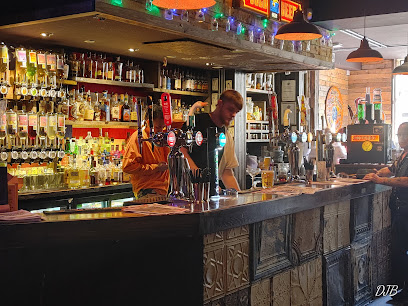
New York-inspired Nottingham bar blending juicy burgers, wild cocktails, live sports on mega screens, arcade games, and casual vibes in a historic Lace Market gem.
Bunk
0.2 km
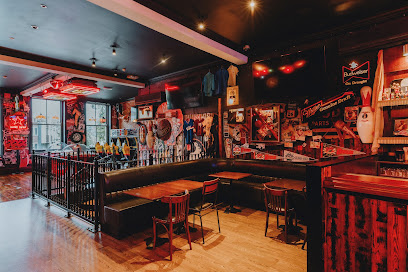
Crispy wings, killer cocktails, and Lace Market vibes—Bunk delivers Nottingham's boldest bite in a historic street setting.
All Bar One Nottingham
0.2 km
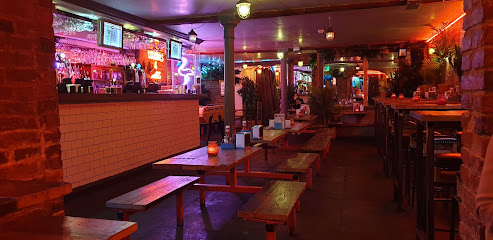
Sophisticated wine bar in Nottingham's Weekday Cross, perfect for after-work unwinds, bottomless brunches, and vibrant evenings with global wines and sharing plates.
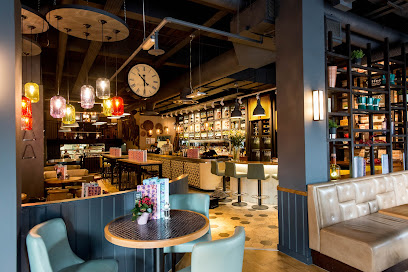
Penny Lane
0.2 km
Step into Nottingham’s Penny Lane for nostalgic arcade fun, creative cocktails, and a lively, family-friendly vibe in the heart of the Lace Market.
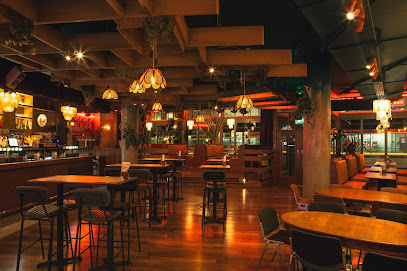
Six Barrel Drafthouse
0.3 km
Hockley’s friendly craft-beer pub — six rotating taps, large bottle fridge and a relaxed, dog-welcoming atmosphere.
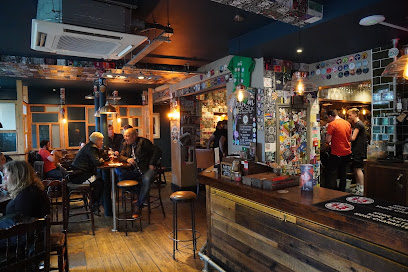
Coco Tang -Cocktail Bar
0.3 km
Daytime Asian café and a theatrical underground cocktail bar — two distinct moods under one roof in Nottingham’s Lace Market.
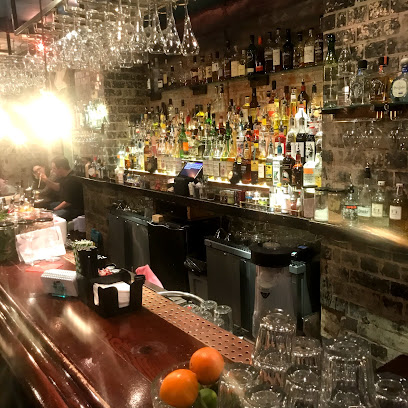
Be At One - Nottingham
0.3 km
Discover Nottingham’s vibrant cocktail scene with over 100 expertly crafted drinks and a lively late-night atmosphere at Be At One.
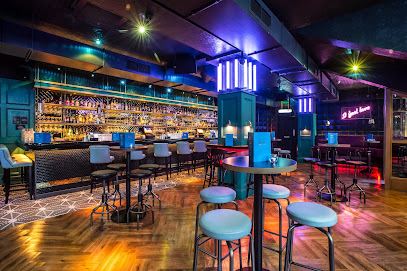
31K
0.3 km
NYC loft-style bar on Nottingham's Goose Gate, mastering cocktails, meatballs, and fusion street food in Hockley's creative heart.
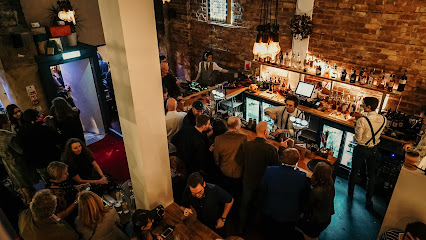
The Curious Tavern
0.3 km
Discover shadowy nooks, bold ales, inventive cocktails, and live tunes in Nottingham's quirkiest Hockley bar—where curiosity meets comfort late into the night.
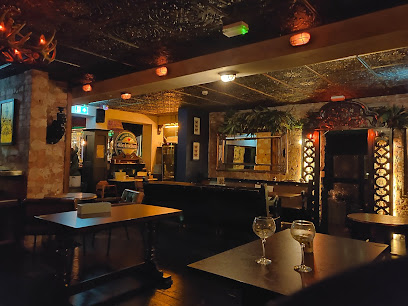
Lost Property
0.3 km
A secretive cocktail bar in the sandstone caves beneath Carlton Street — intimate, theatrical drinks in a subterranean setting.
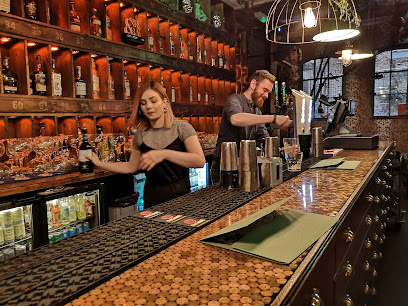
Pit & Pendulum
0.3 km
Descend into Poe-inspired gothic splendor at Nottingham's most haunting pub, where shadowy decor, themed cocktails, and rock anthems craft unforgettable nights.
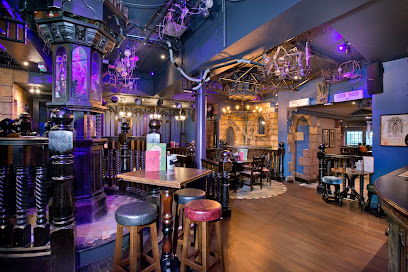
Nightclubs & after hour spots

The Cell
0.2 km
Dive into Nottingham's pulsing heart at The Cell, where affordable drinks, diverse beats, and Hockley's electric vibe fuel unforgettable nights of dance and discovery.

Eleven
0.3 km
A lively, multi-bar nightclub in Nottingham’s Hockley district, famed for great cocktails, student nights, and an intimate yet energetic party vibe.
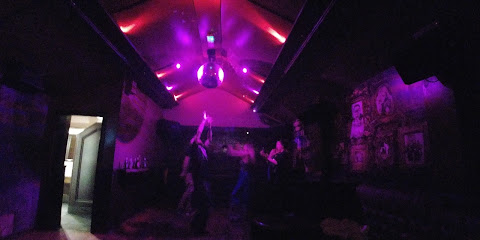
Tantra Night Clubs
0.3 km
Dive into Nottingham's electric nightlife at Tantra Night Clubs, where pulsating beats, dazzling lights, and stylish vibes create unforgettable nights of dance and discovery in the city center.
The Bodega Nottingham
0.3 km
Intimate two-level live-music bar and late-night club on Pelham Street — gritty, affordable and centred on close-up gigs and local sounds.
Popworld - Nottingham
0.4 km
A neon-soaked, singalong pop-club in Nottingham city centre — colourful cocktails, nostalgic anthems and compact dancefloor energy.
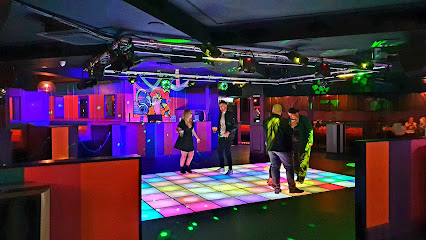
NG-One
0.4 km
A large, late‑night Nottingham club with multiple dancefloors, strong sound and long weekend hours — built for night owls and student crowds.
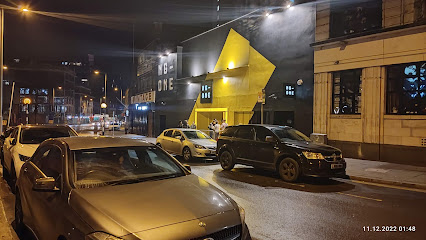
Ocean Nightclub
0.5 km
Unpretentious beats and dazzling lights fuel all-night dances at Nottingham's go-to multi-room nightclub on Greyfriar Gate.
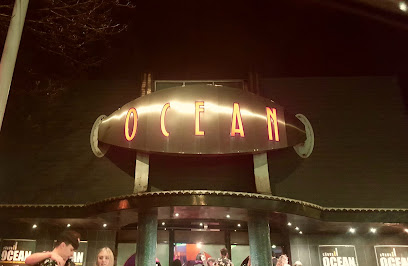
The Brickworks
0.6 km
Nottingham's raw warehouse heartbeat: intimate DJ nights, killer cocktails, and pure underground energy in a brick-clad haven.
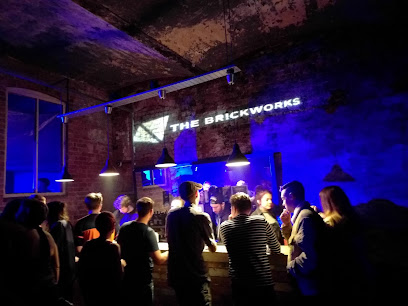
ICON
0.7 km
A compact, DJ-driven late-night club on St James’s Street — small footprint, high-energy nights and a tight city-centre atmosphere.
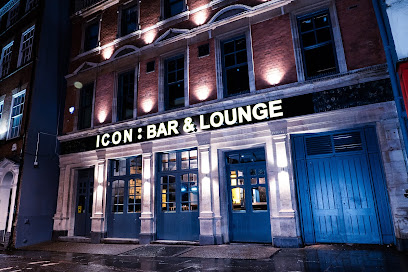
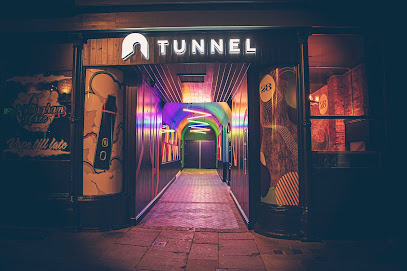
Tunnel Club
0.7 km
Loud. Intimate. Disruptive. Dive into Nottingham's raw underground beats at this city-center nightclub powerhouse.
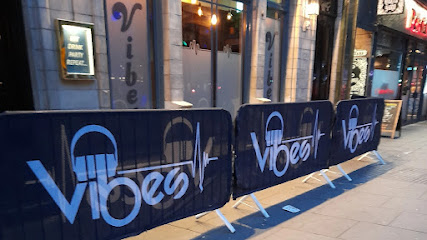
VIBES NIGHTLIFE
0.7 km
Dive into Nottingham's pulsating party hub where weekend beats, neon lights, and vibrant crowds fuel epic nights until 2am—pure vibes unleashed.
Unit 13
0.7 km
Dive into Nottingham's underground bassline haven at Unit 13, where industrial beats and stellar DJs fuel unforgettable warehouse raves.

Love zoo
0.7 km
Dive into Nottingham's electrifying beats at Love Zoo, where house rhythms, dazzling lights, and cocktail-fueled nights create pure nightlife magic on Weekday Cross.
Stealth
0.9 km
Nottingham's drum and bass dynamo: world-ranked beats, epic nights, and unrelenting energy since 2004 in the heart of Goldsmith Street.
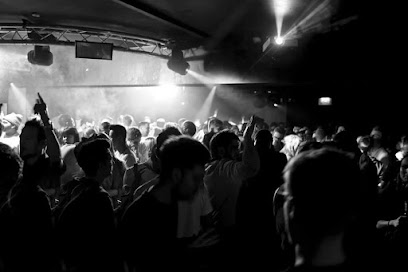
Rescue Rooms
0.9 km
Nottingham's intimate live music powerhouse: raw gigs, electric crowds, and beats till 3am in a historic nook.
For the vibe & atmosphere seeker
- Romantic
- Tranquil
- Scenic
- Unique
- Casual
For the design and aesthetic lover
- Vintage Styles
- Rustic Designs
For the architecture buff
- Historic
- Landmarks
- Art & Design
- Heritage Neighborhoods
For the view chaser and sunset hunter
- Iconic Views
- Panoramas
For the social media creator & influencer
- Instagrammable
- Photo Spots
- Architectural Shots
For the eco-conscious traveler
- Protected Area
- Locally Managed
For the kind of experience you’re after
- Spiritual / Energy Spot
- Myth & Legends
- Cultural Heritage
- Photowalk
- Day Trip
For how adventurous you want the journey to be
- Easy Access
Location Audience
- Family Friendly
- LGBT Friendly
- Senior Friendly
- Child Friendly
- Teen Friendly
- Wheelchair Access
- Pet Friendly
- Solo Friendly
- Couple Friendly
- Solo Female Friendly


