Cuween Hill Chambered Cairn, Orkney Travel Guide
Explore the mysterious 5,000-year-old Neolithic Cuween Hill Chambered Cairn, a dark, atmospheric burial site nestled on Orkney’s scenic hillside.
Cuween Hill Chambered Cairn, located on Orkney's Mainland, is a well-preserved Neolithic tomb dating back around 5,000 years. This smaller-scale Maeshowe-type cairn features a central chamber with four side cells and contains human and animal remains, reflecting complex burial rituals. Set on a hillside overlooking the Bay of Firth, it offers a mysterious, pitch-black interior and a glimpse into ancient farming communities and their beliefs in the afterlife.
A brief summary to Cuween Hill Chambered Cairn
- Old Finstown Rd, Orkney, KW17 2EJ, GB
- Click to display
- Click to display
- Duration: 0.5 to 2 hours
- Free
-
 Outdoor
- Mobile reception: 3 out of 5

Know before you go
Hi, I'm Eve. Here are a few practical things to know before exploring Cuween Hill Chambered Cairn.
- Bring a flashlight or headlamp to navigate the pitch-black interior safely.
- Wear old trousers or durable clothing, as crawling through the narrow passage can be dirty.
- Visit during dry weather for easier access on the hillside path.
- Take time to enjoy the panoramic views of the Bay of Firth from Cuween Hill.
Do you manage this location?
Take control to get all the benefits, like improved information, better appearance, and stronger visibility across AI-powered discovery. Learn more about listing your business on Evendo
Activate your presenceOther nearby places you may find interesting
The closest places of the same kind, if this one is not quite what you had in mind.
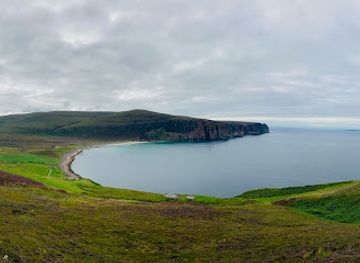
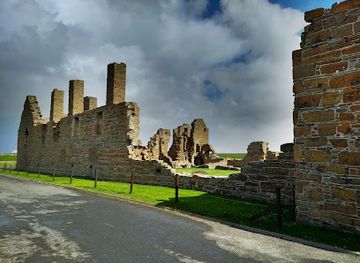
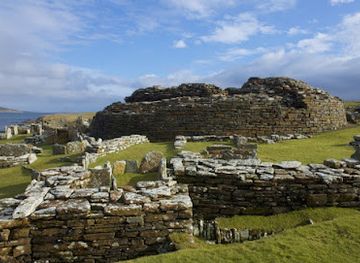
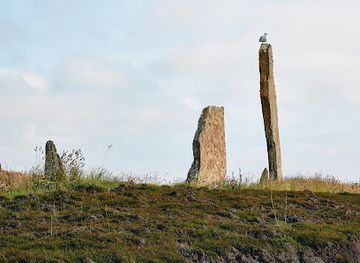
Explore Cuween Hill Chambered Cairn on the Map
A handpicked selection of must-see spots near Cuween Hill Chambered Cairn, mapped for you.
Getting There
-
Bus and Walk
Take the local bus from Kirkwall to Finstown, a journey of approximately 25 to 35 minutes. From Finstown, walk uphill along Old Finstown Road and a marked path for about 1.5 kilometers to reach Cuween Hill. The terrain is uneven and moderately steep, so wear sturdy footwear. Bus fares typically range from £3 to £5 one way.
-
Car
Drive from Kirkwall to Cuween Hill via the A965 and Old Finstown Road, covering about 12 kilometers in 20 to 25 minutes. Parking is limited near the site, and the final approach involves a short uphill walk on a rough path. Be mindful of narrow rural roads and occasional livestock. No parking fees apply.
-
Guided Tour
Join a guided archaeological or heritage tour departing from Kirkwall, lasting 3 to 4 hours including visits to Cuween Hill and nearby Neolithic sites. Tours typically cost between £30 and £50 per person and provide expert insights and transport.
For the on-the-go comforts that matter to you
-
 Information Boards
-
 Seating Areas
-
 Trash Bins
Discover more about Cuween Hill Chambered Cairn
Origins and Archaeological Significance
Cuween Hill Chambered Cairn was constructed between 3000 and 2400 BC during the Neolithic period by early farming communities in Orkney. It is a smaller-scale version of the famous Maeshowe tomb, featuring a roughly rectangular central chamber with four smaller cells branching off. The cairn was built into the bedrock on an artificial terrace on the eastern slope of Cuween Hill, a location that connects it visually and culturally to the nearby Stonehall Neolithic settlement in the valley below. Excavations revealed human remains alongside numerous dog skulls and ox bones, suggesting complex burial rites and a belief in an afterlife. The presence of cremated remains and the cairn’s careful sealing indicate ritual use and respect for the dead over generations.Architecture and Interior Experience
The tomb’s design exemplifies Neolithic architectural skill, with corbelled stone walls and a passage leading into a central chamber. Unlike some other Orkney cairns, Cuween’s interior is pitch black, as its original roof was removed before the 1901 excavation and replaced with a modern one that does not admit light. Visitors must crawl through a narrow, low passage about five meters long to reach the main chamber, where standing room is possible. The atmosphere inside is silent and dark, evoking a powerful sense of ancient ritual and mystery. The cairn’s interior layout and the presence of animal remains, especially dogs, have inspired theories about totemic guardianship or symbolic pets accompanying the dead.Landscape and Cultural Context
Cuween Hill rises above fertile farmland once used as cattle pasture, a name derived from Old Norse origins. The tomb’s position is not on the hill’s highest point but is clearly visible from the Stonehall settlement, suggesting a deliberate visual and cultural link between the living community and their ancestors. The surrounding landscape is rich in Neolithic heritage, with nearby chambered cairns and early farmstead remains. This setting offers visitors panoramic views over the Bay of Firth and Orkney’s northern isles, blending natural beauty with deep historical resonance.Modern Discoveries and Visitor Interaction
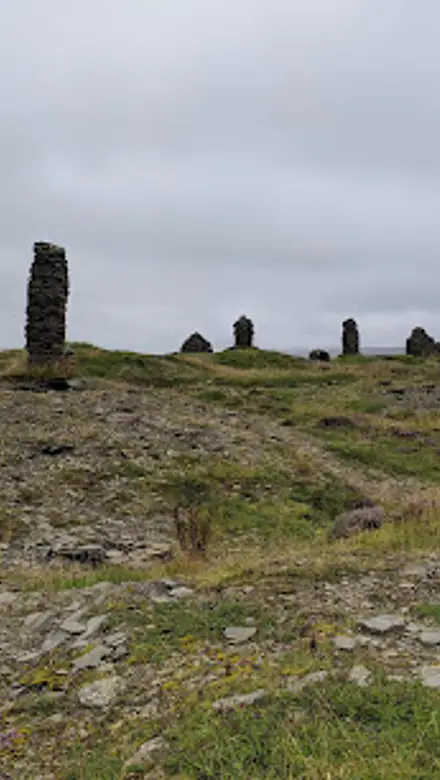
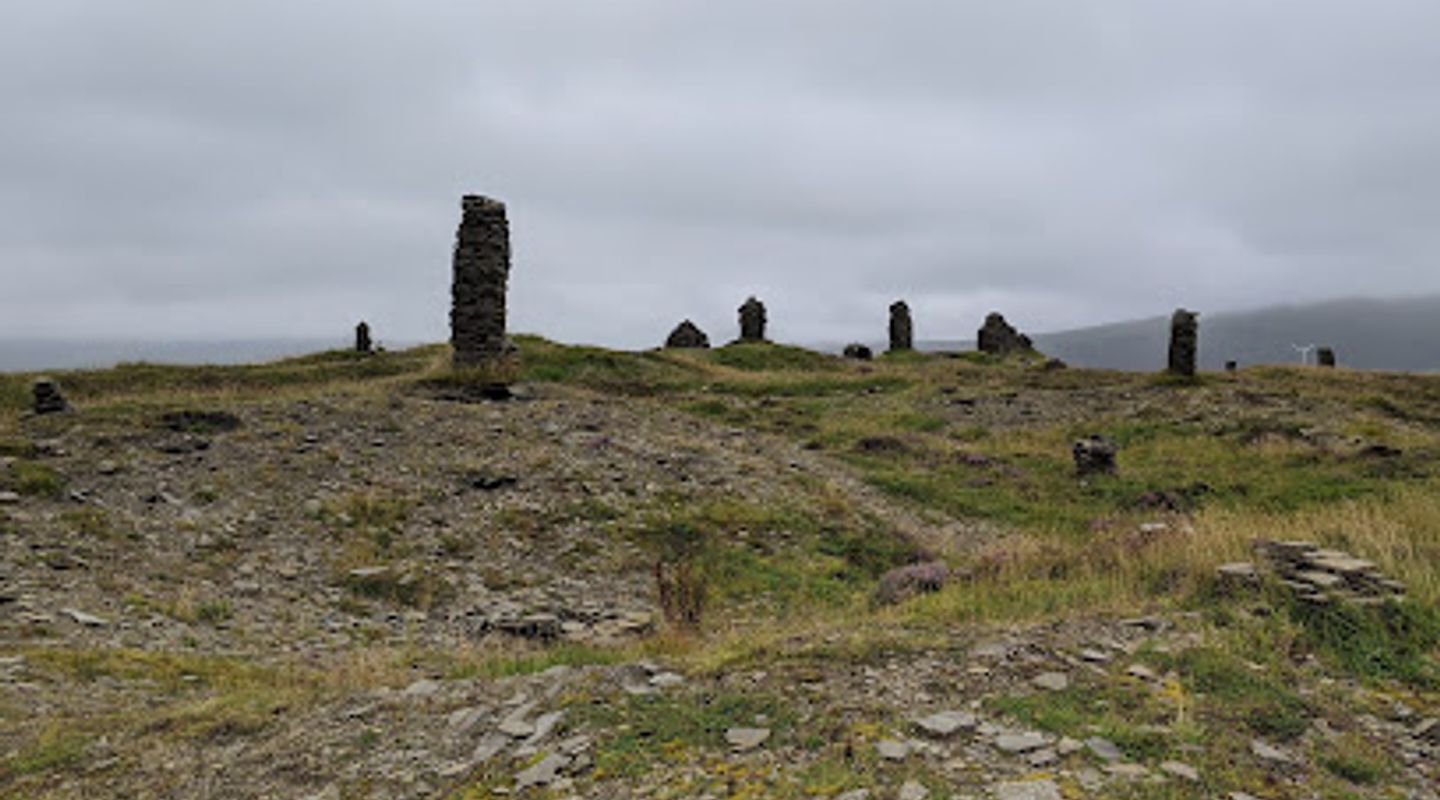
Modern archaeological work at Cuween Hill has uncovered early Neolithic houses and artifacts such as pottery and stone tools in the vicinity, highlighting the area’s long-term occupation. The site is accessible by a moderate uphill walk and remains less crowded than other Orkney attractions, allowing for a contemplative visit. Visitors often build small cairns nearby, continuing a tradition of marking and honoring the landscape. The cairn’s dark interior requires a flashlight for exploration, enhancing the immersive experience of stepping back into prehistoric times.Spiritual and Mythological Dimensions
Local folklore sometimes refers to Cuween Hill as the Fairy Knowe, associating the mound with fairies or trows, mythical beings of Orkney legend. The eerie silence and subtle sounds inside the tomb contribute to its mystical aura. The burial of dogs alongside humans has fueled imagination about spiritual guardianship or symbolic relationships between people and animals in Neolithic belief systems. The cairn stands as a silent testament to ancient rituals and the enduring human connection to death, memory, and the landscape.Preservation and Cultural Importance
Cuween Hill Chambered Cairn is managed as part of Orkney’s rich archaeological heritage, exemplifying respectful excavation and conservation. It offers a rare opportunity to engage closely with Neolithic architecture and burial practices without barriers. The site’s preservation allows visitors to appreciate the sophistication and spiritual depth of Scotland’s earliest agricultural communities. As tourism grows, maintaining this respectful access is vital to protect the cairn’s integrity and the profound experience it offers.More to explore near Cuween Hill Chambered Cairn













Your all‑in‑one travel companion app
Explore expert travel guides, compare and book tours, experiences, hotels, and more—all from the palm of your hand. Download now for seamless trip planning wherever your wanderlust takes you.


Explore More of Orkney
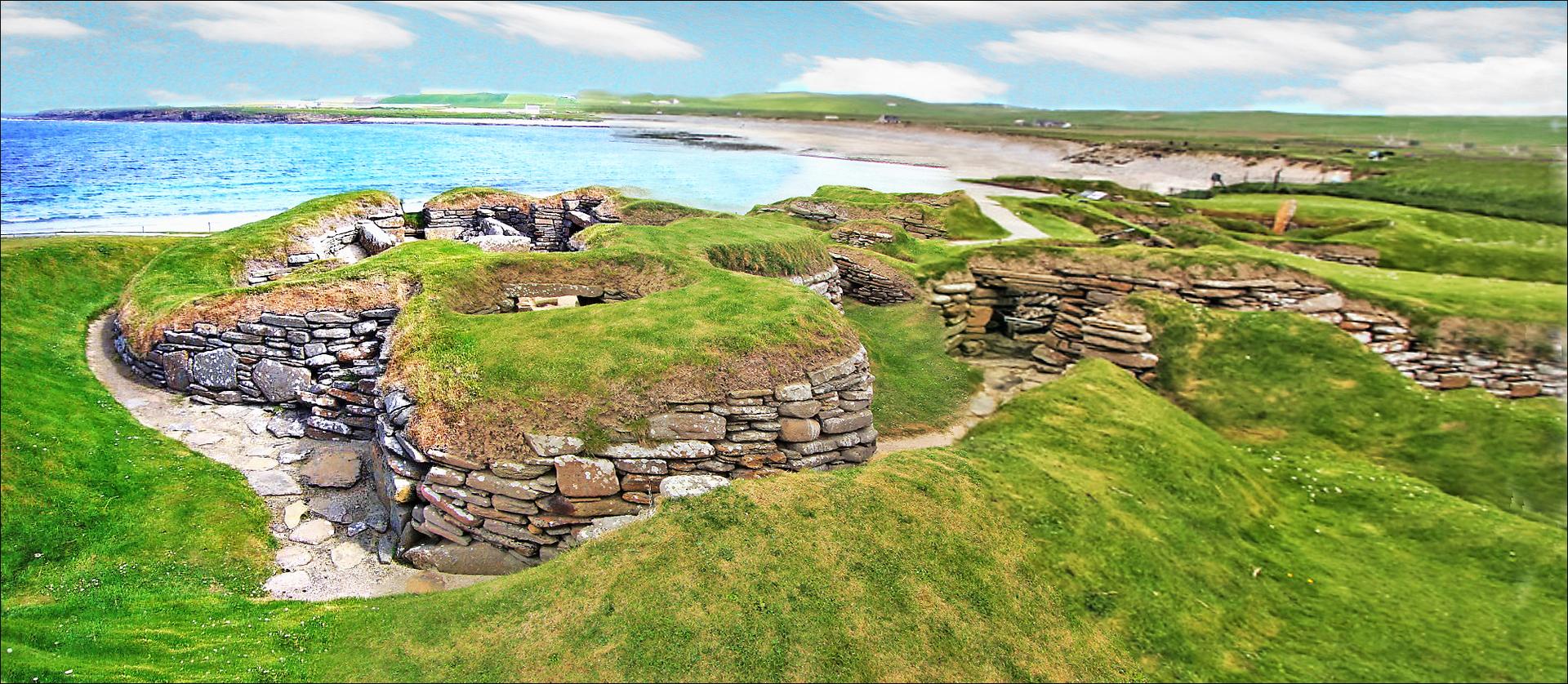
Looking beyond Cuween Hill Chambered Cairn? Discover Orkney for broader travel guides, local hot-spots, and regional highlights.
Explore Orkney