Dwarfie Stane, Orkney Travel Guide
Explore the only Neolithic rock-cut tomb in Orkney, where ancient craftsmanship meets legend in a remote, atmospheric valley on Hoy.
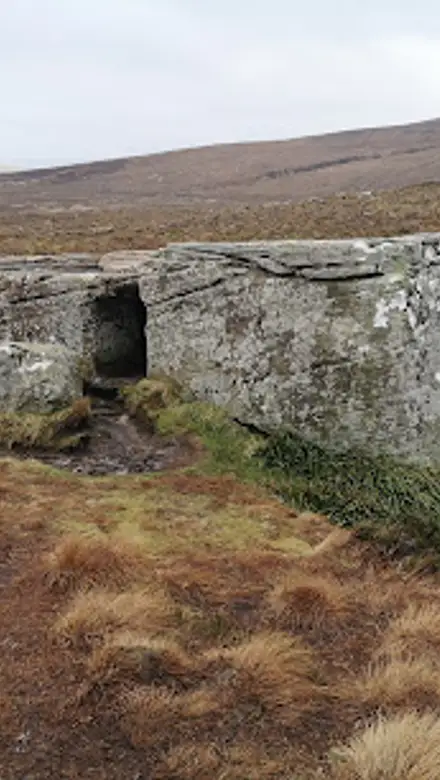
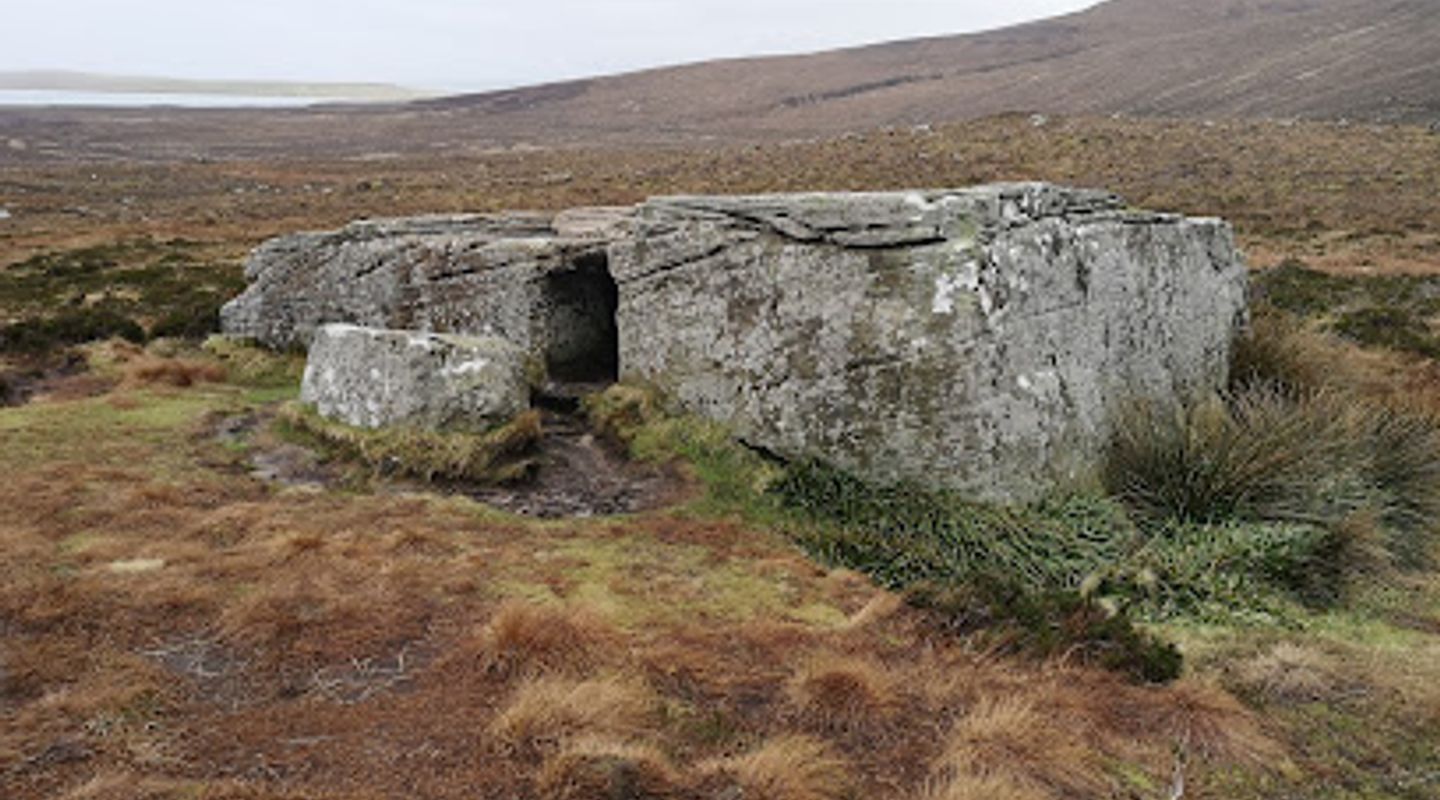
The Dwarfie Stane is a remarkable prehistoric tomb carved directly from a massive sandstone boulder on Hoy, Orkney. Dating back to around 3000 BC, it is the only known rock-cut tomb in Orkney and possibly the entire British Isles. Its narrow passage leads to two small chambers, sparking legends of dwarfs and giants. Visitors can explore this ancient site, which features historic graffiti and a fascinating blend of archaeology and folklore.
A brief summary to Dwarfie Stane
- Stromness, Hoy, KW16 3NJ, GB
- Click to display
- Duration: 0.5 to 1.5 hours
- Free
-
 Outdoor
- Mobile reception: 3 out of 5

Know before you go
Hi, I'm Eve. Here are a few practical things to know before exploring Dwarfie Stane.
- Wear sturdy footwear for the rough uphill track leading to the tomb, which includes wooden boards, gravel, and sand.
- Prepare for a tight crawl inside the tomb’s chambers; the spaces are small and low-ceilinged.
- Visit in clear weather to fully appreciate the surrounding heathery valley and views of Ward Hill.
- Look closely for historic graffiti on the tomb’s exterior, including 19th-century Persian script.
Do you manage this location?
Take control to get all the benefits, like improved information, better appearance, and stronger visibility across AI-powered discovery. Learn more about listing your business on Evendo
Activate your presenceOther nearby places you may find interesting
The closest places of the same kind, if this one is not quite what you had in mind.
Explore Dwarfie Stane on the Map
A handpicked selection of must-see spots near Dwarfie Stane, mapped for you.
Unlock the Best of Dwarfie Stane
Buy tickets
-
No tickets available
Book tours with entry

Book tours without entry
-
No tours available
Getting There
-
Bus and Walk
Take the local bus service from Stromness to the Rackwick area on Hoy, which runs several times a day with journey times around 30-40 minutes. From the bus stop, a 15-minute uphill walk on a rough track leads to the Dwarfie Stane. Wear suitable footwear for uneven terrain. Bus fares typically range between £5-£8.
-
Car and Walk
Drive from Stromness to the Dwarfie Stane car park near Rackwick, approximately 25 minutes. Parking is limited and unregulated. From the car park, follow a ¾ mile uphill trail laid with wooden boards and gravel to reach the tomb. The path is uneven and may be slippery in wet weather.
-
Ferry and Local Transport
Arrive on Hoy via ferry from Stromness, Orkney Mainland. Ferries run frequently with a crossing time of about 30 minutes. Upon arrival, use local bus services or car hire to reach Rackwick and then walk to the site. Ferry prices vary but typically start around £10 per person.
For the on-the-go comforts that matter to you
-
 Restrooms
-
 Seating Areas
-
 Information Boards
Discover more about Dwarfie Stane
A Singular Neolithic Marvel
The Dwarfie Stane stands out as a unique prehistoric monument, carved from a colossal block of Devonian Old Red Sandstone nestled in a steep-sided glaciated valley on the island of Hoy, Orkney. Unlike other chambered tombs in the region, which are constructed from assembled stones, this tomb is hewn directly from a single rock, making it possibly the only example of a rock-cut tomb in the British Isles. Measuring approximately 8.6 meters long, 4 meters wide, and 2.5 meters high, the tomb features a narrow entrance passage leading into two small cells, each with carefully squared doorways and one containing a stone ledge or 'pillow'.Carving and Construction Mysteries
Archaeologists estimate the tomb was carved sometime between 3500 and 2500 BC, during the Neolithic to Early Bronze Age, using only stone or antler tools. The sheer effort required to hollow out the sandstone block without metal tools remains a testament to the skill and perseverance of its creators. The massive stone slab that once sealed the entrance now lies outside the tomb. The roof was breached long ago, with a hole repaired in the mid-20th century, evidence of historical attempts to access the interior. The absence of human habitation nearby raises intriguing questions about where the stonemasons lived during this lengthy project, with some theories suggesting temporary shelter in nearby caves or coastal settlements.Legends and Folklore Shaping Its Identity
The Dwarfie Stane’s small chambers, too short for a normal adult to stand in, inspired local legends of dwarfs inhabiting the tomb, reflected in its Norse-derived name meaning 'dwarf stone'. Folklore tells of giants imprisoned inside, sealed by a massive stone door, with one escaping by gnawing a hole through the roof—an imaginative explanation for the damage observed. The site was even referenced in Sir Walter Scott’s 1821 novel "The Pirate," where the dwarf Trolld is said to have made the tomb his home. Until the early 20th century, visitors left offerings by the entrance, underscoring its cultural significance beyond archaeology.Historical Inscriptions and Visitors
The Dwarfie Stane has attracted notable visitors over centuries, including the 19th-century stonemason and geologist Hugh Miller, who left his initials carved inside. British spy Major William Mounsey also left a remarkable inscription in Persian script on the tomb’s exterior in 1850, reading, 'I have sat two nights and have learned patience,' with his name carved backwards above it. These historic graffiti add layers of human connection to the ancient monument, reflecting its enduring fascination.Setting and Visitor Experience
Situated in a remote, heathery valley between Quoys and Rackwick, the site is accessed by a rough uphill track laid with wooden boards and gravel. The surrounding landscape is rugged and atmospheric, with views toward Ward Hill, Orkney’s highest peak. Visitors can crawl into the tomb’s chambers, experiencing firsthand the confined space that inspired its legendary associations. The site’s isolation and natural beauty enhance its mystical aura, making it a compelling destination for those interested in archaeology, history, and folklore.Conservation and Cultural Importance
Managed by Historic Environment Scotland, the Dwarfie Stane is protected as a unique cultural heritage site. Despite some damage from past vandalism and natural erosion, conservation efforts have preserved the tomb’s structure and historic inscriptions. The site offers invaluable insight into Neolithic funerary practices and the cultural imagination of Orkney’s inhabitants through millennia. It remains a symbol of ancient craftsmanship and the enduring power of myth in shaping human connection to place.












Your all‑in‑one travel companion app
Explore expert travel guides, compare and book tours, experiences, hotels, and more—all from the palm of your hand. Download now for seamless trip planning wherever your wanderlust takes you.


Explore More of Orkney
Looking beyond Dwarfie Stane? Discover Orkney for broader travel guides, local hot-spots, and regional highlights.
Explore Orkney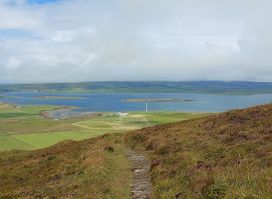
A quiet Orkney hilltop with sweeping views over Kirkwall, the Bay of Firth, and the surrounding countryside, perfect for panoramic photos and peaceful reflection.
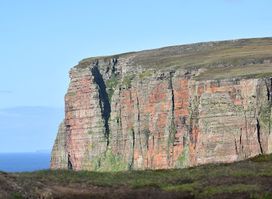
Explore rugged cliffs, vibrant seabird colonies, and wild moorland at RSPB Scotland Hoy Nature Reserve, a sanctuary of natural beauty and wildlife.