
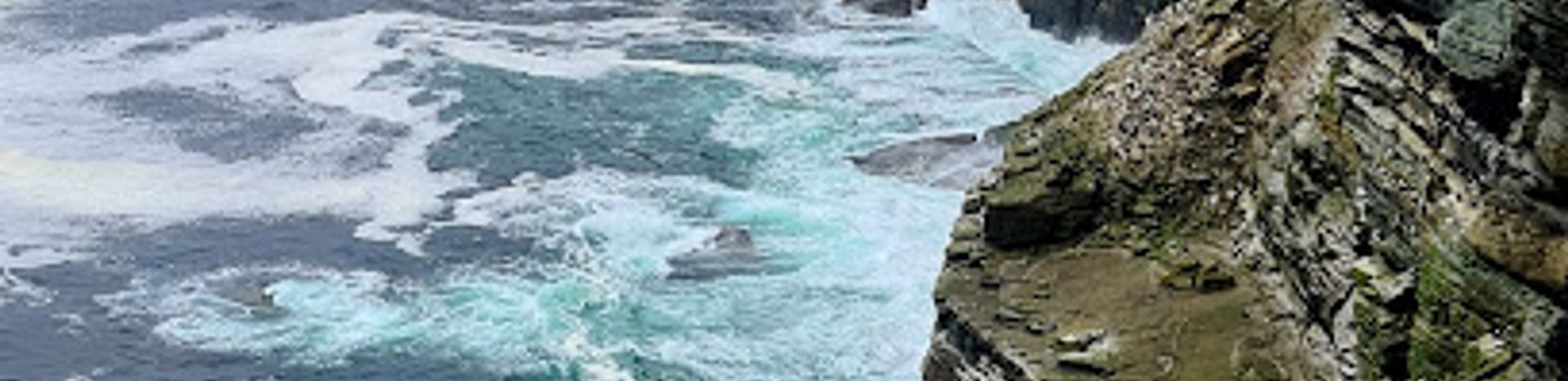
RSPB Scotland Marwick Head Nature Reserve
Experience Orkney’s dramatic cliffs, vibrant seabird colonies, and poignant history at RSPB Scotland Marwick Head Nature Reserve.
RSPB Scotland Marwick Head Nature Reserve in Orkney is a dramatic coastal sanctuary famed for its towering cliffs, vast seabird colonies, and the poignant Kitchener Memorial. Visitors can enjoy rugged cliff walks with spectacular views of the Atlantic and diverse wildlife including puffins, guillemots, and the rare Great Yellow Bumblebee. This reserve offers a unique blend of natural beauty, wildlife spectacle, and historical significance.
A brief summary to RSPB Scotland Marwick Head Nature Reserve
- Orkney, KW17 2NB, GB
- +441856850176
- Visit website
- Duration: 1 to 3 hours
- Free
-
 Outdoor
- Mobile reception: 3 out of 5
- Monday 12 am-12 am
- Tuesday 12 am-12 am
- Wednesday 12 am-12 am
- Thursday 12 am-12 am
- Friday 12 am-12 am
- Saturday 12 am-12 am
- Sunday 12 am-12 am
Local tips
- Bring binoculars for close-up views of seabirds, especially during the nesting season from April to July.
- Wear sturdy hiking boots as the path to the cliffs is grassy, steep, and can be slippery in places.
- Keep dogs on a short lead during the breeding season to protect ground-nesting birds and wildlife.
- Visit on clear days for spectacular views of the Atlantic, the island of Hoy, and the Old Man of Hoy sea stack.
- Respect the fragile cliff edges and do not cross fences near the Kitchener Memorial for your safety.

For the on-the-go comforts that matter to you
- Parking
- Information Boards
Getting There
-
Car
From Kirkwall, drive approximately 30 minutes via the A961 and B9056 roads to Marwick Head. Parking is available at Marwick Bay and Cumlaquoy car parks, though spaces may be limited during peak seasons. Roads are paved but narrow in places.
-
Walking
For nearby visitors, a scenic 2-mile walk along coastal paths from St. Margarets Hope offers stunning sea views en route to the reserve. Terrain includes uneven and grassy sections requiring sturdy footwear.
-
Public Transport
Local bus services run from Kirkwall to Birsay, from where taxis or cycling can be used to reach Marwick Head. Bus frequency is limited, so check schedules in advance.
RSPB Scotland Marwick Head Nature Reserve location weather suitability
-
 Any Weather
-
 Windy Conditions
-
 Clear Skies
-
 Rain / Wet Weather
-
 Mild Temperatures
Discover more about RSPB Scotland Marwick Head Nature Reserve
A Dramatic Coastal Landscape and Wildlife Haven
Marwick Head Nature Reserve is perched on the western coast of Orkney’s Mainland, where cliffs rise nearly 90 meters above the Atlantic Ocean. This rugged headland offers sweeping sea views and a dramatic setting for one of the largest seabird colonies in Orkney. During the breeding season, up to 25,000 birds including fulmars, razorbills, kittiwakes, guillemots, puffins, and Arctic skuas nest on the sandstone ledges. The cliffs are alive with the sounds and sights of these seabirds, creating a vibrant natural spectacle.Historical Significance of the Kitchener Memorial
Dominating the headland is the Kitchener Memorial, a 48-foot-high monument erected in 1926 to commemorate Lord Kitchener, the British Minister for War, who perished when HMS Hampshire sank nearby in 1916. The memorial also honors the crew of HMS Hampshire and the Laurel Crown minesweeper lost in the same waters. This poignant landmark blends history with the natural environment, offering visitors a reflective space amid the wild landscape.Walking Trails and Visitor Experience
Visitors can access the reserve via a scenic walk from Marwick Bay or the Cumlaquoy car park. The path climbs steeply but rewards walkers with panoramic views from the cliff top, including sights of the island of Hoy and, on clear days, the Old Man of Hoy sea stack. The trail is grassy with some steep and slippery sections, and two narrow kissing gates. Wildlife watchers often bring binoculars to better observe the seabirds and, occasionally, marine mammals like dolphins and whales off the coast.Flora and Rare Species
Beyond birds, Marwick Head is notable for hosting the Great Yellow Bumblebee, a rare species found only in northern Scotland within the UK. The reserve’s coastal flora includes colorful wildflowers that carpet the cliffs in summer, adding to the sensory richness of the landscape. In winter, wading birds such as Turnstones, Purple Sandpipers, and Ringed Plovers gather along the shore, while sea ducks are abundant offshore.Conservation and Visitor Guidance
Managed by RSPB Scotland, the reserve emphasizes responsible access aligned with the Scottish Outdoor Access Code. Visitors are advised to keep dogs on short leads during the ground-nesting bird breeding season (April to mid-August) to protect vulnerable wildlife. Barbecues and fires are prohibited to safeguard the habitat. Facilities are limited; the nearest toilets with some accessibility features are several miles away, and parking is available but can be limited during peak times.Seasonal Highlights and Viewing Tips
The best time to visit for seabird watching is early summer when nesting activity peaks. Wildlife enthusiasts may also spot Arctic skuas and red-throated divers. The reserve’s exposed location means weather can be changeable and often windy, so visitors should dress accordingly. The combination of wildlife, history, and breathtaking coastal scenery makes Marwick Head a compelling destination for nature lovers and history buffs alike.Iconic landmarks you can’t miss

The Cannon
15.8 km
Historic cannon from an American privateer, set against the stunning backdrop of Stromness harbour’s maritime heritage.
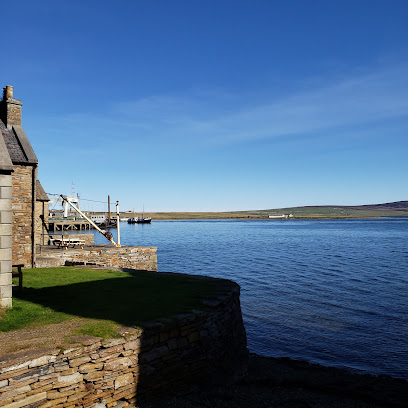
First Nations And Orcadian Totem Pole
34.1 km
A striking wooden monument in Orkney symbolizing friendship and shared heritage between First Nations and Orcadian cultures.
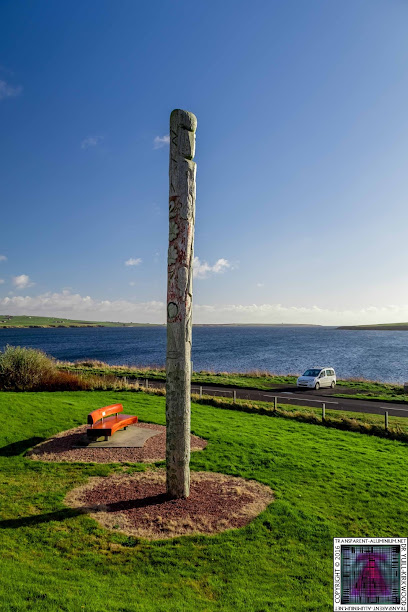
Churchill Barriers
34.3 km
Historic WWII causeways in Orkney that safeguarded Scapa Flow and now link islands with a rich legacy of resilience and culture.
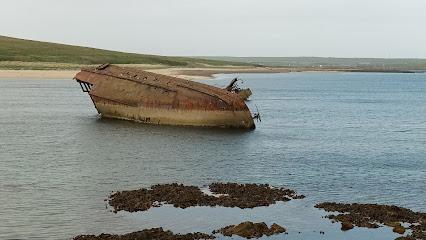
Mary Ann's Cottage
52.5 km
Explore the fascinating history of Caithness at Mary Ann's Cottage, a charming museum showcasing 19th-century life and culture.
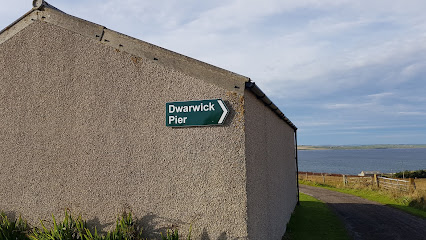
Above and Beyond Tours
52.6 km
Discover the breathtaking landscapes of Caithness with Above and Beyond Tours, where adventure meets local expertise in Scotland's stunning north.
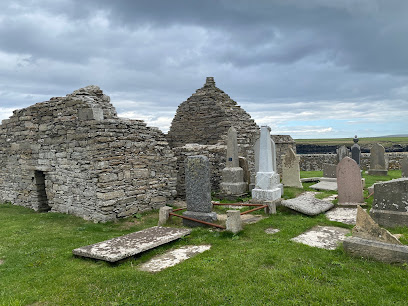
John O'Groats Signpost
52.8 km
Britain's most iconic signpost marks the legendary endpoint of the 874-mile Land's End to John o' Groats journey.
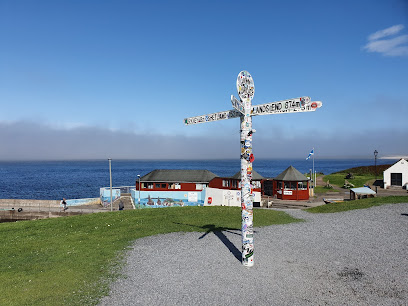
Bay of Sannick
53.2 km
Experience the tranquil beauty of the Bay of Sannick, a stunning coastal gem in John o' Groats, perfect for relaxation and adventure.
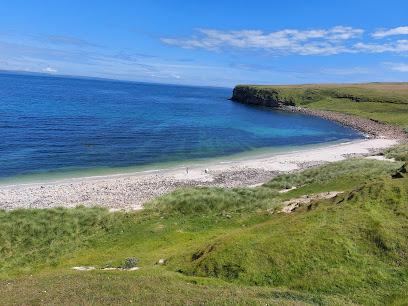
Duncansby Head Lighthouse
53.7 km
Experience the breathtaking views and rich history of Duncansby Head Lighthouse, a must-see landmark on Scotland's northern coast.
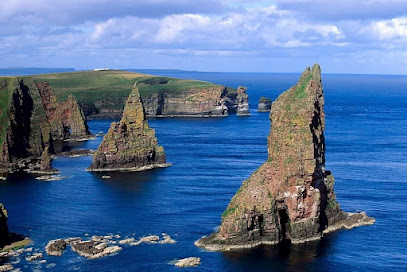
Duncansby Stacks
54.8 km
Discover the breathtaking Duncansby Stacks, a natural marvel of towering cliffs and vibrant wildlife on Scotland's stunning coastline.
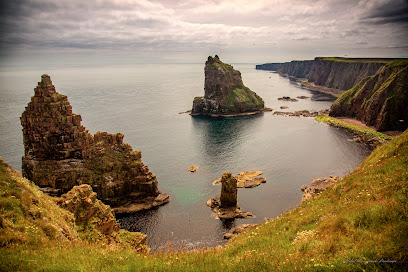
Castlehill Heritage Centre
55.5 km
Discover the captivating history and culture of Castletown at the Castlehill Heritage Centre, a unique museum in the heart of the Scottish Highlands.
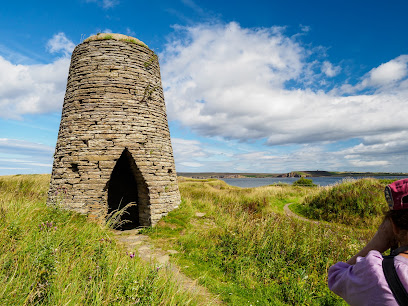
Harold’s Tower
55.6 km
Discover the charm and history of Harold's Tower in Thurso, a stunning heritage site offering breathtaking views and rich cultural significance.

Dunnet Links: St. Coomb Chapel (6th century, former site))
55.9 km
Discover the ancient ruins of St. Coomb Chapel, a 6th-century site near Castletown that reveals Scotland’s early Christian heritage.
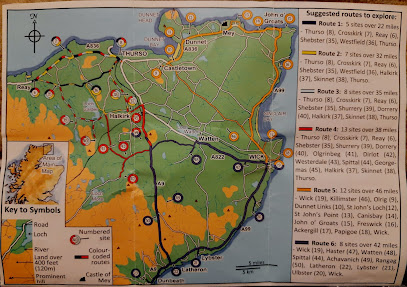
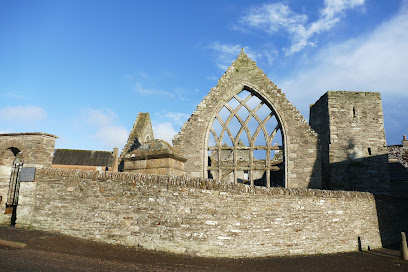
Old St Peter’s Church, Thurso
56.5 km
Discover the architectural splendor and rich history of Old St Peter’s Church, a must-visit historical landmark in Thurso, Scotland.
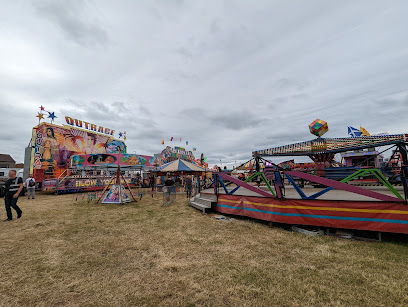
Caithness Agricultural Society
56.5 km
Experience the rich agricultural heritage of Caithness at the Caithness Agricultural Society, a vibrant hub for farming enthusiasts and tourists.
North Coast Visitor Centre
56.6 km
Discover the North Coast Visitor Centre in Thurso, a museum and café that showcases Scotland's stunning northern coastline and rich cultural heritage.

Unmissable attractions to see

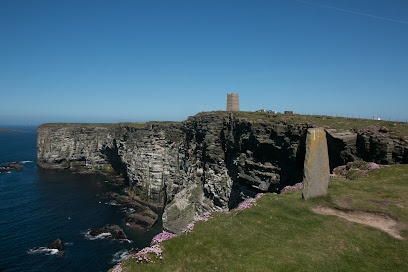
Marwick Head
0.4 km
Dramatic cliffs, vast seabird colonies, and a poignant WWI memorial converge at Orkney’s breathtaking Marwick Head.
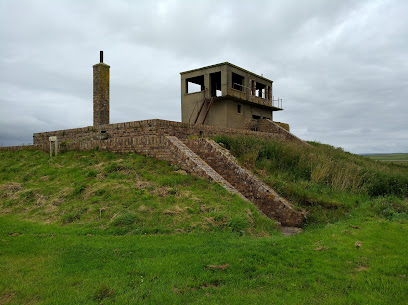
HMS TERN (RNAS Twatt)
3.3 km
Explore HMS TERN in Twatt, Orkney—a historical landmark offering insights into naval aviation and the region's wartime heritage amidst stunning natural beauty.
Birsay Earl's Palace
4.1 km
Explore the windswept ruins of a 16th-century earl’s palace on Orkney’s northern coast, where Renaissance ambition met ruthless rule and dramatic coastal scenery.
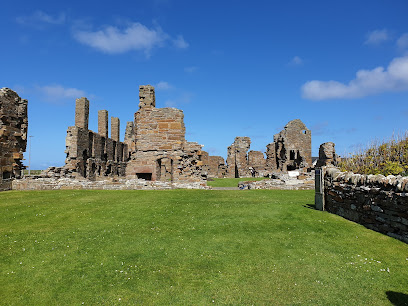
Brough of Birsay
4.5 km
Explore a tidal island rich with Pictish symbols, Viking ruins, medieval churches, and vibrant seabird colonies including puffins.

Bay of Skaill
4.7 km
Explore Bay of Skaill’s sweeping sands and ancient shores, home to the remarkable Neolithic village of Skara Brae and dramatic Atlantic vistas.
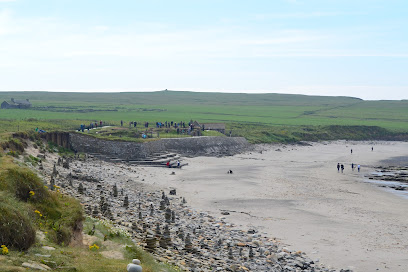
Skara Brae Prehistoric Village
5.3 km
Step back 5,000 years at Skara Brae, Europe’s best-preserved Neolithic village with stone houses, ancient furniture, and immersive exhibitions.

Skara Brae Visitor Centre
5.4 km
Explore one of Europe’s oldest and best-preserved Neolithic villages with a modern visitor centre and rich archaeological insights on Orkney’s stunning coast.
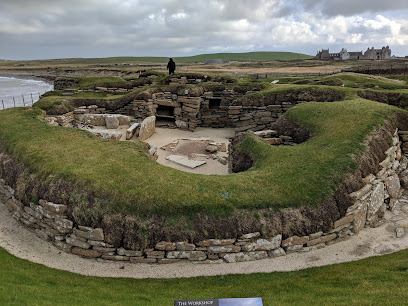
Skaill House Falconry
5.5 km
Experience Orkney’s captivating birds of prey up close in a family-run falconry set within historic grounds near Skara Brae.
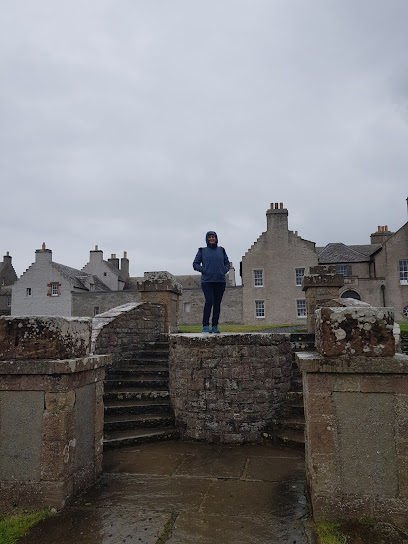
Skaill House
5.5 km
Explore Skaill House, Orkney’s finest 17th-century mansion, steeped in history and linked to the ancient Neolithic village of Skara Brae.
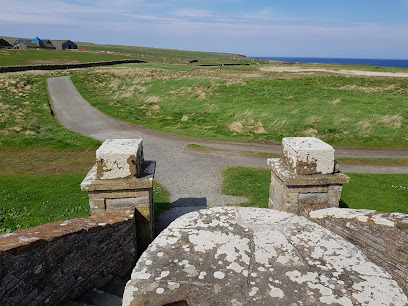
Kirbuster Farm Museum
5.5 km
Step back in time at Kirbuster Farm Museum, Northern Europe’s last un-restored firehoose, where Orkney’s rural heritage lives on.
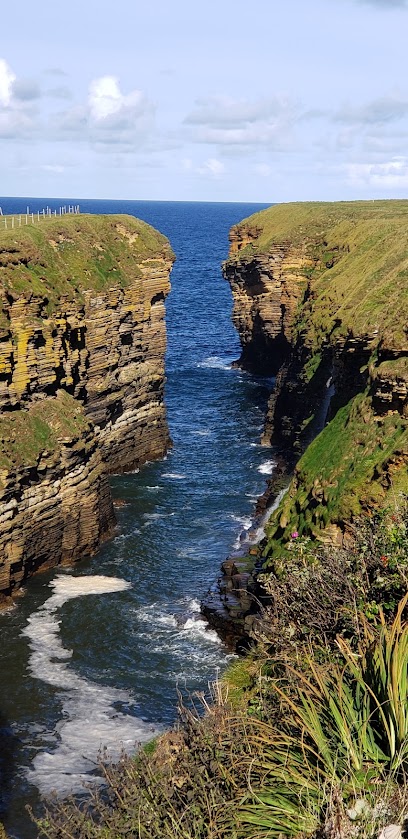
Longaglebe Geo
5.7 km
Explore Longaglebe Geo, Orkney’s longest dramatic coastal cleft, where rugged cliffs meet seabird colonies in a wild, windswept landscape.
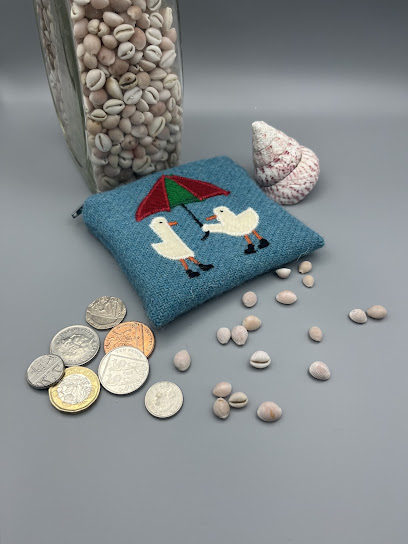
Castaway Crafts
7.2 km
Discover unique handcrafted treasures and authentic Orkney artistry at Castaway Crafts, nestled in the cozy charm of Rose Cottage, Dounby.
Broch of Borwick
7.3 km
Discover the atmospheric Broch of Borwick, a rugged Iron Age relic perched on Orkney’s wild west coast cliffs.
Borwick Castle Sea Stack
7.5 km
Explore the dramatic Borwick Castle Sea Stack and ancient Iron Age broch perched on Orkney’s rugged, windswept coastline.
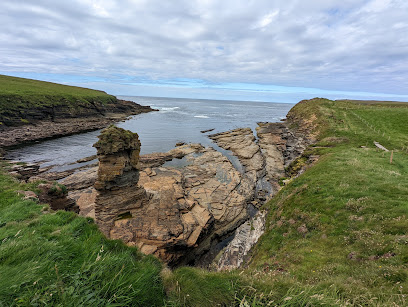
Yesnaby
8.1 km
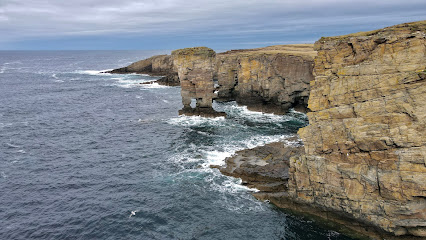
Dramatic sandstone cliffs, ancient fossils, and the iconic two-legged sea stack create a captivating coastal experience on Orkney’s wild west shore.
Essential places to dine

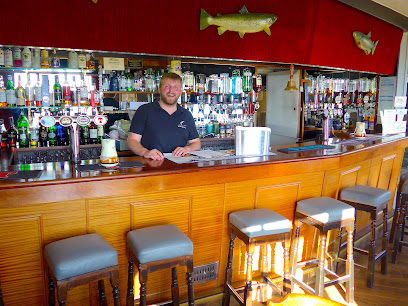
The Skerries Restaurant
8.5 km
Experience exquisite local seafood with breathtaking views at The Skerries Restaurant by Loch of Harray in Orkney’s tranquil natural setting.
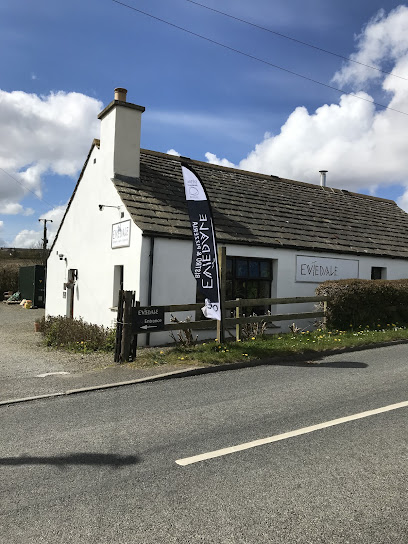
Eviedale Bistro & Bakehouse
13.7 km
Orkney's pioneering sourdough bakery and wood-fired pizzeria, where artisanal craft meets island hospitality.
Adam's Place
15.0 km
Fresh local seafood and an acclaimed wine list await you at Adam's Place, a cozy culinary highlight on Stromness’s waterfront.
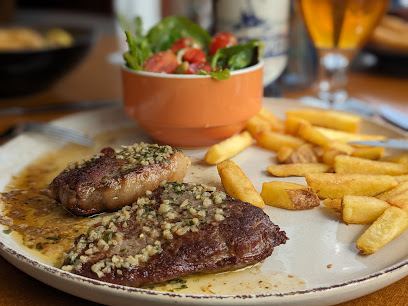
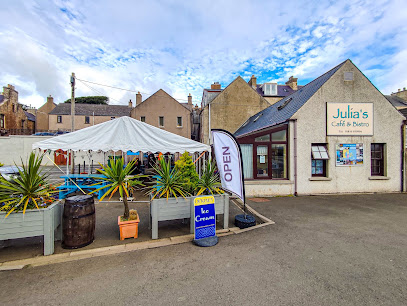
Julia's Cafe Bistro
15.0 km
Cozy cafe in Stromness offering freshly made rolls with vegetarian, vegan, and gluten-free options in a friendly, welcoming atmosphere.
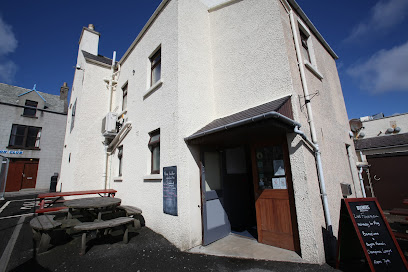
Ferry Inn Stromness
15.0 km
A cozy, historic inn on Stromness harbour offering hearty local cuisine and warm hospitality just steps from the ferry terminal.
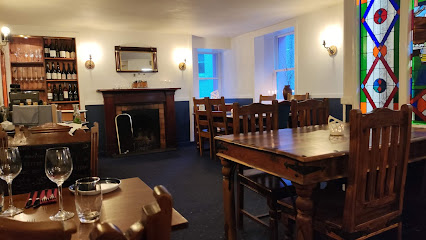
The Hamnavoe Restaurant
15.3 km
A cozy, historic Stromness restaurant serving innovative seasonal dishes blending Orkney seafood with European and Asian flavors.
Leigh's Real Taste of Orkney
16.8 km
Discover Orkney’s finest takeaway flavors at Leigh's, where local produce meets generous portions and friendly service in Finstown.

The Foveran
25.0 km
A family-run British restaurant with rooms offering exquisite local cuisine and stunning countryside views in Kirkwall, Orkney.
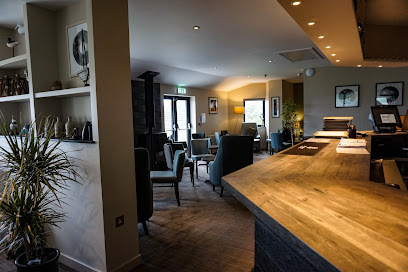
Busters Diner
25.4 km
A cozy American-style diner in Kirkwall serving hearty comfort food with British influences and local Orkney beers in a relaxed setting.
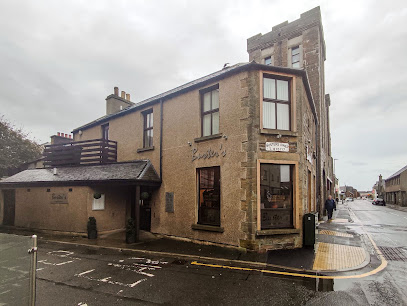
Helgi's
25.4 km
A vibrant harbourfront gastropub blending Orkney’s Viking heritage with fresh local fare and lively community spirit.
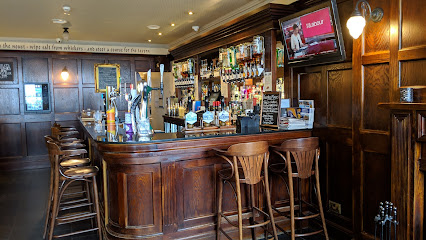
Bothy Bar
25.4 km
Experience the warmth of Bothy Bar in Kirkwall – where delicious food meets delightful drinks in a cozy atmosphere.
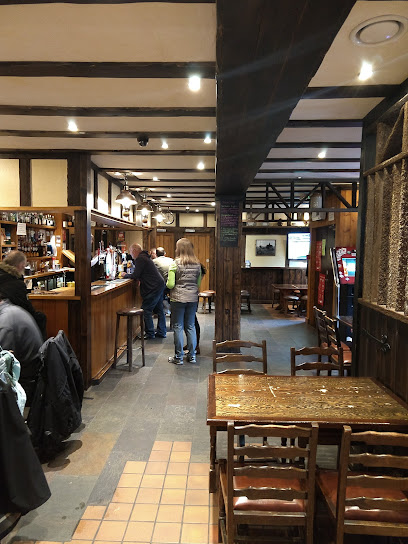
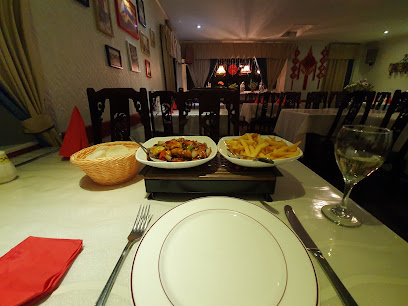
Empire Chinese Restaurant
25.5 km
A reliable, family-friendly Chinese restaurant in central Kirkwall, serving generous portions of classic dishes in a relaxed setting.
The Shore
25.5 km
Modern waterfront hotel in Kirkwall's harbor district with clean rooms, full breakfast, and walking access to town attractions.
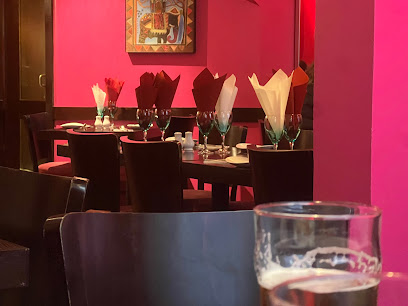
Dil Se Restaurant
25.5 km
Experience authentic North Indian and Bangladeshi flavors in Kirkwall’s award-winning Dil Se Restaurant, blending tradition with local freshness.
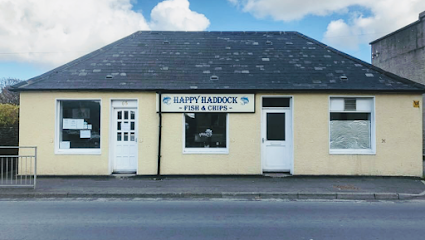
Happy Haddock
25.5 km
Classic Orkney fish and chips with friendly service and hearty portions in the heart of Kirkwall.
Markets, malls and hidden boutiques

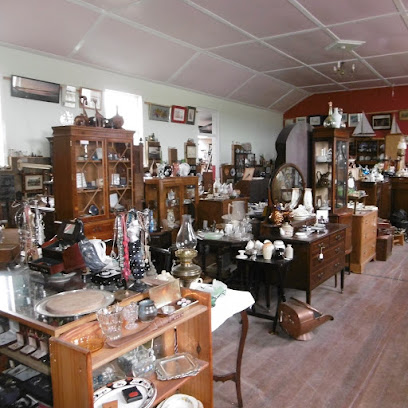
Orkney Antique Centre
3.2 km
Discover Orkney’s rich heritage through a captivating collection of antiques in the historic former community centre of Birsay.
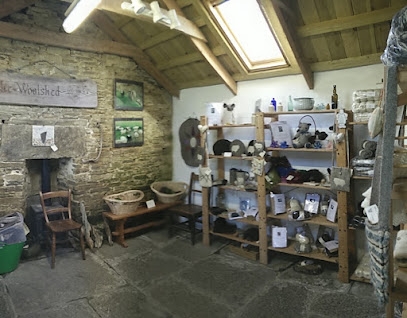
Woolshed
10.9 km
Discover authentic Orkney woolcraft at The Woolshed, a historic knit shop and workshop set amidst stunning island landscapes.
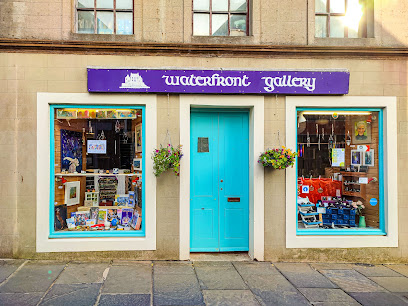
Waterfront Gallery
15.3 km
Discover authentic Orkney craftsmanship and local artistry at Waterfront Gallery, a cultural gem in the heart of Stromness.
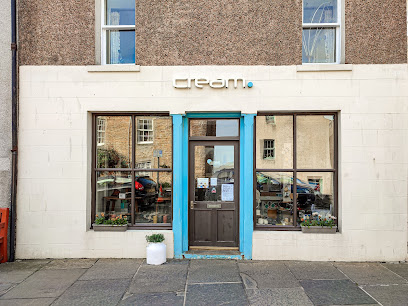
Cream
15.3 km
Explore Cream in Stromness for unique gifts, local art, and a taste of Orkney's creativity.
Vintage Paper Co
15.5 km
Discover handmade papers, artisanal bookbinding, and unique stationery in the heart of Stromness at Vintage Paper Co.
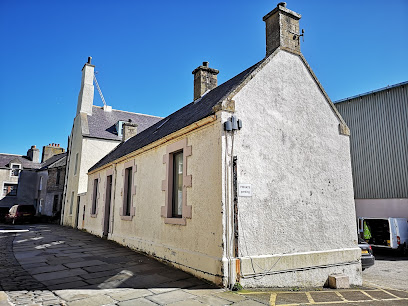
Heksmoar
17.3 km
A charming craft shop in Stromness showcasing handcrafted Orcadian textiles, ceramics, jewellery and art in a warm, welcoming space.
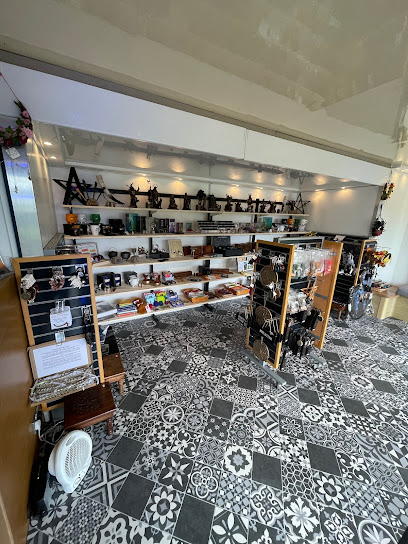
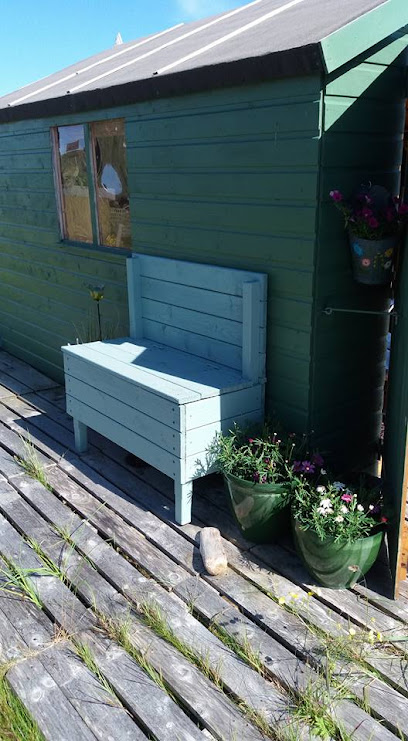
St Colms Cafe & Crafts
25.0 km
A cozy Kirkwall café and crafts shop offering homemade treats and unique handcrafted garden furniture and cards.
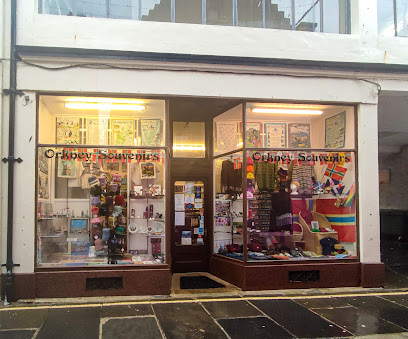
Orkney Souvenirs
25.5 km
Discover authentic Orkney crafts and local treasures in Kirkwall’s welcoming souvenir shop, celebrating island heritage and artistry.
Anchor Shopping Centre
25.5 km
A compact, modern shopping mall in central Kirkwall, offering everyday essentials, fashion, health and beauty, and practical services in a convenient indoor setting.

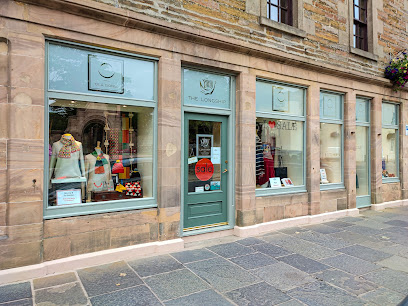
The Longship
25.5 km
Discover Orkney’s rich heritage through timeless jewellery, knitwear, and crafts at Kirkwall’s family-run Longship shop.
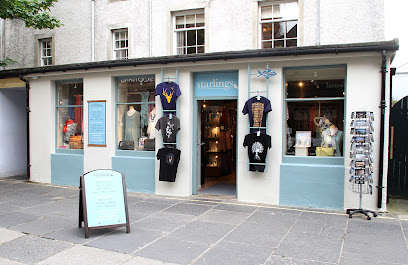
Starlings
25.5 km
Discover authentic Orcadian gifts and crafts at Starlings, a charming boutique shop in Kirkwall’s historic heart.
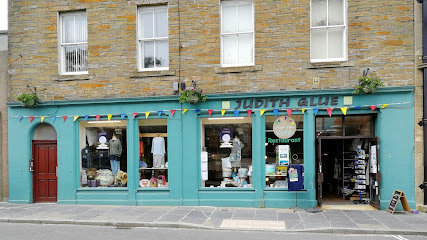
Judith Glue
25.5 km
Discover Kirkwall’s charming Aladdin’s Cave of local gifts, knitwear, and jewellery at Judith Glue, a beloved hub of Orcadian craftsmanship since 1976.
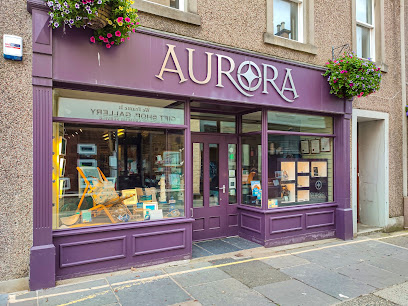
Aurora Jewellery
25.5 km
Discover exquisite hand-crafted jewellery inspired by Orkney’s heritage and landscapes at Aurora Jewellery in Kirkwall.
Poundstretcher
25.5 km
Discover unbeatable value and variety at Poundstretcher Kirkwall, your go-to discount store in the heart of Orkney’s town center.

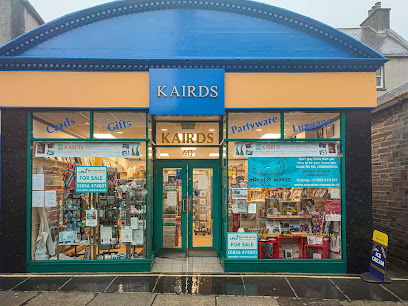
Kairds
25.5 km
Discover unique gifts and local crafts that capture the spirit of Orkney at Kairds, Kirkwall’s beloved gift shop on Albert Street.
Essential bars & hidden hideouts

The Taversoe
17.9 km
A cozy 3-star inn on Rousay offering spacious rooms, local cuisine, and stunning sea views in a warm, welcoming atmosphere.
Ayre Hotel & Apartments
25.3 km
Comfortable harbor-side hotel with a lively bar, friendly staff, and easy access to Kirkwall’s historic center.
Oot The Back
25.3 km
Discover Kirkwall’s cozy outdoor garden bar with heated booths, local gins, and a relaxed atmosphere behind Orkney Distilling.
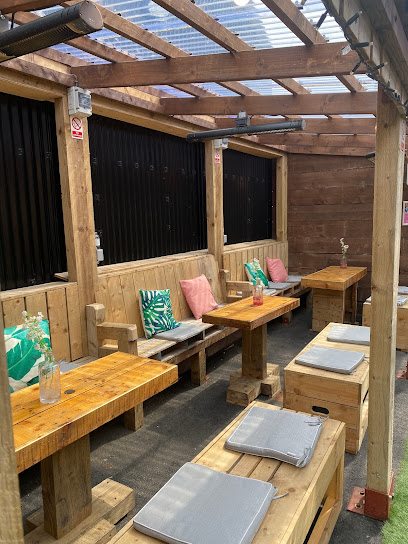
Auld Motor Hoose
25.4 km
A cozy Kirkwall pub blending automotive nostalgia with friendly service and local ales in a lively, welcoming atmosphere.
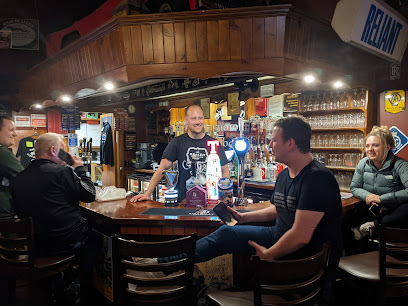
The Neuk
25.4 km
A warm and lively pub-restaurant in Kirkwall offering fresh local fare, historic charm, and a vibrant live music scene.
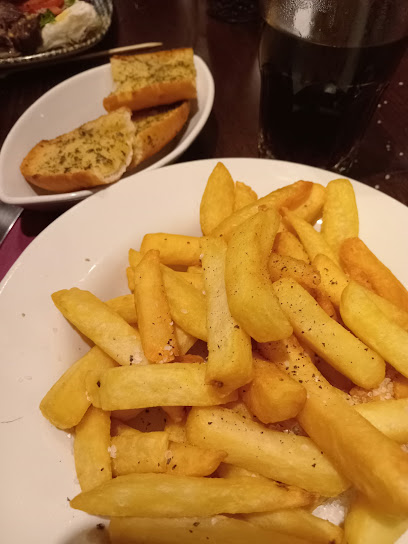
Highland Park Bar
25.5 km
A cozy Kirkwall bar serving an extensive range of Highland Park whiskies and local drinks in a warm, inviting atmosphere within the Kirkwall Hotel.

Skippers
25.5 km
Kirkwall’s vibrant sports bar serving local brews, hearty pub fare, and live games in a welcoming, dog-friendly atmosphere.
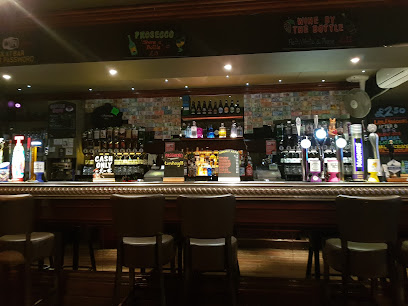
Torvhaug
25.5 km
A lively Kirkwall pub on Bridge Street, Torvhaug offers local whiskys, cozy vibes, and a vibrant atmosphere beloved by locals and visitors alike.
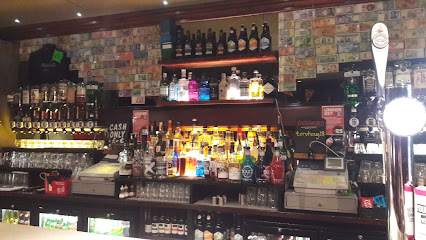
Royal Cask Whisky Gin Bar
25.6 km
Discover Kirkwall’s historic Royal Cask Whisky Gin Bar, home to over 1,000 whiskies, 160 gins, and authentic Orcadian hospitality in a 350-year-old setting.
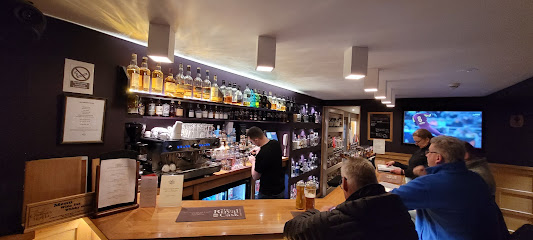
The West End Guest House
25.7 km
A peaceful, centrally located guest house in Kirkwall offering simple comforts and easy access to Orkney’s historic heart.
Robertsons Coffeehoose & Bar
37.6 km
A warm, family-run coffeehouse and bar in historic St Margaret's Hope, serving traditional fare, local drinks, and inclusive menus in a charming setting.
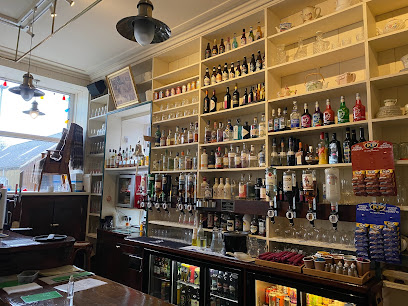
The Belsair
45.1 km
A cozy gastropub and guesthouse on Sanday offering fresh local seafood, comfortable rooms, and authentic island hospitality.
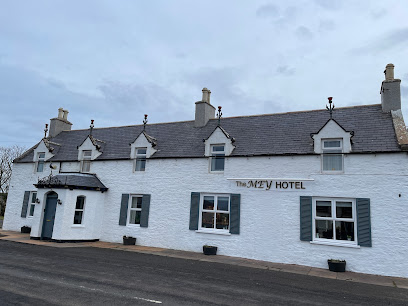
The Mey Hotel
51.6 km
Experience warm Highland hospitality, hearty Scottish fare, and cozy comfort at The Mey Hotel in scenic Thurso.
Dunnet Bay Escapes
53.0 km
Luxurious coastal retreat with stunning Dunnet Bay views, gourmet breakfasts, and serene hot tub relaxation in the heart of the Scottish Highlands.
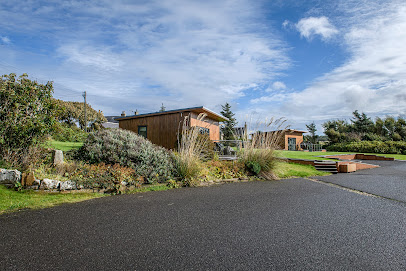
Peerie Cafe
55.3 km
Experience delightful flavors and breathtaking views at Peerie Cafe, your cozy retreat by the Thurso harbor.
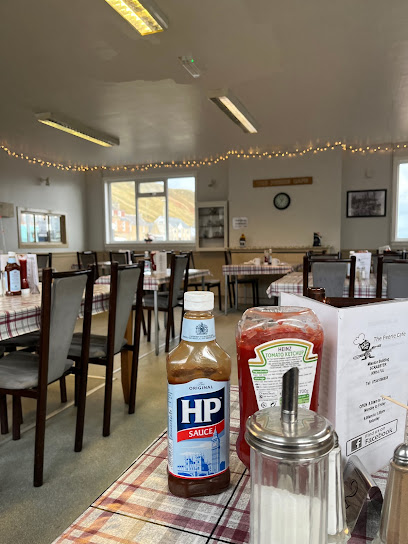
Nightclubs & after hour spots

The Orkney Club
25.4 km
A welcoming social hub in Kirkwall offering lively evening entertainment and a friendly community atmosphere in the heart of Orkney.
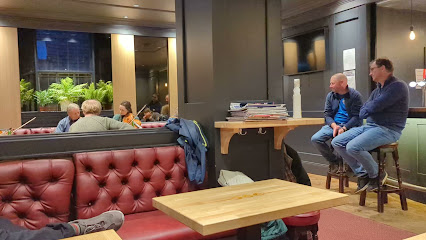
Skinandi's Nightclub
56.9 km
Experience the vibrant nightlife at Skinandi's, the northernmost nightclub on Scotland’s mainland with two bars and two dance floors.
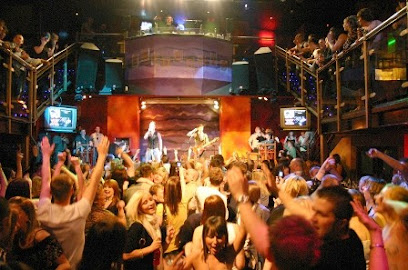
The Waterfront
74.2 km
Wick's vibrant nightlife heart with a lively dance floor, diverse music, and a welcoming atmosphere on the scenic Shore.
For the vibe & atmosphere seeker
- Scenic
- Relaxing
- Tranquil
- Unique
For the design and aesthetic lover
- Rustic Designs
- Colorful Aesthetics
For the architecture buff
- Historic
- Landmarks
- Parks & Gardens
For the view chaser and sunset hunter
- Iconic Views
- Panoramas
- Waterfront
- Sunset Spots
For the social media creator & influencer
- Instagrammable
- Photo Spots
- Selfie Spots
- Aesthetic Corners
For the eco-conscious traveler
- Sustainable
- Eco-Friendly
- Low Impact
- Protected Area
- Public-Transport Accessible
- Leave-No-Trace Critical
- Locally Managed
- Wildlife Habitat
For the kind of experience you’re after
- Cultural Heritage
- Nature Escape
- Day Trip
- Photowalk
- Myth & Legends
For how adventurous you want the journey to be
- Easy Access
Location Audience
- Family Friendly
- Senior Friendly
- Child Friendly
- Teen Friendly
- Wheelchair Access
- Pet Friendly
- Solo Friendly
- Couple Friendly
- Vegetarian Friendly
- Vegan Friendly


