
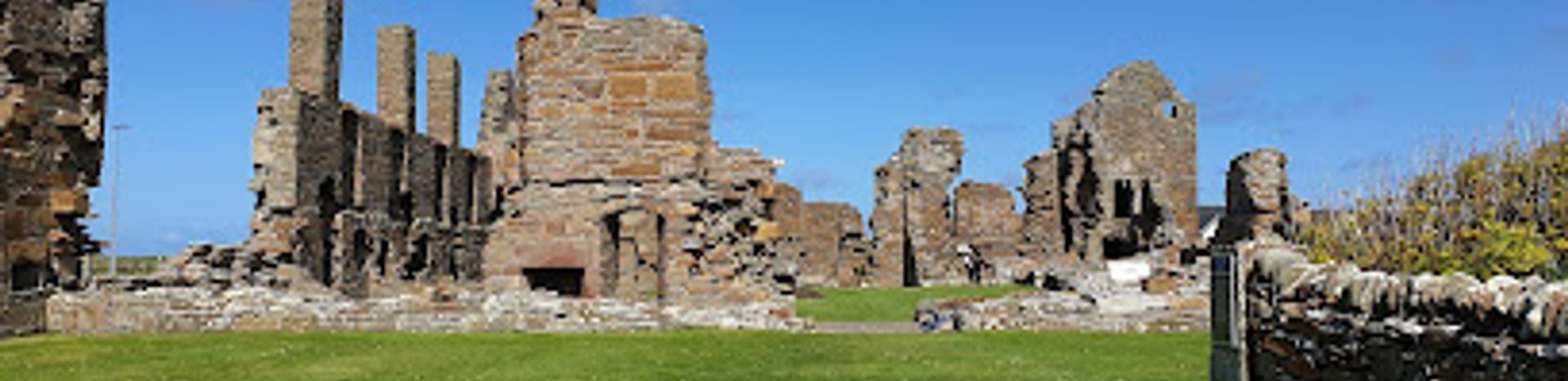
Earl's Palace, Birsay
Explore the windswept ruins of a 16th-century earl’s palace on Orkney’s northern coast, where Renaissance ambition met ruthless rule and dramatic coastal scenery.
Perched on the windswept northern tip of Orkney’s Mainland, the ruins of Earl’s Palace in Birsay rise from the grass like a forgotten stronghold of power and intrigue. Built in the late 16th century by Robert Stewart, half-brother to Mary, Queen of Scots, this Renaissance-style courtyard castle once echoed with the footsteps of a ruthless earl and his family. Though now roofless and open to the sky, its thick walls, gun holes, and grand layout still speak of opulence and ambition, set against a backdrop of dramatic coastal cliffs and seabird cries.
A brief summary to Birsay Earl's Palace
- Mainland, Orkney, GB
- Visit website
- Duration: 0.5 to 1.5 hours
- Free
-
 Outdoor
- Mobile reception: 3 out of 5
- Monday 12 am-12 am
- Tuesday 12 am-12 am
- Wednesday 12 am-12 am
- Thursday 12 am-12 am
- Friday 12 am-12 am
- Saturday 12 am-12 am
- Sunday 12 am-12 am
Local tips
- Wear sturdy footwear and a windproof jacket; the site is exposed to strong coastal winds and the ground can be uneven and slippery, especially after rain.
- Visit early in the day or in the late afternoon to avoid the busiest times and to catch the best light for photographs of the ruins against the sea.
- Combine your visit with a walk to the nearby Brough of Birsay, but check tide times carefully as the causeway is only safe to cross at low tide.

For the on-the-go comforts that matter to you
- Seating Areas
- Information Boards
Getting There
-
Public Transport
From Kirkwall, take a local bus service towards Birsay; the journey takes about 30–40 minutes. The stop is a short walk from the palace, along a well-maintained but exposed coastal road.
-
Car
Drive north from Kirkwall on the A965, then follow local signs to Birsay; the total drive is around 20–25 km and takes 30–40 minutes. A small car park is located near the village, from which the palace is a 5–10 minute walk along a paved and gravel path.
-
Walking
From the centre of Birsay village, the palace is an easy 5–10 minute walk along a flat, paved and gravel path; the route is exposed to wind and weather but offers fine coastal views.
Birsay Earl's Palace location weather suitability
-
 Any Weather
-
 Windy Conditions
-
 Mild Temperatures
Discover more about Birsay Earl's Palace
A Palace of Power and Ambition
Standing on the northern edge of Orkney’s Mainland, the ruins of Earl’s Palace in Birsay were once the seat of Robert Stewart, illegitimate son of James V and half-brother to Mary, Queen of Scots. Constructed between 1569 and 1574, this was no modest residence but a statement of authority: a fortified Renaissance courtyard castle designed to impress and intimidate. Its four ranges of two-storey buildings, corner towers, and grand southern entrance proclaimed the earl’s status, while gun holes in every wall hinted at the constant threat of rebellion and the earl’s own harsh rule.Life in the Stewart Stronghold
The palace was built in phases, with the great hall and private chamber in the south range completed first, followed by a second range on the north side after Robert was formally created Earl of Orkney in 1581. The upper floors housed the earl’s halls, chambers, and a gallery, once richly decorated with painted ceilings depicting biblical scenes such as Noah’s flood and Christ’s entry into Jerusalem. Below, the ground floor held service rooms and cellars, supported by the labour and produce of the local population. This was a place of relative opulence, yet also a fortress, reflecting the turbulent politics of 16th-century Orkney.The Fall of the Stewart Earls
Robert Stewart’s rule was marked by controversy and accusations of tyranny, and his son Patrick, known as ‘Black Patie’, continued in the same vein. After Patrick’s arrest in 1610, his son Robert briefly recaptured the palace and seized the Earl’s Palace in Kirkwall, but both were captured and executed in 1615. With the overthrow of the Stewart earls, the palace’s story as a noble residence effectively ended. It passed to the bishops of Orkney, who occupied it until the late 17th century, but by 1700 it was roofless and rapidly decaying into the atmospheric ruin we see today.Exploring the Ruins Today
Today, visitors can freely explore the shell of the palace, walking through the courtyard and into the remains of halls and chambers, with information boards explaining the original layout and function of each space. The site is remarkably complete for a ruin, allowing a clear sense of its original scale and design. The surrounding landscape is equally compelling: high cliffs, seabird colonies, and views across the Pentland Firth, with the nearby Brough of Birsay offering further layers of Pictish and Norse history accessible at low tide. The village nearby, locally known as ‘The Place’ (a corruption of ‘The Palace’), still bears the legacy of this once-grand residence.Iconic landmarks you can’t miss

The Cannon
19.3 km
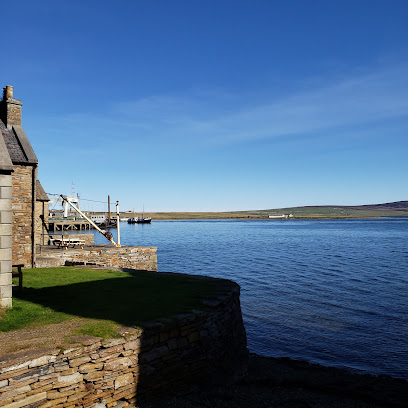
Historic cannon from an American privateer, set against the stunning backdrop of Stromness harbour’s maritime heritage.
First Nations And Orcadian Totem Pole
35.4 km
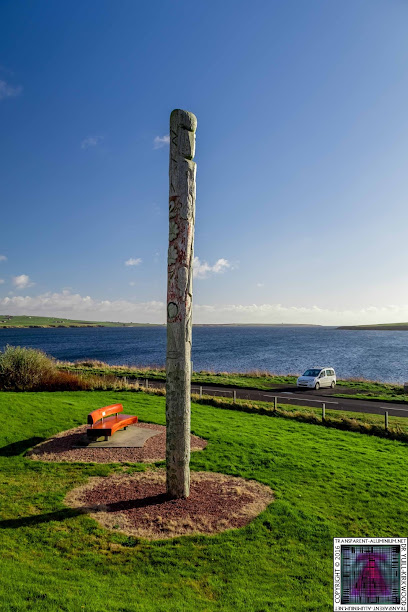
A striking wooden monument in Orkney symbolizing friendship and shared heritage between First Nations and Orcadian cultures.
Churchill Barriers
35.6 km
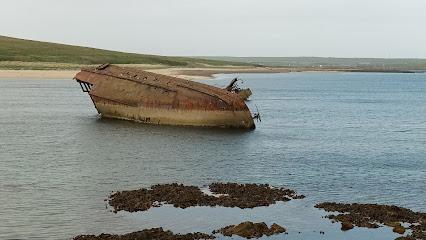
Historic WWII causeways in Orkney that safeguarded Scapa Flow and now link islands with a rich legacy of resilience and culture.
John O'Groats Signpost
55.8 km
Britain's most iconic signpost marks the legendary endpoint of the 874-mile Land's End to John o' Groats journey.
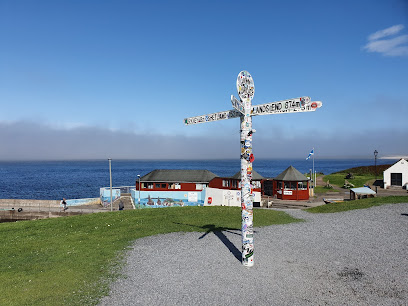
Bay of Sannick
56.1 km
Experience the tranquil beauty of the Bay of Sannick, a stunning coastal gem in John o' Groats, perfect for relaxation and adventure.
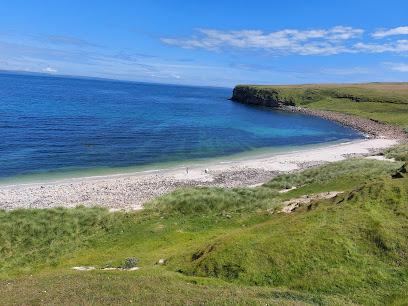
Mary Ann's Cottage
56.3 km
Explore the fascinating history of Caithness at Mary Ann's Cottage, a charming museum showcasing 19th-century life and culture.
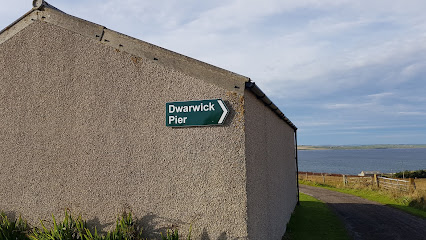
Above and Beyond Tours
56.3 km
Discover the breathtaking landscapes of Caithness with Above and Beyond Tours, where adventure meets local expertise in Scotland's stunning north.
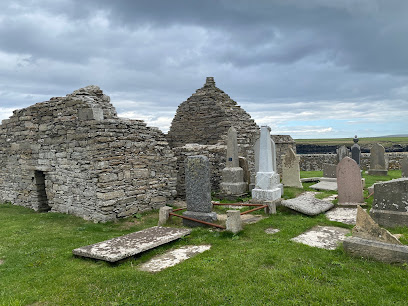
Duncansby Head Lighthouse
56.6 km
Experience the breathtaking views and rich history of Duncansby Head Lighthouse, a must-see landmark on Scotland's northern coast.
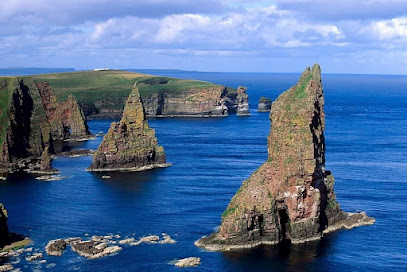
North Ronaldsay
57.6 km
Explore North Ronaldsay: A remote Scottish island known for its stunning landscapes, unique wildlife, and rich cultural heritage, perfect for nature lovers and history buffs.
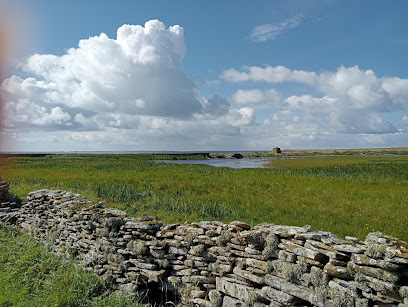
Duncansby Stacks
57.8 km
Discover the breathtaking Duncansby Stacks, a natural marvel of towering cliffs and vibrant wildlife on Scotland's stunning coastline.
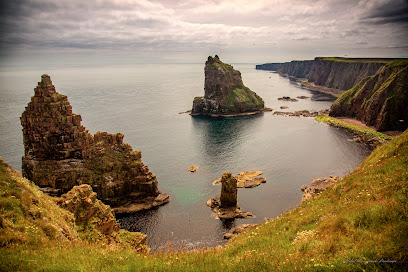
Castlehill Heritage Centre
59.3 km
Discover the captivating history and culture of Castletown at the Castlehill Heritage Centre, a unique museum in the heart of the Scottish Highlands.
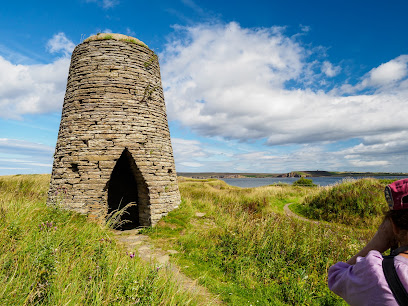
Harold’s Tower
59.5 km
Discover the charm and history of Harold's Tower in Thurso, a stunning heritage site offering breathtaking views and rich cultural significance.

Dunnet Links: St. Coomb Chapel (6th century, former site))
59.6 km
Discover the ancient ruins of St. Coomb Chapel, a 6th-century site near Castletown that reveals Scotland’s early Christian heritage.
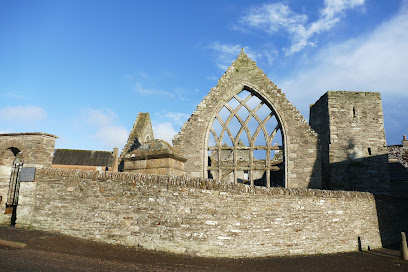
Old St Peter’s Church, Thurso
60.4 km
Discover the architectural splendor and rich history of Old St Peter’s Church, a must-visit historical landmark in Thurso, Scotland.
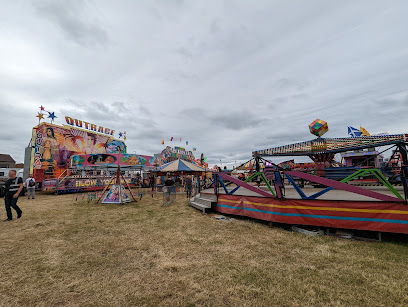
Caithness Agricultural Society
60.5 km
Experience the rich agricultural heritage of Caithness at the Caithness Agricultural Society, a vibrant hub for farming enthusiasts and tourists.
Unmissable attractions to see

Brough of Birsay
1.2 km
Explore a tidal island rich with Pictish symbols, Viking ruins, medieval churches, and vibrant seabird colonies including puffins.

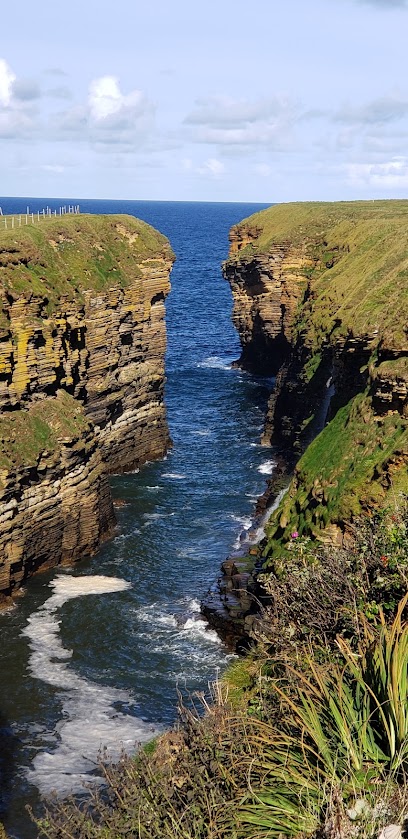
Longaglebe Geo
1.7 km
Explore Longaglebe Geo, Orkney’s longest dramatic coastal cleft, where rugged cliffs meet seabird colonies in a wild, windswept landscape.
Marwick Head
3.9 km
Dramatic cliffs, vast seabird colonies, and a poignant WWI memorial converge at Orkney’s breathtaking Marwick Head.
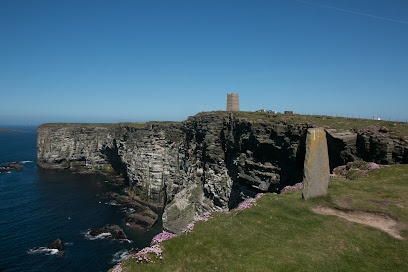
RSPB Scotland Marwick Head Nature Reserve
4.1 km
Experience Orkney’s dramatic cliffs, vibrant seabird colonies, and poignant history at RSPB Scotland Marwick Head Nature Reserve.
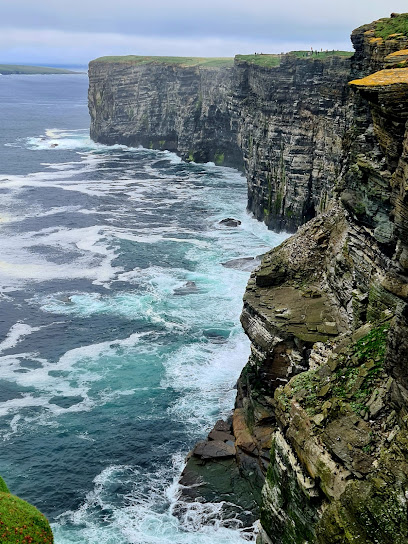
Kirbuster Farm Museum
4.2 km
Step back in time at Kirbuster Farm Museum, Northern Europe’s last un-restored firehoose, where Orkney’s rural heritage lives on.
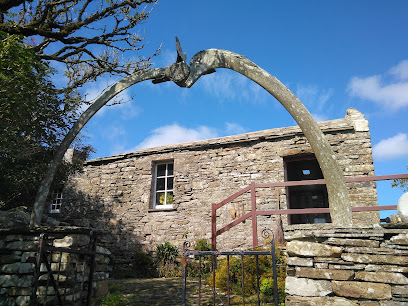
HMS TERN (RNAS Twatt)
5.3 km
Explore HMS TERN in Twatt, Orkney—a historical landmark offering insights into naval aviation and the region's wartime heritage amidst stunning natural beauty.
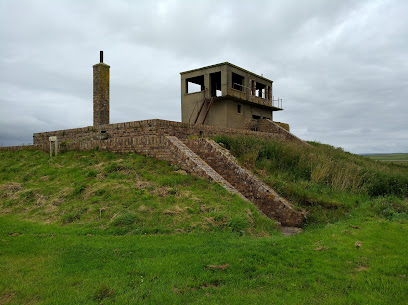
Castaway Crafts
8.3 km
Discover unique handcrafted treasures and authentic Orkney artistry at Castaway Crafts, nestled in the cozy charm of Rose Cottage, Dounby.
Bay of Skaill
8.5 km
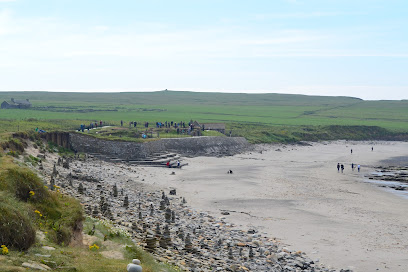
Explore Bay of Skaill’s sweeping sands and ancient shores, home to the remarkable Neolithic village of Skara Brae and dramatic Atlantic vistas.
Skara Brae Visitor Centre
9.1 km
Explore one of Europe’s oldest and best-preserved Neolithic villages with a modern visitor centre and rich archaeological insights on Orkney’s stunning coast.
Skara Brae Prehistoric Village
9.2 km
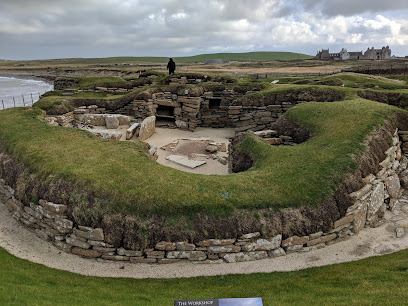
Step back 5,000 years at Skara Brae, Europe’s best-preserved Neolithic village with stone houses, ancient furniture, and immersive exhibitions.

Skaill House Falconry
9.2 km
Experience Orkney’s captivating birds of prey up close in a family-run falconry set within historic grounds near Skara Brae.
Skaill House
9.2 km
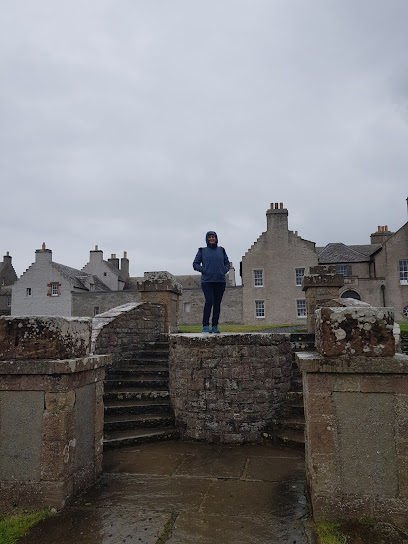
Explore Skaill House, Orkney’s finest 17th-century mansion, steeped in history and linked to the ancient Neolithic village of Skara Brae.
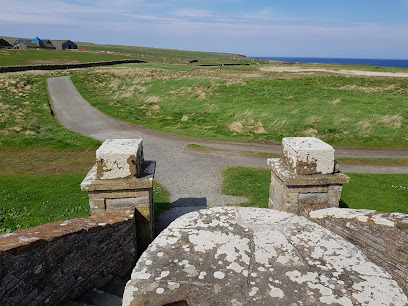
RSPB Birsay Moors
9.8 km
Discover the wild beauty and rich birdlife of Orkney’s windswept Birsay Moors nature reserve.
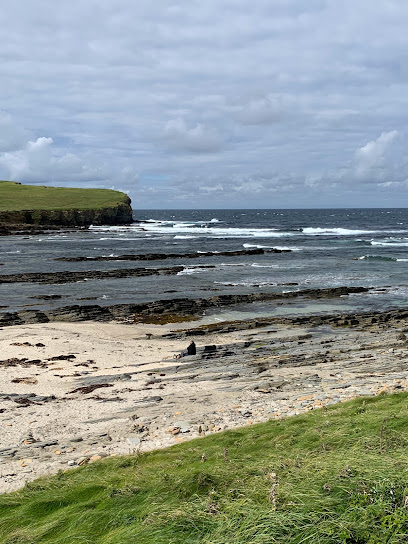
Broch of Borwick
11.2 km
Discover the atmospheric Broch of Borwick, a rugged Iron Age relic perched on Orkney’s wild west coast cliffs.
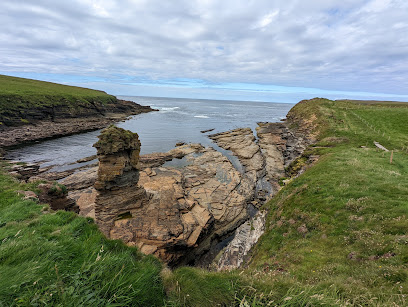
Borwick Castle Sea Stack
11.4 km
Explore the dramatic Borwick Castle Sea Stack and ancient Iron Age broch perched on Orkney’s rugged, windswept coastline.
Essential places to dine

The Skerries Restaurant
10.0 km
Experience exquisite local seafood with breathtaking views at The Skerries Restaurant by Loch of Harray in Orkney’s tranquil natural setting.
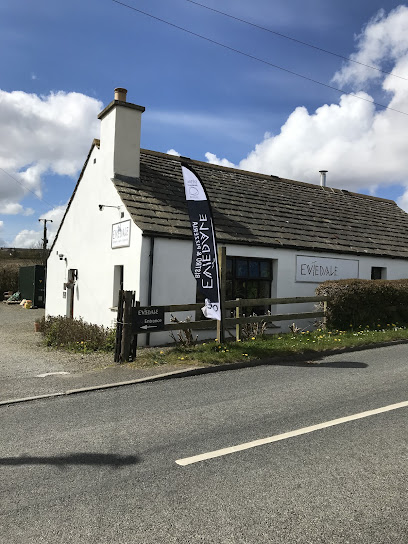
Eviedale Bistro & Bakehouse
12.0 km
Orkney's pioneering sourdough bakery and wood-fired pizzeria, where artisanal craft meets island hospitality.
Leigh's Real Taste of Orkney
18.1 km
Discover Orkney’s finest takeaway flavors at Leigh's, where local produce meets generous portions and friendly service in Finstown.

Adam's Place
18.4 km
Fresh local seafood and an acclaimed wine list await you at Adam's Place, a cozy culinary highlight on Stromness’s waterfront.
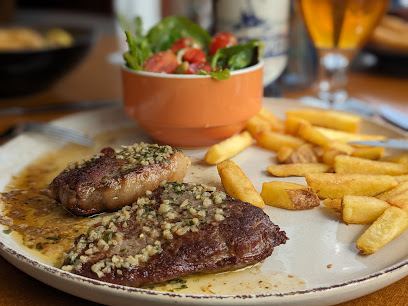
Julia's Cafe Bistro
18.4 km
Cozy cafe in Stromness offering freshly made rolls with vegetarian, vegan, and gluten-free options in a friendly, welcoming atmosphere.
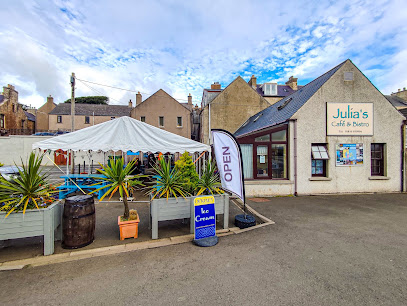
Ferry Inn Stromness
18.5 km
A cozy, historic inn on Stromness harbour offering hearty local cuisine and warm hospitality just steps from the ferry terminal.
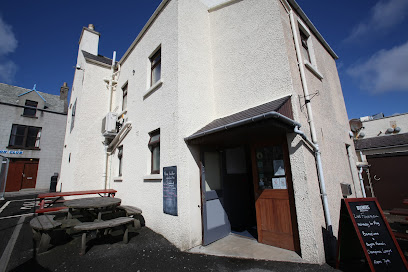
The Hamnavoe Restaurant
18.8 km
A cozy, historic Stromness restaurant serving innovative seasonal dishes blending Orkney seafood with European and Asian flavors.
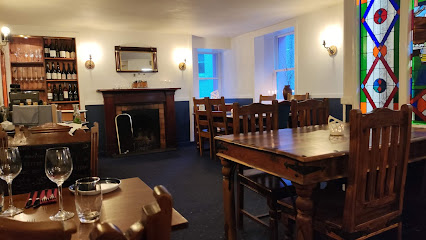
The Smithy Cafe
25.6 km
A community-run cafe and restaurant in a historic smithy on Shapinsay, serving Orkney fare in a warm, rustic setting with occasional evening bar service.
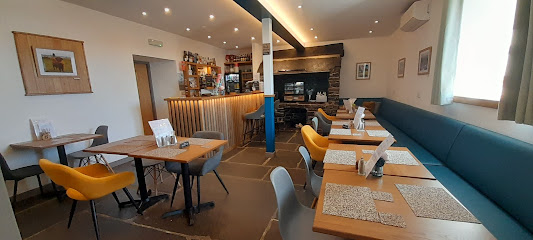
Helgi's
26.0 km
A vibrant harbourfront gastropub blending Orkney’s Viking heritage with fresh local fare and lively community spirit.
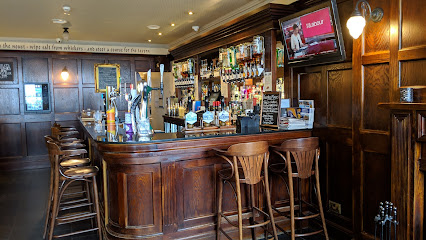
Busters Diner
26.0 km
A cozy American-style diner in Kirkwall serving hearty comfort food with British influences and local Orkney beers in a relaxed setting.
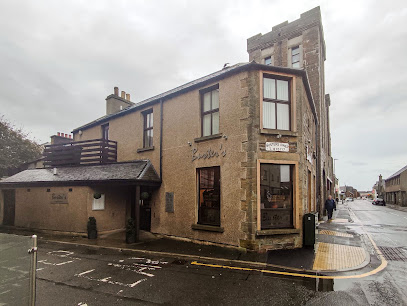
Bothy Bar
26.0 km
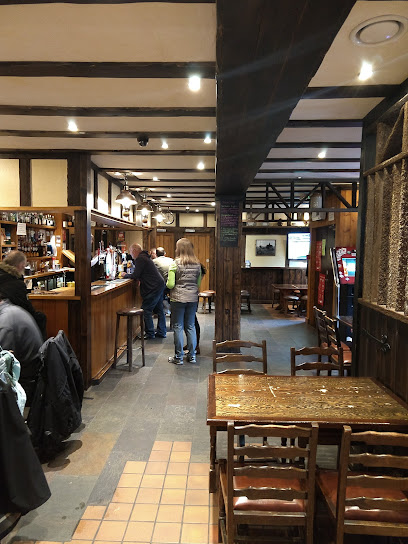
Experience the warmth of Bothy Bar in Kirkwall – where delicious food meets delightful drinks in a cozy atmosphere.
The Shore
26.0 km
Modern waterfront hotel in Kirkwall's harbor district with clean rooms, full breakfast, and walking access to town attractions.
Dil Se Restaurant
26.1 km
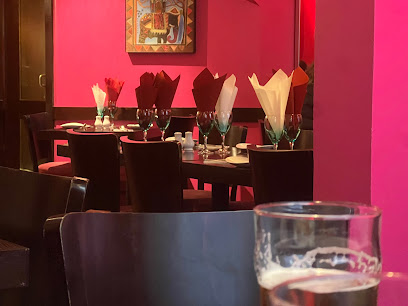
Experience authentic North Indian and Bangladeshi flavors in Kirkwall’s award-winning Dil Se Restaurant, blending tradition with local freshness.
Twenty One
26.1 km
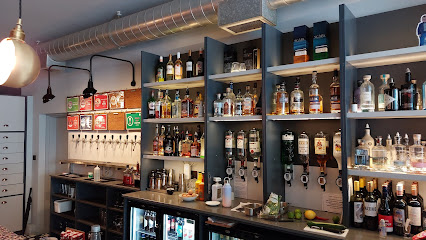
A vibrant Kirkwall hotspot serving unique tapas and expertly crafted cocktails in a stylish, welcoming setting.
Empire Chinese Restaurant
26.1 km
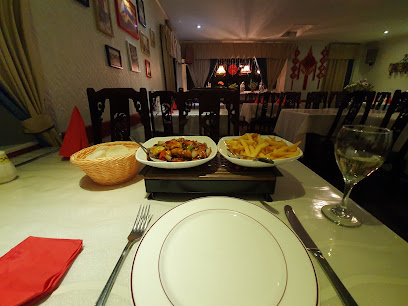
A reliable, family-friendly Chinese restaurant in central Kirkwall, serving generous portions of classic dishes in a relaxed setting.
Markets, malls and hidden boutiques

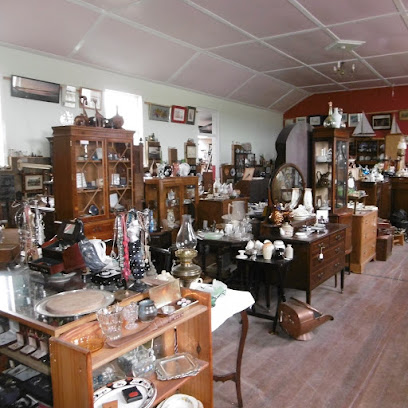
Orkney Antique Centre
1.5 km
Discover Orkney’s rich heritage through a captivating collection of antiques in the historic former community centre of Birsay.
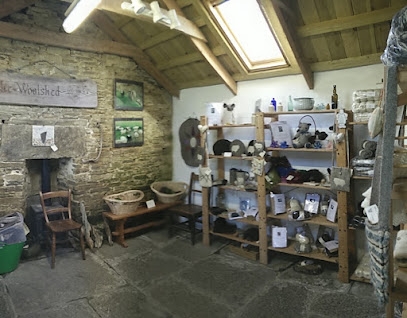
Woolshed
8.2 km
Discover authentic Orkney woolcraft at The Woolshed, a historic knit shop and workshop set amidst stunning island landscapes.
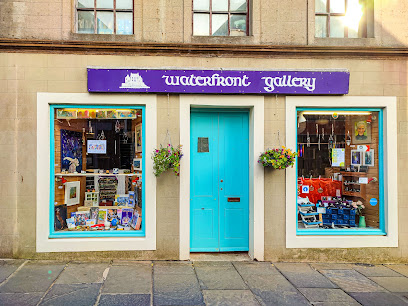
Waterfront Gallery
18.8 km
Discover authentic Orkney craftsmanship and local artistry at Waterfront Gallery, a cultural gem in the heart of Stromness.
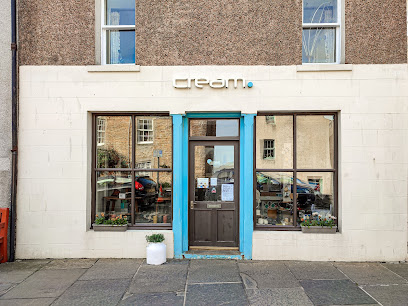
Cream
18.8 km
Explore Cream in Stromness for unique gifts, local art, and a taste of Orkney's creativity.
Vintage Paper Co
19.0 km
Discover handmade papers, artisanal bookbinding, and unique stationery in the heart of Stromness at Vintage Paper Co.
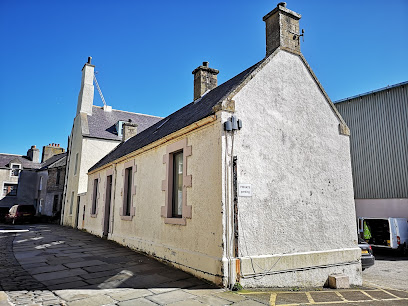
Heksmoar
19.2 km
A charming craft shop in Stromness showcasing handcrafted Orcadian textiles, ceramics, jewellery and art in a warm, welcoming space.
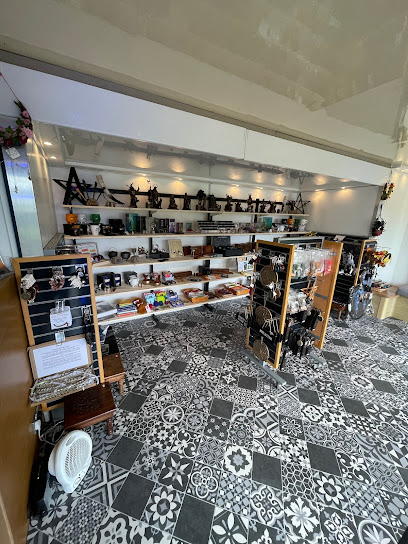
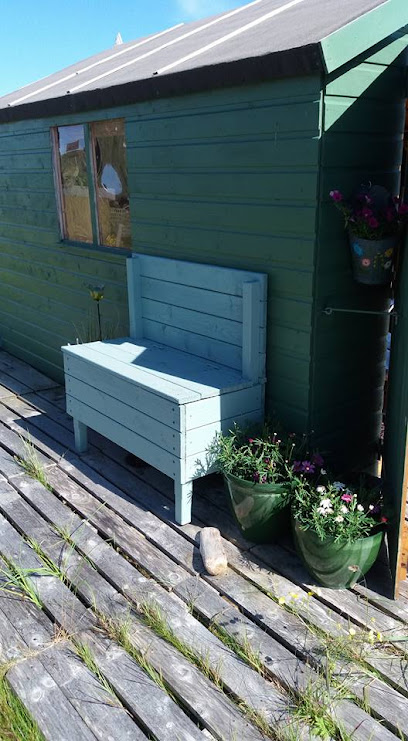
St Colms Cafe & Crafts
25.7 km
A cozy Kirkwall café and crafts shop offering homemade treats and unique handcrafted garden furniture and cards.
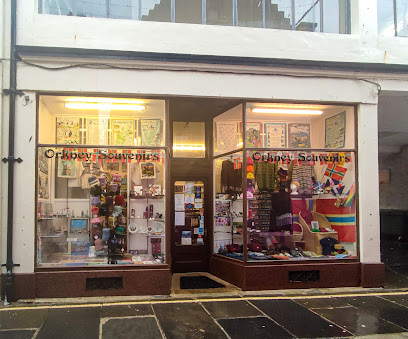
Orkney Souvenirs
26.1 km
Discover authentic Orkney crafts and local treasures in Kirkwall’s welcoming souvenir shop, celebrating island heritage and artistry.
Anchor Shopping Centre
26.1 km
A compact, modern shopping mall in central Kirkwall, offering everyday essentials, fashion, health and beauty, and practical services in a convenient indoor setting.
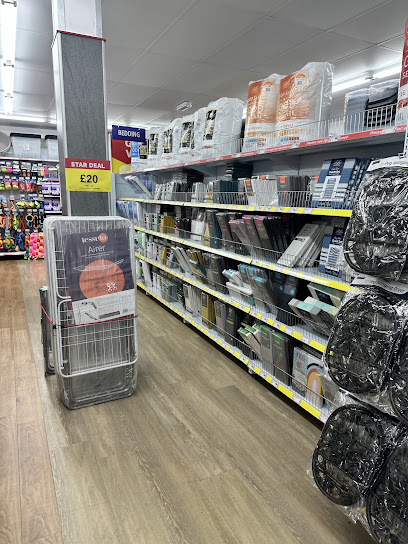
Poundstretcher
26.1 km
Discover unbeatable value and variety at Poundstretcher Kirkwall, your go-to discount store in the heart of Orkney’s town center.
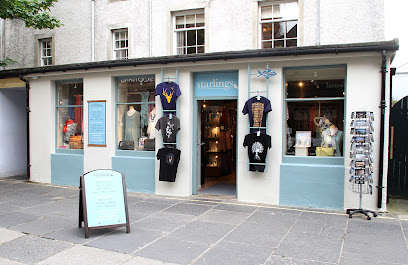
Starlings
26.1 km
Discover authentic Orcadian gifts and crafts at Starlings, a charming boutique shop in Kirkwall’s historic heart.
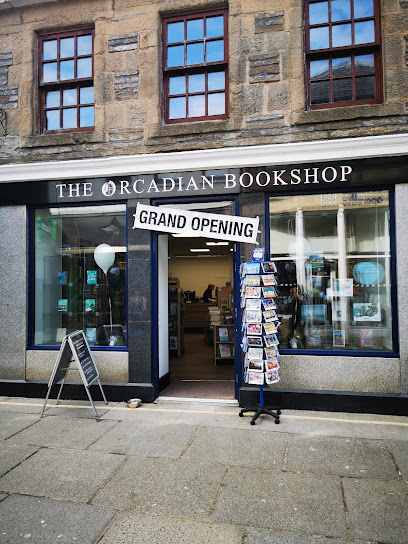
The Orcadian Bookshop
26.1 km
Discover Orkney’s stories and culture at The Orcadian Bookshop, Kirkwall’s independent literary gem in the historic city centre.
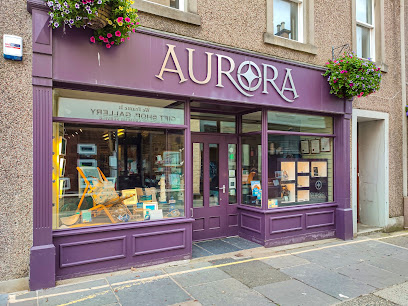
Aurora Jewellery
26.1 km
Discover exquisite hand-crafted jewellery inspired by Orkney’s heritage and landscapes at Aurora Jewellery in Kirkwall.
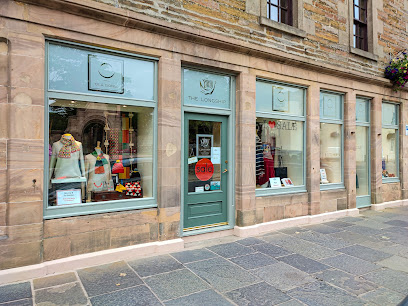
The Longship
26.1 km
Discover Orkney’s rich heritage through timeless jewellery, knitwear, and crafts at Kirkwall’s family-run Longship shop.
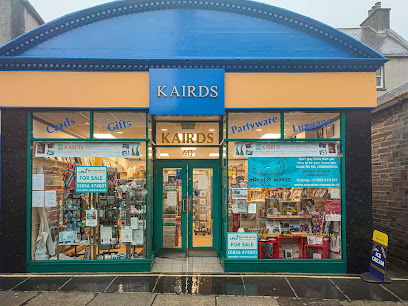
Kairds
26.1 km
Discover unique gifts and local crafts that capture the spirit of Orkney at Kairds, Kirkwall’s beloved gift shop on Albert Street.
Essential bars & hidden hideouts

The Taversoe
15.8 km
A cozy 3-star inn on Rousay offering spacious rooms, local cuisine, and stunning sea views in a warm, welcoming atmosphere.
Ayre Hotel & Apartments
25.8 km
Comfortable harbor-side hotel with a lively bar, friendly staff, and easy access to Kirkwall’s historic center.
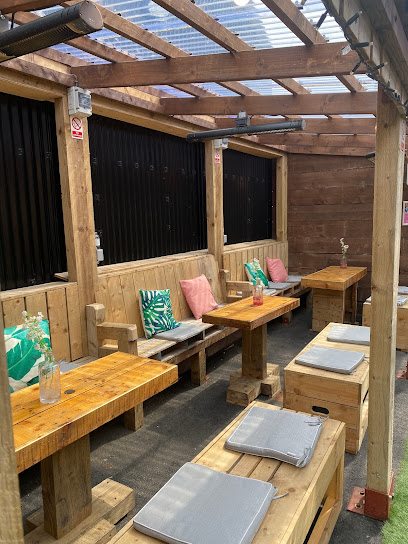
Oot The Back
25.9 km
Discover Kirkwall’s cozy outdoor garden bar with heated booths, local gins, and a relaxed atmosphere behind Orkney Distilling.
Auld Motor Hoose
26.0 km
A cozy Kirkwall pub blending automotive nostalgia with friendly service and local ales in a lively, welcoming atmosphere.
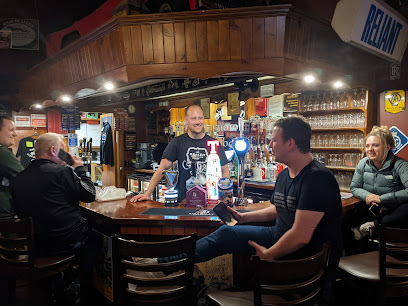
Highland Park Bar
26.0 km
A cozy Kirkwall bar serving an extensive range of Highland Park whiskies and local drinks in a warm, inviting atmosphere within the Kirkwall Hotel.
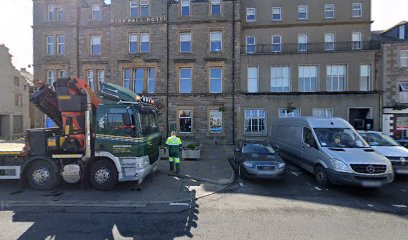
The Neuk
26.0 km
A warm and lively pub-restaurant in Kirkwall offering fresh local fare, historic charm, and a vibrant live music scene.
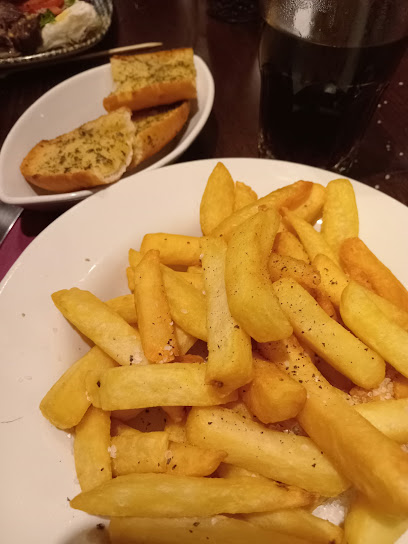
Skippers
26.0 km
Kirkwall’s vibrant sports bar serving local brews, hearty pub fare, and live games in a welcoming, dog-friendly atmosphere.
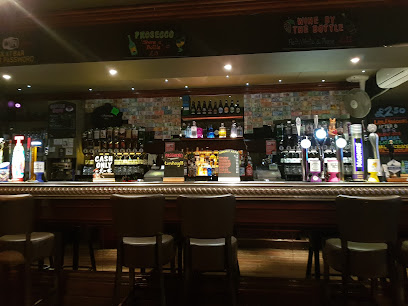
Torvhaug
26.0 km
A lively Kirkwall pub on Bridge Street, Torvhaug offers local whiskys, cozy vibes, and a vibrant atmosphere beloved by locals and visitors alike.
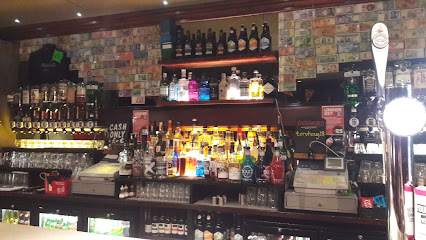
Royal Cask Whisky Gin Bar
26.2 km
Discover Kirkwall’s historic Royal Cask Whisky Gin Bar, home to over 1,000 whiskies, 160 gins, and authentic Orcadian hospitality in a 350-year-old setting.
The West End Guest House
26.3 km
A peaceful, centrally located guest house in Kirkwall offering simple comforts and easy access to Orkney’s historic heart.
Robertsons Coffeehoose & Bar
39.6 km
A warm, family-run coffeehouse and bar in historic St Margaret's Hope, serving traditional fare, local drinks, and inclusive menus in a charming setting.
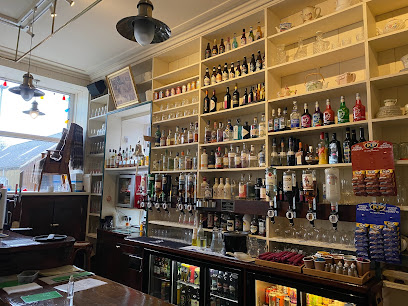
The Belsair
42.3 km
A cozy gastropub and guesthouse on Sanday offering fresh local seafood, comfortable rooms, and authentic island hospitality.
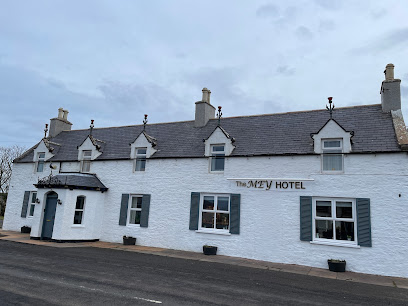
The Mey Hotel
55.1 km
Experience warm Highland hospitality, hearty Scottish fare, and cozy comfort at The Mey Hotel in scenic Thurso.
Dunnet Bay Escapes
56.7 km
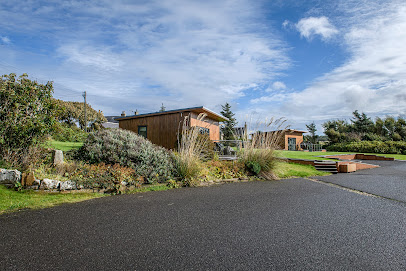
Luxurious coastal retreat with stunning Dunnet Bay views, gourmet breakfasts, and serene hot tub relaxation in the heart of the Scottish Highlands.
Peerie Cafe
59.3 km
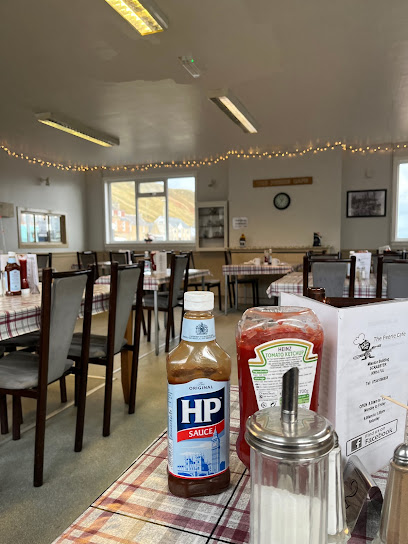
Experience delightful flavors and breathtaking views at Peerie Cafe, your cozy retreat by the Thurso harbor.
Nightclubs & after hour spots

The Orkney Club
26.0 km
A welcoming social hub in Kirkwall offering lively evening entertainment and a friendly community atmosphere in the heart of Orkney.
Skinandi's Nightclub
60.9 km
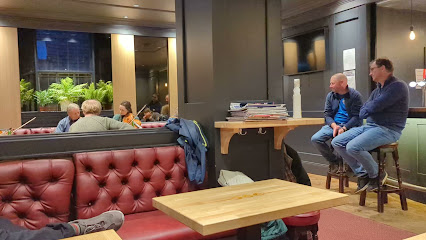
Experience the vibrant nightlife at Skinandi's, the northernmost nightclub on Scotland’s mainland with two bars and two dance floors.
The Waterfront
77.5 km
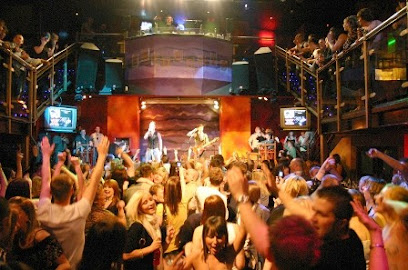
Wick's vibrant nightlife heart with a lively dance floor, diverse music, and a welcoming atmosphere on the scenic Shore.
For the vibe & atmosphere seeker
- Tranquil
- Scenic
- Historic
- Unique
For the design and aesthetic lover
- Rustic Designs
- Historic
For the architecture buff
- Historic
- Landmarks
- Heritage Neighborhoods
For the view chaser and sunset hunter
- Iconic Views
- Panoramas
- Waterfront
For the social media creator & influencer
- Instagrammable
- Photo Spots
- Selfie Spots
- Aesthetic Corners
- Architectural Shots
For the eco-conscious traveler
- Public-Transport Accessible
- Leave-No-Trace Critical
For the kind of experience you’re after
- Cultural Heritage
- Photowalk
- Nature Escape
- Day Trip
For how adventurous you want the journey to be
- Easy Access
Location Audience
- Family Friendly
- Senior Friendly
- Child Friendly
- Teen Friendly
- Solo Friendly
- Couple Friendly
- Solo Female Friendly


